
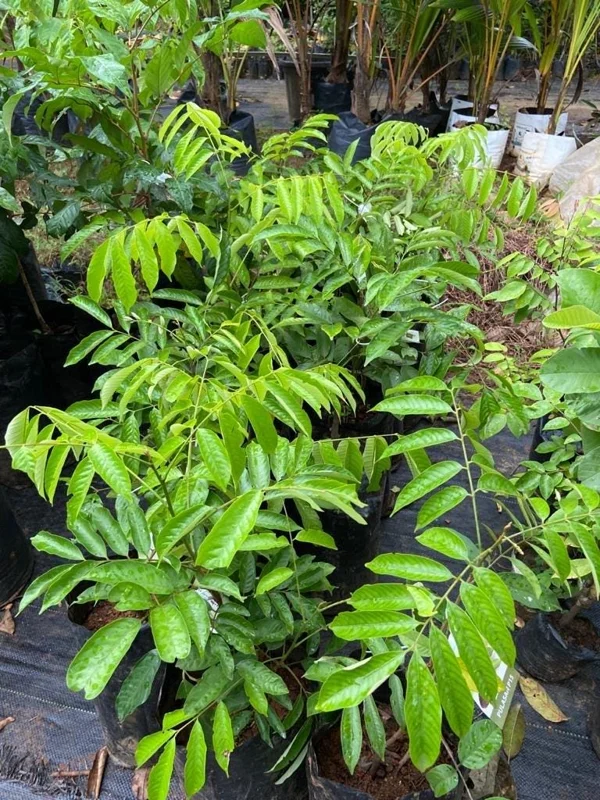
Pulasan (Nephelium mutabile) Live Fruit Tree 10-16 inch – Sweet & Juicy
$125.00
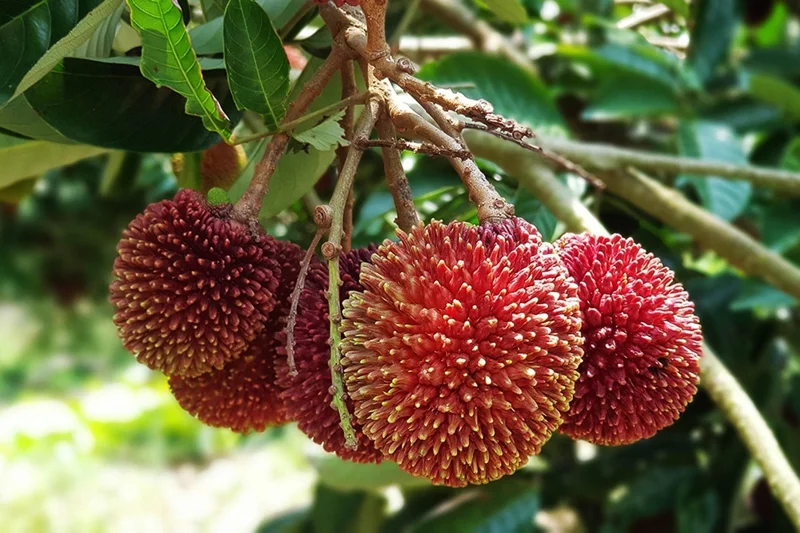
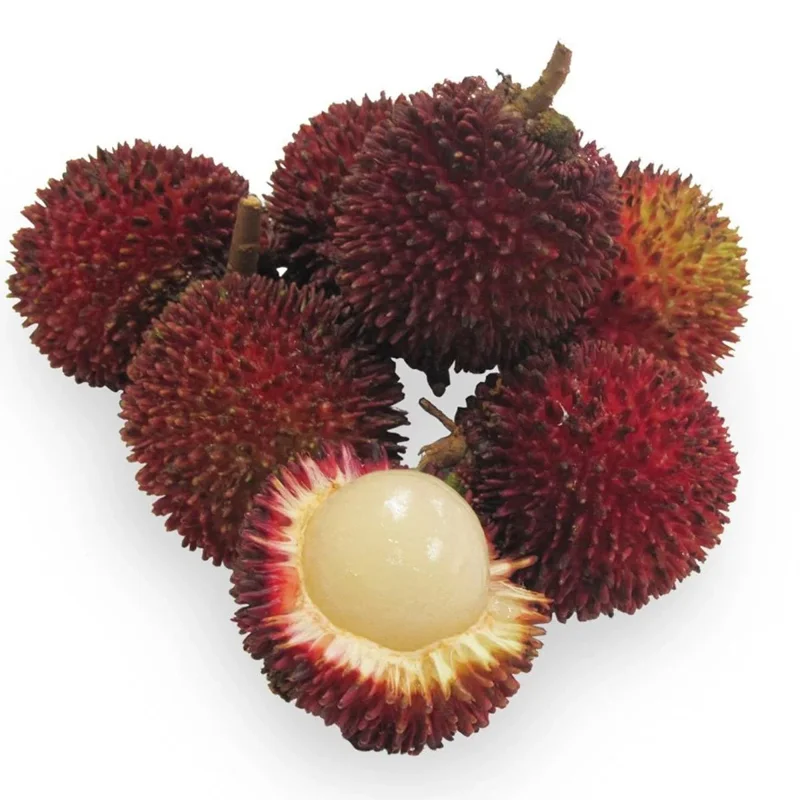
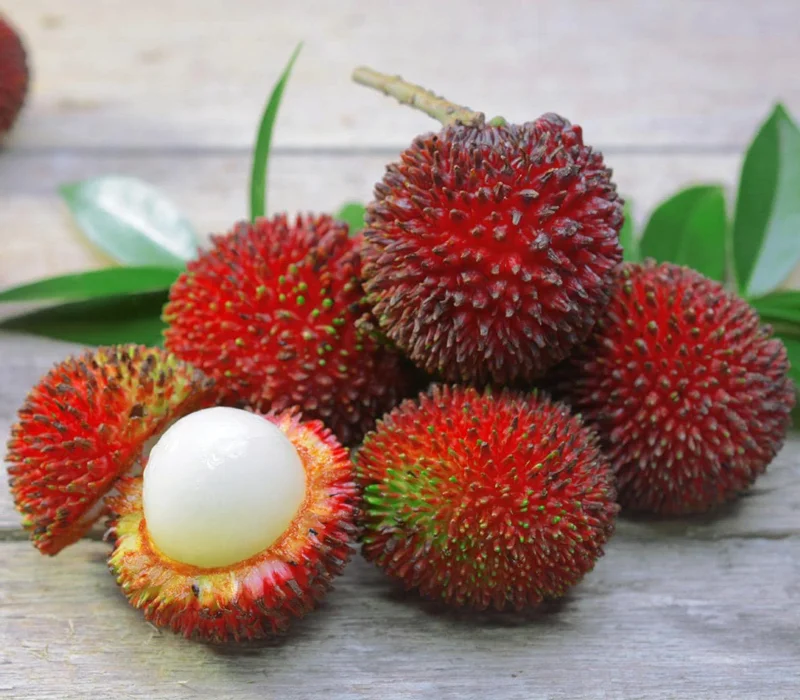
Cultivate your own exotic pulasan live fruit tree, a delightful relative of the rambutan. This 10-16 inch plant promises sweet, juicy fruit with an edible, almond-flavored seed. Perfect for tropical fruit enthusiasts and home gardeners looking for a unique addition.
Shipping and Return policies:
We stand behind our plants with our Alive & Thrive Guarantee. If you experience any issues within the first 30 days, please email us, and our team will be happy to help. When needed, we’ll send you a one-time replacement free of charge to make sure your garden keeps growing strong.

Reasonable Price
We offer reasonable price

Support 24/7
Contact us 24 hrs a day
100% Money Back
You’ve 30 days to Return
Payment Secure
100% secure payment
Overview
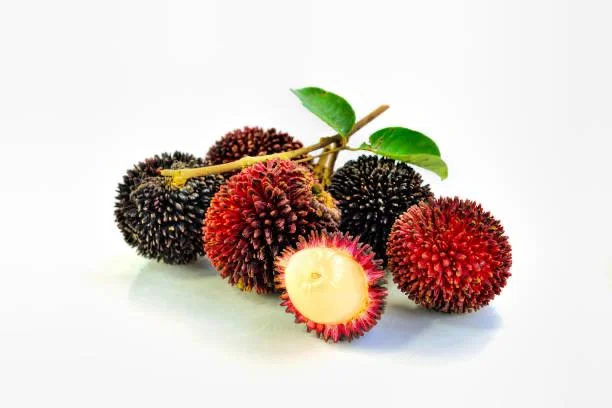
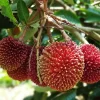
Introduce an exotic delight to your garden with the pulasan live fruit tree (Nephelium mutabile). This captivating tropical plant, often called ‘poolasan,’ is a cherished relative of the rambutan, yet it boasts an even sweeter and juicier pulp. Originating from Southeast Asia, the pulasan is celebrated for its unique flavor profile and ease of enjoyment. Unlike many similar fruits, the seed of the pulasan is edible, offering a pleasant almond-like taste that can be savored directly or incorporated into various culinary creations. This live plant, measuring between 10 to 16 inches, is ready to establish itself and bring a touch of the tropics to your home or garden, promising a rewarding experience for any fruit lover.
The nephelium mutabile plant is not just about its delicious fruit; it’s also a beautiful addition to any landscape. Its lush green foliage provides a vibrant backdrop, making it an attractive specimen even when not fruiting. Growing your own pulasan means having access to fresh, organic fruit right at your fingertips, a true luxury for those who appreciate rare and delicious produce. Whether you’re an experienced gardener or a curious beginner, the pulasan offers a fascinating journey into the world of tropical fruits.
Key Benefits
The pulasan live fruit tree offers a multitude of benefits, from its delectable fruit to its ornamental value and unique characteristics. Here are some of the key advantages of growing this exceptional plant:
- Exotic, Sweet Flavor: Enjoy the intensely sweet and juicy fruit, often described as superior to its rambutan cousin. The distinctive taste is a treat for the palate, perfect for fresh eating or culinary experimentation.
- Edible, Almond-Flavored Seed: A unique feature of the pulasan is its edible seed, which has a pleasant almond-like flavor. This means less waste and an additional delicious component to enjoy, setting it apart from many other tropical fruits.
- Versatile Culinary Use: Beyond fresh consumption, the pulasan’s pulp can be used to make jellies, jams, and other desserts. Its rich sweetness lends itself well to various recipes, expanding your culinary horizons.
- Attractive Ornamental Plant: With its verdant foliage and potential for colorful fruit, the nephelium mutabile plant makes a beautiful addition to any garden or patio, adding a tropical aesthetic.
- Unique Garden Addition: Stand out from the crowd by growing a less common, yet highly rewarding, tropical fruit tree. It’s a fantastic conversation starter and a source of pride for any gardener.
- Source of Fresh, Organic Fruit: Cultivating your own pulasan ensures you have access to fresh, chemical-free fruit, allowing you to control the quality and ripeness of your produce.
- Relative of Rambutan and Lychee: For those who enjoy rambutan or lychee, the pulasan offers a familiar yet distinctly improved taste experience, making it a must-try for fans of these fruits.
Plant Care & Growing Tips
Caring for your pulasan live fruit tree requires attention to its tropical origins, ensuring it receives the right balance of light, water, and nutrients to thrive and produce its delicious fruit. Pulasan trees prefer a warm, humid climate, ideally mimicking their native Southeast Asian environment. They are best suited for USDA zones 10-11 if planted outdoors, but can be grown in containers in cooler climates, allowing them to be moved indoors during colder months. Provide a location with full sun to partial shade, meaning at least 6 hours of direct sunlight per day for optimal growth and fruiting. Young trees may benefit from some afternoon shade in extremely hot climates to prevent leaf scorch.
Watering is crucial for the nephelium mutabile plant, especially during its establishment phase and dry periods. The soil should be kept consistently moist but not waterlogged. Good drainage is essential to prevent root rot. Water deeply when the top inch of soil feels dry to the touch, and reduce watering slightly during cooler, less active growth periods. Pulasan trees prefer a rich, well-draining soil with a slightly acidic to neutral pH (6.0-7.0). Amending the soil with organic matter such as compost or well-rotted manure will enhance fertility and drainage. Fertilize regularly during the growing season (spring and summer) with a balanced, slow-release fertilizer formulated for tropical fruit trees. Follow the product instructions for application rates.
Protecting your sweet tropical fruit tree from pests and diseases involves regular inspection. Common pests like aphids or mealybugs can be managed with insecticidal soap or neem oil. Ensure good air circulation around the plant to prevent fungal issues. Pruning should be done to shape the tree, remove dead or diseased branches, and encourage fruit production. Light pruning after harvest is generally recommended. With proper care, your pulasan tree will flourish, providing you with bountiful harvests of its delightful, edible seed fruit for years to come.
Size & Details
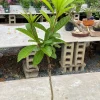
This offering is for a vibrant pulasan live fruit tree, ranging in height from 10 to 16 inches. These young trees are well-rooted and established, ready for transplanting into a larger pot or directly into your garden if climate permits. The growth rate of the pulasan tree is moderate, and with optimal conditions, it can begin to bear fruit within 3-5 years from planting. Mature trees can reach heights of 20-40 feet in their native habitat, but can be maintained at a more manageable size through pruning when grown in containers or smaller garden spaces. The plant will arrive carefully packaged to ensure its health and vitality upon delivery, ready to begin its journey in your care. Expect a sturdy plant with healthy foliage, poised for robust growth.
Frequently Asked Questions
- Q: How big does this pulasan live fruit tree get? A: This particular plant is 10-16 inches tall. In optimal outdoor conditions, mature pulasan trees can reach heights of 20-40 feet, but they can be kept smaller with regular pruning, especially when grown in containers.
- Q: Is this an indoor or outdoor plant? A: The nephelium mutabile plant is a tropical fruit tree. It thrives outdoors in USDA Zones 10-11. In cooler climates, it can be grown in containers and brought indoors during colder months.
- Q: How much sunlight does the pulasan need? A: Pulasan trees prefer full sun to partial shade, ideally receiving at least 6 hours of direct sunlight per day for best fruit production. Young plants may appreciate some afternoon shade in very hot climates.
- Q: Is this plant easy to care for? A: While it has specific tropical requirements, with attention to consistent moisture, good drainage, and warmth, the pulasan live fruit tree is relatively straightforward to care for. It’s a rewarding plant for those willing to meet its needs.
- Q: What condition will the plant arrive in? A: Your sweet tropical fruit tree will arrive as a healthy, live plant, carefully packaged to minimize stress during transit. It will be well-rooted and ready for its new home.
- Q: How long until it starts producing fruit? A: With proper care and ideal growing conditions, a pulasan tree typically begins to bear its delicious edible seed fruit within 3 to 5 years from planting.
- Q: What’s the best time to plant a pulasan tree? A: The best time to plant a pulasan tree is in the spring or early summer, allowing it ample time to establish itself before cooler temperatures arrive.
- Q: What kind of soil does it prefer? A: Pulasan trees thrive in rich, well-draining soil with a slightly acidic to neutral pH (6.0-7.0). Amending the soil with organic compost is highly beneficial.
- Q: Is the pulasan fruit similar to rambutan? A: Yes, pulasan is a close relative of rambutan, but many consider its fruit to be even sweeter and juicier. A key difference is its easily separable and edible seed.
- Q: Can I grow this plant in a pot? A: Absolutely! Growing the pulasan live fruit tree in a large pot is an excellent option for those in non-tropical climates, allowing you to move it indoors to protect it from cold.
Be the first to review “Pulasan (Nephelium mutabile) Live Fruit Tree 10-16 inch – Sweet & Juicy”
You must be logged in to post a review.
People also Viewed
Sold 50 products
$185.00
Sold 50 products
$157.50
Sold 50 products
$297.50
Sold 50 products
$120.00
Sold 50 products
$212.50
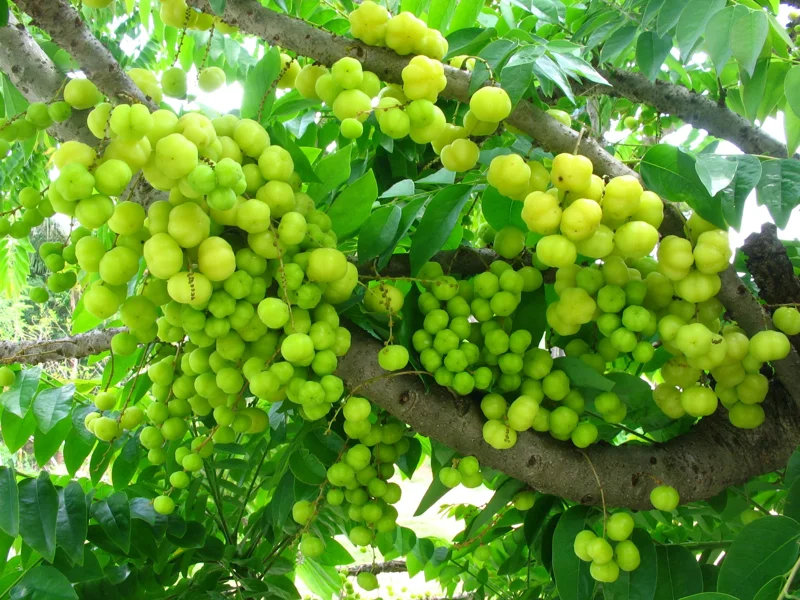
Sold 50 products
$122.50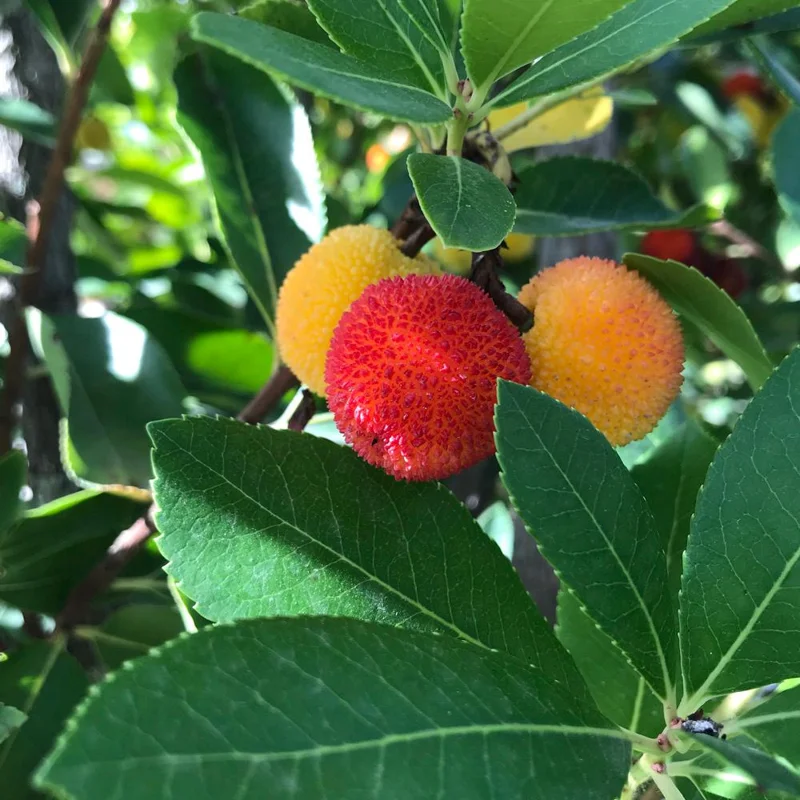
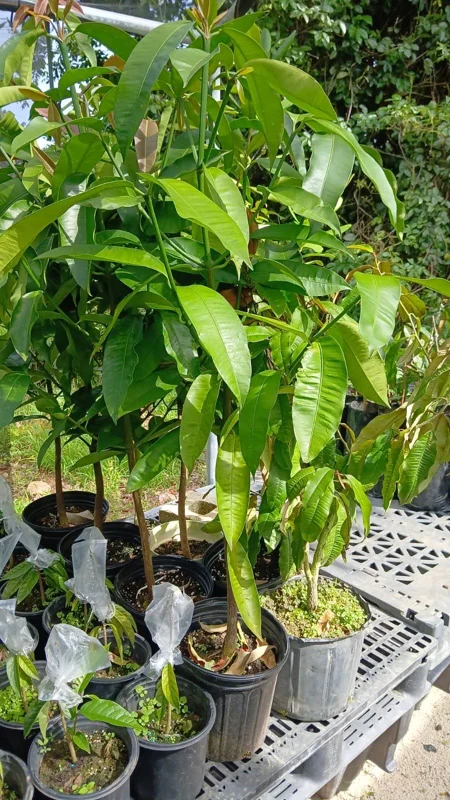
Sold 50 products
$2,510.00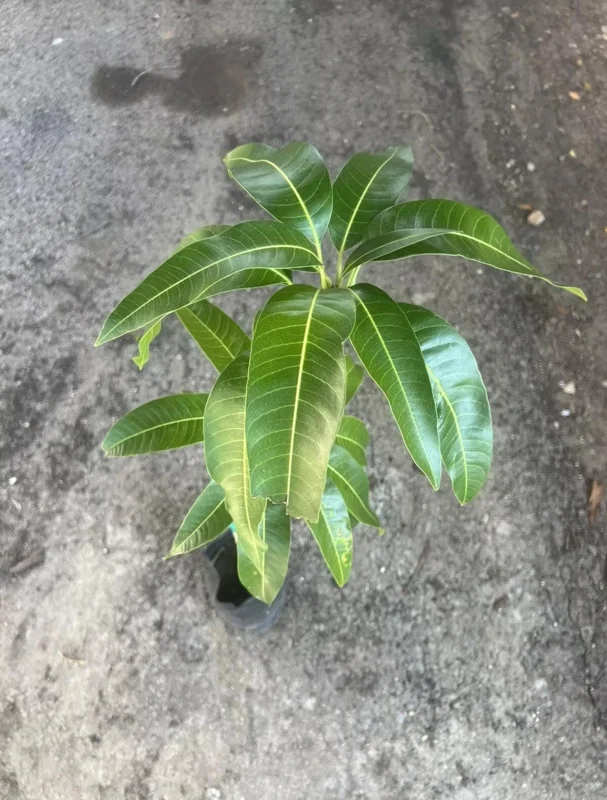
Sold 50 products
$400.00RELATED posts
Awapuhi Wild Ginger Plant: Zones, Care, and Propagation
Learn which USDA zones suit awapuhi wild ginger, plus sunlight, water, planting, propagation, pests, size, [...]
Awapuhi Shampoo Ginger – Care, Growing Zones, and Differences
Learn how to grow awapuhi (shampoo) ginger, its USDA zones, watering schedule, propagation tips, and [...]
Awapuhi Shampoo Plant Buying Guide – Choose the Right Zingiber zerumbet
META: Learn which awapuhi (shampoo ginger) plant or rhizome pack gives the best natural shampoo, [...]
Awapuhi Plant for Sale: Complete Buying Guide
Find the right awapuhi (shampoo ginger) plant, size, price, soil mix, and online source. Practical [...]
Shampoo Ginger Plant for Sale – Buying Guide & Tips
Find the right shampoo ginger plant, size, price, and care tips. Quick guide for U.S. [...]
Shampoo Ginger Plant (Awapuhi) Care Guide
Learn how to grow, care for, and use shampoo ginger (Zingiber zerumbet), the tropical awapuhi [...]
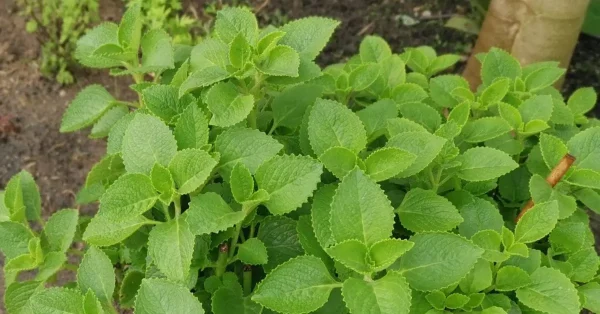
How to Grow Cuban Oregano Plants: A Complete Care Guide
If you’ve ever wanted a plant that combines the culinary punch of traditional oregano with [...]
Aug
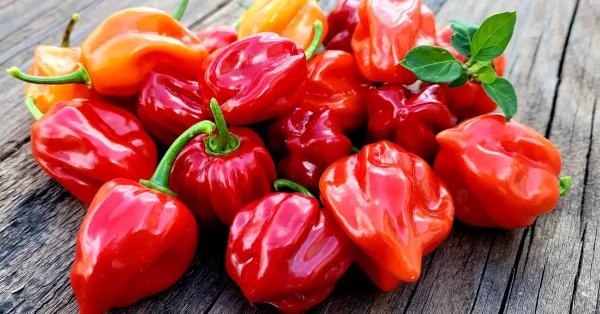
How to Grow Habanero Pepper Plants: A Step-by-Step Guide
Habanero pepper plants are prized for their vibrant colors, intense heat, and exceptional flavor, making [...]
Aug
Reviews
There are no reviews yet.