
Gardening Tips
How to Grow Cuban Oregano Plants: A Complete Care Guide
Aug
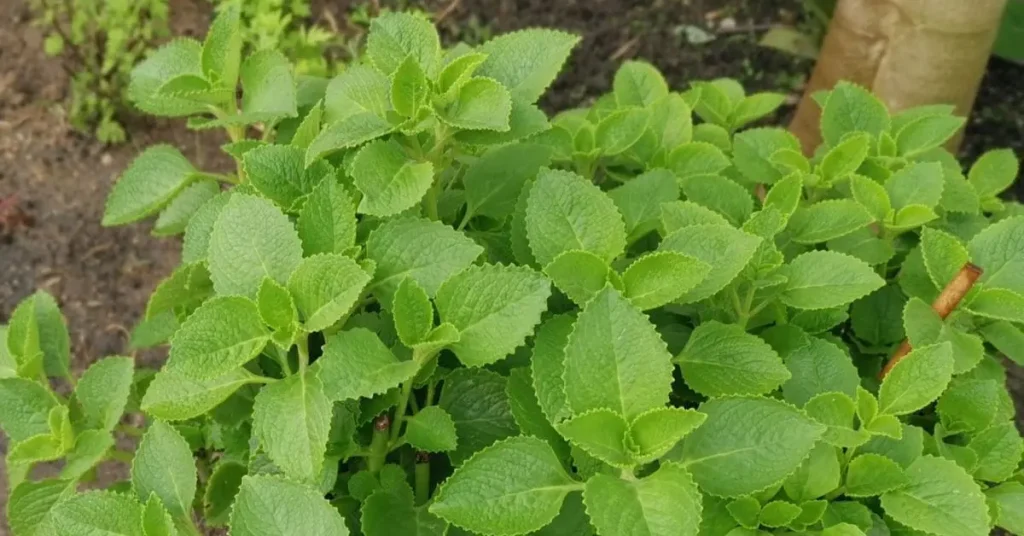
If you’ve ever wanted a plant that combines the culinary punch of traditional oregano with the lush, tropical beauty of a succulent, Coleus amboinicus (commonly known as Cuban Oregano) is the plant for you! Famous for its velvety, thick leaves, bold aromatic flavor, and incredible resilience, this fast-growing herb is an absolute powerhouse for both kitchen gardens and patio containers.
While its name might suggest a tricky, exotic species, Cuban Oregano is surprisingly low-maintenance and forgiving. In this guide, I’ll walk you through everything you need to know to keep your plant thriving, bushy, and overflowing with intensely fragrant foliage.
What is Cuban Oregano (Coleus amboinicus)?
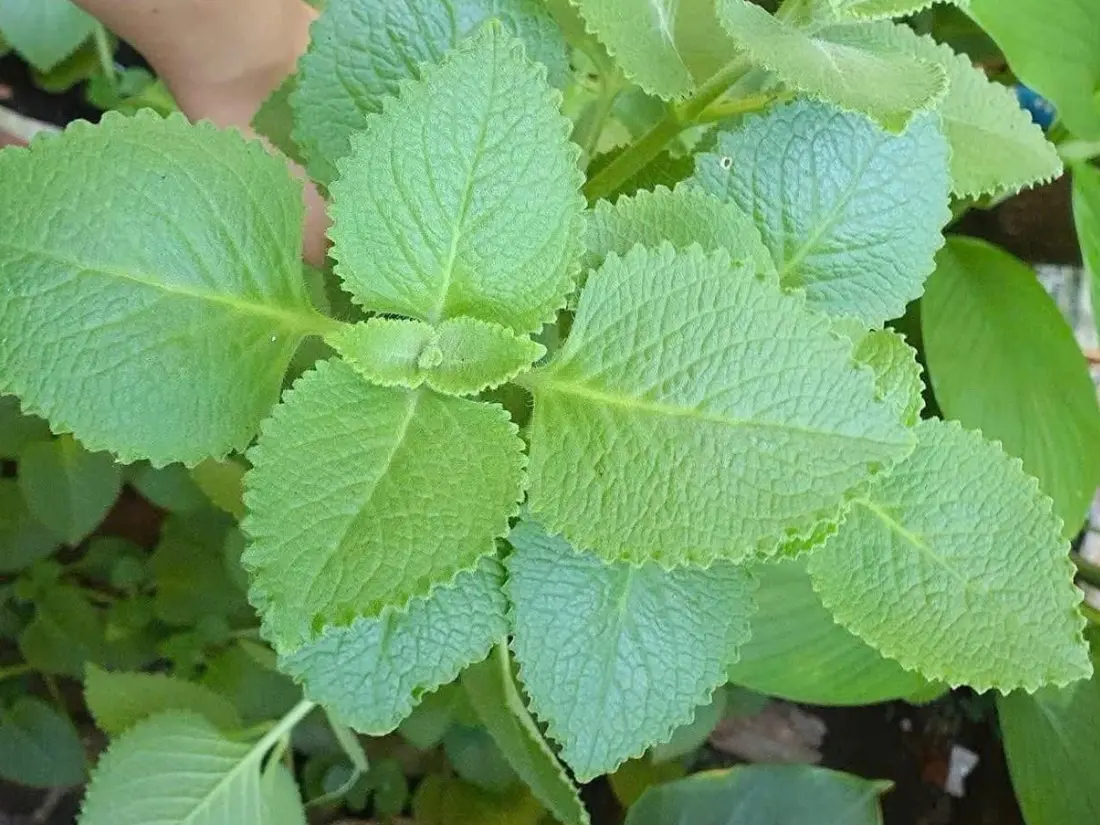
Cuban Oregano plants are a sprawling, semi-succulent perennial in the mint family (Lamiaceae). Despite its common name, it isn’t actually native to Cuba; it hails from warm, tropical regions of Southern and Eastern Africa! It goes by many names, including Spanish Thyme, Indian Borage, and Mexican Mint.
Unlike classic Mediterranean oregano, Cuban Oregano boasts thick, fuzzy leaves that store moisture, giving it remarkable drought tolerance. It grows exceptionally well in USDA hardiness zones 9–11 as a perennial, but makes a fantastic potted plant or summer annual in cooler climates. Whether you grow the deep green variety or the eye-catching variegated version with bright cream borders, its robust aroma, a spicy blend of oregano, thyme, and sage, is guaranteed to lift your spirits every time you brush against its leaves.
How to Plant Cuban Oregano Plants
Giving your Cuban Oregano a great start comes down to mimicking its warm, sunny native habitat. Whether you are planting in a decorative patio container or directly in your sunny garden bed, these steps will ensure rapid root establishment.
Choosing the Perfect Location
Cuban Oregano loves warmth and light, but it has a tender side! Aim for a spot that gets bright, indirect sunlight or partial shade (around 4 to 6 hours of sun daily). In areas with intense, scorching summer heat, dappled afternoon shade is essential to prevent its thick, fleshy leaves from developing scorched, brown spots.
The Ideal Soil Mix
The golden rule for succulent herbs like Cuban Oregano is exceptional drainage. These plants can handle a little drought, but they will quickly rot if left soaking in stagnant water.
-
For Garden Beds: Amend native soil with organic compost and coarse sand to boost drainage and aeration.
-
For Containers: Choose a light, porous potting mix, such as a cactus/succulent mix, or combine standard potting soil with equal parts perlite or pumice. Aim for a slightly acidic to neutral pH (6.0 to 7.0).
You may like:
- 8 Beautiful Herbs to Enhance Your Flowerbeds – Create an Edimental Paradise
- How to Grow Jerusalem Artichoke Seeds: A Beginner’s Guide
- Growing Shampoo Ginger in Pots: Easy Guide to Potting Ginger Lilies
- How to Grow Insulin Plant from Roots: Step-by-Step Guide
Step-by-Step Planting Guide
-
Prepare the Hole: Dig a hole that is twice as wide as the nursery container and equal in depth.
-
Position the Plant: Gently remove the oregano from its pot. Support the delicate, fleshy stems carefully. Place it in the center of the hole so the soil line sits at the same depth as it did in the pot.
-
Backfill and Firm: Fill the remaining space with your free-draining soil mix. Gently press around the base of the plant to secure it, taking care not to crush the brittle stems.
-
The Settling Soak: Give the newly planted herb a moderate drink to settle the soil around the roots.
Tip: Cuban Oregano stems break easily because they are so full of water! Handle your plant with extra care during transplanting, but don’t worry if a branch snaps off, you can easily root it in water or moist soil!
Growing Cuban Oregano Plants in Pots
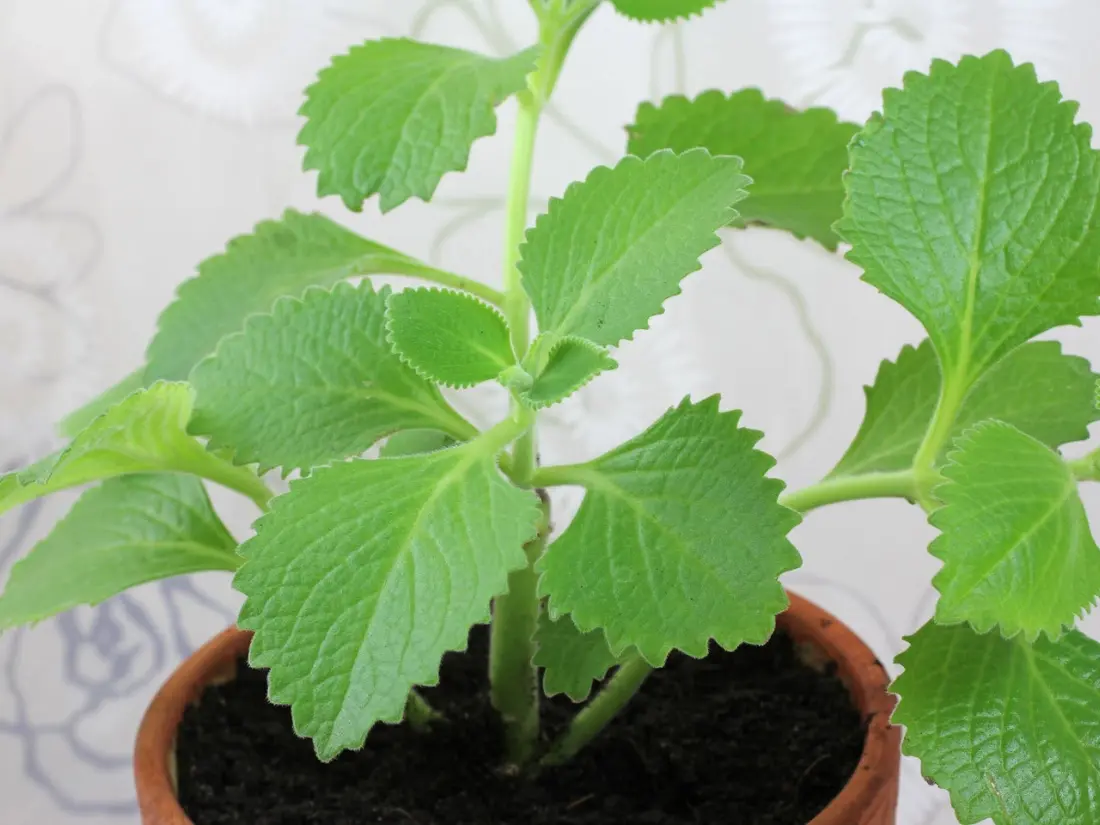
If you live in a region with chilly winters or simply want to keep this fragrant herb handy right on your kitchen patio, growing Cuban Oregano in pots is hands-down the best approach! Container growing gives you total control over soil moisture and makes moving the plant indoors during cold snaps completely effortless.
-
Always select a container with ample drainage holes at the bottom. Terra cotta or unglazed clay pots are the gold standard here, as their porous walls allow excess moisture to evaporate, keeping the roots cool and oxygenated. Choose a pot that is at least 8 to 10 inches in diameter to allow its sprawling root system room to spread.
-
Fill your chosen pot with a well-draining cactus or succulent mix. Position your plant in the center, ensuring the top of the root ball sits about an inch below the container’s rim; this leaves just enough space for easy watering without overflow.
-
Set your potted Cuban Oregano in a spot that catches plenty of bright, filtered sunlight. Because soil in containers dries out faster than ground soil, inspect the top inch of potting mix every few days during summer heatwaves, but always remember: when in doubt, err on the side of underwatering!
Caring for Cuban Oregano Plants
Watering
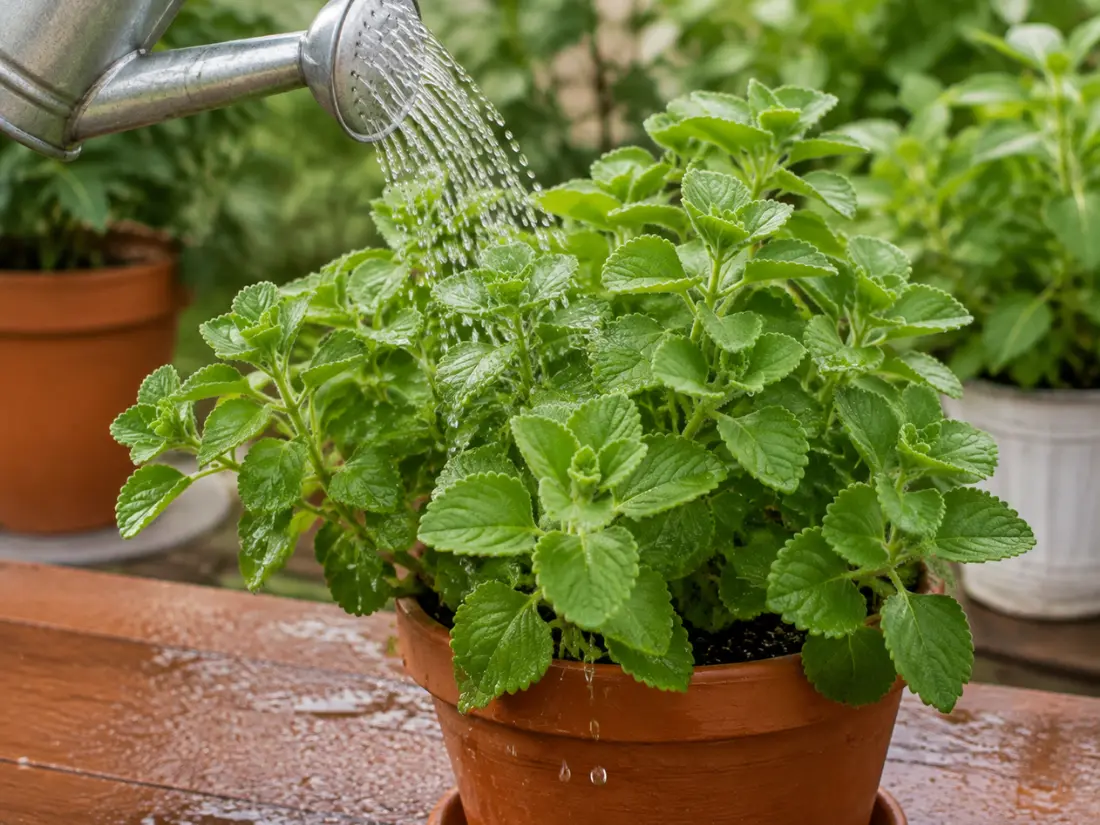
Because Cuban Oregano stores water in its succulent leaves, it prefers a “soak and dry” approach. Keep the soil slightly moist while the plant is young, but once established, always let the top 1 to 2 inches of soil dry out completely between waterings.
During the heat of summer, check container plants frequently, as pots dry out much faster than garden beds. When winter arrives and growth slows down, dial back watering significantly to keep the root system rot-free.
Fertilizing
Cuban Oregano is not a heavy feeder, but a subtle nutrient boost will keep its leaves vibrant and lush. Feed your plant once every 4 to 6 weeks from early spring through late summer using a balanced, water-soluble organic fertilizer diluted to half-strength. Avoid over-fertilizing with high-nitrogen formulas, as this can cause the plant to grow leggy and dilute the concentration of flavor oils in the leaves.
Pruning and Shaping
Don’t be shy with your garden shears! Cuban Oregano is a fast grower and responds wonderfully to regular trimming.
-
Pinching for Bushiness: To prevent a leggy, sprawling habit, simply “pinch off” the growing tips of the main stems. This encourages the plant to branch out, resulting in a dense, lush, compact bush.
-
Flowering Clean-Up: In late summer, your plant may send up tall spikes of delicate lilac or pink blossoms. While pollinators love them, trimming these flower stalks off will redirect energy back into producing juicy foliage.
Overwintering Cuban Oregano
Since Cuban Oregano is a tropical native, it has zero tolerance for frost.
If you live in USDA zones 9–11, your plant can stay outside year-round; just add a light layer of organic mulch around the base to protect the root crown during occasional chilly nights. If you garden in zone 8 or lower, bring your potted Cuban Oregano indoors before nighttime temperatures dip below 50°F (10°C). Place it in a sunny, south-facing window, reduce watering, and let it take a gentle winter nap until spring warmth returns!
Troubleshooting Common Cuban Oregano Issues
Even the toughest garden champions encounter a few hiccups now and then! Here is how to handle them:
-
Soggy, Drooping, or Yellowing Leaves: This is a classic sign of overwatering or poor soil drainage. Allow the soil to dry out thoroughly before watering again, and ensure your container has adequate drainage holes.
-
Leggy, Pale Stems: If your plant looks stretched out with sparse foliage, it is crying out for more light! Move it to a brighter location with more indirect sunshine.
-
Sticky Residue or Webbing: Pests like mealybugs and spider mites occasionally hide in the fuzzy crevices of the leaves. Wipe affected areas with a cotton swab dipped in rubbing alcohol or treat the plant with organic neem oil spray.
Harvesting and Culinary Uses
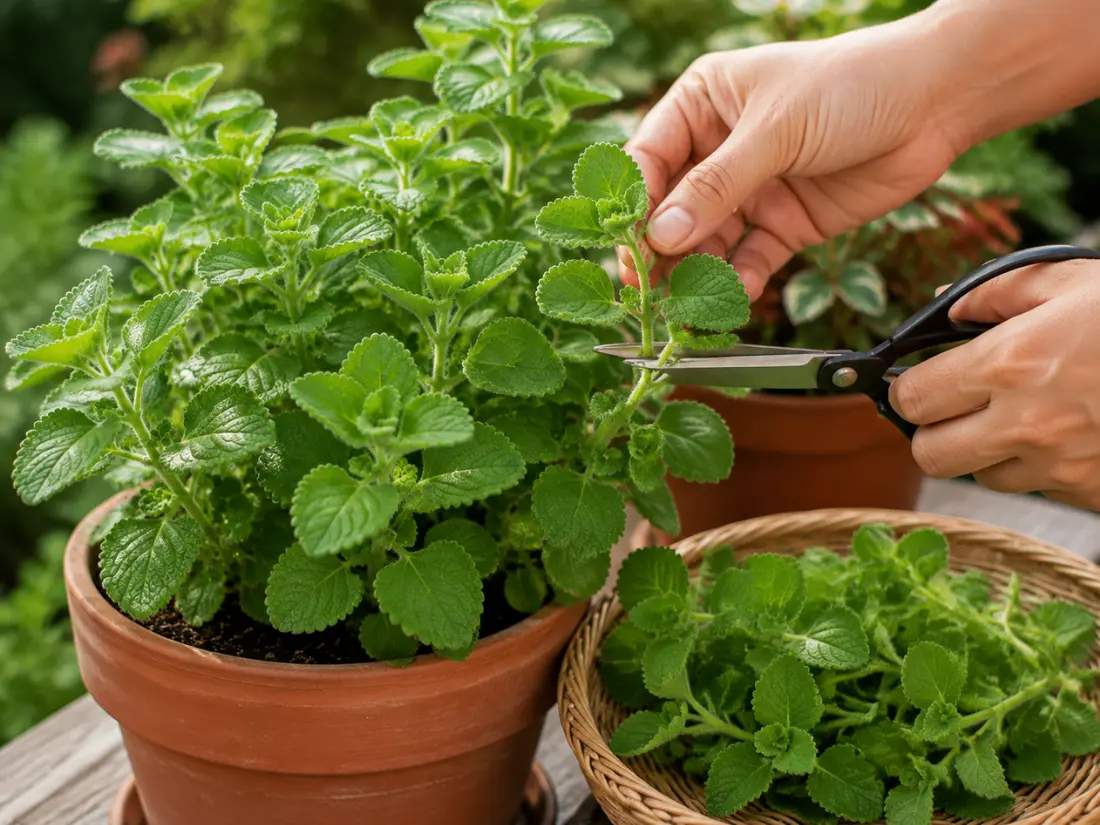
Because the leaves are thick and packed with powerful essential oils, a little goes a very long way. The flavor is significantly stronger than Mediterranean oregano, making it a star ingredient in heavy, slow-cooked dishes. Chop it finely to add a pungent kick to marinades, salsas, Caribbean sofrito, black beans, and roasted meats.
Frequently Asked Questions (FAQs)
1. Can I grow Cuban Oregano indoors as a houseplant?
Trở lại đầu trang! Yes, it makes an excellent, fragrant houseplant. Place it on your brightest windowsill, preferably south- or west-facing, and avoid placing it directly near cold drafts or heating vents.
2. How do I propagate Cuban Oregano cuttings?
It is almost impossibly easy! Simply snip a 4-inch stem cutting, remove the bottom leaves, and stick it into a jar of water or directly into moist potting soil. Roots will usually appear within just 7 to 10 days.
3. Is Cuban Oregano toxic to dogs and cats?
Caution is recommended! Cuban Oregano contains essential oils that can cause mild to moderate digestive upset (and skin irritation) in cats and dogs if ingested in large quantities. Keep your potted plants safely out of reach of curious pets.
4. How big does a Cuban Oregano plant get?
In a single warm growing season, a happy plant can reach 1 to 3 feet in height and spread up to 3 feet wide, quickly filling out garden borders or decorative urns.
5. Why are the leaves on my variegated Cuban Oregano turning fully green?
If a variegated variety isn’t getting enough bright light, it may produce more chlorophyll to compensate, causing the leaves to revert to solid green. Move it to a brighter spot to maintain those stunning white and green edges!
Conclusion
Cuban Oregano is truly a crown jewel for any herb lover or container gardener. Its bold flavor, velvety texture, and forgiving nature make it an immensely rewarding plant to cultivate. By providing plenty of indirect sunshine, well-draining soil, and a light hand with the watering can, you can enjoy a fresh, fragrant supply of this tropical favorite all year long!