
Ziziphus Nummularia Seeds – Indian Jujube Ber – 5 Seed Pack – Drought Tolerant
Original price was: $25.00.$17.50Current price is: $17.50.
Cultivate your own Indian Jujube seeds with this convenient 5-seed pack of Ziziphus Nummularia. Known for its resilience and sweet, edible fruits, this plant is ideal for arid and semi-arid regions. Enhance your garden with these drought-tolerant Ber plant seeds.
Shipping and Return policies:
We stand behind our plants with our Alive & Thrive Guarantee. If you experience any issues within the first 30 days, please email us, and our team will be happy to help. When needed, we’ll send you a one-time replacement free of charge to make sure your garden keeps growing strong.

Reasonable Price
We offer reasonable price

Support 24/7
Contact us 24 hrs a day
100% Money Back
You’ve 30 days to Return
Payment Secure
100% secure payment
Overview
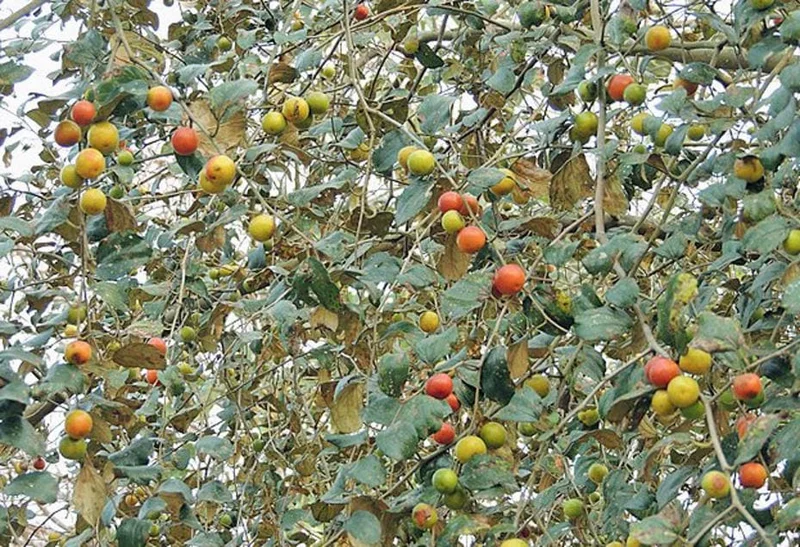
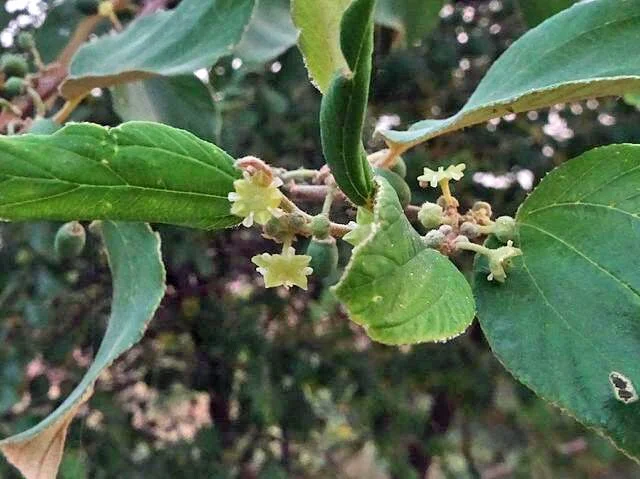
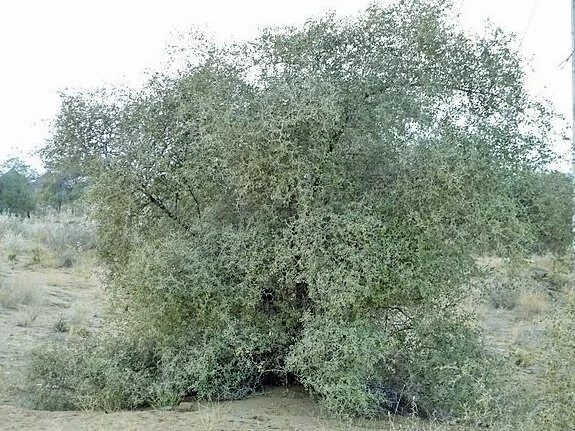
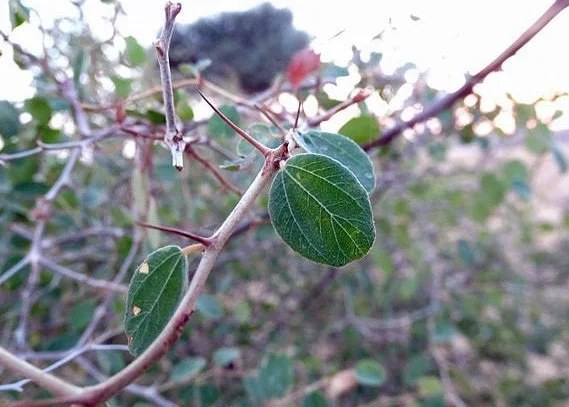
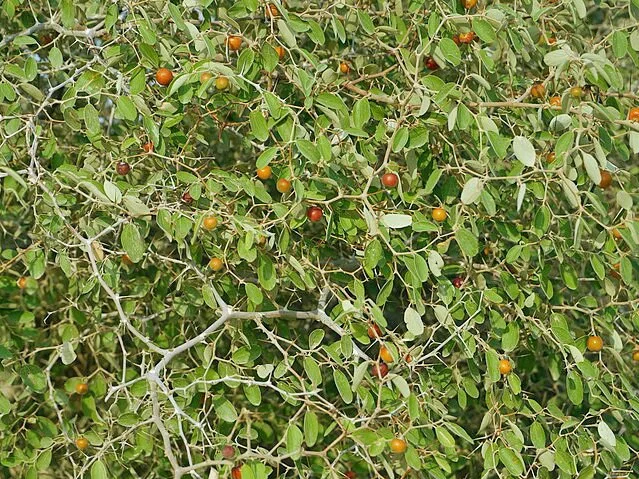
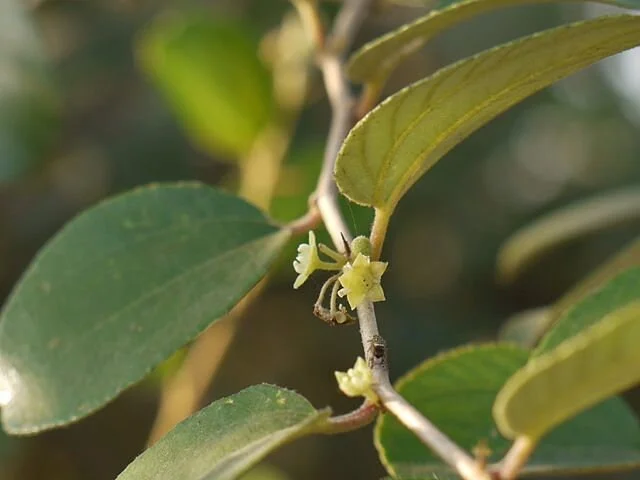
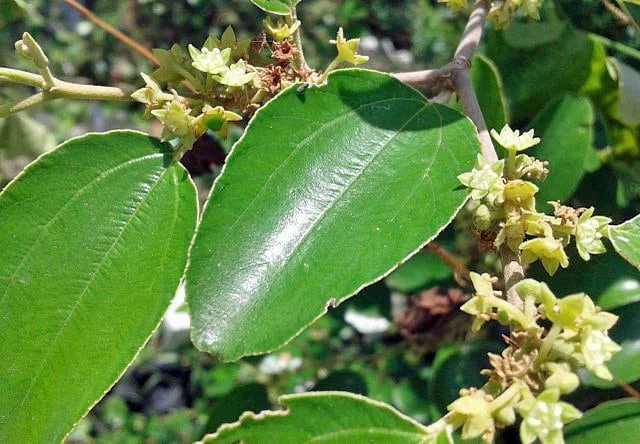
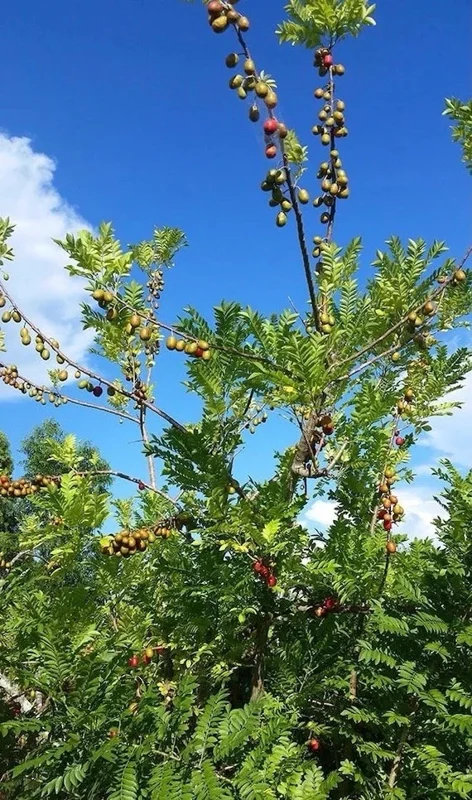
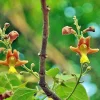
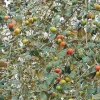
Embark on a rewarding gardening journey by growing Ziziphus Nummularia seeds, commonly known as Indian Jujube or Ber. This offering provides a pack of 5 high-quality seeds from the resilient Ziziphus nummularia tree, a deciduous species belonging to the Rhamnaceae family. Indigenous to the Indian subcontinent and parts of Southeast Asia, this tree is celebrated for its robust nature and the delicious, fleshy fruits it produces. The Indian Jujube tree can reach up to 15 meters in height, developing a dense canopy of small, ovate green leaves that provide a lush appearance. These trees are incredibly well-adapted to arid and semi-arid environments, making them an excellent choice for gardeners looking for drought-tolerant species. The small, yellowish-green flowers give way to the round, sweet, and edible fruits, often enjoyed fresh or dried. Growing Ziziphus Nummularia seeds contributes to sustainable agroforestry and provides both nutritional and economic benefits.
Our Ziziphus Nummularia seeds offer an opportunity to cultivate a unique and beneficial tree that thrives in challenging conditions. Whether you’re an experienced horticulturist or a passionate beginner, these seeds provide a fascinating project. The resulting trees not only offer aesthetic appeal but also produce healthy, sweet fruits, bringing a taste of the tropics to your landscape. Consider adding these remarkable seeds to your collection for a distinctive and rewarding growing experience.
Key Benefits
Growing Ziziphus Nummularia seeds offers a multitude of advantages for both the gardener and the environment. These seeds develop into resilient trees with several desirable characteristics:
- Drought Tolerance: Ziziphus Nummularia is exceptionally well-adapted to arid and semi-arid climates, requiring minimal water once established. This makes them a sustainable choice for water-wise gardening and an excellent option for those seeking drought tolerant seeds.
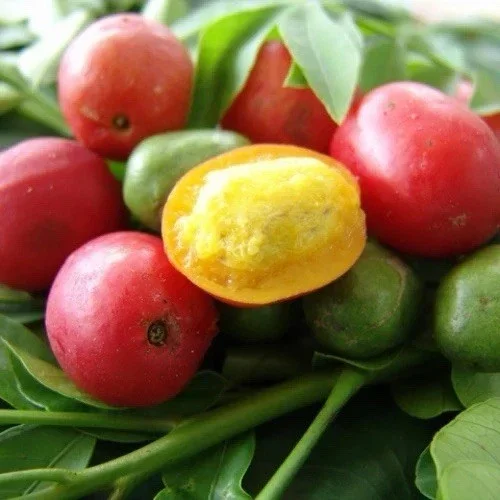
- Edible Fruits: The tree produces sweet, fleshy fruits known as ‘ber’ or ‘Indian jujube’ that can be enjoyed fresh, dried, or used in various culinary applications. These fruits are a delightful treat directly from your garden.
- Agroforestry Value: Plays a significant role in agroforestry, providing nutritional and economic benefits to local communities, and can be a valuable addition to permaculture designs.
- Resilience: Known for its ability to thrive in harsh conditions, making it a low-maintenance and robust plant for various landscapes. Once established, the Ber plant seeds will grow into a tree that requires little intervention.
- Ecological Contribution: Contributes to land restoration efforts and provides habitat and food sources for local wildlife, enhancing biodiversity in your area.
- Attractive Foliage: The dense, spreading crown of small, ovate green leaves offers a lush and appealing appearance to your garden or landscape.
- Unique Growth: Experience the satisfaction of growing a distinctive tree from seed, observing its journey from a tiny seed to a mature, fruit-bearing specimen, truly a joy for those who like to grow jujube from seed.
Plant Care & Growing Tips
Successfully growing Ziziphus Nummularia seeds requires a few specific steps to ensure optimal germination and healthy plant development. Begin by collecting mature seeds from ripe fruits. To enhance germination, the hard seed coat needs to be softened and scarified. Soak the seeds in water for approximately 24 hours. Following the soak, gently scarify the seeds by rubbing them with sandpaper or nicking them with a knife; this helps water penetrate the seed. Plant the scarified seeds in well-draining soil at a depth of about 1-2 centimeters. It’s crucial to maintain a consistently moist environment without waterlogging, as Ziziphus nummularia prefers well-drained conditions. Place the planting container in a warm location with ample sunlight exposure. Germination typically occurs within 2-3 weeks under these optimal conditions. Once seedlings have developed a few true leaves, carefully transplant them into individual pots or their desired outdoor location, ensuring they continue to receive adequate sunlight. The Indian Jujube seeds will thrive with consistent care during their early stages.
For established plants, Ziziphus nummularia is remarkably low-maintenance. It prefers full sun exposure, ideally receiving at least 6-8 hours of direct sunlight daily. While drought-tolerant, young plants benefit from regular watering to encourage strong root development. Mature trees require less frequent watering, especially in their preferred arid environments. They are well-suited for USDA Zones 9-11. The ideal soil type is well-draining, sandy to loamy soil, which mimics their natural habitat. Fertilization is generally not heavily required, but a balanced, slow-release fertilizer can be applied in spring for young trees to promote vigorous growth. Watch out for common pests, though this species is generally quite resistant. With these care tips, your Ber plant seeds will flourish into a strong, fruit-producing tree.
Size & Details
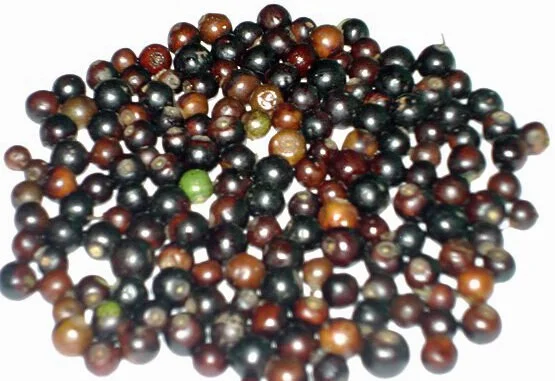
This product includes a pack of 5 Ziziphus Nummularia seeds, ready for planting. Each seed has the potential to grow into a robust deciduous tree, which can reach an impressive height of up to 15 meters (approximately 49 feet) with a spreading crown of dense foliage. The growth rate is moderate, and with proper care, you can expect to see significant development within the first few years. These seeds ship as individual, raw seeds, not as a live plant or bare root. The fruits, known as ‘ber’ or ‘Indian jujube,’ are typically round and fleshy, maturing to a sweet, edible state. The tree’s sturdy trunk and lush appearance make it a significant addition to any landscape. Expected time to maturity for fruit production can vary but generally begins within 3-5 years after successful germination and establishment. These Indian Jujube seeds are a great way to start your own orchard or add a unique specimen to your garden.
Frequently Asked Questions
- Q: How big does the Ziziphus Nummularia tree get? A: The Ziziphus Nummularia tree can grow quite large, typically reaching heights of up to 15 meters (about 49 feet) with a wide, spreading crown of foliage. Its mature size makes it suitable for larger garden spaces or agroforestry projects.
- Q: What size pot should I use for germinating the seeds? A: For germination, start with smaller pots or seed trays, about 2-4 inches deep, to ensure good drainage. Once seedlings are established, they should be transplanted into larger individual pots or directly into the ground to allow for proper root development.
- Q: Is this an indoor or outdoor plant? A: Ziziphus Nummularia is primarily an outdoor plant, thriving in warm, arid, and semi-arid climates. While seedlings can be started indoors in controlled conditions, they will need to be moved outdoors to mature. It’s best suited for USDA Zones 9-11.
- Q: How much sunlight does it need? A: This tree requires full sun exposure to thrive, ideally receiving at least 6-8 hours of direct sunlight per day. Adequate sunlight is crucial for healthy growth and fruit production.
- Q: Is this plant easy to care for? A: Once established, Ziziphus Nummularia is considered low-maintenance due to its drought tolerance and resilience. The initial germination and seedling care for Ziziphus Nummularia seeds require attention, but mature trees are quite hardy.
- Q: What condition will the seeds arrive in? A: You will receive 5 raw, mature seeds. They will be carefully packaged to ensure their viability upon arrival, ready for you to begin the germination process.
- Q: Can I use Indian Jujube fruits in cooking? A: Yes, the fruits of the Indian Jujube tree are sweet and edible. They can be consumed fresh, dried, or used in various culinary applications like jams, jellies, and desserts, offering a unique flavor.
- Q: How long until it produces fruit? A: With optimal growing conditions, the Ziziphus Nummularia tree typically begins producing fruit within 3-5 years after successful germination and establishment. Patience is key when you grow jujube from seed.
- Q: What’s the minimum temperature it can tolerate? A: This tree is best suited for warmer climates, specifically USDA Zones 9-11. It can tolerate mild frosts but is not hardy in consistently cold or freezing temperatures.
- Q: What is the best time to plant these seeds? A: The best time to plant Ber plant seeds is typically in spring or early summer, allowing the seedlings ample time to establish themselves before colder weather sets in. However, with controlled indoor conditions, you can start them earlier.
Be the first to review “Ziziphus Nummularia Seeds – Indian Jujube Ber – 5 Seed Pack – Drought Tolerant”
You must be logged in to post a review.
People also Viewed
Sold 50 products
Original price was: $109.95.$79.98Current price is: $79.98.
Sold 50 products
Original price was: $25.00.$17.50Current price is: $17.50.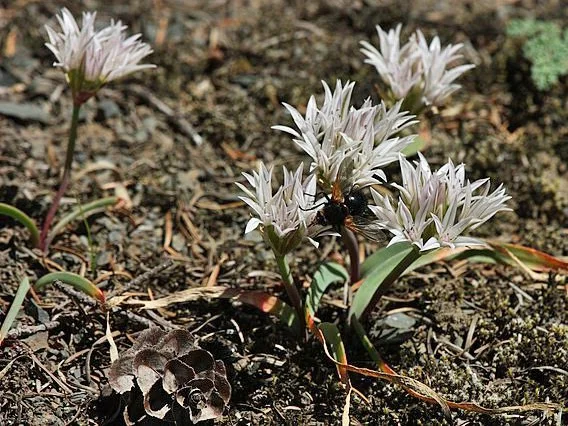
Flower Seeds
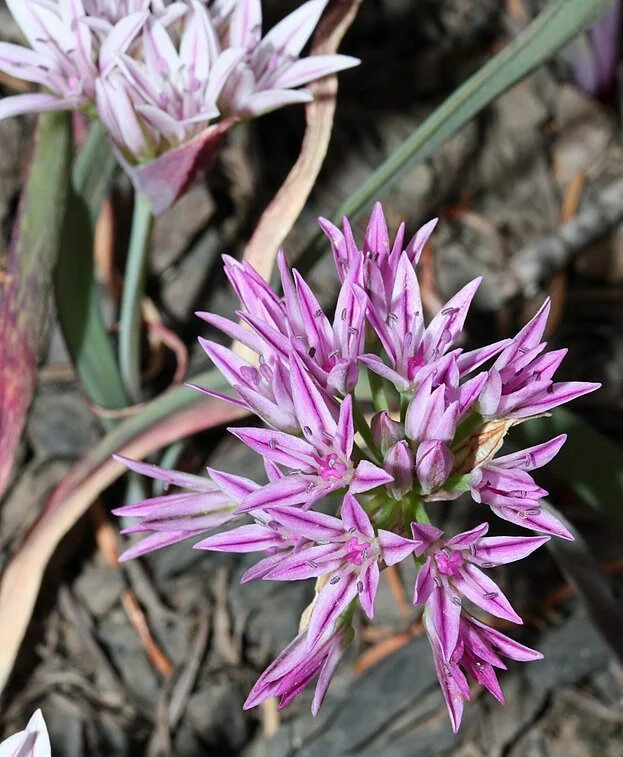
Olympic Onion Seeds – Allium crenulatum Flower Seeds – 10 Seed Pack – Outdoor Native Plant
Sold 50 products
Original price was: $25.00.$17.50Current price is: $17.50.
Sold 50 products
Original price was: $25.00.$17.50Current price is: $17.50.
Flower Seeds
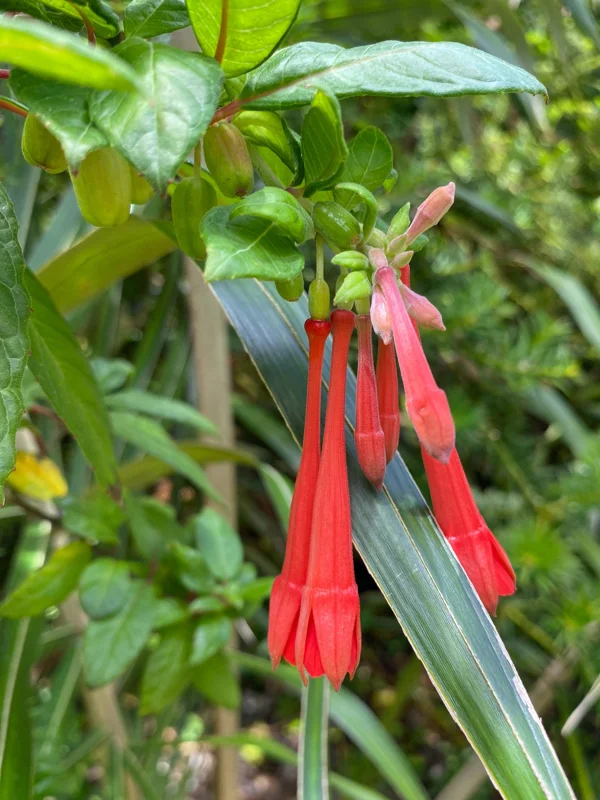
Fuchsia vulcanica Seeds – 20 Pack – Vibrant Orange Coral Flowers for Garden & Containers
Sold 50 products
Original price was: $25.00.$17.50Current price is: $17.50.
Sold 50 products
Original price was: $116.98.$95.68Current price is: $95.68.
Sold 50 products
Original price was: $21.00.$14.10Current price is: $14.10.
Aquatic Plant Seeds
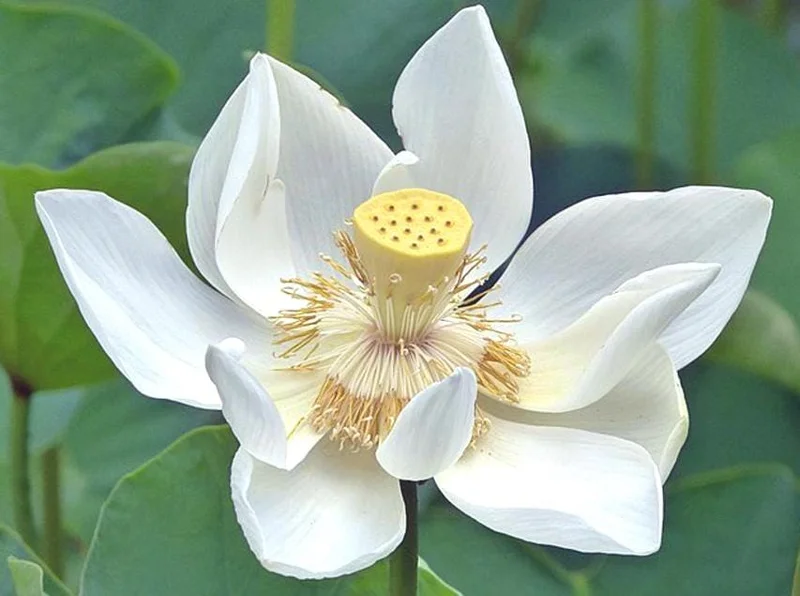
White Lotus Seeds – Nelumbo Nucifera Aquatic Pond Plant – 5 Seeds for Water Garden
Sold 50 products
Original price was: $29.00.$20.90Current price is: $20.90.RELATED posts
Awapuhi Wild Ginger Plant: Zones, Care, and Propagation
Learn which USDA zones suit awapuhi wild ginger, plus sunlight, water, planting, propagation, pests, size, [...]
Awapuhi Shampoo Ginger – Care, Growing Zones, and Differences
Learn how to grow awapuhi (shampoo) ginger, its USDA zones, watering schedule, propagation tips, and [...]
Awapuhi Shampoo Plant Buying Guide – Choose the Right Zingiber zerumbet
META: Learn which awapuhi (shampoo ginger) plant or rhizome pack gives the best natural shampoo, [...]
Awapuhi Plant for Sale: Complete Buying Guide
Find the right awapuhi (shampoo ginger) plant, size, price, soil mix, and online source. Practical [...]
Shampoo Ginger Plant for Sale – Buying Guide & Tips
Find the right shampoo ginger plant, size, price, and care tips. Quick guide for U.S. [...]
Shampoo Ginger Plant (Awapuhi) Care Guide
Learn how to grow, care for, and use shampoo ginger (Zingiber zerumbet), the tropical awapuhi [...]
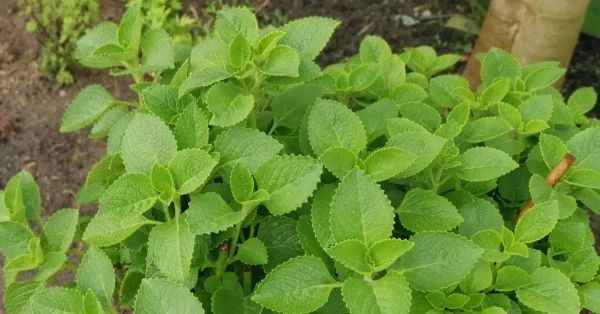
How to Grow Cuban Oregano Plants: A Complete Care Guide
If you’ve ever wanted a plant that combines the culinary punch of traditional oregano with [...]
Aug
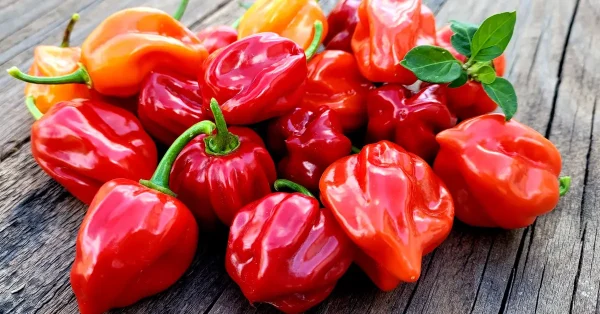
How to Grow Habanero Pepper Plants: A Step-by-Step Guide
Habanero pepper plants are prized for their vibrant colors, intense heat, and exceptional flavor, making [...]
Aug
Reviews
There are no reviews yet.