
Guides
Awapuhi Wild Ginger Plant: Zones, Care, and Propagation
Quick answer
Awapuhi (Zingiber zerumbet) thrives in USDA hardiness zones 9‑11, where winters stay frost‑free. It prefers full sun to light shade, moderate moisture, and well‑draining, organic‑rich soil. Plant rhizomes in spring after the last frost for a summer‑to‑early‑fall bloom.
Quick Facts
| Attribute | Details |
|---|---|
| Botanical name | Zingiber zerumbet |
| Common names | Awapuhi, Shampoo ginger, Pinecone ginger, Wild ginger |
| Plant type | Herbaceous perennial (rhizomatous) |
| USDA zones | 9 – 11 |
| Mature height | 3 – 5 ft (0.9 – 1.5 m) |
| Mature width | 3 – 4 ft (0.9 – 1.2 m) |
| Growth rate | Moderate |
| Sun requirement | Full sun to partial shade |
| Soil preference | Well‑draining, fertile loam; pH 5.5‑7.5 |
| Water needs | Moderate; keep soil evenly moist |
| Bloom season | Summer to early fall |
| Flower color | Pink‑reddish “pinecone” inflorescences |
| Evergreen/deciduous | Evergreen in frost‑free climates |
| Deer resistance | Generally deer‑resistant (aromatic foliage) |
| Pet safety | No known toxicity, but avoid excessive ingestion |
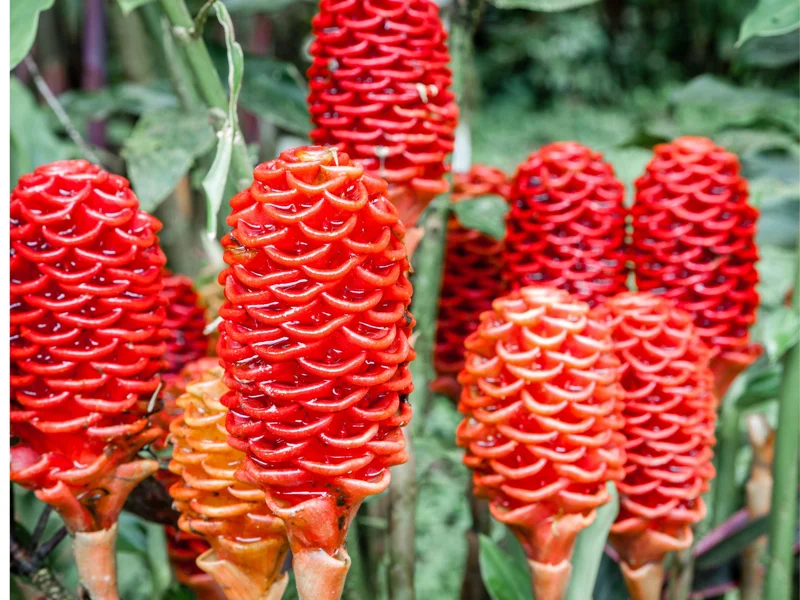
What makes awapuhi special?
Awapuhi is prized for its dramatic pinecone‑shaped flower heads that fill with a fragrant liquid traditionally used as a natural hair rinse. The plant’s lush, glossy leaves provide year‑round tropical texture, and its aromatic foliage deters many herbivores, making it a low‑maintenance accent in warm gardens.
Best growing conditions
- Climate: Minimum winter temperature of 20 °F (‑6 °C); zones 9‑11 are ideal. In marginal zones (8) plant in a protected microclimate or container that can be moved indoors during freezes.
- Sun: 6‑8 h of direct sun for best flower production; 3‑4 h of dappled shade is acceptable in hotter locales.
- Soil: Loose, organic‑rich loam that drains quickly. Amend heavy clay with coarse sand or compost.
- Moisture: Keep soil uniformly moist during the growing season; reduce watering in late fall after foliage dies back.
How to plant awapuhi
- Timing: Plant rhizomes in spring after the last frost (or early summer in warm areas).
- Site preparation: Loosen soil to a depth of 12‑15 in, mix in 2‑3 in of compost.
- Spacing: Place rhizomes 18‑24 in apart to allow clump expansion.
- Planting depth: Set each rhizome with the growing tip (the “eye”) 1‑2 in below the soil surface.
- Water in: Water thoroughly until water drains from the bottom of the hole.
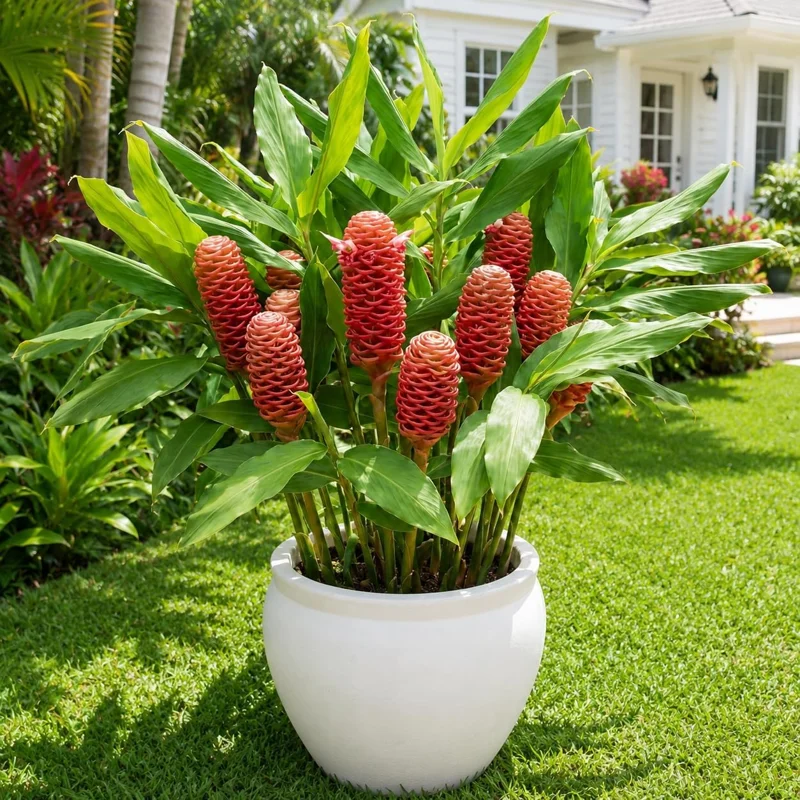
For container growers, choose a pot at least 12 in deep with drainage holes and use a light, peat‑based potting mix.
Watering
- Establishment (first 8 weeks): Keep soil moist but not soggy; water 2‑3 times per week if the top inch dries.
- Mature plants: Provide 1‑2 in of water per week through rainfall or irrigation. Reduce frequency in cooler months when growth slows.
Fertilizing
- Early season: Apply a balanced 10‑10‑10 fertilizer at ½ cup per 10 sq ft, mixed into the top 2 in of soil.
- Mid‑season: Feed again in midsummer if foliage looks pale.
- Avoid over‑fertilizing: Excess nitrogen encourages leaf growth at the expense of flower cones.
Pruning
- Dead foliage: Remove yellow or dead leaves in fall to improve air circulation.
- Clump control: Every 2‑3 years, dig up the center of a mature clump, trim excess rhizomes, and re‑plant the healthiest sections to prevent overcrowding.
Common problems
| Problem | Cause | Management |
|---|---|---|
| Root rot | Waterlogged soil or poor drainage | Improve drainage, water only when soil surface dries |
| Leaf yellowing | Nutrient deficiency or excess water | Adjust fertilization, ensure proper watering schedule |
| Aphids | Warm, humid conditions | Spray strong jet of water or use insecticidal soap |
| Spider mites | Dry indoor air | Increase humidity, wipe leaves with neem oil solution |
Landscape uses
- Tropical borders: Plant in groups for a dramatic “jungle” effect.
- Container focal point: Works well in large pots on patios or decks.
- Rain garden: Tolerates occasional standing water if soil drains.
- Privacy screen: Dense foliage can be shaped into a low hedge.
Who should grow awapuhi?
- Homeowners in USDA zones 9‑11 seeking a low‑maintenance, exotic accent.
- Gardeners who want a plant with both ornamental and practical value (fragrant sap for hair care).
- Landscapers designing tropical‑style beds where deer pressure is a concern.
- Container gardeners in cooler regions who can move the plant indoors during winter.
Should you buy awapuhi from W4?
If your garden meets the zone and sun criteria, purchasing live rhizomes from W4 ensures you receive healthy, pest‑free material. Our rhizomes ship in biodegradable peat pots, ready to plant, and arrive within 5‑7 business days. For container growers, the 4‑8 in tall live plant option offers an instant visual impact.
Frequently asked questions
What USDA zones are suitable for awapuhi wild ginger? Zones 9‑11 provide the frost‑free winters awapuhi needs; marginal zone 8 plants should be grown in containers or sheltered microclimates.
How tall does awapuhi grow and what is its mature size? Mature clumps reach 3‑5 ft tall and spread 3‑4 ft wide, forming a dense evergreen mound.
How do you propagate awapuhi? Divide healthy rhizomes in early spring, replant each piece 18‑24 in apart, or separate new shoots that emerge from the parent clump.
What are the sunlight and water requirements for awapuhi? Full sun to light shade (6‑8 h sun) and consistently moist, well‑draining soil; avoid waterlogging.
What pests or diseases commonly affect awapuhi? Aphids and spider mites may appear in hot, dry conditions; root rot occurs in soggy soils. Regular inspection and proper drainage keep problems minimal.
When to harvest awapuhi rhizomes
Awapuhi rhizomes are ready for digging late summer to early fall, after the foliage has turned yellow and the plant’s above‑ground growth slows.
- Stop watering 2‑3 weeks before the first expected frost; the rhizomes will harden.
- Loosen the soil with a garden fork, being careful not to damage the tender roots.
- Lift the clump and shake off excess soil. Small, younger rhizomes can be left in the ground to produce a second harvest the following year.
- Cure the harvested rhizomes in a warm, shaded spot for 5‑7 days before storing them in a breathable bag in the refrigerator (up to 3 months).
The fragrant liquid inside the “pinecone” flower heads can be collected by cutting a mature inflorescence, making a few drops of natural shampoo on the spot.
Awapuhi vs. common ginger (Zingiber officinale)
| Feature | Awapuhi (Z. zerumbet) | Common ginger (Z. officinale) |
|---|---|---|
| Typical USDA zones | 9 – 11 | 8 – 11 (more cold‑tolerant) |
| Bloom type | Pink‑reddish pinecone inflorescences (summer‑fall) | Small, greenish‑yellow “spike” flowers (summer) |
| Primary use | Ornamental, fragrant sap, rhizome for culinary use (milder) | Culinary spice (spicy rhizome) |
| Growth habit | Clumping, 3‑5 ft tall, evergreen in frost‑free areas | Upright clumps, 2‑4 ft tall, semi‑evergreen |
| Deer resistance | Generally resistant (aromatic foliage) | Often browsed if foliage is tender |
| Soil preference | Well‑draining loam, pH 5.5‑7.5 | Similar, tolerates slightly heavier soils |
| Water needs | Moderate, keep evenly moist | Moderate to high, prefers more moisture |
If your goal is a dramatic ornamental focal point with a natural hair‑care benefit, awapuhi is the better choice. For pure culinary ginger, Z. officinale remains the standard.
Common mistakes and how to avoid them
- Planting too deep – Rhizomes buried > 3 in often rot; keep depth to 1‑2 in.
- Standing water – Poor drainage causes root rot; amend heavy soils with sand or pumice.
- Winter exposure in zone 8 – Sudden freezes kill the rhizome; move containers indoors or mulch heavily (≥ 4 in of straw).
- Over‑fertilizing – Excess nitrogen suppresses flower cones; use a balanced fertilizer at half the recommended rate.
- Neglecting air flow – Crowded clumps invite spider mites; thin or divide every 2‑3 years.
Quick decision checklist – Is awapuhi right for you?
- ☐ Your garden’s minimum winter temperature stays above 20 °F (zone 9‑11).
- ☐ You have a sunny spot receiving 6‑8 h of direct light or a bright patio.
- ☐ Soil drains well and you can amend it with organic matter.
- ☐ You can provide regular moisture without waterlogging.
- ☐ You want a tropical accent that is mostly deer‑resistant and low‑maintenance.
If you answered “yes” to most of the above, purchasing a live rhizome or a starter plant from W4 will give you the fastest start.
Additional product photo
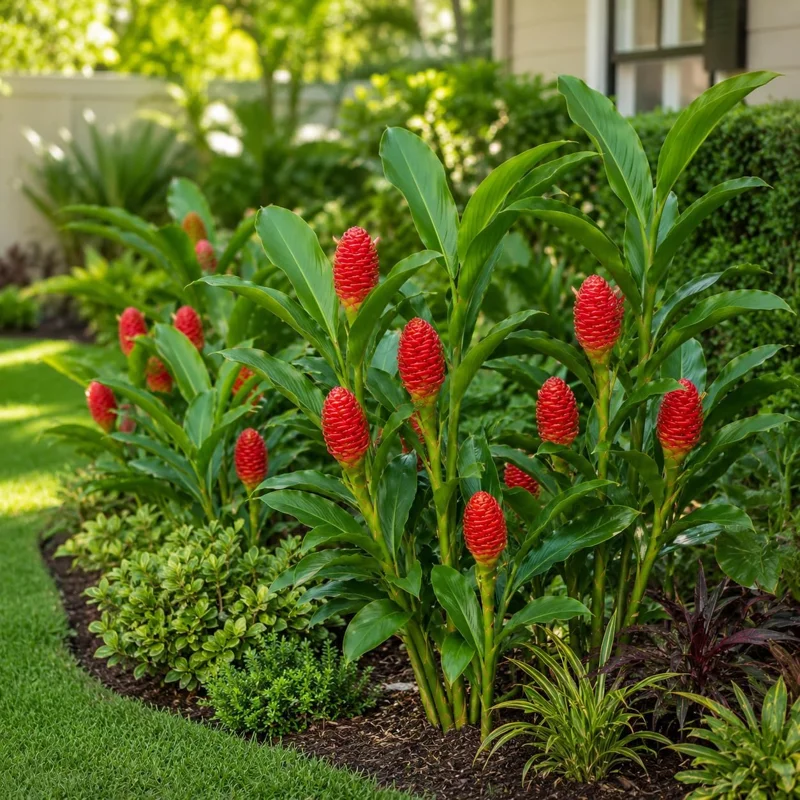
These rhizomes arrive in a peat pot that can be planted directly, saving you the hassle of potting mix preparation.
—
For more detailed climate maps or to browse our full selection of awapuhi plants, visit our online nursery.