
Guides
Shampoo Ginger Plant (Awapuhi) Care Guide
—
Quick overview
Shampoo ginger (Zingiber zerumbet), also called awapuhi or pinecone ginger, is a tropical, evergreen perennial prized for its cone‑shaped inflorescences that fill with a fragrant liquid used as a natural hair rinse. It thrives in USDA zones 9‑12, prefers full sun to part shade, and needs moderate, consistently moist soil.
—
Quick Facts
| Property | Details |
|---|---|
| Botanical name | Zingiber zerumbet |
| Common names | Shampoo ginger, Awapuhi, Pinecone ginger |
| Plant type | Perennial herbaceous rhizomatous plant |
| USDA zones | 9 – 12 |
| Mature height | 3 – 5 ft (0.9 – 1.5 m) |
| Mature width | 2 – 3 ft (0.6 – 0.9 m) |
| Growth rate | Moderate |
| Sun | Full sun to part shade |
| Soil | Well‑drained, loamy, fertile; pH 5.5 – 7.5 |
| Water | Moderate; keep soil evenly moist, never soggy |
| Bloom season | Summer (June – Sept) |
| Flower color | Green‑white to pale yellow, cone‑shaped |
| Evergreen | Yes |
| Deer resistance | Moderately resistant |
| Pet safety | Not listed as toxic, but avoid ingestion of large amounts |
—
What makes shampoo ginger special?
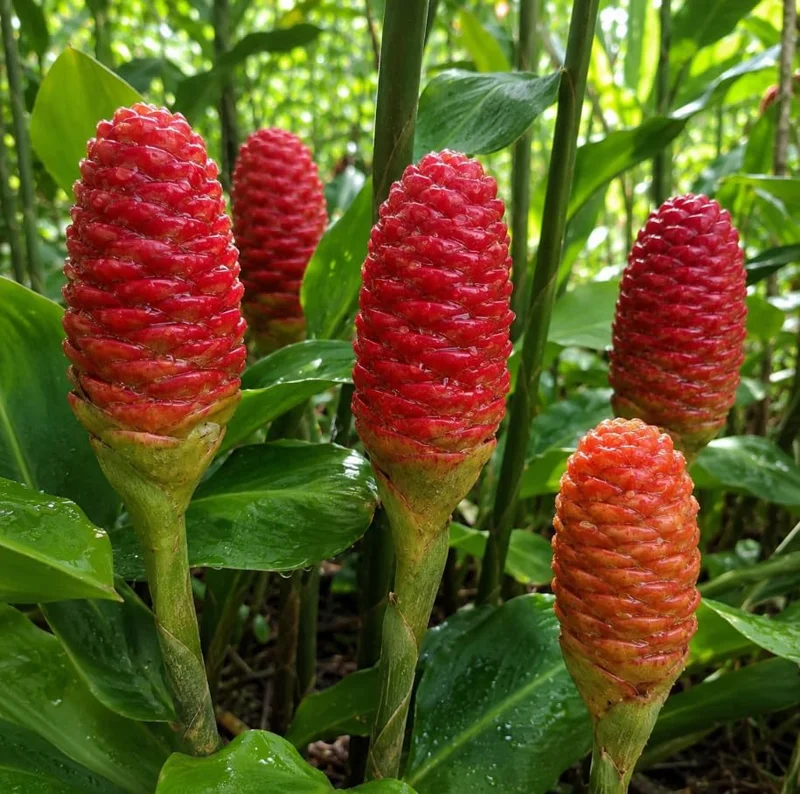
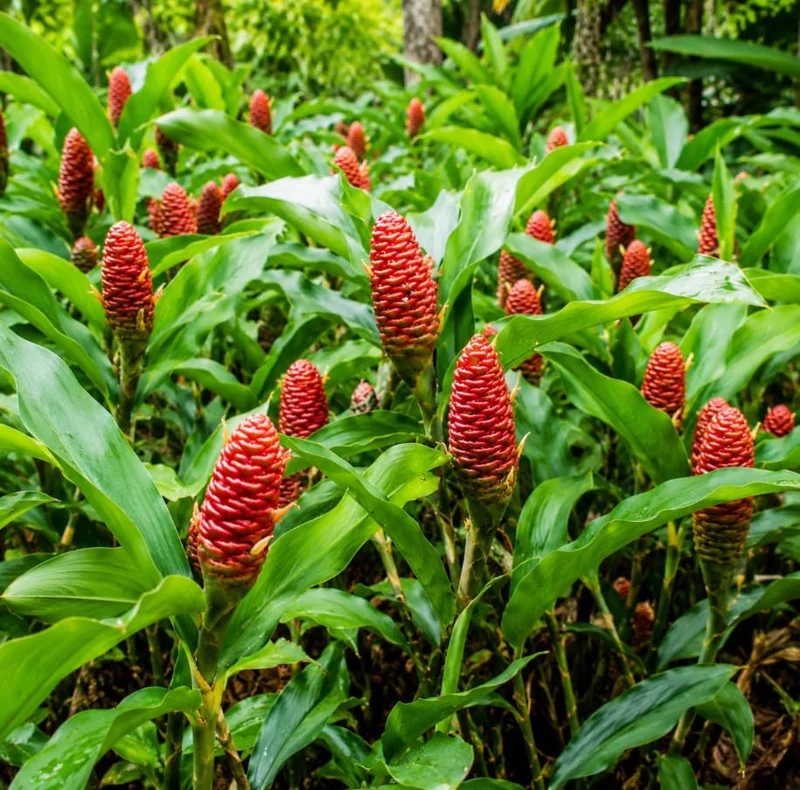
Shampoo ginger is unique because each flowering cone develops a clear, slightly scented liquid that can be squeezed straight from the inflorescence for a gentle, sulfate‑free hair conditioner. The plant also offers bold, tropical foliage (large, lance‑shaped leaves) and an eye‑catching architectural form that works in borders, container gardens, and screened patios. Its low maintenance habit and moderate deer resistance make it a practical choice for warm‑climate landscapes.
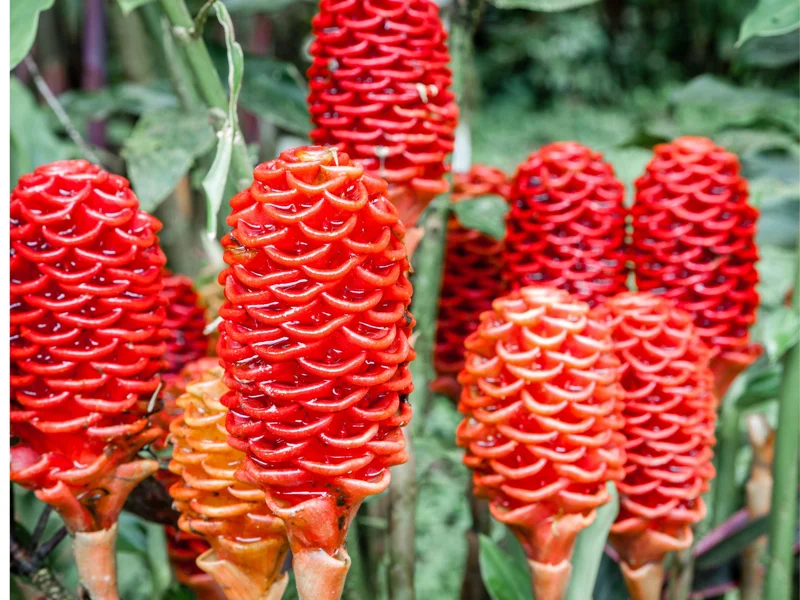
Our live rhizomes arrive ready to plant, giving you an instant splash of tropical color.
—
How do I grow shampoo ginger plant?
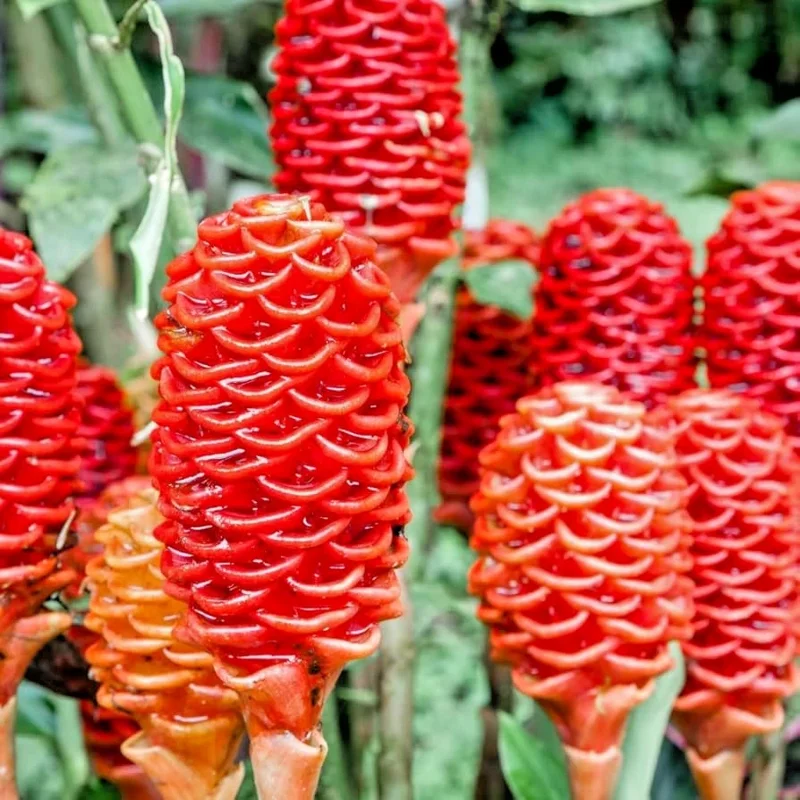
Plant in spring after the last frost when soil has warmed to at least 65 °F. Plant the rhizome 2–4 inches deep, with the growth bud facing upward, and space plants 2–3 ft apart. Water in well and mulch to keep the root zone evenly moist.
Steps
- Choose a site – full sun to part shade, protected from strong winds.
- Prepare soil – amend heavy clay with compost or coarse sand to improve drainage.
- Plant rhizome – dig a hole 2–4 in deep, set the bud upward, backfill, and firm soil.
- Water – give a thorough soak; thereafter keep soil moist but not waterlogged.
- Mulch – 2–3 in of organic mulch conserves moisture and suppresses weeds.
- Fertilize – apply a balanced 10‑10‑10 fertilizer once in early summer; repeat mid‑season if growth is sluggish.
> Tip from W4 Nursery: Our 4‑rhizome pack (link) arrives in sturdy peat pots, making transplanting straightforward.
—
What are the watering requirements?
Shampoo ginger prefers moderate, consistent moisture. Water deeply once the top inch of soil feels dry. In hot summer months, this may mean 2–3 times per week; reduce frequency in cooler, rainy periods. Avoid standing water—excess moisture encourages rhizome rot.
—
How should I fertilize shampoo ginger?
A balanced, slow‑release fertilizer (e.g., 10‑10‑10) applied in early summer supports vigorous foliage and robust flower cones. For container plants, use a water‑soluble fertilizer every 4‑6 weeks during the growing season. Stop fertilizing in late fall to allow the plant to enter dormancy.
—
When and how do I prune shampoo ginger?
Pruning is mainly maintenance:
- Remove dead or yellowing leaves as they appear to keep the plant tidy and improve airflow.
- Cut back spent flower cones after they dry (usually late summer). Use clean, sharp shears, cutting the stalk to the base of the foliage.
- Divide rhizomes every 3–4 years in early spring to rejuvenate growth and control spread.
> Nursery note: Our live plant set (link) comes already trimmed, ideal for immediate placement in a border or container.
—
What common problems affect shampoo ginger?
| Problem | Symptoms | Management |
|---|---|---|
| Root rot | Soft, mushy rhizomes; foul smell | Improve drainage, avoid water‑logging, remove affected rhizomes |
| Yellowing leaves | Leaves turn pale, may drop | Check watering schedule; reduce excess moisture; apply balanced fertilizer |
| Aphids | Tiny green/black insects on undersides | Spray strong jet of water or use insecticidal soap |
| Spider mites | Fine webbing, stippled leaves | Increase humidity, mist foliage, treat with neem oil |
| Cold injury | Leaf edges blacken, plant wilts | Move containers indoors before first freeze; mulch heavily for ground plants |
—
What landscape uses suit shampoo ginger?
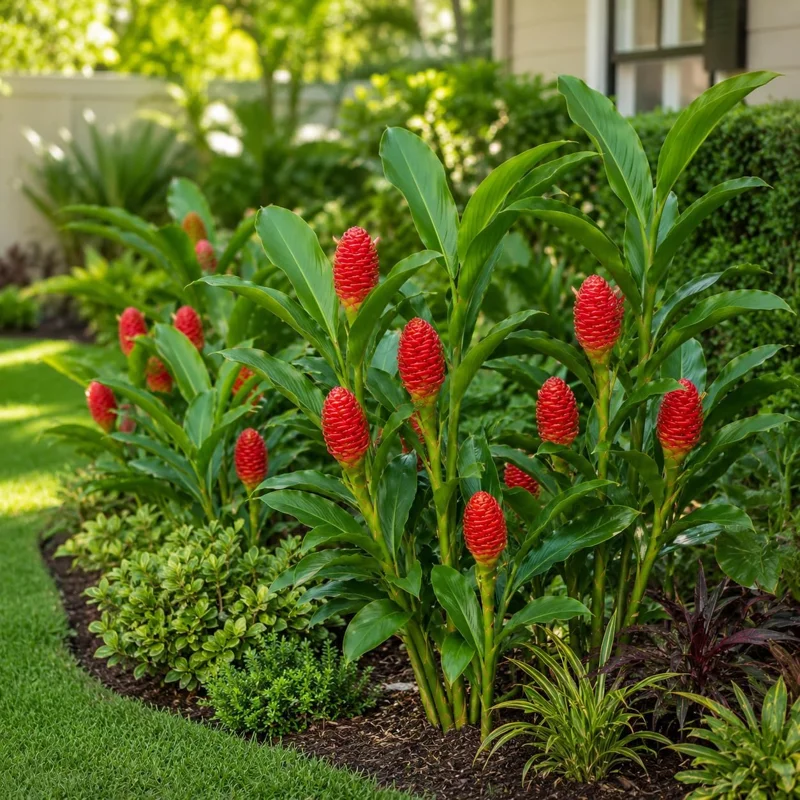
- Tropical borders – as a vertical accent among ferns and palms.
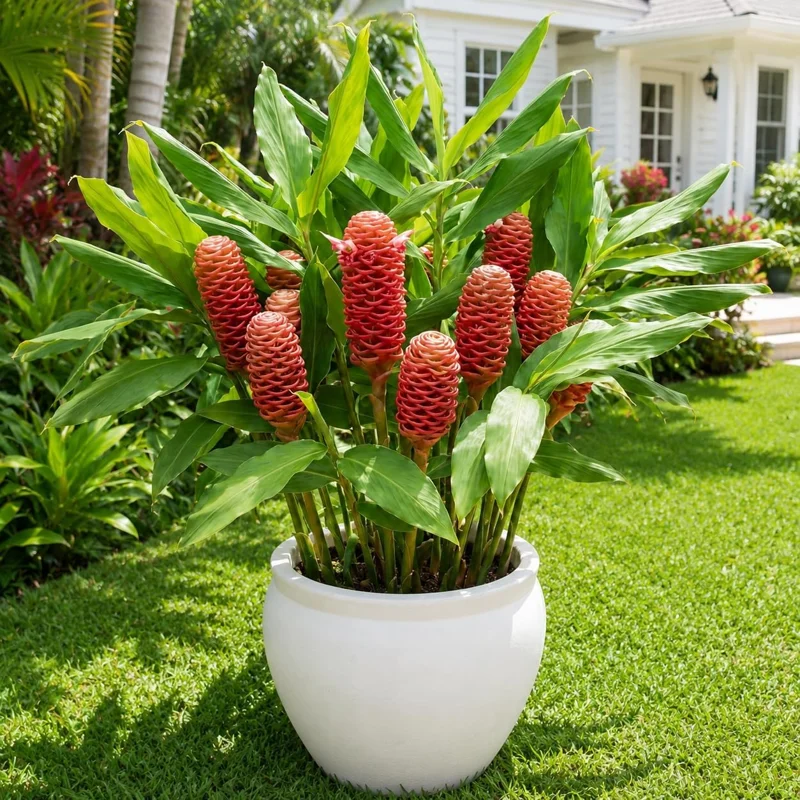
- Container gardens – thrives in large pots on patios; the fragrant cones add visual and aromatic interest.
- Shade screens – tall foliage can hide unsightly views while providing habitat for pollinators.
- Herbal/beauty gardens – growers harvest the sap for natural hair care; keep a few plants within easy reach.
—
Who should grow shampoo ginger?
- Warm‑climate homeowners in USDA zones 9‑12 who want a low‑maintenance tropical look.
- Container gardeners in cooler regions who can move plants indoors during winter.
- Landscapers seeking a moderately deer‑resistant, evergreen accent with a unique ornamental bloom.
- DIY beauty enthusiasts interested in a natural, home‑grown shampoo alternative.
If you live outside zones 9‑12 but have a sunny, sheltered patio, a large container (minimum 15‑gal) can protect the rhizome from cold snaps.
—
How do I propagate shampoo ginger?
Division is the simplest method:
- Dig up the plant after the first frost, when foliage has died back.
- Separate healthy rhizome sections, each with at least one growth bud.
- Trim any damaged roots, let cuts dry for a day, then plant as described above.
You can also start seedlings by planting fresh seeds in a warm, humid environment (80 °F, high humidity) but germination is slow and uneven, making division the preferred commercial technique.
—
Where can I buy shampoo ginger plant online or locally?
W4 Nursery stocks a range of live rhizomes, ready‑to‑plant tubers, and small live plants. Choose a pack that matches your planting scale:
- Single rhizome – ideal for small containers.
- 5‑Pack or 10‑Pack – perfect for a border or mixed container garden.
- Live plant set – fully developed plants for instant impact.
All items ship in insulated packaging to protect the rhizomes from temperature extremes. Check the product pages for shipping zones and delivery timelines.
> Example purchase: 5 Awapuhi Shampoo Ginger Rhizomes – Zingiber zerumbet (link)
—
Decision guide – should you add shampoo ginger to your garden?
| Factor | Consideration | Verdict |
|---|---|---|
| Climate | USDA 9‑12, warm, frost‑free | ✅ Good fit if you meet the zone |
| Space | 3‑5 ft tall, 2‑3 ft wide | ✅ Works in borders, large containers, or as a focal point |
| Maintenance | Moderate watering, occasional division | ✅ Low‑to‑moderate effort |
| Deer pressure | Moderately resistant | ✅ Suitable where deer are a problem |
| Aesthetic goal | Tropical, aromatic, evergreen | ✅ Provides unique visual & scent |
If any of the “No” boxes appear, consider a container version that can be moved indoors during cool weather, or choose a more cold‑tolerant ginger like Zingiber officinale (common ginger).
—
Frequently asked questions
Q: Can shampoo ginger survive in zone 8? A: It can survive in a large, insulated container that is moved indoors for the winter; outdoor planting in zone 8 is risky due to frost.
Q: When is the best time to harvest the sap? A: Harvest the fragrant liquid when the cone is mature, usually late summer (July‑August). Cut the cone open with a clean knife and squeeze out the clear sap.
Q: Is shampoo ginger invasive? A: It spreads by rhizomes but is not considered invasive in most U.S. regions. Regular division every few years keeps it in check.
Q: How long does it take for a newly planted rhizome to flower? A: Expect first blooms in the second growing season; strong light and adequate feeding accelerate flowering.
—
All information above reflects the current horticultural knowledge and the practical experience of the W4 Nursery team. Happy planting!
How do I grow shampoo ginger in a container?
Short answer: Choose a pot at least 15 gal, use a well‑draining mix, and treat the plant like a garden‑grown specimen, but watch water loss more closely.
Step‑by‑step container guide
- Select the pot – a 15‑20 gal plastic or glazed ceramic container with drainage holes works best. If the pot is solid‑bottom, drill 4–6 holes ½ in apart.
- Create a drainage layer – place 1–2 in of coarse river rock or broken pottery shards at the bottom.
- Mix the growing medium – combine 40 % premium potting compost, 30 % coconut coir, and 30 % coarse sand or perlite. Adjust pH to 6.0–6.8 with a garden lime amendment if needed.
- Plant the rhizome – set the rhizome 3 in deep, bud up, and backfill gently. Space multiple rhizomes 12‑18 in apart; a 20 gal pot can handle two.
- Water in thoroughly – until water drains from the bottom, then let the top inch of mix dry before the next watering.
- Position the pot – full sun to light shade; a south‑facing balcony is ideal. Rotate the pot 90° each month for even growth.
- Fertilize – dissolve a balanced liquid fertilizer (10‑10‑10) at half strength every 4 weeks during the growing season.
- Winter protection – when night lows drop below 50 °F, move the container indoors or into a heated garage. Reduce watering to a light “mist” schedule.
> Container purchase tip: Our 5‑Pack Awapuhi Shampoo Ginger Rhizomes (link) pairs perfectly with a 20 gal pot for an instant tropical patio.

—
What are the exact timing windows for each USDA zone?
| USDA Zone | Planting month (average last frost) | First bloom | Dormancy onset | Winter protection |
|---|---|---|---|---|
| 9a (30‑35 °F) | Mid‑March to early April | Late July – early Sept | Mid‑Oct | Mulch 3 in, cover with frost cloth if temps fall ≤ 30 °F |
| 9b (35‑40 °F) | Early March | Late July – early Sept | Early Oct | Same as 9a |
| 10a (40‑45 °F) | Late February – early March | Early July – early Aug | Late Oct | Light mulch; may stay outdoors if night lows ≥ 45 °F |
| 10b (45‑50 °F) | Late February | Early July | Late Oct | Usually safe outdoors year‑round |
| 11 (≥ 50 °F) | Year‑round; best early spring for larger rhizomes | June – Sept | None | No winter protection needed |
| 12 (≥ 55 °F) | Year‑round; optional early spring for optimal growth | June – Aug | None | No winter protection needed |
Worked example – Zone 10b garden:
- Mid‑Feb: Place rhizomes in a warm (≥ 68 °F) garage to “wake up.”
- Early‑Mar: Plant in prepared beds; water in well.
- Mid‑May: Apply first balanced fertilizer.
- Late‑July: First cones appear; harvest sap if desired.
- Sept: Trim spent cones, reduce fertilizer.
- Oct‑Nov: No further watering needed; plant prepares for mild dormancy.
—
How do I harvest and use shampoo ginger sap safely?
Quick answer: Cut the mature cone when it turns pale yellow, slice it open, and squeeze the clear liquid into a clean bottle; dilute 1:4 with water before using on hair.
Harvest protocol
- Identify the mature cone – about 4–6 in long, pale yellow, and slightly soft at the tip.
- Sanitize tools – dip a sharp knife and a small funnel in 70 % isopropyl alcohol, then rinse with clean water.
- Make the cut – slice the cone longitudinally about ½ in from the tip, being careful not to crush the interior.
- Collect the sap – hold the cone over a sterilized glass jar; gently squeeze or press the flesh to release the liquid. Expect 1–2 fl oz per cone.
- Filter – pass the sap through a fine‑mesh coffee filter to remove pulp.
- Store – keep the filtered sap in a dark glass bottle in the refrigerator; it stays fresh for up to 2 weeks.
- Use – mix ¼ cup of sap with 1 cup of warm water, apply to wet hair after shampooing, leave 2–3 minutes, then rinse.
Safety note: While the sap is generally non‑irritating, perform a patch test on a small skin area first. Avoid contact with eyes.
—
What companion plants thrive alongside shampoo ginger?
| Companion | Reason for pairing | Light & soil match |
|---|---|---|
| **Bird of Paradise (Strelitzia reginae)** | Similar tropical height, dramatic foliage contrast | Full sun, well‑drained loam |
| **Elephant Ear (Colocasia esculenta)** | Large, bold leaves that complement ginger’s vertical cones | Part shade, consistently moist |
| **Cordyline (Cordyline fruticosa)** | Provides color (red/green) and a slightly lower height | Full sun to part shade, well‑drained |
| **Hosta (Hosta spp.)** | Shaded edge filler; tolerates same soil acidity | Part shade, moist |
| **Plumeria (Plumeria rubra)** | Shares warm‑zone requirement, adds fragrant flowers | Full sun, well‑drained |
Design tip: Plant shampoo ginger in the back of a border where its height can be seen, and intermix the above companions in a staggered pattern for year‑round visual interest.
—
How do I manage pests without chemicals?
Integrated Pest Management (IPM) steps for shampoo ginger
- Monitoring – Walk the garden weekly; inspect the undersides of leaves for aphids or spider mites.
- Cultural control – Keep the area free of debris; maintain good air circulation by spacing plants 2‑3 ft apart.
- Mechanical – Use a strong jet of water from a hose to dislodge aphids; for spider mites, spray a fine mist of water daily for three days.
- Biological – Introduce lady beetles or lacewing larvae; they consume aphids and early‑instar spider mites.
- Botanical – Apply neem oil (2 % solution) to foliage every 10‑14 days during peak pest activity; always test on a single leaf first.
- Threshold – Treat only when pest numbers exceed 5 % of leaf area; mild infestations rarely cause serious damage.
Common pest profile
- Aphids: soft green or black, appear in clusters on new shoots.
- Spider mites: fine webbing, cause stippled yellowing.
- Whiteflies: small white moth‑like insects that rest on leaf undersides; use yellow sticky traps to monitor.
—
What are the most common mistakes new growers make?
| Mistake | Why it hurts the plant | Correct practice |
|---|---|---|
| Planting too deep (≥ 6 in) | Rhizome suffocates, increasing rot risk | Plant 2‑4 in deep, bud up |
| Over‑watering | Soil stays saturated, promoting fungal rot | Water only when top inch dries; ensure drainage |
| Under‑feeding | Weak foliage, delayed or absent flower cones | Apply balanced fertilizer early summer and mid‑season |
| Ignoring winter risk | Frost kills rhizome in zones 9‑10 | Mulch heavily, or move container indoors before first freeze |
| Harvesting sap too early | Immature cones release little sap, and the plant may abort flower development | Wait until cones turn pale yellow and soften |
| Using heavy clay soil | Poor drainage leads to rhizome decay | Amend with sand, perlite, or compost to improve texture |
—
How does shampoo ginger compare to other ornamental gingers?
| Feature | Shampoo ginger (Zingiber zerumbet) | Common ginger (Zingiber officinale) | Torch ginger (Hedychium gardnerianum) |
|---|---|---|---|
| Typical height | 3‑5 ft | 2‑3 ft | 5‑8 ft |
| Inflorescence | Cone‑shaped, liquid‑filled, green‑white | Small, branched, pinkish‑red | Large, fragrant, red‑orange spikes |
| Sap use | Natural hair conditioner | Edible spice | Not used |
| Cold tolerance | Zones 9‑12 (moderate) | Zones 9‑11, similar | Zones 8‑10 (more cold‑tolerant) |
| Growth habit | Rhizomatous, clumping | Rhizomatous, spreading | Rhizomatous, aggressive spreader |
| Deer resistance | Moderate | Low | High |
| Maintenance | Moderate | Low | High (needs pruning to control spread) |
Bottom line: If you want a plant that produces usable sap and a compact tropical form, shampoo ginger is the clear choice. For pure ornamental height and dramatic spikes, torch ginger may be preferable, but it can become invasive.
—
How do I select the healthiest rhizomes when buying online?
- Check image details – Look for firm, plump rhizomes with a smooth skin. Avoid any that appear shriveled, have dark spots, or show mold.
- Read the seller’s shipping info – The nursery should ship rhizomes in insulated, ventilated packaging, preferably in late winter or early spring.
- Verify size – A good rhizome is at least 3‑4 in long and 1‑1.5 in thick; larger rhizomes establish faster.
- Look for a “growth bud” – A visible node or knob indicates the plant will sprout quickly.
- Confirm return policy – Reputable nurseries like W4 offer a replacement if rhizomes arrive dead or heavily damaged.
> Our recommendation: The 12‑piece pack (link) gives you a variety of sizes, ensuring at least a few large, robust rhizomes for immediate growth.
—
Can shampoo ginger be grown indoors year‑round?
Answer: Yes, if you provide bright indirect light, high humidity, and a warm temperature (70‑85 °F).
- Light: Place the plant near an east‑facing window; supplement with a 1,000 lux fluorescent or LED grow light for 10–12 hours daily.
- Humidity: Use a room humidifier or a pebble tray with water; aim for 60 %+ relative humidity.
- Soil: Use a light, well‑draining indoor mix (50 % potting compost, 25 % coconut coir, 25 % perlite).
- Water: Allow the top quarter of the mix to dry before watering; avoid standing water in the saucer.
- Fertilizer: Apply a half‑strength liquid fertilizer every 6 weeks.
Indoor container size: Minimum 10 gal pot; larger pots reduce the frequency of repotting as the rhizome expands.
—
How do I winter‑protect shampoo ginger on the edge of its hardiness zone?
- Mulch heavily – Apply 4–6 in of straw, shredded leaves, or pine bark around the plant base in late October.
- Create a shelter – Build a simple frame of PVC pipe and cover it with horticultural fleece; this traps heat while allowing airflow.
- Wrap the rhizome – After the first frost, dig up the rhizome, brush off excess soil, wrap it in moist burlap, and store it in a garage freezer (0 °F) for up to 12 weeks. Replant in early spring.
- Move containers indoors – If the plant is in a pot, place it in a sunny room or grow‑light area and cease watering until growth resumes.
Case study – Zone 9a backyard: Homeowner Jane M. applied 5 in straw mulch, erected a fleece‑covered hoop, and after the first hard freeze (31 °F) lifted the rhizome, wrapped it in damp burlap, and stored it in a cool basement (45 °F). The plant emerged fully leafed in early March with no loss of vigor.
—
What are the design ideas for using shampoo ginger in a landscape?
| Design concept | Placement | Visual effect | Additional plants |
|---|---|---|---|
| Tropical patio centerpiece | Large container on patio floor | Tall, bold focal point; aromatic cone blooms | Bird‑of‑paradise, dwarf palms |
| Shade‑screen border | Back of a partially shaded fence | Provides evergreen privacy, softens hard lines | Hostas, ferns |
| Water‑garden edge | Margins of a koi pond (soil kept moist) | Moisture‑loving foliage reflects water, blooms near water surface | Water lilies, cattails |
| Healing garden | Herb‑focused garden near a garden shed | Sap collected for personal grooming; encourages sustainability | Aloe, lavender (for scent contrast) |
| Mixed ginger bed | Grouped with other ornamental gingers | Seasonal interest as each ginger blooms at slightly different times | Torch ginger, dwarf ginger (Zingiber spectabile) |
Pro tip: Plant shampoo ginger at the highest point of a raised bed so its cones can be seen from all sides; lower‑lying companions will fill the base, creating a tiered effect.
—
Frequently asked questions (extended)
Q: Does shampoo ginger need a dormant period? A: In its native tropical climate it is evergreen, but in the U.S. it may experience a brief dormancy in cooler months, especially in zones 9‑10 where leaf yellowing can occur.
Q: Can I propagate shampoo ginger from the harvested sap? A: No. The sap is a secondary metabolite; propagation must be done via rhizome division or, rarely, seed.
Q: How long does a shampoo ginger plant live? A: With proper care, the plant can persist for 10 years or more, continuously producing new shoots from the rhizome system.
Q: Is shampoo ginger safe for pets? A: It is not listed as toxic to dogs or cats, but large quantities of the sap may cause mild gastrointestinal upset if ingested. Keep it out of reach of curious pets.
Q: What is the difference between “Awapuhi” and “Pinecone ginger”? A: They are two common names for the same species, Zingiber zerumbet. “Awapuhi” is the Hawaiian name; “Pinecone ginger” describes the shape of the flower cone.
—
Bottom line – should you add shampoo ginger to your garden?
- Fits your climate? Yes, if you’re in USDA zones 9‑12 or can provide indoor/container protection.
- Has space? The plant reaches 3‑5 ft tall and spreads 2‑3 ft, making it suited to medium‑size beds or large pots.
- Willing to maintain? Moderate watering and occasional division are all that’s required; fertilizing is simple.
- Want the extra benefit? The sap offers a natural, fragrant hair conditioner, a unique perk not found in most ornamental plants.
If those points line up, shampoo ginger is a practical, attractive, and multifunctional addition to any warm‑climate garden or tropical‑style container arrangement.
—
All advice reflects the experience of the W4 Nursery team, who ship healthy shampoo ginger rhizomes and live plants nationwide.