
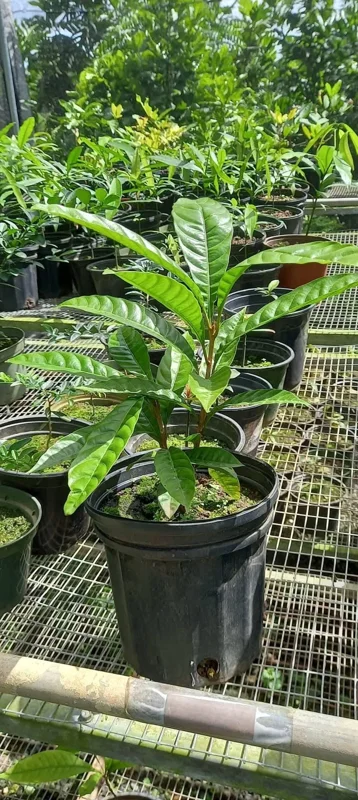
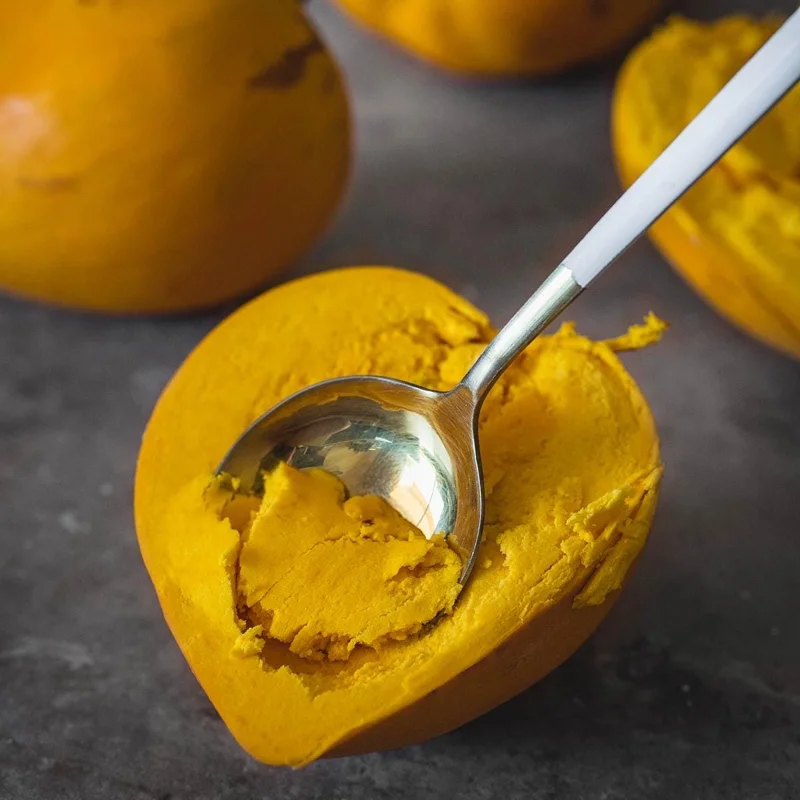
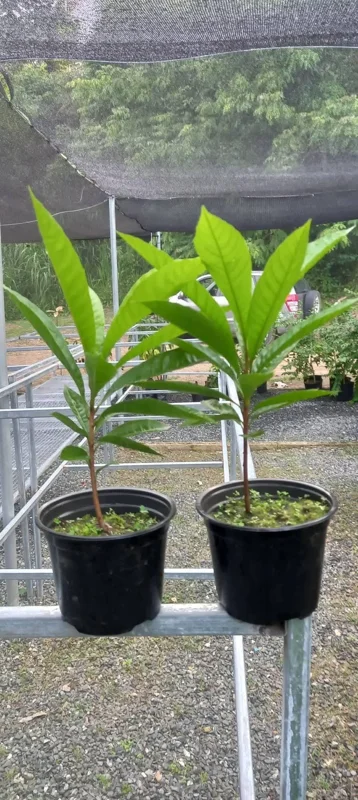
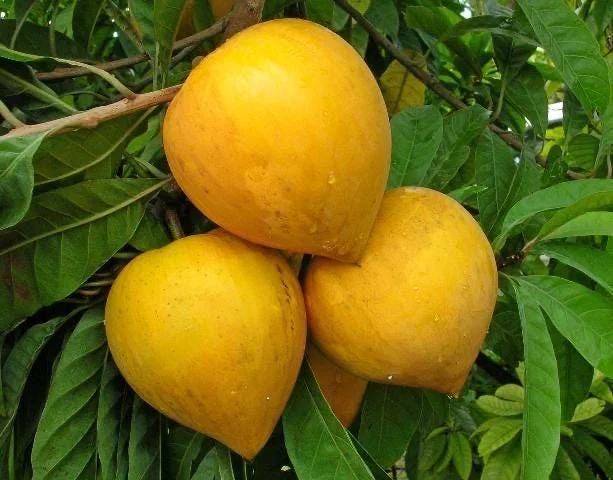
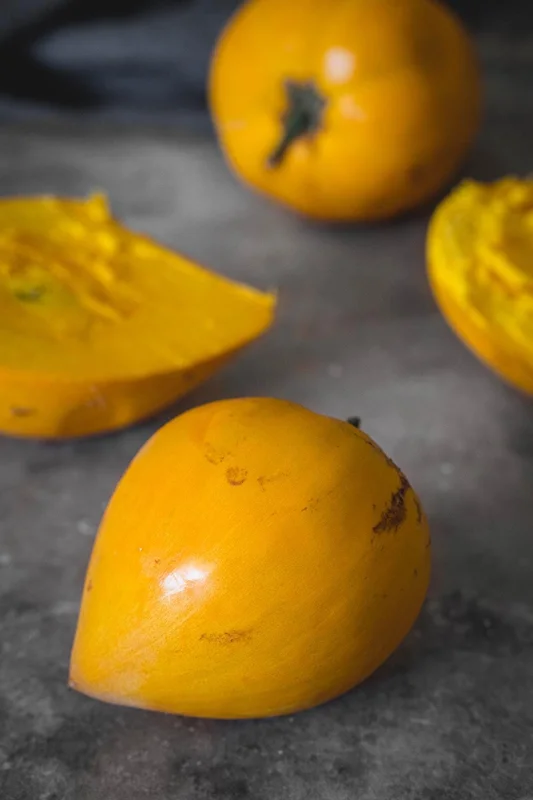
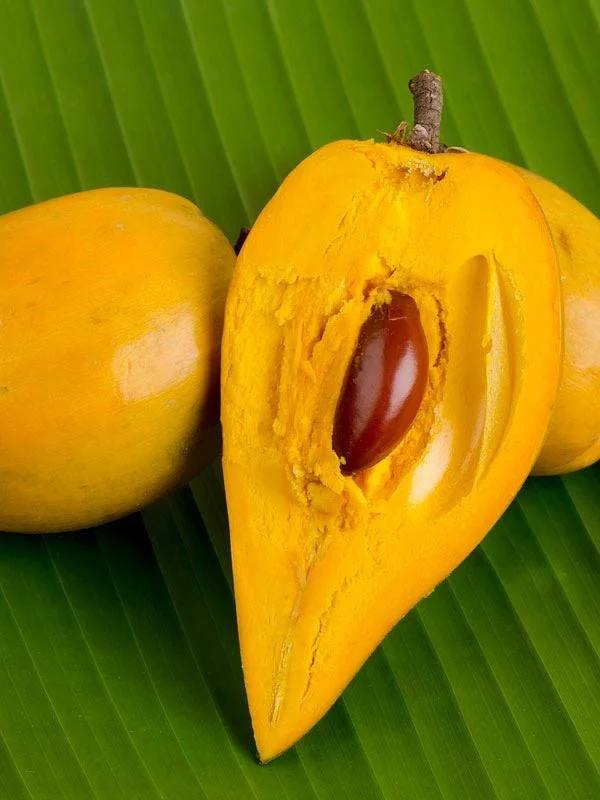
Canistel Live Fruit Tree – Pouteria campechiana – 10inch-2ft Tall
$122.50
Cultivate your own canistel live fruit tree, also known as pouteria campechiana plant. This tropical tree offers sweet, orange-fleshed fruit, ideal for fresh eating, custards, or milkshakes. Arrives at a height of 10 inches to 2 feet, ready to thrive in your garden.
Shipping and Return policies:
We stand behind our plants with our Alive & Thrive Guarantee. If you experience any issues within the first 30 days, please email us, and our team will be happy to help. When needed, we’ll send you a one-time replacement free of charge to make sure your garden keeps growing strong.

Reasonable Price
We offer reasonable price

Support 24/7
Contact us 24 hrs a day
100% Money Back
You’ve 30 days to Return
Payment Secure
100% secure payment
Overview
Bring the taste of the tropics to your home with this exquisite canistel live fruit tree. Also known by its botanical name, Pouteria campechiana plant, this beautiful and productive tree is native to Central and northern South America. The canistel is celebrated for its unique, sweet fruits, often described as having a texture similar to a hard-boiled egg yolk, hence its common nickname “eggfruit.” These vibrant orange-fleshed fruits are a delightful treat, perfect for enjoying fresh, blending into smoothies, or creating delicious custards and milkshakes. Growing your own canistel allows you to savor this exotic delicacy right from your backyard or patio, adding both ornamental beauty and edible bounty to your landscape.
This tropical gem is not only prized for its delicious fruit but also for its attractive growth habit. The tree typically grows with spreading branches and alternate, leathery leaves, providing a lush, green presence. Whether you’re an experienced gardener or a budding enthusiast, cultivating a canistel tree offers a rewarding experience. Our canistel live fruit tree arrives ready to plant, establishing a foundation for years of delicious harvests.
Key Benefits
The canistel live fruit tree offers a multitude of benefits, from its unique culinary uses to its aesthetic appeal in the garden. Its distinctive characteristics make it a standout choice for tropical fruit lovers and plant enthusiasts alike.
- Exotic & Delicious Fruit: Enjoy the unique, sweet, orange-fleshed fruits that can be eaten fresh or used in various culinary applications like custards, ice creams, and milkshakes. The flavor profile is distinct and highly sought after.
- Nutrient-Rich: Canistel fruit is a good source of vitamins and minerals, contributing to a healthy diet. Exploring the canistel fruit benefits reveals its nutritional value.
- Ornamental Value: Beyond its fruit, the canistel tree is an attractive addition to any landscape, featuring lovely green foliage and a pleasant growth habit that enhances garden aesthetics.
- Rewarding Cultivation: Growing canistel tree from a young plant provides a satisfying gardening experience, allowing you to nurture a productive fruit tree.
- Versatile Culinary Use: The fruit’s unique texture and sweetness make it incredibly versatile for both sweet and savory dishes, encouraging culinary creativity.
- Tropical Ambiance: Even if not in a tropical climate, growing this tree can bring a touch of exotic flair and ambiance to a sheltered patio or greenhouse.
- Sustainable Food Source: Cultivating your own fruit reduces reliance on store-bought produce and offers a fresh, organic option right at home.
Plant Care & Growing Tips
Providing the right care is crucial for a thriving canistel live fruit tree. This tropical species requires specific conditions to produce its best fruit and maintain its health. Optimal sunlight is key; the canistel thrives in full sun, meaning at least 6-8 hours of direct sunlight per day. If you’re in a cooler climate, consider growing it in a large container that can be moved indoors during colder months, ensuring it receives adequate light through a south-facing window or grow lights. Protect young trees from strong winds and frost, as these can severely damage the plant.
When it comes to watering, consistency is important, especially for young trees and during dry spells. The soil should be kept consistently moist but never waterlogged, as this can lead to root rot. A good rule of thumb is to water deeply when the top 1-2 inches of soil feel dry to the touch. Well-draining soil is absolutely essential for the canistel live fruit tree. A sandy loam with a slightly acidic to neutral pH (6.0-7.0) is ideal. Incorporating organic matter will improve soil structure and fertility. Fertilize every 2-3 months during the growing season with a balanced, slow-release fertilizer formulated for fruit trees. Reduce fertilization in the dormant season.
The canistel is generally suited for USDA hardiness zones 9-11, where temperatures rarely drop below freezing. In colder zones, it must be grown in a greenhouse or as a potted plant brought indoors. Regularly check for pests like aphids or scale insects and treat them promptly with organic insecticidal soap if needed. Pruning should be done to maintain shape, remove dead or diseased branches, and encourage fruit production. Understanding canistel plant care will lead to a healthy, productive tree.
Size & Details
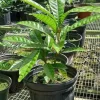
This canistel live fruit tree is typically shipped at a height of 10 inches to 2 feet, providing a well-established young plant ready for transplanting. It arrives in a nursery pot, carefully packaged to ensure its health during transit. Once established, the canistel tree can reach a mature height of 10 to 25 feet (3–7.5 meters) with a comparable spread, forming a handsome, spreading canopy. Its growth rate is moderate, allowing you to enjoy its development over time. While it can produce fruit in just a few years, significant harvests typically begin once the tree is more mature. This tree is a long-term investment in delicious, homegrown tropical fruit.
Frequently Asked Questions
- Q: How big does this canistel live fruit tree get? A: This canistel live fruit tree is shipped at 10 inches to 2 feet tall. Mature trees can reach heights of 10 to 25 feet (3–7.5 meters) in ideal conditions, developing a broad, spreading canopy.
- Q: Is this an indoor or outdoor plant? A: The canistel is a tropical tree best suited for outdoor planting in USDA Zones 9-11. In cooler climates, it can be grown in a large container and brought indoors during winter or cultivated in a greenhouse.
- Q: How much sunlight does it need? A: A canistel live fruit tree thrives in full sun, requiring at least 6-8 hours of direct sunlight daily for optimal growth and fruit production.
- Q: Is this plant easy to care for? A: While it requires specific tropical conditions, canistel care is manageable for gardeners familiar with fruit trees. Providing consistent warmth, sunlight, and well-draining soil are the primary considerations for successful growing canistel tree.
- Q: What condition will it arrive in? A: Your canistel live fruit tree will arrive carefully packaged in a nursery pot, with its root ball intact and foliage protected, ready for transplanting.
- Q: How long until it produces fruit? A: Canistel trees can begin to produce fruit within 2-4 years from planting, with more significant harvests as the tree matures. Patience is key when enjoying the canistel fruit benefits.
- Q: What’s the minimum temperature this tree can tolerate? A: Canistel trees are sensitive to cold and should be protected from temperatures below freezing (32°F or 0°C). They prefer consistently warm, humid conditions typical of tropical environments.
- Q: What are the main uses for canistel fruit? A: The sweet, orange-fleshed fruit is commonly eaten fresh, but it’s also excellent in custards, milkshakes, smoothies, and ice cream. Its unique texture makes it a versatile ingredient.
- Q: Does the pouteria campechiana plant attract pests? A: Like most fruit trees, it can be susceptible to common garden pests. Regular inspection and appropriate organic treatments can help manage any potential infestations, ensuring a healthy pouteria campechiana plant.
- Q: What type of soil is best for canistel? A: A well-draining, fertile soil with a slightly acidic to neutral pH (6.0-7.0) is ideal for the canistel live fruit tree. Sandy loams enriched with organic matter work best.
Be the first to review “Canistel Live Fruit Tree – Pouteria campechiana – 10inch-2ft Tall”
You must be logged in to post a review.
People also Viewed
Sold 50 products
$185.00
Sold 50 products
$157.50
Sold 50 products
$297.50
Sold 50 products
$120.00
Sold 50 products
$212.50
Sold 50 products
$122.50
Sold 50 products
$2,510.00
Sold 50 products
$400.00RELATED posts
Awapuhi Wild Ginger Plant: Zones, Care, and Propagation
Learn which USDA zones suit awapuhi wild ginger, plus sunlight, water, planting, propagation, pests, size, [...]
Awapuhi Shampoo Ginger – Care, Growing Zones, and Differences
Learn how to grow awapuhi (shampoo) ginger, its USDA zones, watering schedule, propagation tips, and [...]
Awapuhi Shampoo Plant Buying Guide – Choose the Right Zingiber zerumbet
META: Learn which awapuhi (shampoo ginger) plant or rhizome pack gives the best natural shampoo, [...]
Awapuhi Plant for Sale: Complete Buying Guide
Find the right awapuhi (shampoo ginger) plant, size, price, soil mix, and online source. Practical [...]
Shampoo Ginger Plant for Sale – Buying Guide & Tips
Find the right shampoo ginger plant, size, price, and care tips. Quick guide for U.S. [...]
Shampoo Ginger Plant (Awapuhi) Care Guide
Learn how to grow, care for, and use shampoo ginger (Zingiber zerumbet), the tropical awapuhi [...]
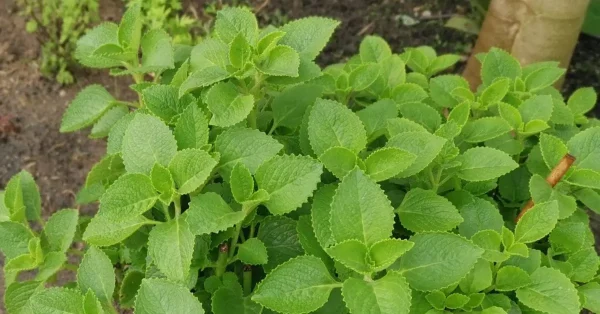
How to Grow Cuban Oregano Plants: A Complete Care Guide
If you’ve ever wanted a plant that combines the culinary punch of traditional oregano with [...]
Aug
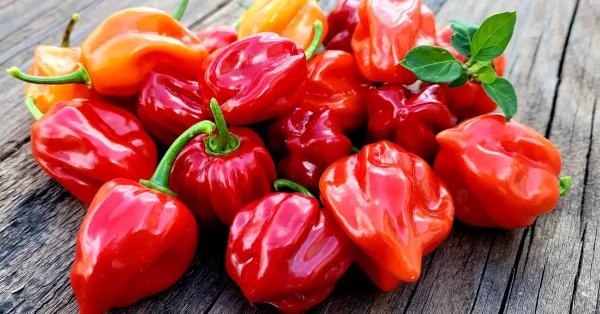
How to Grow Habanero Pepper Plants: A Step-by-Step Guide
Habanero pepper plants are prized for their vibrant colors, intense heat, and exceptional flavor, making [...]
Aug
Reviews
There are no reviews yet.