
Gardening Tips, Guides
How to Grow Habanero Pepper Plants: A Step-by-Step Guide
Aug
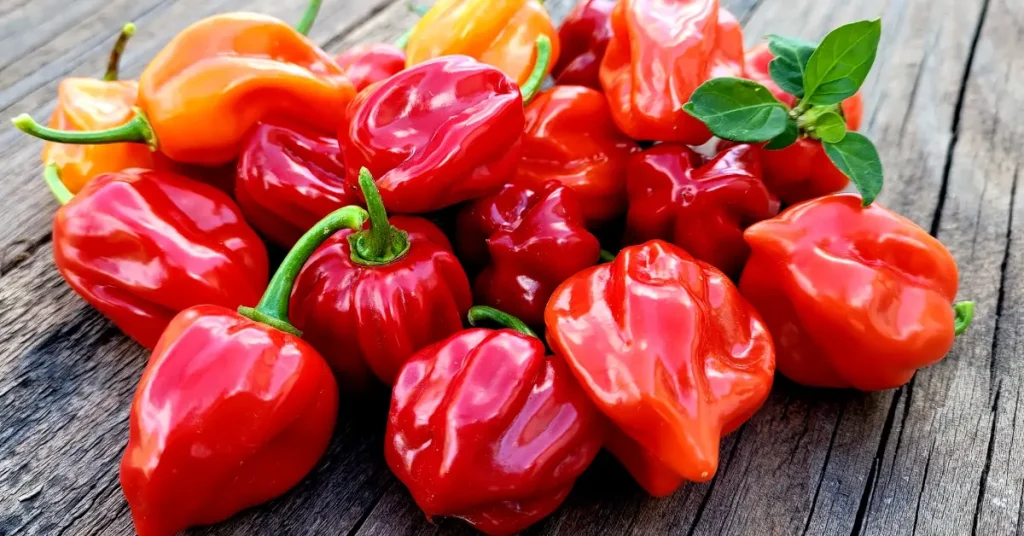
Habanero pepper plants are prized for their vibrant colors, intense heat, and exceptional flavor, making them a favorite among home gardeners and spice lovers alike. With plenty of sunshine, warm temperatures, and consistent care, these productive plants can reward you with an abundant harvest of fiery peppers throughout the growing season.
In this step-by-step guide, you’ll learn everything you need to know about growing habanero pepper plants, from choosing the ideal planting location and preparing the soil to watering, fertilizing, and harvesting ripe peppers. Whether you’re planting in garden beds, raised beds, or containers, these practical tips will help you grow healthy plants and enjoy a successful harvest.
What are Habanero Peppers?
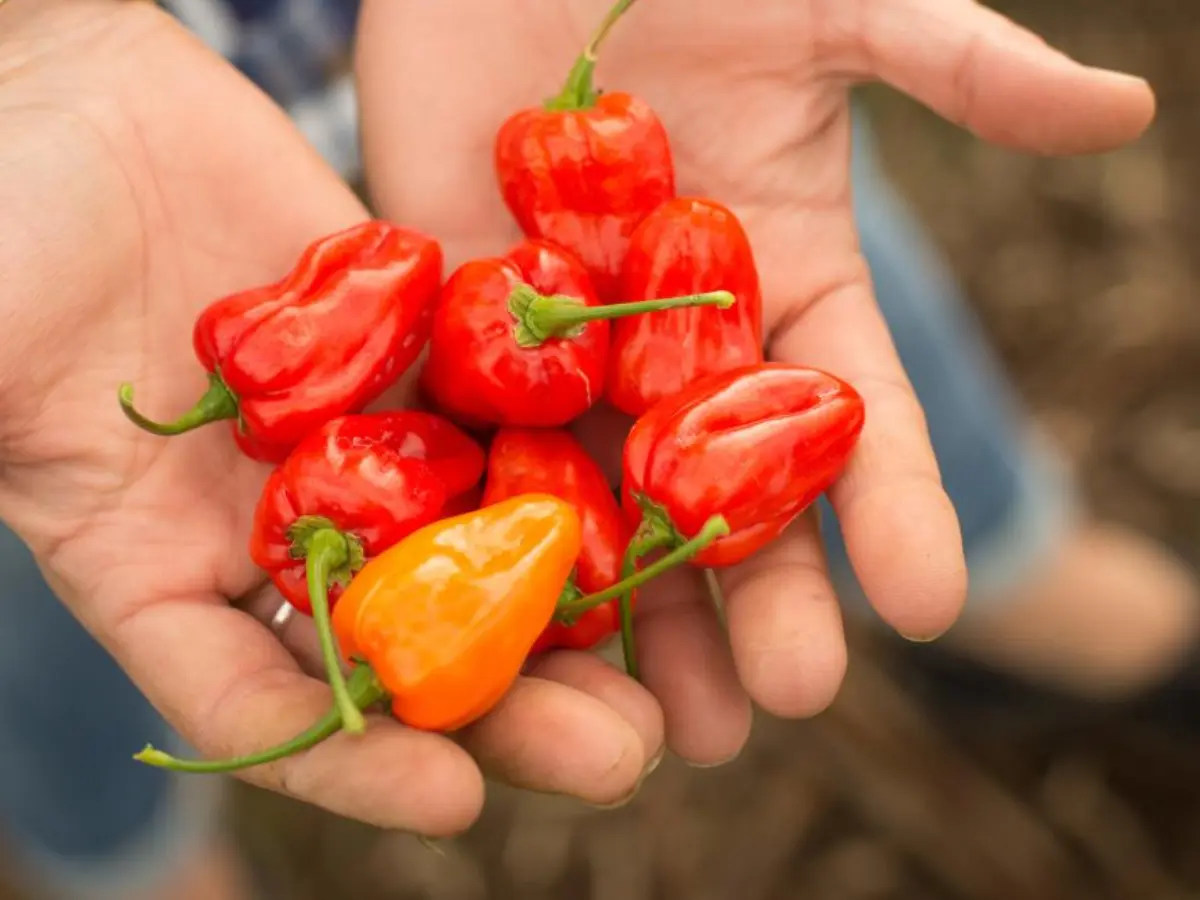
Habaneros (Capsicum chinense) are the true wild cards of the pepper world. With a heat rating between 100,000 and 350,000 Scoville Heat Units, they are definitely not for the faint of heart! But underneath that scorching heat lies a complex, apricot-like sweetness that makes them incredibly popular for fresh salsas, hot sauces, and marinades.
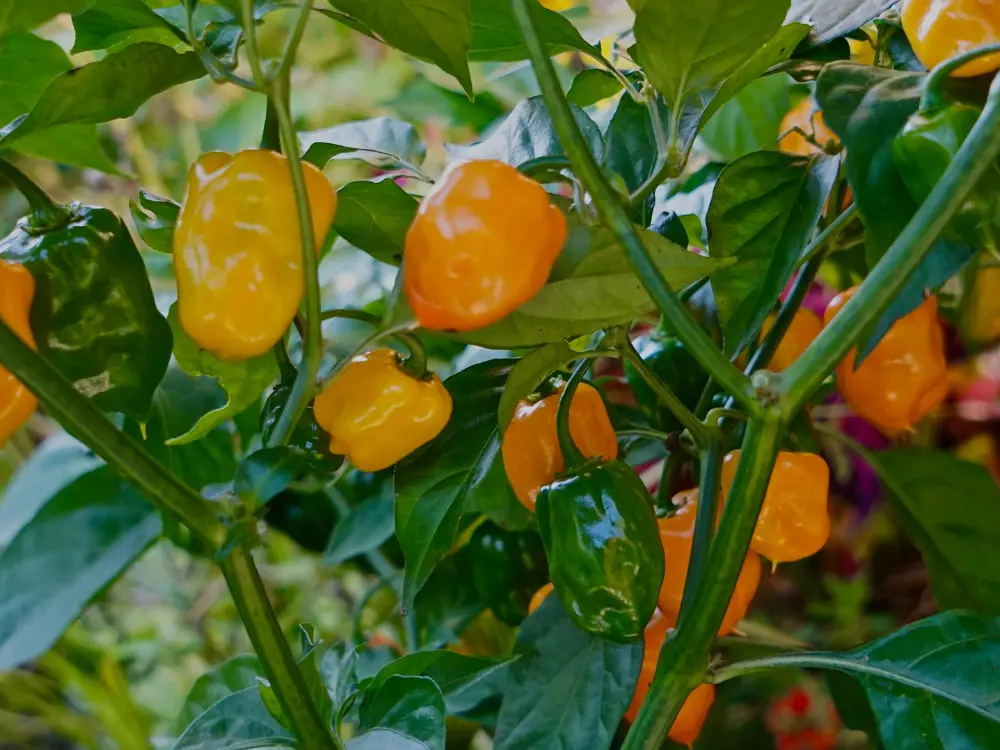
A mature habanero plant typically forms a beautiful, bushy dome about 2 to 3.5 feet tall, making it a fantastic centerpiece for raised beds or sturdy patio pots. While we traditionally associate them with a bright, glowing orange, habanero varieties actually span a stunning rainbow—from lemon yellow and peach to a deep, smoky chocolate brown.
Read more: Top 12 Best Types of Peppers to Grow in Your Garden: Easy and High Yield
Planting Habanero Peppers
Best Time to Plant Habanero Peppers
If jalapeños are sun-worshippers, then habaneros are absolute sun-addicts. Hailing from the humid tropics of South America and Mexico, they are notorious slow-growers. If you wait until the outdoor soil is warm to plant your seeds, summer will be long gone before you see your first flower!
To give them the head start they desperately need, sow your seeds indoors 8 to 12 weeks before the last expected spring frost. This cozy indoor “infancy” gives them plenty of time to develop a strong, woody stem and a vigorous root system before they ever step foot outside.
Don’t panic if your seed trays look empty for a while; habanero seeds can take anywhere from 10 to 25 days to germinate. Patience is your best friend here!
Soil and Light Requirements
-
Soil: Habaneros hate heavy, dense dirt. Fill your starter trays with a light, airy, well-draining seed-starting mix. Mixing in a handful of worm castings provides the perfect, gentle “breakfast” for your baby sprouts.
-
Light: These seedlings are incredibly hungry for light. To prevent them from becoming “leggy” (tall, thin, and weak), keep them under a dedicated LED grow light or in a blazing, south-facing window for 14 to 16 hours a day once they sprout.
How to Sow Habanero Seeds Step-by-Step
Sowing these fiery seeds is simple, but precision pays off:
-
Sow: Fill your seed trays and moisten the soil beforehand. Press your seeds down just 1/4 inch deep. Bury them too deep, and they will run out of energy before they can push through to the light.
-
Turn Up the Heat: Habanero seeds need tropical heat to wake up. Keep the soil temperature consistently between 80°F and 90°F (26°C to 32°C). Using a seedling heat mat is highly recommended to coax these stubborn sleepers awake.
-
Germination: Once the first green “loops” pop out of the soil, remove any plastic humidity domes immediately to prevent mold and ensure they get fresh, moving air.
How to Plant Habanero Pepper Seedlings
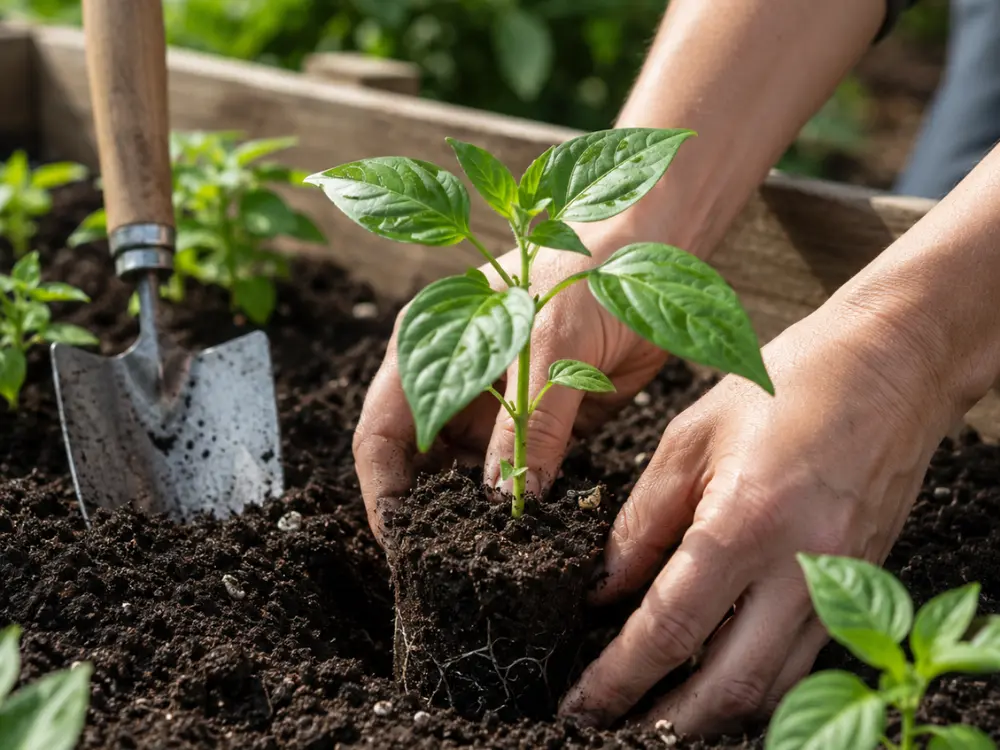
Once your baby seedlings are about 4 to 6 inches tall, boast a couple of sets of true leaves, and have survived their outdoor acclimation “boot camp” (hardening off), it is officially Graduation Day! Moving these tropical youngsters into their permanent homes is a critical transition, and doing it right sets the stage for a spectacular, heavy-yielding season.
-
Choose a Sunny Stage: Find a spot in your garden that gets at least 6 to 8 hours of unfiltered, blazing sunlight daily. Habaneros are tropical natives; shade will only make them sad, pale, and unproductive.
-
Give Them Elbow Room: Space is a luxury these bushy beauties appreciate. Plant your seedlings 18 to 24 inches apart. This generous spacing ensures they don’t have to fight for nutrients and allows air to circulate freely around their foliage, keeping nasty fungal diseases at bay.
-
Dig a Welcoming Bed: Dig a hole that is slightly wider than your seedling’s root ball and just as deep. Throw a generous handful of organic compost or a small scoop of bone meal into the bottom of the hole. Think of this as their “welcome basket” of slow-release nutrients!
-
Transplant with Care: Gently wiggle the seedling out of its starter pot, taking care not to disrupt the delicate roots. Place the seedling into the hole. Unlike tomatoes, which love being buried deep, habanero seedlings should be planted at exactly the same depth they were growing in their pots.
-
Tuck Them In: Backfill the hole with soil, pressing down gently with your hands to eliminate any air pockets around the roots.
-
A Soothing Drink: Water them thoroughly immediately after transplanting. This settles the soil and eases “transplant shock,” giving your seedlings the confidence to start exploring their new home.
You may like:
- How to Grow Jalapeño Peppers From Seeds: A Step-by-Step Guide
- How to Grow Black Pepper Plants: A Complete Care Guide
- Master the Heat: 8 Expert Tips for Growing Jalapeños Like a Pro
Caring for Habanero Peppers
Watering
Habaneros are incredibly dramatic when it comes to water. They absolutely detest “wet feet” (soggy, waterlogged roots), but they will drop their leaves in protest if they get bone-dry.
The secret? Aim for deep, infrequent watering. Use the finger test: push your index finger an inch into the soil. If it feels dry, give the plant a deep, satisfying soak at the base. To keep the soil moisture steady as a heartbeat, apply a 2-inch layer of organic mulch (like shredded bark or straw) to lock in moisture and keep thirsty weeds at bay.
Feeding
To produce dozens of thick, fiery peppers, habaneros need plenty of fuel. However, you must avoid the nitrogen trap.
-
Early Stage: A gentle feeding of organic compost or kelp meal during transplanting is plenty.
-
The Flowering Phase: Once those delicate white blossoms appear, switch to a fertilizer high in phosphorus and potassium (look for a 5-10-10 ratio). If you feed them too much nitrogen at this point, your plant will grow “all hair and no teeth”—giving you a gorgeous, massive green bush with absolutely zero peppers!
Pinching
When your young habanero plant reaches about 6 inches tall, use your fingernails to snip off the very top growing tip. It feels heartbreaking, but this forces the plant to branch outward rather than upward, creating a sturdy, bushy “umbrella” shape that can support a massive yield later in the season.
Similarly, if your plant starts trying to produce flower buds when it is still small and frail, pinch them off! Forcing the plant to focus on building its “house” (stems and leaves) in early summer leads to a much heavier, more sustainable harvest by late August.
Harvesting, Curing, and Storage
|
Pepper Variety |
Harvest Color |
Flavor Profile |
|---|---|---|
|
Orange Habanero |
Bright, glowing orange |
Fiery, citrusy, sweet |
|
Red Savina |
Deep, blood red |
Intense heat, slightly fruity |
|
Chocolate Habanero |
Dark, glossy brown |
Earthy, smoky, extreme heat |
When to Harvest
Habaneros typically take about 80 to 100 days after transplanting to fully mature.
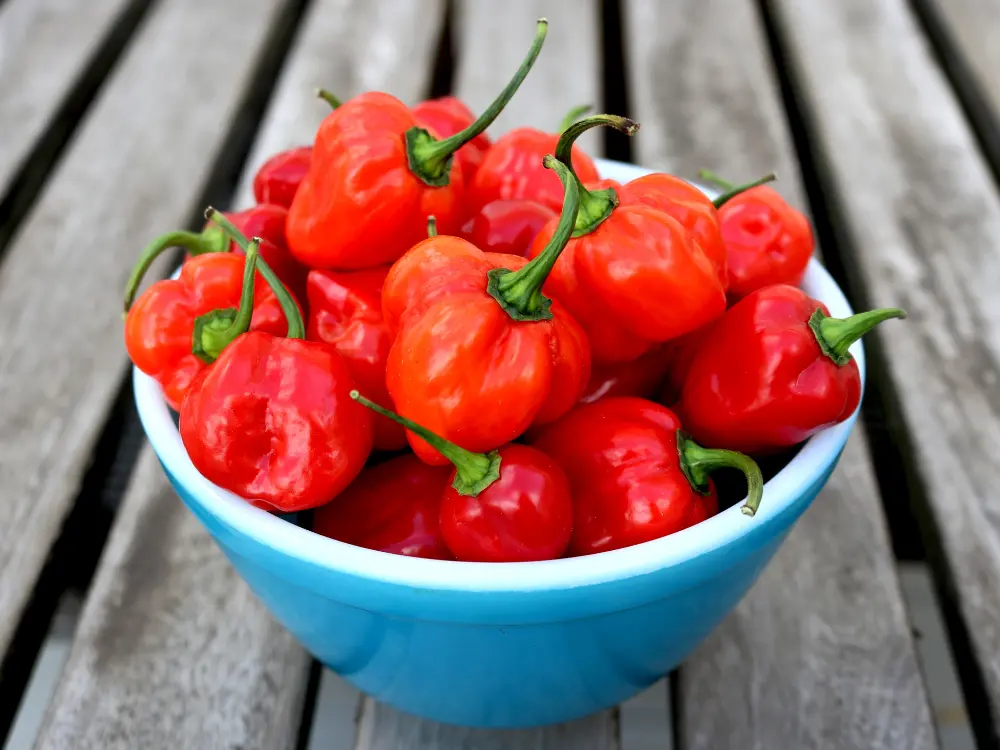
While you can technically pick them when they are green, they won’t have their signature tropical sweetness or their peak heat. Wait until the peppers undergo their magical color transformation and turn completely glossy orange, red, or chocolate (depending on your variety). The skin should feel firm and look slightly wrinkled near the shoulders.
How to Harvest Safely
Safety Warning: Respect the heat! Habanero oils (capsaicin) are incredibly potent. Always wear disposable gloves when harvesting and handling these peppers. Whatever you do, do not touch your eyes or face after handling them!
When picking, pepper branches are brittle and snap easily. Use a sharp pair of garden snips to cleanly cut the stem, leaving about an inch of stem attached to the pepper to help it stay fresh longer.
Storage and Preservation
-
Fresh: Keep your unwashed habaneros in a breathable container in your fridge’s crisper drawer. They will stay firm and fresh for up to 2 weeks.
-
Freezing: If your plant has outpaced your kitchen, habaneros freeze beautifully. Slice them up or freeze them whole in airtight freezer bags. They will lose their crunch but retain 100% of their fierce heat—perfect for winter stews, chilis, and hot sauces.
-
Drying: Dehydrate your harvest and grind them into a homemade “fire powder” that will instantly elevate any dish.
Common Problems and How to Solve Them
Habaneros can be a bit dramatic when their environment isn’t perfect. Here is how to troubleshoot the most common issues:
Flower Drop (The Temperature Tantrum)
It is heartbreaking to see your baby blossoms fall right off the plant instead of turning into peppers. This is almost always a reaction to temperature stress.
-
The Cause: If daytime temperatures soar above 90°F (32°C) or night temperatures drop below 60°F (15°C), the plant drops its flowers to save energy.
-
The Fix: Provide afternoon shade with a shade cloth during extreme heatwaves, and ensure your mulch layer is keeping the roots cool.
Pests: Aphids and Spider Mites
-
Aphids: These tiny sap-suckers love to cluster under leaves, causing them to warp and curl. Knock them off with a sharp blast of water from your hose, or spray the plant with organic insecticidal soap or neem oil in the cool evening.
-
Spider Mites: If you notice fine webbing on the leaves, spider mites have moved in. Keep the air around your plants humid and treat them with neem oil.
Blossom End Rot (The Calcium Crisis)
If the bottoms of your gorgeous peppers are turning leathery, black, and sunken, your plant is suffering from a lack of calcium. This is rarely due to a lack of calcium in the soil; rather, it is caused by inconsistent watering, which prevents the roots from drawing up nutrients. Keep your watering schedule as steady as a heartbeat!
Pale or Curling Leaves
If your habanero leaves look pale and yellow, its roots are likely suffocating in swampy, waterlogged soil. Improve drainage immediately. If the soil is fine but the plant looks sad and tired, treat it to a light “energy drink” of diluted organic compost tea or fish emulsion.
Frequently Asked Questions (FAQs)
How do I make my habaneros even hotter?
If you grow your plants in incredibly “cushy” conditions, they can get a little lazy! To crank up the Scoville scale, try “water-stressing” your plants slightly once the peppers have fully formed. Letting the plant wilt just a tiny bit before watering tells the plant it’s in a fight for survival, forcing it to produce more defensive capsaicin (heat)!
Can I grow habaneros in pots?
Absolutely! Because of their compact, bushy habit, they are arguably the best hot peppers for container gardening. Just ensure your pot is at least 3 to 5 gallons in size and has excellent drainage holes.
How long does a habanero plant live?
While we often grow them as annuals, pepper plants are actually perennials! If you live in a frosty climate, you can bring your potted habanero indoors for the winter, let it go semi-dormant, and bring it back outside in spring for an absolute head start on next year’s harvest.
Conclusion
Growing habanero peppers from seed is an incredibly rewarding adventure that brings a spectacular burst of tropical color and unforgettable heat right to your doorstep. By giving them the warmth they crave and the steady care they deserve, you’ll unlock a massive backyard harvest that easily beats anything you can find in a grocery store. Happy planting, and protect your eyes!