
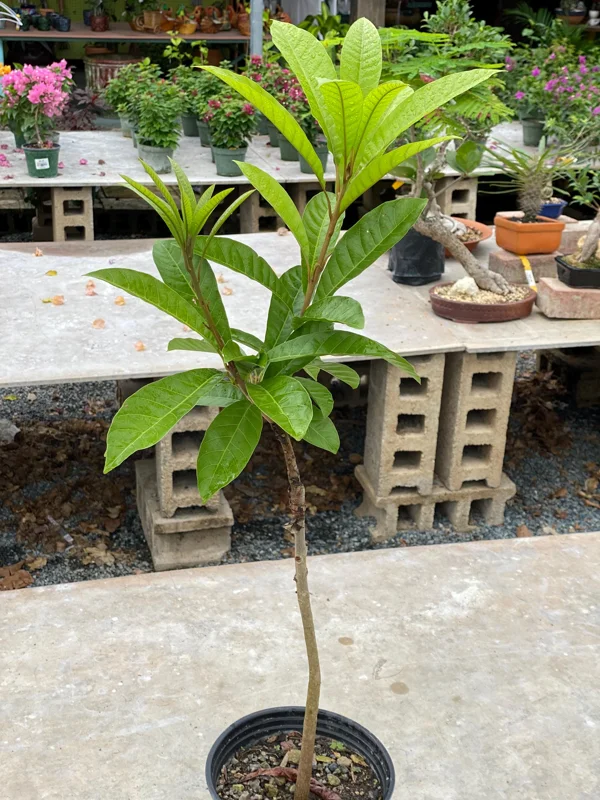
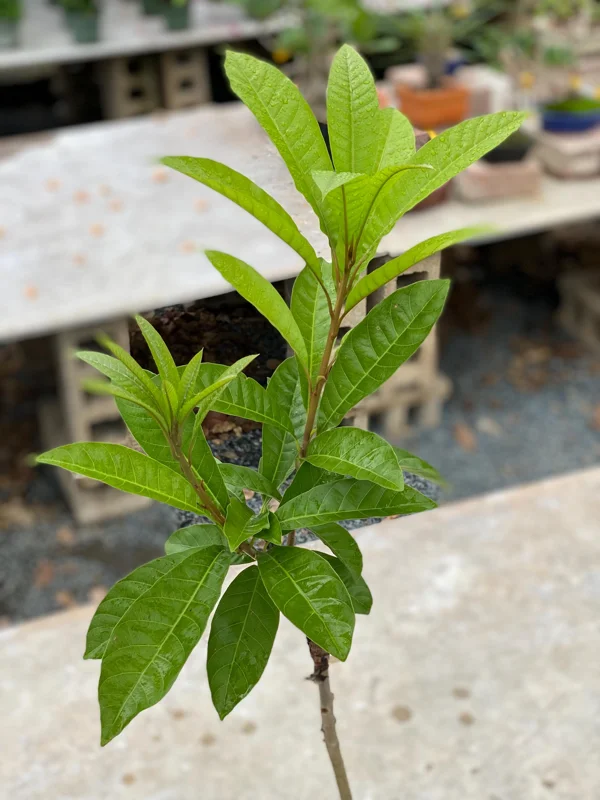
Grafted Canistel Tree Live Plant – Pouteria campechiana Tropical Fruit – 2-3 ft Tall
$325.00
Bring the tropics to your garden with a grafted canistel tree. This 2-3 ft tall tropical fruit tree yields delicious, sweet fruits with a unique custard-like texture, perfect for fresh eating or culinary creations. Easy to grow in warm climates.
Shipping and Return policies:
We stand behind our plants with our Alive & Thrive Guarantee. If you experience any issues within the first 30 days, please email us, and our team will be happy to help. When needed, we’ll send you a one-time replacement free of charge to make sure your garden keeps growing strong.

Reasonable Price
We offer reasonable price

Support 24/7
Contact us 24 hrs a day
100% Money Back
You’ve 30 days to Return
Payment Secure
100% secure payment
Overview
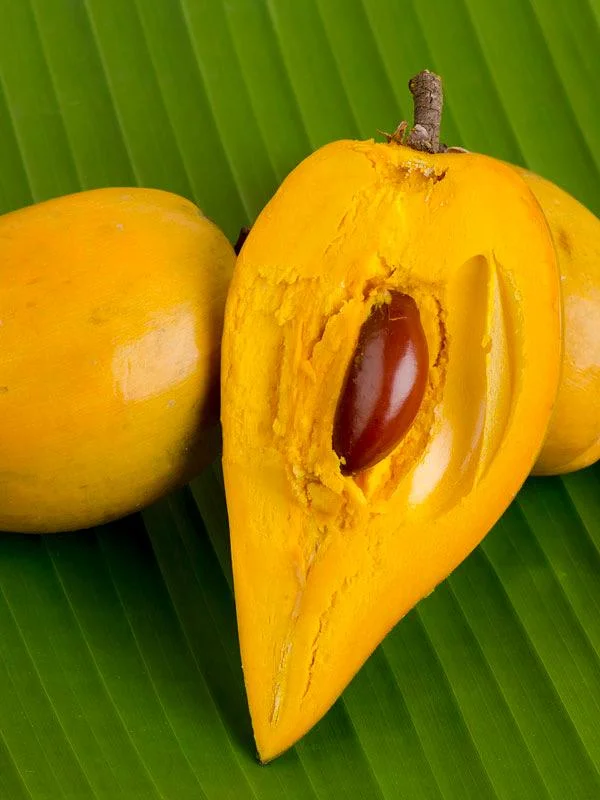
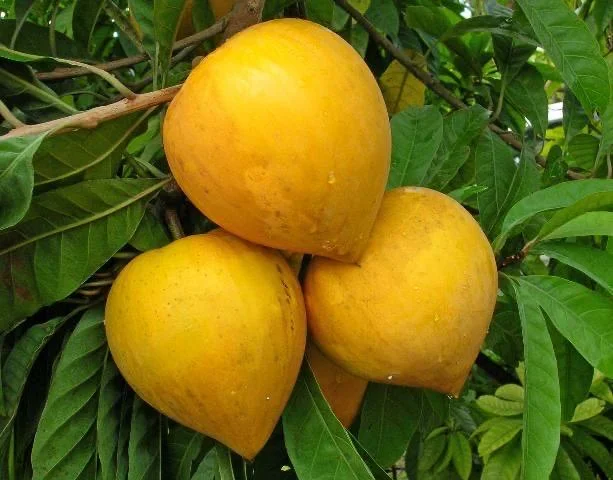
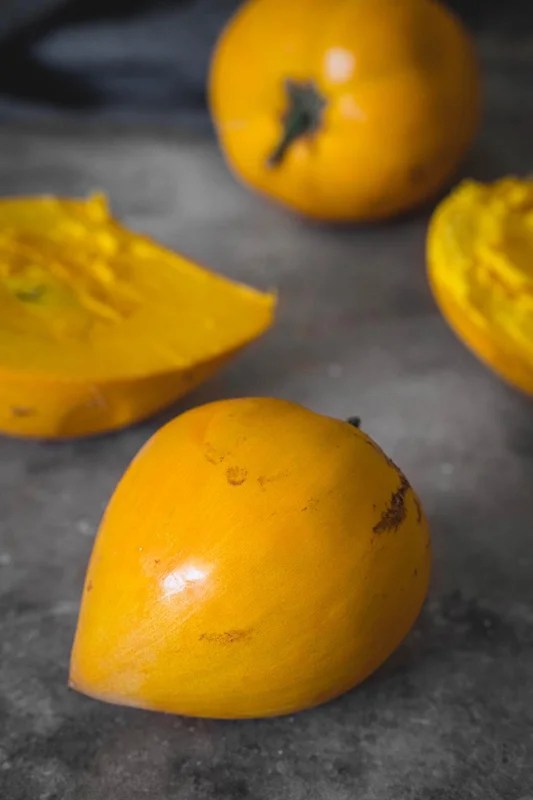
Cultivate your own exotic harvest with this thriving grafted canistel tree. Known by its botanical name, Pouteria campechiana, this remarkable plant is a must-have for any enthusiast of tropical fruits. Originating from Central and Northern South America, the canistel, often called ‘eggfruit’ due to its golden-orange flesh and texture, offers a unique culinary experience. This live plant arrives as a robust specimen, typically 2-3 feet tall, ready to establish itself in your garden or a large container. The canistel fruit plant is celebrated not only for its delicious yield but also for its attractive foliage and moderate size, making it a valuable addition to subtropical and tropical landscapes. Enjoy the satisfaction of growing your own nutritious and versatile fruit.
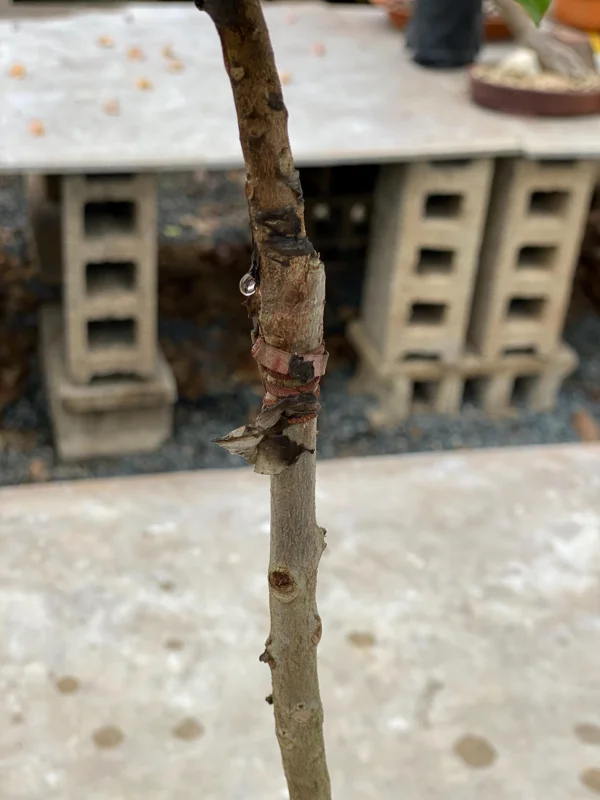
Our pouteria campechiana live plant is expertly grafted, ensuring quicker fruiting and consistent quality compared to seed-grown trees. Grafting also helps maintain the desirable characteristics of the parent plant, giving you a reliable source of these sought-after fruits. Whether you’re an experienced gardener or just starting your tropical fruit journey, this canistel tree provides an accessible way to enjoy fresh, homegrown canistel. Imagine harvesting your own sweet, nutrient-rich fruits directly from your backyard, perfect for a healthy snack or an adventurous dessert ingredient. This tropical fruit tree promises both beauty and bounty.
Key Benefits
A grafted canistel tree offers numerous advantages, from its unique fruit to its relatively easy care. Here are some of the standout benefits:
-
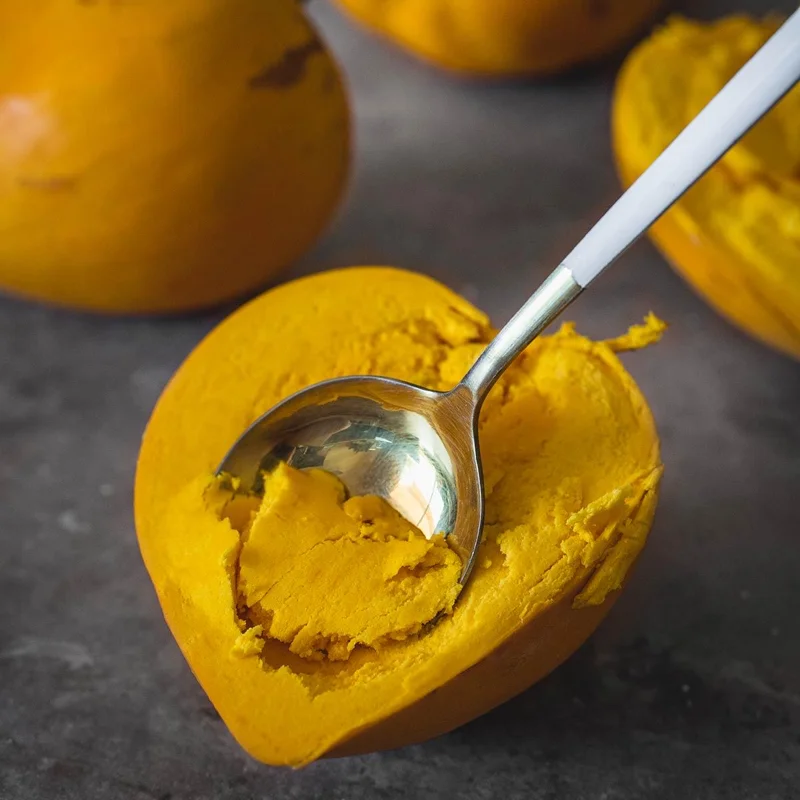
Exotic Fruit Production: Enjoy the distinct flavor and texture of canistel fruits, often described as a sweet potato or egg yolk custard. These delicious fruits can be eaten fresh, blended into smoothies, or used in baked goods and desserts. Having your own canistel fruit plant means a fresh supply of this unique treat.
-
Attractive Ornamental Value: Beyond its fruit, the canistel tree is an attractive specimen with spreading branches and alternate leathery leaves. It can serve as a beautiful shade tree or a focal point in your landscape, adding a touch of tropical elegance to your garden.
-
Nutrient-Rich Harvest: Canistel fruits are a good source of vitamins, particularly Vitamin A and C, as well as fiber. Growing your own ensures you have access to fresh, chemical-free produce, contributing to a healthier diet and lifestyle.
-
Adaptable Growth: While preferring tropical climates, the pouteria campechiana live plant can be grown in large containers in cooler regions, allowing you to move it indoors during cold weather. This adaptability makes it suitable for a wider range of gardeners.
-
Relatively Low Maintenance: Once established, the tropical fruit tree is quite resilient and requires moderate care. It’s not overly prone to pests or diseases, making it a rewarding plant for those seeking a unique fruit tree without excessive fuss. Understanding proper canistel care will ensure a bountiful harvest.
-
Grafted for Quicker Fruiting: Being a grafted plant, it will typically produce fruit sooner than a tree grown from seed, allowing you to enjoy your first harvest within a few years of planting.
Plant Care & Growing Tips
Proper canistel care is essential for a healthy and productive grafted canistel tree. These tropical plants thrive in warm, humid environments. They prefer full sun exposure, meaning at least 6-8 hours of direct sunlight per day. In very hot climates, some afternoon shade can be beneficial to prevent leaf scorch. When planting, choose a location with well-draining soil. Canistel trees are not tolerant of waterlogged conditions, which can lead to root rot. A slightly acidic to neutral soil pH (6.0-7.0) is ideal. Amend heavy clay soils with organic matter to improve drainage and aeration.
Watering should be consistent, especially during dry periods and when the tree is young and establishing. Once mature, the canistel fruit plant becomes more drought-tolerant, but regular watering will promote better fruit production. Allow the top few inches of soil to dry out between waterings. Fertilize your pouteria campechiana live plant with a balanced slow-release fertilizer formulated for tropical fruit trees, following the manufacturer’s instructions. Young trees can be fertilized every 2-3 months, while mature trees may need feeding 2-3 times per year. Pruning is generally minimal, focused on removing dead or diseased branches and shaping the tree for better air circulation and light penetration.
Canistel trees are sensitive to cold temperatures. They are best suited for USDA hardiness zones 9-11. If you live in a region with occasional frosts, consider planting your tropical fruit tree in a large container that can be moved indoors or protected during winter. Protect young trees from strong winds. While generally robust, keep an eye out for common pests like aphids or scale insects and treat them promptly with organic insecticidal soaps if necessary. With proper attention to these care guidelines, your grafted canistel tree will flourish and provide you with delicious fruits for years to come.
Size & Details
This offering is for a healthy grafted canistel tree, typically measuring 2-3 feet in height from the base of the root ball to the top of the foliage. The tree is shipped in a nursery pot, ensuring its root system is well-established and ready for transplanting. Canistel trees are known for their moderate growth rate and can reach heights of 10-25 feet (3-7.5 meters) in ideal conditions when planted in the ground, developing a spreading canopy. In containers, their size can be managed with pruning, usually staying smaller. The plant is ready to be transitioned to a larger pot or directly into your garden upon arrival.
Expect your canistel fruit plant to begin bearing fruit within 2-4 years after planting, thanks to its grafted nature. The fruits are typically round to oval, 2-5 inches long, and ripen to a distinctive golden-yellow color. Each fruit contains 1-5 large, shiny brown seeds. The peak fruiting season varies by region but generally occurs from late fall through spring in tropical climates. This pouteria campechiana live plant is a long-term investment that will provide unique tropical flavors for many seasons.
Frequently Asked Questions
-
Q: How big does this grafted canistel tree get? A: This particular plant ships at 2-3 feet tall. When planted in the ground in ideal conditions, a mature grafted canistel tree can reach heights of 10-25 feet, developing a beautiful spreading canopy. In containers, its size can be kept more compact with regular pruning.
-
Q: Is this an indoor or outdoor plant? A: The canistel fruit plant is a tropical tree best suited for outdoor planting in USDA Zones 9-11. In cooler climates, it can be grown in a large container and brought indoors during colder months to protect it from frost.
-
Q: How much sunlight does a canistel tree need? A: Canistel trees thrive in full sun, requiring at least 6-8 hours of direct sunlight per day for optimal growth and fruit production. In extremely hot, arid regions, some afternoon shade can be beneficial.
-
Q: What condition will the tropical fruit tree arrive in? A: Your tropical fruit tree will arrive as a healthy, live plant in a nursery pot, with its root system intact. We take great care in packaging to ensure it reaches you in the best possible condition, ready for planting.
-
Q: How long until it starts producing fruit? A: Since this is a grafted plant, you can typically expect your pouteria campechiana live plant to start bearing fruit within 2-4 years after planting, much quicker than trees grown from seed.
-
Q: What kind of soil is best for canistel care? A: Canistel trees prefer well-draining soil with a slightly acidic to neutral pH (6.0-7.0). Good drainage is crucial, so amending heavy clay soils with organic matter is recommended.
-
Q: Can I grow this canistel tree in a pot? A: Yes, you can successfully grow a grafted canistel tree in a large container, especially if you are in a climate colder than USDA Zone 9. Choose a pot that is at least 15-20 gallons to allow for adequate root development, and ensure it has good drainage holes.
-
Q: Is this plant easy to care for? A: Once established, the canistel tree is considered relatively low-maintenance. Providing adequate sunlight, consistent watering, and occasional fertilization will lead to a thriving plant and delicious fruit. Understanding basic canistel care will ensure success.
Be the first to review “Grafted Canistel Tree Live Plant – Pouteria campechiana Tropical Fruit – 2-3 ft Tall”
You must be logged in to post a review.
People also Viewed
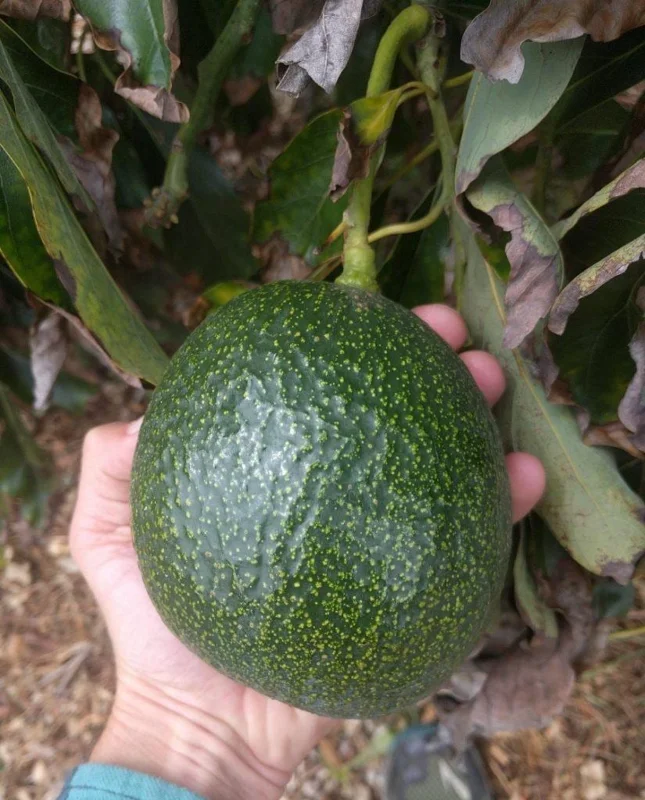
Sold 50 products
$185.00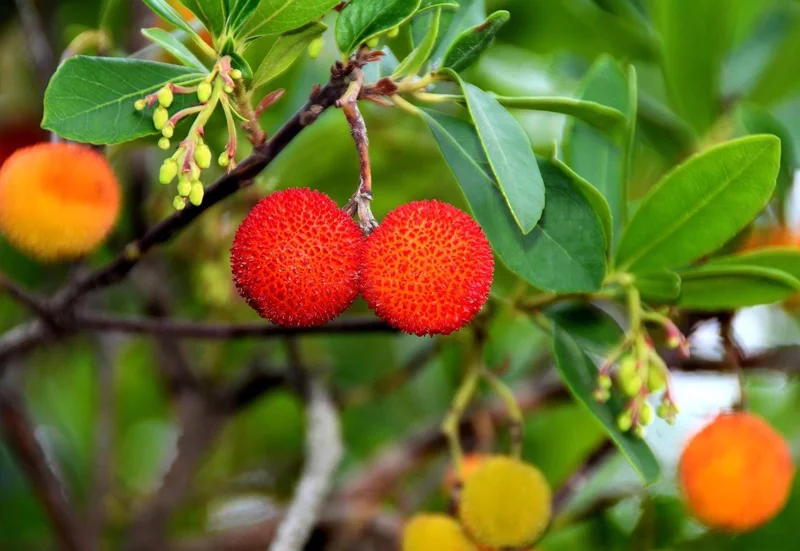
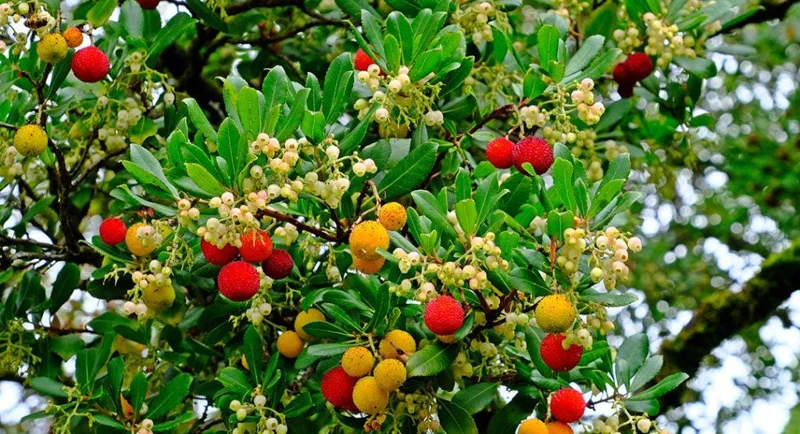
Sold 50 products
$157.50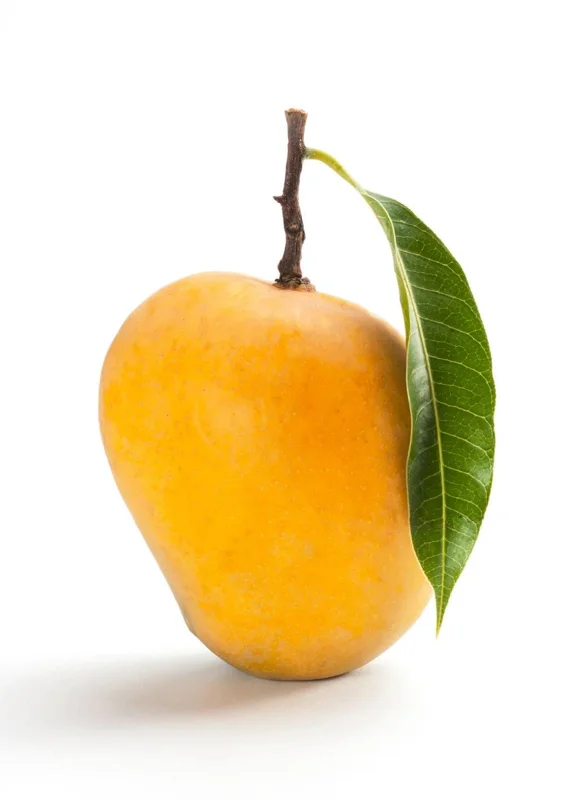
Sold 50 products
$297.50
Sold 50 products
$120.00
Sold 50 products
$212.50
Sold 50 products
$122.50
Sold 50 products
$2,510.00
Sold 50 products
$400.00RELATED posts
Awapuhi Wild Ginger Plant: Zones, Care, and Propagation
Learn which USDA zones suit awapuhi wild ginger, plus sunlight, water, planting, propagation, pests, size, [...]
Awapuhi Shampoo Ginger – Care, Growing Zones, and Differences
Learn how to grow awapuhi (shampoo) ginger, its USDA zones, watering schedule, propagation tips, and [...]
Awapuhi Shampoo Plant Buying Guide – Choose the Right Zingiber zerumbet
META: Learn which awapuhi (shampoo ginger) plant or rhizome pack gives the best natural shampoo, [...]
Awapuhi Plant for Sale: Complete Buying Guide
Find the right awapuhi (shampoo ginger) plant, size, price, soil mix, and online source. Practical [...]
Shampoo Ginger Plant for Sale – Buying Guide & Tips
Find the right shampoo ginger plant, size, price, and care tips. Quick guide for U.S. [...]
Shampoo Ginger Plant (Awapuhi) Care Guide
Learn how to grow, care for, and use shampoo ginger (Zingiber zerumbet), the tropical awapuhi [...]
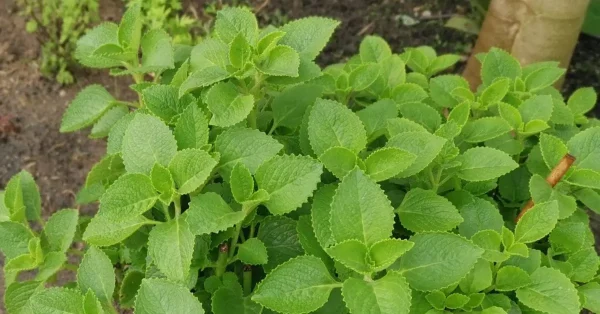
How to Grow Cuban Oregano Plants: A Complete Care Guide
If you’ve ever wanted a plant that combines the culinary punch of traditional oregano with [...]
Aug
How to Grow Habanero Pepper Plants: A Step-by-Step Guide
Habanero pepper plants are prized for their vibrant colors, intense heat, and exceptional flavor, making [...]
Aug
Reviews
There are no reviews yet.