
Guides
Awapuhi Shampoo Ginger – Care, Growing Zones, and Differences
Awapuhi Shampoo Ginger Overview
Awapuhi shampoo ginger (Zingiber zerumbet) is a tropical, rhizomatous perennial prized for its pine‑cone‑shaped flower heads that release a fragrant, conditioning sap. It thrives in USDA zones 9‑11, needs regular moisture, and makes an evergreen focal point in sunny borders or containers.
—
Quick Facts
| Attribute | Details |
|---|---|
| Botanical name | Zingiber zerumbet |
| Common name | Awapuhi shampoo ginger, pinecone ginger, pinecone ginger lily |
| Plant type | Herbaceous perennial (rhizomatous) |
| USDA zones | 9 – 11 |
| Mature height | 3 – 5 ft (0.9 – 1.5 m) |
| Mature width | 3 – 4 ft (0.9 – 1.2 m) |
| Growth rate | Moderate |
| Sun requirement | Full sun to part shade |
| Soil preference | Well‑drained, loamy, rich in organic matter |
| Soil pH | 5.5 – 7.5 (acidic to slightly acidic) |
| Water needs | Keep soil evenly moist; avoid water‑logging |
| Bloom season | Summer (June – September) |
| Flower color | White with a pink/red spur (bract) |
| Evergreen/Deciduous | Evergreen in warm climates |
| Deer resistance | Generally deer‑resistant (aromatic foliage) |
| Pet safety | Not listed as toxic, but keep pets from chewing foliage |
—
What Makes Awapuhi Shampoo Ginger Special?
Awapuhi shampoo ginger’s most distinctive feature is its “pinecone” inflorescence—a hollow, cylindrical bract that fills with a clear, mildly scented liquid. Historically the sap was strained and used as a natural hair rinse, giving the plant its “shampoo” nickname. The foliage is glossy, lance‑shaped, and remains attractive year‑round in zones 9‑11, providing both visual and functional interest.

Live plant from our nursery, ready to plant in spring.
—
Best Growing Conditions
Sun & Light
- Full sun (6 + hours) yields the largest cones and strongest fragrance.
- Part shade is acceptable in hotter climates (zones 10‑11) to prevent leaf scorch.
Soil & pH
- Plant in loamy, well‑drained soil enriched with compost.
- Maintain a pH of 5.5‑7.5; amend acidic soil with lime, alkaline soil with sulfur.
Temperature & Hardiness
- Minimum winter temperature: 20 °F (‑6 °C).
- Zones 9‑11 experience no killing frost; in zone 8 protect the rhizome with mulch or grow in a container.
Humidity
- Prefers moderate to high humidity; misting in dry interiors helps indoor plants.
—
How to Plant Awapuhi Shampoo Ginger
- Choose the right time – Plant rhizomes in spring, after the last frost.
- Select a location – 18‑24 inches of space between plants; ensure drainage.
- Prep the hole – 12 in deep, twice as wide as the rhizome. Mix one part compost to two parts native soil.
- Place the rhizome – Position the “eyes” (small buds) facing upward, cover with soil, and firm gently.
- Water thoroughly – Saturate the planting zone to settle soil around the rhizome.
For container growers, use a 12‑inch pot with a high‑drainage mix and plant the rhizome just below the surface.
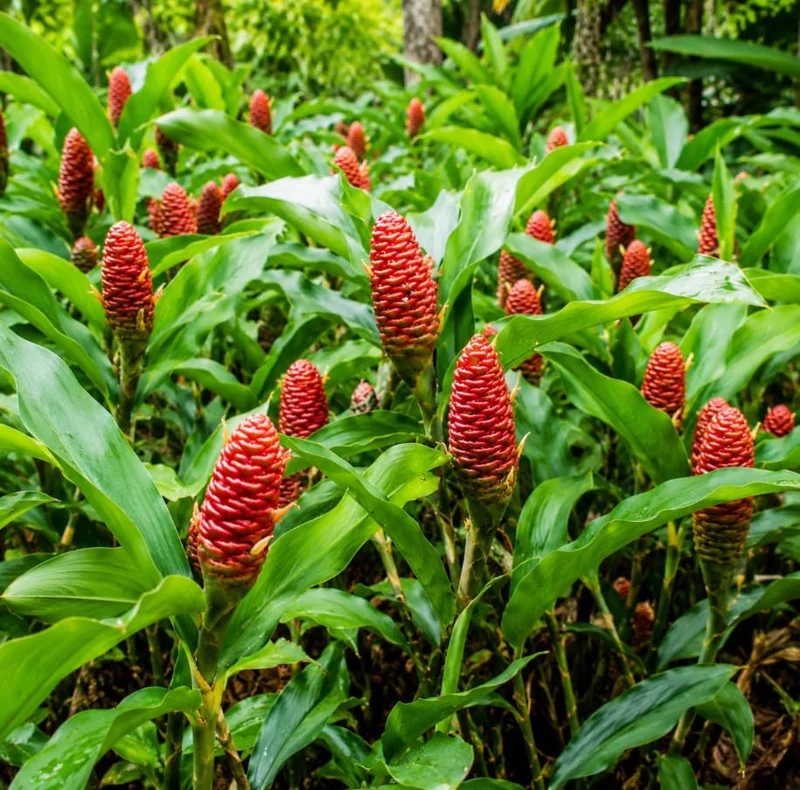
Our 12‑rhizome pack is perfect for a new garden bed.
—
Watering Schedule
| Stage | Frequency | Amount |
|---|---|---|
| Establishment (first 8 weeks) | 2‑3 times/week | Keep soil moist but not soggy |
| Active growth (spring‑summer) | 1‑2 times/week | Water deeply to a 6‑in depth |
| Dormancy (late fall‑winter) | Every 2‑3 weeks | Reduce volume; avoid soggy soil |
Tip: Use a soaker hose or drip irrigation to deliver consistent moisture without splashing the foliage.
—
Fertilizing
- Early spring: Apply a balanced 10‑10‑10 granular fertilizer at 1 lb per 100 sq ft.
- Mid‑summer: Light side‑dressing with compost or a slow‑release organic fertilizer.
- Avoid high nitrogen after July; excess foliage growth can delay cone formation.
—
Pruning
- Remove spent cones once they dry (usually late summer). Cut the stalk to the base to keep the plant tidy.
- Trim yellow or damaged leaves in early spring before new growth.
- Division: Every 3‑4 years, dig up the clump in late fall, separate healthy rhizome sections, and replant.
—
Common Problems
| Problem | Symptoms | Management |
|---|---|---|
| Root rot | Yellowing leaves, mushy rhizomes | Improve drainage, avoid overwatering; mulch with coarse material |
| Leaf spot (Cercospora) | Brown circular spots on leaves | Remove affected foliage, apply copper‑based fungicide, keep foliage dry |
| Scale insects | Small white bumps, sticky honeydew | Wipe with alcohol‑soaked cotton, treat with neem oil |
| Aphids | Soft green insects, curled leaves | Spray strong jet of water, use insecticidal soap |
—
Landscape Uses
- Tropical borders – Plant in groups of 3‑5 for a dramatic effect.
- Poolside or patio containers – Tolerates occasional splashes; visual interest when other plants are dormant.
- Privacy screen – Dense foliage can form a low evergreen screen in warm climates.
- Cut‑flower or novelty – Cones make striking arrangements; the sap can be harvested for natural hair care.
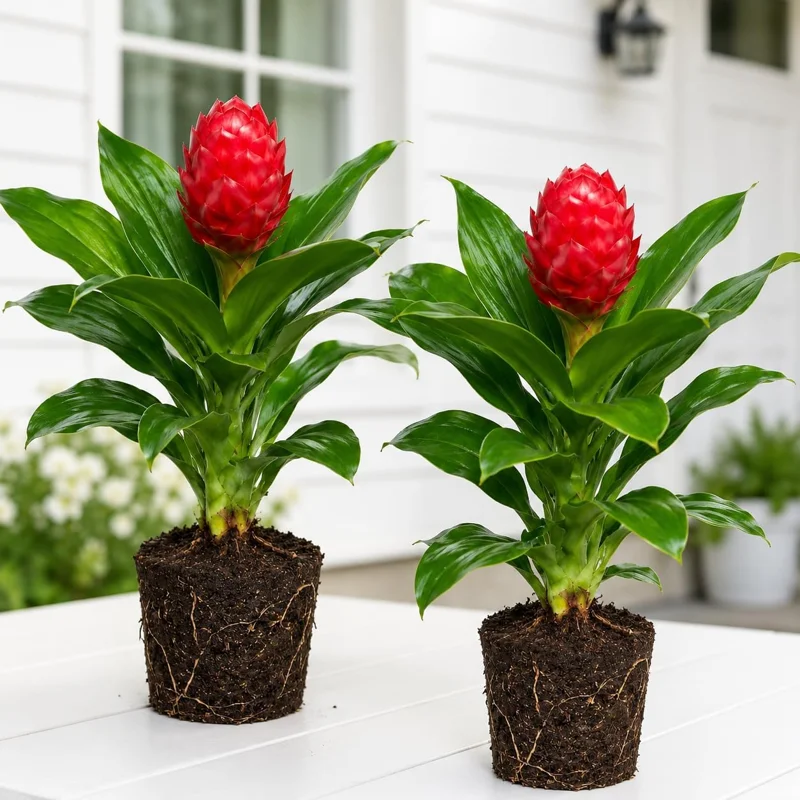
Two live plants perfect for a sunny patio.
—
Who Should Grow Awapuhi Shampoo Ginger?
- Gardeners in USDA zones 9‑11 who want a low‑maintenance, evergreen accent.
- Container growers in cooler climates (zones 8‑9) who can move the plant indoors during winter.
- DIY hair‑care enthusiasts interested in harvesting the fragrant sap.
- Landscapers seeking a tropical look without high water demand.
If you live in a cooler region but still want the plant, start it in a pot and keep it protected from frost.
—
Decision / Action
Awapuhi shampoo ginger is a solid choice for warm‑climate gardens seeking an exotic, evergreen focal point with a useful by‑product. For beginners, the 10‑rhizome pack offers a low‑cost entry point and enough material to fill a small border. Purchase from our nursery to receive healthy, pre‑screened rhizomes shipped in insulated packaging.
Buy now:
- [10 Awapuhi Shampoo Ginger Rhizomes – Zingiber Zerumbet Pinecone Ginger Roots](
- [Shampoo Ginger Live Plant – 4‑8 in tall](
—
Frequently Asked Questions
How do Awapuhi ginger and shampoo ginger differ? They are the same species (Zingiber zerumbet); “shampoo ginger” highlights the sap’s traditional use, while “awapuhi” is the Hawaiian name.
What USDA zones can I grow awapuhi shampoo ginger in? Zones 9 through 11 thrive without protection; zone 8 can grow it in a container or with winter mulch.
What is the best watering schedule for awapuhi shampoo ginger? Keep soil evenly moist: water 2‑3 times weekly during establishment, then once a week in summer, and reduce to every 2‑3 weeks in winter.
How do I propagate awapuhi shampoo ginger? Divide mature rhizomes in fall or early spring; each segment with at least one bud will establish a new plant.
Which pests commonly affect awapuhi shampoo ginger? Scale insects and aphids are the most frequent; treat with neem oil or insecticidal soap, and keep foliage dry to deter fungal issues.