
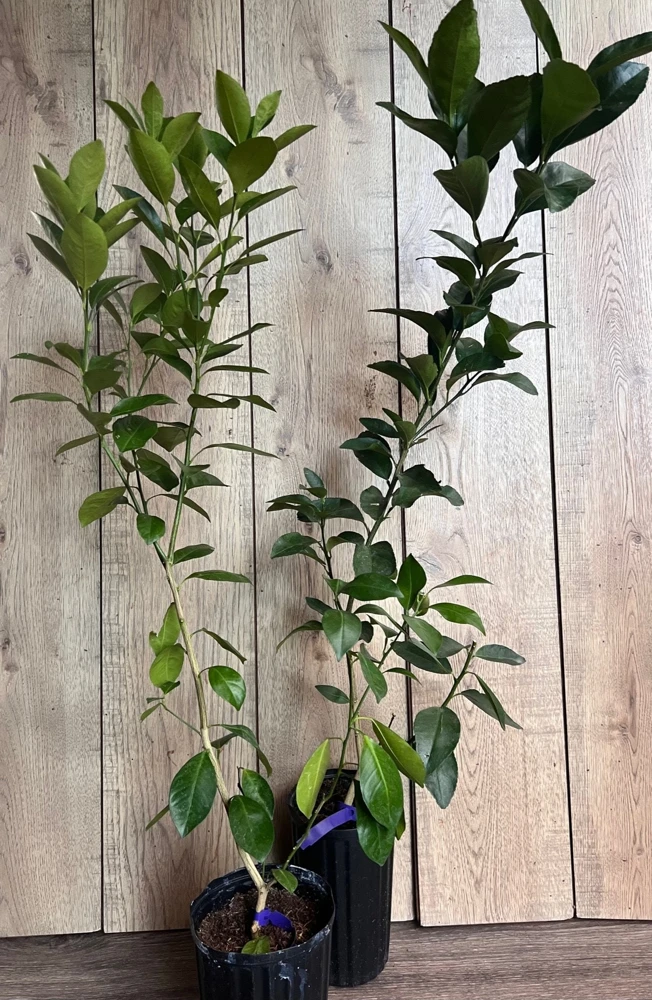
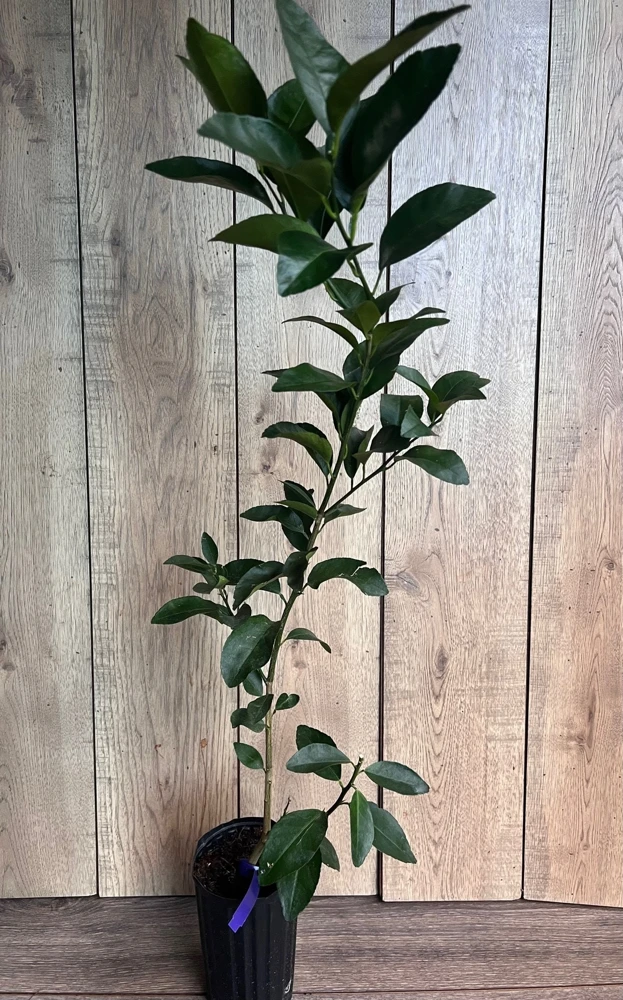
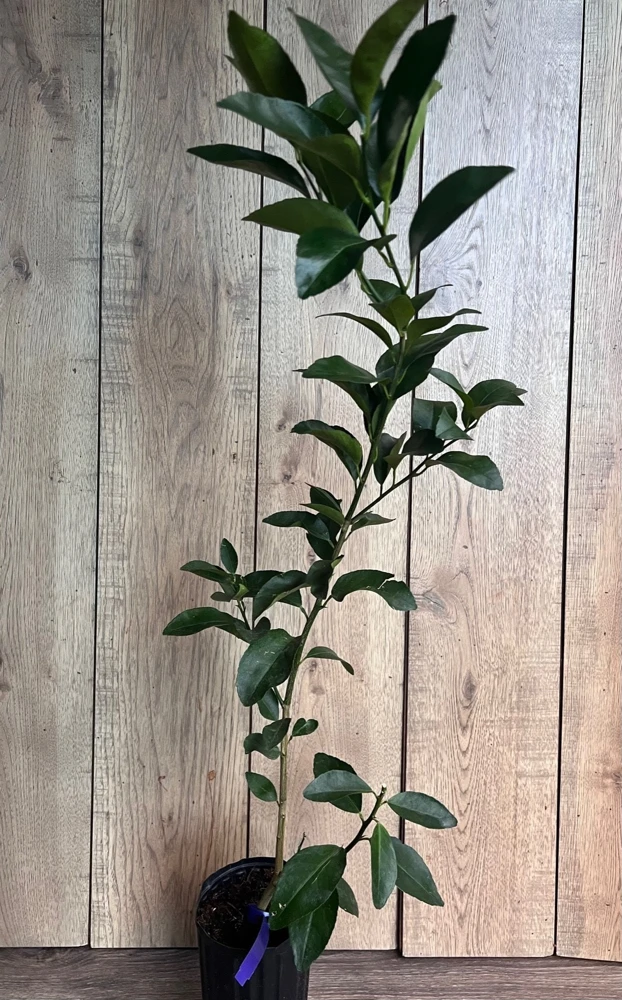
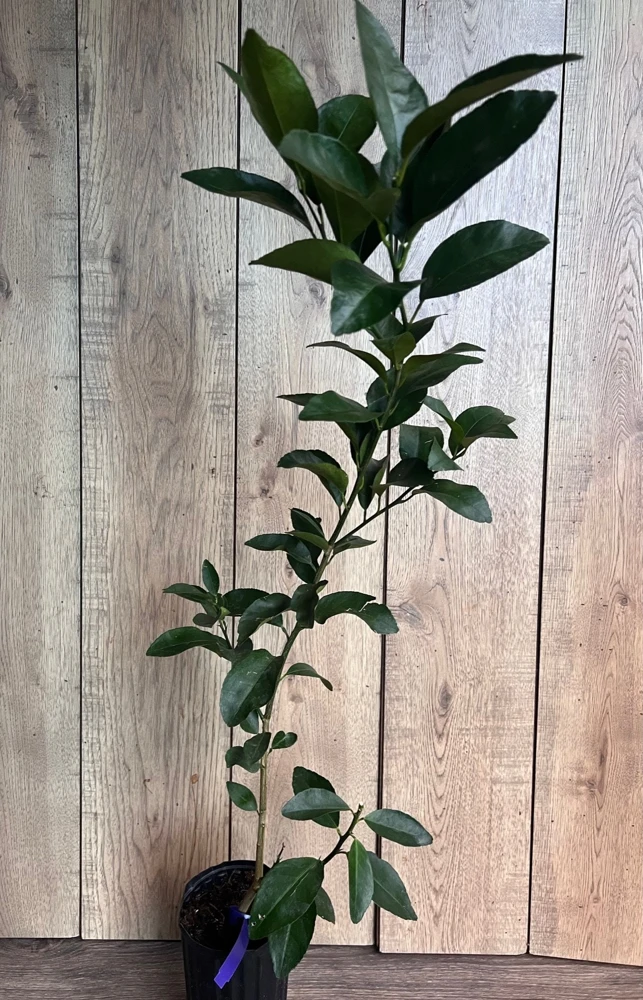
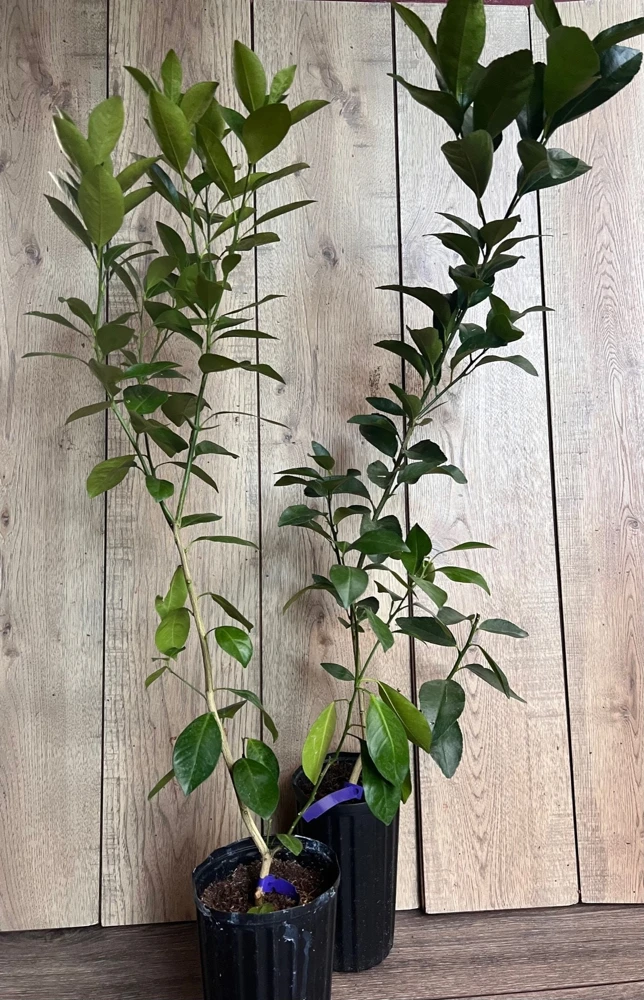
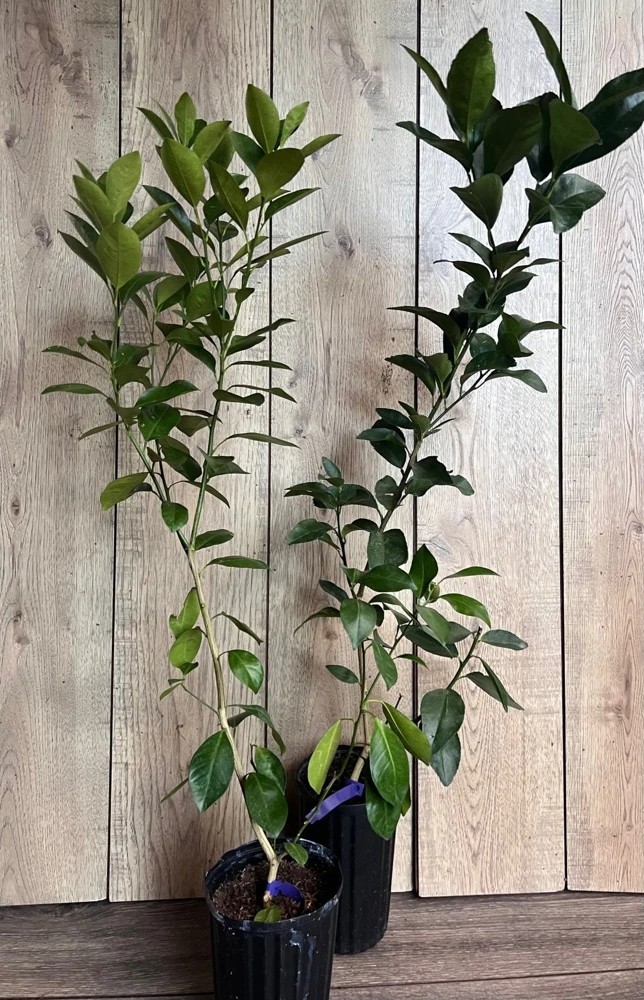
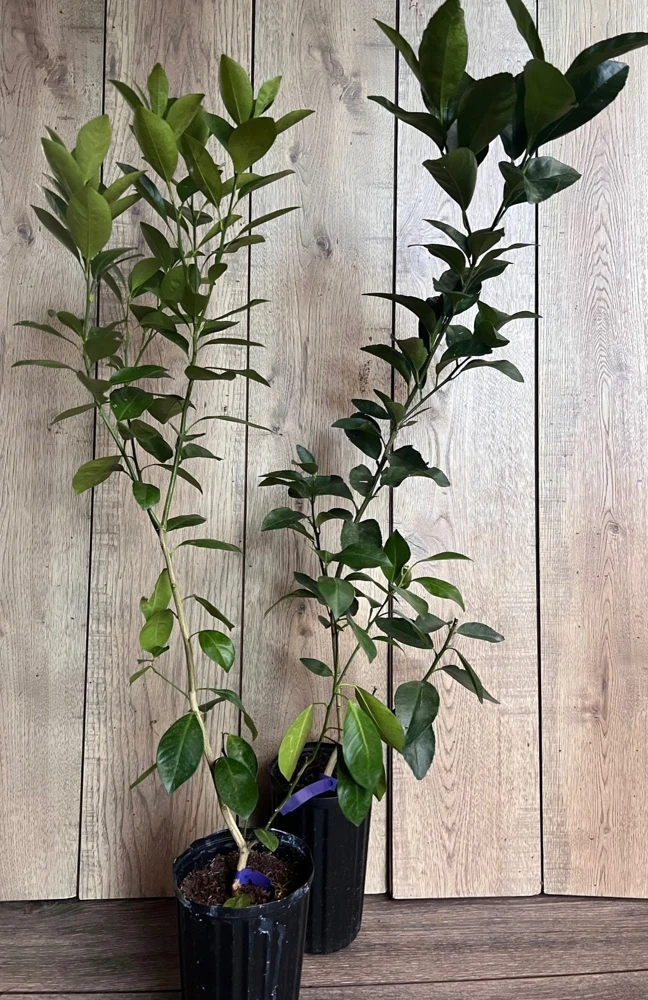
Navel Orange Tree Live Plant – 1/2 Gallon Pot, Grafted, Sweet Fruit – Cannot ship to CA
Original price was: $133.33.$81.37Current price is: $81.37.
Bring the joy of fresh citrus to your home with this navel orange tree live plant. This grafted tree comes in a 1/2-gallon pot, ready to thrive and produce bountiful crops of large, sweet, and juicy navel oranges. Perfect for sunny locations, it’s an excellent choice for home growers.
Shipping and Return policies:
We stand behind our plants with our Alive & Thrive Guarantee. If you experience any issues within the first 30 days, please email us, and our team will be happy to help. When needed, we’ll send you a one-time replacement free of charge to make sure your garden keeps growing strong.

Reasonable Price
We offer reasonable price

Support 24/7
Contact us 24 hrs a day
100% Money Back
You’ve 30 days to Return
Payment Secure
100% secure payment
Overview
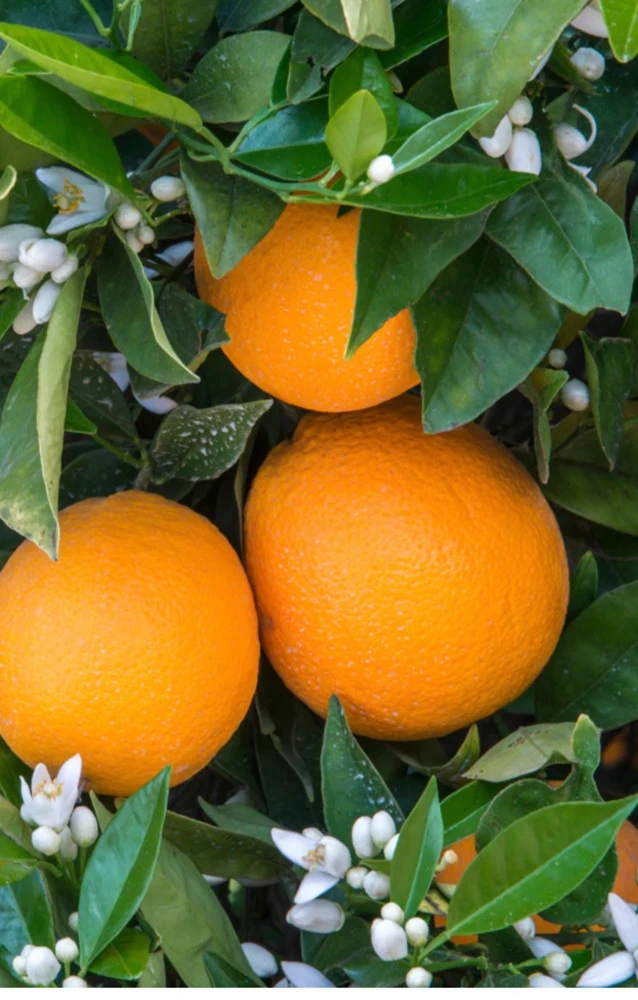
Cultivate your own delicious citrus with this remarkable navel orange tree live plant. Known for its exceptional flavor and ease of growth, this particular variety is a mutation of the popular Washington navel, specifically adapted to perform reliably and produce high-quality fruit even in hot, humid climates. Each tree is expertly grafted and arrives in a 1/2-gallon pot, ensuring a strong start for your new addition. Imagine harvesting your own super sweet, large, and bright orange fruits right from your backyard or patio. This navel orange tree live plant is not just a source of fresh produce; it’s a beautiful ornamental addition, offering lush green foliage and the promise of abundant, flavorful harvests from early November to January.
Key Benefits
Adding a navel orange tree live plant to your garden or patio offers numerous advantages beyond just delicious fruit. This tree is a fantastic investment for both novice and experienced gardeners, providing aesthetic beauty and culinary rewards.
- Reliable Fruit Production: This specific variety is known for its consistent and reliable performance, producing high-quality fruit even in challenging climates where other navel oranges might struggle.
- Super Sweet & Juicy Fruit: Enjoy large, bright orange fruits with an open, non-protruding navel and an exceptionally sweet, excellent flavor, perfect for fresh eating or juicing.
- Easy to Grow: The navel orange tree live plant is delightfully easy to cultivate, making it suitable for gardeners of all skill levels. It adapts well to various conditions with proper care.
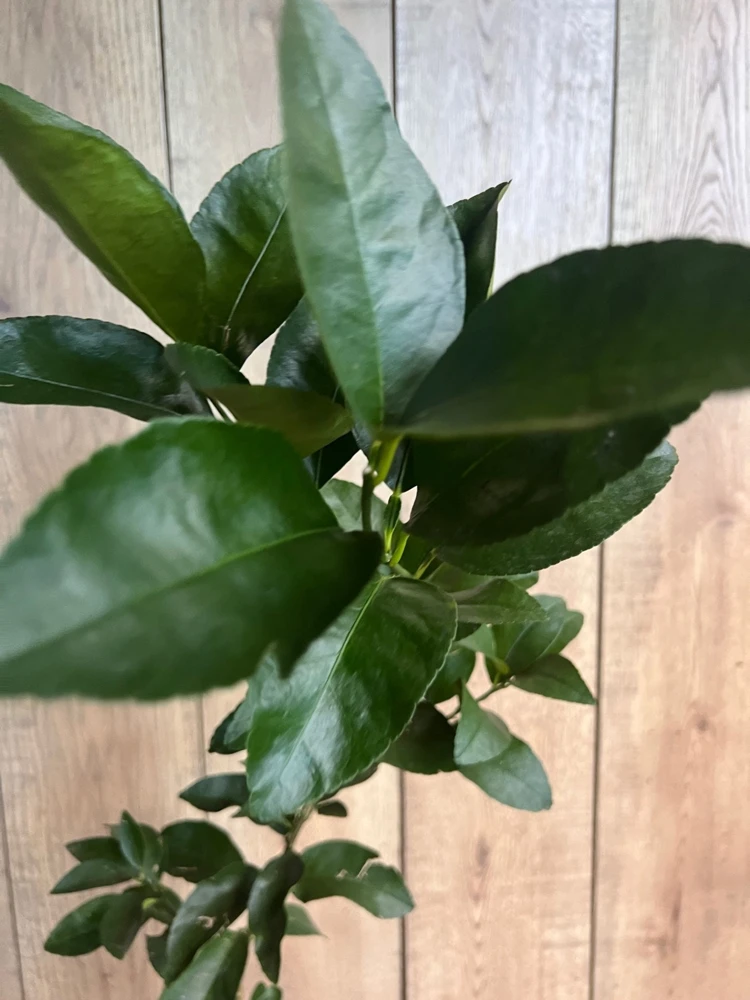
- Ornamental Value: With its vibrant green foliage and bright orange fruit, this tree serves as an attractive focal point in any garden, patio, or even as an indoor plant in cooler climates.
- Long Harvest Season: Fruit ripens from early November to January, providing a generous window to enjoy fresh, homegrown oranges during the cooler months.
- Grafted for Vigor: Being grafted ensures a stronger, more resilient tree with improved disease resistance and faster fruit production compared to trees grown from seed.
- Freshness at Your Fingertips: Experience the unparalleled taste of freshly picked oranges, free from store-bought preservatives and ripening agents. This is truly the best way of growing navel oranges.
Plant Care & Growing Tips
Caring for your navel orange tree live plant is straightforward and rewarding. To ensure bountiful harvests, providing the right environment and consistent care is crucial. This citrus tree thrives in fertile, well-drained soil. If planting in a container, choose a pot with good drainage holes and use a high-quality potting mix formulated for citrus or fruiting plants. For those in cooler climates, remember that this tree will need to be moved indoors when temperatures drop, ideally before the first frost, to protect it from cold damage. Proper care ensures you’ll be enjoying your own sweet orange tree for years.
Sunlight is paramount for a healthy navel orange tree live plant. Like most citrus, it requires abundant light, ideally between eight and 12 hours of full sun daily. If you’re growing your tree indoors, place it by a south-facing window to maximize light exposure. Good airflow around the tree is also important to prevent fungal issues. During darker winter months, especially for indoor plants, supplementing natural light with grow lights can significantly benefit the tree’s health and fruit production. Consistent light is key for successful growing navel oranges.
Watering needs vary depending on whether your tree is in a container or planted in the ground. Container-grown trees will generally require more frequent watering due to faster soil drying. This tree prefers low to moderate moisture, so it’s vital to avoid overwatering, which can lead to soggy soil and root rot. A good practice is to check the top two to three inches of soil; if it feels dry to the touch, it’s time to water thoroughly until water drains from the bottom of the pot. Regular pruning is also beneficial for encouraging better fruit production and maintaining the tree’s shape. Focus on removing any dead, broken, or diseased branches as they appear to keep your grafted orange tree healthy and productive. Understanding navel orange tree care is vital for its long-term health.
Size & Details
This navel orange tree live plant arrives as a healthy, grafted specimen in a 1/2-gallon pot, ready for planting or repotting. The initial size of the plant will vary but is typically well-established to ensure successful transplantation. Navel orange trees are medium-sized citrus trees, and while they can reach heights of 10-20 feet in ideal outdoor conditions, they can be maintained at a more manageable size through pruning, especially when grown in containers. They exhibit a moderate growth rate, and with proper care, you can expect fruit production within a few years of planting. The abundant crops of large, bright orange fruit typically ripen from early November to January, providing a delightful winter harvest. This sweet orange tree is a valuable addition to any garden.
Frequently Asked Questions
- Q: How big does this navel orange tree get? A: In optimal outdoor conditions, a navel orange tree live plant can grow 10-20 feet tall. However, when grown in a container, its size can be managed through regular pruning to keep it more compact and suitable for patios or indoor spaces.
- Q: What size pot does it come in? A: This grafted orange tree is shipped in a 1/2-gallon pot, providing it with a healthy root system and a good start before you transplant it to a larger container or directly into the ground.
- Q: Is this an indoor or outdoor plant? A: This navel orange tree live plant can be grown both indoors and outdoors. In USDA zones where winter temperatures drop below freezing, it should be grown in a container and brought indoors during the cold months. It thrives outdoors in warmer climates.
- Q: How much sunlight does it need? A: Your navel orange tree live plant requires significant sunlight, ideally 8-12 hours of full sun per day. If grown indoors, a south-facing window is best, supplemented with grow lights during darker periods.
- Q: Is this plant easy to care for? A: Yes, this particular sweet orange tree is considered delightfully easy to grow. With attention to sunlight, watering, and well-drained soil, it will thrive and produce fruit. Understanding basic navel orange tree care will ensure success.
- Q: What condition will it arrive in? A: Your navel orange tree live plant will arrive as a healthy, well-established grafted plant in its 1/2-gallon pot, carefully packaged to ensure its safety during transit.
- Q: How long until it produces fruit? A: As a grafted tree, this navel orange tree live plant can begin producing fruit within 1-3 years after planting, much faster than trees grown from seed. The fruit ripens from early November to January.
- Q: What’s the minimum temperature this tree can tolerate? A: While specific tolerance can vary, most navel orange trees prefer temperatures above freezing. If temperatures consistently drop below 32°F (0°C), it’s best to move your grafted orange tree indoors or protect it adequately.
- Q: Can I grow this tree in a container long-term? A: Absolutely! This navel orange tree live plant is an excellent candidate for container growing. Ensure you repot it into increasingly larger containers as it grows and provide consistent fertilization and watering for optimal health and fruit production. This is a great way of growing navel oranges in smaller spaces.
- Q: Do I need another tree for pollination to get fruit? A: Navel orange trees are generally self-pollinating, meaning you only need one tree to get fruit. However, having other citrus trees nearby can sometimes slightly increase yields.
Be the first to review “Navel Orange Tree Live Plant – 1/2 Gallon Pot, Grafted, Sweet Fruit – Cannot ship to CA”
You must be logged in to post a review.
People also Viewed
Sold 50 products
$32.38
Sold 50 products
$27.38
Sold 50 products
$32.38
Sold 50 products
$19.88
Sold 50 products
$62.38
Sold 50 products
$24.88
Houseplants
Phalaenopsis pulcherrima ‘Mauna Kea Snow’ Orchid Live Plant – White Flowers, Potted 2.5 in
Sold 50 products
$49.88
Sold 50 products
$49.88RELATED posts
Awapuhi Wild Ginger Plant: Zones, Care, and Propagation
Learn which USDA zones suit awapuhi wild ginger, plus sunlight, water, planting, propagation, pests, size, [...]
Awapuhi Shampoo Ginger – Care, Growing Zones, and Differences
Learn how to grow awapuhi (shampoo) ginger, its USDA zones, watering schedule, propagation tips, and [...]
Awapuhi Shampoo Plant Buying Guide – Choose the Right Zingiber zerumbet
META: Learn which awapuhi (shampoo ginger) plant or rhizome pack gives the best natural shampoo, [...]
Awapuhi Plant for Sale: Complete Buying Guide
Find the right awapuhi (shampoo ginger) plant, size, price, soil mix, and online source. Practical [...]
Shampoo Ginger Plant for Sale – Buying Guide & Tips
Find the right shampoo ginger plant, size, price, and care tips. Quick guide for U.S. [...]
Shampoo Ginger Plant (Awapuhi) Care Guide
Learn how to grow, care for, and use shampoo ginger (Zingiber zerumbet), the tropical awapuhi [...]
How to Grow Cuban Oregano Plants: A Complete Care Guide
If you’ve ever wanted a plant that combines the culinary punch of traditional oregano with [...]
Aug
How to Grow Habanero Pepper Plants: A Step-by-Step Guide
Habanero pepper plants are prized for their vibrant colors, intense heat, and exceptional flavor, making [...]
Aug

Reviews
There are no reviews yet.