
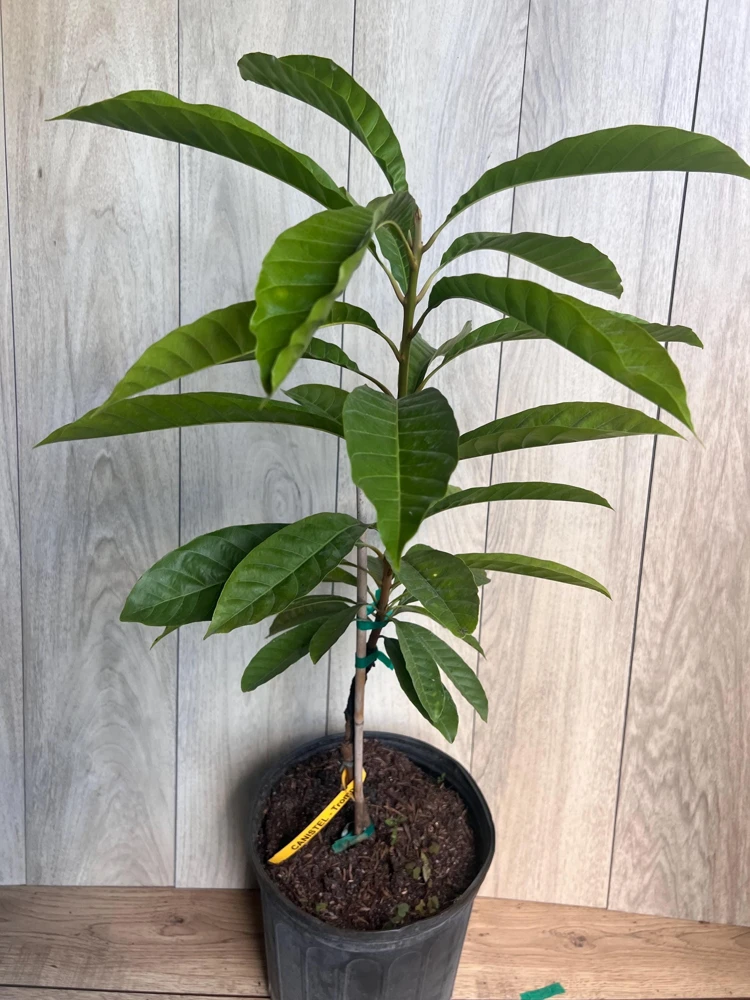
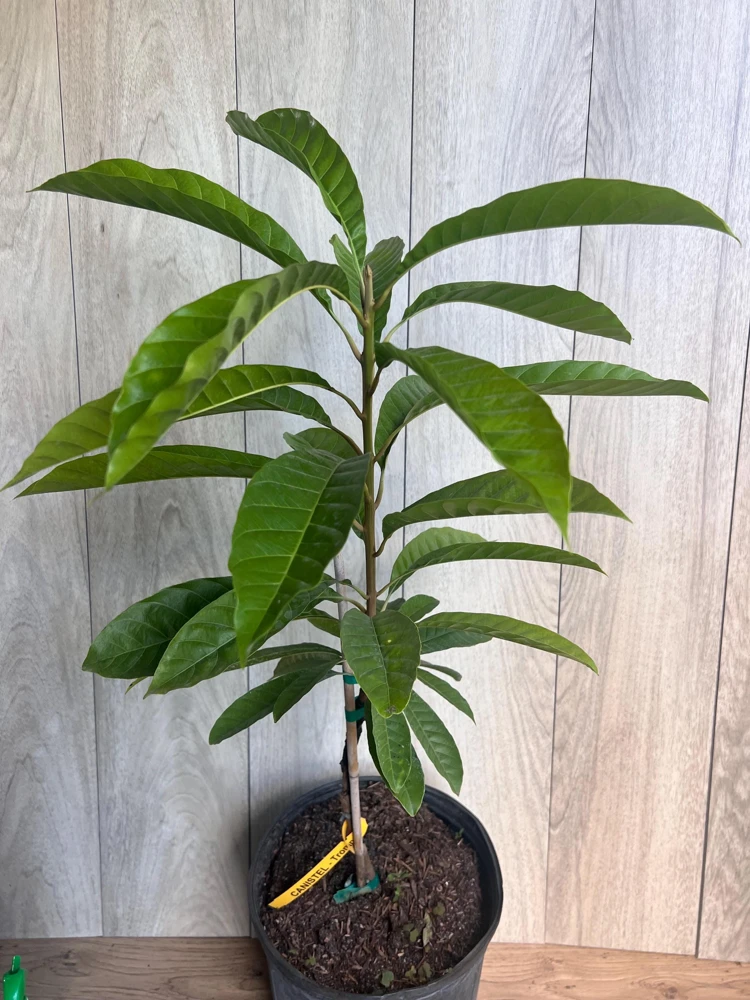
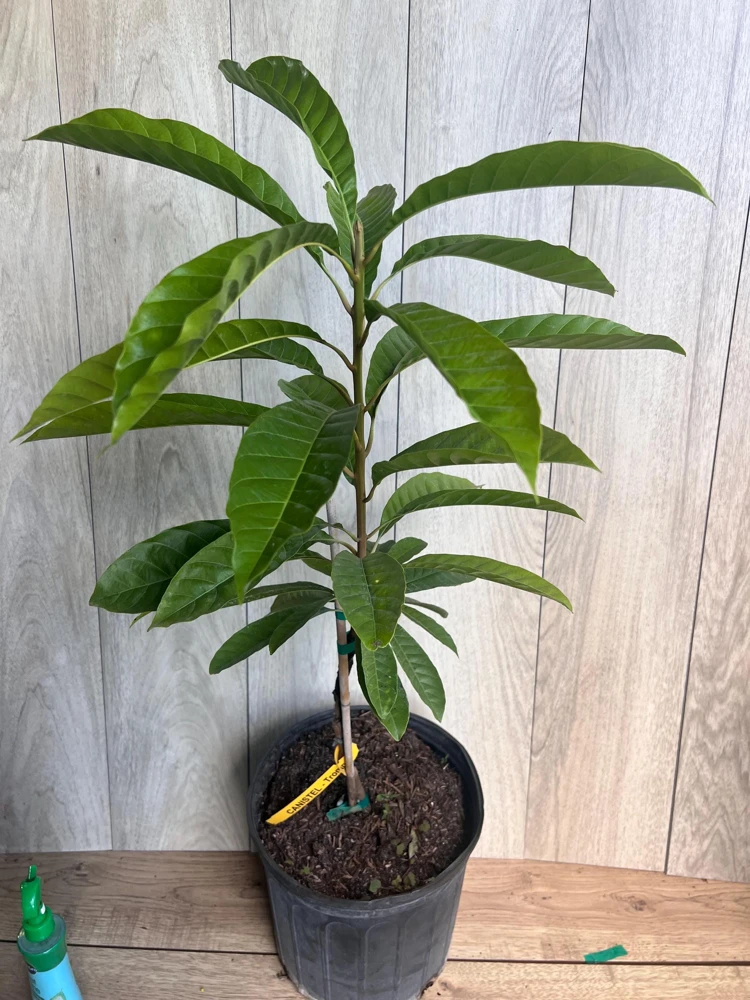
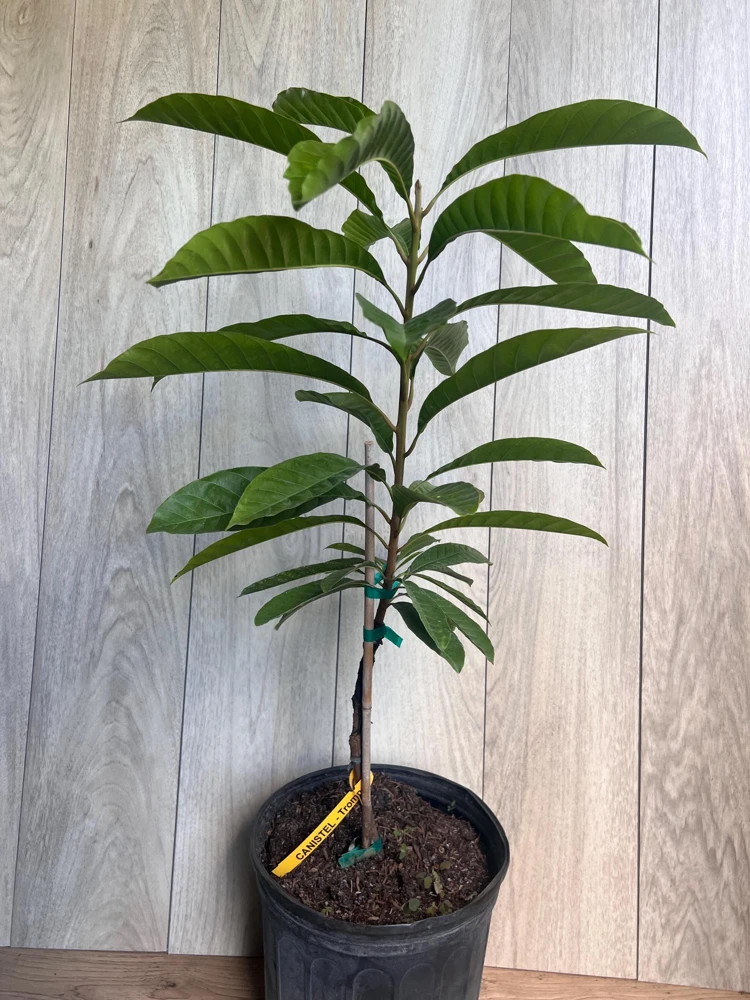
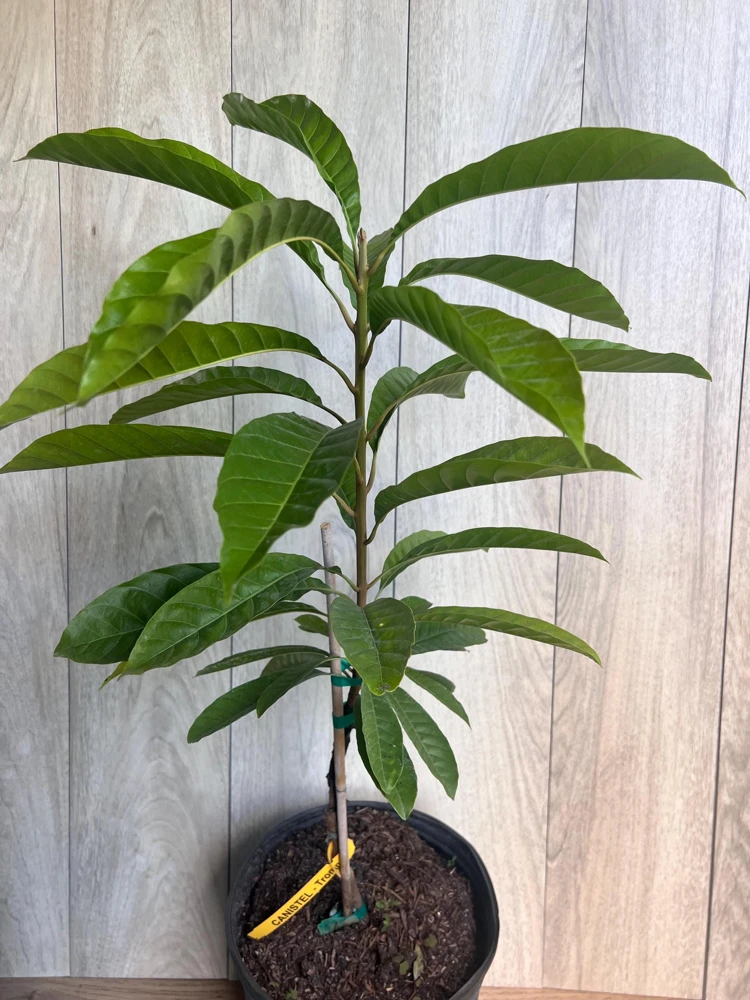
Atemoya Priestly Live Plant – Grafted Annona Hybrid, 3 Gallon Pot – Cannot ship to CA
Original price was: $289.81.$185.85Current price is: $185.85.
Bring the tropics to your garden with the atemoya priestly live plant. This grafted Annona hybrid produces exceptionally sweet and creamy fruit, perfect for tropical climates. Arrives in a 3 gallon pot, ready for planting.
Shipping and Return policies:
We stand behind our plants with our Alive & Thrive Guarantee. If you experience any issues within the first 30 days, please email us, and our team will be happy to help. When needed, we’ll send you a one-time replacement free of charge to make sure your garden keeps growing strong.

Reasonable Price
We offer reasonable price

Support 24/7
Contact us 24 hrs a day
100% Money Back
You’ve 30 days to Return
Payment Secure
100% secure payment
Overview
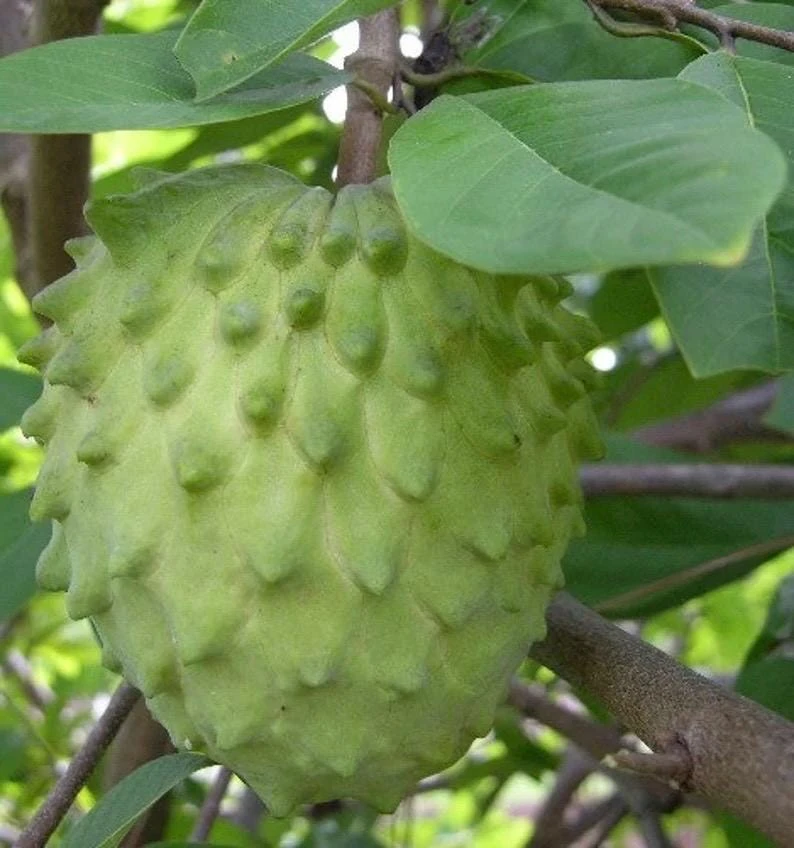
Discover the exquisite taste of the atemoya priestly live plant, a premium tropical fruit tree that promises a delightful harvest. This grafted Annona hybrid combines the best qualities of its parent fruits, offering an irresistible sweetness and a uniquely creamy texture. Known for its heart-shaped appearance and exceptional flavor, the Priestly Atemoya is a standout choice for both home growers and commercial orchards. Cultivating this beautiful tree allows you to enjoy a taste of paradise right from your backyard, providing a rewarding experience as you watch it flourish and bear delicious fruit. It’s an ideal addition for anyone looking to expand their tropical fruit collection with a high-yielding and easy-to-grow specimen.
The atemoya priestly live plant is renowned for its vigorous growth and adaptability to warm climates. It’s a fantastic option for gardeners in USDA zones where tropical plants thrive, bringing an exotic touch and bountiful produce. Grafted varieties like this one ensure faster fruiting and maintain the desirable characteristics of the parent plant, giving you a head start on enjoying its delicious harvest. Whether you’re a seasoned gardener or just beginning your journey into tropical fruit cultivation, the Priestly Atemoya offers a fulfilling and delicious experience.
Key Benefits
The atemoya priestly live plant offers numerous advantages, making it a highly desirable addition to any garden or orchard:
- Exceptional Fruit Quality: Enjoy large, heart-shaped fruits with an incredibly sweet and creamy flesh, a true tropical delicacy. The flavor profile is often described as a blend of pineapple, mango, and vanilla.
- High Yields: This variety is known for its prolific fruiting, providing a generous harvest of delicious atemoyas once established. You’ll have plenty to enjoy fresh, share with friends, or use in various culinary creations.
- Grafted for Success: Being a grafted atemoya tree, it ensures genetic stability, faster maturity, and consistent fruit quality, bypassing the longer waiting period associated with seed-grown plants.
- Adaptable to Warm Climates: Thrives in tropical and subtropical regions, making it a perfect choice for gardens that can provide adequate warmth and sunlight. It’s a robust plant once acclimatized.
- Unique Garden Addition: Its attractive foliage and unique fruit make it a beautiful and conversation-starting specimen in any landscape, adding an exotic flair.
- Versatile Culinary Use: The sweet and creamy fruit can be enjoyed fresh, in smoothies, desserts, or even savory dishes, offering a wide range of culinary possibilities.
- Rewarding Growing Experience: Cultivating this annona hybrid plant provides immense satisfaction as you nurture it from a young tree to a fruit-bearing marvel.
Plant Care & Growing Tips
Caring for your atemoya priestly live plant involves providing the right conditions to ensure healthy growth and abundant fruit production. Choose a planting location that receives full sun, ideally 6-8 hours of direct sunlight per day. The soil should be well-drained and slightly acidic to neutral, with a pH between 6.0 and 7.0. While Atemoyas prefer sandy or loamy soil, they can adapt to various soil types as long as drainage is excellent to prevent root rot. If your soil is heavy, amend it with organic matter like compost or perlite to improve drainage.
Watering is crucial, especially during the establishment phase and during flowering and fruiting periods. Water regularly and deeply, allowing the top few inches of soil to dry out slightly between waterings. Avoid overwatering, as this can lead to root problems. A good way to check is to stick your finger about 2-3 inches into the soil; if it feels dry, it’s time to water. Fertilize your grafted atemoya tree 2-4 times a year with a balanced fertilizer. Young trees benefit from a higher nitrogen content to promote vegetative growth, while mature, fruit-bearing trees require a more balanced formula with adequate phosphorus and potassium for fruit development. Always follow the product instructions for application rates.
Pruning should be done in late winter or early spring, before new growth begins, or immediately after the fruiting season. Prune to maintain a desirable shape, remove dead or diseased branches, and encourage better air circulation and light penetration, which can enhance fruit production. While some atemoya varieties are self-pollinating, hand pollination can significantly improve fruit set and yield for your atemoya priestly live plant. This typically involves collecting pollen from one flower and gently transferring it to the stigma of another flower using a small brush, especially if natural pollinators are scarce. Protect young trees from strong winds and frost, as they are sensitive to cold temperatures. For a comprehensive atemoya care guide, consider local agricultural extension resources.
Size & Details
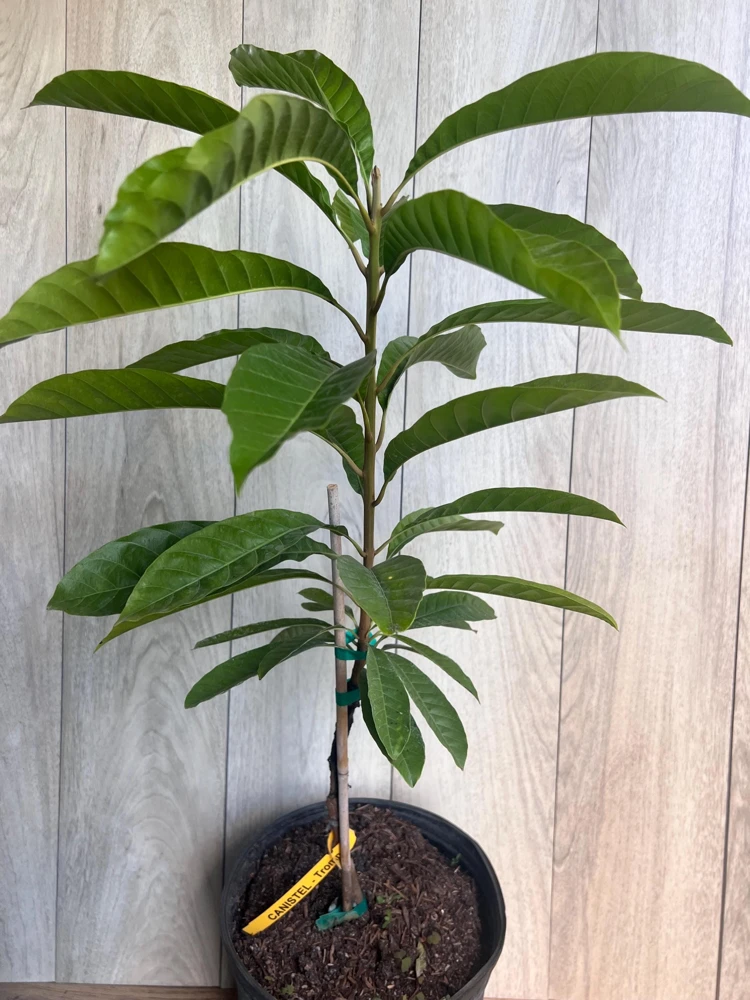
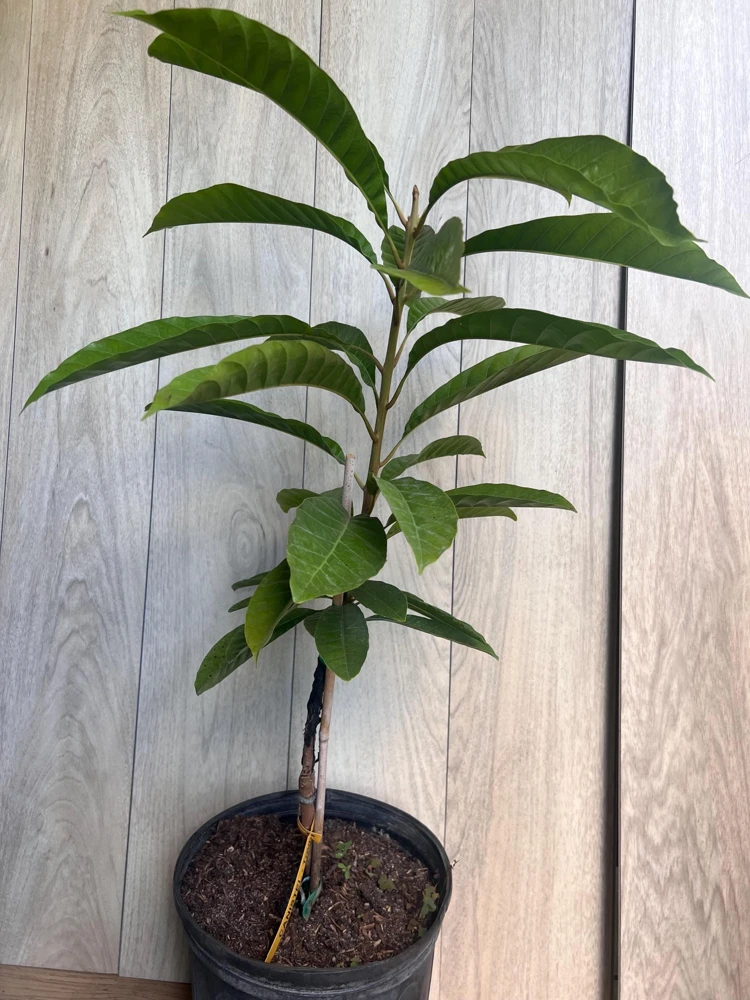
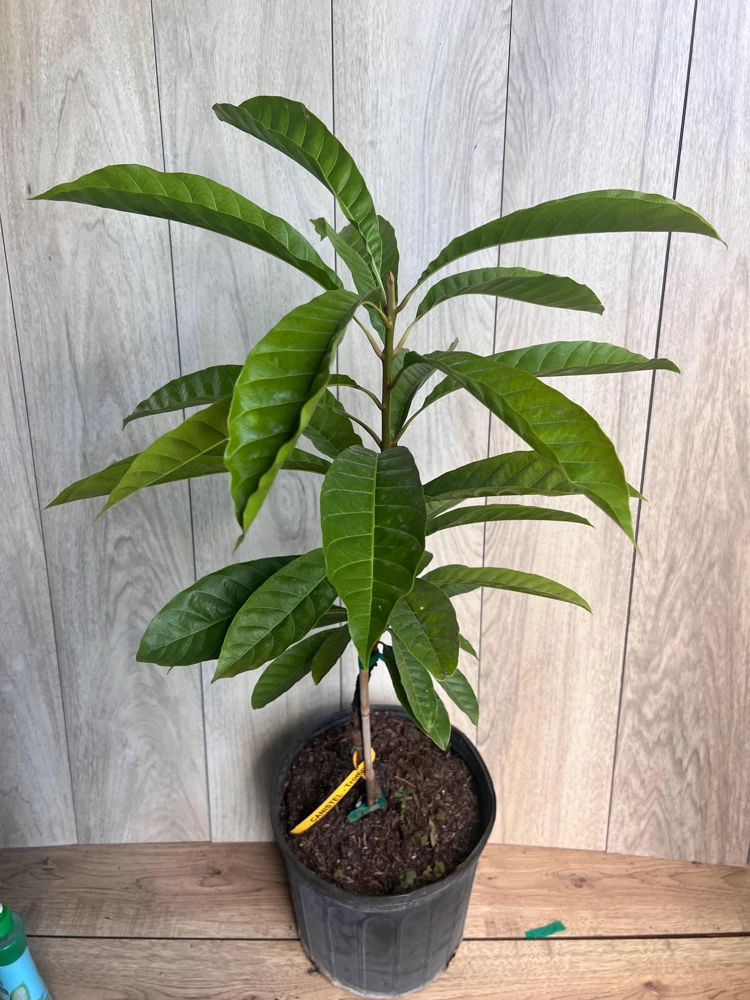
This atemoya priestly live plant is a grafted specimen, ensuring robust growth and earlier fruit production compared to seed-grown trees. It comes planted in a substantial 3 gallon pot, providing a well-established root system ready for transplanting into your garden or a larger container. The tree typically stands approximately 2-3 feet tall upon arrival, with a healthy canopy of foliage. Atemoya trees are moderately fast growers, and with proper care, you can expect them to reach a mature height of 15-20 feet, though they can be kept smaller with regular pruning. Fruit production usually begins within 2-3 years of planting for grafted trees, offering a relatively quick turnaround for enjoying your own tropical harvest. The heart-shaped fruits average 1-2 pounds each, promising a bountiful yield from this productive tropical fruit tree.
Frequently Asked Questions
- Q: How big does this atemoya priestly live plant get? A: This grafted tree arrives in a 3 gallon pot and is typically 2-3 feet tall. With proper care, it can grow to a mature height of 15-20 feet, but can be maintained at a smaller size through regular pruning.
- Q: What size pot does it come in? A: The atemoya priestly live plant is shipped in a 3 gallon pot, providing ample space for its established root system and ensuring a healthy start in your garden.
- Q: Is this an indoor or outdoor plant? A: The Atemoya Priestly is a tropical fruit tree best suited for outdoor cultivation in warm climates (USDA zones 9-11). In cooler regions, it can be grown in a large container and moved indoors during colder months.
- Q: How much sunlight does it need? A: This grafted atemoya tree thrives in full sun, requiring at least 6-8 hours of direct sunlight daily to produce abundant fruit.
- Q: Is this plant easy to care for? A: While it requires specific care regarding watering, sunlight, and fertilization, it is considered moderately easy to care for, especially with a good atemoya care guide. It’s a rewarding plant for those willing to provide its needs.
- Q: What condition will it arrive in? A: Your atemoya priestly live plant will arrive as a healthy, well-rooted specimen in its 3 gallon pot, carefully packaged to minimize stress during transit.
- Q: Can I grow this annona hybrid plant in a container? A: Yes, Atemoya Priestly can be successfully grown in large containers, especially beneficial for those in cooler climates who need to move the plant indoors during winter. Ensure the container has excellent drainage.
- Q: How long until it blooms and fruits? A: As a grafted tree, the atemoya priestly live plant typically begins to bloom and produce fruit within 2-3 years after planting.
- Q: What’s the minimum temperature this tropical fruit tree can tolerate? A: Atemoya trees are sensitive to cold and can be damaged by temperatures below 30°F (-1°C). It’s crucial to protect them from frost.
Be the first to review “Atemoya Priestly Live Plant – Grafted Annona Hybrid, 3 Gallon Pot – Cannot ship to CA”
You must be logged in to post a review.
People also Viewed
Sold 50 products
$32.38
Sold 50 products
$27.38
Sold 50 products
$32.38
Sold 50 products
$19.88
Sold 50 products
$62.38
Sold 50 products
$24.88
Houseplants
Phalaenopsis pulcherrima ‘Mauna Kea Snow’ Orchid Live Plant – White Flowers, Potted 2.5 in
Sold 50 products
$49.88
Sold 50 products
$49.88RELATED posts
Awapuhi Wild Ginger Plant: Zones, Care, and Propagation
Learn which USDA zones suit awapuhi wild ginger, plus sunlight, water, planting, propagation, pests, size, [...]
Awapuhi Shampoo Ginger – Care, Growing Zones, and Differences
Learn how to grow awapuhi (shampoo) ginger, its USDA zones, watering schedule, propagation tips, and [...]
Awapuhi Shampoo Plant Buying Guide – Choose the Right Zingiber zerumbet
META: Learn which awapuhi (shampoo ginger) plant or rhizome pack gives the best natural shampoo, [...]
Awapuhi Plant for Sale: Complete Buying Guide
Find the right awapuhi (shampoo ginger) plant, size, price, soil mix, and online source. Practical [...]
Shampoo Ginger Plant for Sale – Buying Guide & Tips
Find the right shampoo ginger plant, size, price, and care tips. Quick guide for U.S. [...]
Shampoo Ginger Plant (Awapuhi) Care Guide
Learn how to grow, care for, and use shampoo ginger (Zingiber zerumbet), the tropical awapuhi [...]
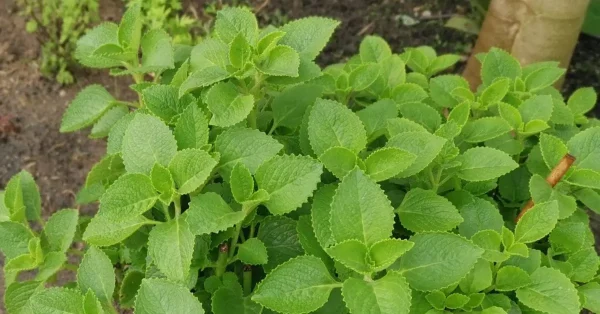
How to Grow Cuban Oregano Plants: A Complete Care Guide
If you’ve ever wanted a plant that combines the culinary punch of traditional oregano with [...]
Aug

How to Grow Habanero Pepper Plants: A Step-by-Step Guide
Habanero pepper plants are prized for their vibrant colors, intense heat, and exceptional flavor, making [...]
Aug



Reviews
There are no reviews yet.