
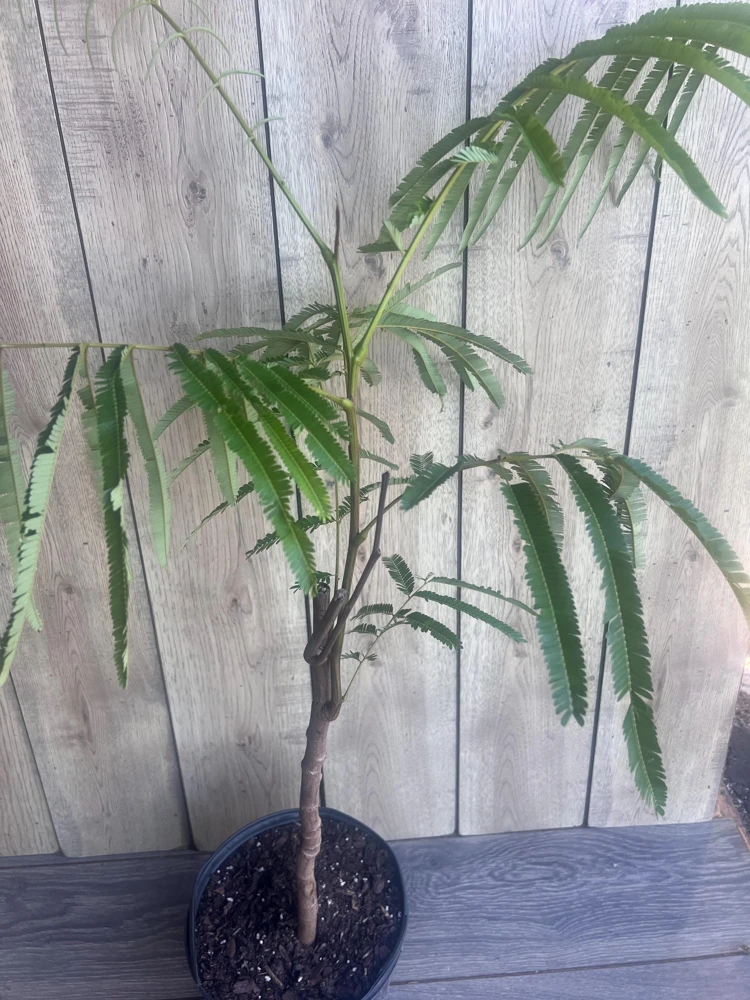
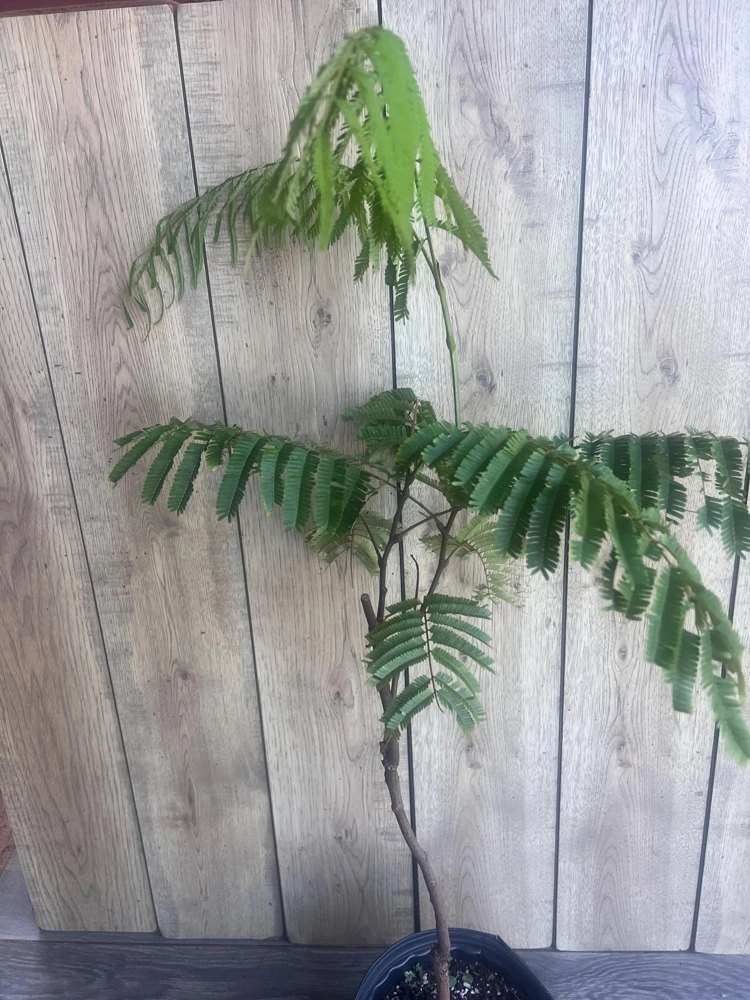
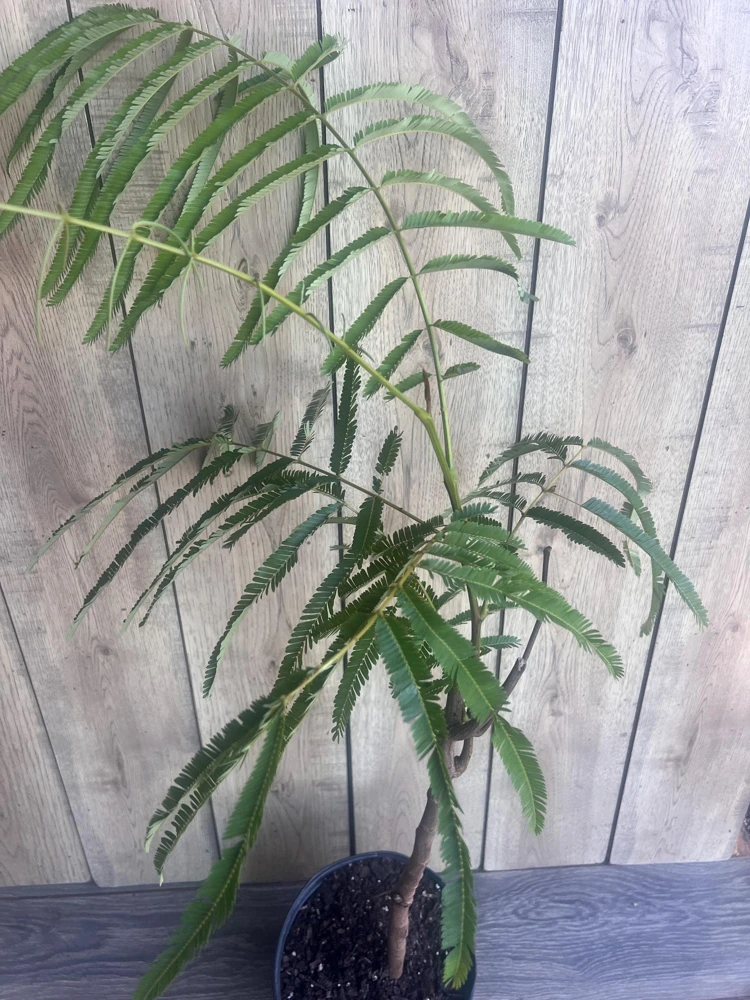
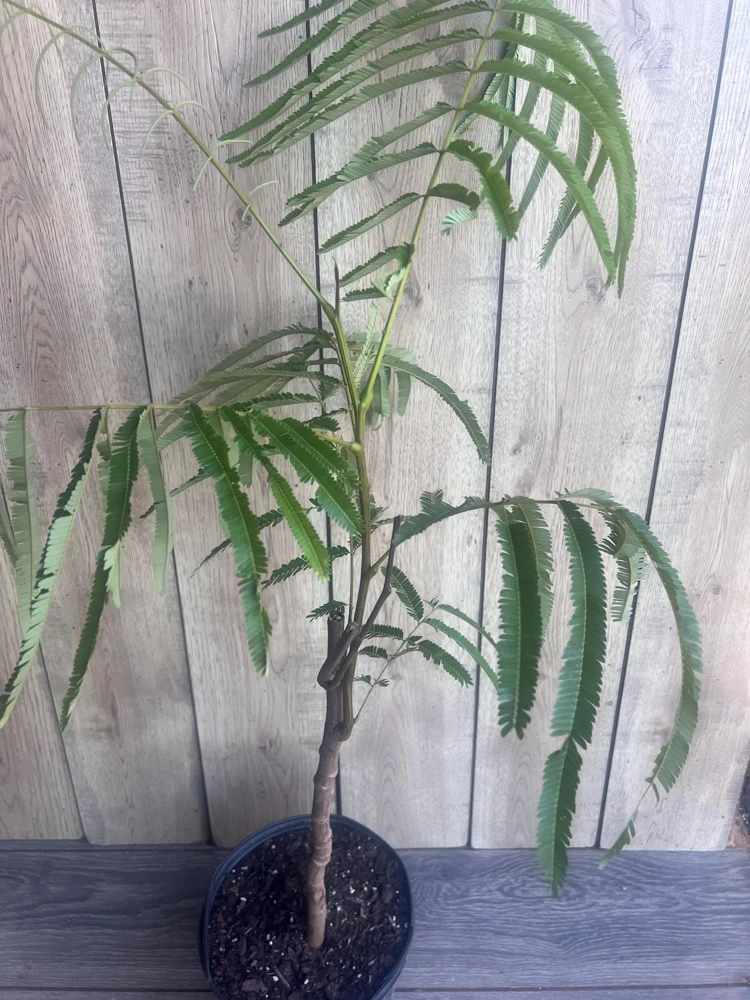
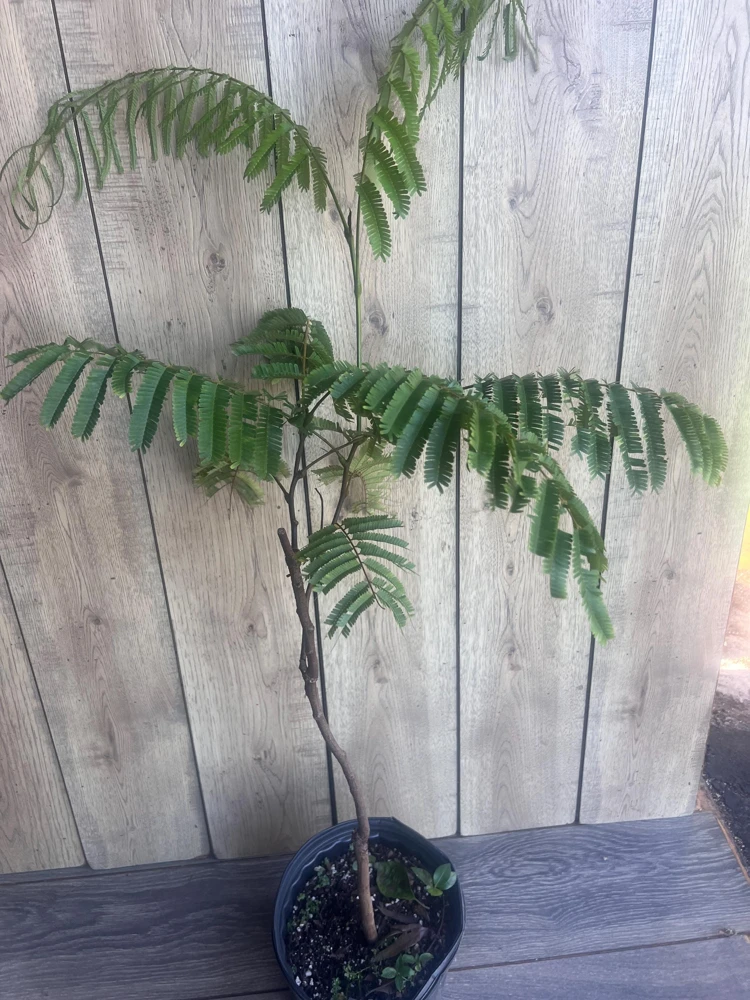
Grafted Petai Tree Plant – Parkia Speciosa Live Tree – Exotic Tropical Fruit – 10 inch Pot – Cannot ship to CA
Original price was: $729.91.$449.91Current price is: $449.91.
Cultivate your own grafted petai tree plant, also known as Parkia Speciosa live tree. This exotic tropical fruit tree produces unique edible pods, perfect for adding a taste of Southeast Asia to your garden or collection. Enjoy its ornamental beauty and delicious harvests.
Shipping and Return policies:
We stand behind our plants with our Alive & Thrive Guarantee. If you experience any issues within the first 30 days, please email us, and our team will be happy to help. When needed, we’ll send you a one-time replacement free of charge to make sure your garden keeps growing strong.

Reasonable Price
We offer reasonable price

Support 24/7
Contact us 24 hrs a day
100% Money Back
You’ve 30 days to Return
Payment Secure
100% secure payment
Overview
Bring the exotic flavors of Southeast Asia to your home with a grafted petai tree plant. This remarkable live tree, scientifically known as Parkia Speciosa live tree, is celebrated for its distinctive long green pods filled with edible seeds, often called ‘stink beans’. A staple in many traditional cuisines, the petai tree is not only a source of unique culinary ingredients but also an attractive ornamental plant with lush green foliage. Our grafted specimens ensure quicker fruit production and robust growth compared to seed-grown plants. Ideal for tropical gardens, edible landscapes, or as a striking addition to a plant collection, this tropical edible plant offers both aesthetic appeal and cultural significance. Experience the joy of growing your own exotic fruit with this easy-to-care-for and rewarding tree.
The grafted petai tree plant thrives in warm, humid environments, making it a perfect choice for those in suitable climates or with the ability to provide controlled conditions. Its vigorous growth and seasonal pod production make it a fascinating specimen for any gardener interested in unusual fruiting trees. Beyond its culinary uses, the petai tree contributes to biodiversity and can be a focal point in a diverse garden setting. Learn how to cultivate this unique species and enjoy its many benefits.
Key Benefits
The grafted petai tree plant offers a multitude of benefits, making it an excellent choice for adventurous gardeners and food enthusiasts:
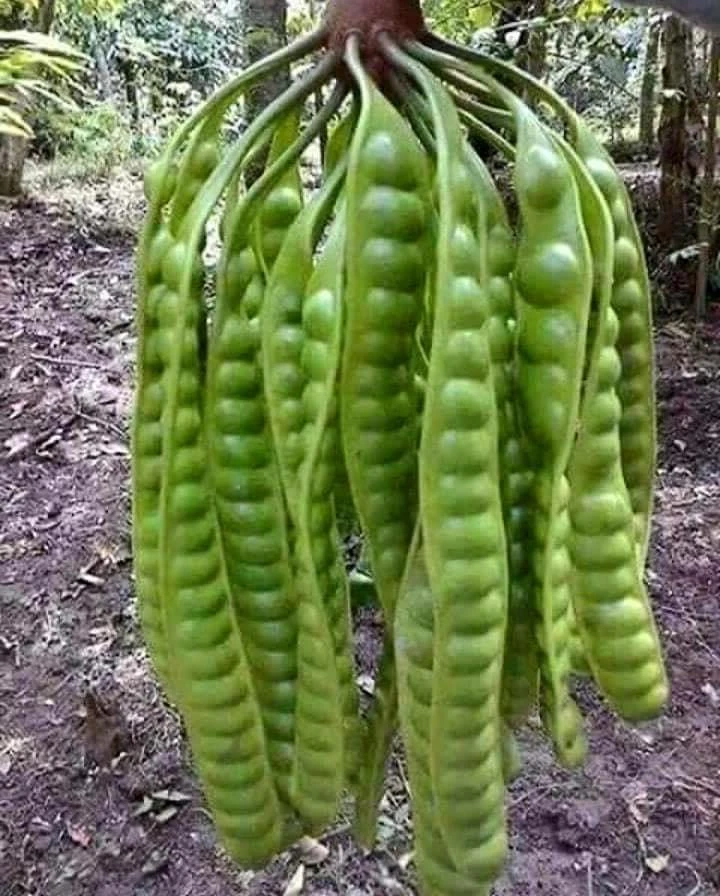
- Exotic Fruit Production: Enjoy harvesting your own unique ‘stink beans’ (Petai pods), a prized ingredient in Southeast Asian dishes. These edible seeds add a distinctive flavor and texture to various culinary creations.
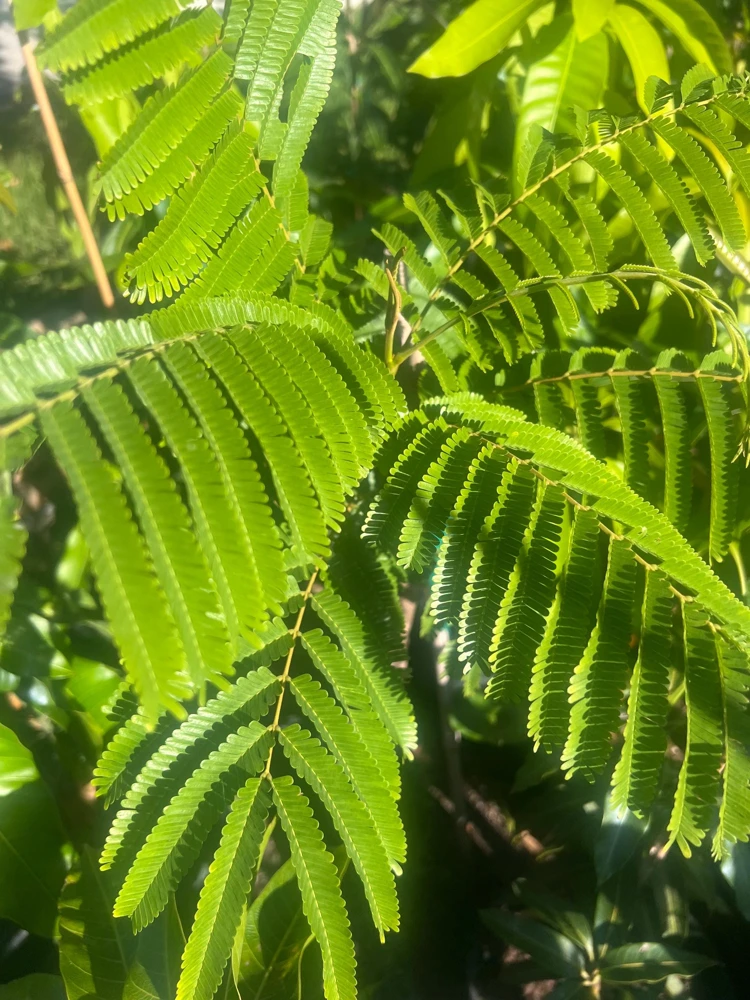
- Ornamental Appeal: With its lush green foliage and attractive pod clusters, the Parkia Speciosa live tree serves as a beautiful focal point in any tropical garden or landscape. It adds a touch of the exotic to your outdoor space.
- Fast Growing: Grafted trees tend to establish quickly and begin fruiting sooner than trees grown from seed, offering a more immediate reward for your gardening efforts.
- Culinary Versatility: The seeds can be enjoyed fresh, stir-fried, roasted, or added to curries and sambals, providing a unique and pungent flavor that is highly sought after.
- Educational Value: Growing a grafted petai tree plant provides a wonderful opportunity to learn about tropical agriculture and the diverse plant life of Southeast Asia, expanding your gardening knowledge.
- Unique Garden Addition: Stand out from traditional gardens with this unusual and intriguing southeast asian fruit tree, sure to spark conversation and interest among visitors.
- Potential Health Benefits: Petai beans are known to be rich in fiber, vitamins, and minerals, making them a nutritious addition to a balanced diet.
Plant Care & Growing Tips
Caring for your grafted petai tree plant involves understanding its tropical requirements to ensure optimal growth and fruit production. This tree thrives in conditions mimicking its native habitat. For light, the petai tree prefers full sun to partial shade. Full sun exposure is particularly beneficial for mature plants, encouraging faster growth and more abundant pod development. If you’re growing in an area with intense midday sun, a location with some afternoon shade can prevent leaf scorch, especially for younger trees. Providing adequate light is crucial for a healthy Parkia Speciosa live tree.
Water regularly to keep the soil consistently moist but never waterlogged. Young petai trees require more frequent watering to establish their root systems, while mature trees can tolerate short dry periods once well-established. Good drainage is paramount to prevent root rot. The ideal soil for this tropical edible plant is rich, well-draining, and abundant in organic matter. A slightly acidic to neutral pH is preferred. To support healthy growth and pod production, apply an organic compost or a balanced fertilizer every 2–3 months. Mulching around the base of the tree will help retain soil moisture, regulate soil temperature, and suppress weed growth, contributing to the overall health of your grafted petai tree plant. Light pruning can be done to shape the tree and improve air circulation within its canopy.
Temperature and humidity are critical factors for the success of your petai fruit tree care. This tree thrives in hot, humid tropical climates and is extremely sensitive to cold. It will not tolerate frost, so if you live in a region prone to freezing temperatures, consider growing it in a large container that can be moved indoors during winter, or provide adequate frost protection. High humidity, similar to rainforest conditions, is ideal for the best performance of this tropical species. Protecting your tree from strong winds is also advisable, especially when young. Adhering to these care guidelines will ensure your southeast asian fruit tree flourishes.
Size & Details
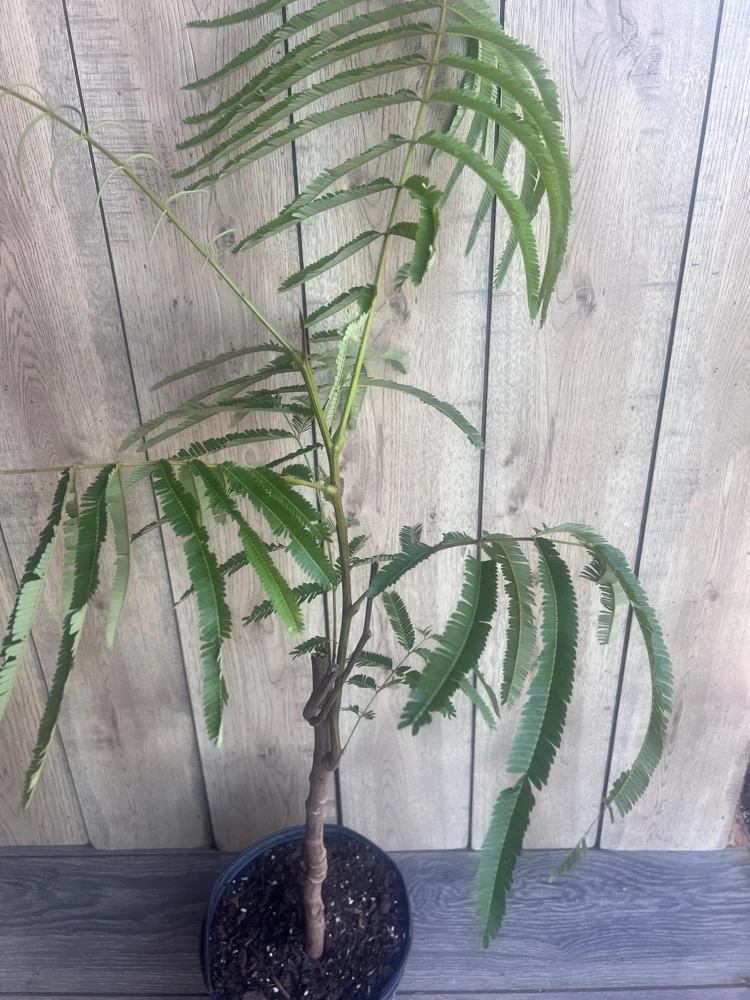
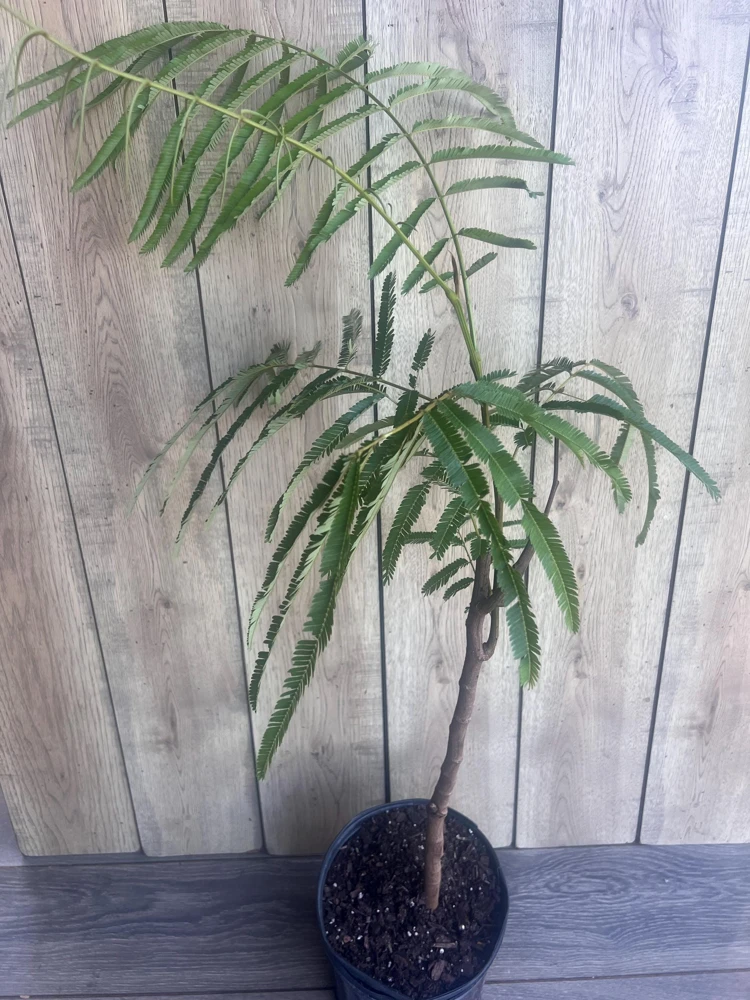
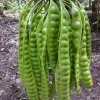
This offering is for one grafted petai tree plant, typically shipped in a 10-inch nursery pot, similar in size and maturity to the plants pictured. Grafted specimens are selected for their vigor and ability to produce fruit more quickly than trees grown from seed, often starting to bear pods within a few years under ideal conditions. The initial height of the plant will vary but is generally ready for transplanting into a larger container or directly into the ground where climates permit. The Parkia Speciosa live tree is known for its relatively fast growth rate once established, eventually reaching a substantial size, often 30-50 feet tall in its natural habitat, though it can be maintained at a smaller size with pruning in cultivation. The pods are long and flat, containing numerous edible seeds. Expect seasonal pod production, typically yielding multiple harvests per year in warm, consistent climates, making it a truly rewarding tropical edible plant for your collection.
Frequently Asked Questions
- Q: How big does this plant get? A: In ideal tropical conditions, a mature grafted petai tree plant can grow 30-50 feet tall. However, in cultivation, its size can be managed with pruning, especially if grown in a container.
- Q: What size pot does it come in? A: This Parkia Speciosa live tree is typically shipped in a 10-inch nursery pot, providing a good start for its growth journey.
- Q: Is this an indoor or outdoor plant? A: The grafted petai tree plant is primarily an outdoor plant for tropical and subtropical climates (USDA Zones 10-11+). In colder regions, it can be grown in a large pot and brought indoors during cooler months as a tropical edible plant.
- Q: How much sunlight does it need? A: It prefers full sun to partial shade. Full sun promotes faster growth and better pod production, especially for mature trees.
- Q: Is this plant easy to care for? A: While it has specific requirements for warmth and humidity, with proper attention to its needs, such as consistent watering and well-draining soil, it can be a rewarding plant for gardeners with some experience in tropical plant care.
- Q: What condition will it arrive in? A: Your southeast asian fruit tree will arrive as a live, healthy plant in a 10-inch pot, carefully packaged to ensure its safe journey. It will be similar to the pictures provided.
- Q: Can I use the petai seeds in cooking? A: Absolutely! The seeds from the grafted petai tree plant are highly prized in Southeast Asian cuisine, used in dishes like sambals, curries, and stir-fries for their distinctive flavor.
- Q: How long until it produces fruit? A: As a grafted plant, it is expected to produce fruit sooner than seed-grown trees, often within 2-4 years under optimal growing conditions.
- Q: Will it survive winter in my zone? A: The petai tree is not frost-tolerant and requires warm temperatures. If your zone experiences frost, it will need to be protected or moved indoors during winter.
- Q: What type of soil does it prefer? A: This tropical edible plant thrives in rich, well-draining soil with plenty of organic matter, ideally slightly acidic to neutral.
Be the first to review “Grafted Petai Tree Plant – Parkia Speciosa Live Tree – Exotic Tropical Fruit – 10 inch Pot – Cannot ship to CA”
You must be logged in to post a review.
People also Viewed
Sold 50 products
$32.38
Sold 50 products
$27.38
Sold 50 products
$32.38
Sold 50 products
$19.88
Sold 50 products
$62.38
Sold 50 products
$24.88
Houseplants
Phalaenopsis pulcherrima ‘Mauna Kea Snow’ Orchid Live Plant – White Flowers, Potted 2.5 in
Sold 50 products
$49.88
Sold 50 products
$49.88RELATED posts
Awapuhi Wild Ginger Plant: Zones, Care, and Propagation
Learn which USDA zones suit awapuhi wild ginger, plus sunlight, water, planting, propagation, pests, size, [...]
Awapuhi Shampoo Ginger – Care, Growing Zones, and Differences
Learn how to grow awapuhi (shampoo) ginger, its USDA zones, watering schedule, propagation tips, and [...]
Awapuhi Shampoo Plant Buying Guide – Choose the Right Zingiber zerumbet
META: Learn which awapuhi (shampoo ginger) plant or rhizome pack gives the best natural shampoo, [...]
Awapuhi Plant for Sale: Complete Buying Guide
Find the right awapuhi (shampoo ginger) plant, size, price, soil mix, and online source. Practical [...]
Shampoo Ginger Plant for Sale – Buying Guide & Tips
Find the right shampoo ginger plant, size, price, and care tips. Quick guide for U.S. [...]
Shampoo Ginger Plant (Awapuhi) Care Guide
Learn how to grow, care for, and use shampoo ginger (Zingiber zerumbet), the tropical awapuhi [...]
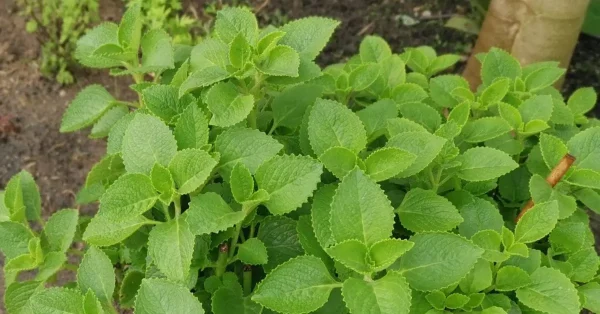
How to Grow Cuban Oregano Plants: A Complete Care Guide
If you’ve ever wanted a plant that combines the culinary punch of traditional oregano with [...]
Aug
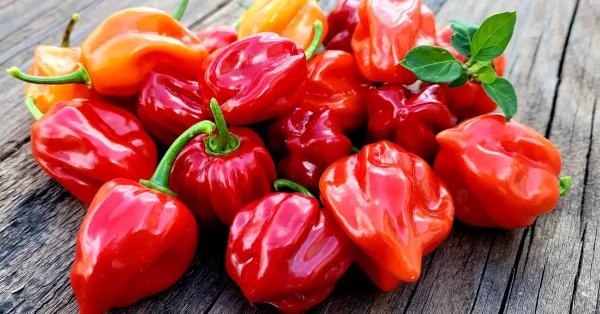
How to Grow Habanero Pepper Plants: A Step-by-Step Guide
Habanero pepper plants are prized for their vibrant colors, intense heat, and exceptional flavor, making [...]
Aug
Reviews
There are no reviews yet.