
Live Goji Berry Plant – Edible Fruit Shrub, 8-12″ Tall, Outdoor
$21.99
Cultivate your own superfood with this goji berry live plant. Standing 8-12 inches tall, this adaptable edible fruit shrub is ready to thrive in your garden, offering nutrient-rich berries and attractive foliage. Perfect for outdoor planting.
Shipping and Return policies:
We stand behind our plants with our Alive & Thrive Guarantee. If you experience any issues within the first 30 days, please email us, and our team will be happy to help. When needed, we’ll send you a one-time replacement free of charge to make sure your garden keeps growing strong.

Reasonable Price
We offer reasonable price

Support 24/7
Contact us 24 hrs a day
100% Money Back
You’ve 30 days to Return
Payment Secure
100% secure payment
Overview
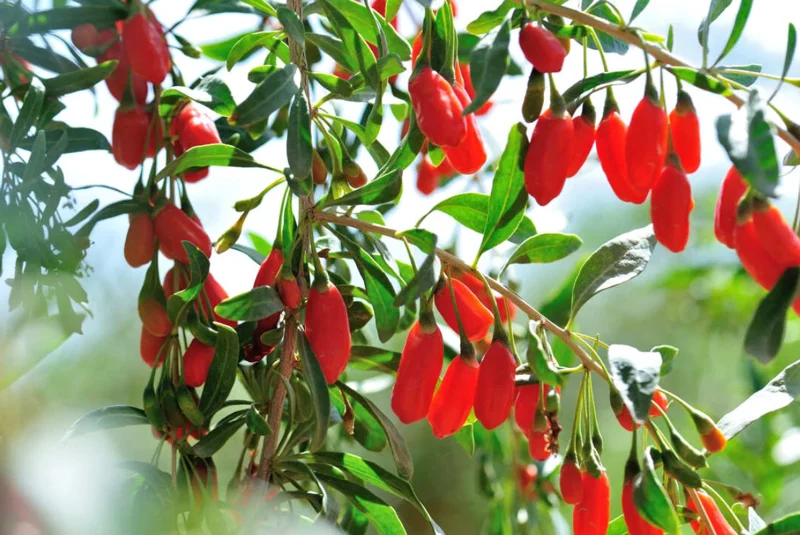
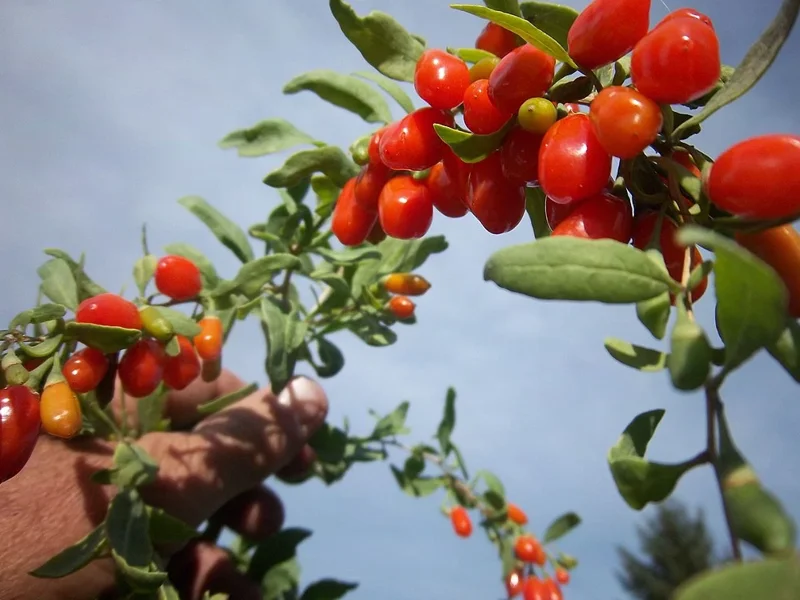
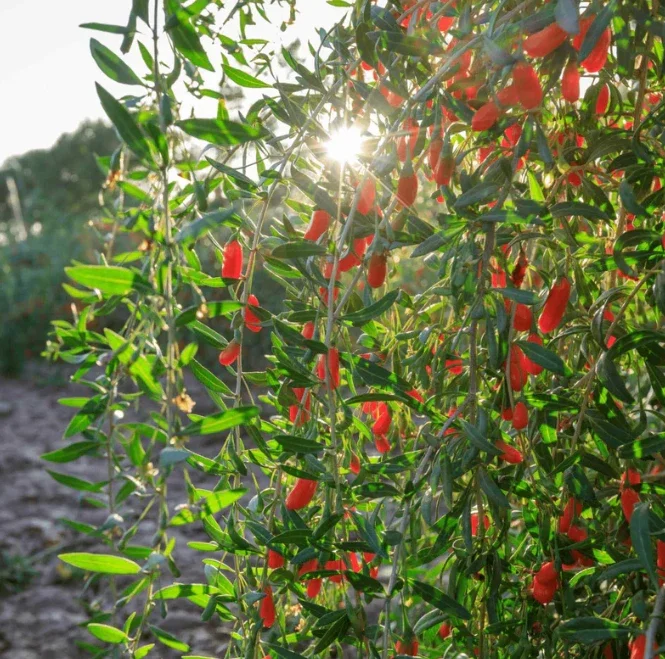
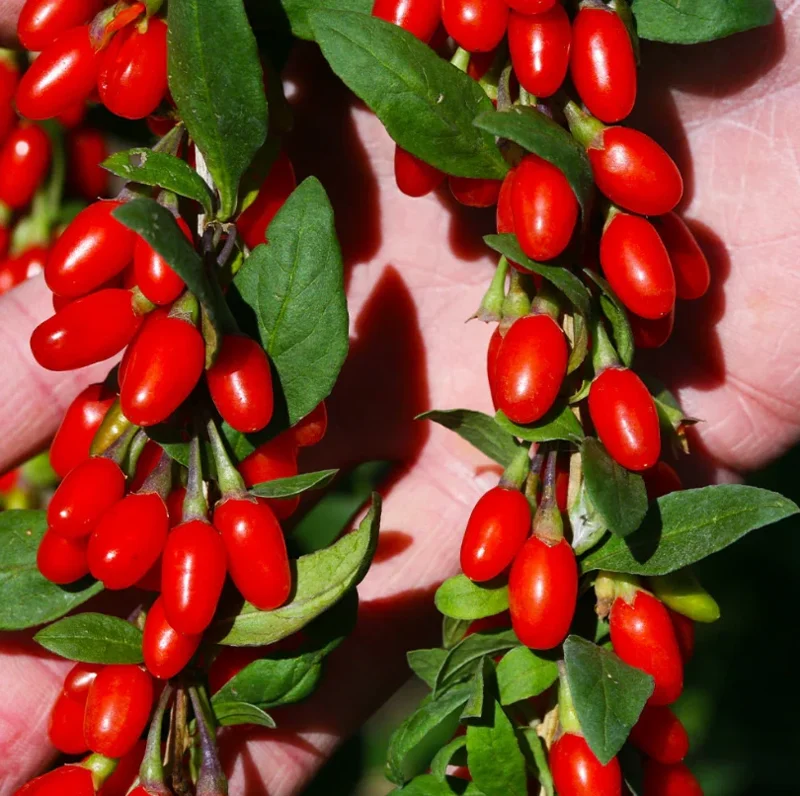
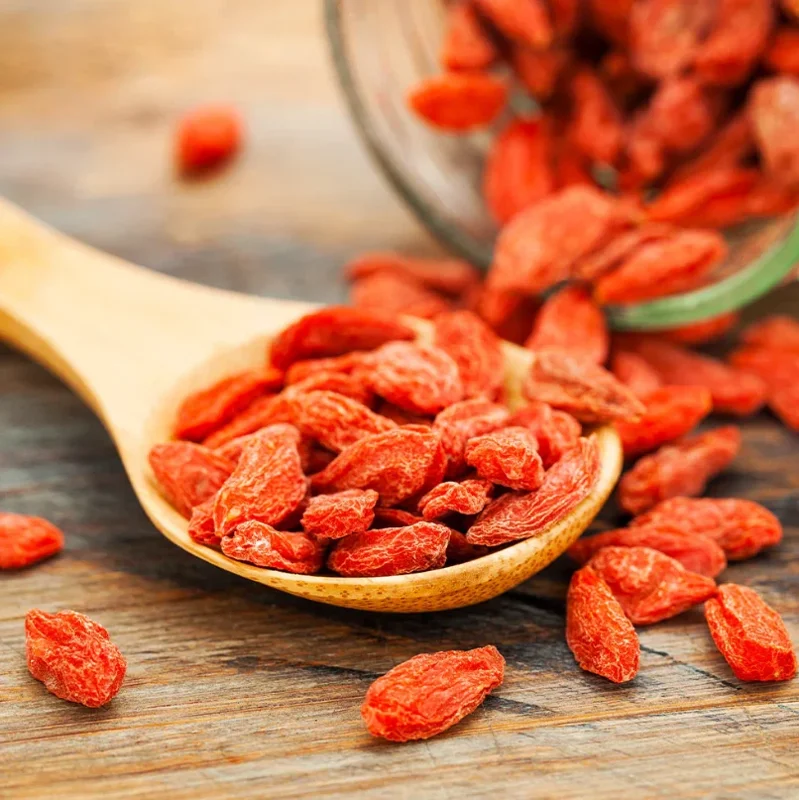
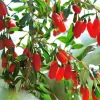
Bring the health benefits of fresh goji berries directly to your garden with this vibrant goji berry live plant. Also known as the wolfberry plant, this resilient and fast-growing shrub is a fantastic addition for any gardener looking to grow their own superfoods. Originating from Asia, the goji berry (Lycium barbarum) has been cherished for centuries for its delicious, nutrient-packed fruits. This particular plant measures 8-12 inches tall, providing a healthy start to establishing a productive goji patch. Its attractive foliage and bright red berries will not only offer a bountiful harvest but also add ornamental value to your landscape.
Goji berry plants are known for their hardiness and ability to adapt to various growing conditions, making them a rewarding choice for both novice and experienced gardeners. The berries are renowned for their high antioxidant content and are often consumed fresh, dried, or used in teas and smoothies. Experience the joy of harvesting your own organic goji berries and incorporating them into your daily diet.
Key Benefits
Investing in a goji berry live plant offers numerous advantages beyond just fresh fruit. These plants provide a sustainable source of healthy produce and contribute to the biodiversity of your garden:
- Nutrient-Rich Harvest: Enjoy fresh, organic goji berries packed with vitamins, minerals, and antioxidants directly from your garden. These berries are often hailed as a superfood, contributing to overall well-being. Growing your own ensures peak freshness and flavor.
- Easy to Grow: Goji berry plants are remarkably resilient and tolerant of various soil types and climates once established. They require minimal fuss, making them an excellent choice for gardeners of all skill levels, ensuring a successful harvest with proper goji berry plant care.
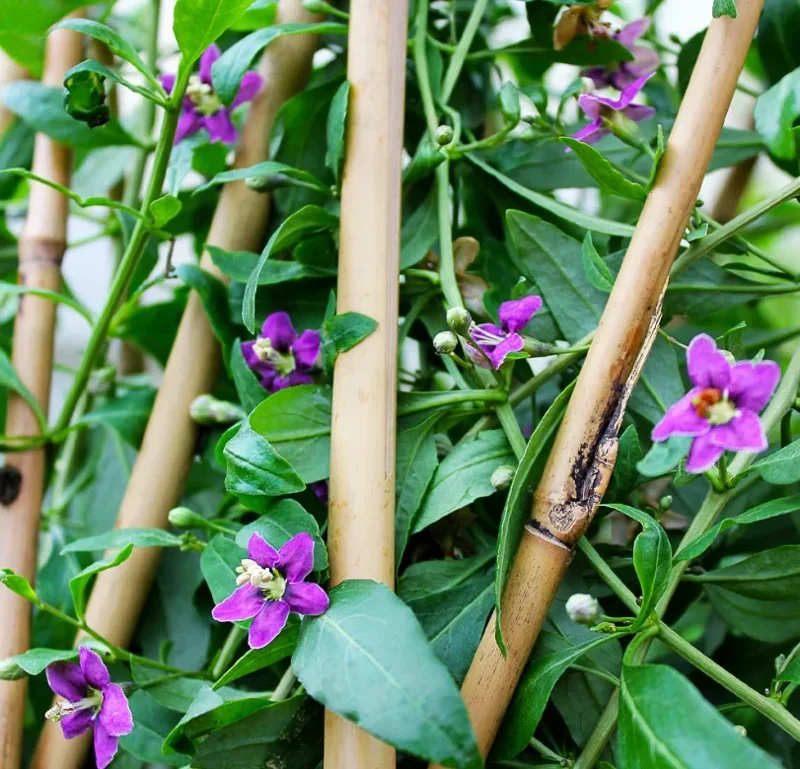
- Ornamental Appeal: Beyond their fruit, these shrubs offer attractive green foliage and delicate purple flowers that mature into bright red berries, adding visual interest to your garden throughout the growing season.
- Versatile Use: The berries can be eaten fresh, dried, juiced, or added to smoothies, cereals, and baked goods. This versatility allows for creative culinary exploration and ensures you can enjoy your harvest in many ways.
- Long-Lived Perennial: As a perennial, your goji berry live plant will produce fruit for many years, providing a continuous supply of healthy berries with proper maintenance, becoming a staple in your backyard orchard.
- Supports Pollinators: The flowers attract bees and other beneficial pollinators to your garden, contributing to a healthier ecosystem and improving pollination for other plants.
Plant Care & Growing Tips
Proper goji berry plant care ensures a healthy and productive shrub. These plants are relatively low-maintenance but thrive with the right conditions. They prefer a location with full sun exposure, meaning at least 6-8 hours of direct sunlight per day. While they can tolerate some partial shade, full sun promotes the best fruit production and overall plant vigor. When planting, choose a spot with well-draining soil. Goji berries are not particular about soil type and can grow in sandy, loamy, or clay soils, as long as drainage is adequate. They prefer a slightly alkaline to neutral pH (6.5-7.5).
Watering should be consistent, especially during dry spells and when the plant is young. Once established, goji berry plants are quite drought-tolerant. Deep watering once or twice a week is generally sufficient, allowing the top few inches of soil to dry out between waterings. Avoid overwatering, which can lead to root rot. Fertilize in early spring with a balanced, all-purpose fertilizer or a slow-release organic option to support healthy growth and fruit development. Pruning is essential for maintaining plant shape, promoting air circulation, and encouraging fruit production. Prune in late winter or early spring, removing any dead, damaged, or crossing branches. You can also prune to shape the plant into a bush or train it along a trellis for easier harvesting. These plants are hardy in USDA zones 3-10, making them suitable for a wide range of climates. Protecting young plants from severe frost is advisable in colder regions. Keep an eye out for common pests like aphids and spider mites, and treat with organic insecticidal soap if necessary.
Size & Details
This offering includes one healthy goji berry live plant, measuring approximately 8–12 inches tall from the base of the plant to the tip of its tallest stem. The plant is typically shipped without a pot to minimize shipping stress and waste, with its roots carefully protected and moistened for transit. Upon arrival, it should be planted as soon as possible in your garden or a suitable container. Goji berry plants are fast growers and can reach mature heights of 5–10 feet with a similar spread if left unpruned, forming a dense edible fruit shrub. Expect the first fruits to appear within 1-2 years after planting, with increasing yields as the plant matures. The berries ripen in late summer to early fall, offering a prolonged harvesting period. These plants are known for their vigorous growth and can be trained as a free-standing bush or against a support structure for easier harvesting.
Frequently Asked Questions
- Q: How big does this goji berry live plant get? A: This plant ships at 8-12 inches tall. With proper care, it can grow into a large edible fruit shrub, reaching heights of 5-10 feet and a similar spread, depending on pruning and growing conditions.
- Q: Is this an indoor or outdoor plant? A: Goji berry plants are primarily outdoor plants. They require plenty of sunlight and space to thrive and produce fruit. They are hardy and can withstand various outdoor climates.
- Q: How much sunlight does a goji berry plant need? A: For optimal growth and fruit production, your goji berry live plant needs at least 6-8 hours of direct sunlight per day. Full sun exposure is highly recommended.
- Q: Is this plant easy to care for? A: Yes, goji berry plants are considered relatively easy to care for. They are drought-tolerant once established and can adapt to different soil types, making them suitable for beginner gardeners interested in an edible fruit shrub.
- Q: What condition will the plant arrive in? A: Your goji berry plant will arrive healthy and ready for planting, typically without a pot, but with its roots carefully protected to ensure viability during transit. Plant it promptly upon arrival.
- Q: When is the best time to plant a goji berry? A: The best time to plant a goji berry is in spring after the last frost, or in early fall in milder climates. This allows the plant to establish its root system before extreme temperatures.
- Q: Will it survive winter in my zone? A: Goji berry plants are quite hardy and can survive winters in USDA Zones 3-10. In colder zones, some winter protection like mulching may be beneficial for young plants.
- Q: Can I use goji berries in cooking? A: Absolutely! Goji berries are versatile. You can eat them fresh, dry them for snacks, or incorporate them into teas, smoothies, cereals, and various baked goods. They’re a fantastic source of nutrients.
- Q: What is a wolfberry plant? A: A wolfberry plant is another common name for the goji berry plant. They are the same species, known for their distinctive red berries and health benefits.
- Q: What are the main goji berry benefits? A: The main goji berry benefits include being rich in antioxidants, vitamins, and minerals. They are often associated with boosting immunity, improving eye health, and providing energy, making them a popular superfood.
Be the first to review “Live Goji Berry Plant – Edible Fruit Shrub, 8-12″ Tall, Outdoor”
You must be logged in to post a review.
People also Viewed
Sold 50 products
$32.38
Sold 50 products
$27.38
Sold 50 products
$32.38
Sold 50 products
$19.88
Sold 50 products
$62.38
Sold 50 products
$24.88
Houseplants
Phalaenopsis pulcherrima ‘Mauna Kea Snow’ Orchid Live Plant – White Flowers, Potted 2.5 in
Sold 50 products
$49.88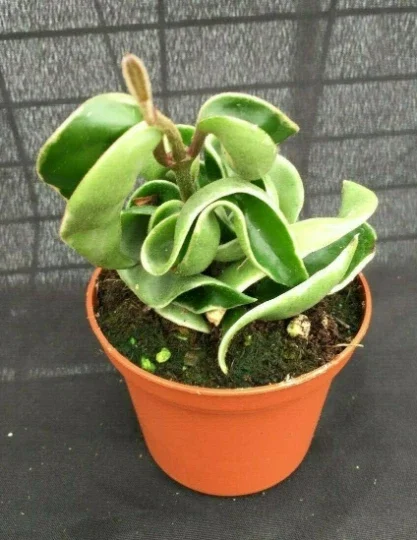
Sold 50 products
$49.88RELATED posts
Awapuhi Wild Ginger Plant: Zones, Care, and Propagation
Learn which USDA zones suit awapuhi wild ginger, plus sunlight, water, planting, propagation, pests, size, [...]
Awapuhi Shampoo Ginger – Care, Growing Zones, and Differences
Learn how to grow awapuhi (shampoo) ginger, its USDA zones, watering schedule, propagation tips, and [...]
Awapuhi Shampoo Plant Buying Guide – Choose the Right Zingiber zerumbet
META: Learn which awapuhi (shampoo ginger) plant or rhizome pack gives the best natural shampoo, [...]
Awapuhi Plant for Sale: Complete Buying Guide
Find the right awapuhi (shampoo ginger) plant, size, price, soil mix, and online source. Practical [...]
Shampoo Ginger Plant for Sale – Buying Guide & Tips
Find the right shampoo ginger plant, size, price, and care tips. Quick guide for U.S. [...]
Shampoo Ginger Plant (Awapuhi) Care Guide
Learn how to grow, care for, and use shampoo ginger (Zingiber zerumbet), the tropical awapuhi [...]
How to Grow Cuban Oregano Plants: A Complete Care Guide
If you’ve ever wanted a plant that combines the culinary punch of traditional oregano with [...]
Aug
How to Grow Habanero Pepper Plants: A Step-by-Step Guide
Habanero pepper plants are prized for their vibrant colors, intense heat, and exceptional flavor, making [...]
Aug
Reviews
There are no reviews yet.