
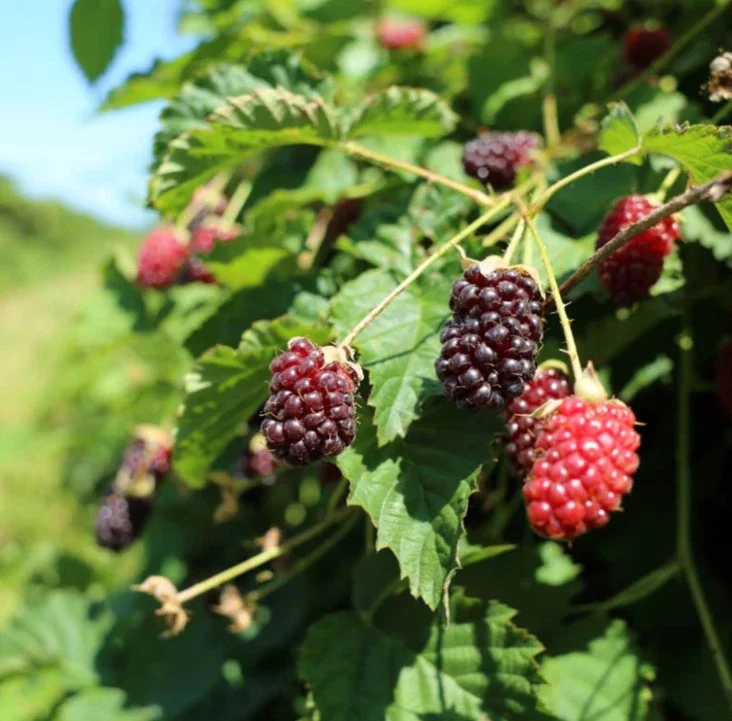
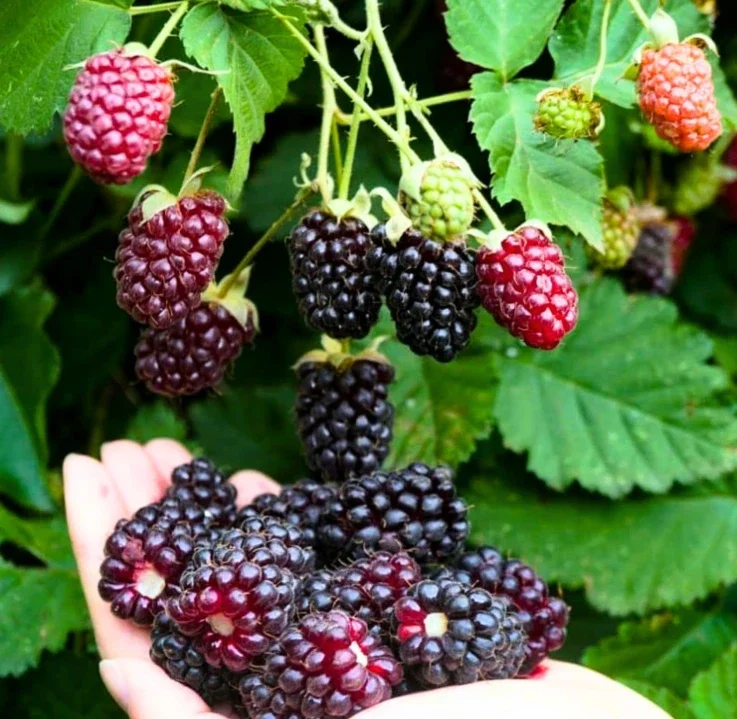
Boysenberry Live Plant – Hardy Fruit Bush, 4-6 Inches Tall, Outdoor
$20.89
Cultivate your own delicious fruit with a boysenberry live plant. This 4-6 inch tall, hardy fruit plant is ready for outdoor planting, offering a bountiful harvest of sweet-tart berries. Ideal for home gardeners seeking fresh, homegrown produce.
Shipping and Return policies:
We stand behind our plants with our Alive & Thrive Guarantee. If you experience any issues within the first 30 days, please email us, and our team will be happy to help. When needed, we’ll send you a one-time replacement free of charge to make sure your garden keeps growing strong.

Reasonable Price
We offer reasonable price

Support 24/7
Contact us 24 hrs a day
100% Money Back
You’ve 30 days to Return
Payment Secure
100% secure payment
Overview
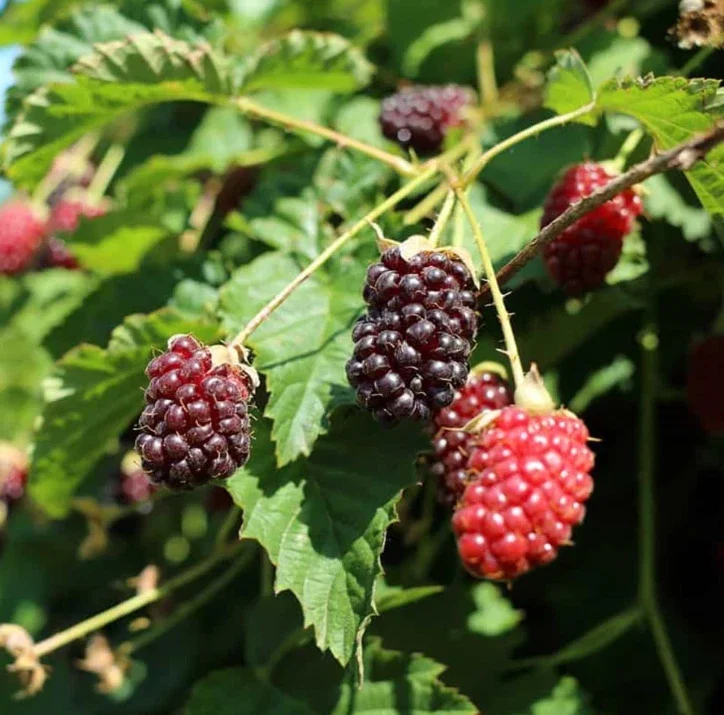
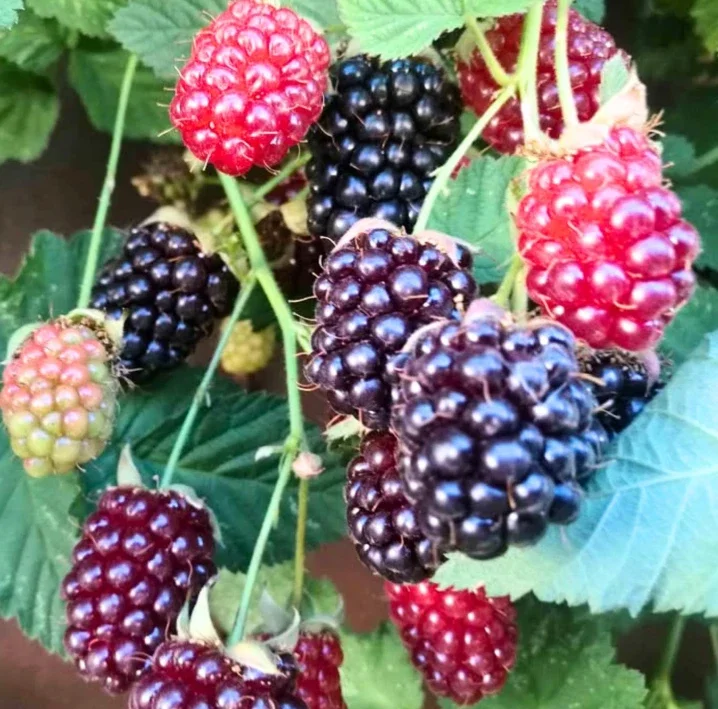
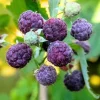
Embark on a rewarding gardening journey with this exceptional boysenberry live plant. Known for its rich, complex flavor that’s a delightful cross between a raspberry and a blackberry, the boysenberry is a true culinary gem. This young plant, standing 4-6 inches tall, is a fantastic starting point for establishing your own productive berry patch. Boysenberries (Rubus ursinus x idaeus) are vigorous growers, producing abundant harvests of large, juicy, deep purple berries, perfect for fresh eating, pies, jams, and desserts. Their robust nature makes them a hardy fruit plant, capable of thriving in various garden settings and rewarding growers with years of delicious fruit.
Originating in California, the boysenberry has captivated fruit enthusiasts with its unique taste profile and relatively easy cultivation. This specific offering provides a healthy, young specimen, ready to adapt to your garden environment. Growing your own boysenberries ensures you have access to fresh, organic fruit right outside your door, free from pesticides and picked at peak ripeness. It’s an excellent choice for both novice and experienced gardeners looking to expand their edible landscape with a reliable and rewarding berry.
Key Benefits
Adding a boysenberry live plant to your garden offers numerous advantages, from delightful culinary experiences to enhancing your outdoor space.
- Delicious Homegrown Fruit: Enjoy an abundant supply of sweet-tart boysenberries, perfect for fresh consumption, baking, preserves, and smoothies. The flavor profile is uniquely complex, offering the best of both raspberries and blackberries.
- Nutrient-Rich Harvest: Boysenberries are packed with antioxidants, vitamins, and fiber, contributing to a healthy diet. Growing your own ensures you get the freshest, most nutritious berries possible.
- Easy to Grow and Maintain: As a hardy fruit plant, boysenberries are relatively low-maintenance once established, making them suitable for gardeners of all skill levels. They are known for their vigorous growth and resilience.
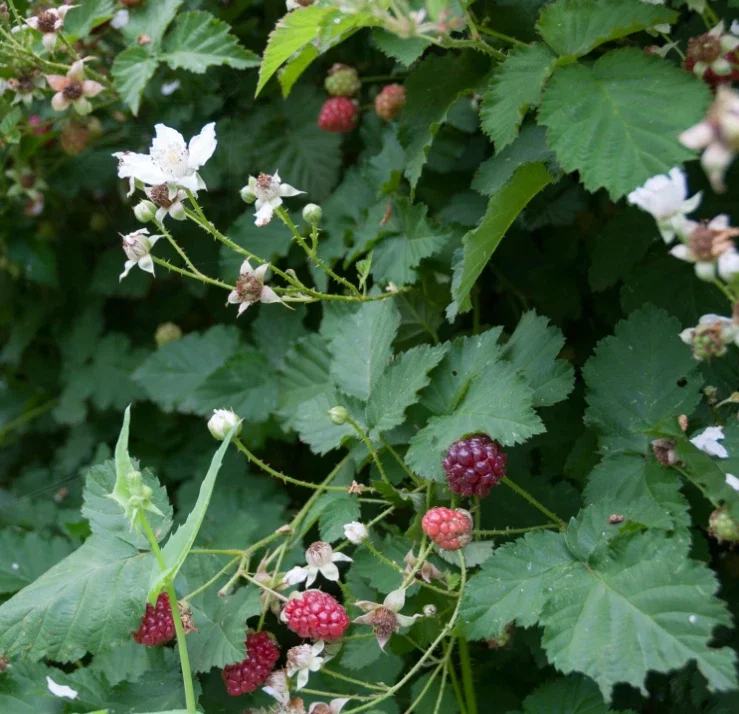
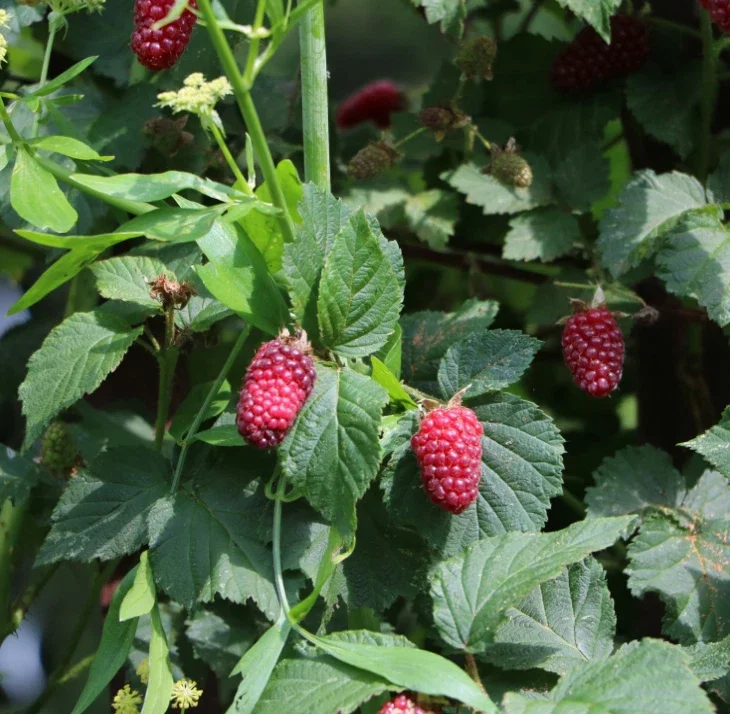
- Attractive Garden Addition: The lush green foliage and eventual clusters of dark, ripe berries create an appealing visual element in any garden or edible landscape.
- Long-Lived Production: With proper care, a boysenberry bush can produce fruit for many years, providing a consistent source of fresh berries season after season. This perennial nature makes it a valuable long-term investment for your garden.
- Versatile Culinary Uses: Beyond fresh eating, boysenberries are incredibly versatile. Use them in pies, tarts, muffins, jams, jellies, sauces, and even savory dishes to add a unique fruity tang.
- Supports Local Ecosystem: Growing fruit plants can attract beneficial pollinators and wildlife to your garden, contributing to a healthier local ecosystem.
Plant Care & Growing Tips
Caring for your boysenberry live plant is straightforward, ensuring a bountiful harvest. Boysenberries thrive in full sun, requiring at least 6-8 hours of direct sunlight per day to produce the best fruit. Choose a location in your garden that receives ample sun exposure throughout the growing season. While they are adaptable, a well-drained, slightly acidic soil (pH 6.0-6.5) is ideal. Amend heavy clay soils with organic matter like compost to improve drainage and fertility. Ensure good air circulation around the plants to prevent fungal diseases.
Watering is crucial, especially during dry spells and when the fruit is developing. Keep the soil consistently moist but not waterlogged. Deep watering once or twice a week is generally better than frequent shallow watering. Fertilize in early spring with a balanced slow-release fertilizer or a granular fertilizer formulated for berries. Pruning is essential for maintaining plant health and maximizing fruit production. Boysenberries typically fruit on second-year canes (floricanes). After harvesting, prune out the old floricanes at ground level. New primocanes will emerge and produce fruit the following year. Trellising or supporting the canes is highly recommended to keep them off the ground, improve air circulation, and make harvesting easier. This care regimen will help you grow boysenberries successfully.
Size & Details
This offering is for one boysenberry live plant, typically measuring 4–6 inches in height upon arrival. It is shipped without a pot, as a bare-root or well-rooted cutting, carefully packaged to ensure its health during transit. The plant is a young, vigorous specimen, ready for immediate planting in your garden. Boysenberries are known for their robust growth, and with adequate support, their canes can reach lengths of 5-10 feet or more. Expect your plant to establish quickly and begin producing fruit in its second year after planting. The maturity and fruit production of this fruit plant outdoor variety will depend on proper care and growing conditions.
The plant will develop into a substantial boysenberry bush over time, requiring space for its vining canes. While it will begin fruiting in its second year, full production typically occurs from the third year onwards. The berries themselves are large, often exceeding an inch in length, and ripen to a deep, glossy purple. They are generally ready for harvest in mid-summer, providing a delightful seasonal treat. This hardy variety is designed to withstand typical outdoor conditions, making it a reliable addition to most home gardens.
Frequently Asked Questions
- Q: How big does this boysenberry live plant get? A: Upon arrival, the plant is 4-6 inches tall. Once established in your garden, the canes can grow to lengths of 5-10 feet or more, requiring support or trellising to manage their growth and maximize fruit production.
- Q: Is this an indoor or outdoor plant? A: This is an outdoor fruit plant. Boysenberries require full sun and space to spread, making them unsuitable for indoor cultivation. They are a hardy perennial bush that thrives in garden settings.
- Q: How much sunlight does it need? A: Boysenberry plants require full sun, meaning at least 6-8 hours of direct sunlight per day, especially during the fruiting season. Adequate sunlight is crucial for optimal berry development and flavor.
- Q: What condition will it arrive in? A: Your boysenberry live plant will arrive as a healthy, bare-root or well-rooted cutting, carefully packaged to ensure its vitality. It will be ready for immediate planting upon delivery.
- Q: Is this plant easy to care for? A: Yes, boysenberries are considered relatively easy to care for, especially for a hardy fruit plant. They primarily need consistent watering, adequate sunlight, and annual pruning to encourage healthy growth and abundant fruit.
- Q: When is the best time to plant boysenberries? A: The best time to plant boysenberry plants is typically in early spring after the last frost, or in late fall before the ground freezes, allowing the roots to establish before extreme weather.
- Q: Will it survive winter in my zone? A: Boysenberries are generally hardy in USDA Zones 5-9. In colder zones, some winter protection like mulching or covering may be beneficial. They are known for their resilience as a hardy fruit plant.
- Q: How long until it produces fruit? A: Your boysenberry live plant will typically begin producing fruit in its second year after planting. Full production can usually be expected from the third year onwards, providing a continuous harvest for many seasons.
- Q: What kind of soil does it prefer? A: Boysenberries prefer well-draining, loamy soil with a slightly acidic pH (6.0-6.5). Amending your soil with compost can greatly improve its structure and fertility for optimal growth.
- Q: Can I grow boysenberries in containers? A: While boysenberries can be grown in very large containers (20+ gallon) with strong trellising, they generally perform best when planted directly in the ground where their extensive root system can develop.
Be the first to review “Boysenberry Live Plant – Hardy Fruit Bush, 4-6 Inches Tall, Outdoor”
You must be logged in to post a review.
People also Viewed
Sold 50 products
$32.38
Sold 50 products
$27.38
Sold 50 products
$32.38
Sold 50 products
$19.88
Sold 50 products
$62.38
Sold 50 products
$24.88
Houseplants
Phalaenopsis pulcherrima ‘Mauna Kea Snow’ Orchid Live Plant – White Flowers, Potted 2.5 in
Sold 50 products
$49.88
Sold 50 products
$49.88RELATED posts
Awapuhi Wild Ginger Plant: Zones, Care, and Propagation
Learn which USDA zones suit awapuhi wild ginger, plus sunlight, water, planting, propagation, pests, size, [...]
Awapuhi Shampoo Ginger – Care, Growing Zones, and Differences
Learn how to grow awapuhi (shampoo) ginger, its USDA zones, watering schedule, propagation tips, and [...]
Awapuhi Shampoo Plant Buying Guide – Choose the Right Zingiber zerumbet
META: Learn which awapuhi (shampoo ginger) plant or rhizome pack gives the best natural shampoo, [...]
Awapuhi Plant for Sale: Complete Buying Guide
Find the right awapuhi (shampoo ginger) plant, size, price, soil mix, and online source. Practical [...]
Shampoo Ginger Plant for Sale – Buying Guide & Tips
Find the right shampoo ginger plant, size, price, and care tips. Quick guide for U.S. [...]
Shampoo Ginger Plant (Awapuhi) Care Guide
Learn how to grow, care for, and use shampoo ginger (Zingiber zerumbet), the tropical awapuhi [...]
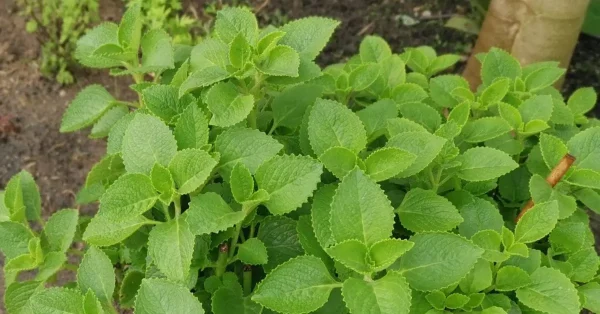
How to Grow Cuban Oregano Plants: A Complete Care Guide
If you’ve ever wanted a plant that combines the culinary punch of traditional oregano with [...]
Aug
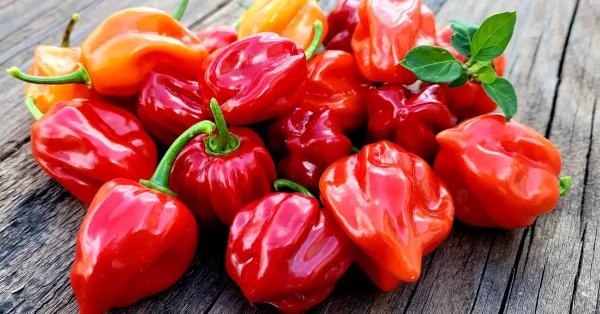
How to Grow Habanero Pepper Plants: A Step-by-Step Guide
Habanero pepper plants are prized for their vibrant colors, intense heat, and exceptional flavor, making [...]
Aug


Reviews
There are no reviews yet.