
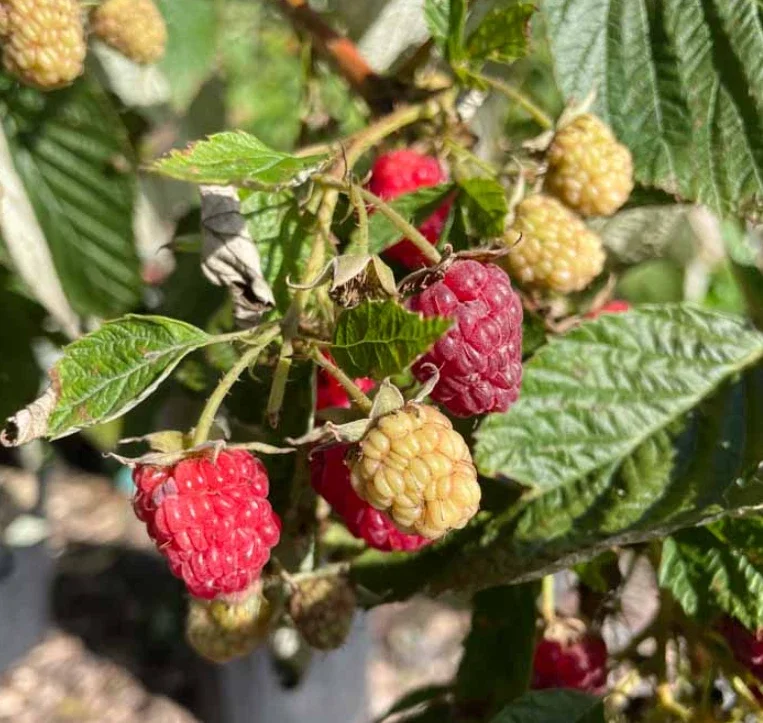
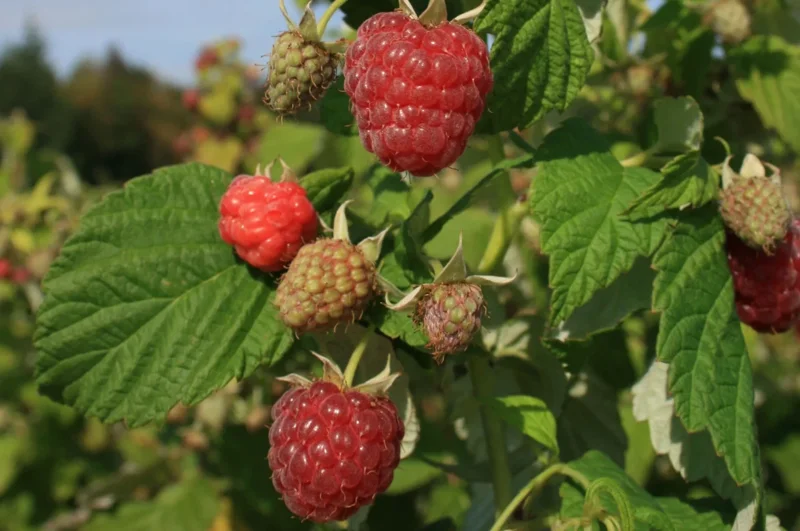
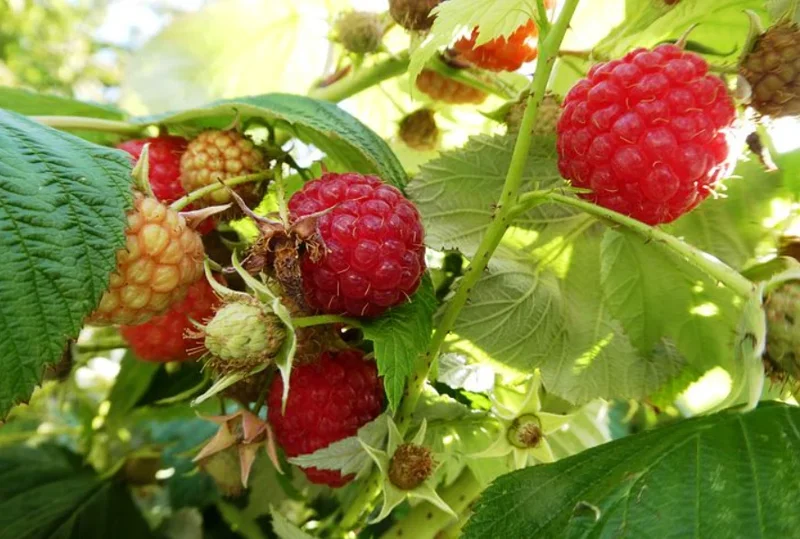
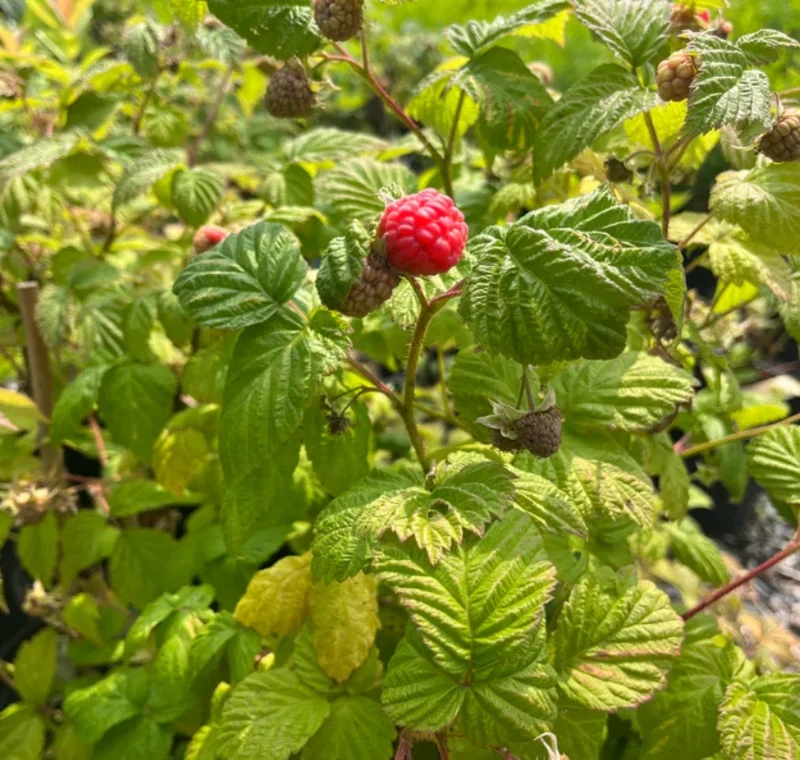
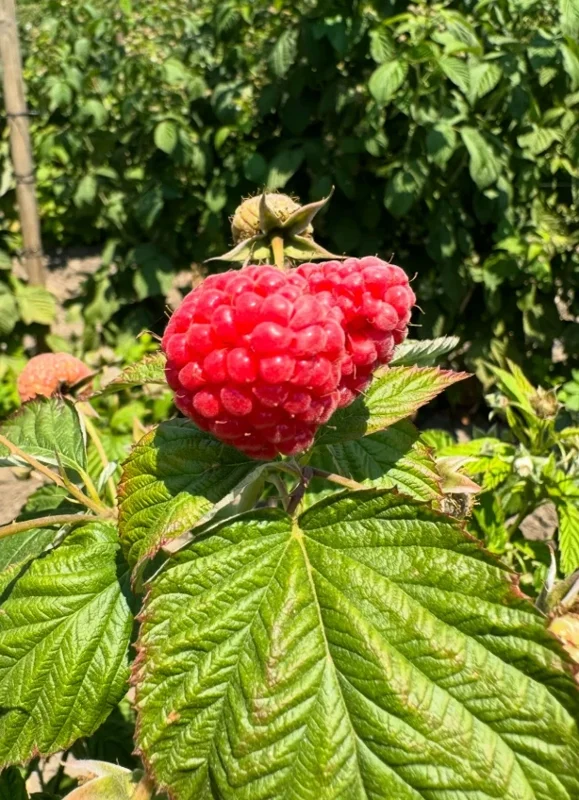
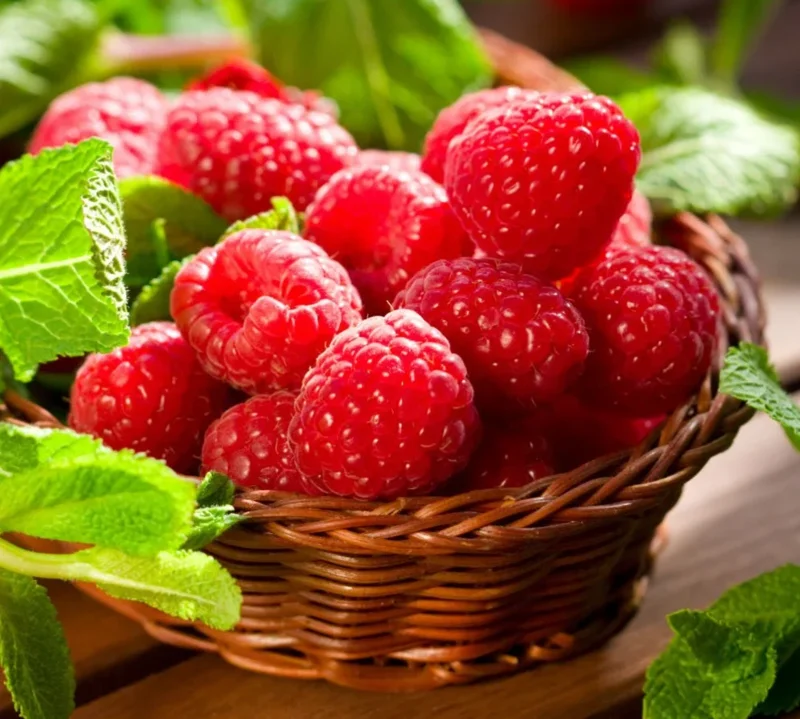
Live Raspberry Caroline Plant – Everbearing Fruit Cane, 4-6″ Tall
$20.89
Bring the joy of fresh berries to your garden with this Live Raspberry Caroline Plant. This 4-6″ tall everbearing fruit cane promises a bountiful harvest over an extended season, perfect for delicious homemade treats. Easy to grow and a rewarding addition to any edible landscape.
Shipping and Return policies:
We stand behind our plants with our Alive & Thrive Guarantee. If you experience any issues within the first 30 days, please email us, and our team will be happy to help. When needed, we’ll send you a one-time replacement free of charge to make sure your garden keeps growing strong.

Reasonable Price
We offer reasonable price

Support 24/7
Contact us 24 hrs a day
100% Money Back
You’ve 30 days to Return
Payment Secure
100% secure payment
Overview
Cultivate your own sweet and juicy berries with the live raspberry caroline plant. This robust and highly productive variety, known for its everbearing nature, ensures a continuous harvest of delicious red raspberries from mid-summer until the first frost. The caroline red raspberry is celebrated for its large, firm, and exceptionally flavorful fruit, making it a favorite among home gardeners and culinary enthusiasts. Shipping as a 4-6 inch tall plant, this cane is ready to establish itself in your garden, promising a rewarding experience as you watch it grow and produce. Whether you’re a seasoned gardener or just starting your edible landscape, the everbearing raspberry plant is an excellent choice for consistent fruit production and delightful taste.
The ‘Caroline’ raspberry (Rubus idaeus ‘Caroline’) is a primocane-fruiting variety, meaning it produces fruit on current-year canes, simplifying pruning and maintenance. Its vigorous growth and disease resistance contribute to its popularity, allowing gardeners to enjoy a reliable crop without excessive fuss. The sweet-tart flavor of these raspberries is perfect for fresh eating, baking, jams, jellies, or freezing for later enjoyment. Experience the satisfaction of picking your own homegrown berries with this exceptional plant.
Adding a raspberry cane for sale like the Caroline variety to your garden means you’re investing in a plant that offers both beauty and bounty. Its lush green foliage and vibrant red fruits create an attractive focal point, while the promise of fresh, organic raspberries elevates your home cooking and snacking. Prepare to transform your garden into a productive and delicious oasis with this outstanding fruit-bearing plant.
Key Benefits
The live raspberry caroline plant offers a multitude of benefits for any gardener. Its strong attributes make it a popular choice:
-
Extended Harvest Season: Unlike many raspberry varieties, the ‘Caroline’ is an everbearing raspberry plant, meaning it produces two crops per year. The main crop ripens in late summer to fall on new canes, and a smaller crop can be harvested in early summer from overwintered canes. This provides a prolonged period of fresh fruit.
-
Superior Flavor and Quality: The berries from the caroline red raspberry are renowned for their large size, firm texture, and intensely sweet-tart flavor. They are perfect for eating fresh, baking, making preserves, or freezing, maintaining their quality even after processing.
-
Vigorous Growth and Disease Resistance: This variety is known for its robust growth habit and good resistance to common raspberry diseases, reducing the need for chemical treatments and making it easier to maintain a healthy plant. This ensures a more reliable and abundant harvest.
-
Easy to Grow and Maintain: Primocane-fruiting raspberries like ‘Caroline’ are simpler to prune than floricane-fruiting types. You can choose to prune all canes to the ground in late winter for a single, large fall crop, or selectively prune for a smaller summer crop and a larger fall crop. This flexibility makes it ideal for various gardening styles.
-
Versatile Culinary Uses: Freshly picked raspberries from your live raspberry caroline plant can be used in countless ways. Enjoy them in smoothies, on cereal, in pies, tarts, and cobblers, or transform them into homemade jams, jellies, and sauces. The possibilities are endless for enjoying your harvest.
-
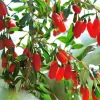
Attractive Garden Addition: Beyond its fruit, the raspberry plant itself adds an attractive element to the garden with its lush green foliage. The sight of ripening red berries against the green leaves is a beautiful and rewarding spectacle.
Plant Care & Growing Tips
To successfully grow your own raspberries and ensure a bountiful harvest from your live raspberry caroline plant, proper care is essential. Raspberries thrive in full sun, meaning at least 6-8 hours of direct sunlight per day. Choose a site with well-draining soil, rich in organic matter. Before planting, amend heavy clay soils with compost or peat moss to improve drainage and aeration. Ideal soil pH for raspberries is slightly acidic, between 6.0 and 6.8. Ensure good air circulation around the plants to prevent fungal diseases.
When it comes to watering, consistent moisture is key, especially during fruiting periods. Water deeply and regularly, aiming for about 1 inch of water per week, either from rainfall or irrigation. Avoid overhead watering, which can encourage fungal issues; instead, use drip irrigation or water at the base of the plant. Fertilize your everbearing raspberry plant in early spring with a balanced granular fertilizer or compost, and again mid-season if growth seems slow. For optimal growth, apply a layer of mulch around the base of the plants to retain moisture, suppress weeds, and regulate soil temperature.
Pruning is crucial for ‘Caroline’ raspberries. For a single, large fall crop, simply cut all canes back to the ground in late winter or early spring before new growth begins. This method simplifies care and encourages vigorous new canes that will bear fruit in the fall. If you desire two crops (a smaller summer crop and a larger fall crop), prune only the tips of the canes that fruited in the fall, leaving the lower parts to produce fruit in early summer. After the summer crop, those canes will die and should be removed. The ‘Caroline’ variety is hardy in USDA zones 4-8. Protect plants in colder zones with a thick layer of mulch or by laying canes down and covering them for winter.
Size & Details
This offering is for one live raspberry caroline plant, shipped as a young cane approximately 4-6 inches tall. It is a bare-root plant, meaning it will arrive without soil around its roots, carefully packaged to ensure its health during transit. Upon arrival, it should be planted promptly to allow for optimal establishment. The ‘Caroline’ raspberry is an everbearing variety, producing fruit on new canes (primocanes) in late summer to fall and potentially a smaller crop on overwintered canes (floricanes) in early summer. These plants are vigorous growers and will quickly establish themselves, typically reaching a mature height of 4-6 feet with a spread of 2-3 feet.
Expect your first significant harvest within the first year of planting, with production increasing in subsequent years as the plant matures. The berries are known for their large size, averaging about 0.75-1 inch in diameter. With proper care, a single raspberry cane for sale can produce several pounds of fruit per season. Plant spacing should be approximately 2-3 feet apart within the row, with rows 6-8 feet apart to allow for good air circulation and easy harvesting. This plant is a long-term investment for your edible garden, providing fresh, delicious fruit for many years.
Frequently Asked Questions
-
Q: How big does this live raspberry caroline plant get? A: A: The ‘Caroline’ raspberry typically grows to a mature height of 4-6 feet tall with a spread of 2-3 feet. Its vigorous growth means it will quickly reach its mature size with proper care and support.
-
Q: Is this an indoor or outdoor plant? A: The live raspberry caroline plant is an outdoor plant, best suited for garden beds or large containers in a sunny location where it can receive at least 6-8 hours of direct sunlight daily. It is not suitable for long-term indoor cultivation.
-
Q: How much sunlight does my everbearing raspberry plant need? A: For optimal fruit production and plant health, your ‘Caroline’ raspberry plant requires full sun, which means a minimum of 6-8 hours of direct sunlight each day. More sun generally leads to more abundant and sweeter berries.
-
Q: Is this plant easy to care for? A: Yes, the caroline red raspberry is considered relatively easy to care for, especially due to its primocane-fruiting nature which simplifies pruning. It’s a great choice for both beginner and experienced gardeners looking to grow your own raspberries.
-
Q: What condition will the raspberry cane for sale arrive in? A: The plant will arrive as a 4-6 inch tall bare-root cane, meaning it will not have soil around its roots. This is a common and effective shipping method for dormant plants, and it should be planted as soon as possible after arrival.
-
Q: How long until it starts producing fruit? A: You can typically expect your live raspberry caroline plant to start producing a significant harvest in the first full year after planting. As an everbearing variety, it will produce fruit from late summer to fall on the new canes.
-
Q: What’s the best time to plant this raspberry cane? A: The best time to plant bare-root raspberry canes is in early spring after the danger of hard frost has passed, allowing the plant ample time to establish its root system before the heat of summer. Fall planting is also possible in milder climates.
-
Q: What USDA Hardiness Zones is the ‘Caroline’ raspberry suitable for? A: The ‘Caroline’ raspberry is hardy and well-suited for USDA Hardiness Zones 4 through 8. In colder zones, extra winter protection, such as mulching or covering, may be beneficial.
-
Q: Can I grow this everbearing raspberry plant in a container? A: Yes, ‘Caroline’ raspberries can be successfully grown in large containers (at least 15-20 gallon capacity) if you provide adequate support, drainage, and consistent moisture. Ensure the container is big enough to accommodate its vigorous root system.
-
Q: Is the caroline red raspberry self-pollinating? A: Yes, ‘Caroline’ raspberries are self-pollinating, meaning you only need one plant to produce fruit. However, planting multiple canes can lead to a larger overall harvest.
Be the first to review “Live Raspberry Caroline Plant – Everbearing Fruit Cane, 4-6″ Tall”
You must be logged in to post a review.
People also Viewed
Sold 50 products
$32.38
Sold 50 products
$27.38
Sold 50 products
$32.38
Sold 50 products
$19.88
Sold 50 products
$62.38
Sold 50 products
$24.88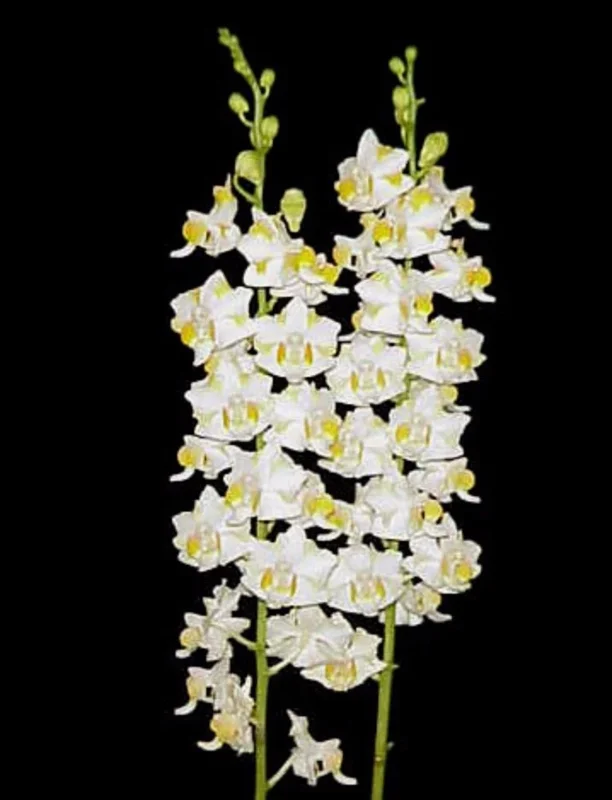
Houseplants
Phalaenopsis pulcherrima ‘Mauna Kea Snow’ Orchid Live Plant – White Flowers, Potted 2.5 in
Sold 50 products
$49.88
Sold 50 products
$49.88RELATED posts
Awapuhi Wild Ginger Plant: Zones, Care, and Propagation
Learn which USDA zones suit awapuhi wild ginger, plus sunlight, water, planting, propagation, pests, size, [...]
Awapuhi Shampoo Ginger – Care, Growing Zones, and Differences
Learn how to grow awapuhi (shampoo) ginger, its USDA zones, watering schedule, propagation tips, and [...]
Awapuhi Shampoo Plant Buying Guide – Choose the Right Zingiber zerumbet
META: Learn which awapuhi (shampoo ginger) plant or rhizome pack gives the best natural shampoo, [...]
Awapuhi Plant for Sale: Complete Buying Guide
Find the right awapuhi (shampoo ginger) plant, size, price, soil mix, and online source. Practical [...]
Shampoo Ginger Plant for Sale – Buying Guide & Tips
Find the right shampoo ginger plant, size, price, and care tips. Quick guide for U.S. [...]
Shampoo Ginger Plant (Awapuhi) Care Guide
Learn how to grow, care for, and use shampoo ginger (Zingiber zerumbet), the tropical awapuhi [...]
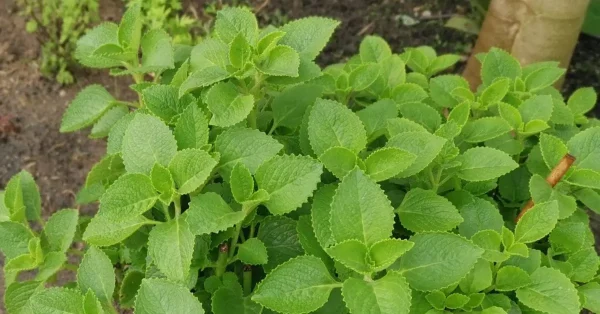
How to Grow Cuban Oregano Plants: A Complete Care Guide
If you’ve ever wanted a plant that combines the culinary punch of traditional oregano with [...]
Aug
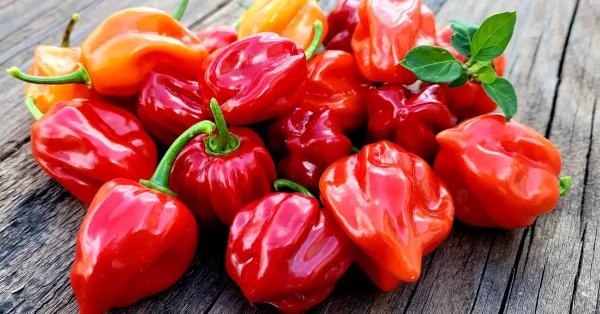
How to Grow Habanero Pepper Plants: A Step-by-Step Guide
Habanero pepper plants are prized for their vibrant colors, intense heat, and exceptional flavor, making [...]
Aug


Reviews
There are no reviews yet.