
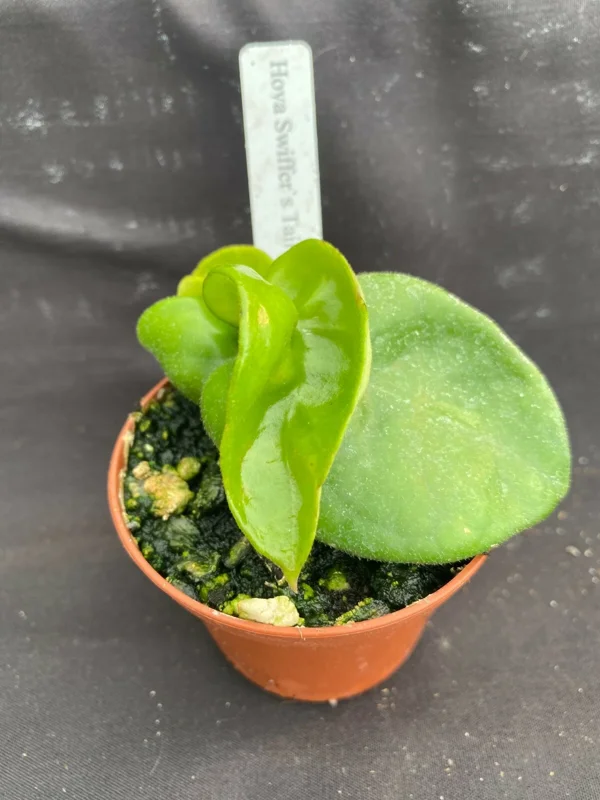
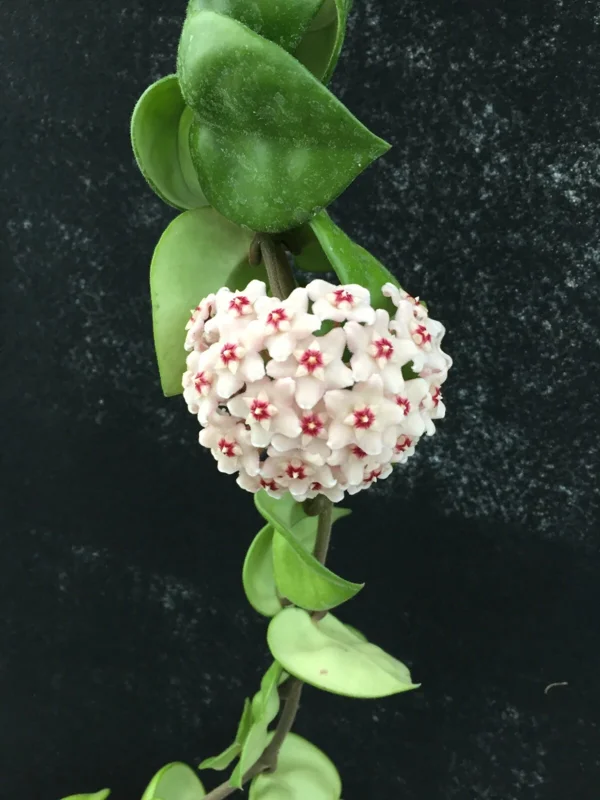
Hoya Swiffer’s Tail RHM 022 Live Plant – Rooted in 2 inch Pot – Indoor Houseplant
$62.38
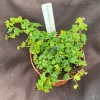
Bring home the captivating Hoya Swiffer’s Tail, a stunning rooted Hoya plant known for its distinctive foliage. This healthy specimen arrives ready to thrive in its 2 inch pot, making it a perfect addition to any indoor plant collection. Enjoy the unique beauty of this Hoya RHM 022 variety.
Shipping and Return policies:
We stand behind our plants with our Alive & Thrive Guarantee. If you experience any issues within the first 30 days, please email us, and our team will be happy to help. When needed, we’ll send you a one-time replacement free of charge to make sure your garden keeps growing strong.

Reasonable Price
We offer reasonable price

Support 24/7
Contact us 24 hrs a day
100% Money Back
You’ve 30 days to Return
Payment Secure
100% secure payment
Overview
Introduce an extraordinary touch to your indoor garden with the Hoya Swiffer’s Tail, a truly captivating and unique variety of Hoya. This particular specimen, identified as RHM 022, is beloved by collectors and enthusiasts for its distinctive foliage and charming growth habit. As a rooted Hoya plant, it arrives well-established and ready to flourish in its new environment, ensuring a smoother transition and greater success for the plant parent. Hoya plants, often referred to as ‘Wax Plants’ due to their thick, waxy leaves and often fragrant, star-shaped flowers, are popular houseplants that add a touch of tropical elegance to any space. The Hoya Swiffer’s Tail is a fantastic choice for those looking to expand their collection with a less common, yet highly rewarding, plant.
This Hoya RHM 022 is more than just a plant; it’s a living piece of art that offers continuous delight with its unique characteristics. Its compact size and manageable care requirements make it suitable for various indoor settings, from bright windowsills to office desks. Whether you are a seasoned Hoya collector or new to the world of exotic houseplants, the Hoya Swiffer’s Tail promises to be a conversation starter and a source of natural beauty in your home.
Key Benefits
Owning a Hoya Swiffer’s Tail brings a multitude of benefits, enhancing both your living space and your plant care journey. These are not just beautiful plants; they are also known for their resilience and charming appeal.
- Unique Aesthetic Appeal: The Hoya Swiffer’s Tail boasts distinctive foliage that stands out from more common houseplants. Its specific leaf shape and growth pattern offer a unique visual texture that enriches any indoor decor.
- Air Purification: Like many houseplants, Hoya varieties contribute to healthier indoor air by absorbing common toxins and releasing oxygen, making your living environment fresher and more invigorating.
- Low Maintenance: Ideal for both beginners and experienced plant enthusiasts, this rooted Hoya plant is relatively easy to care for. It tolerates a range of conditions and doesn’t demand constant attention, fitting perfectly into busy lifestyles.
- Compact Growth Habit: Given its manageable size, the Hoya Swiffer’s Tail is perfect for small spaces, shelves, or hanging baskets, allowing you to enjoy its beauty without requiring extensive room.
- Potential for Blooms: With proper care and maturity, Hoya plants are known to produce clusters of fragrant, star-shaped flowers. While not guaranteed immediately, the anticipation of these unique blooms adds an exciting element to caring for your Hoya RHM 022.
- Collector’s Item: For Hoya enthusiasts, the Hoya Swiffer’s Tail RHM 022 represents a unique and desirable addition, broadening the diversity of your collection with a specific and sought-after cultivar.
Plant Care & Growing Tips
Caring for your Hoya Swiffer’s Tail is a rewarding experience that requires understanding its specific needs to ensure its thriving growth. As a tropical plant, it appreciates conditions that mimic its natural habitat. Provide bright, indirect light for optimal growth; a spot near an east or west-facing window is often ideal. Direct afternoon sun can scorch its leaves, so ensure it’s protected. If light conditions are too low, the plant may not grow as vigorously or produce flowers. Consistent, but not excessive, light is key for a healthy Hoya Swiffer’s Tail.
Watering should be done thoroughly but infrequently. Allow the top inch or two of the soil to dry out completely between waterings. Overwatering is a common issue for Hoyas and can lead to root rot, so it’s crucial to ensure excellent drainage. A well-draining potting mix, ideally one formulated for succulents or orchids, is highly recommended. During the growing season (spring and summer), you can fertilize every 2-4 weeks with a balanced liquid fertilizer diluted to half strength. Reduce feeding in fall and winter. This rooted Hoya plant prefers temperatures between 65-80°F (18-27°C) and average to high humidity. While it can tolerate lower humidity, occasional misting or placing it near a humidifier can be beneficial, especially during dry indoor conditions. Monitor for common pests like mealybugs or spider mites, and address them promptly with insecticidal soap if spotted. Understanding indoor Hoya care ensures your plant remains vibrant.
For best results, avoid repotting your Hoya Swiffer’s Tail too frequently, as Hoyas prefer to be somewhat root-bound. When repotting becomes necessary, choose a pot only one size larger than the current one. Use fresh, well-aerated potting mix. Ensure proper air circulation around the plant to prevent fungal issues. Consistent and attentive indoor Hoya care will lead to a robust and beautiful specimen that can be enjoyed for many years.
Size & Details
This offering is for one Hoya Swiffer’s Tail RHM 022, a healthy and established rooted Hoya plant. It is shipped securely in a 2 inch pot, providing a compact and ready-to-grow specimen for your collection. While exact dimensions can vary slightly with individual plants, Hoya Swiffer’s Tail typically exhibits a vining or trailing growth habit, making it ideal for shelves, hanging baskets, or trellises. The plant’s growth rate is moderate, allowing you to enjoy its development over time without it becoming unruly too quickly.
Upon arrival, your Hoya Swiffer’s Tail will be a young, vibrant plant, perfect for nurturing and watching it mature. Its unique foliage will become more pronounced as it grows, adding to its charm. This specific variety, RHM 022, maintains a desirable size for indoor cultivation, making it a manageable and attractive addition to any plant enthusiast’s home. Expect a healthy start for your new rooted Hoya plant.
Frequently Asked Questions
- Q: What condition will my Hoya Swiffer’s Tail arrive in? A: Your Hoya Swiffer’s Tail will arrive as a healthy, well-established rooted Hoya plant, securely packaged in its 2 inch pot with soil to ensure its safe journey. We take great care to minimize stress during transit.
- Q: How much sunlight does this Hoya need? A: The Hoya Swiffer’s Tail thrives in bright, indirect light. Avoid direct afternoon sun, which can scorch its leaves. An east or west-facing window is usually perfect for optimal growth and potential blooms.
- Q: Is this an indoor or outdoor plant? A: This Hoya Swiffer’s Tail is primarily an indoor houseplant in most climates. It can be moved outdoors in warm, humid conditions during summer, but must be brought inside before temperatures drop below 50°F (10°C).
- Q: How often should I water my Hoya RHM 022? A: Water your Hoya RHM 022 when the top 1-2 inches of soil are completely dry. It’s better to underwater slightly than to overwater, as Hoyas are susceptible to root rot. Adjust frequency based on light, temperature, and humidity.
- Q: What kind of soil is best for indoor Hoya care? A: A well-draining, airy potting mix is essential. Many growers use a mix formulated for orchids or succulents, often incorporating perlite, orchid bark, or coco coir to enhance drainage and aeration for their rooted Hoya plant.
- Q: How big does this Hoya Swiffer’s Tail get? A: Hoya Swiffer’s Tail has a vining growth habit. With proper indoor Hoya care, its vines can grow several feet long, making it suitable for training on a trellis or allowing it to cascade from a hanging basket.
- Q: Is this Hoya variety good for beginners? A: Yes, Hoyas are generally considered beginner-friendly plants due to their relatively low maintenance requirements and resilience. The Hoya Swiffer’s Tail is a great choice for those looking to start their Hoya collection.
- Q: When can I expect my Hoya to bloom? A: Hoya plants typically bloom once they are mature and receive adequate light and consistent care. It can take several years for a young plant to reach blooming maturity, but the unique foliage of the Hoya Swiffer’s Tail is beautiful in itself.
- Q: Is the Hoya Swiffer’s Tail pet-safe? A: While Hoyas are generally considered non-toxic to pets, it’s always best to prevent pets from ingesting any houseplant material. If you have curious pets, consider placing the plant in an inaccessible location.
- Q: What makes unique Hoya varieties like this so special? A: Unique Hoya varieties, such as the Hoya Swiffer’s Tail, are prized for their distinct leaf shapes, patterns, or growth habits that set them apart from more common cultivars, offering collectors a chance to grow something truly special.
Be the first to review “Hoya Swiffer’s Tail RHM 022 Live Plant – Rooted in 2 inch Pot – Indoor Houseplant”
You must be logged in to post a review.
People also Viewed
Sold 50 products
$32.38

Sold 50 products
$27.38
Sold 50 products
$32.38
Sold 50 products
$19.88
Sold 50 products
$62.38
Sold 50 products
$24.88
Houseplants
Phalaenopsis pulcherrima ‘Mauna Kea Snow’ Orchid Live Plant – White Flowers, Potted 2.5 in
Sold 50 products
$49.88
Sold 50 products
$49.88RELATED posts
Awapuhi Wild Ginger Plant: Zones, Care, and Propagation
Learn which USDA zones suit awapuhi wild ginger, plus sunlight, water, planting, propagation, pests, size, [...]
Awapuhi Shampoo Ginger – Care, Growing Zones, and Differences
Learn how to grow awapuhi (shampoo) ginger, its USDA zones, watering schedule, propagation tips, and [...]
Awapuhi Shampoo Plant Buying Guide – Choose the Right Zingiber zerumbet
META: Learn which awapuhi (shampoo ginger) plant or rhizome pack gives the best natural shampoo, [...]
Awapuhi Plant for Sale: Complete Buying Guide
Find the right awapuhi (shampoo ginger) plant, size, price, soil mix, and online source. Practical [...]
Shampoo Ginger Plant for Sale – Buying Guide & Tips
Find the right shampoo ginger plant, size, price, and care tips. Quick guide for U.S. [...]
Shampoo Ginger Plant (Awapuhi) Care Guide
Learn how to grow, care for, and use shampoo ginger (Zingiber zerumbet), the tropical awapuhi [...]
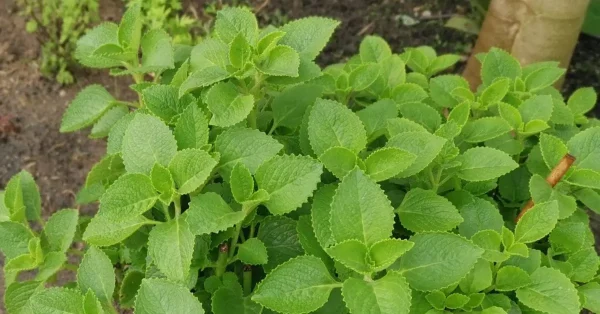
How to Grow Cuban Oregano Plants: A Complete Care Guide
If you’ve ever wanted a plant that combines the culinary punch of traditional oregano with [...]
Aug

How to Grow Habanero Pepper Plants: A Step-by-Step Guide
Habanero pepper plants are prized for their vibrant colors, intense heat, and exceptional flavor, making [...]
Aug
Reviews
There are no reviews yet.