
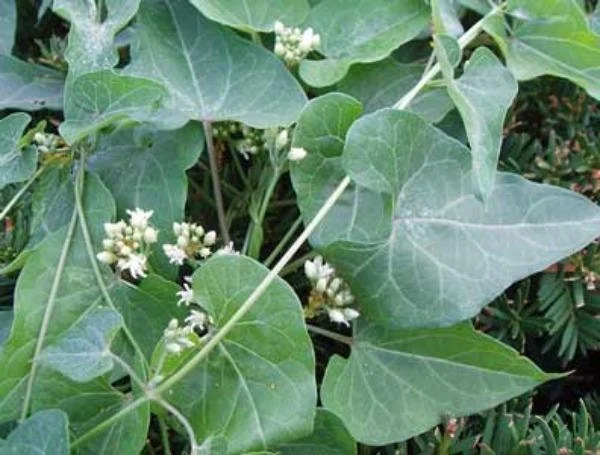
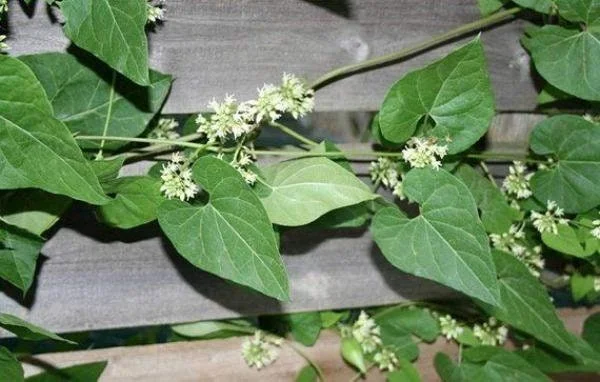
Honeyvine Milkweed Seeds – Cynanchum laeve – 5 Seed Pack – Monarch Host Plant
Original price was: $25.00.$17.50Current price is: $17.50.
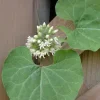
Cultivate honeyvine milkweed seeds (Cynanchum laeve), a crucial native perennial for supporting monarch butterfly populations. These monarch host plant seeds produce twining vines with fragrant cream to white flowers, attracting diverse pollinators to your garden. Ideal for zones 4-9, this adaptable plant adds ecological value and beauty.
Shipping and Return policies:
We stand behind our plants with our Alive & Thrive Guarantee. If you experience any issues within the first 30 days, please email us, and our team will be happy to help. When needed, we’ll send you a one-time replacement free of charge to make sure your garden keeps growing strong.

Reasonable Price
We offer reasonable price

Support 24/7
Contact us 24 hrs a day
100% Money Back
You’ve 30 days to Return
Payment Secure
100% secure payment
Overview
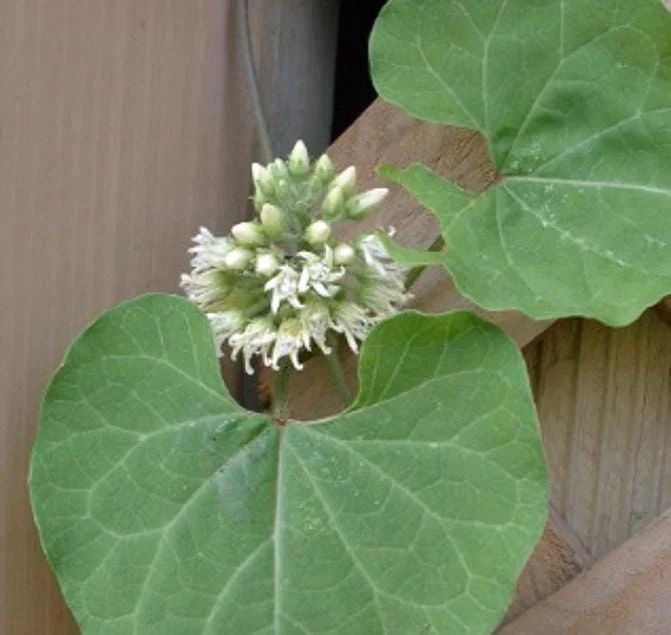
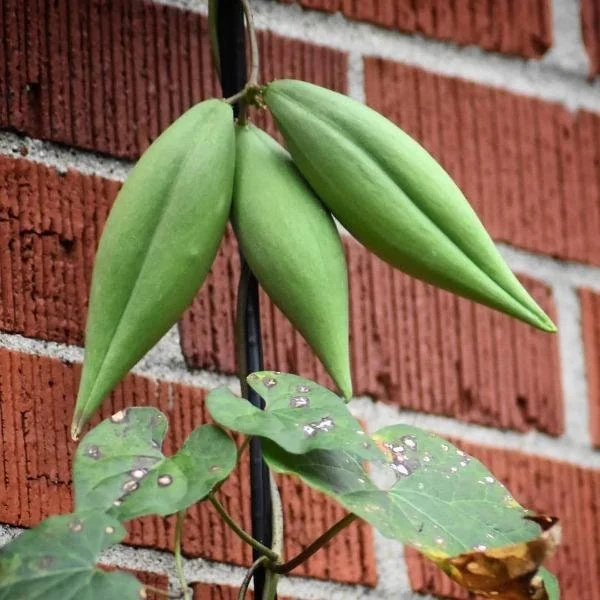
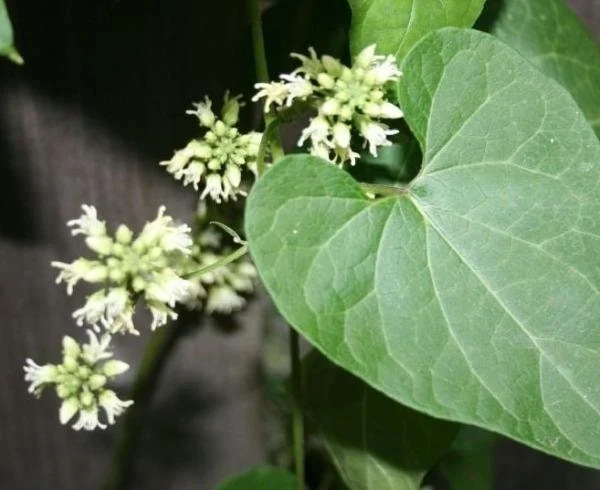
Discover the ecological importance of honeyvine milkweed seeds (Cynanchum laeve), also known as Smooth Swallow-Wort. This perennial herbaceous plant is native to North America and is a vital component of local ecosystems, particularly as a host plant for monarch butterfly caterpillars. By planting these cynanchum laeve seeds, you are directly contributing to the preservation of pollinator habitats and fostering biodiversity in your garden. The twining vines and heart-shaped leaves create a lush presence, leading to clusters of small, sweet-smelling cream to white flowers that are a valuable nectar source for bees and other butterflies. Following the blooms, elongated seed pods form, releasing silky seeds that are dispersed by the wind. Despite its delicate appearance, honeyvine milkweed seeds grow into a robust and adaptable species, capable of thriving in various soil conditions across USDA Zones 4-9.
These honeyvine milkweed seeds offer a unique opportunity to engage with nature and support the intricate relationships between plants and pollinators. While its ecological benefits are significant, it is important to understand its growth habits, as caution is advised due to its potential to become invasive in some regions. Proper placement and management can ensure it enhances your landscape without unintended spread. Cultivating honeyvine milkweed seeds is a rewarding experience for any gardener looking to make a positive environmental impact, providing beauty and a crucial food source for beneficial insects.
Key Benefits
Planting honeyvine milkweed seeds offers numerous advantages, transforming your garden into a vibrant ecosystem:
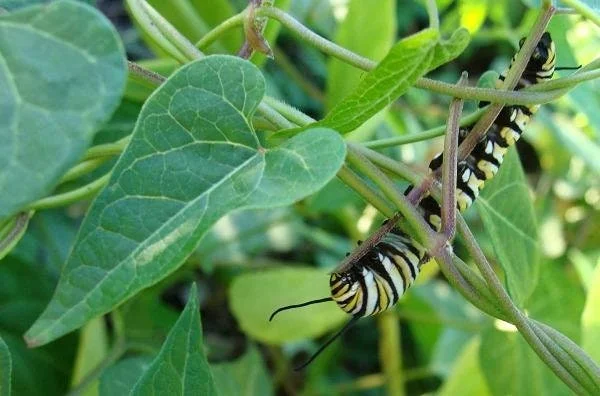
- Monarch Butterfly Host Plant: These monarch host plant seeds are essential for the lifecycle of monarch butterflies, providing the sole food source for their caterpillars. Supporting monarchs is a key benefit of growing honeyvine milkweed seeds.
- Attracts Pollinators: The fragrant, cream to white flowers are a rich nectar source, drawing in a variety of pollinators including bees and other butterflies, enhancing garden biodiversity.
- Robust and Adaptable: Once established, this plant is known for its resilience and ability to tolerate a range of soil conditions, making it relatively low-maintenance.
- Ecological Value: Contributes significantly to local ecosystems by supporting native wildlife and promoting natural balance.
- Unique Ornamental Appeal: The twining vines and heart-shaped leaves add an interesting textural and visual element to fences, trellises, or naturalized areas.
- Easy to Propagate from Seed: With proper stratification, these cynanchum laeve seeds can be successfully grown, allowing you to cultivate a significant number of plants.
- Supports Biodiversity: By fostering this native plant, you help create a healthier, more diverse environment for various species.
Plant Care & Growing Tips
Successfully growing honeyvine milkweed seeds requires specific care, especially during germination. Since honeyvine milkweed seeds have a hard outer coat, they benefit significantly from cold stratification. This process mimics natural winter conditions and helps break seed dormancy. To stratify, place the seeds in a damp paper towel within a plastic bag and refrigerate them for several weeks, typically 4-6 weeks. After stratification, prepare a well-draining soil bed in a location that receives full sun to partial shade. While adaptable, consistent moisture during germination and early growth is crucial. Ensure the soil is evenly moist but not waterlogged.
Gently scatter the stratified smooth swallow-wort seeds on the prepared soil surface, pressing them lightly to ensure good soil-to-seed contact. Covering the area with a thin layer of mulch can help retain moisture and warmth, aiding germination. Germination can be variable, occurring over several weeks to months, so patience is key. Once seedlings emerge, continue to keep the soil evenly moist and protect young plants from extreme weather conditions. As they mature, honeyvine milkweed plants are quite robust, thriving in USDA zones 4-9. They are generally drought-tolerant once established but will benefit from occasional watering during prolonged dry spells. While it is a valuable monarch host plant seeds, be mindful of its vigorous growth habit and consider planting it where its spread can be managed, or in areas where a naturalized look is desired.
Size & Details
This product includes 5 honeyvine milkweed seeds, ready for stratification and planting. Once grown, honeyvine milkweed (Cynanchum laeve) is a vigorous perennial vine that can reach lengths of 10 to 20 feet, with a spread of 3 to 6 feet, depending on growing conditions and available support. It typically grows at a medium to fast rate. The plant produces small, cream to white flowers in clusters, followed by elongated seed pods. The seeds are distributed in a packet, suitable for direct sowing after stratification. Expect blooms from late spring through summer, with seed pods forming in late summer to fall. These cynanchum laeve seeds are best planted in spring after the cold stratification period. The plant’s robust nature allows it to establish quickly, providing a significant ecological impact within its first year of growth.
Frequently Asked Questions
- Q: How many seeds are included in this pack? A: This pack contains 5 honeyvine milkweed seeds, providing a good starting quantity for your garden projects. Each seed has the potential to grow into a mature plant with proper care and conditions.
- Q: Is this an indoor or outdoor plant? A: Honeyvine milkweed is primarily an outdoor plant, native to North America and thriving in garden settings. It requires ample space to vine and climb, making it unsuitable for most indoor environments.
- Q: How much sunlight does honeyvine milkweed need? A: This plant prefers full sun to partial shade. For optimal growth and flowering, aim for at least 6 hours of direct sunlight per day. Adequate sunlight helps ensure robust development of the monarch host plant seeds.
- Q: Is this plant easy to care for? A: Once established, honeyvine milkweed is relatively low-maintenance and adaptable. The main care requirement is the cold stratification process for the smooth swallow-wort seeds to ensure successful germination.
- Q: What condition will the seeds arrive in? A: The honeyvine milkweed seeds will arrive as dry, viable seeds, carefully packaged to ensure their integrity during transit. They will be ready for you to begin the stratification process upon arrival.
- Q: When is the best time to plant honeyvine milkweed seeds? A: The best time to plant stratified honeyvine milkweed seeds is in the spring, after the last frost date. This allows the young seedlings to establish themselves during the warmer growing season.
- Q: Will it survive winter in my zone? A: Honeyvine milkweed is hardy in USDA Zones 4-9, meaning it will typically survive winter and return annually in these regions. In colder zones, it may not be perennial.
- Q: What is the typical height and spread of a mature honeyvine milkweed plant? A: A mature honeyvine milkweed vine can reach lengths of 10 to 20 feet, with a spread of 3 to 6 feet. It’s a vigorous climber, so provide adequate support for its growth.
- Q: Do these cynanchum laeve seeds require stratification? A: Yes, honeyvine milkweed seeds benefit greatly from a period of cold stratification to break dormancy and improve germination rates. This can be done by refrigerating them in a damp medium for several weeks.
- Q: How long does it take for the seeds to germinate? A: Germination time for grow honeyvine milkweed can vary widely, often taking several weeks to a few months after stratification and planting. Patience and consistent moisture are important during this period.
Be the first to review “Honeyvine Milkweed Seeds – Cynanchum laeve – 5 Seed Pack – Monarch Host Plant”
You must be logged in to post a review.
People also Viewed

Sold 50 products
Original price was: $109.95.$79.98Current price is: $79.98.
Sold 50 products
Original price was: $25.00.$17.50Current price is: $17.50.
Flower Seeds
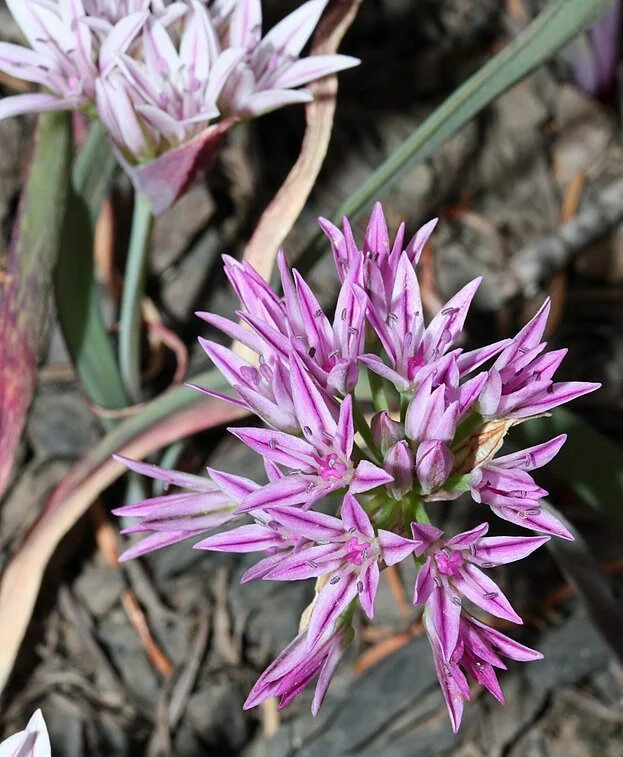
Olympic Onion Seeds – Allium crenulatum Flower Seeds – 10 Seed Pack – Outdoor Native Plant
Sold 50 products
Original price was: $25.00.$17.50Current price is: $17.50.
Sold 50 products
Original price was: $25.00.$17.50Current price is: $17.50.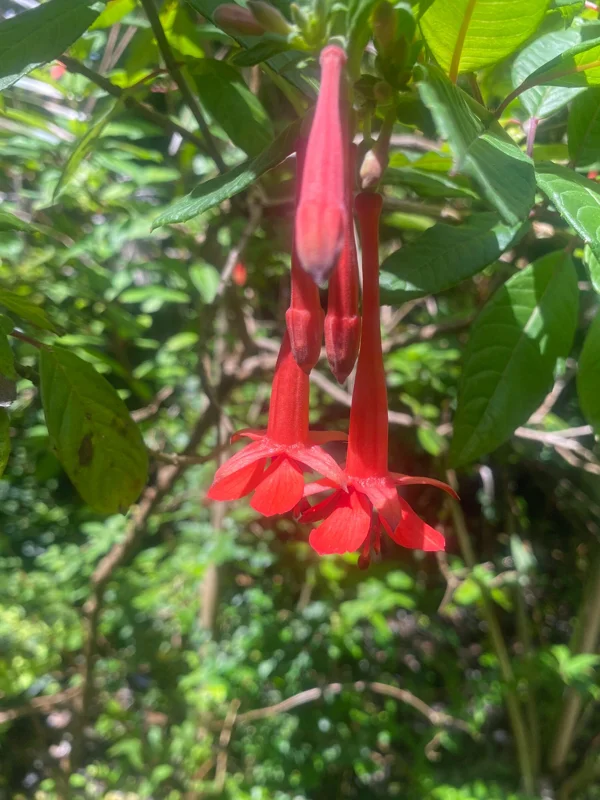
Flower Seeds
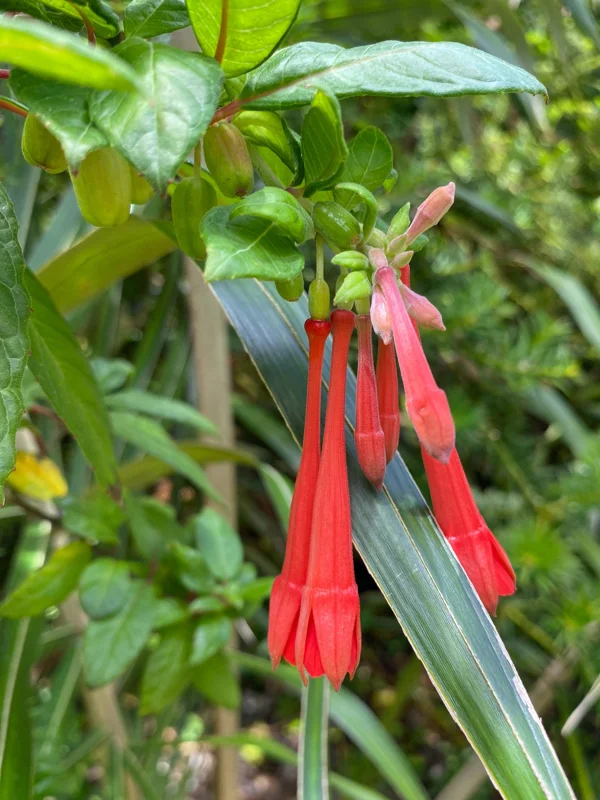
Fuchsia vulcanica Seeds – 20 Pack – Vibrant Orange Coral Flowers for Garden & Containers
Sold 50 products
Original price was: $25.00.$17.50Current price is: $17.50.
Sold 50 products
Original price was: $116.98.$95.68Current price is: $95.68.
Sold 50 products
Original price was: $21.00.$14.10Current price is: $14.10.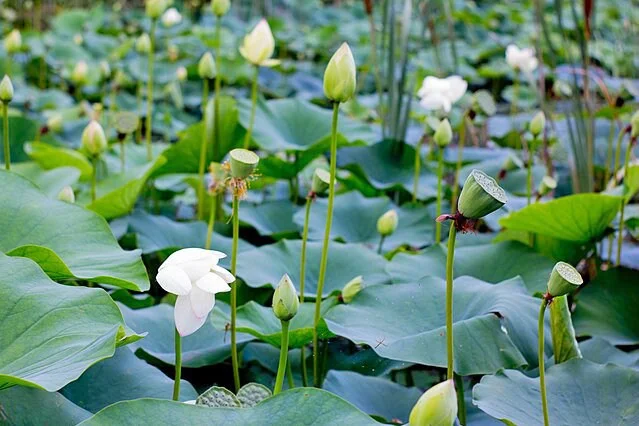
Aquatic Plant Seeds
White Lotus Seeds – Nelumbo Nucifera Aquatic Pond Plant – 5 Seeds for Water Garden
Sold 50 products
Original price was: $29.00.$20.90Current price is: $20.90.RELATED posts
Awapuhi Wild Ginger Plant: Zones, Care, and Propagation
Learn which USDA zones suit awapuhi wild ginger, plus sunlight, water, planting, propagation, pests, size, [...]
Awapuhi Shampoo Ginger – Care, Growing Zones, and Differences
Learn how to grow awapuhi (shampoo) ginger, its USDA zones, watering schedule, propagation tips, and [...]
Awapuhi Shampoo Plant Buying Guide – Choose the Right Zingiber zerumbet
META: Learn which awapuhi (shampoo ginger) plant or rhizome pack gives the best natural shampoo, [...]
Awapuhi Plant for Sale: Complete Buying Guide
Find the right awapuhi (shampoo ginger) plant, size, price, soil mix, and online source. Practical [...]
Shampoo Ginger Plant for Sale – Buying Guide & Tips
Find the right shampoo ginger plant, size, price, and care tips. Quick guide for U.S. [...]
Shampoo Ginger Plant (Awapuhi) Care Guide
Learn how to grow, care for, and use shampoo ginger (Zingiber zerumbet), the tropical awapuhi [...]
How to Grow Cuban Oregano Plants: A Complete Care Guide
If you’ve ever wanted a plant that combines the culinary punch of traditional oregano with [...]
Aug

How to Grow Habanero Pepper Plants: A Step-by-Step Guide
Habanero pepper plants are prized for their vibrant colors, intense heat, and exceptional flavor, making [...]
Aug
Reviews
There are no reviews yet.