
Cerinthe Major Purpurascens Seeds – Honeywort Kiwi Blue Purple Bell – 5 Seeds
Original price was: $25.00.$17.50Current price is: $17.50.
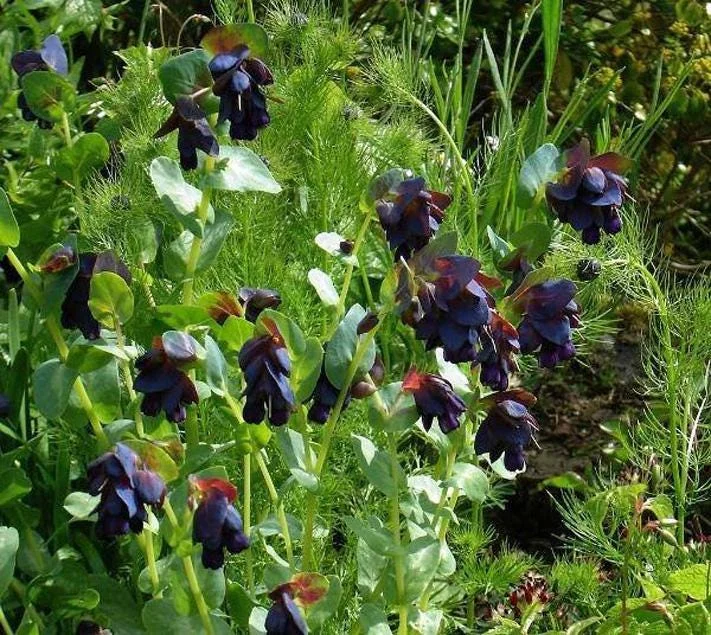
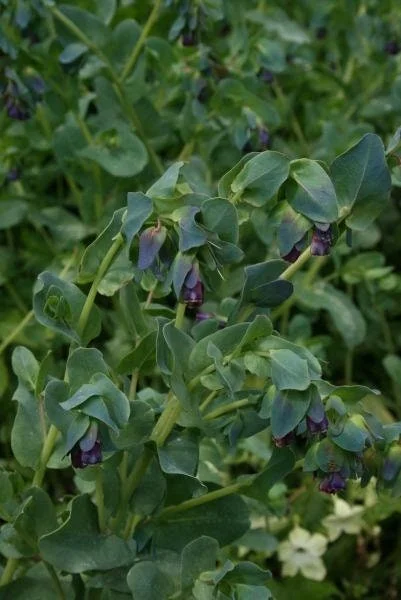
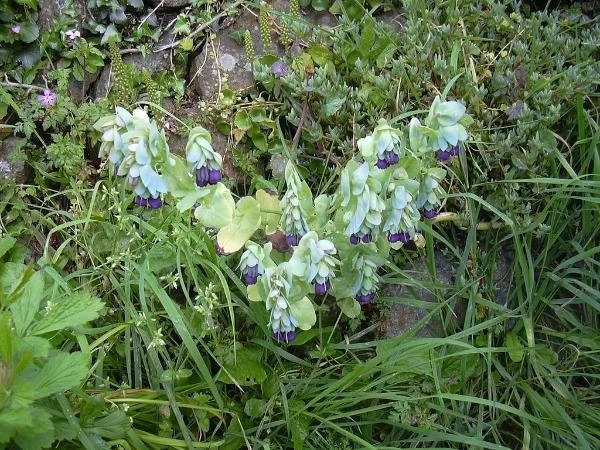
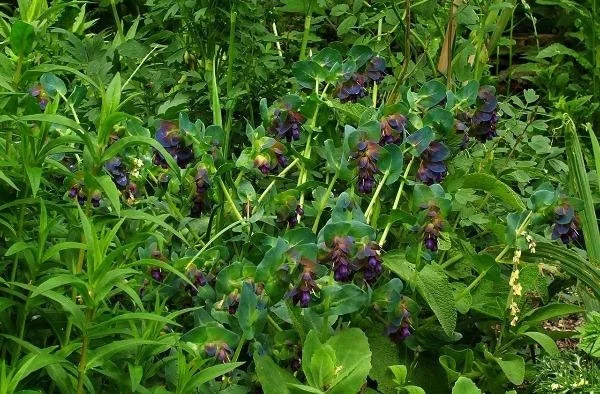
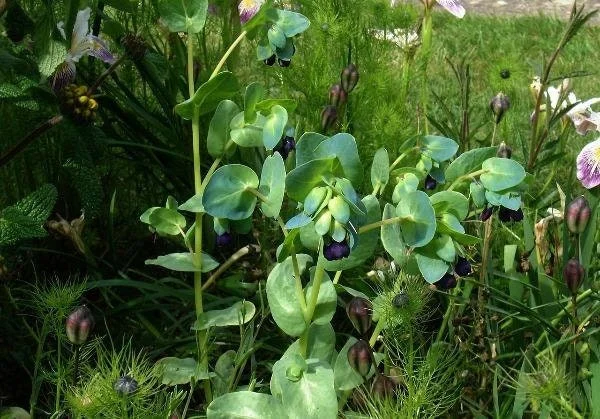
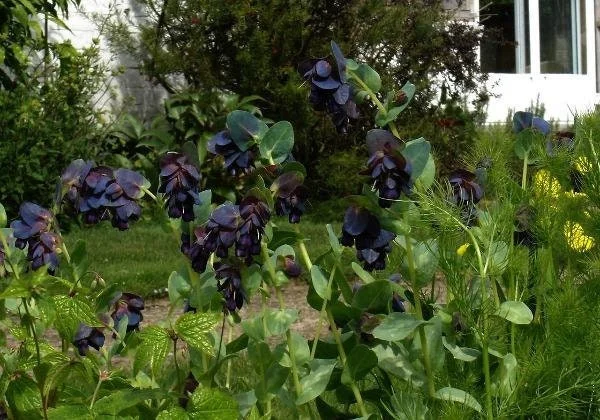
Cultivate vibrant blooms with Cerinthe Major Purpurascens seeds, also known as Honeywort or Kiwi Blue. This packet contains 5 seeds of this deer-tolerant annual, featuring unique tubular purple and blue flowers that attract hummingbirds and bees. Perfect for adding a touch of Mediterranean charm to your garden.
Shipping and Return policies:
We stand behind our plants with our Alive & Thrive Guarantee. If you experience any issues within the first 30 days, please email us, and our team will be happy to help. When needed, we’ll send you a one-time replacement free of charge to make sure your garden keeps growing strong.

Reasonable Price
We offer reasonable price

Support 24/7
Contact us 24 hrs a day
100% Money Back
You’ve 30 days to Return
Payment Secure
100% secure payment
Overview
Discover the enchanting beauty of Cerinthe Major Purpurascens seeds, commonly known as Honeywort, Kiwi Blue, or Purple Bells. This unique annual plant, native to the Mediterranean basin including southern Italy and Greece, is a delightful addition to any garden. Each packet contains 5 seeds, ready to transform into a captivating display of tubular purple and blue flowers. These blossoms are not only visually stunning but also produce honey-flavored nectar, making them irresistible to hummingbirds and bees. Growing up to 2 feet tall and wide, this plant offers a distinctive architectural form and vibrant color, making it a standout feature in borders, containers, or naturalized settings. It’s a fantastic choice for gardeners seeking an easy-to-grow annual that provides continuous interest and supports local pollinators. The Honeywort seeds are simple to germinate and cultivate, promising a rewarding gardening experience for both novices and experienced enthusiasts.
Key Benefits
Planting Cerinthe Major Purpurascens seeds brings a multitude of advantages to your garden and local ecosystem. This resilient annual offers striking aesthetics combined with ecological benefits.
- Attracts Pollinators: The nectar-rich, tubular flowers are a magnet for hummingbirds and bees, helping to support local biodiversity and pollination efforts in your garden.
- Deer and Drought Tolerant: Once established, this plant is remarkably tolerant of both deer browsing and periods of drought, making it a low-maintenance choice for various garden conditions.
- Unique Floral Display: Produces distinctive purple and blue tubular flowers that add an exotic and elegant touch, providing a unique visual interest compared to more common annuals.
- Easy to Grow from Seed: These Kiwi Blue seeds germinate readily and grow into mature plants with minimal fuss, making them ideal for gardeners of all skill levels.
- Versatile Garden Use: Perfect for mass plantings, mixed borders, cottage gardens, or container arrangements, offering flexibility in landscape design.
- Long Blooming Season: Enjoy continuous blooms throughout the growing season, providing extended color and pollinator activity from spring until frost.
- Low Maintenance: Requires average watering and prefers full sun, simplifying care routines for busy gardeners. The Purple Bell seeds are a great option for those seeking beauty without extensive effort.
Plant Care & Growing Tips
Growing Cerinthe Major Purpurascens seeds is a straightforward process that yields beautiful results. To ensure successful germination and robust plant growth, proper care is essential. Begin by sowing the seeds 1/4 inch deep and lightly covering them with soil. It’s crucial to keep the soil consistently moist but not waterlogged in a bright location. Avoid covering the planting area completely, as some light can aid germination. Maintain temperatures around 65-75°F (18-24°C) for optimal germination, which typically occurs within 5-30 days.
Once established, these annuals thrive in full sun, meaning they need at least 6 hours of direct sunlight per day to produce the most vibrant blooms. While they are drought-tolerant, average watering is recommended, especially during prolonged dry spells, to encourage continuous flowering. Well-draining soil is preferred to prevent root rot. Fertilization is generally not heavily required; a balanced, slow-release granular fertilizer at planting time or a liquid feed every few weeks during the growing season can support vigorous growth. This plant is an excellent choice for a wide range of climates, particularly those in warmer USDA zones. The annual flower seeds are known for their resilience, making them a forgiving plant for various garden conditions.
Size & Details
The Cerinthe Major Purpurascens plant typically grows to a height and width of up to 2 feet, forming a bushy, attractive mound. Each plant produces 2-3 clusters of its distinctive tubular purple and blue flowers. These 5 seeds will develop into mature plants relatively quickly, offering a fast-growing solution for garden color. While exact bloom time can vary based on planting date and climate, you can generally expect flowers from late spring through summer and into fall, especially with deadheading. This plant is shipped as a packet of high-quality seeds, ready for direct sowing or starting indoors.
Frequently Asked Questions
- Q: How big does this plant get? A: Cerinthe Major Purpurascens typically grows up to 2 feet tall and 2 feet wide, forming a compact and attractive annual bush.
- Q: Is this an indoor or outdoor plant? A: This plant is primarily grown as an outdoor annual, thriving in garden beds, borders, and containers. It prefers full sun exposure.
- Q: Is this plant easy to care for? A: Yes, Honeywort seeds are considered easy to grow. It is tolerant of deer and drought, requiring average watering and full sun, making it suitable for beginners.
- Q: What condition will the seeds arrive in? A: The product consists of 5 seeds packaged to ensure freshness and viability upon arrival, ready for planting.
- Q: What is Cerinthe Major Purpurascens known for? A: It is best known for its unique tubular purple and blue flowers that attract hummingbirds and bees, and its common names like Kiwi Blue and Purple Bells.
- Q: How long until it blooms after planting the seeds? A: Germination can take 5-30 days, and plants typically begin to bloom several weeks after sprouting, offering a showy display throughout the summer.
- Q: What’s the minimum temperature these plants can tolerate? A: As an annual, Cerinthe Major Purpurascens is sensitive to frost and will not survive freezing temperatures. It thrives in warmer growing seasons.
- Q: How much sunlight does it need? A: This plant prefers full sun, meaning it needs at least 6 hours of direct sunlight per day for optimal growth and flowering.
- Q: What kind of soil is best for these Purple Bell seeds? A: Well-draining soil is ideal for Cerinthe Major Purpurascens. It can tolerate a range of soil types as long as they are not waterlogged.
- Q: Will these annual flower seeds attract any pests? A: While generally robust, like any plant, it can occasionally encounter common garden pests. However, it’s notably tolerant of deer.
Be the first to review “Cerinthe Major Purpurascens Seeds – Honeywort Kiwi Blue Purple Bell – 5 Seeds”
You must be logged in to post a review.
People also Viewed
Sold 50 products
Original price was: $109.95.$79.98Current price is: $79.98.
Sold 50 products
Original price was: $25.00.$17.50Current price is: $17.50.
Flower Seeds
Olympic Onion Seeds – Allium crenulatum Flower Seeds – 10 Seed Pack – Outdoor Native Plant
Sold 50 products
Original price was: $25.00.$17.50Current price is: $17.50.
Sold 50 products
Original price was: $25.00.$17.50Current price is: $17.50.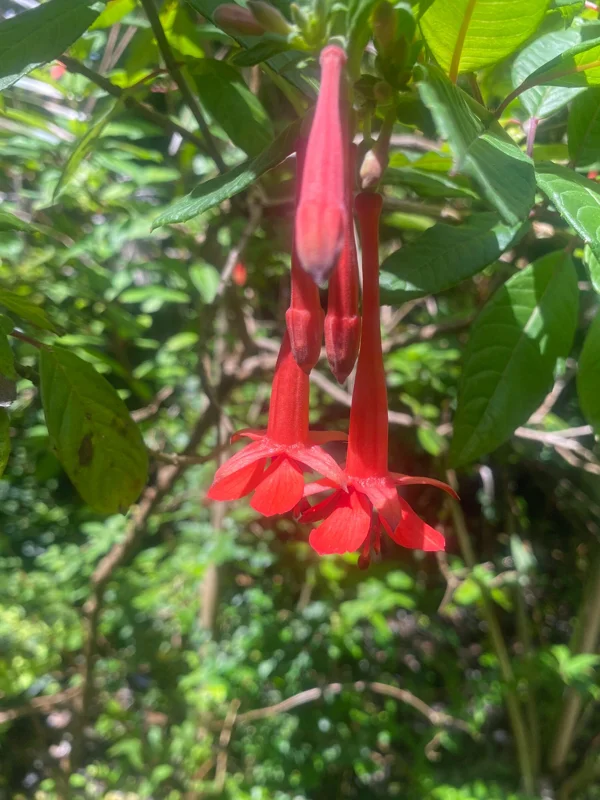
Flower Seeds
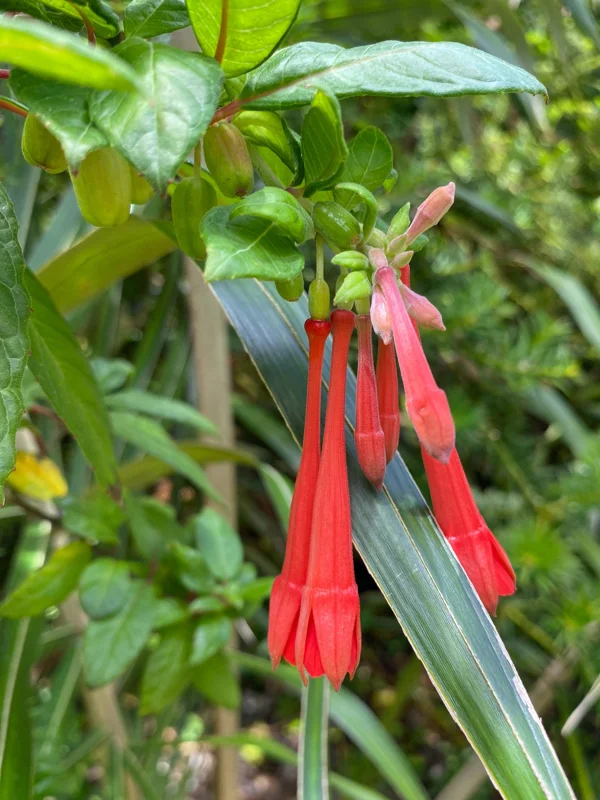
Fuchsia vulcanica Seeds – 20 Pack – Vibrant Orange Coral Flowers for Garden & Containers
Sold 50 products
Original price was: $25.00.$17.50Current price is: $17.50.
Sold 50 products
Original price was: $116.98.$95.68Current price is: $95.68.
Sold 50 products
Original price was: $21.00.$14.10Current price is: $14.10.
Aquatic Plant Seeds
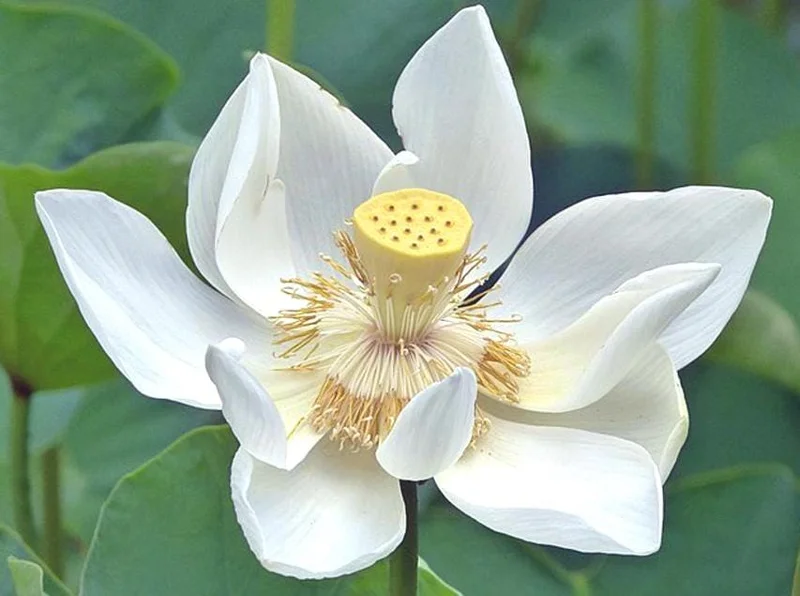
White Lotus Seeds – Nelumbo Nucifera Aquatic Pond Plant – 5 Seeds for Water Garden
Sold 50 products
Original price was: $29.00.$20.90Current price is: $20.90.RELATED posts
Awapuhi Wild Ginger Plant: Zones, Care, and Propagation
Learn which USDA zones suit awapuhi wild ginger, plus sunlight, water, planting, propagation, pests, size, [...]
Awapuhi Shampoo Ginger – Care, Growing Zones, and Differences
Learn how to grow awapuhi (shampoo) ginger, its USDA zones, watering schedule, propagation tips, and [...]
Awapuhi Shampoo Plant Buying Guide – Choose the Right Zingiber zerumbet
META: Learn which awapuhi (shampoo ginger) plant or rhizome pack gives the best natural shampoo, [...]
Awapuhi Plant for Sale: Complete Buying Guide
Find the right awapuhi (shampoo ginger) plant, size, price, soil mix, and online source. Practical [...]
Shampoo Ginger Plant for Sale – Buying Guide & Tips
Find the right shampoo ginger plant, size, price, and care tips. Quick guide for U.S. [...]
Shampoo Ginger Plant (Awapuhi) Care Guide
Learn how to grow, care for, and use shampoo ginger (Zingiber zerumbet), the tropical awapuhi [...]
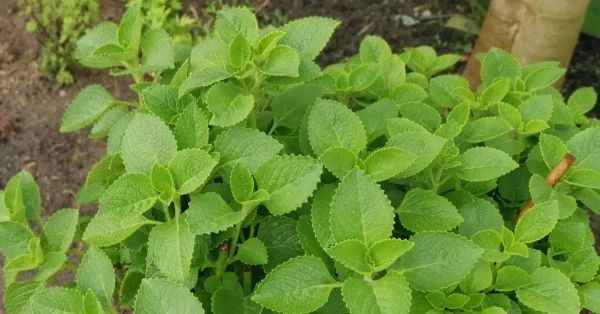
How to Grow Cuban Oregano Plants: A Complete Care Guide
If you’ve ever wanted a plant that combines the culinary punch of traditional oregano with [...]
Aug
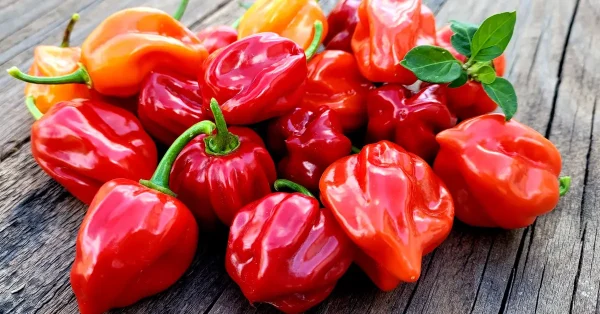
How to Grow Habanero Pepper Plants: A Step-by-Step Guide
Habanero pepper plants are prized for their vibrant colors, intense heat, and exceptional flavor, making [...]
Aug
Reviews
There are no reviews yet.