
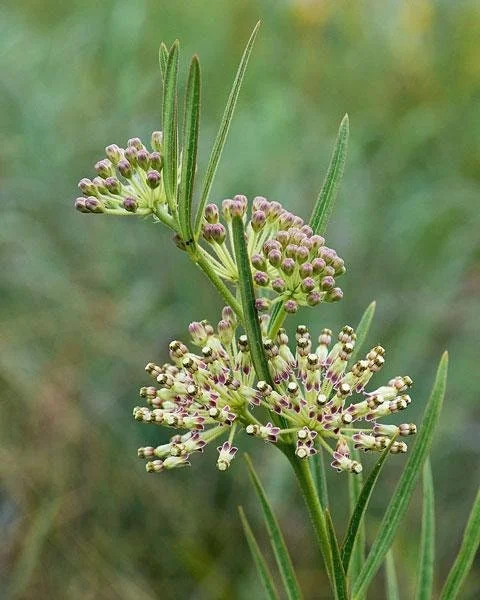
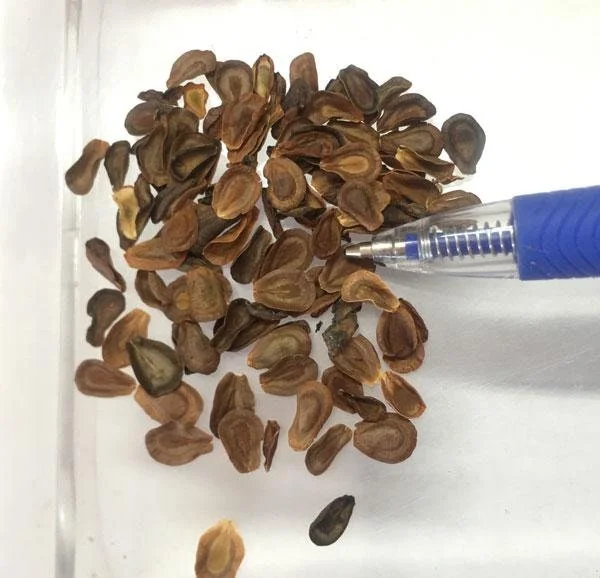
Asclepias Hirtella Seeds – Tall Green Milkweed, Prairie Milkweed, 10 Seeds, Outdoor
Original price was: $25.00.$17.50Current price is: $17.50.
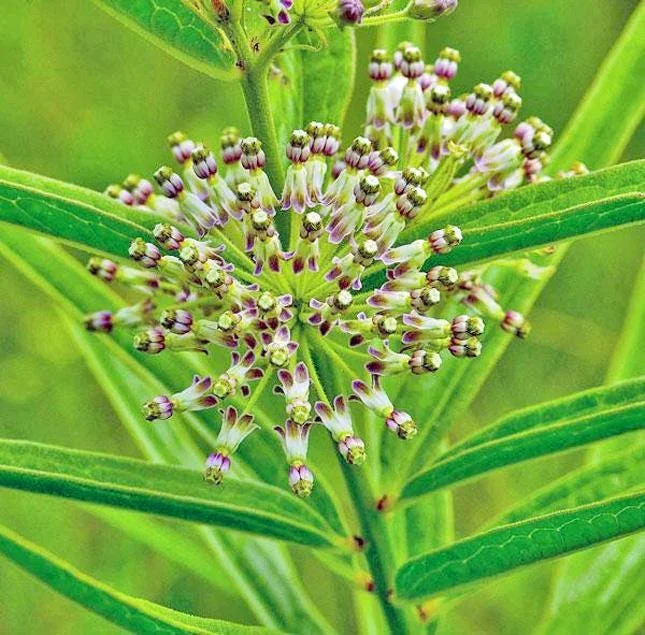
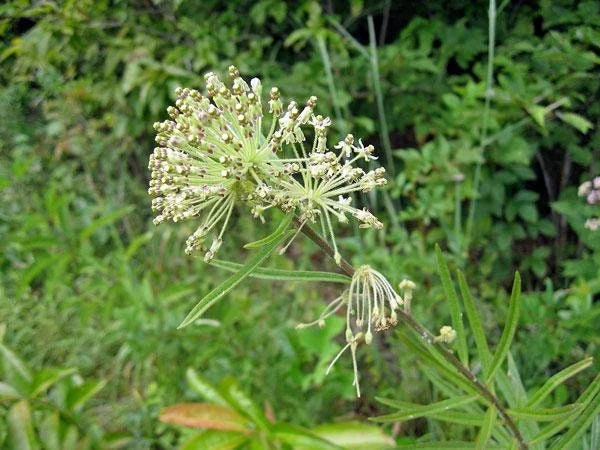
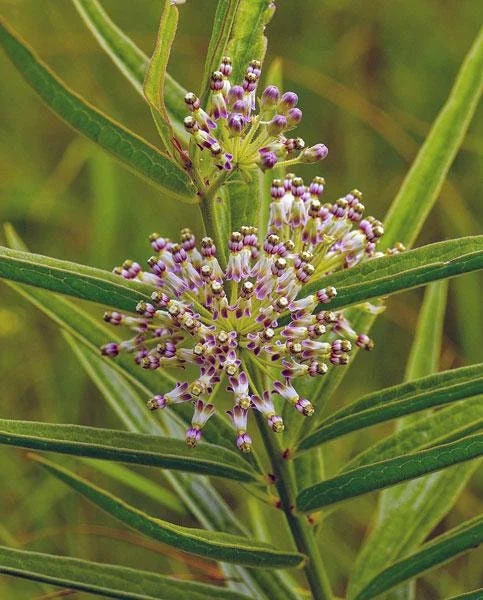
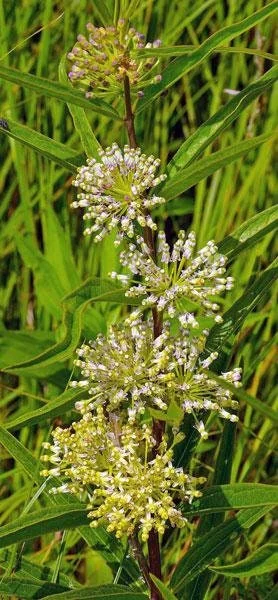
Cultivate the beautiful and beneficial Asclepias hirtella seeds, known as tall green milkweed or prairie milkweed seeds. These 10 seeds will grow into a vital perennial, supporting local ecosystems and pollinators. Ideal for garden beds, prairies, and naturalized areas, offering unique green-purple blooms.
Shipping and Return policies:
We stand behind our plants with our Alive & Thrive Guarantee. If you experience any issues within the first 30 days, please email us, and our team will be happy to help. When needed, we’ll send you a one-time replacement free of charge to make sure your garden keeps growing strong.

Reasonable Price
We offer reasonable price

Support 24/7
Contact us 24 hrs a day
100% Money Back
You’ve 30 days to Return
Payment Secure
100% secure payment
Overview
Discover the beauty and ecological importance of Asclepias hirtella seeds, also known as Tall Green Milkweed or Prairie Milkweed. This native perennial, part of the Apocynaceae family, is a crucial addition to any garden focused on supporting local wildlife, especially pollinators. Each packet contains 10 high-quality seeds, ready to be sown and cultivated into a thriving, vibrant plant. The tall green milkweed stands out with its unique green flowers, often subtly tinged with purple, providing a distinct aesthetic that differs from more common milkweed varieties. Native to the United States and Canada, particularly the Midwest and upper southern states, Asclepias hirtella is an adaptable and resilient species, perfect for creating a biodiverse habitat.
Growing up to 3 feet tall, these plants feature multiple stems, each capable of producing 30 to 100 delicate flowers. The blooming period stretches from mid-summer to early fall, offering a prolonged display of subtle color and a continuous food source for beneficial insects. Incorporating prairie milkweed seeds into your landscape not only enhances its natural beauty but also plays a vital role in conservation efforts, as this species is facing decline in its native habitats. By choosing to grow these seeds, you contribute to the preservation of a valuable native plant and its associated ecosystem.
Key Benefits
Planting Asclepias hirtella seeds offers a multitude of benefits, transforming your garden into a haven for nature and beauty. These seeds are a fantastic choice for gardeners looking to make a positive impact.
- Pollinator Magnet: As a type of milkweed for pollinators, Asclepias hirtella is essential for attracting and sustaining a variety of beneficial insects, including monarch butterflies, bees, and other native pollinators. Its nectar-rich flowers provide a vital food source throughout the summer and early fall.
- Native Ecosystem Support: By growing this native species, you help restore and support local biodiversity. Native plants are perfectly adapted to the regional climate and soil, requiring less intervention and contributing to a healthier ecological balance.
- Unique Ornamental Appeal: The distinctive green flowers, often with a faint purple hue, offer a subtle yet captivating beauty. Unlike more vibrant blooms, the tall green milkweed provides an understated elegance that complements various garden styles, from naturalized prairies to cottage gardens.
- Drought Tolerance: Once established, Asclepias hirtella is remarkably resilient, thriving in dry, sandy soils as well as wet conditions. This adaptability makes it a low-maintenance choice for various garden settings, especially in areas prone to drier spells.
- Easy to Grow from Seed: With straightforward germination requirements, these seeds are accessible for both novice and experienced gardeners. The detailed instructions provided make the process of growing prairie milkweed seeds rewarding and successful.
- Habitat Restoration: Contributing to the conservation of a declining native species, planting these seeds directly aids in habitat restoration and supports the long-term survival of local flora and fauna.
Plant Care & Growing Tips
Cultivating Asclepias hirtella seeds into robust plants is a rewarding experience, especially when following these comprehensive care guidelines. This native milkweed seeds variety is relatively low-maintenance once established, but proper initial care ensures strong growth and abundant blooms.
For successful germination, a period of cold stratification is essential. Mix your Asclepias hirtella seeds with moistened soil in a ziplock bag, label it, and refrigerate for 30 days. After stratification, sow the seeds into a well-drained, sandy compost. Cover the seeds to their own depth with sand or grit, ensuring good seed-to-soil contact. Place the seed tray in bright light and maintain consistent moisture. Germination typically occurs within 1-3 weeks. Once seedlings are sturdy enough, they can be transplanted to their permanent outdoor location.
Sunlight Requirements: Asclepias hirtella thrives in full sun, requiring at least 6-8 hours of direct sunlight daily to reach its full potential and produce abundant flowers. It is well-suited for open prairies, meadows, or sunny garden beds. Watering Schedule & Soil Preferences: This plant is adaptable to various soil conditions, tolerating both dry, sandy soils and wetter environments. However, excellent drainage is crucial to prevent root rot. Once established, it is fairly drought-tolerant, but consistent moisture during prolonged dry spells will promote healthier growth. Avoid overwatering, especially in heavier soils. Temperature Range & USDA Hardiness Zone: This species is hardy in USDA Zones 3-7, making it suitable for a wide range of temperate climates. It can withstand cold winters and hot summers within these zones. Fertilization: Generally, Asclepias hirtella does not require heavy fertilization. If your soil is very poor, a light application of a balanced, slow-release fertilizer in spring can be beneficial. Avoid excessive nitrogen, which can lead to lush foliage at the expense of flowers. Common Problems: While generally robust, watch out for common garden pests like aphids. A strong stream of water or insecticidal soap can manage infestations. Ensure good air circulation to prevent fungal issues, especially in humid environments.
Size & Details
The Asclepias hirtella, commonly known as tall green milkweed or prairie milkweed, is a striking perennial plant that adds significant ecological value to any outdoor space. Upon maturity, it typically reaches heights of up to 3 feet (approximately 90 cm), forming an upright, somewhat open clump with multiple stems. Each stem is capable of bearing a remarkable number of flowers, ranging from 30 to 100 individual blooms, creating a prolonged and impactful display.
This product consists of 10 seeds, carefully packaged to ensure viability. Seeds are the ideal way to introduce this native plant to your garden, allowing you to establish a patch of these valuable plants. The growth rate is moderate, with plants typically blooming in their second year from seed. They are best grown outdoors, thriving in conditions that mimic their native prairie habitats. Once established, these plants are remarkably self-sufficient, spreading gently by seed to form small colonies, further enhancing their contribution to the ecosystem. Expect blooms from mid-summer to early fall, providing a crucial late-season food source for pollinators.
Frequently Asked Questions
- Q: How big does this plant get? A: The tall green milkweed typically grows to a height of about 3 feet (approximately 90 cm) at maturity. It forms a clump with multiple stems, each producing numerous flowers.
- Q: Is this an indoor or outdoor plant? A: Asclepias hirtella is an outdoor plant that thrives in full sun conditions. It is best suited for garden beds, prairies, or naturalized areas where it can receive ample sunlight.
- Q: How much sunlight does it need? A: This plant requires full sun exposure, meaning at least 6-8 hours of direct sunlight per day, to ensure optimal growth and flowering.
- Q: Is this plant easy to care for? A: Yes, once established, prairie milkweed seeds grow into a relatively low-maintenance plant. It is adaptable to various soil conditions and is quite drought-tolerant, making it suitable for gardeners of all experience levels.
- Q: What condition will the seeds arrive in? A: The product includes 10 Asclepias hirtella seeds, packaged securely to maintain their viability and ensure they arrive in excellent condition, ready for stratification and planting.
- Q: How long until it blooms? A: Typically, plants grown from Asclepias hirtella seeds will begin to bloom in their second year after planting. The blooming season extends from mid-summer to early fall.
- Q: Will it survive winter in my zone? A: Yes, this plant is hardy in USDA Zones 3-7, meaning it is well-equipped to survive winter conditions within these specified hardiness zones.
- Q: What’s the best soil for growing these seeds? A: Prairie milkweed seeds prefer well-drained soil, including sandy or loamy types. It can also tolerate wetter conditions, but good drainage is always key to preventing root issues.
- Q: Why is it important to plant milkweed for pollinators? A: Planting milkweed, such as Asclepias hirtella, is crucial because it serves as the sole host plant for monarch butterfly caterpillars, providing them with essential food and habitat. It also provides nectar for many other pollinators.
- Q: Do I need to cold stratify these seeds? A: Yes, cold stratification is necessary for successful germination of Asclepias hirtella seeds. A period of 30 days in the refrigerator with moistened soil is recommended.
Be the first to review “Asclepias Hirtella Seeds – Tall Green Milkweed, Prairie Milkweed, 10 Seeds, Outdoor”
You must be logged in to post a review.
People also Viewed

Sold 50 products
Original price was: $109.95.$79.98Current price is: $79.98.
Sold 50 products
Original price was: $25.00.$17.50Current price is: $17.50.
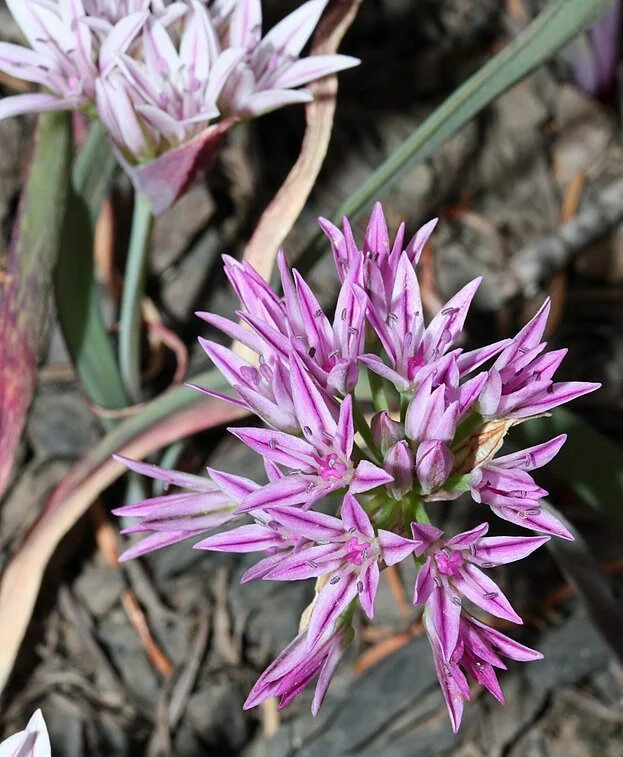
Flower Seeds
Olympic Onion Seeds – Allium crenulatum Flower Seeds – 10 Seed Pack – Outdoor Native Plant
Sold 50 products
Original price was: $25.00.$17.50Current price is: $17.50.
Sold 50 products
Original price was: $25.00.$17.50Current price is: $17.50.
Flower Seeds
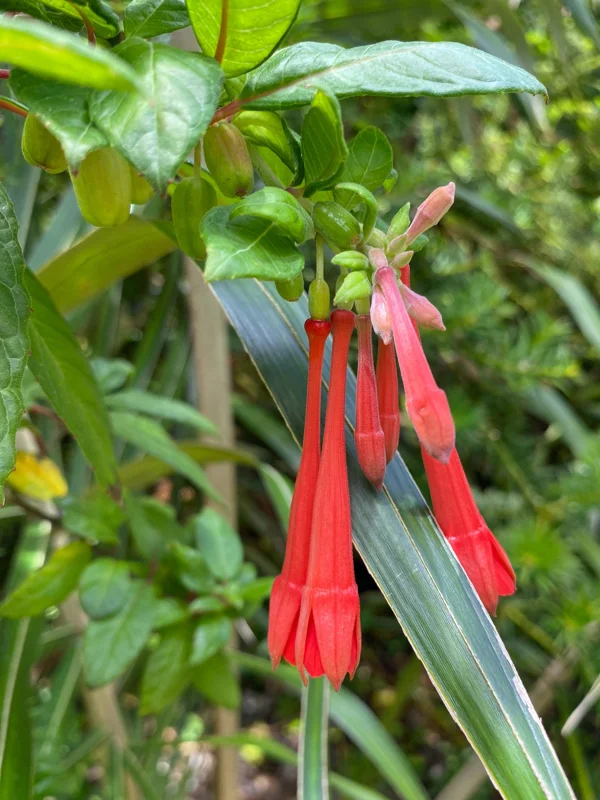
Fuchsia vulcanica Seeds – 20 Pack – Vibrant Orange Coral Flowers for Garden & Containers
Sold 50 products
Original price was: $25.00.$17.50Current price is: $17.50.
Sold 50 products
Original price was: $116.98.$95.68Current price is: $95.68.
Sold 50 products
Original price was: $21.00.$14.10Current price is: $14.10.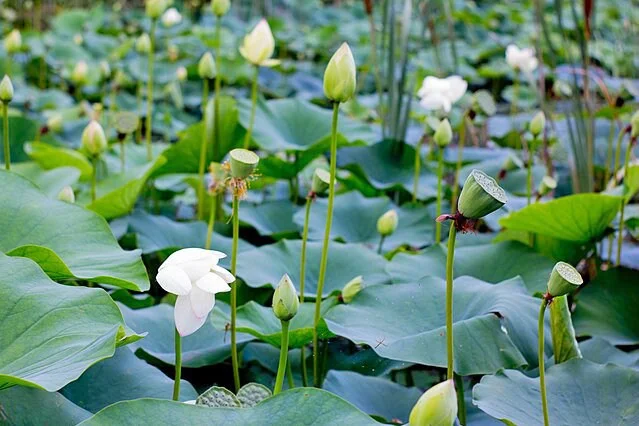
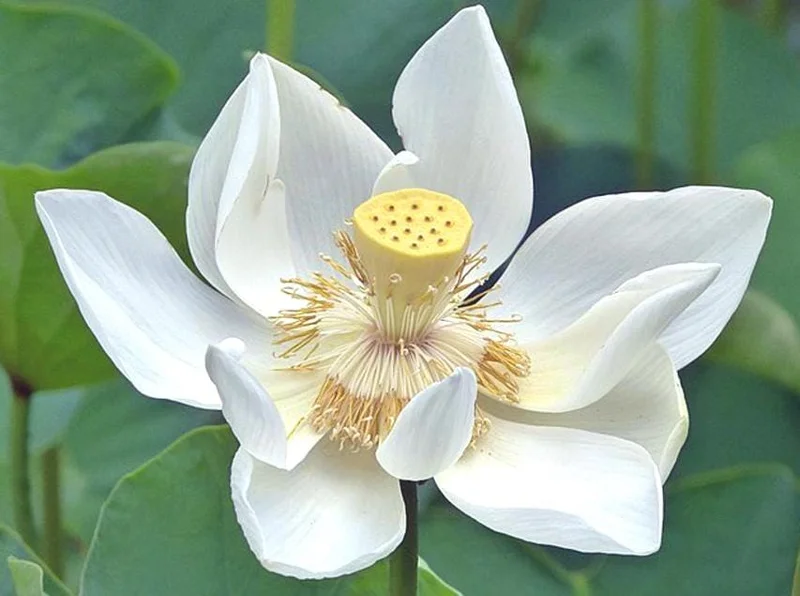
Aquatic Plant Seeds
White Lotus Seeds – Nelumbo Nucifera Aquatic Pond Plant – 5 Seeds for Water Garden
Sold 50 products
Original price was: $29.00.$20.90Current price is: $20.90.RELATED posts
Awapuhi Wild Ginger Plant: Zones, Care, and Propagation
Learn which USDA zones suit awapuhi wild ginger, plus sunlight, water, planting, propagation, pests, size, [...]
Awapuhi Shampoo Ginger – Care, Growing Zones, and Differences
Learn how to grow awapuhi (shampoo) ginger, its USDA zones, watering schedule, propagation tips, and [...]
Awapuhi Shampoo Plant Buying Guide – Choose the Right Zingiber zerumbet
META: Learn which awapuhi (shampoo ginger) plant or rhizome pack gives the best natural shampoo, [...]
Awapuhi Plant for Sale: Complete Buying Guide
Find the right awapuhi (shampoo ginger) plant, size, price, soil mix, and online source. Practical [...]
Shampoo Ginger Plant for Sale – Buying Guide & Tips
Find the right shampoo ginger plant, size, price, and care tips. Quick guide for U.S. [...]
Shampoo Ginger Plant (Awapuhi) Care Guide
Learn how to grow, care for, and use shampoo ginger (Zingiber zerumbet), the tropical awapuhi [...]
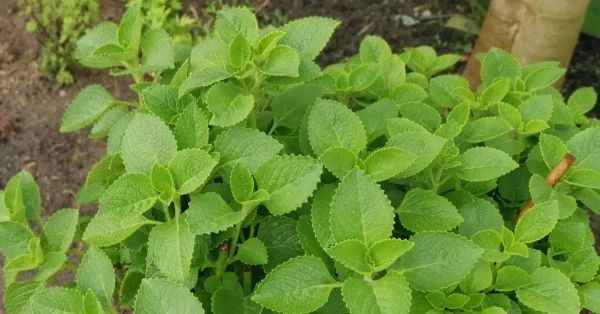
How to Grow Cuban Oregano Plants: A Complete Care Guide
If you’ve ever wanted a plant that combines the culinary punch of traditional oregano with [...]
Aug
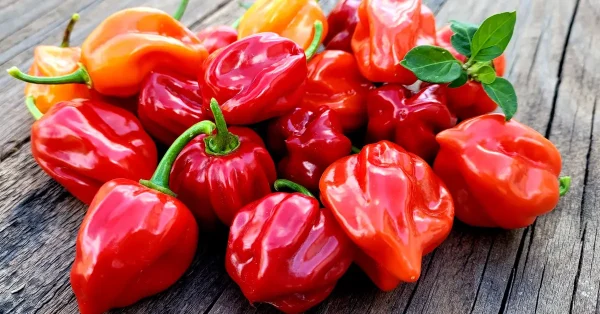
How to Grow Habanero Pepper Plants: A Step-by-Step Guide
Habanero pepper plants are prized for their vibrant colors, intense heat, and exceptional flavor, making [...]
Aug
Reviews
There are no reviews yet.