
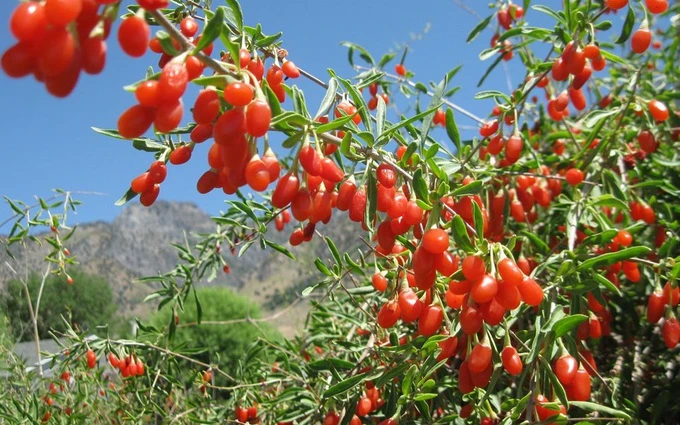
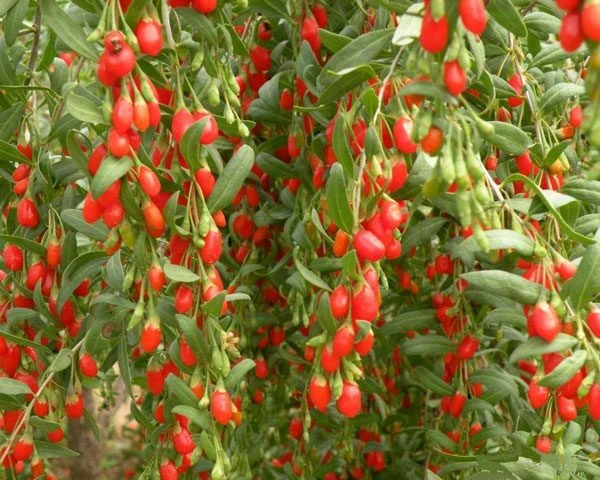
Goji Berry Live Plant – Half Gallon Pot – Edible Fruit Shrub
Original price was: $56.85.$41.35Current price is: $41.35.
Cultivate your own superfood with this healthy goji berry live plant, thriving in a half-gallon pot. Known for its delicious and nutritious berries, this resilient plant is perfect for home gardens, bringing both beauty and health benefits to your outdoor space.
Shipping and Return policies:
We stand behind our plants with our Alive & Thrive Guarantee. If you experience any issues within the first 30 days, please email us, and our team will be happy to help. When needed, we’ll send you a one-time replacement free of charge to make sure your garden keeps growing strong.

Reasonable Price
We offer reasonable price

Support 24/7
Contact us 24 hrs a day
100% Money Back
You’ve 30 days to Return
Payment Secure
100% secure payment
Overview
Discover the joy of growing your own nutrient-rich fruit with our vibrant goji berry live plant. This robust specimen arrives established in a half-gallon pot, ready to be transplanted into your garden or a larger container. Also known as wolfberry or its botanical name Lycium barbarum, the goji berry plant is celebrated worldwide for its bright red-orange fruits, which are packed with antioxidants, vitamins, and minerals. Originating from Asia, these resilient shrubs are surprisingly easy to care for and can thrive in a variety of climates, making them an excellent choice for both novice and experienced gardeners. Enjoy fresh, sweet, and slightly tangy berries right from your backyard, adding a unique superfood to your diet.
Our goji berry live plant is carefully nurtured to ensure it arrives healthy and strong, providing you with a head start on cultivating this exceptional fruit. It’s an ideal addition for anyone interested in edible landscaping, permaculture, or simply enjoying the benefits of homegrown produce. With proper care, this plant will reward you with abundant harvests of delicious berries, enhancing your culinary adventures and promoting a healthy lifestyle.
Key Benefits
The goji berry live plant offers a multitude of advantages, from its nutritional output to its ease of cultivation. Bringing this plant into your garden is an investment in both your health and your landscape’s beauty.
- Nutrient-Rich Superfood: Goji berries are renowned for their high concentration of antioxidants, vitamins (especially Vitamin C and A), and minerals. Growing your own ensures a fresh supply of these health-boosting fruits for smoothies, snacks, or cooking.
- Easy to Grow: This resilient shrub is surprisingly low-maintenance and can adapt to various soil types and climates once established. It’s an excellent choice for gardeners looking for a productive plant that doesn’t demand constant attention, making growing goji berries a rewarding experience.
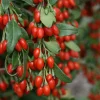
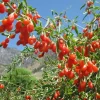
- Attractive Garden Addition: Beyond its fruit, the goji berry plant features delicate purple flowers in spring and summer, followed by its distinctive bright red berries, adding ornamental value to your garden or patio. It’s a beautiful way to incorporate an edible berry plant into your landscape design.
- Drought Tolerant: Once established, goji berry plants are quite drought-tolerant, making them suitable for water-wise gardening. This resilience contributes to the plant’s overall hardiness and ease of care.
- Versatile Use: Fresh goji berries can be enjoyed straight from the plant, dried for later use, or incorporated into a wide range of recipes, from desserts to savory dishes. The versatility of the fruit makes this plant a valuable asset.
- Long Harvest Season: Goji berry plants typically produce fruit from mid-summer through fall, providing an extended harvest period for fresh enjoyment.
- Supports Wildlife: The flowers attract pollinators, and the berries, if not harvested, can provide a food source for birds, contributing to local biodiversity.
Plant Care & Growing Tips
Caring for your goji berry live plant is straightforward, ensuring a bountiful harvest of delicious berries. These plants are quite adaptable but thrive best with specific conditions to maximize their growth and fruit production. When considering goji berry plant care, remember that they prefer a sunny location.
For sunlight, goji berry plants require at least 6-8 hours of full sun daily. While they can tolerate some partial shade, ample sunlight is crucial for optimal fruit development and flavor. Choose a site in your garden that receives direct sun for most of the day. As for watering, young plants need consistent moisture to establish their root system. Water deeply 2-3 times a week, especially during dry spells, ensuring the soil is moist but not waterlogged. Once established, they become more drought-tolerant, but regular watering during fruiting periods will enhance berry size and yield. Well-draining soil is paramount; sandy or loamy soils with a pH between 6.5 and 7.0 are ideal. Amend heavy clay soils with organic matter like compost or aged manure to improve drainage and fertility.
Goji berry plants are hardy and can withstand a wide range of temperatures. They are typically cold-hardy down to USDA zones 3-10, meaning they can tolerate winter temperatures well below freezing. In colder regions, some dieback may occur, but the plant usually regrows from the roots in spring. Fertilize your goji berry plant in early spring with a balanced slow-release granular fertilizer or a liquid feed rich in phosphorus to encourage flowering and fruiting. Avoid excessive nitrogen, which can promote leafy growth at the expense of berries. Pruning is essential for maintaining plant health and maximizing yield. In late winter or early spring, remove any dead, damaged, or weak branches. Thin out overcrowded areas to improve air circulation and sunlight penetration. You can also prune to shape the plant and control its size, especially if you’re growing lycium barbarum plant in a container. Watch out for common pests like aphids or spider mites, which can be treated with insecticidal soap. Fungal issues are rare but ensure good air circulation to prevent them.
Size & Details
This offering features a healthy goji berry live plant, carefully grown and shipped in a robust half-gallon pot. At the time of shipment, the plant typically stands approximately 8-12 inches tall, with a well-developed root system, ensuring a strong start in your garden. Goji berry plants are fast-growing shrubs that, when mature, can reach heights of 5-10 feet with a similar spread if left unpruned. They exhibit a sprawling, vine-like habit, which can be managed through regular pruning or by providing support like a trellis. Expect your plant to begin producing fruit within 1-2 years after planting, with yields increasing as the plant matures.
The plant will be shipped securely in its nursery pot with soil, minimizing transplant shock upon arrival. This established size allows for immediate planting in your desired location, whether it’s a sunny spot in your garden or a larger patio container. With its rapid growth rate and abundant fruiting potential, this edible berry plant will quickly become a productive and attractive feature of your landscape.
Frequently Asked Questions
- Q: How big does this goji berry plant get? A: This goji berry live plant ships in a half-gallon pot and is typically 8-12 inches tall. When mature, it can grow to 5-10 feet tall and wide if not pruned, exhibiting a sprawling, shrub-like form.
- Q: Is this an indoor or outdoor plant? A: Goji berry plants are primarily outdoor plants, thriving in full sun. While they can be grown in large containers on a patio, they prefer outdoor conditions for optimal growth and fruit production.
- Q: How much sunlight does it need? A: For the best fruit yield and health, your goji berry live plant requires at least 6-8 hours of direct sunlight per day. Choose a bright, sunny location in your garden.
- Q: Is this plant easy to care for? A: Yes, goji berry plants are considered relatively easy to care for, especially once established. They are drought-tolerant and adaptable, making growing goji berries a suitable project for gardeners of all experience levels.
- Q: What condition will it arrive in? A: Your goji berry plant will arrive healthy and well-rooted in its half-gallon nursery pot, ready for transplanting. We package carefully to ensure safe delivery.
- Q: When is the best time to plant a goji berry? A: The best time to plant your lycium barbarum plant is in spring or early summer after the last frost, allowing it ample time to establish before colder weather.
- Q: How long until it produces fruit? A: You can typically expect your goji berry plant to start producing fruit within 1-2 years after planting, with production increasing significantly in subsequent years.
- Q: Will it survive winter in my zone? A: Goji berry plants are very cold-hardy, generally thriving in USDA Zones 3-10. They can tolerate winter temperatures well below freezing, often returning from the roots even if top growth dies back.
- Q: Can I use goji berries in cooking? A: Absolutely! Fresh or dried goji berries are excellent for smoothies, cereals, baked goods, teas, and various savory dishes, making this an ideal edible berry plant for culinary uses.
- Q: What kind of soil does it prefer? A: Goji berry plants prefer well-draining soil, ideally sandy or loamy, with a neutral to slightly alkaline pH (6.5-7.0). Amend heavy soils with organic matter to improve drainage.
Be the first to review “Goji Berry Live Plant – Half Gallon Pot – Edible Fruit Shrub”
You must be logged in to post a review.
People also Viewed
Sold 50 products
$32.38
Sold 50 products
$27.38
Sold 50 products
$32.38
Sold 50 products
$19.88
Sold 50 products
$62.38
Sold 50 products
$24.88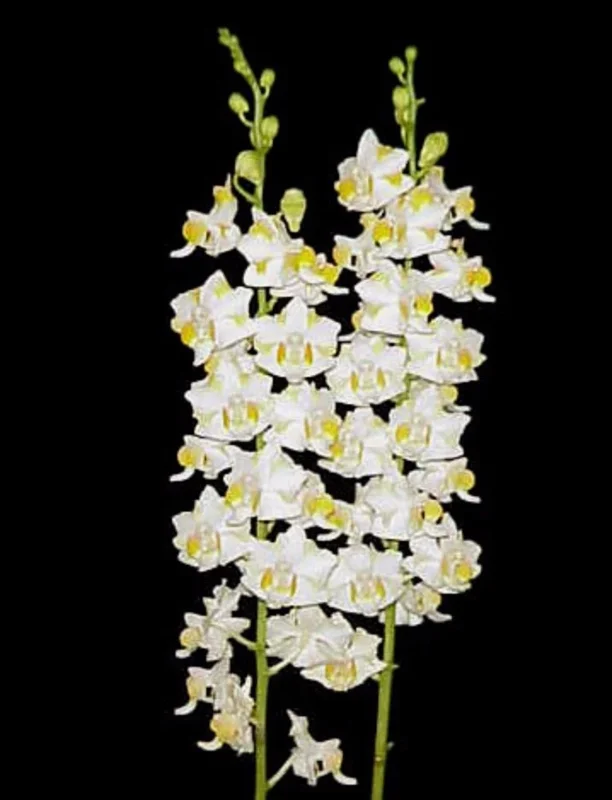
Houseplants
Phalaenopsis pulcherrima ‘Mauna Kea Snow’ Orchid Live Plant – White Flowers, Potted 2.5 in
Sold 50 products
$49.88
Sold 50 products
$49.88RELATED posts
Awapuhi Wild Ginger Plant: Zones, Care, and Propagation
Learn which USDA zones suit awapuhi wild ginger, plus sunlight, water, planting, propagation, pests, size, [...]
Awapuhi Shampoo Ginger – Care, Growing Zones, and Differences
Learn how to grow awapuhi (shampoo) ginger, its USDA zones, watering schedule, propagation tips, and [...]
Awapuhi Shampoo Plant Buying Guide – Choose the Right Zingiber zerumbet
META: Learn which awapuhi (shampoo ginger) plant or rhizome pack gives the best natural shampoo, [...]
Awapuhi Plant for Sale: Complete Buying Guide
Find the right awapuhi (shampoo ginger) plant, size, price, soil mix, and online source. Practical [...]
Shampoo Ginger Plant for Sale – Buying Guide & Tips
Find the right shampoo ginger plant, size, price, and care tips. Quick guide for U.S. [...]
Shampoo Ginger Plant (Awapuhi) Care Guide
Learn how to grow, care for, and use shampoo ginger (Zingiber zerumbet), the tropical awapuhi [...]
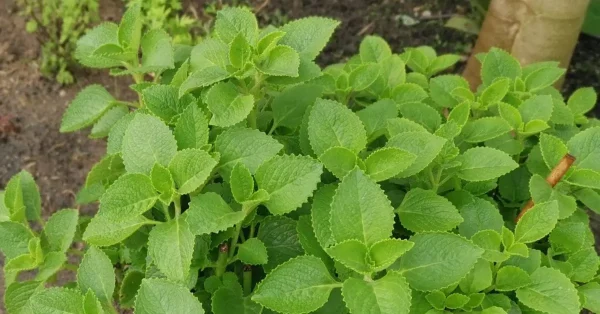
How to Grow Cuban Oregano Plants: A Complete Care Guide
If you’ve ever wanted a plant that combines the culinary punch of traditional oregano with [...]
Aug
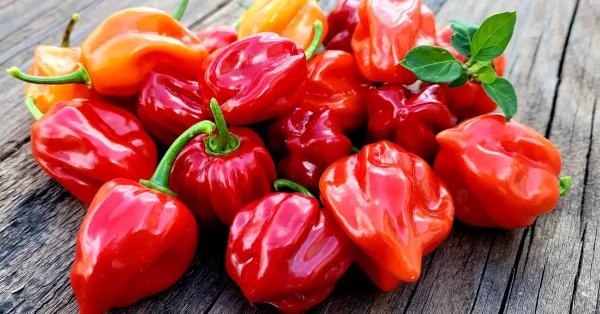
How to Grow Habanero Pepper Plants: A Step-by-Step Guide
Habanero pepper plants are prized for their vibrant colors, intense heat, and exceptional flavor, making [...]
Aug
Reviews
There are no reviews yet.