
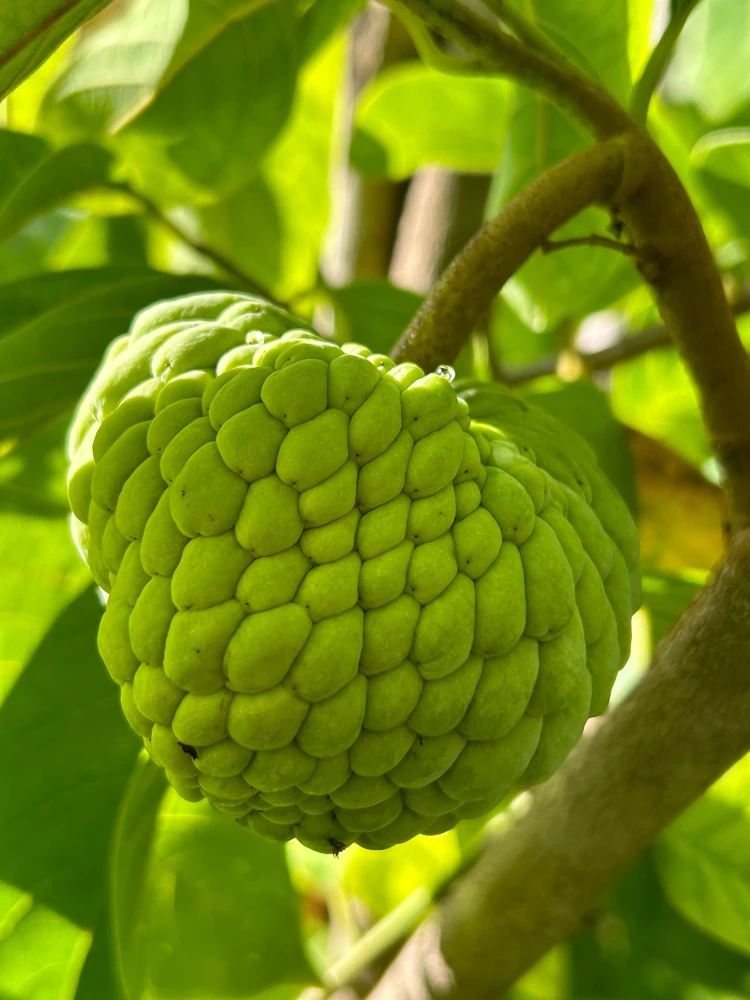
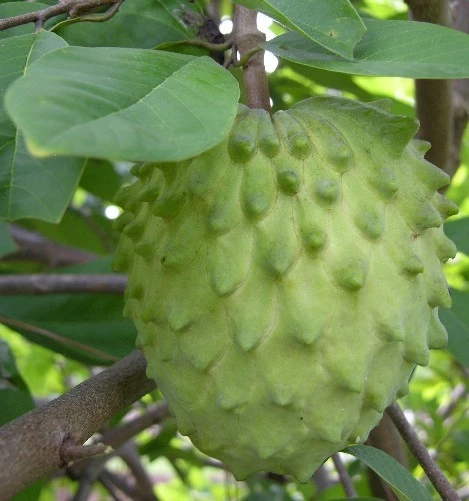
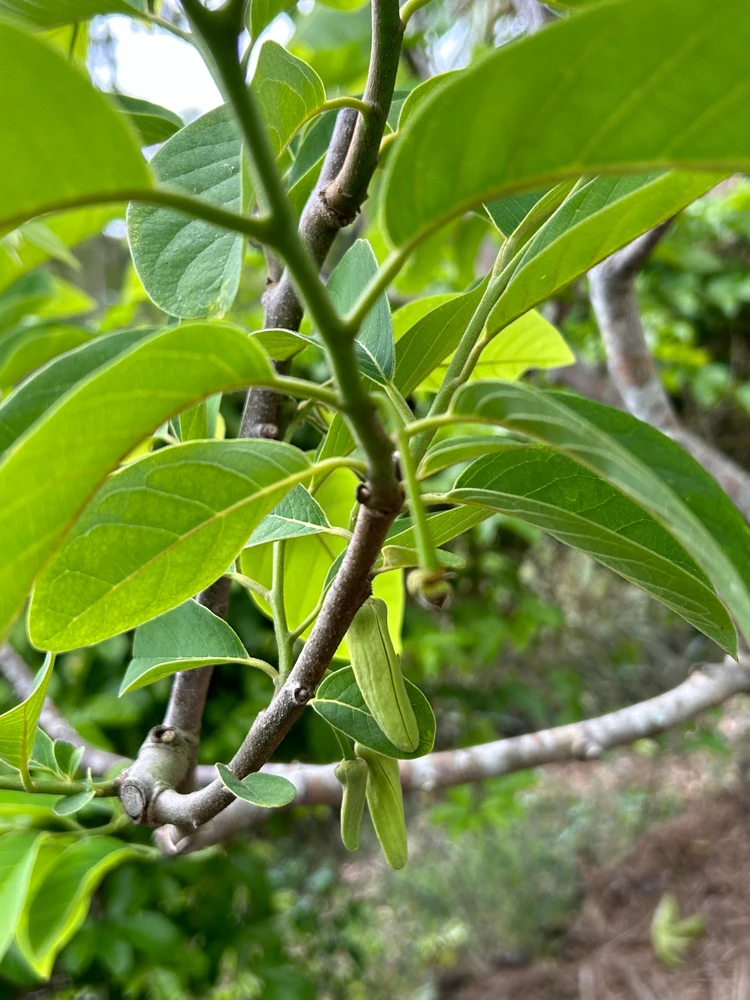
Atemoya Live Plant – Sugar Apple Tree – 16-20 Inch Tall – 1 Gallon Pot
Original price was: $84.45.$68.95Current price is: $68.95.
Bring the tropics to your home with a atemoya live plant. This 16-20 inch tall tree in a 1 gallon pot is ready for planting, offering the promise of sweet, custard-like fruit. Ideal for edible gardens or as a unique patio plant, this sugar apple tree is a delightful addition for fruit lovers.
Shipping and Return policies:
We stand behind our plants with our Alive & Thrive Guarantee. If you experience any issues within the first 30 days, please email us, and our team will be happy to help. When needed, we’ll send you a one-time replacement free of charge to make sure your garden keeps growing strong.

Reasonable Price
We offer reasonable price

Support 24/7
Contact us 24 hrs a day
100% Money Back
You’ve 30 days to Return
Payment Secure
100% secure payment
Overview
Discover the joy of growing your own exotic fruit with an atemoya live plant. This particular specimen stands proudly at 16-20 inches tall and comes in a 1 gallon nursery pot, making it a well-established young tree ready for transplanting into your garden or a larger container. Atemoya, a hybrid of cherimoya and sugar apple, is renowned for its unique, sweet, and custardy flesh, often described as a blend of pineapple, mango, and vanilla. It is a prized tropical fruit that can thrive in suitable climates or be grown as a container plant in cooler regions, allowing you to enjoy its delectable harvest.
Known botanically as Annona × cherimola × squamosa, the atemoya is a relatively fast-growing, semi-deciduous tree that can add a touch of the tropics to any setting. Its large, heart-shaped fruit with a bumpy green skin is not only delicious but also visually appealing. Cultivating an atemoya live plant offers a rewarding experience for gardeners of all levels, leading to a bounty of nutritious and flavorful fruit.
Key Benefits
Cultivating an atemoya live plant provides numerous advantages beyond just its delicious fruit. This tropical gem offers a unique blend of aesthetic appeal and practical benefits for your home or garden:
- Exotic Fruit Production: Enjoy the rare opportunity to harvest your own fresh, sweet, and creamy atemoya fruit. Its rich, custard-like flavor is a gourmet delight, perfect for eating fresh or adding to desserts.
- Ornamental Value: With its lush green foliage and unique fruit, the atemoya tree makes an attractive addition to any landscape or patio. It can be a beautiful focal point in a tropical-themed garden.
- Nutrient-Rich Harvest: Atemoya fruits are packed with vitamins C and B6, dietary fiber, and antioxidants, contributing to a healthy diet directly from your backyard.
- Unique Growing Experience: For those interested in tropical horticulture, growing an atemoya offers a fascinating challenge and a deep connection to nature. Learning about atemoya plant care can be a rewarding hobby.
- Potential for Indoor Cultivation: In cooler climates, this sugar apple tree can be successfully grown in large pots and brought indoors during colder months, extending its reach beyond traditional tropical zones.
- Conversation Starter: Owning and harvesting such an unusual and delicious fruit is sure to impress guests and spark interesting conversations about your gardening endeavors.
- Sustainable Food Source: Growing your own fruit reduces reliance on commercially shipped produce, offering a fresh, local, and environmentally friendly food option.
Plant Care & Growing Tips
Proper atemoya plant care is essential for a healthy tree and abundant fruit production. This tropical plant thrives in specific conditions, so understanding its needs is crucial. For optimal growth, plant your atemoya in a location that receives full sun, ideally 6-8 hours of direct sunlight per day. If growing indoors, place it near a south-facing window or use supplemental grow lights to ensure it gets enough light. Protection from strong winds is also beneficial, especially for young trees.
Watering should be consistent, especially during dry periods and when the tree is actively growing or fruiting. The soil should be kept consistently moist but never waterlogged. Allow the top inch or two of soil to dry out slightly between waterings. Good drainage is paramount; soggy roots can lead to root rot. Fertilize your atemoya live plant regularly during the growing season (spring through fall) with a balanced fertilizer, reducing frequency in winter. A slow-release granular fertilizer or a liquid feed applied every 2-4 weeks works well. Pruning should be done to maintain shape, encourage branching, and remove any dead or diseased wood. When considering growing atemoya indoors, ensure adequate humidity, which can be achieved with a pebble tray or humidifier.
Atemoyas prefer a warm climate and are sensitive to frost. They generally thrive in USDA zones 9-11. If you live in a colder zone, container growing is an excellent option, allowing you to move the plant indoors when temperatures drop below 40°F (4°C). Ensure your potting mix is well-draining and slightly acidic to neutral (pH 6.0-7.0). Watch out for common pests like mealybugs and scale, treating them with horticultural oil or insecticidal soap if spotted early. Understanding these key aspects of atemoya plant care will help your tree flourish.
Size & Details
This atemoya live plant is currently 16-20 inches tall, measured from the base of the pot to the tip of the highest leaf. It comes established in a 1 gallon nursery pot, providing a robust root system ready for transplanting. Atemoya trees are moderately fast growers, and with proper care, this young tree will continue to gain height and girth, eventually reaching a mature height of 15-20 feet in ideal outdoor conditions, though it can be kept smaller with regular pruning in containers. The fruit typically matures 3-5 months after flowering, usually during late summer to fall. Expect your plant to arrive securely packaged, with its root ball intact and soil moist, ready for its new home. This tropical fruit plant offers a great starting point for a home orchard.
Frequently Asked Questions
- Q: How big can this atemoya live plant get? A: In optimal outdoor conditions, an atemoya tree can reach 15-20 feet tall. When grown in a container, its size can be managed with pruning, typically staying around 6-10 feet tall, making it suitable for patios or indoor spaces.
- Q: Is this an indoor or outdoor plant? A: The atemoya thrives outdoors in USDA zones 9-11. In colder climates, it can be grown as a container plant and brought indoors during winter, making it a versatile tropical fruit plant for many regions.
- Q: How much sunlight does my atemoya need? A: Atemoya trees require full sun, meaning at least 6-8 hours of direct sunlight per day, for best growth and fruit production. Ensure it gets ample light, especially if you are growing atemoya indoors.
- Q: Is this plant easy to care for? A: Atemoya care is considered moderate. It needs consistent watering, good drainage, and protection from frost. With attention to its specific tropical requirements, it can be a very rewarding plant to grow.
- Q: What condition will my atemoya live plant arrive in? A: Your atemoya live plant will arrive carefully packaged to protect it during transit, with its roots moist and intact. It will be ready for immediate planting or repotting upon arrival.
- Q: When is the best time to plant an atemoya? A: The best time to plant an atemoya is in spring or early summer, after all danger of frost has passed, to give it ample time to establish before cooler weather.
- Q: What kind of soil does a sugar apple tree prefer? A: A sugar apple tree thrives in rich, well-draining soil with a slightly acidic to neutral pH (6.0-7.0). Amend heavy clay soils with organic matter to improve drainage and aeration.
- Q: How long until this atemoya plant produces fruit? A: Under ideal conditions, a young atemoya tree like this one can begin to produce fruit within 2-3 years, though it may take longer depending on its growing environment and care.
- Q: Will it survive winter in my zone? A: Atemoya is a tropical plant and is not frost-tolerant. It will survive winters outdoors only in USDA zones 9-11. For colder zones, it must be protected from freezing temperatures, usually by bringing it indoors.
- Q: What are the benefits of growing atemoya indoors? A: Growing atemoya indoors allows you to cultivate this tropical fruit in non-tropical climates, protect it from harsh weather, and enjoy its unique beauty and fruit even when outdoor conditions are unsuitable.
Be the first to review “Atemoya Live Plant – Sugar Apple Tree – 16-20 Inch Tall – 1 Gallon Pot”
You must be logged in to post a review.
People also Viewed
Sold 50 products
$32.38
Sold 50 products
$27.38
Sold 50 products
$32.38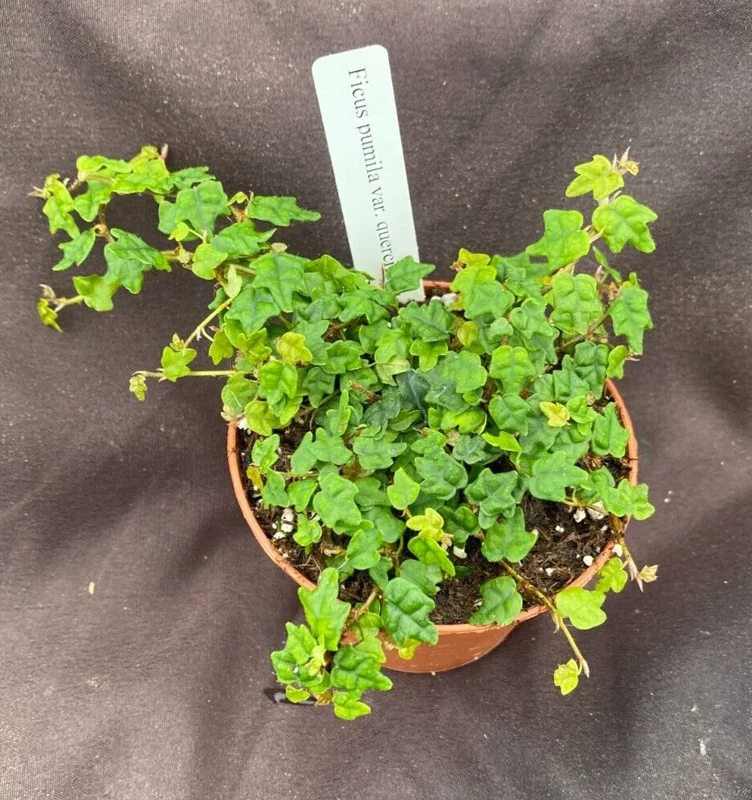
Sold 50 products
$19.88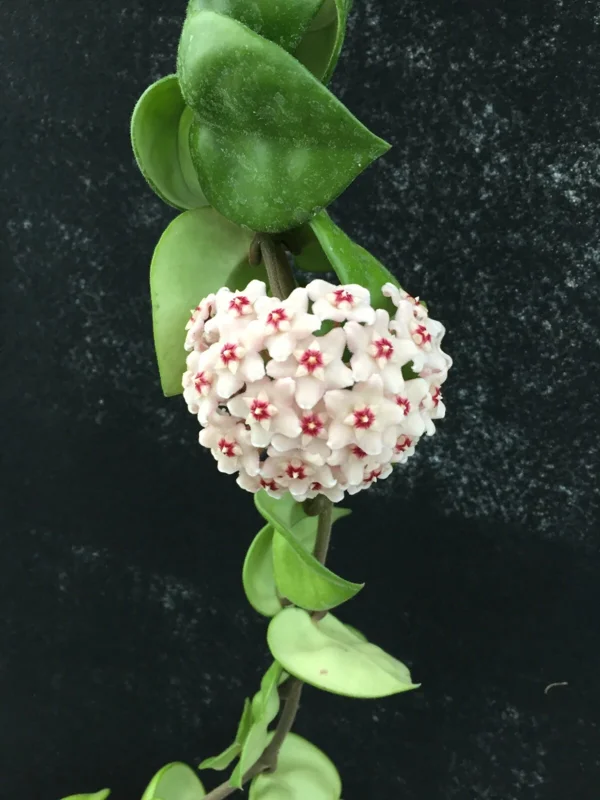
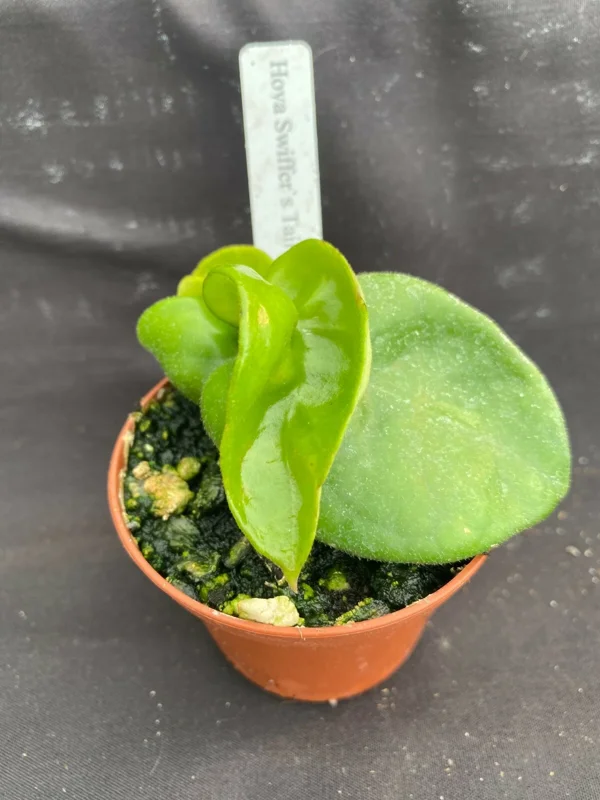
Sold 50 products
$62.38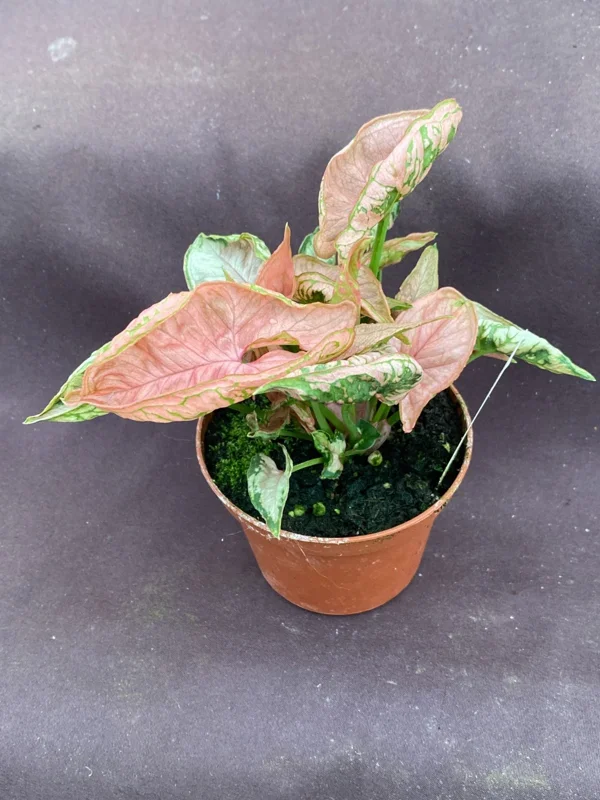
Sold 50 products
$24.88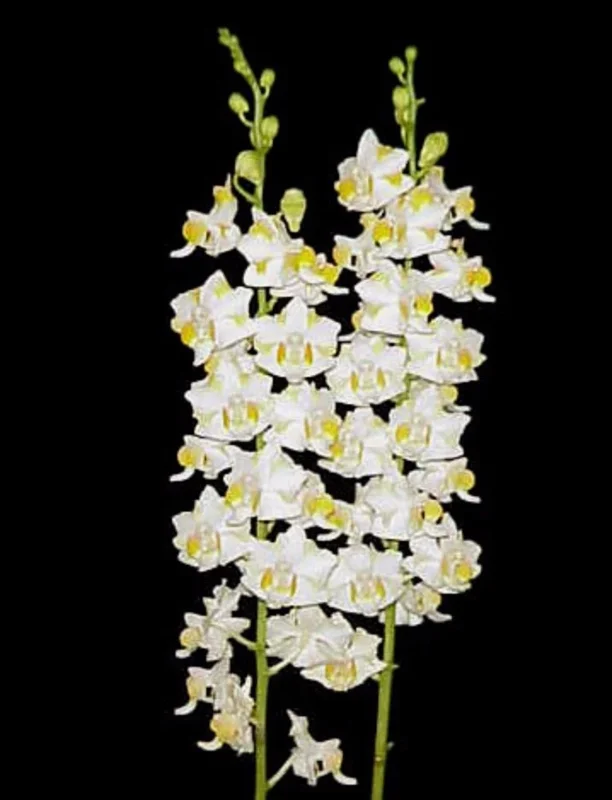
Houseplants
Phalaenopsis pulcherrima ‘Mauna Kea Snow’ Orchid Live Plant – White Flowers, Potted 2.5 in
Sold 50 products
$49.88
Sold 50 products
$49.88RELATED posts
Awapuhi Wild Ginger Plant: Zones, Care, and Propagation
Learn which USDA zones suit awapuhi wild ginger, plus sunlight, water, planting, propagation, pests, size, [...]
Awapuhi Shampoo Ginger – Care, Growing Zones, and Differences
Learn how to grow awapuhi (shampoo) ginger, its USDA zones, watering schedule, propagation tips, and [...]
Awapuhi Shampoo Plant Buying Guide – Choose the Right Zingiber zerumbet
META: Learn which awapuhi (shampoo ginger) plant or rhizome pack gives the best natural shampoo, [...]
Awapuhi Plant for Sale: Complete Buying Guide
Find the right awapuhi (shampoo ginger) plant, size, price, soil mix, and online source. Practical [...]
Shampoo Ginger Plant for Sale – Buying Guide & Tips
Find the right shampoo ginger plant, size, price, and care tips. Quick guide for U.S. [...]
Shampoo Ginger Plant (Awapuhi) Care Guide
Learn how to grow, care for, and use shampoo ginger (Zingiber zerumbet), the tropical awapuhi [...]
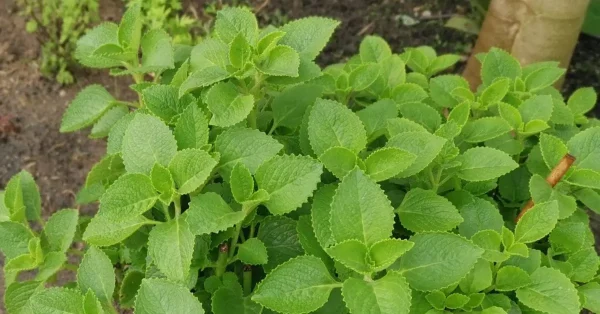
How to Grow Cuban Oregano Plants: A Complete Care Guide
If you’ve ever wanted a plant that combines the culinary punch of traditional oregano with [...]
Aug
How to Grow Habanero Pepper Plants: A Step-by-Step Guide
Habanero pepper plants are prized for their vibrant colors, intense heat, and exceptional flavor, making [...]
Aug
Reviews
There are no reviews yet.