
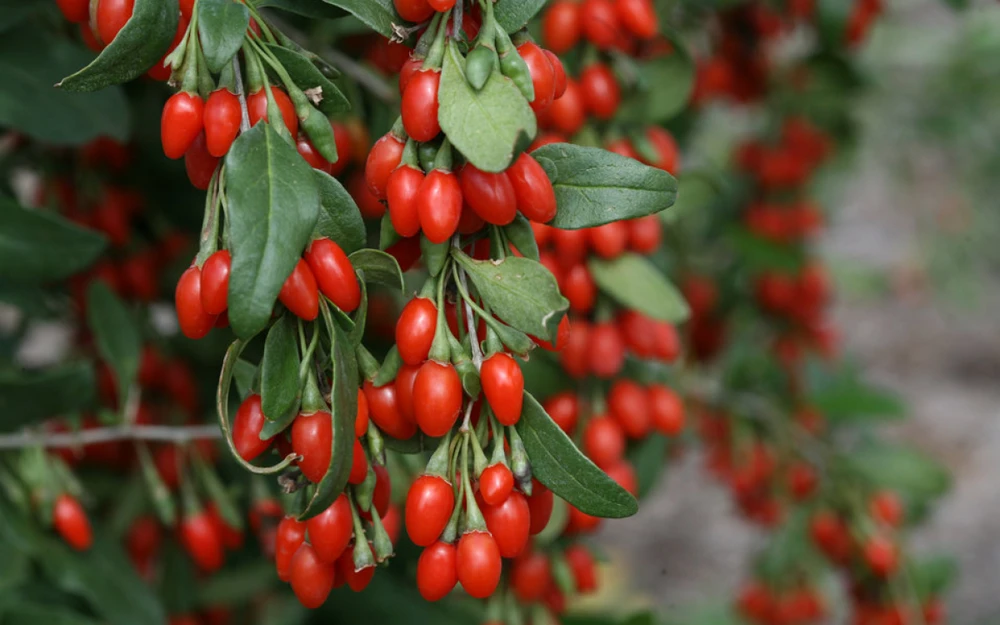
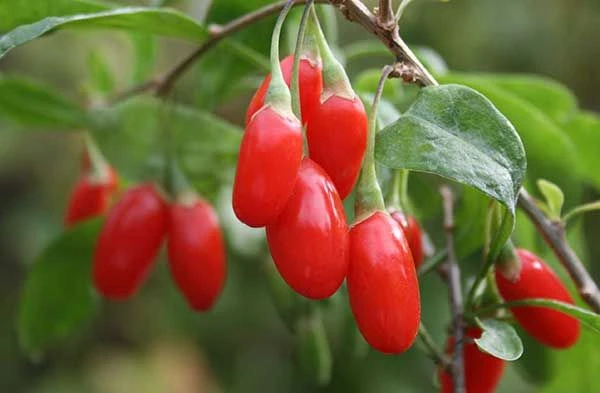
Goji Berry Live Plant – 4in Pot – Superfood Bush
Original price was: $38.45.$22.95Current price is: $22.95.
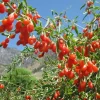
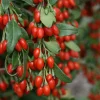
Cultivate your own nutrient-rich superfood with this goji berry live plant, delivered in a 4in pot. Known for its vibrant red berries, this hardy bush is perfect for edible landscaping and brings a wealth of health benefits directly to your garden. Enjoy fresh goji berry plant care and a bountiful harvest.
Shipping and Return policies:
We stand behind our plants with our Alive & Thrive Guarantee. If you experience any issues within the first 30 days, please email us, and our team will be happy to help. When needed, we’ll send you a one-time replacement free of charge to make sure your garden keeps growing strong.

Reasonable Price
We offer reasonable price

Support 24/7
Contact us 24 hrs a day
100% Money Back
You’ve 30 days to Return
Payment Secure
100% secure payment
Overview
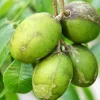
Introduce a powerful superfood to your garden with our vibrant goji berry live plant. This robust young shrub, scientifically known as Lycium barbarum, arrives ready to thrive in a 4-inch nursery pot. Often referred to as wolfberry, the goji berry is celebrated worldwide for its bright red, nutrient-dense fruits. Perfect for both experienced gardeners and enthusiastic beginners, this plant offers the unique satisfaction of growing your own healthy produce. The goji berry is not just a fruit producer; its attractive foliage and delicate flowers also make it a beautiful addition to any landscape, whether as a standalone specimen or integrated into an edible garden design. Imagine plucking fresh, antioxidant-rich berries right from your backyard, enhancing your diet with a natural source of vitamins and minerals. This resilient plant is known for its adaptability and ability to produce abundant harvests once established, making growing goji berries a rewarding endeavor.
Our goji berry live plant is carefully nurtured to ensure it arrives healthy and ready for successful transplanting. These plants are chosen for their vigor and potential to develop into productive fruiting bushes. Goji berries are deciduous shrubs that can reach a considerable size, providing a continuous supply of berries through the growing season. They are relatively low-maintenance once established, making them an excellent choice for sustainable gardening practices. Embrace the opportunity to cultivate this ancient superfruit and enjoy the numerous health benefits it provides, all while adding an interesting and productive element to your outdoor space.
Key Benefits
Adding a goji berry plant to your garden offers a multitude of advantages, from nutritional gains to aesthetic appeal. Here are some of the key benefits you can expect from your goji berry live plant:
- Nutrient-Rich Superfruit: Goji berries are renowned for their high antioxidant content, vitamins (especially C and A), and minerals. Growing your own ensures a fresh and organic supply of these health-boosting berries, contributing to a healthy lifestyle.
- Easy to Grow: Despite their exotic reputation, goji berry plants are surprisingly hardy and adaptable. They tolerate a range of soil conditions and are relatively drought-tolerant once established, making goji berry plant care straightforward for most gardeners.
- Attractive Landscape Addition: Beyond their fruit, these plants feature attractive green foliage and delicate purple flowers that add visual interest to your garden. They can be trained as a bush or a vine, offering versatility in landscape design.
- Long Fruiting Season: Goji berry bushes typically produce berries from mid-summer through fall, providing a prolonged harvest period. This means a steady supply of fresh berries for snacking, smoothies, or drying.
- Supports Pollinators: The small, trumpet-shaped flowers of the goji berry attract bees and other beneficial pollinators to your garden, contributing to local biodiversity and improving overall garden health.
- Pest and Disease Resistant: Goji berry plants are generally robust and exhibit good resistance to common pests and diseases, reducing the need for chemical interventions and promoting organic gardening.
- Perennial Production: Once planted, a superfruit plant like the goji berry will continue to produce fruit year after year, offering a sustainable and long-term source of healthy produce with minimal effort.
Plant Care & Growing Tips
Proper goji berry plant care ensures a healthy, productive bush. These resilient plants thrive with a few key considerations. For sunlight, goji berries prefer full sun, meaning at least 6-8 hours of direct sunlight per day. While they can tolerate some partial shade, abundant fruiting is best achieved in brighter conditions. Choose a location in your garden that receives ample sun throughout the day. When it comes to watering, young plants require consistent moisture to establish their root systems. Once mature, goji berry plants are quite drought-tolerant, but regular watering during dry spells and fruit development will promote better yields. Avoid overwatering, as this can lead to root rot; the soil should be allowed to dry out slightly between waterings.
Soil type is crucial for optimal growth. Goji berries prefer well-draining soil with a pH between 6.5 and 8.0. They are quite adaptable but perform best in sandy loams. Adding organic matter like compost can improve soil structure and fertility. For temperature, goji berries are remarkably cold-hardy, typically thriving in USDA zones 3-10. They can withstand winter temperatures well below freezing, making them suitable for a wide range of climates. In very hot climates, some afternoon shade can be beneficial to prevent stress. Fertilize your goji berry live plant in early spring with a balanced, slow-release fertilizer or compost. Avoid excessive nitrogen, which can promote leafy growth at the expense of fruit production.
Pruning is essential for maintaining plant health and maximizing fruit yield when growing goji berries. In late winter or early spring, remove any dead, damaged, or crossing branches. You can also prune to shape the bush and encourage new growth. Goji berries produce fruit on new wood, so light annual pruning helps stimulate fresh fruiting branches. Watch out for common issues like powdery mildew in humid conditions, which can be managed with good air circulation and appropriate fungicides if necessary. Pests are generally not a major problem, but occasional aphid or spider mite infestations can be treated with insecticidal soap. With these care tips, your wolfberry bush will flourish and provide delicious fruit for years.
Size & Details
This goji berry live plant is delivered in a 4-inch nursery pot, providing a well-rooted and established young plant ready for transplanting. At arrival, the plant typically stands between 6 to 12 inches tall, depending on seasonal growth. Goji berry plants are vigorous growers and can reach a mature height of 5 to 10 feet with a spread of 4 to 8 feet if left unpruned. They can also be trained as a spreading shrub or a vine, offering flexibility for various garden designs. The growth rate is moderate to fast, with plants often beginning to produce fruit within 1-2 years of planting, reaching full production in 3-5 years.
The plant will arrive carefully packaged to ensure its health and vitality during transit. It is shipped in its nursery pot with soil, minimizing transplant shock. Each plant is a healthy, actively growing specimen, ready to adapt to its new environment. The abundant red berries are typically ready for harvest from mid-summer through fall, offering a long season of fresh, nutritious fruit. This superfruit plant is a long-term investment in your health and garden.
Frequently Asked Questions
- Q: How big does this plant get? A: This goji berry live plant is shipped in a 4-inch pot. Mature plants can grow 5 to 10 feet tall and 4 to 8 feet wide, though they can be pruned to maintain a smaller size.
- Q: Is this an indoor or outdoor plant? A: Goji berry plants are primarily outdoor plants, thriving in full sun. They are cold-hardy and best suited for garden beds or large outdoor containers where they can receive ample light.
- Q: How much sunlight does it need? A: For optimal fruit production, the goji berry live plant requires at least 6-8 hours of direct sunlight per day. Full sun exposure is key to a bountiful harvest.
- Q: Is this plant easy to care for? A: Yes, goji berry plants are considered relatively easy to care for. They are hardy, drought-tolerant once established, and generally resistant to pests, making goji berry plant care manageable for most gardeners.
- Q: What condition will it arrive in? A: Your goji berry live plant will arrive well-rooted in its 4-inch nursery pot, carefully packaged to ensure its health and vitality during shipping. It will be a healthy, actively growing young plant.
- Q: Can I use goji berries in cooking? Is it pet-safe? A: Yes, goji berries are widely used in cooking, baking, smoothies, and teas. While the berries are safe and nutritious for humans, it’s generally best to keep all plants out of reach of pets, as some parts of the plant may cause mild stomach upset if ingested.
- Q: How long until it blooms and produces fruit? A: Your goji berry live plant may begin to flower and produce a small amount of fruit within 1-2 years of planting. Full production typically begins in 3-5 years.
- Q: What’s the minimum temperature this wolfberry bush can tolerate? A: Goji berry plants are very cold-hardy and can tolerate winter temperatures down to USDA Zone 3, which can be as low as -40°F (-40°C).
- Q: What type of soil is best for growing goji berries? A: Goji berries prefer well-draining soil with a pH between 6.5 and 8.0. They adapt well to sandy loams and benefit from added organic matter.
- Q: When is the best time to plant this superfruit plant? A: The best time to plant your goji berry live plant is in spring after the last frost, or in early fall in warmer climates, to allow it to establish before extreme temperatures.
Be the first to review “Goji Berry Live Plant – 4in Pot – Superfood Bush”
You must be logged in to post a review.
People also Viewed
Sold 50 products
$32.38
Sold 50 products
$27.38
Sold 50 products
$32.38
Sold 50 products
$19.88
Sold 50 products
$62.38
Sold 50 products
$24.88
Houseplants
Phalaenopsis pulcherrima ‘Mauna Kea Snow’ Orchid Live Plant – White Flowers, Potted 2.5 in
Sold 50 products
$49.88
Sold 50 products
$49.88RELATED posts
Awapuhi Wild Ginger Plant: Zones, Care, and Propagation
Learn which USDA zones suit awapuhi wild ginger, plus sunlight, water, planting, propagation, pests, size, [...]
Awapuhi Shampoo Ginger – Care, Growing Zones, and Differences
Learn how to grow awapuhi (shampoo) ginger, its USDA zones, watering schedule, propagation tips, and [...]
Awapuhi Shampoo Plant Buying Guide – Choose the Right Zingiber zerumbet
META: Learn which awapuhi (shampoo ginger) plant or rhizome pack gives the best natural shampoo, [...]
Awapuhi Plant for Sale: Complete Buying Guide
Find the right awapuhi (shampoo ginger) plant, size, price, soil mix, and online source. Practical [...]
Shampoo Ginger Plant for Sale – Buying Guide & Tips
Find the right shampoo ginger plant, size, price, and care tips. Quick guide for U.S. [...]
Shampoo Ginger Plant (Awapuhi) Care Guide
Learn how to grow, care for, and use shampoo ginger (Zingiber zerumbet), the tropical awapuhi [...]
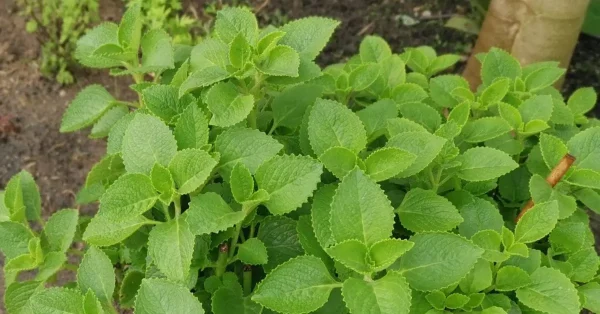
How to Grow Cuban Oregano Plants: A Complete Care Guide
If you’ve ever wanted a plant that combines the culinary punch of traditional oregano with [...]
Aug
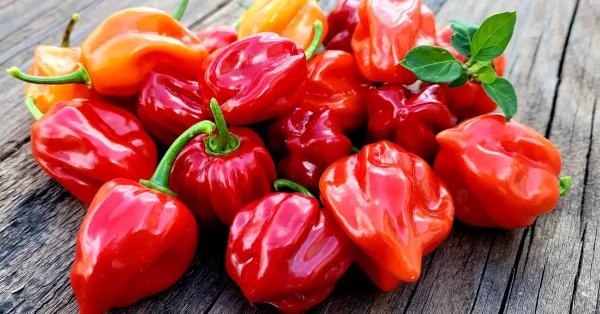
How to Grow Habanero Pepper Plants: A Step-by-Step Guide
Habanero pepper plants are prized for their vibrant colors, intense heat, and exceptional flavor, making [...]
Aug
Reviews
There are no reviews yet.