
Fuchsia procumbens Seeds – Creeping Trailing Fuchsia – 10 Seeds – Evergreen Ground Cover
Original price was: $25.00.$17.50Current price is: $17.50.
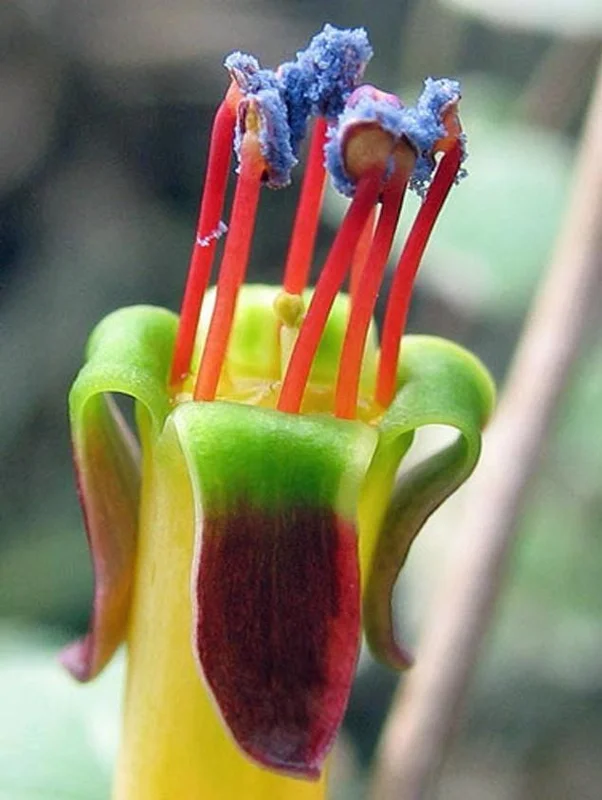
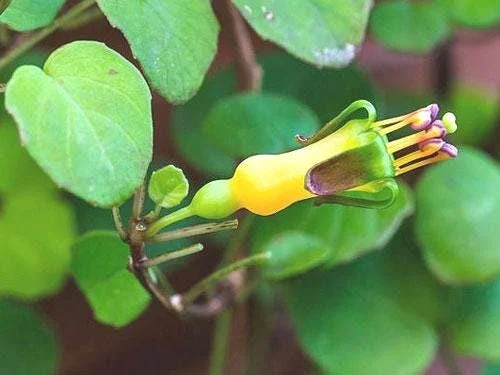
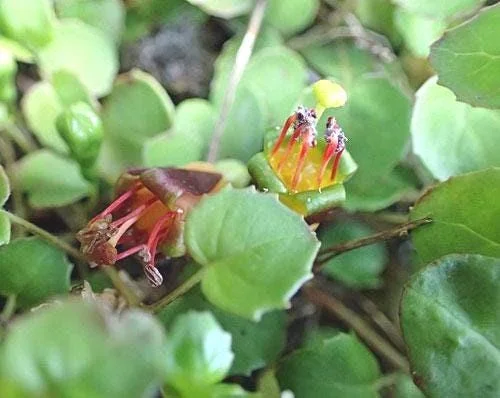
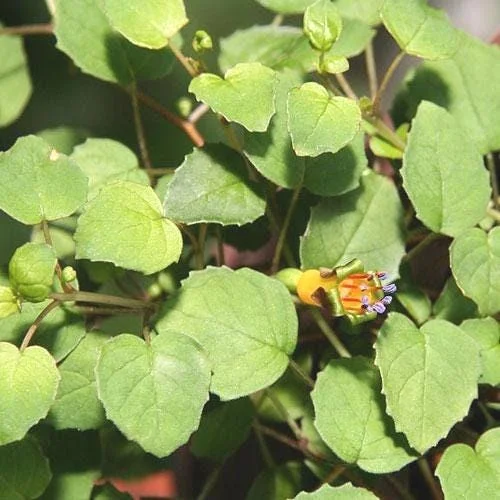
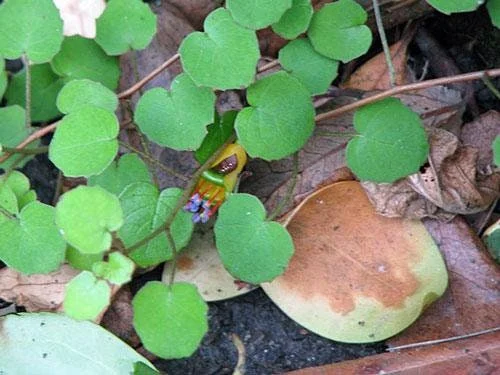
Cultivate the unique Fuchsia procumbens seeds, also known as creeping fuchsia seeds. This low-growing evergreen shrub features distinctive greenish-yellow flowers with red tips and blue pollen. Ideal for ground cover, rock gardens, or hanging baskets, attracting native birds and insects.
Shipping and Return policies:
We stand behind our plants with our Alive & Thrive Guarantee. If you experience any issues within the first 30 days, please email us, and our team will be happy to help. When needed, we’ll send you a one-time replacement free of charge to make sure your garden keeps growing strong.

Reasonable Price
We offer reasonable price

Support 24/7
Contact us 24 hrs a day
100% Money Back
You’ve 30 days to Return
Payment Secure
100% secure payment
Overview
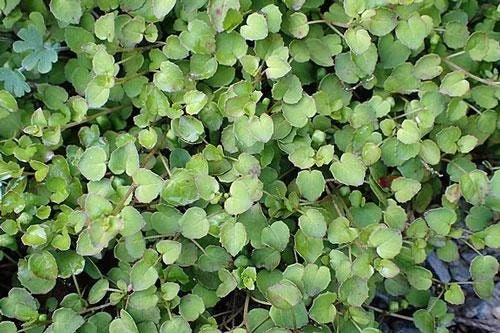
Embark on a rewarding gardening journey by cultivating Fuchsia procumbens seeds, commonly known as creeping fuchsia seeds or trailing fuchsia. This distinctive evergreen shrub, native to New Zealand, offers a unique aesthetic to any garden space. Unlike traditional fuchsias, Fuchsia procumbens is a low-growing plant, typically reaching a height of about 6-12 inches (15-30 centimeters). Its charm lies in its small, rounded leaves and pendulous, tubular flowers, which are an unusual greenish-yellow with striking red tips, often adorned with vibrant blue pollen. This species is highly valued for its unusual coloration and attractive appearance, making it a conversation starter in any collection.
Whether you’re looking to create lush ground cover, enhance a rock garden, or add a unique specimen to a hanging basket, these Fuchsia procumbens seeds provide an excellent opportunity. The plant’s ability to attract native birds and insects to the garden further enhances its appeal, contributing to local biodiversity. Growing this plant from seed allows for a deeper connection with nature and the satisfaction of nurturing a beautiful, unusual specimen from its very beginning. Its resilience and unique features make it a must-have for enthusiasts of botanical curiosities.
Key Benefits
Growing Fuchsia procumbens seeds offers numerous advantages for both novice and experienced gardeners, bringing unique beauty and ecological value to your outdoor spaces. This remarkable plant provides a range of benefits that enhance garden aesthetics and support local wildlife.
- Unique Ornamental Appeal: The greenish-yellow tubular flowers with red tips and blue pollen are truly distinct, offering an exotic touch that stands out from more common garden varieties.
- Excellent Ground Cover: Its low-growing, creeping habit makes it an ideal choice for covering bare patches, stabilizing slopes, or softening hard edges in rock gardens, providing a dense, evergreen carpet.
- Attracts Native Wildlife: The flowers of the creeping fuchsia seeds are a magnet for native birds and beneficial insects, contributing to the ecological health and vibrancy of your garden.
- Evergreen Foliage: Enjoy lush green foliage year-round, ensuring your garden maintains visual interest even during colder months, unlike deciduous plants.
- Versatile Landscaping Use: Beyond ground cover, it thrives in hanging baskets, containers, or cascading over walls, adding a touch of novelty and color to various outdoor settings.
- Drought Tolerance (Once Established): While it prefers consistent moisture, mature plants show good resilience to drier periods, making it a relatively low-maintenance option for certain climates.
- Compact Growth Habit: Its modest size ensures it won’t overwhelm smaller garden spaces, making it suitable for urban gardens or areas where space is limited.
Plant Care & Growing Tips
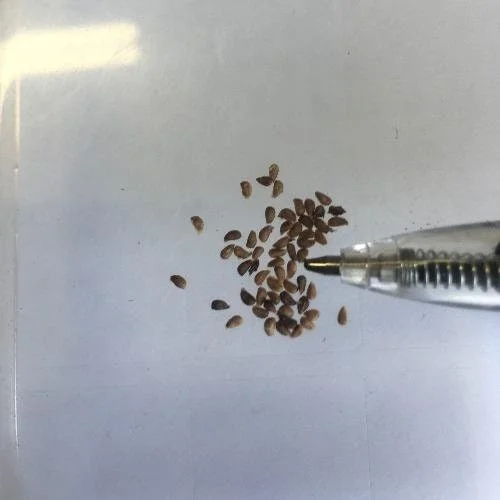
Successfully germinating and growing Fuchsia procumbens seeds requires attention to specific conditions, but the effort is well worth the unique beauty this plant brings. Begin by preparing the seeds; scarification is highly recommended due to their hard coat. Gently rub the seeds with fine-grit sandpaper or soak them in warm water for a few hours to help break dormancy. After scarification, sow the trailing fuchsia seeds in a high-quality, well-draining seed-starting mix. Cover them lightly with soil, ensuring good seed-to-soil contact.
Maintain consistent moisture in the seed-starting mix, but avoid waterlogging, which can lead to damping off. A warm environment is crucial for germination, with ideal temperatures ranging from 70-75°F (21-24°C). Using a heat mat can significantly improve germination rates and speed. Germination can be a slow process, sometimes taking several weeks to months, so patience is key. Once seedlings have developed their first true leaves, carefully transplant them into individual pots, allowing them more space to grow. Gradually acclimate the young plants to outdoor conditions by exposing them to increasing periods of sunlight and outdoor temperatures over a week or two, a process known as hardening off. This transition helps them withstand the rigors of the outdoor environment. The ideal USDA hardiness zone for this plant is 9-11.
For established plants, Fuchsia procumbens thrives in well-draining soil and prefers partial to full sunlight. In hotter climates, partial shade during the hottest part of the day will prevent leaf scorch. Water regularly to keep the soil consistently moist, especially during dry spells, but allow the top inch of soil to dry out between waterings to prevent root rot. Fertilize sparingly with a balanced liquid fertilizer during the growing season. This fuchsia species is generally robust, but watch out for common garden pests like aphids or whiteflies, which can be managed with organic pest control methods if necessary. With proper care, your New Zealand fuchsia will flourish, providing year-round interest.
Size & Details
These Fuchsia procumbens seeds will grow into a charming, low-growing evergreen shrub, typically reaching a height of about 6-12 inches (15-30 centimeters) and spreading to a similar width, creating a dense mat of foliage. The plant’s growth rate is moderate, establishing itself well over the first year. It is shipped as a packet of 10 seeds, ready for you to begin the germination process. With optimal conditions, you can expect to see initial growth within several weeks to a few months after sowing, with mature flowering typically occurring in the second year from seed. The unique greenish-yellow flowers with red tips are relatively small but appear in abundance, offering continuous bloom throughout the warmer months.
Ideal for various landscape applications, this plant is perfect for those seeking a distinctive ground cover or a trailing specimen for containers. Its compact size makes it suitable for smaller gardens or rockeries where space might be limited. The seeds provide an economical and rewarding way to introduce this fascinating ground cover seeds into your garden, allowing you to propagate multiple plants and enjoy its beauty across different areas of your landscape. The resulting plants are hardy in USDA zones 9-11, making them a perennial choice in suitable climates.
Frequently Asked Questions
- Q: How big does this plant get from these seeds? A: Fuchsia procumbens typically grows to a height of about 6-12 inches (15-30 centimeters) and spreads similarly, forming a low, creeping mat. Its compact size makes it ideal for various garden applications without becoming overgrown.
- Q: Is this an indoor or outdoor plant? A: This plant is primarily an outdoor plant, thriving in garden settings as ground cover or in rock gardens. In colder climates (below USDA Zone 9), it can be grown in containers and brought indoors during winter or treated as an annual.
- Q: How much sunlight does it need? A: Creeping fuchsia seeds prefer partial to full sunlight. In regions with intense summer heat, providing some afternoon shade will protect the foliage from scorching and ensure healthier growth.
- Q: Is this plant easy to care for? A: While germinating the seeds requires some specific steps like scarification and consistent warmth, the established plants are relatively low-maintenance. They thrive with well-draining soil and regular watering.
- Q: What condition will the seeds arrive in? A: You will receive a packet containing 10 seeds of Fuchsia procumbens, ready for planting. They will be carefully packaged to ensure their viability upon arrival.
- Q: How long until it blooms from seed? A: Germination can take several weeks to a few months. Typically, Fuchsia procumbens plants grown from seed will begin to bloom in their second year, once they are well-established.
- Q: What’s the minimum temperature this plant can tolerate? A: This plant is hardy in USDA Zones 9-11, meaning it can tolerate temperatures down to about 20-30°F (-6 to -1°C) in winter. In colder zones, protection or indoor overwintering is necessary.
- Q: Can I grow these in a hanging basket? A: Yes, the trailing nature of Fuchsia procumbens makes it an excellent choice for hanging baskets, where its unique flowers can cascade beautifully over the edges.
- Q: What type of soil is best for these seeds? A: A well-draining seed-starting mix is essential for germination. For established plants, a general well-draining garden soil enriched with organic matter is suitable.
- Q: Does this plant attract pollinators? A: Yes, Fuchsia procumbens is known to attract native birds and various beneficial insects, contributing to the biodiversity and health of your garden ecosystem.
Be the first to review “Fuchsia procumbens Seeds – Creeping Trailing Fuchsia – 10 Seeds – Evergreen Ground Cover”
You must be logged in to post a review.
People also Viewed
Sold 50 products
Original price was: $109.95.$79.98Current price is: $79.98.
Sold 50 products
Original price was: $25.00.$17.50Current price is: $17.50.
Flower Seeds
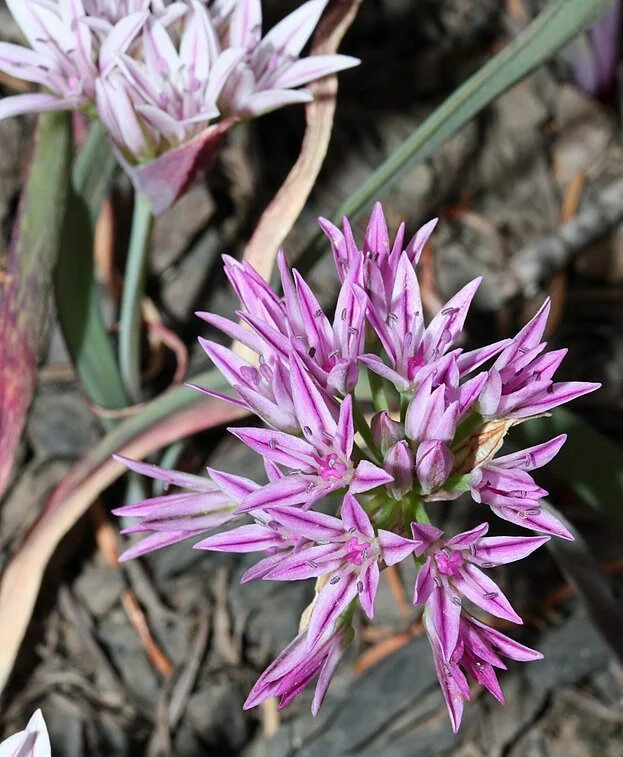
Olympic Onion Seeds – Allium crenulatum Flower Seeds – 10 Seed Pack – Outdoor Native Plant
Sold 50 products
Original price was: $25.00.$17.50Current price is: $17.50.
Sold 50 products
Original price was: $25.00.$17.50Current price is: $17.50.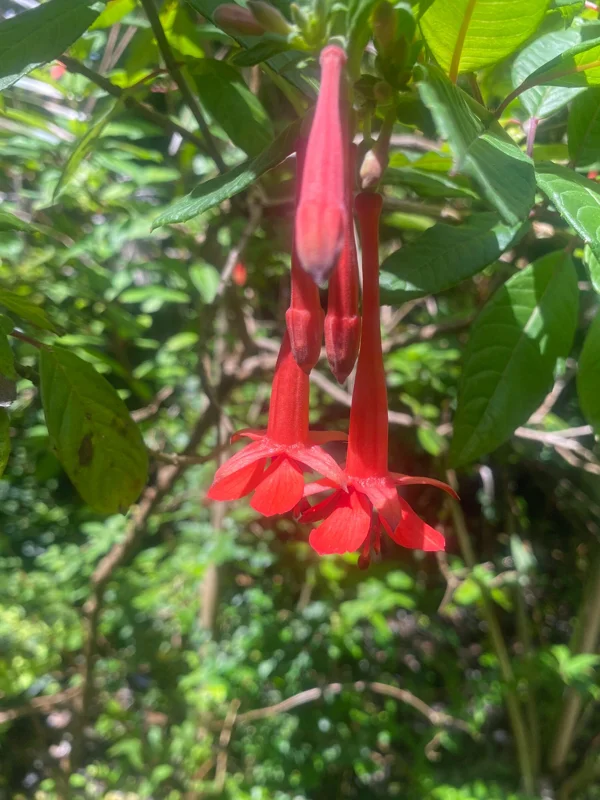
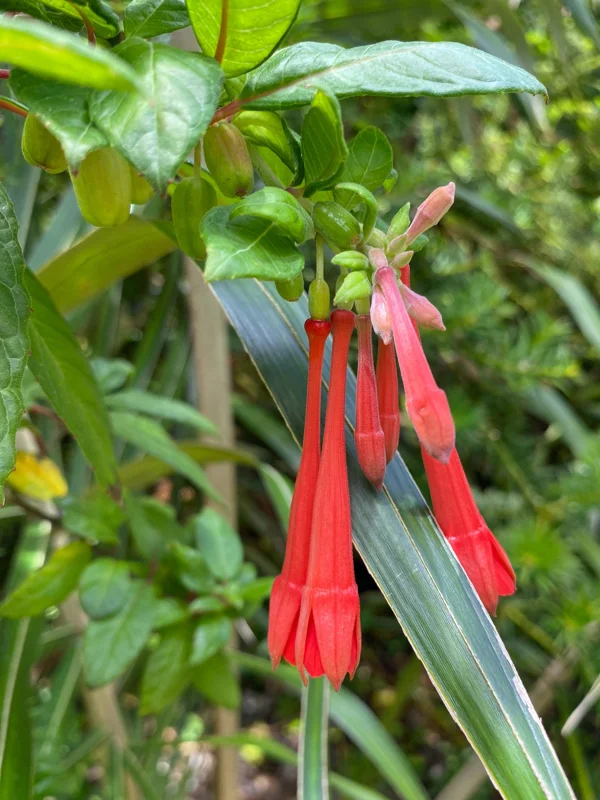
Flower Seeds
Fuchsia vulcanica Seeds – 20 Pack – Vibrant Orange Coral Flowers for Garden & Containers
Sold 50 products
Original price was: $25.00.$17.50Current price is: $17.50.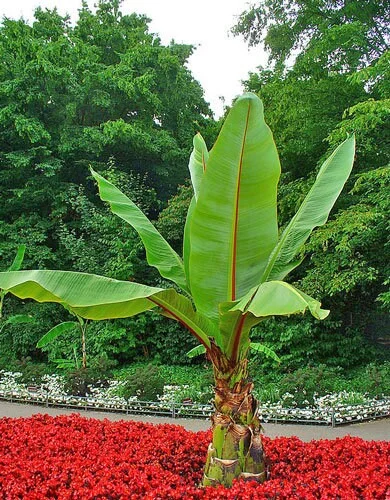
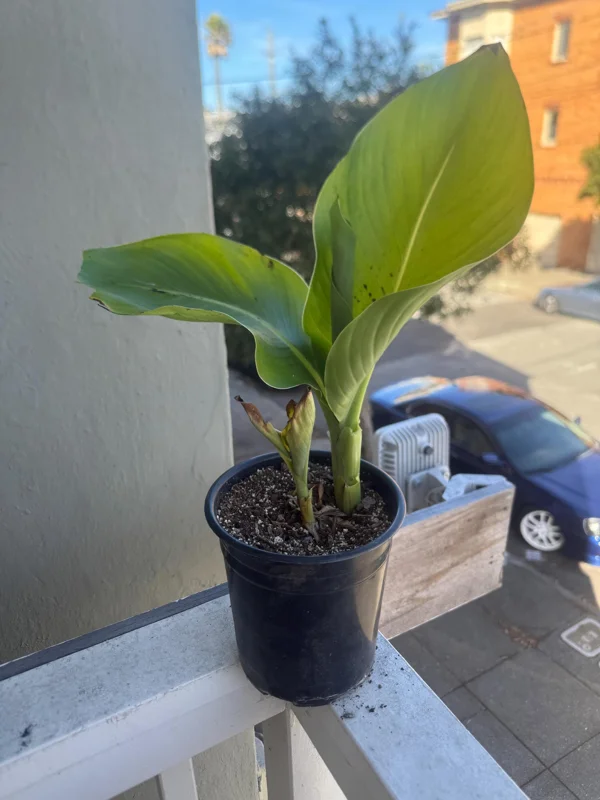
Sold 50 products
Original price was: $116.98.$95.68Current price is: $95.68.
Sold 50 products
Original price was: $21.00.$14.10Current price is: $14.10.
Aquatic Plant Seeds
White Lotus Seeds – Nelumbo Nucifera Aquatic Pond Plant – 5 Seeds for Water Garden
Sold 50 products
Original price was: $29.00.$20.90Current price is: $20.90.RELATED posts
Awapuhi Wild Ginger Plant: Zones, Care, and Propagation
Learn which USDA zones suit awapuhi wild ginger, plus sunlight, water, planting, propagation, pests, size, [...]
Awapuhi Shampoo Ginger – Care, Growing Zones, and Differences
Learn how to grow awapuhi (shampoo) ginger, its USDA zones, watering schedule, propagation tips, and [...]
Awapuhi Shampoo Plant Buying Guide – Choose the Right Zingiber zerumbet
META: Learn which awapuhi (shampoo ginger) plant or rhizome pack gives the best natural shampoo, [...]
Awapuhi Plant for Sale: Complete Buying Guide
Find the right awapuhi (shampoo ginger) plant, size, price, soil mix, and online source. Practical [...]
Shampoo Ginger Plant for Sale – Buying Guide & Tips
Find the right shampoo ginger plant, size, price, and care tips. Quick guide for U.S. [...]
Shampoo Ginger Plant (Awapuhi) Care Guide
Learn how to grow, care for, and use shampoo ginger (Zingiber zerumbet), the tropical awapuhi [...]
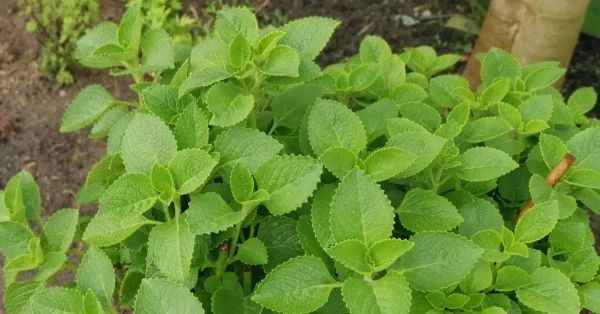
How to Grow Cuban Oregano Plants: A Complete Care Guide
If you’ve ever wanted a plant that combines the culinary punch of traditional oregano with [...]
Aug
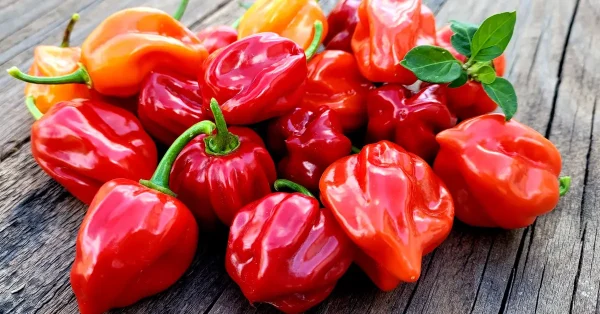
How to Grow Habanero Pepper Plants: A Step-by-Step Guide
Habanero pepper plants are prized for their vibrant colors, intense heat, and exceptional flavor, making [...]
Aug

Reviews
There are no reviews yet.