
Fringed Sagewort Seeds – Artemisia frigida – 1000 Seed Pack for Outdoor Gardens
Original price was: $21.00.$14.10Current price is: $14.10.
Cultivate the resilient Fringed Sagewort seeds (Artemisia frigida) in your garden. This 1000 seed pack offers an aromatic, silvery perennial ideal for drought-tolerant landscapes and native plant habitats. Perfect for zones 3-10, adding unique texture and beauty.
Shipping and Return policies:
We stand behind our plants with our Alive & Thrive Guarantee. If you experience any issues within the first 30 days, please email us, and our team will be happy to help. When needed, we’ll send you a one-time replacement free of charge to make sure your garden keeps growing strong.

Reasonable Price
We offer reasonable price

Support 24/7
Contact us 24 hrs a day
100% Money Back
You’ve 30 days to Return
Payment Secure
100% secure payment
Overview
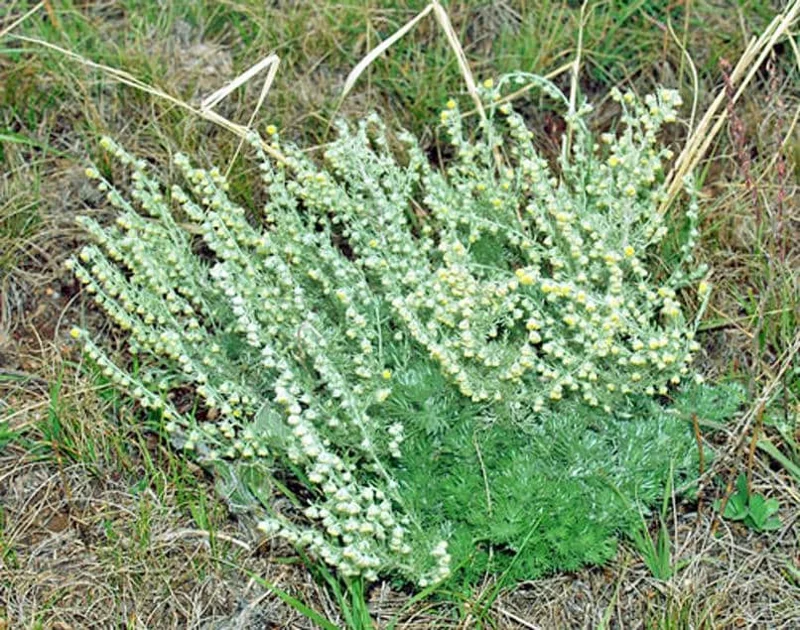
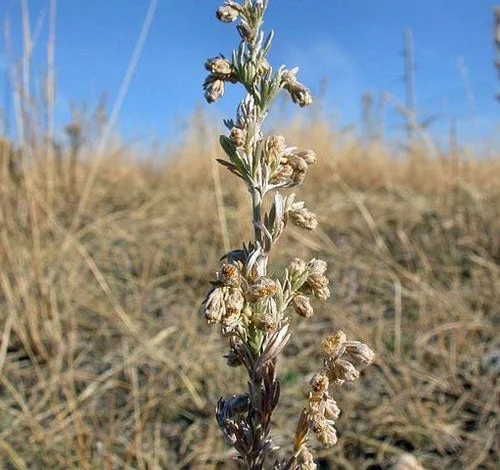
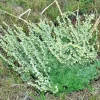
Discover the beauty and resilience of Fringed Sagewort seeds, offering a unique addition to any garden. This generous 1000 seed pack of Artemisia frigida allows you to cultivate a stunning, aromatic perennial known for its distinctive silvery foliage and drought tolerance. Also recognized by common names such as Pasture Sage, Prairie Sage, and arctic sage, this plant is a favorite among gardeners seeking low-maintenance yet visually appealing options. Native to a wide range spanning Eastern Europe, Asia, and North America, Artemisia frigida seeds are an excellent choice for creating naturalized areas, rock gardens, or borders that thrive in challenging conditions.
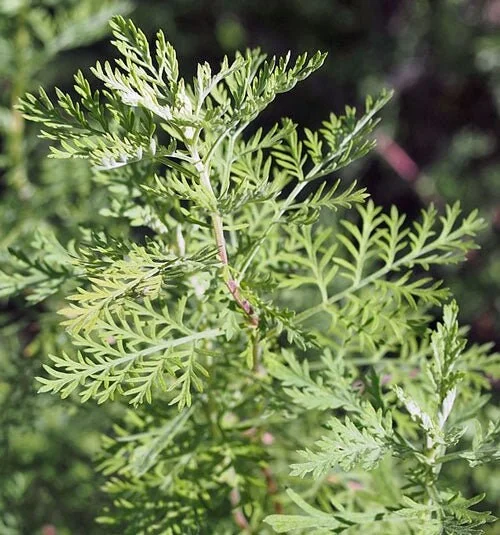
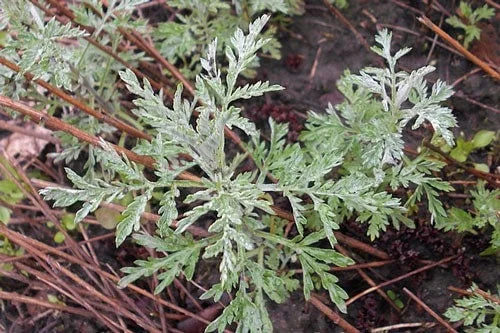
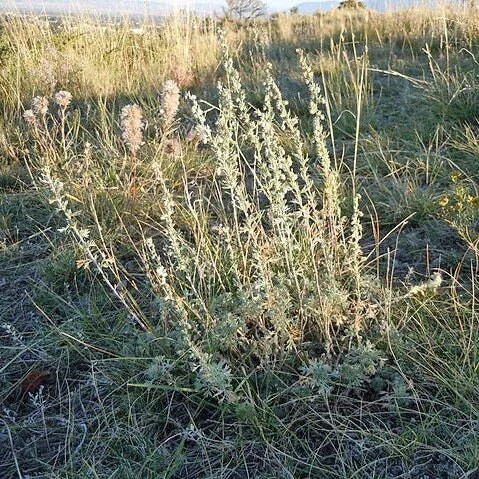
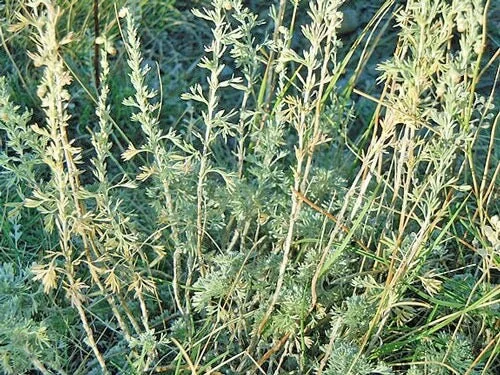
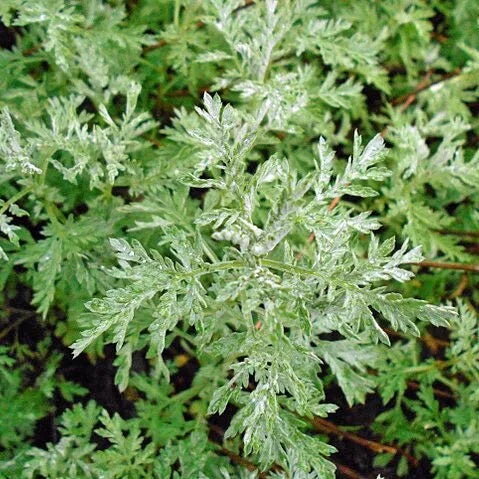
The Fringed Sagewort is celebrated for its dense, finely cut, silver-haired leaves that emit a pleasant aroma, making it a sensory delight. While primarily grown for its attractive foliage, it produces small, creamy-white flowers on an inflorescence, adding subtle charm. This plant has earned the Royal Horticultural Society’s Award of Garden Merit, a testament to its outstanding qualities. Beyond its ornamental value, it serves as an important food source for wildlife like the sage grouse and white-tailed jackrabbit, contributing to local ecosystems. Growing 1-2 feet tall and forming woody clumps about a foot wide, it creates a compact, bushy presence.
Key Benefits
Planting Fringed Sagewort seeds offers numerous advantages, transforming your garden into a resilient and attractive landscape. These benefits make it a top choice for various gardening styles and preferences:
- Drought Tolerance: Once established, Fringed Sagewort requires little to average water, making it an excellent choice for xeriscaping or gardens in arid regions. This reduces the need for frequent irrigation, saving water and effort.
- Aromatic Foliage: The silvery leaves are not only visually appealing but also release a pleasant, distinctive aroma when brushed, adding a sensory dimension to your garden experience.
- Wildlife Support: As a native plant in many areas, Artemisia frigida seeds grow into a plant that provides valuable food and habitat for local wildlife, including sage grouse and white-tailed jackrabbits, supporting biodiversity.
- Low Maintenance: This hardy perennial thrives with minimal care, making it perfect for busy gardeners or those seeking an effortless landscape. It’s generally pest and disease resistant.
- Award-Winning Plant: Recognized with the Royal Horticultural Society’s Award of Garden Merit, you can be assured of its proven performance and aesthetic appeal in garden settings.
- Versatile Landscape Use: Its compact size and attractive foliage make it suitable for rock gardens, borders, native plant gardens, or as a groundcover, providing texture and contrast.
- Historical Significance: Traditionally used by indigenous peoples for medicinal purposes, adding a layer of cultural and historical interest to your garden.
Plant Care & Growing Tips
Growing Fringed Sagewort seeds is a rewarding experience, especially with the right care. This resilient perennial prefers full sun to part shade, thriving best when it receives at least 6 hours of direct sunlight daily. While it can tolerate some afternoon shade, particularly in hotter climates, ample light encourages dense, silvery foliage. The plant is highly adaptable to various soil types but performs optimally in well-draining soil. Avoid heavy clay soils that retain too much moisture, as this can lead to root rot. If your soil is heavy, amend it with sand or grit to improve drainage before planting.
Watering needs for Fringed Sagewort seeds are minimal once established, reflecting its natural drought-tolerant nature. During the germination phase and while seedlings are young, keep the soil consistently moist but not waterlogged. Once mature, water sparingly, allowing the soil to dry out completely between waterings. Overwatering is the most common cause of problems for this plant. It is hardy in USDA Zones 3-10, tolerating a wide range of temperatures. Fertilization is generally not necessary; these plants prefer lean soil and too much fertilizer can lead to leggy growth and reduced aromatic qualities. Pruning in early spring can help maintain a compact shape and encourage fresh new growth. Watch out for overly wet conditions, which can lead to fungal issues.
Size & Details
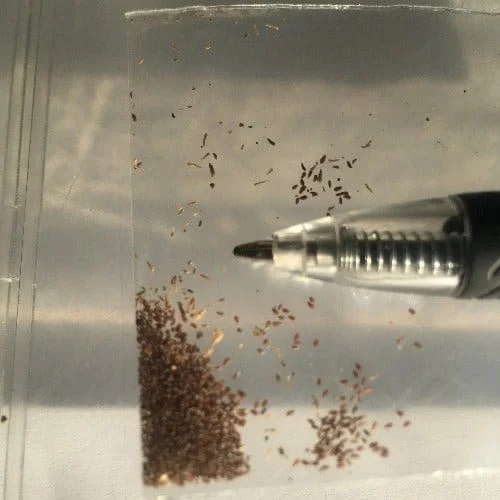
This product includes 1000 Fringed Sagewort seeds (Artemisia frigida), providing ample opportunity to establish a robust planting. Once mature, these plants typically grow to an average height of 1 to 2 feet (30-60 cm) tall and spread about 1 foot (30 cm) wide, forming attractive woody clumps. The growth rate is moderate, establishing well within the first year and reaching mature size within 2-3 years. The seeds are intended for outdoor planting and will develop into hardy perennials that return year after year. Expect the distinctive silvery, aromatic foliage to emerge as the primary aesthetic feature, with subtle creamy-white flowers appearing later in the season. Planting is best done in spring or early summer to allow for establishment before colder weather.
The seeds should be sown on top of a well-draining potting medium, lightly pressed in, and kept consistently moist until germination. Maintaining a temperature around 75°F (24°C) under bright light will aid in successful sprouting. These Prairie Sage seeds are an excellent investment for creating sustainable, beautiful landscapes that require minimal ongoing care once established. The resulting plants are long-lived and will provide many seasons of enjoyment, contributing to the beauty and ecological health of your garden.
Frequently Asked Questions
- Q: How big does Fringed Sagewort get? A: Fringed Sagewort seeds will grow into plants that typically reach 1 to 2 feet tall and spread about 1 foot wide, forming a compact, woody clump. Its size makes it suitable for various garden applications without becoming overgrown.
- Q: Is this an indoor or outdoor plant? A: Fringed Sagewort is primarily an outdoor plant, highly valued for its hardiness and drought tolerance in garden landscapes. It thrives in full sun to part shade conditions outdoors.
- Q: How much sunlight does Fringed Sagewort need? A: This plant prefers full sun, meaning at least 6 hours of direct sunlight per day. It can tolerate part shade, especially in hotter climates, but too much shade can lead to leggy growth.
- Q: Is this plant easy to care for? A: Yes, Fringed Sagewort seeds are considered very easy to care for, making them excellent for beginners or those seeking low-maintenance plants. They are drought-tolerant and generally pest-resistant.
- Q: What condition will the seeds arrive in? A: The product consists of 1000 premium quality Fringed Sagewort seeds, packaged to ensure viability upon arrival. You will receive seeds ready for planting.
- Q: How long until Fringed Sagewort blooms? A: While primarily grown for its foliage, Fringed Sagewort typically produces small, creamy-white flowers in late summer to early fall of its second year or later, once established.
- Q: Will Fringed Sagewort survive winter in my zone? A: Yes, Fringed Sagewort is very hardy and will survive winter in USDA Zones 3-10. It is a perennial, meaning it will return each year in these zones.
- Q: What is the best soil type for Fringed Sagewort? A: The best soil type for Fringed Sagewort is well-draining soil. It tolerates various soil conditions but struggles in heavy, waterlogged soils. Amend with sand or grit if your soil is clay-heavy.
- Q: Can I use these arctic sage seeds for medicinal purposes? A: While Fringed Sagewort has a history of traditional medicinal use by indigenous peoples, we recommend consulting with a qualified healthcare professional before using any plant for medicinal purposes. Our seeds are sold for horticultural use.
- Q: When is the best time to plant Fringed Sagewort seeds? A: The ideal time to plant Fringed Sagewort seeds is in spring or early summer after the last frost, allowing the seedlings ample time to establish before the onset of cold weather.
Be the first to review “Fringed Sagewort Seeds – Artemisia frigida – 1000 Seed Pack for Outdoor Gardens”
You must be logged in to post a review.
People also Viewed


Sold 50 products
Original price was: $109.95.$79.98Current price is: $79.98.

Sold 50 products
Original price was: $25.00.$17.50Current price is: $17.50.

Flower Seeds
Olympic Onion Seeds – Allium crenulatum Flower Seeds – 10 Seed Pack – Outdoor Native Plant
Sold 50 products
Original price was: $25.00.$17.50Current price is: $17.50.

Sold 50 products
Original price was: $25.00.$17.50Current price is: $17.50.

Flower Seeds
Fuchsia vulcanica Seeds – 20 Pack – Vibrant Orange Coral Flowers for Garden & Containers
Sold 50 products
Original price was: $25.00.$17.50Current price is: $17.50.

Sold 50 products
Original price was: $116.98.$95.68Current price is: $95.68.

Sold 50 products
Original price was: $21.00.$14.10Current price is: $14.10.

Aquatic Plant Seeds
White Lotus Seeds – Nelumbo Nucifera Aquatic Pond Plant – 5 Seeds for Water Garden
Sold 50 products
Original price was: $29.00.$20.90Current price is: $20.90.RELATED posts
Awapuhi Wild Ginger Plant: Zones, Care, and Propagation
Learn which USDA zones suit awapuhi wild ginger, plus sunlight, water, planting, propagation, pests, size, [...]
Awapuhi Shampoo Ginger – Care, Growing Zones, and Differences
Learn how to grow awapuhi (shampoo) ginger, its USDA zones, watering schedule, propagation tips, and [...]
Awapuhi Shampoo Plant Buying Guide – Choose the Right Zingiber zerumbet
META: Learn which awapuhi (shampoo ginger) plant or rhizome pack gives the best natural shampoo, [...]
Awapuhi Plant for Sale: Complete Buying Guide
Find the right awapuhi (shampoo ginger) plant, size, price, soil mix, and online source. Practical [...]
Shampoo Ginger Plant for Sale – Buying Guide & Tips
Find the right shampoo ginger plant, size, price, and care tips. Quick guide for U.S. [...]
Shampoo Ginger Plant (Awapuhi) Care Guide
Learn how to grow, care for, and use shampoo ginger (Zingiber zerumbet), the tropical awapuhi [...]

How to Grow Cuban Oregano Plants: A Complete Care Guide
If you’ve ever wanted a plant that combines the culinary punch of traditional oregano with [...]
Aug

How to Grow Habanero Pepper Plants: A Step-by-Step Guide
Habanero pepper plants are prized for their vibrant colors, intense heat, and exceptional flavor, making [...]
Aug


Reviews
There are no reviews yet.