
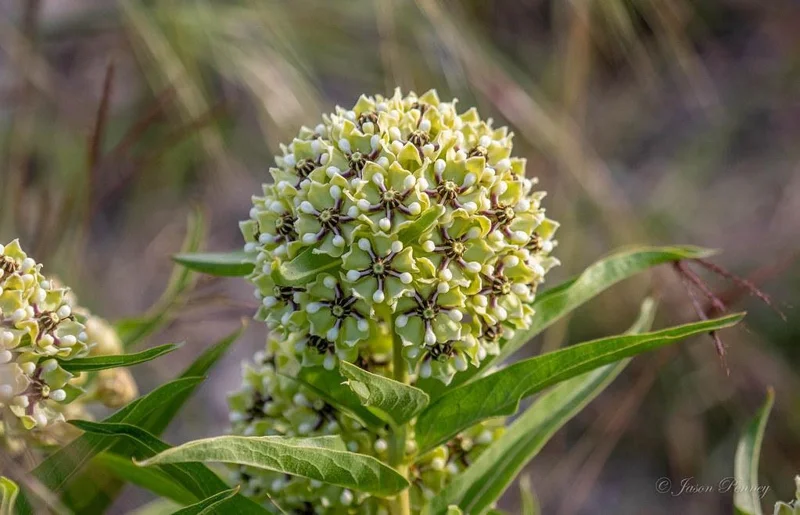
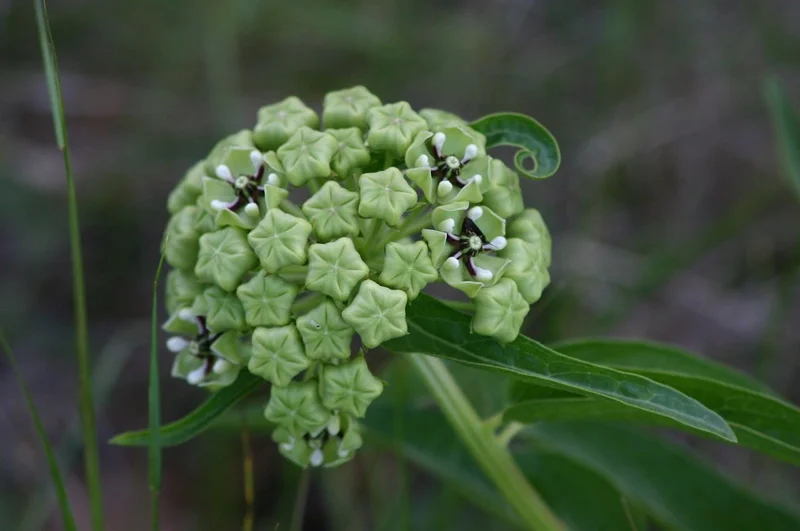
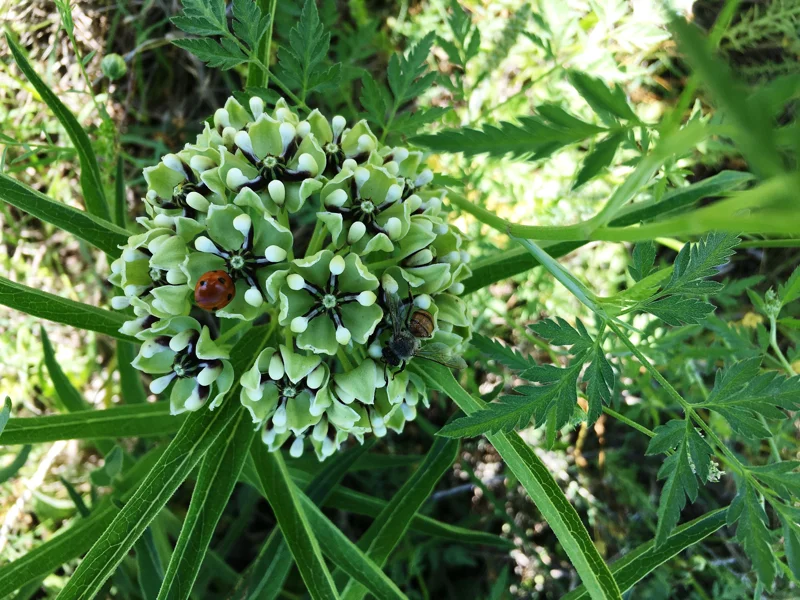
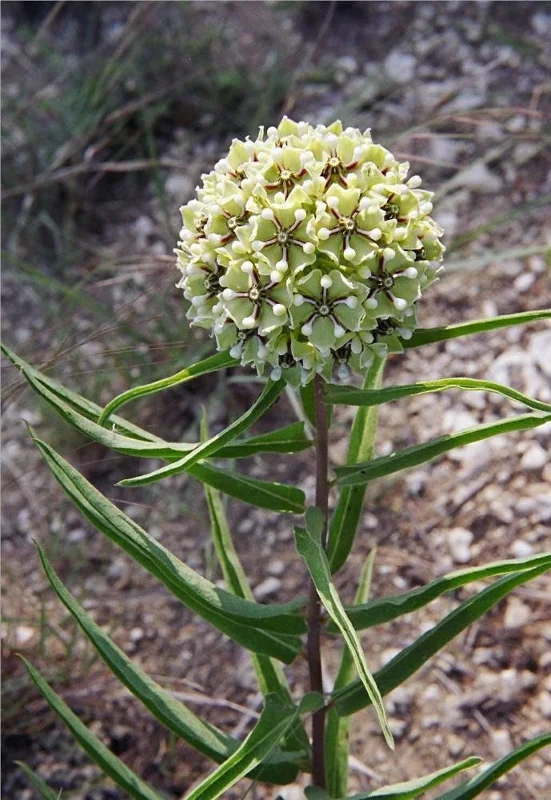
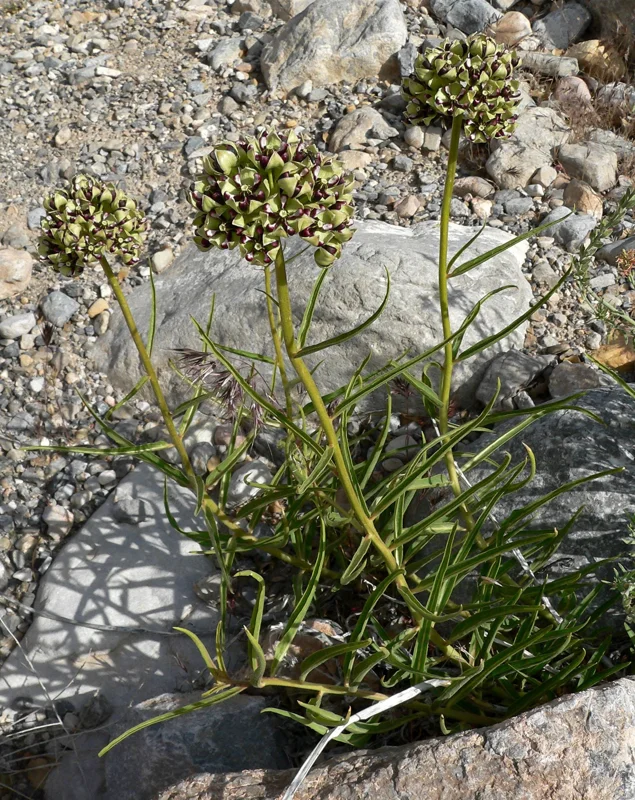
Antelope Horns Milkweed Seeds – Asclepias asperula – 10 Seed Packet – Outdoor Pollinator Plant
Original price was: $23.00.$15.80Current price is: $15.80.
Cultivate the resilient Antelope Horns Milkweed seeds (Asclepias asperula) in your garden. This native perennial is a vital host plant for Monarch butterfly larvae and attracts diverse pollinators. Each packet contains 10 seeds, perfect for establishing a drought-tolerant, ecologically significant addition to your outdoor space, thriving in full sun and various soil types.
Shipping and Return policies:
We stand behind our plants with our Alive & Thrive Guarantee. If you experience any issues within the first 30 days, please email us, and our team will be happy to help. When needed, we’ll send you a one-time replacement free of charge to make sure your garden keeps growing strong.

Reasonable Price
We offer reasonable price

Support 24/7
Contact us 24 hrs a day
100% Money Back
You’ve 30 days to Return
Payment Secure
100% secure payment
Overview
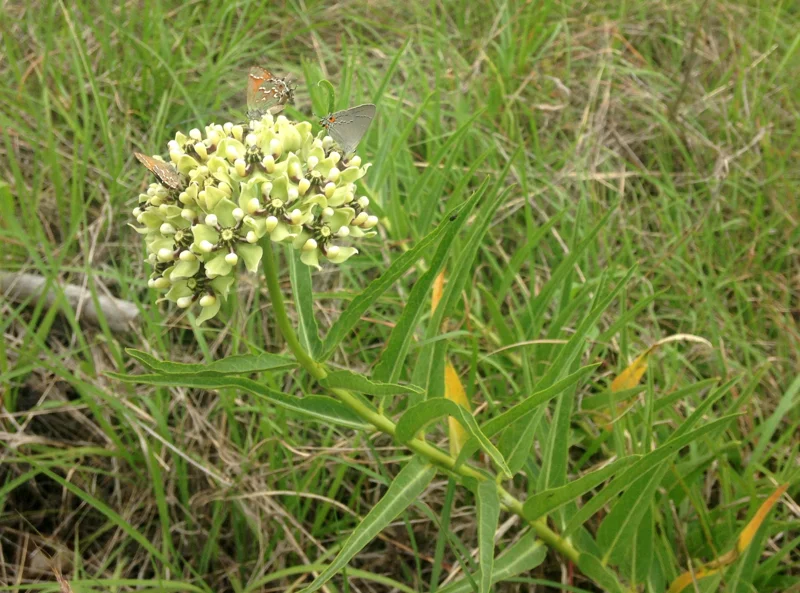
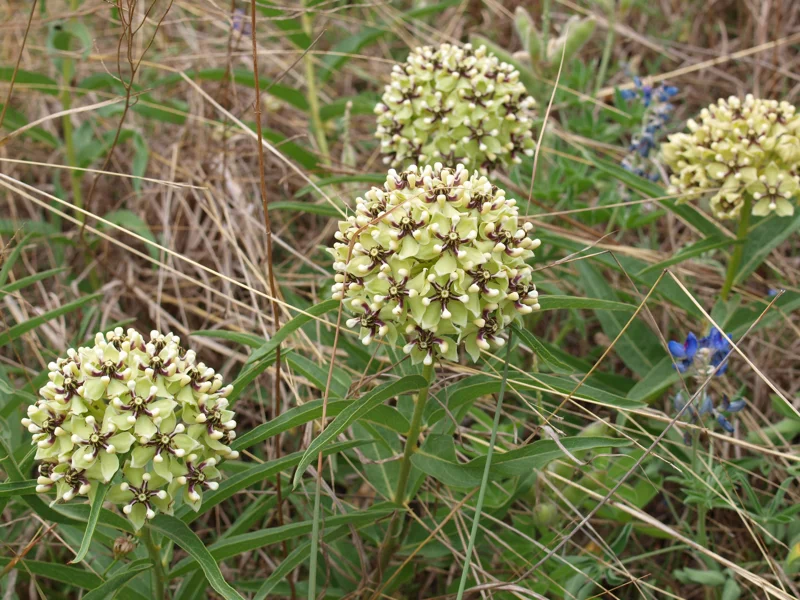
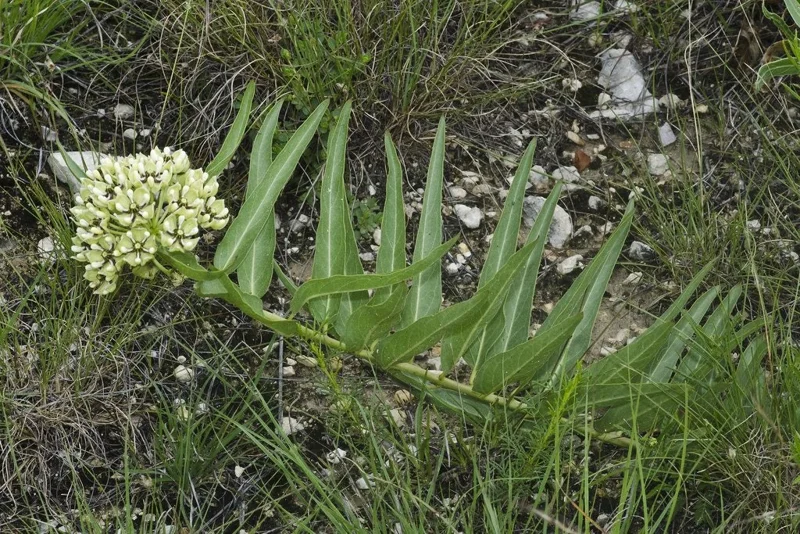
Embark on a rewarding gardening journey by planting Antelope Horns Milkweed seeds. These Asclepias asperula seeds offer an excellent opportunity to introduce a crucial native perennial to your landscape. Known for its distinctive spiraled leaves and unique green-white flowers with fascinating hoods, Antelope Horns Milkweed is not only visually appealing but also ecologically significant. It serves as an essential host plant for Monarch butterfly larvae, playing a pivotal role in their life cycle and supporting local biodiversity. By choosing to grow Antelope Horns Milkweed, you contribute directly to pollinator conservation efforts, providing vital resources for butterflies, bees, and other beneficial insects. This resilient plant is well-suited for a variety of garden settings, offering both beauty and ecological function.
This offering is for a packet of 10 seeds, allowing you to start your own patch of this incredible plant. Antelope Horns Milkweed seeds are known for their adaptability and drought tolerance, making them an ideal choice for gardeners seeking low-maintenance yet impactful additions. Flourishing in full sun and diverse soil types, Asclepias asperula is a robust species that will establish well in many outdoor environments. Its unique appearance and significant role in supporting wildlife make it a valuable asset for any gardener passionate about creating a vibrant, sustainable ecosystem.
Key Benefits
Adding Antelope Horns Milkweed seeds to your garden offers a multitude of benefits, transforming your outdoor space into a haven for wildlife and a showcase of natural beauty. This remarkable native plant is more than just an ornamental; it’s a cornerstone of ecological health.
- Monarch Butterfly Host: Asclepias asperula is a primary host plant for Monarch butterfly larvae, providing the sole food source they need to grow and metamorphose. Planting these native milkweed seeds directly supports the survival and proliferation of this iconic species, making your garden a vital part of the Monarch migration pathway.
- Pollinator Magnet: The green-white flowers, adorned with unique hoods, are highly attractive to a wide array of pollinators, including bees, other butterflies, and beneficial insects. This helps to improve pollination for other plants in your garden and supports overall ecosystem health.
- Drought-Tolerant & Resilient: Once established, Antelope Horns Milkweed is remarkably drought-tolerant, requiring minimal supplemental watering. Its adaptability to various soil types and full sun conditions makes it a low-maintenance choice for gardeners in USDA Zones 4-10.
- Unique Ornamental Appeal: Beyond its ecological value, the spiraled leaves and distinctive hooded flowers of Asclepias asperula offer unique visual interest to any garden. Its unusual form creates a focal point, adding texture and intrigue to perennial beds and naturalized areas.
- Biodiversity Support: By cultivating Asclepias asperula seeds, you actively contribute to biodiversity conservation. Native plants like Antelope Horns Milkweed provide essential habitat and food sources for local wildlife, strengthening the natural ecosystem of your region.
- Easy to Grow from Seed: With proper stratification and care, these Antelope Horns Milkweed seeds are relatively easy to germinate and establish, offering a cost-effective way to introduce this important plant to your garden.
- Adaptable to Various Soils: While preferring well-drained soil, this milkweed species is tolerant of a range of soil conditions, making it suitable for many garden environments where other plants might struggle.
Plant Care & Growing Tips
Growing Antelope Horns Milkweed from seeds is a rewarding experience that begins with proper germination and continues with thoughtful care. To germinate Asclepias asperula seeds, a period of cold stratification is often beneficial, mimicking natural winter conditions. You can achieve this by placing the seeds in a moist paper towel inside a sealed plastic bag and refrigerating them for 30-60 days before sowing. Once stratified, prepare a seed starting tray or small pots with a well-draining seed starting mix. Sow the native milkweed seeds evenly on the surface of the soil, gently pressing them in, as they require light for germination. Do not cover them with additional soil.
Maintain consistent moisture in the soil by misting regularly, ensuring it’s moist but not waterlogged. Place the trays in a warm location with indirect sunlight, ideally maintaining a temperature between 70-85°F (21-29°C). Germination typically occurs within 14-30 days. Once seedlings emerge, provide ample light and thin them if crowded. Transplant seedlings into individual pots when they have developed a few sets of true leaves. For mature plants, Antelope Horns Milkweed thrives in full sun, requiring at least 6 hours of direct sunlight daily for optimal growth and flowering. It is highly drought-tolerant once established, so water deeply but infrequently, allowing the soil to dry out between waterings. Avoid overwatering, which can lead to root rot.
This resilient plant is adaptable to diverse soil types but prefers well-draining soil. It is hardy in USDA Zones 4-10, tolerating a wide range of temperatures. Fertilization is generally not necessary in average garden soils, as native plants like this are adapted to leaner conditions. If your soil is particularly poor, a light application of a balanced, slow-release fertilizer in spring can be beneficial. Watch for common milkweed pests like aphids; a strong spray of water or insecticidal soap can manage them. By following these care tips, your efforts to grow Antelope Horns Milkweed will result in a thriving, pollinator-friendly garden.
Size & Details
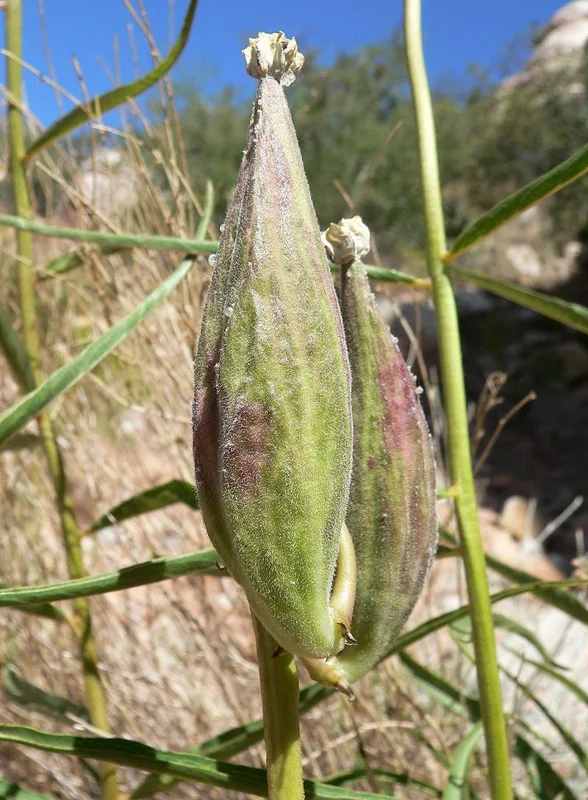
This product includes 10 Antelope Horns Milkweed seeds (Asclepias asperula) for you to cultivate. When mature, the Antelope Horns Milkweed plant typically grows to an average height of 1 to 3 feet (30 to 90 cm) tall and spreads about 1 to 2 feet (30 to 60 cm) wide, forming a sturdy, upright perennial. The distinctive green-white flowers, which appear in late spring to early summer, are followed by intriguing, horn-shaped seed pods that give the plant its common name. These seed pods mature in late summer to fall, eventually splitting open to release their seeds, each attached to a silky parachute for wind dispersal.
These Asclepias asperula seeds are shipped in a protective packet, ready for stratification and planting. With proper care, you can expect germination within 2-4 weeks after stratification, and the plants will typically establish themselves in their first year, often blooming in their second year. Native milkweed seeds like these are an excellent choice for naturalized areas, pollinator gardens, and xeriscaping due to their drought tolerance and ecological benefits. The plant’s robust nature ensures it will be a long-lasting and valuable addition to your outdoor landscape.
Frequently Asked Questions
- Q: How big does Antelope Horns Milkweed get? A: Antelope Horns Milkweed typically grows to a height of 1 to 3 feet and spreads 1 to 2 feet wide. Its size makes it suitable for various garden settings without becoming overly dominant.
- Q: Is this an indoor or outdoor plant? A: Asclepias asperula is an outdoor plant. It is a native perennial well-suited for gardens, meadows, and naturalized areas, thriving in full sun exposures.
- Q: How much sunlight does Antelope Horns Milkweed need? A: This plant requires full sun, meaning at least 6 hours of direct sunlight per day, to flourish and produce abundant flowers and seeds.
- Q: Is this plant easy to care for? A: Once established, Antelope Horns Milkweed is considered low-maintenance. It is drought-tolerant and adaptable, making it a good choice for both experienced and novice gardeners looking to grow Antelope Horns Milkweed.
- Q: What condition will the seeds arrive in? A: The Antelope Horns Milkweed seeds will arrive in a sealed packet, ready for you to begin the stratification and planting process. They are carefully packaged to ensure their viability.
- Q: When is the best time to plant Antelope Horns Milkweed seeds? A: After cold stratification, the best time to sow Asclepias asperula seeds outdoors is in late winter or early spring. For indoor starting, you can begin stratification in late fall or early winter for spring transplanting.
- Q: What USDA Hardiness Zones is this plant suitable for? A: Antelope Horns Milkweed is hardy in USDA Zones 4-10, tolerating a broad range of winter temperatures and climates.
- Q: Does this milkweed attract Monarch butterflies? A: Yes, it is a critical host plant for Monarch butterfly larvae, meaning Monarch caterpillars feed exclusively on its leaves. Planting these native milkweed seeds is an excellent way to support Monarch populations.
- Q: What type of soil does Antelope Horns Milkweed prefer? A: It thrives in well-draining soil and is adaptable to various soil types, including sandy or rocky soils, as long as drainage is adequate.
- Q: How long until it blooms? A: Plants grown from Antelope Horns Milkweed seeds typically establish in their first year and begin to bloom in their second year, producing flowers in late spring to early summer.
Be the first to review “Antelope Horns Milkweed Seeds – Asclepias asperula – 10 Seed Packet – Outdoor Pollinator Plant”
You must be logged in to post a review.
People also Viewed


Sold 50 products
Original price was: $109.95.$79.98Current price is: $79.98.

Sold 50 products
Original price was: $25.00.$17.50Current price is: $17.50.

Flower Seeds
Olympic Onion Seeds – Allium crenulatum Flower Seeds – 10 Seed Pack – Outdoor Native Plant
Sold 50 products
Original price was: $25.00.$17.50Current price is: $17.50.

Sold 50 products
Original price was: $25.00.$17.50Current price is: $17.50.

Flower Seeds
Fuchsia vulcanica Seeds – 20 Pack – Vibrant Orange Coral Flowers for Garden & Containers
Sold 50 products
Original price was: $25.00.$17.50Current price is: $17.50.

Sold 50 products
Original price was: $116.98.$95.68Current price is: $95.68.

Sold 50 products
Original price was: $21.00.$14.10Current price is: $14.10.

Aquatic Plant Seeds
White Lotus Seeds – Nelumbo Nucifera Aquatic Pond Plant – 5 Seeds for Water Garden
Sold 50 products
Original price was: $29.00.$20.90Current price is: $20.90.RELATED posts
Awapuhi Wild Ginger Plant: Zones, Care, and Propagation
Learn which USDA zones suit awapuhi wild ginger, plus sunlight, water, planting, propagation, pests, size, [...]
Awapuhi Shampoo Ginger – Care, Growing Zones, and Differences
Learn how to grow awapuhi (shampoo) ginger, its USDA zones, watering schedule, propagation tips, and [...]
Awapuhi Shampoo Plant Buying Guide – Choose the Right Zingiber zerumbet
META: Learn which awapuhi (shampoo ginger) plant or rhizome pack gives the best natural shampoo, [...]
Awapuhi Plant for Sale: Complete Buying Guide
Find the right awapuhi (shampoo ginger) plant, size, price, soil mix, and online source. Practical [...]
Shampoo Ginger Plant for Sale – Buying Guide & Tips
Find the right shampoo ginger plant, size, price, and care tips. Quick guide for U.S. [...]
Shampoo Ginger Plant (Awapuhi) Care Guide
Learn how to grow, care for, and use shampoo ginger (Zingiber zerumbet), the tropical awapuhi [...]

How to Grow Cuban Oregano Plants: A Complete Care Guide
If you’ve ever wanted a plant that combines the culinary punch of traditional oregano with [...]
Aug

How to Grow Habanero Pepper Plants: A Step-by-Step Guide
Habanero pepper plants are prized for their vibrant colors, intense heat, and exceptional flavor, making [...]
Aug


Reviews
There are no reviews yet.