
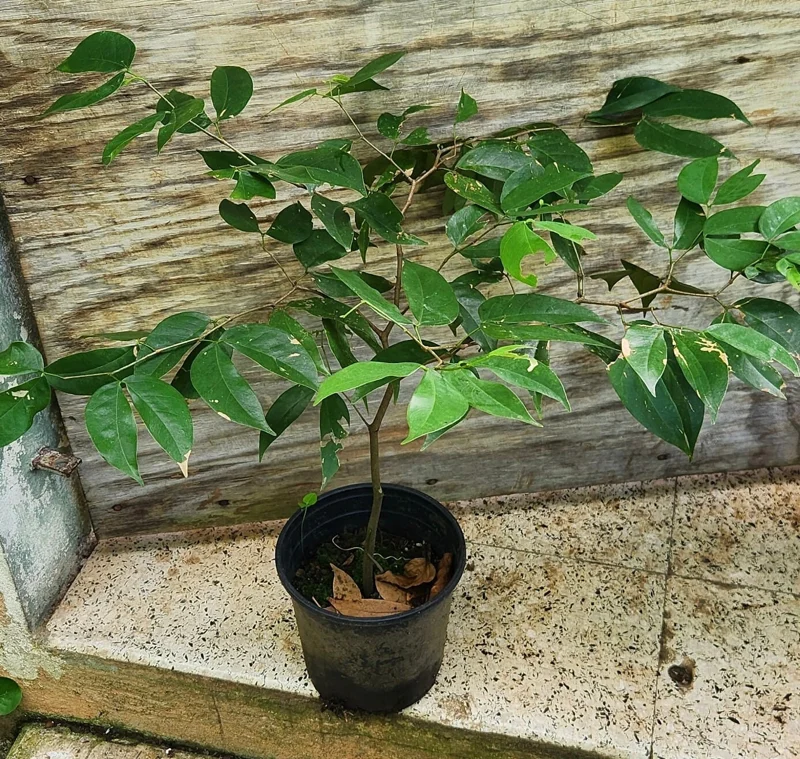
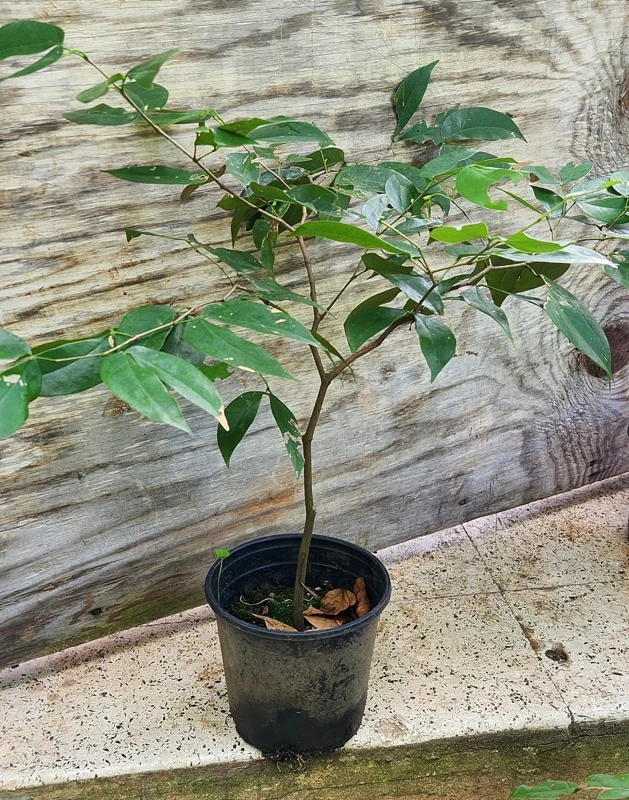
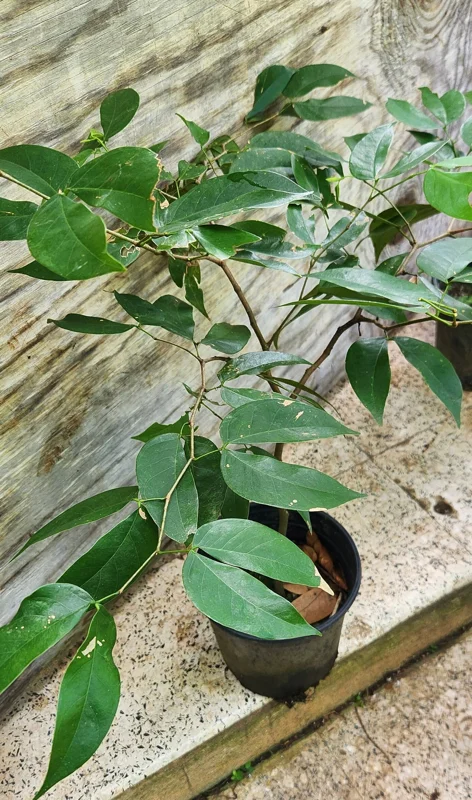
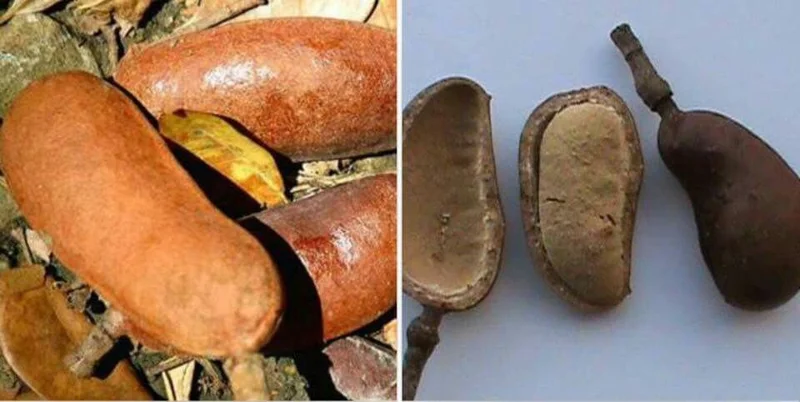
Carob Tree Live Plant 12-18 inch – Ceratonia Siliqua for Edible Pods
$110.00
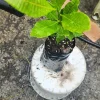
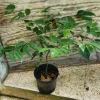
Cultivate your own carob tree live plant (Ceratonia siliqua), standing 12-18 inches tall. This hardy, drought-tolerant tree produces delicious and nutritious edible pods, making it a sustainable and rewarding addition to your landscape. Ideal for warm climates and low-maintenance gardening.
Shipping and Return policies:
We stand behind our plants with our Alive & Thrive Guarantee. If you experience any issues within the first 30 days, please email us, and our team will be happy to help. When needed, we’ll send you a one-time replacement free of charge to make sure your garden keeps growing strong.

Reasonable Price
We offer reasonable price

Support 24/7
Contact us 24 hrs a day
100% Money Back
You’ve 30 days to Return
Payment Secure
100% secure payment
Overview
Introduce a unique and rewarding addition to your garden with this carob tree live plant. Scientifically known as Ceratonia siliqua, the carob tree is a robust evergreen native to the Mediterranean region, celebrated for its ornamental beauty and valuable edible pods. This young tree, standing 12-18 inches tall, offers a fantastic opportunity to cultivate a sustainable food source right in your backyard. Carob trees are known for their resilience and ability to thrive in challenging conditions, making them an excellent choice for gardeners looking for a low-maintenance yet productive plant. The carob tree is a long-lived species, providing shade and a continuous harvest of its distinctive brown pods for many years.
The carob tree’s rich history dates back thousands of years, with its pods traditionally used as a food source and a natural sweetener. Often considered a chocolate substitute, carob pods offer a naturally sweet, caffeine-free alternative, packed with fiber and nutrients. Growing a carob tree live plant allows you to enjoy fresh, organic carob directly from your garden, enhancing your culinary adventures and contributing to a healthier lifestyle. Its attractive foliage and sturdy growth habit also make it a beautiful landscape specimen.
Key Benefits
The carob tree live plant offers a multitude of benefits, from its ecological advantages to its culinary uses. This versatile tree is a must-have for any enthusiast of sustainable gardening and healthy living.
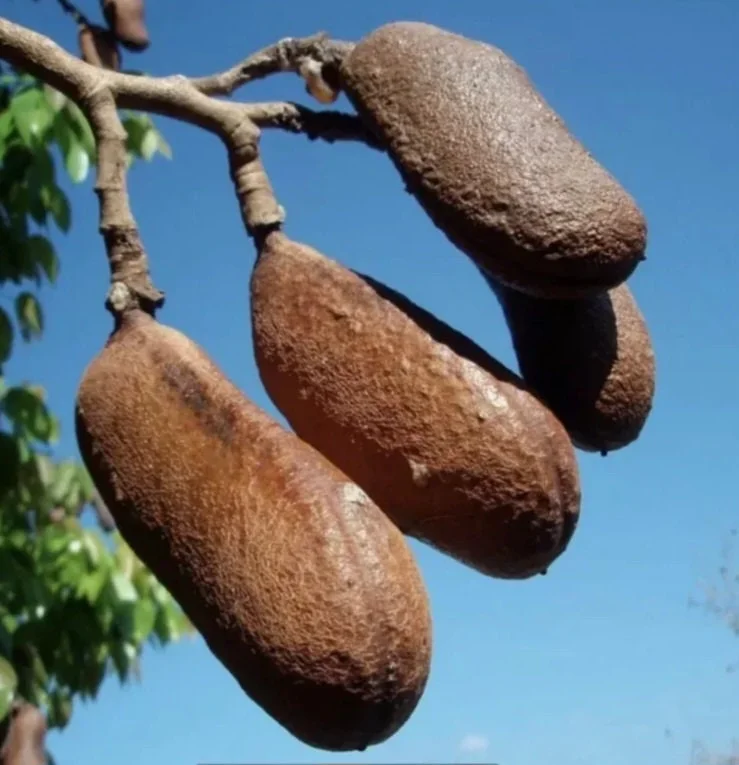
- Edible & Nutritious Pods: The primary benefit is the production of delicious, naturally sweet carob pods, which are rich in fiber, vitamins, and minerals. These pods can be ground into carob powder, used in baking, or eaten fresh. Enjoy the unique flavor of your home-grown carob.
- Drought-Tolerant & Low Maintenance: Once established, the Ceratonia siliqua care is minimal. This tree is highly resistant to drought and can thrive in arid conditions, reducing your water consumption and gardening effort. It’s an ideal choice for xeriscaping.
- Evergreen Foliage: The carob tree maintains its attractive, dark green leaves year-round, providing continuous visual appeal and shade in your landscape, even during dry periods.
- Hardy & Resilient: Known for its robust nature, the carob tree is resistant to many pests and diseases, ensuring a healthy and long-lasting plant with proper care. This makes it a reliable choice for various environments.
- Sustainable Food Source: Growing your own grow carob tree contributes to food security and allows you to enjoy fresh, organic produce, reducing reliance on store-bought alternatives.
- Soil Improvement: Carob trees can help improve soil quality by adding organic matter and providing shade, which can reduce soil erosion and moisture loss.
- Versatile Use: Beyond its edible pods, the carob tree serves as an excellent shade tree, windbreak, or ornamental specimen in Mediterranean-style gardens.
Plant Care & Growing Tips
To ensure your carob tree live plant thrives, understanding its specific care requirements is essential. Carob trees are relatively easy to care for, especially once established, making them suitable for both experienced and novice gardeners. For optimal growth, choose a location with full sun exposure, meaning at least 6-8 hours of direct sunlight per day. While young trees can tolerate some partial shade, mature trees produce more pods in full sun. Good air circulation is also important to prevent fungal issues.
When it comes to soil, the Ceratonia siliqua care prefers well-draining soil. It can adapt to a variety of soil types, including sandy, loamy, or rocky soils, but it does not tolerate heavy, waterlogged conditions. If your soil is clay-heavy, amend it with organic matter like compost or sand to improve drainage. Carob trees are highly drought-tolerant once established, so be careful not to overwater. During the first year after planting, water regularly to help the root system establish. After that, supplemental watering is usually only needed during extended dry periods. Avoid frequent, shallow watering, which can encourage surface roots.
Carob trees are generally hardy in USDA Zones 9-11, preferring warm, Mediterranean climates. They can tolerate light frosts but may suffer damage in prolonged freezing temperatures. Protect young trees from frost during their first few winters. Fertilization is typically not required once the tree is established, especially if it’s planted in fertile soil. However, a balanced, slow-release fertilizer can be applied in early spring for young trees or if growth appears sluggish. Pruning is mainly for shaping the tree, removing dead or diseased branches, and encouraging stronger growth. This helps maintain the tree’s health and productivity. Learning how to grow carob tree successfully means providing these basic conditions and allowing the tree to flourish naturally.
Size & Details
This offering is for a healthy carob tree live plant, measuring approximately 12-18 inches in height. It arrives ready for planting, typically in a nursery pot, ensuring a smooth transition to your garden. Carob trees are slow to moderate growers, eventually reaching heights of 30-50 feet with a similar spread, creating a beautiful canopy. They are long-lived, often producing for 100 years or more. The tree will begin to produce edible carob pods after about 6-8 years, with yields increasing as the tree matures. The pods mature in late summer to early autumn, turning dark brown and becoming sweet. This tree is a long-term investment that yields delicious returns.
The carob tree is dioecious, meaning individual trees are either male or female. For pod production, you will need at least one female tree and a male tree for pollination, or a self-fertile variety. This specific plant is a seedling, and its sex will become apparent as it matures. Its robust root system helps it become a truly drought-tolerant trees. Plant in a sunny location where it has ample space to grow, ensuring it has enough room to develop its characteristic broad crown.
Frequently Asked Questions
- Q: How big does this plant get? A: This carob tree live plant is currently 12-18 inches tall. Mature carob trees can reach heights of 30-50 feet with a similar spread, forming a large, attractive canopy over many years.
- Q: Is this an indoor or outdoor plant? A: The carob tree is primarily an outdoor plant, best suited for warm climates. It thrives in full sun and is hardy in USDA Zones 9-11. It can be grown in a large container indoors when young, but will eventually need to be planted outside.
- Q: How much sunlight does it need? A: For optimal growth and pod production, the Ceratonia siliqua care requires full sun, meaning at least 6-8 hours of direct sunlight per day. Young trees can tolerate some partial shade.
- Q: Is this plant easy to care for? A: Yes, carob trees are considered low-maintenance, especially once established. They are very drought-tolerant and resilient, making them a good choice for gardeners seeking easy-care drought-tolerant trees.
- Q: What condition will it arrive in? A: Your carob tree live plant will arrive carefully packaged, typically in a nursery pot with soil, ensuring it is healthy and ready for planting upon arrival. We take great care in shipping live plants.
- Q: Can I use carob pods in cooking? A: Absolutely! The edible carob pods are naturally sweet and can be used in various culinary applications. They can be eaten fresh, dried and ground into flour for baking, or used to make carob syrup, offering a healthy alternative to chocolate.
- Q: How long until it produces fruit? A: Carob trees typically begin to produce pods after 6-8 years from planting. Production increases as the tree matures, offering a long-term yield of delicious carob.
- Q: What’s the best time to plant a carob tree? A: The best time to plant a carob tree is in spring or early fall, allowing the tree to establish its root system before extreme summer heat or winter cold. This helps the grow carob tree successfully.
- Q: Will it survive winter in my zone? A: Carob trees are best suited for USDA Zones 9-11. They can tolerate light frosts but require protection in areas with prolonged freezing temperatures.
- Q: What kind of soil does it prefer? A: The carob tree prefers well-draining soil and can adapt to sandy, loamy, or rocky conditions. Good drainage is crucial, as it does not tolerate waterlogged soil.
Be the first to review “Carob Tree Live Plant 12-18 inch – Ceratonia Siliqua for Edible Pods”
You must be logged in to post a review.
People also Viewed
Sold 50 products
Original price was: $37.48.$23.98Current price is: $23.98.
Sold 50 products
$32.38
Sold 50 products
$27.38
Sold 50 products
$32.38
Sold 50 products
$19.88
Sold 50 products
$62.38
Sold 50 products
$24.88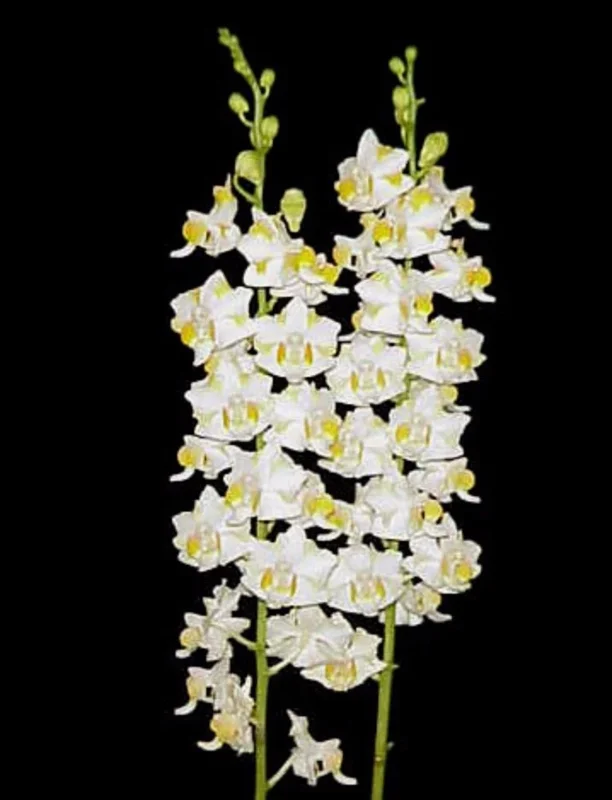
Houseplants
Phalaenopsis pulcherrima ‘Mauna Kea Snow’ Orchid Live Plant – White Flowers, Potted 2.5 in
Sold 50 products
$49.88RELATED posts
Awapuhi Wild Ginger Plant: Zones, Care, and Propagation
Learn which USDA zones suit awapuhi wild ginger, plus sunlight, water, planting, propagation, pests, size, [...]
Awapuhi Shampoo Ginger – Care, Growing Zones, and Differences
Learn how to grow awapuhi (shampoo) ginger, its USDA zones, watering schedule, propagation tips, and [...]
Awapuhi Shampoo Plant Buying Guide – Choose the Right Zingiber zerumbet
META: Learn which awapuhi (shampoo ginger) plant or rhizome pack gives the best natural shampoo, [...]
Awapuhi Plant for Sale: Complete Buying Guide
Find the right awapuhi (shampoo ginger) plant, size, price, soil mix, and online source. Practical [...]
Shampoo Ginger Plant for Sale – Buying Guide & Tips
Find the right shampoo ginger plant, size, price, and care tips. Quick guide for U.S. [...]
Shampoo Ginger Plant (Awapuhi) Care Guide
Learn how to grow, care for, and use shampoo ginger (Zingiber zerumbet), the tropical awapuhi [...]
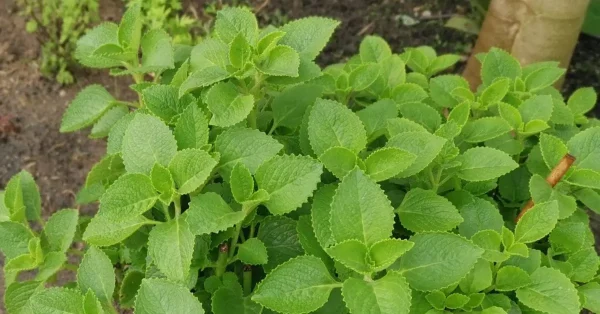
How to Grow Cuban Oregano Plants: A Complete Care Guide
If you’ve ever wanted a plant that combines the culinary punch of traditional oregano with [...]
Aug
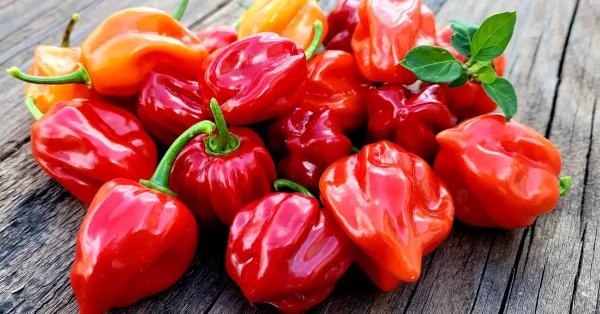
How to Grow Habanero Pepper Plants: A Step-by-Step Guide
Habanero pepper plants are prized for their vibrant colors, intense heat, and exceptional flavor, making [...]
Aug

Reviews
There are no reviews yet.