
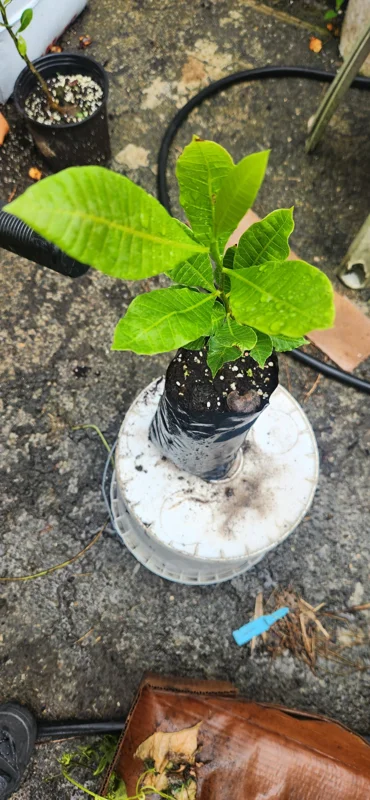
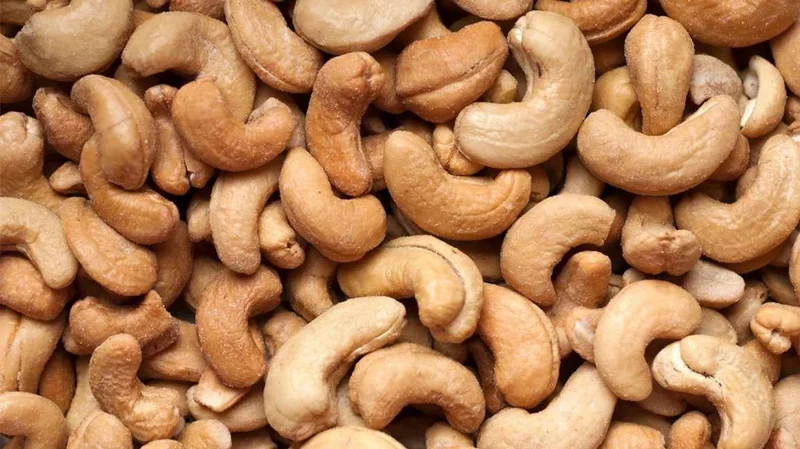
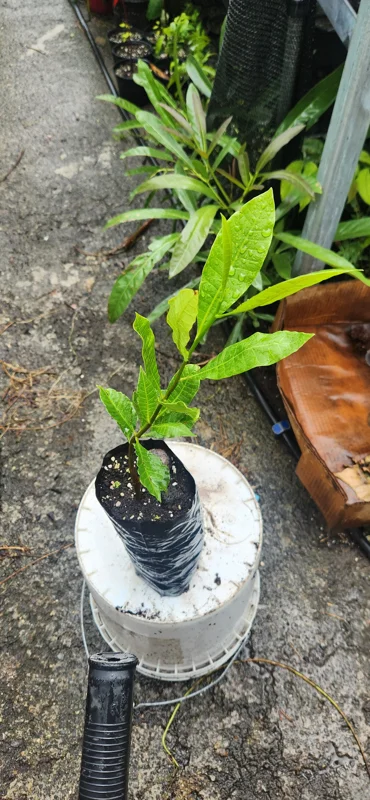
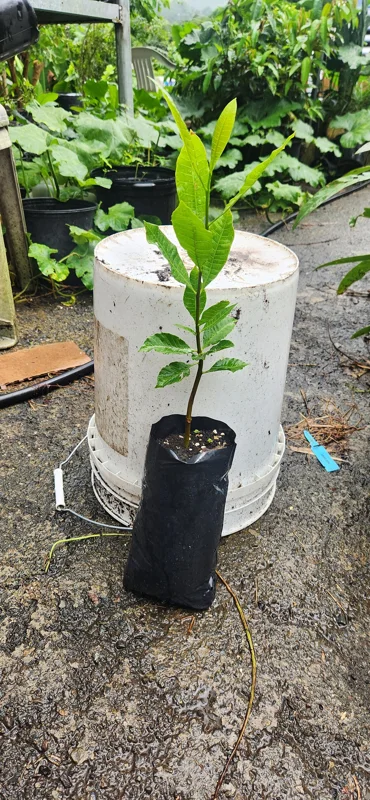
Cashew Tree Live Plant – Marañón Fruit Sapling – Grow Your Own Nuts
$115.00
Cultivate your own cashew tree live plant and enjoy the unique experience of harvesting fresh cashew nuts and delicious cashew apples. This versatile Marañón fruit sapling is perfect for warm climates, offering beautiful foliage and a rewarding harvest.
Shipping and Return policies:
We stand behind our plants with our Alive & Thrive Guarantee. If you experience any issues within the first 30 days, please email us, and our team will be happy to help. When needed, we’ll send you a one-time replacement free of charge to make sure your garden keeps growing strong.

Reasonable Price
We offer reasonable price

Support 24/7
Contact us 24 hrs a day
100% Money Back
You’ve 30 days to Return
Payment Secure
100% secure payment
Overview
Embark on a rewarding gardening journey with a cashew tree live plant. Also known as Marañón, this remarkable tree (Anacardium occidentale) is a tropical evergreen celebrated for its dual bounty: the highly prized cashew nut and the juicy, flavorful cashew apple. Originating from northeastern Brazil, the cashew tree live plant adapts well to warm, tropical, and subtropical environments, making it an excellent addition to home gardens, farms, or orchards. Growing your own cashew tree provides a unique opportunity to connect with nature and enjoy fresh, homegrown produce that is both delicious and nutritious.
The cashew tree is not only a source of food but also boasts attractive evergreen foliage, providing shade and aesthetic appeal to any landscape. It’s a fascinating plant to grow, offering a glimpse into the origins of a popular snack. Whether you’re an experienced gardener or a curious beginner, cultivating a cashew tree live plant is a fulfilling endeavor that yields both culinary delights and a beautiful, resilient tree.
Key Benefits
Adding a cashew tree live plant to your garden brings a multitude of advantages, enhancing both your landscape and your pantry. Here are some of the key benefits:
- Homegrown Cashew Nuts: Enjoy the unparalleled freshness and flavor of cashews harvested directly from your own tree. This provides a sustainable source of healthy nuts, free from commercial processing.
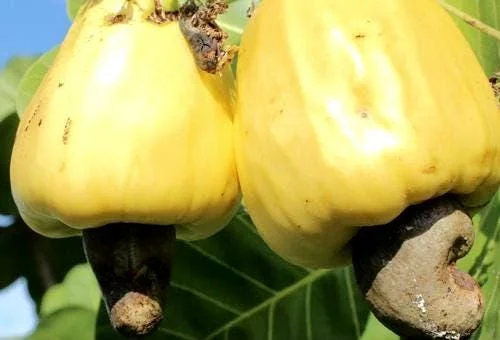
- Delicious Cashew Apples: The distinctive cashew apple, a pseudo-fruit, is a juicy and tangy treat that can be eaten fresh, juiced, or transformed into jams and preserves. It’s a delightful bonus from your cashew tree live plant.
- Attractive Evergreen Foliage: The tree features lush, evergreen leaves that provide year-round greenery and shade, making it a beautiful ornamental addition to your garden or landscape.
- Fast Growth Rate: Under optimal conditions, cashew trees are known for their relatively fast growth, allowing you to establish a mature, productive tree sooner.
- Low Maintenance Once Established: Once mature, the cashew tree live plant is quite resilient and drought-tolerant, requiring less intensive care compared to many other fruit-bearing trees.
- Versatile Culinary Uses: Beyond the nuts and apples, various parts of the cashew tree have traditional uses, highlighting its versatility.
- Educational & Rewarding: Growing a grow cashew tree from sapling to a fruit-bearing tree is an incredibly rewarding experience, offering an educational insight into food production.
Plant Care & Growing Tips
Caring for your cashew tree live plant involves understanding its specific needs to ensure healthy growth and abundant yields. These trees thrive in warm, tropical to subtropical climates, ideally in USDA hardiness zones 9-11. They require plenty of sunlight; a location that receives at least 6-8 hours of direct sun per day is crucial for optimal fruit and nut production. While young saplings may benefit from some afternoon shade in extremely hot climates, mature trees prefer full sun exposure.
When it comes to watering, the cashew tree live plant needs consistent moisture, especially during its establishment phase and during flowering and fruiting periods. However, it is also important to avoid waterlogging, as this can lead to root rot. Ensure the soil is well-draining. Once established, cashew trees exhibit good drought tolerance, but regular watering during dry spells will support better yields. The ideal soil type is sandy loam with good drainage and a slightly acidic to neutral pH (5.5-7.0). Fertilize your anacardium occidentale with a balanced fertilizer during the growing season, typically once every two to three months, reducing frequency in cooler months. Pruning should focus on removing dead or diseased branches and shaping the tree for better air circulation and light penetration, which helps in managing pests and diseases and improving fruit set.
Size & Details
Our cashew tree live plant offerings range from young seedlings to more established saplings, ready for planting in your garden or orchard. The typical size of a mature cashew tree can vary, generally reaching heights of 20 to 45 feet (6-14 meters) with a similar spread, forming a dense, rounded crown. Growth rate is considered fast, especially in ideal tropical conditions. These trees are typically shipped as potted saplings, ensuring their root systems are protected and ready for transplanting. While the exact time to maturity for nut and fruit production can vary based on growing conditions and cultivar, most trees begin bearing fruit within 3-5 years after planting. The Marañón fruit tree will produce its unique cashew apples and nuts annually once established, providing a continuous harvest for many years to come.
Frequently Asked Questions
- Q: How big does a cashew tree get? A: A mature cashew tree live plant can typically reach heights of 20 to 45 feet (6-14 meters) with a significant spread, forming a large, rounded crown. Its size can be managed with proper pruning.
- Q: Is this an indoor or outdoor plant? A: The cashew tree live plant is primarily an outdoor plant that thrives in warm, tropical to subtropical climates (USDA zones 9-11). It can be grown in containers in cooler regions but would need protection from cold temperatures.
- Q: How much sunlight does a cashew tree need? A: Cashew trees require full sun exposure, meaning at least 6-8 hours of direct sunlight per day, to produce a good harvest of nuts and apples.
- Q: Is this plant easy to care for? A: Once established, the cashew nut tree is considered relatively low-maintenance and drought-tolerant. Initial care for saplings involves consistent watering and protection from extreme conditions.
- Q: What condition will the Marañón fruit tree arrive in? A: Your marañón fruit tree will arrive as a healthy, live sapling, typically in a nursery pot with its root system intact and ready for planting. We take great care in packaging to ensure safe delivery.
- Q: How long until my cashew tree produces fruit? A: Cashew trees typically begin producing nuts and cashew apples within 3 to 5 years after planting, depending on growing conditions and variety.
- Q: What USDA zones are suitable for growing a cashew tree? A: The cashew tree live plant thrives in USDA hardiness zones 9-11, requiring consistently warm temperatures and protection from frost.
- Q: Can I grow a cashew tree in a pot? A: Yes, you can grow a grow cashew tree in a large container, especially in regions outside its ideal climate, allowing you to move it indoors during colder months.
- Q: What kind of soil does a cashew tree prefer? A: Cashew trees prefer well-draining sandy loam soil with a slightly acidic to neutral pH. Good drainage is crucial to prevent root issues.
- Q: What is the best time to plant a cashew tree? A: The best time to plant a cashew tree live plant is during the warmer months, typically in spring or early summer, once the risk of frost has passed and the soil has warmed up.
Be the first to review “Cashew Tree Live Plant – Marañón Fruit Sapling – Grow Your Own Nuts”
You must be logged in to post a review.
People also Viewed
Sold 50 products
Original price was: $37.48.$23.98Current price is: $23.98.
Sold 50 products
$32.38
Sold 50 products
$27.38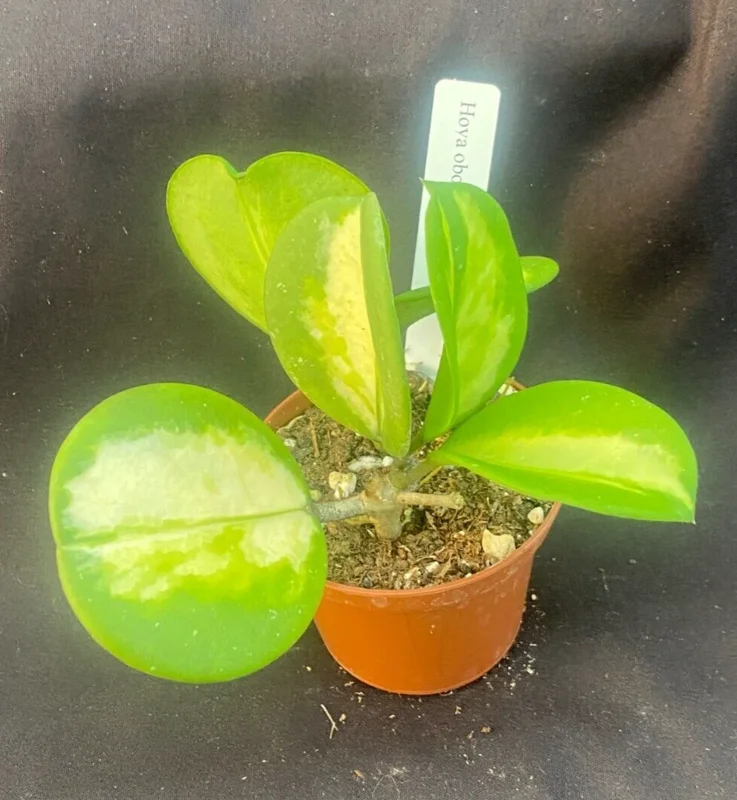
Sold 50 products
$32.38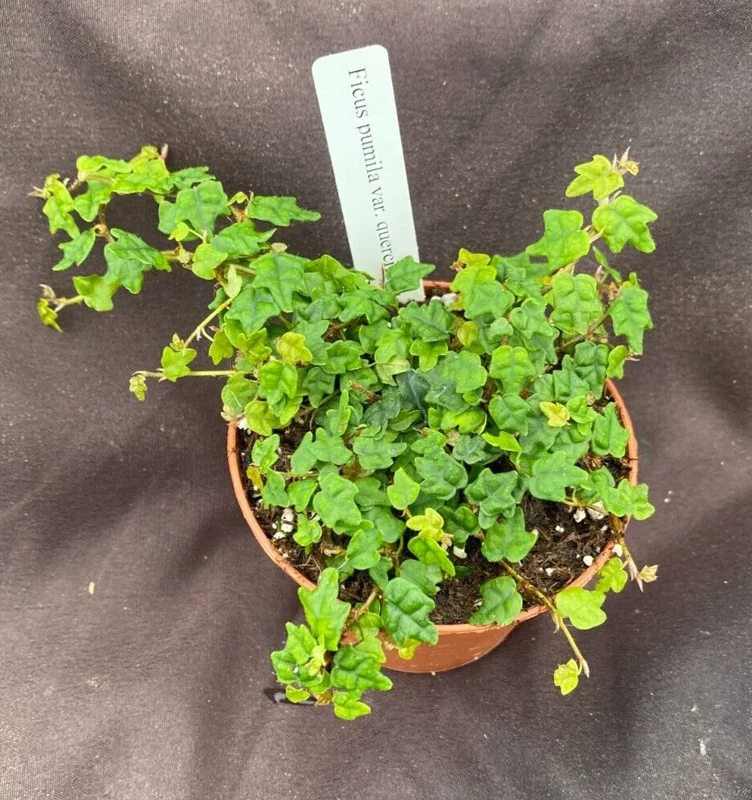
Sold 50 products
$19.88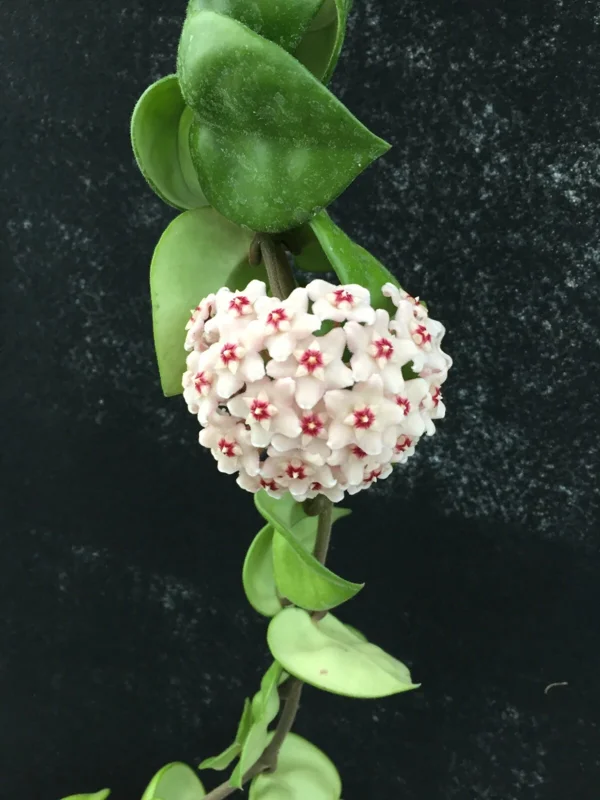
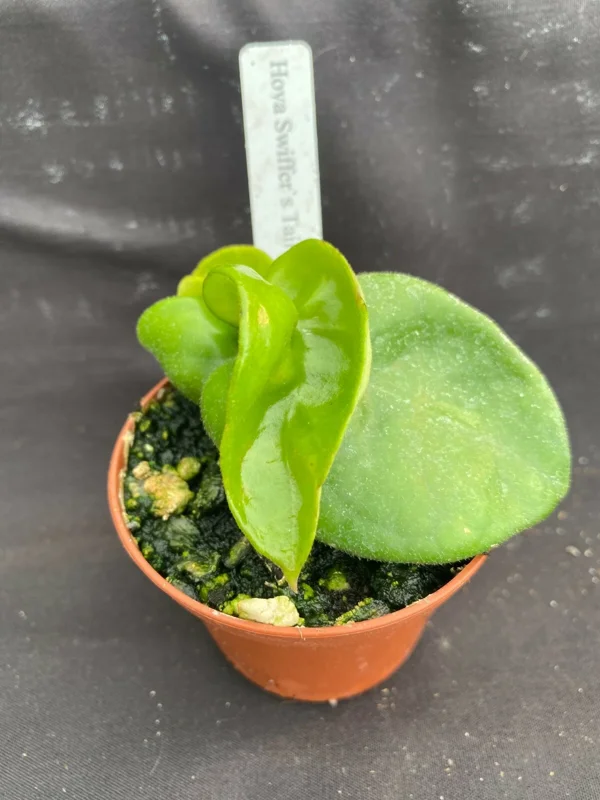
Sold 50 products
$62.38
Sold 50 products
$24.88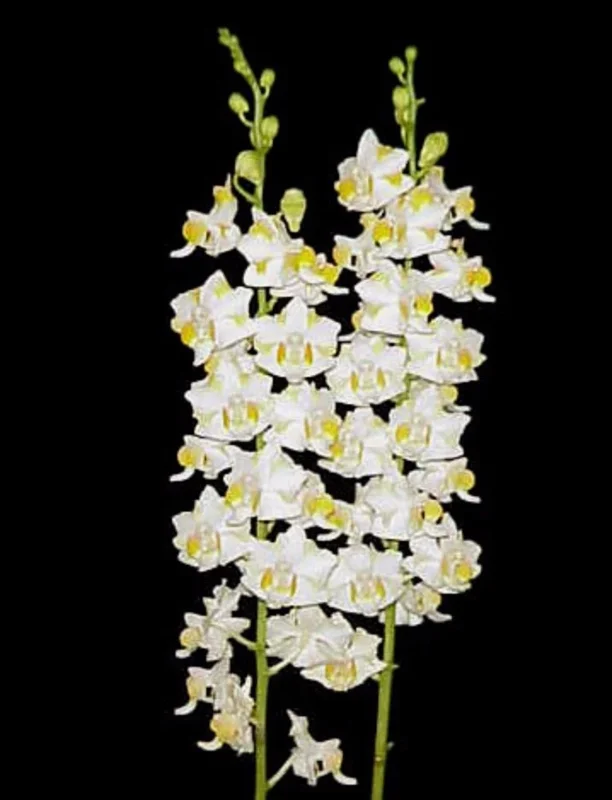
Houseplants
Phalaenopsis pulcherrima ‘Mauna Kea Snow’ Orchid Live Plant – White Flowers, Potted 2.5 in
Sold 50 products
$49.88RELATED posts
Awapuhi Wild Ginger Plant: Zones, Care, and Propagation
Learn which USDA zones suit awapuhi wild ginger, plus sunlight, water, planting, propagation, pests, size, [...]
Awapuhi Shampoo Ginger – Care, Growing Zones, and Differences
Learn how to grow awapuhi (shampoo) ginger, its USDA zones, watering schedule, propagation tips, and [...]
Awapuhi Shampoo Plant Buying Guide – Choose the Right Zingiber zerumbet
META: Learn which awapuhi (shampoo ginger) plant or rhizome pack gives the best natural shampoo, [...]
Awapuhi Plant for Sale: Complete Buying Guide
Find the right awapuhi (shampoo ginger) plant, size, price, soil mix, and online source. Practical [...]
Shampoo Ginger Plant for Sale – Buying Guide & Tips
Find the right shampoo ginger plant, size, price, and care tips. Quick guide for U.S. [...]
Shampoo Ginger Plant (Awapuhi) Care Guide
Learn how to grow, care for, and use shampoo ginger (Zingiber zerumbet), the tropical awapuhi [...]
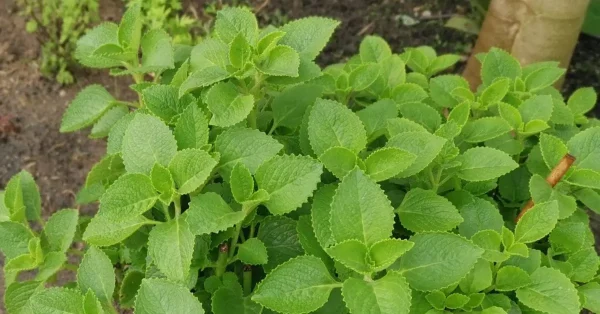
How to Grow Cuban Oregano Plants: A Complete Care Guide
If you’ve ever wanted a plant that combines the culinary punch of traditional oregano with [...]
Aug
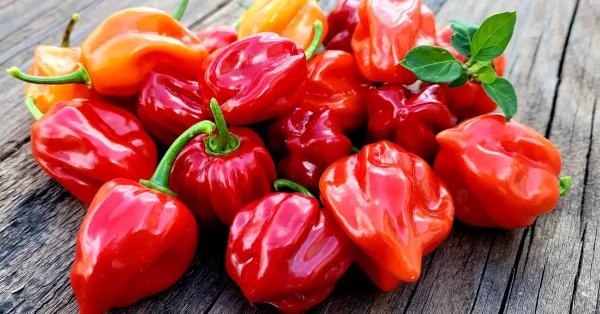
How to Grow Habanero Pepper Plants: A Step-by-Step Guide
Habanero pepper plants are prized for their vibrant colors, intense heat, and exceptional flavor, making [...]
Aug
Reviews
There are no reviews yet.