
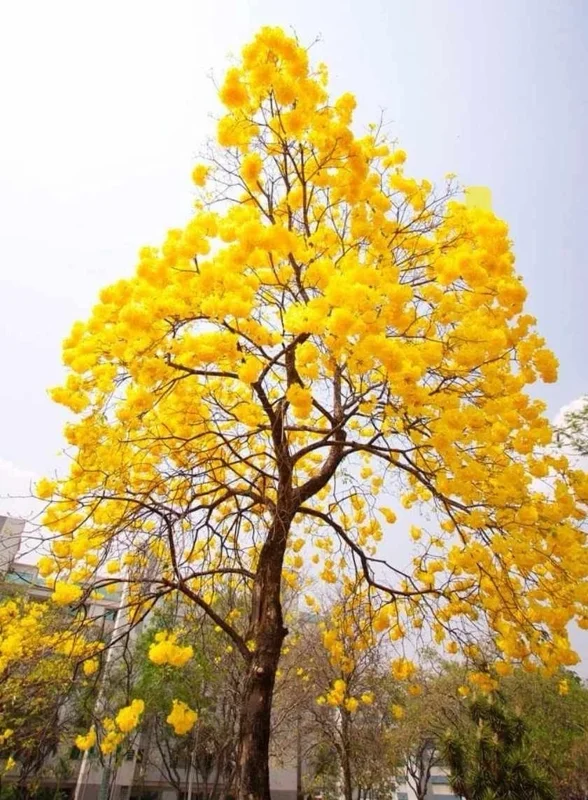
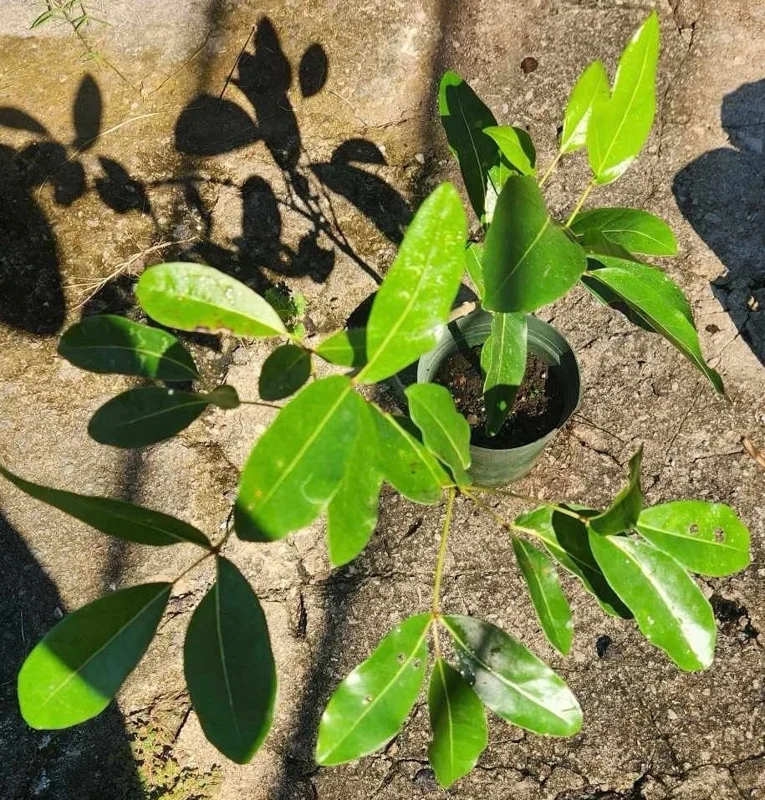
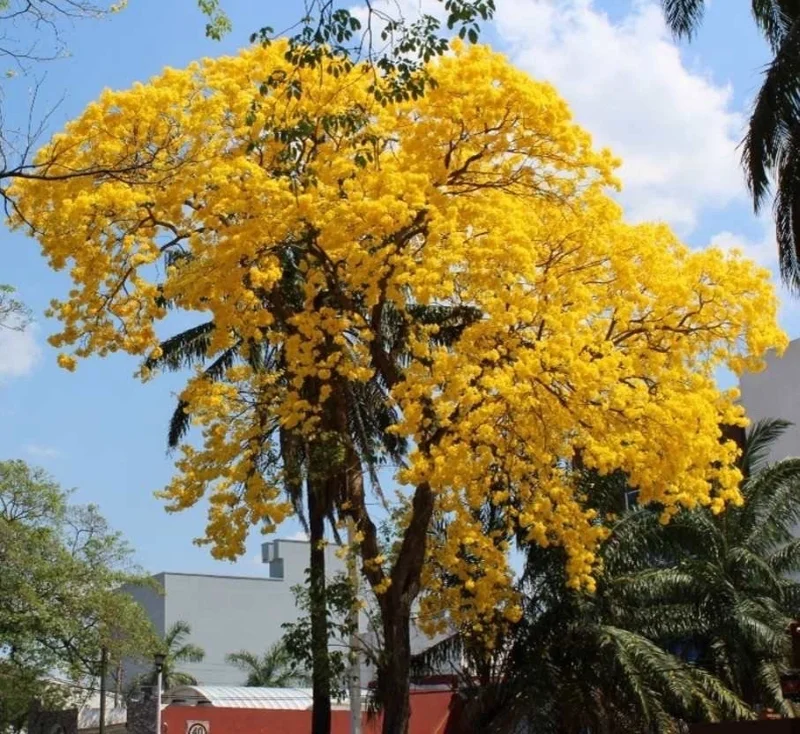
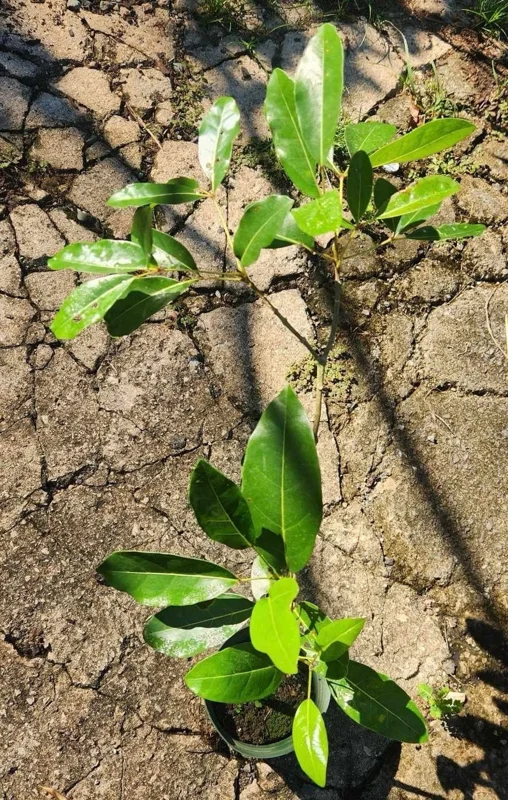
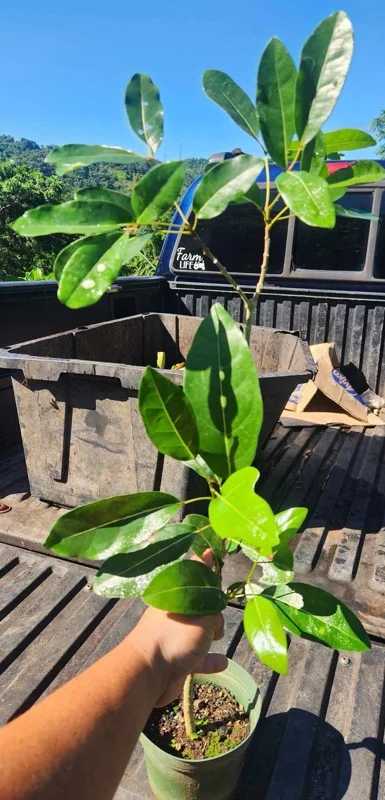
Yellow Oak Tree Live Plant (Quercus muehlenbergii) – Golden Fall Foliage, 12-18 inch
$130.00
Bring vibrant autumn color to your garden with this yellow oak tree (Quercus muehlenbergii). Known for its striking golden fall foliage, this live plant provides excellent shade and is a beautiful addition to any landscape. It’s a hardy, low-maintenance shade tree for outdoor planting.
Shipping and Return policies:
We stand behind our plants with our Alive & Thrive Guarantee. If you experience any issues within the first 30 days, please email us, and our team will be happy to help. When needed, we’ll send you a one-time replacement free of charge to make sure your garden keeps growing strong.

Reasonable Price
We offer reasonable price

Support 24/7
Contact us 24 hrs a day
100% Money Back
You’ve 30 days to Return
Payment Secure
100% secure payment
Overview
Transform your landscape with the magnificent yellow oak tree (Quercus muehlenbergii), a truly remarkable specimen known for its stunning autumn display. This live plant is celebrated for its distinctive golden-yellow foliage that lights up the fall season, making it a focal point in any garden or park. The Yellow Oak, also commonly referred to as Chinkapin Oak or Chinquapin Oak, is a robust and long-lived tree that offers significant aesthetic appeal and ecological benefits. Unlike many other oaks, the Quercus muehlenbergii thrives in a variety of conditions, showcasing its adaptability and hardiness. It’s an ideal choice for those seeking a durable and beautiful tree that provides both shade and seasonal interest. Its unique leaf structure and impressive stature ensure it stands out in any setting, promising years of natural beauty and environmental contribution.
The yellow oak tree is a deciduous species native to eastern and central North America. It is highly valued not only for its ornamental qualities, especially its golden fall foliage, but also for its strong timber and ability to support local wildlife. This tree is a fantastic investment for property owners looking to enhance their outdoor spaces with a fast-growing, resilient, and visually appealing tree. Its ability to adapt to different soil types and its moderate growth rate make it a popular choice for both novice and experienced gardeners. Prepare to enjoy the spectacular transformation of your garden each autumn with the radiant hues of this exceptional oak.
Key Benefits
The yellow oak tree offers a multitude of benefits, making it an excellent choice for any landscape project. Its resilience and beauty combine to create a truly valuable addition to your outdoor environment:
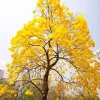
- Stunning Autumn Display: The most striking feature of the Quercus muehlenbergii is its brilliant golden fall foliage, which transforms your garden into a vibrant spectacle as summer fades. This dazzling display provides an unparalleled visual interest.
- Exceptional Shade: Growing to an impressive height, this tree provides ample shade, reducing energy costs in summer and creating comfortable outdoor living spaces. It is a perfect choice as a shade tree for large yards.
- Drought Resistance: Once established, the Yellow Oak is remarkably drought tolerant tree, requiring less water than many other tree species. This makes it a sustainable option for various climates.
- Attracts Wildlife: Its acorns are a valuable food source for a variety of wildlife, including deer, squirrels, and birds, contributing to the biodiversity of your garden.
- Adaptable to Various Soils: This hardy tree can adapt to a wide range of soil conditions, including clay and well-drained soils, making it versatile for different planting sites.
- Low Maintenance: Generally, the Yellow Oak requires minimal maintenance once established, making it an easy-care option for busy homeowners.
- Long-Lived: A long-lived species, the yellow oak tree will be a cherished part of your landscape for generations, growing more majestic with each passing year.
Plant Care & Growing Tips
Caring for your yellow oak tree (Quercus muehlenbergii) is relatively straightforward, as this species is known for its hardiness and adaptability. To ensure optimal growth and the most vibrant golden fall foliage, it’s important to provide the right conditions from the start. This tree thrives in full sun to partial shade, meaning it prefers at least six hours of direct sunlight per day, but can tolerate some afternoon shade, especially in hotter climates. Adequate sunlight is crucial for the development of its strong structure and brilliant autumn color. When it comes to soil, the Yellow Oak is not particularly fussy. It adapts well to a variety of soil types, including clay, loam, and sandy soils, as long as they are well-drained. Good drainage is key to prevent root rot, so avoid planting in areas where water tends to pool.
Watering should be consistent during the tree’s establishment period, typically the first one to two years after planting. Deep watering once or twice a week, depending on rainfall and soil type, will encourage a strong root system. Once established, this drought tolerant tree is quite resilient and can withstand periods of dry weather, though supplemental watering during prolonged droughts will be beneficial. Fertilization is generally not necessary in rich soils, but if your soil is poor, a balanced, slow-release tree fertilizer can be applied in early spring. Pruning should focus on removing dead, damaged, or crossing branches to maintain a healthy structure. The Yellow Oak is hardy in USDA zones 4-8, making it suitable for a wide range of climates across the US. Protecting young trees from deer browsing can also be beneficial as they establish. With proper care, your yellow oak tree will flourish and provide a spectacular display for many years.
Size & Details
This live yellow oak tree (Quercus muehlenbergii) is typically shipped as a young sapling, measuring approximately 12-18 inches in height. It is a moderate-growing tree, meaning it will add a noticeable amount of height each year without being overly aggressive. When mature, the Quercus muehlenbergii can reach an impressive height of 50-60 feet tall with a spread of 50-60 feet, forming a majestic, rounded canopy that provides ample shade. The tree is delivered as a live plant, carefully packaged to ensure its health upon arrival. Its strong taproot system will develop quickly once planted, helping it anchor firmly and access deeper water sources, contributing to its reputation as a drought tolerant tree. Expect to see its characteristic golden-yellow fall foliage develop as it matures, becoming more vibrant with each season. This tree is perfect for adding long-term value and beauty to your property.
Frequently Asked Questions
- Q: How big does this yellow oak tree get? A: The yellow oak tree (Quercus muehlenbergii) can grow to an impressive height of 50-60 feet tall, with a similar spread, creating a substantial and beautiful shade tree for your landscape.
- Q: What size pot does it come in? A: This live plant is typically shipped as a 12-18 inch sapling, usually in a nursery pot or bare-root, ready for planting upon arrival.
- Q: Is this an indoor or outdoor plant? A: The yellow oak tree is an outdoor tree, best suited for planting in gardens, parks, or large yards where it has ample space to grow and develop its magnificent canopy.
- Q: How much sunlight does it need? A: This tree thrives in full sun to partial shade, ideally requiring at least 6 hours of direct sunlight per day to ensure robust growth and vibrant golden fall foliage.
- Q: Is this plant easy to care for? A: Yes, the Quercus muehlenbergii is considered a hardy and relatively low-maintenance tree once established, making it suitable for gardeners of varying experience levels.
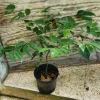
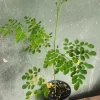
- Q: What condition will it arrive in? A: Your yellow oak tree will arrive as a healthy, carefully packaged live sapling, similar to the one shown, with natural variations in size and shape.
- Q: Will it survive winter in my zone? A: The Yellow Oak is hardy in USDA Zones 4-8, meaning it is well-adapted to survive winters within these temperature ranges.
- Q: When is the best time to plant this shade tree? A: The best time to plant a shade tree like the Yellow Oak is in the spring or fall, when temperatures are moderate and allow the tree to establish its root system before extreme weather.
- Q: Is the yellow oak tree drought tolerant? A: Yes, once established, the yellow oak tree is notably a drought tolerant tree, making it a resilient choice for various climates.
- Q: What is the minimum temperature this tree can withstand? A: The Yellow Oak can tolerate winter temperatures down to approximately -30°F to -20°F (USDA Zone 4).
Be the first to review “Yellow Oak Tree Live Plant (Quercus muehlenbergii) – Golden Fall Foliage, 12-18 inch”
You must be logged in to post a review.
People also Viewed
Sold 50 products
Original price was: $37.48.$23.98Current price is: $23.98.
Sold 50 products
$32.38
Sold 50 products
$27.38
Sold 50 products
$32.38
Sold 50 products
$19.88
Sold 50 products
$62.38
Sold 50 products
$24.88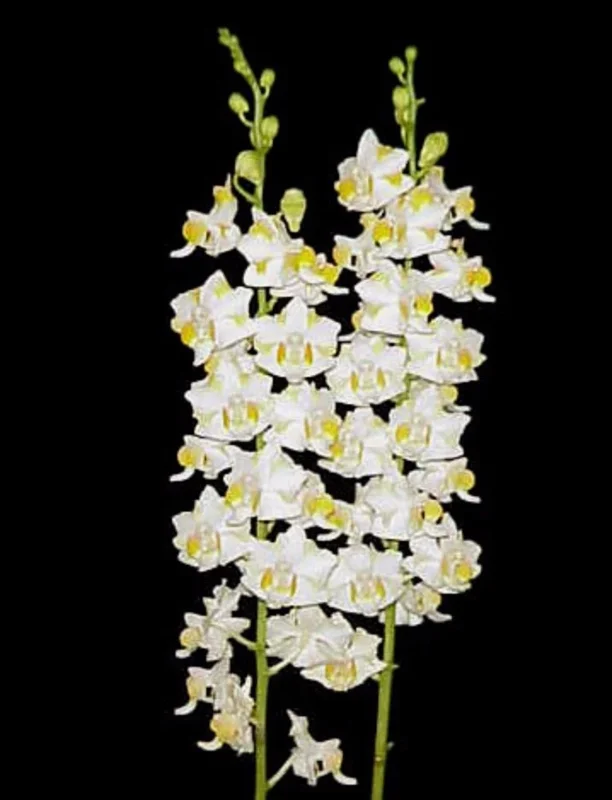
Houseplants
Phalaenopsis pulcherrima ‘Mauna Kea Snow’ Orchid Live Plant – White Flowers, Potted 2.5 in
Sold 50 products
$49.88RELATED posts
Awapuhi Wild Ginger Plant: Zones, Care, and Propagation
Learn which USDA zones suit awapuhi wild ginger, plus sunlight, water, planting, propagation, pests, size, [...]
Awapuhi Shampoo Ginger – Care, Growing Zones, and Differences
Learn how to grow awapuhi (shampoo) ginger, its USDA zones, watering schedule, propagation tips, and [...]
Awapuhi Shampoo Plant Buying Guide – Choose the Right Zingiber zerumbet
META: Learn which awapuhi (shampoo ginger) plant or rhizome pack gives the best natural shampoo, [...]
Awapuhi Plant for Sale: Complete Buying Guide
Find the right awapuhi (shampoo ginger) plant, size, price, soil mix, and online source. Practical [...]
Shampoo Ginger Plant for Sale – Buying Guide & Tips
Find the right shampoo ginger plant, size, price, and care tips. Quick guide for U.S. [...]
Shampoo Ginger Plant (Awapuhi) Care Guide
Learn how to grow, care for, and use shampoo ginger (Zingiber zerumbet), the tropical awapuhi [...]
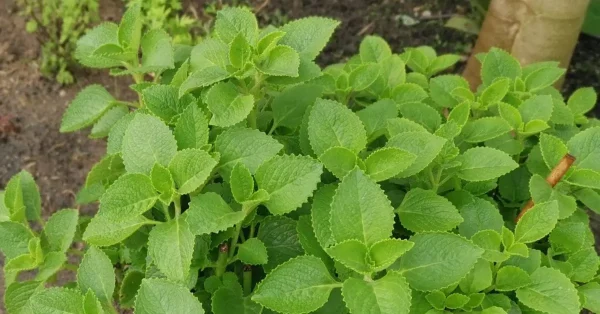
How to Grow Cuban Oregano Plants: A Complete Care Guide
If you’ve ever wanted a plant that combines the culinary punch of traditional oregano with [...]
Aug
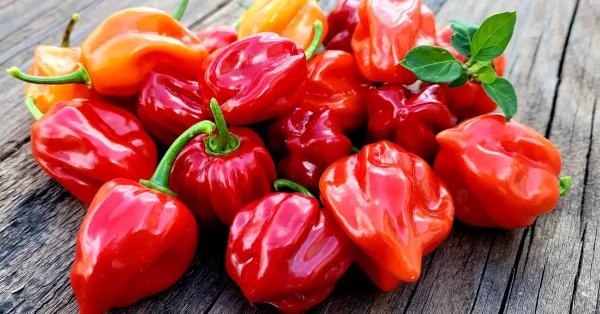
How to Grow Habanero Pepper Plants: A Step-by-Step Guide
Habanero pepper plants are prized for their vibrant colors, intense heat, and exceptional flavor, making [...]
Aug
Reviews
There are no reviews yet.