
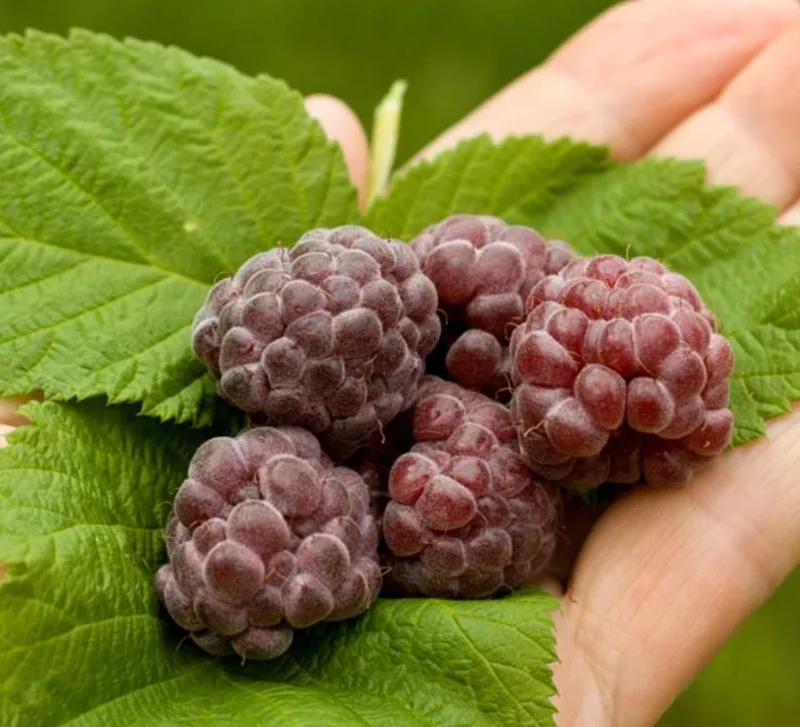
Raspberry Glencoe Live Plant – 4-6″ Tall Edible Berry Bush for Garden
$20.89
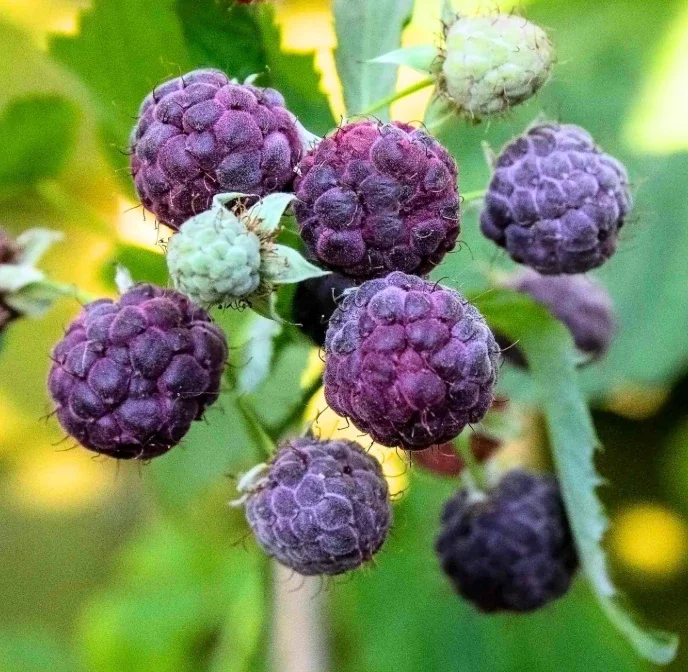
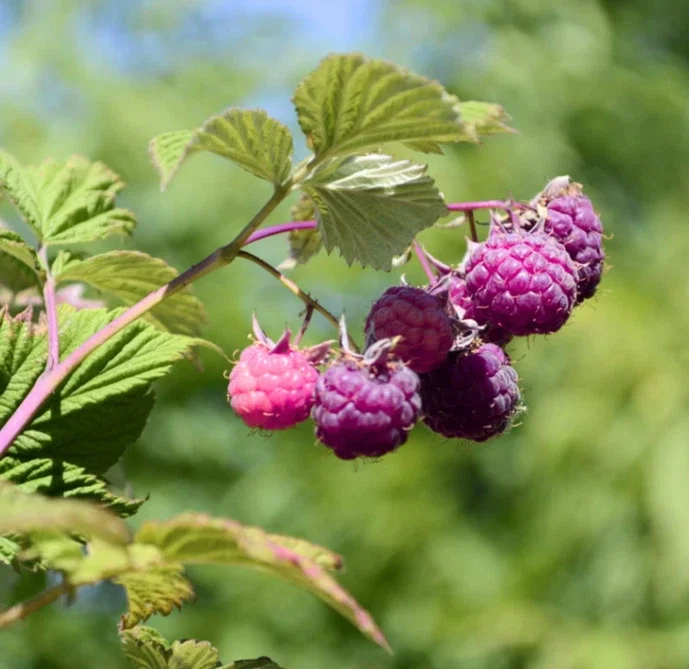
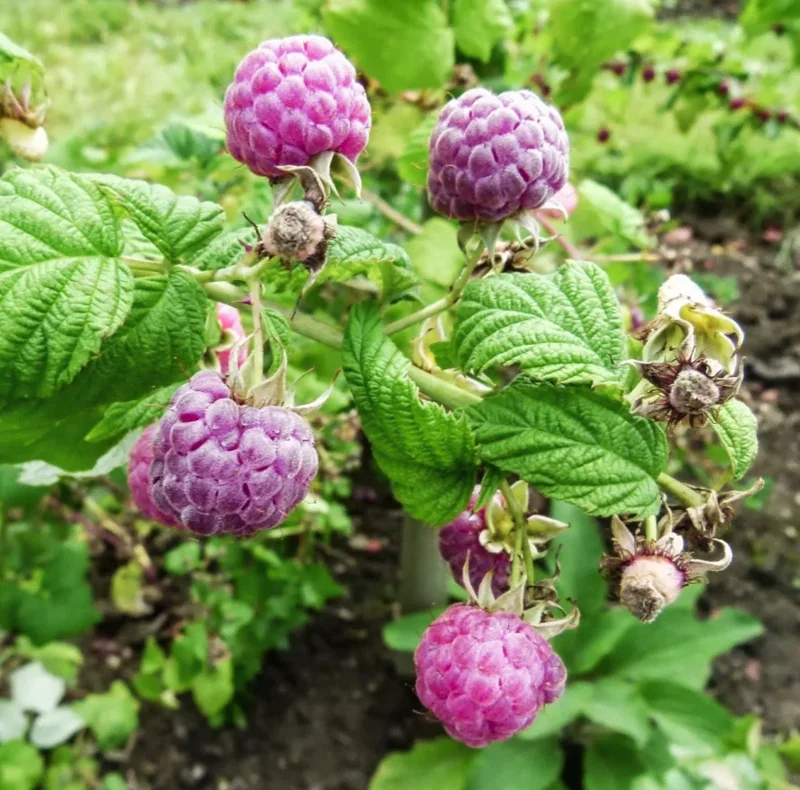
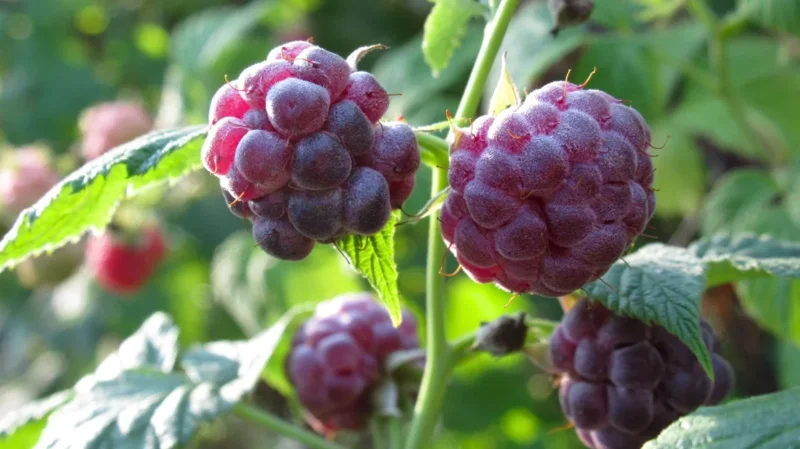
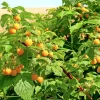
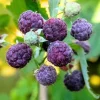
Cultivate your own sweet harvest with a raspberry Glencoe live plant. This 4–6 inch tall bush produces unique purple-black, conical berries known for their delicious flavor, perfect for gardens or containers.
Shipping and Return policies:
We stand behind our plants with our Alive & Thrive Guarantee. If you experience any issues within the first 30 days, please email us, and our team will be happy to help. When needed, we’ll send you a one-time replacement free of charge to make sure your garden keeps growing strong.

Reasonable Price
We offer reasonable price

Support 24/7
Contact us 24 hrs a day
100% Money Back
You’ve 30 days to Return
Payment Secure
100% secure payment
Overview
Bring the joy of fresh, homegrown berries to your garden with the raspberry Glencoe live plant. This unique raspberry variety is cherished for its distinct purple-black fruit, offering a delightful blend of sweetness and tartness that sets it apart from traditional red raspberries. Originating from Scotland, the Glencoe raspberry is a primocane-fruiting (everbearing) type, meaning it can produce fruit on both new and old canes, often yielding a crop in late summer/early fall of the first year and a larger crop the following summer. Our Glencoe raspberry bush arrives as a vibrant, young plant, typically 4–6 inches tall, ready to establish itself in your garden or a large container, promising a rewarding and delicious harvest for years to come.
The Glencoe raspberry is a hybrid of black raspberry and red raspberry, resulting in its appealing deep purple color and complex flavor profile. It’s an excellent choice for both novice and experienced gardeners looking to add an unusual and highly productive edible berry plant to their landscape. Beyond its delicious fruit, the plant itself features attractive foliage, making it a beautiful addition to edible landscapes or kitchen gardens.
Key Benefits
Adding a raspberry Glencoe live plant to your garden offers numerous advantages, from fresh produce to aesthetic appeal. Here are some of the key benefits:
- Unique Flavor Profile: Enjoy sweet, slightly tart, purple-black berries that offer a more complex and richer flavor than typical red raspberries. These berries are excellent fresh, in desserts, or for making preserves.
- Dual Cropping Potential: As an everbearing variety, the Glencoe raspberry bush can produce two crops per year – an initial small crop in late summer/early fall on new canes, and a more substantial crop the following summer on older canes.
- Excellent for Culinary Use: The distinctive color and taste of Glencoe raspberries make them ideal for jams, jellies, pies, sauces, and garnishes. They also freeze well for year-round enjoyment.
- Compact Growth Habit: This variety tends to have a more upright and compact growth habit compared to some other raspberries, making it suitable for smaller gardens or container planting.
- Disease Resistance: Glencoe raspberries are known for their good disease resistance, which can reduce the need for chemical treatments and make them easier to care for.
- Attracts Pollinators: The flowers of the edible berry plant attract beneficial pollinators like bees to your garden, contributing to overall garden health and productivity.
- Ornamental Value: With its lush green foliage and eventual colorful berries, the Glencoe raspberry also adds visual interest to your garden space.
Plant Care & Growing Tips
Caring for your raspberry Glencoe live plant is straightforward, leading to bountiful harvests. These plants thrive in full sun, meaning they need at least 6-8 hours of direct sunlight per day to produce the best fruit. They prefer well-draining, fertile soil with a pH between 6.0 and 6.8. Amending your soil with organic matter like compost before planting will significantly improve drainage and nutrient content. Ensure the planting site is free of perennial weeds.
Watering is crucial, especially during dry spells and fruit development. Raspberry plants need consistent moisture; aim for about 1 inch of water per week from rain or irrigation. Avoid overhead watering if possible to prevent fungal diseases. Mulching around the base of the plant with straw or wood chips can help retain soil moisture, suppress weeds, and regulate soil temperature. Fertilize in early spring with a balanced granular fertilizer or a slow-release organic option. Pruning is essential for maintaining plant health and maximizing yields. As a primocane-fruiting variety, you can choose to prune for a single large summer crop (remove all old canes after fruiting, leaving new canes to fruit next year) or a dual crop (remove only the tips of canes that fruited in fall, then remove entire canes after their summer crop). Understanding how to grow raspberries effectively involves proper pruning, which encourages strong new growth and better air circulation.
The Glencoe raspberry is generally hardy in USDA Zones 4-8. Protect plants from extreme winter cold in colder regions with a layer of mulch or by covering them. Watch out for common pests like aphids or Japanese beetles, and address them with organic pest control methods if necessary. Ensuring good air circulation and proper spacing between plants can also help prevent fungal issues. This purple raspberry plant will reward your efforts with delicious fruit.
Size & Details
This offering is for one raspberry Glencoe live plant, typically shipped as a young plant measuring 4–6 inches tall. It is shipped without a pot, often as a bare root or with minimal soil around the root ball, carefully packaged to ensure its health upon arrival. These plants are ready for immediate planting in your garden or a larger container. Glencoe raspberries are known for their moderate growth rate and can reach mature heights of 4–6 feet with a spread of 2–3 feet, forming a productive bush. Expect your plant to begin producing fruit within one to two years after planting, with full production usually achieved by the third year. The fruit ripens from mid-summer through early fall, depending on your climate and pruning strategy.
Frequently Asked Questions
- Q: How big does this plant get? A: The raspberry Glencoe live plant typically grows to a mature height of 4–6 feet and can spread 2–3 feet wide, forming a sturdy and productive bush. Its size makes it manageable for most home gardens.
- Q: Is this an indoor or outdoor plant? A: Glencoe raspberries are primarily outdoor plants, thriving in garden settings where they can receive ample sunlight and develop their extensive root systems. They require outdoor conditions to fruit effectively.
- Q: How much sunlight does it need? A: For optimal fruit production, your Glencoe raspberry bush needs full sun, which means at least 6-8 hours of direct sunlight per day. Less sun may result in fewer and smaller berries.
- Q: Is this plant easy to care for? A: Yes, Glencoe raspberries are considered relatively easy to care for, especially for gardeners with some basic experience. They require consistent watering, annual pruning, and good sun exposure. Learning how to grow raspberries is a rewarding process.
- Q: What condition will it arrive in? A: Your purple raspberry plant will arrive as a healthy, young live plant, typically 4–6 inches tall, often shipped without a pot (bare root or with a small amount of soil around the roots) to ensure safe and efficient transit.
- Q: How long until it blooms and fruits? A: Glencoe raspberries are primocane-fruiting, meaning they can produce a small crop on new canes in late summer/early fall of the first year. A more substantial crop typically occurs the following summer.
- Q: Will it survive winter in my zone? A: The Glencoe raspberry is hardy in USDA Zones 4-8. In colder zones, providing winter protection like a thick layer of mulch can help ensure its survival.
- Q: Can I grow this edible berry plant in a container? A: Yes, Glencoe raspberries can be grown in large containers (at least 15-20 gallon capacity) if you ensure proper drainage, consistent watering, and regular feeding.
- Q: What makes Glencoe raspberries purple? A: The unique purple-black color of Glencoe raspberries comes from its hybrid parentage, being a cross between red and black raspberry varieties. This blend gives it both its distinctive hue and flavor.
Be the first to review “Raspberry Glencoe Live Plant – 4-6″ Tall Edible Berry Bush for Garden”
You must be logged in to post a review.
People also Viewed
Sold 50 products
$32.38
Sold 50 products
$27.38
Sold 50 products
$32.38
Sold 50 products
$19.88
Sold 50 products
$62.38
Sold 50 products
$24.88
Houseplants
Phalaenopsis pulcherrima ‘Mauna Kea Snow’ Orchid Live Plant – White Flowers, Potted 2.5 in
Sold 50 products
$49.88
Sold 50 products
$49.88RELATED posts
Awapuhi Wild Ginger Plant: Zones, Care, and Propagation
Learn which USDA zones suit awapuhi wild ginger, plus sunlight, water, planting, propagation, pests, size, [...]
Awapuhi Shampoo Ginger – Care, Growing Zones, and Differences
Learn how to grow awapuhi (shampoo) ginger, its USDA zones, watering schedule, propagation tips, and [...]
Awapuhi Shampoo Plant Buying Guide – Choose the Right Zingiber zerumbet
META: Learn which awapuhi (shampoo ginger) plant or rhizome pack gives the best natural shampoo, [...]
Awapuhi Plant for Sale: Complete Buying Guide
Find the right awapuhi (shampoo ginger) plant, size, price, soil mix, and online source. Practical [...]
Shampoo Ginger Plant for Sale – Buying Guide & Tips
Find the right shampoo ginger plant, size, price, and care tips. Quick guide for U.S. [...]
Shampoo Ginger Plant (Awapuhi) Care Guide
Learn how to grow, care for, and use shampoo ginger (Zingiber zerumbet), the tropical awapuhi [...]
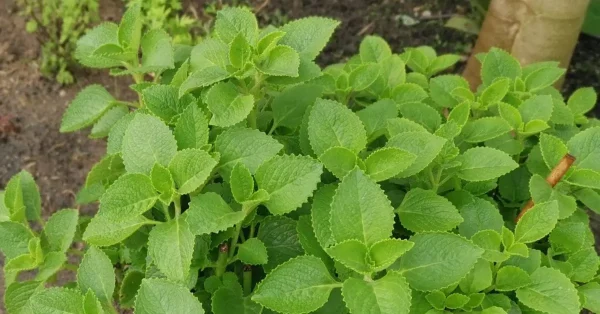
How to Grow Cuban Oregano Plants: A Complete Care Guide
If you’ve ever wanted a plant that combines the culinary punch of traditional oregano with [...]
Aug
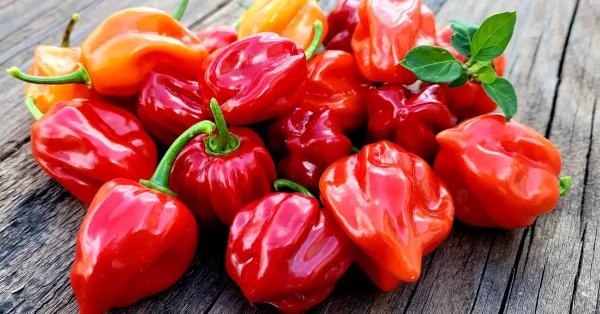
How to Grow Habanero Pepper Plants: A Step-by-Step Guide
Habanero pepper plants are prized for their vibrant colors, intense heat, and exceptional flavor, making [...]
Aug
Reviews
There are no reviews yet.