
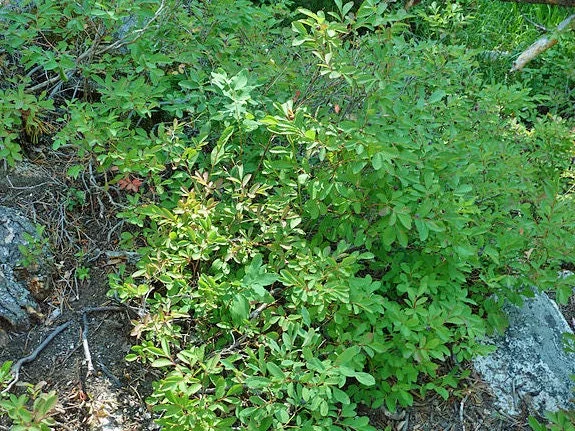
Thinleaf Huckleberry Seeds – Vaccinium membranaceum – 20 Seeds – Grow Your Own Berries
Original price was: $25.00.$17.50Current price is: $17.50.
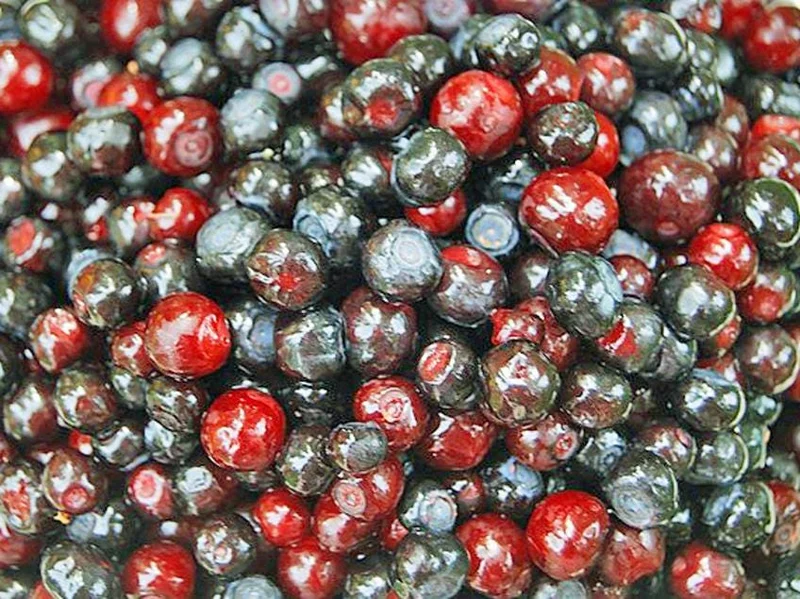
Cultivate your own native North American Thinleaf Huckleberry seeds (Vaccinium membranaceum). This packet contains 20 seeds, perfect for growing a deciduous shrub known for its sweet-tart, antioxidant-rich dark purple berries. Ideal for naturalizing in acidic, well-drained soils in USDA zones 4-9.
Shipping and Return policies:
We stand behind our plants with our Alive & Thrive Guarantee. If you experience any issues within the first 30 days, please email us, and our team will be happy to help. When needed, we’ll send you a one-time replacement free of charge to make sure your garden keeps growing strong.

Reasonable Price
We offer reasonable price

Support 24/7
Contact us 24 hrs a day
100% Money Back
You’ve 30 days to Return
Payment Secure
100% secure payment
Overview
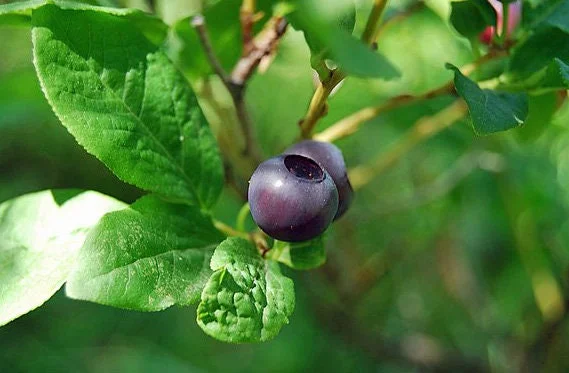
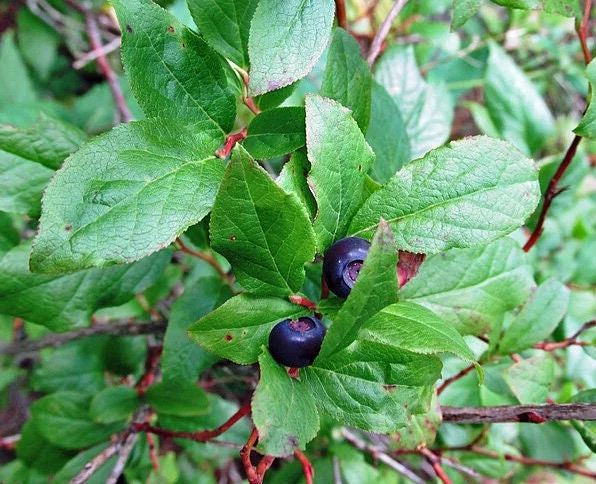
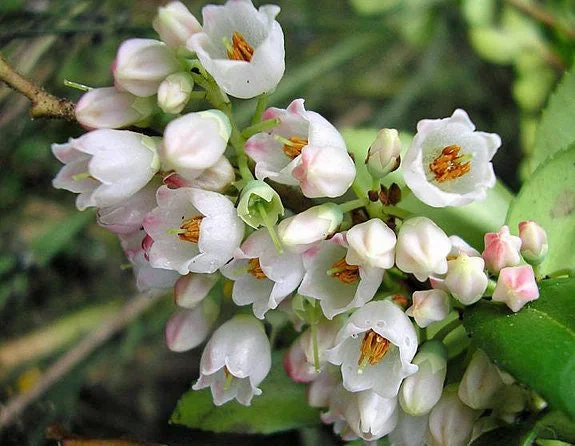
Embark on a rewarding gardening journey with Thinleaf Huckleberry seeds. This packet contains 20 seeds of Vaccinium membranaceum, commonly known as Thinleaf Huckleberry or Tall Huckleberry. This fascinating deciduous shrub is native to the mountainous regions of western North America, bringing a touch of wild beauty to your garden. Growing between 1 to 2 meters in height, it features elegant oval-shaped leaves that transform into vibrant red or orange hues in the fall, adding seasonal interest. The delicate pale pink to white bell-shaped flowers bloom from late spring to early summer, eventually giving way to highly prized, dark purple to black berries. These berries are not only delicious with their sweet-tart flavor but are also packed with antioxidants. Cultivating Vaccinium membranaceum seeds allows you to experience the full life cycle of this remarkable plant, from germination to fruit production, making it a unique addition for enthusiasts of native flora and edible landscaping.
The Thinleaf Huckleberry seeds offer a chance to grow a plant that thrives in well-drained, acidic soils, typically found in coniferous forests, clearings, and higher elevations. It’s a plant with significant ecological and cultural value, serving as an important food source for wildlife and holding traditional importance for Indigenous peoples. By planting these seeds, you contribute to biodiversity and can enjoy the satisfaction of harvesting your own nutrient-rich black huckleberries. The process requires patience and specific care, especially during germination, but the reward of a thriving huckleberry bush is well worth the effort.
Key Benefits
Growing Thinleaf Huckleberry seeds offers a multitude of benefits, transforming your garden into a productive and visually appealing space. These native shrubs are an excellent choice for gardeners looking to combine ornamental beauty with edible yields. From their striking fall foliage to their delicious berries, the advantages are numerous.
- Delicious Edible Berries: The primary benefit of cultivating Thinleaf Huckleberry seeds is the production of highly valued, sweet-tart, dark purple to black berries. These berries are not only flavorful for fresh eating, jams, and desserts but are also rich in beneficial antioxidants, supporting a healthy diet.
- Stunning Seasonal Interest: Beyond the fruit, the Thinleaf Huckleberry provides significant ornamental value. Its simple, oval-shaped leaves offer a lush green through spring and summer, transitioning to spectacular red and orange tones in the fall, creating a vibrant display in your landscape.
- Wildlife Support: As a native plant, Vaccinium membranaceum is an important food source for local wildlife, including bears and various bird species. Planting these shrubs helps support local ecosystems and promotes biodiversity in your garden.
- Adaptable to Acidic Soils: This plant thrives in well-drained, acidic soil conditions, making it an excellent choice for areas where other plants might struggle. It’s perfectly suited for woodland gardens or naturalized settings that mimic its native habitat.
- Cultural Significance: The berries have a long history of use by Indigenous peoples for food, adding a layer of cultural depth and connection to nature when you grow this plant.
- Unique Gardening Challenge: Germinating tall huckleberry seeds and cultivating the plant offers a rewarding challenge for dedicated gardeners, providing a deep sense of accomplishment as you nurture it from seed to mature, berry-producing shrub.
- Drought Tolerance: Once established, Thinleaf Huckleberry exhibits good drought tolerance, making it a relatively low-maintenance option for suitable climates and soil conditions.
Plant Care & Growing Tips
Successfully cultivating Thinleaf Huckleberry seeds requires mimicking their natural habitat conditions, particularly for germination. The seeds benefit significantly from cold stratification, which simulates a winter period to break dormancy. To achieve this, mix the Vaccinium membranaceum seeds with a moist medium like sand or peat moss and store them in a refrigerator at 1-5°C (34-41°F) for approximately 3 to 4 months. After stratification, sow the seeds on the surface of a well-draining, acidic soil mix. A good soil blend would be one specifically formulated for acid-loving plants, often containing peat moss or pine bark fines to lower the pH. Lightly cover the seeds, as they require some light for germination. Maintain a consistent temperature of 20-25°C (68-77°F) and high humidity levels during this critical period. Keeping the soil consistently moist but never waterlogged is essential for successful germination of black huckleberry cultivation.
Once established, Thinleaf Huckleberry thrives in USDA Zones 4-9. It prefers full sun to partial shade, with at least 6 hours of direct sunlight for optimal berry production. The plant requires consistently moist, acidic (pH 4.5-5.5) and well-drained soil. Amend heavy clay soils with organic matter to improve drainage and acidity. Regular watering is crucial, especially during dry spells and the plant’s establishment phase, but avoid overwatering which can lead to root rot. Fertilize sparingly with an acid-loving plant fertilizer in early spring. Pruning is generally minimal, focusing on removing dead or diseased branches to maintain plant health and shape. Protecting young plants from pests and diseases is also important; ensure good air circulation to prevent fungal issues. Patience is key, as germination can be slow and irregular, often taking several weeks to months, but with diligent care, you can successfully grow your own tall huckleberry seeds into mature, fruiting shrubs.
Size & Details
Each packet contains 20 seeds of Thinleaf Huckleberry seeds (Vaccinium membranaceum), providing ample opportunity to start your own crop. This deciduous shrub typically grows to a height of 1 to 2 meters (approximately 3 to 6.5 feet) and can spread similarly, forming a dense, multi-stemmed bush. The growth rate is moderate, with plants reaching maturity and beginning to produce fruit within a few years under ideal conditions. The seeds are small, reflecting the delicate nature of the plant in its early stages. They are shipped in a protective packet to ensure viability upon arrival. When planting, consider the mature size of the shrub to allow adequate space for growth and air circulation. The plants will develop simple, oval-shaped leaves and produce bell-shaped flowers in late spring to early summer, followed by the distinctive dark purple to black berries.
Frequently Asked Questions
- Q: How big does this plant get from these Thinleaf Huckleberry seeds? A: The Thinleaf Huckleberry (Vaccinium membranaceum) typically grows to a height of 1 to 2 meters (3 to 6.5 feet) and can have a similar spread, forming a medium-sized deciduous shrub.
- Q: Is this an indoor or outdoor plant? A: The Thinleaf Huckleberry is primarily an outdoor plant, suited for garden beds, naturalized areas, or large containers outdoors. It thrives in USDA Zones 4-9.
- Q: How much sunlight does it need? A: This plant prefers full sun to partial shade, ideally receiving at least 6 hours of direct sunlight per day for the best berry production.
- Q: Is this plant easy to care for, especially for beginners? A: While germinating Vaccinium membranaceum seeds requires specific conditions like cold stratification and careful attention, established plants are relatively low-maintenance for gardeners in appropriate climates with acidic soil.
- Q: What condition will the Thinleaf Huckleberry seeds arrive in? A: Your Thinleaf Huckleberry seeds will arrive in a sealed packet, ensuring they are protected and viable for planting.
- Q: How long until it blooms and produces berries? A: After successful germination and establishment, it typically takes a few years for the Thinleaf Huckleberry to mature sufficiently to produce flowers and berries, usually within 3-5 years.
- Q: What’s the best time to plant these Thinleaf Huckleberry seeds? A: After the required cold stratification period (typically 3-4 months in a refrigerator), the best time to sow the seeds is in late winter or early spring indoors, to allow seedlings to establish before outdoor planting after the last frost.
- Q: Can I grow the black huckleberry cultivation in a container? A: Yes, you can grow Thinleaf Huckleberry in large containers, provided you use an acidic potting mix and ensure excellent drainage. Container growing may require more frequent watering and fertilization.
- Q: What kind of soil does this plant need? A: Thinleaf Huckleberry thrives in well-drained, acidic soil with a pH between 4.5 and 5.5. Incorporating peat moss or compost can help achieve the ideal soil conditions.
- Q: Will these tall huckleberry seeds survive winter in my zone? A: If you are in USDA Zones 4-9, the Thinleaf Huckleberry is cold-hardy and should survive winter outdoors. Protection for young plants in the colder end of the range may be beneficial.
Be the first to review “Thinleaf Huckleberry Seeds – Vaccinium membranaceum – 20 Seeds – Grow Your Own Berries”
You must be logged in to post a review.
People also Viewed


Sold 50 products
Original price was: $109.95.$79.98Current price is: $79.98.

Sold 50 products
Original price was: $25.00.$17.50Current price is: $17.50.

Flower Seeds
Olympic Onion Seeds – Allium crenulatum Flower Seeds – 10 Seed Pack – Outdoor Native Plant
Sold 50 products
Original price was: $25.00.$17.50Current price is: $17.50.

Sold 50 products
Original price was: $25.00.$17.50Current price is: $17.50.

Flower Seeds
Fuchsia vulcanica Seeds – 20 Pack – Vibrant Orange Coral Flowers for Garden & Containers
Sold 50 products
Original price was: $25.00.$17.50Current price is: $17.50.

Sold 50 products
Original price was: $116.98.$95.68Current price is: $95.68.

Sold 50 products
Original price was: $21.00.$14.10Current price is: $14.10.

Aquatic Plant Seeds
White Lotus Seeds – Nelumbo Nucifera Aquatic Pond Plant – 5 Seeds for Water Garden
Sold 50 products
Original price was: $29.00.$20.90Current price is: $20.90.RELATED posts
Awapuhi Wild Ginger Plant: Zones, Care, and Propagation
Learn which USDA zones suit awapuhi wild ginger, plus sunlight, water, planting, propagation, pests, size, [...]
Awapuhi Shampoo Ginger – Care, Growing Zones, and Differences
Learn how to grow awapuhi (shampoo) ginger, its USDA zones, watering schedule, propagation tips, and [...]
Awapuhi Shampoo Plant Buying Guide – Choose the Right Zingiber zerumbet
META: Learn which awapuhi (shampoo ginger) plant or rhizome pack gives the best natural shampoo, [...]
Awapuhi Plant for Sale: Complete Buying Guide
Find the right awapuhi (shampoo ginger) plant, size, price, soil mix, and online source. Practical [...]
Shampoo Ginger Plant for Sale – Buying Guide & Tips
Find the right shampoo ginger plant, size, price, and care tips. Quick guide for U.S. [...]
Shampoo Ginger Plant (Awapuhi) Care Guide
Learn how to grow, care for, and use shampoo ginger (Zingiber zerumbet), the tropical awapuhi [...]

How to Grow Cuban Oregano Plants: A Complete Care Guide
If you’ve ever wanted a plant that combines the culinary punch of traditional oregano with [...]
Aug

How to Grow Habanero Pepper Plants: A Step-by-Step Guide
Habanero pepper plants are prized for their vibrant colors, intense heat, and exceptional flavor, making [...]
Aug
Reviews
There are no reviews yet.