
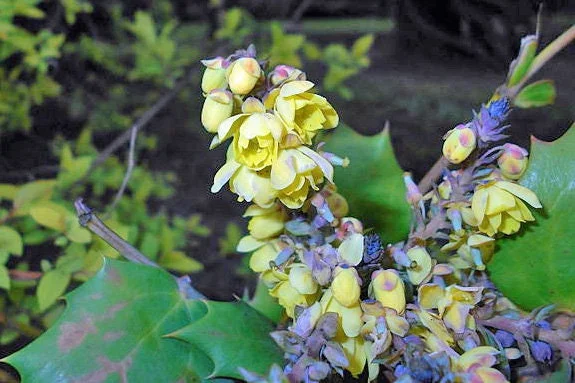
Berberis Bealei Seeds – Leatherleaf Mahonia Seeds – 5 Count – Outdoor Shrub
Original price was: $25.00.$17.50Current price is: $17.50.
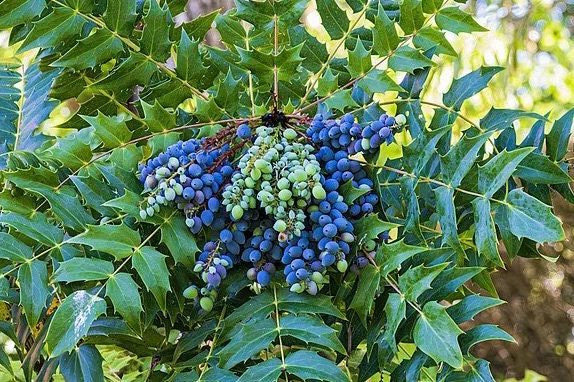
Cultivate the striking Berberis Bealei seeds, also known as Leatherleaf Mahonia seeds. This evergreen shrub offers beautiful, glossy foliage, fragrant yellow flowers in late winter, and attractive bluish-black berries. Ideal for shaded garden areas, providing year-round interest and a food source for birds. Each pack contains 5 seeds, ready for stratification and planting.
Shipping and Return policies:
We stand behind our plants with our Alive & Thrive Guarantee. If you experience any issues within the first 30 days, please email us, and our team will be happy to help. When needed, we’ll send you a one-time replacement free of charge to make sure your garden keeps growing strong.

Reasonable Price
We offer reasonable price

Support 24/7
Contact us 24 hrs a day
100% Money Back
You’ve 30 days to Return
Payment Secure
100% secure payment
Overview
Embark on a rewarding gardening journey by growing Berberis Bealei seeds, commonly known as Leatherleaf Mahonia seeds or Beale’s Barberry. These seeds offer the opportunity to cultivate a magnificent evergreen shrub native to China, renowned for its distinctive foliage and vibrant winter blooms. The plant, scientifically named Berberis bealei, is a robust and attractive addition to any garden, particularly in areas with partial to full shade. Its unique characteristics make it a popular choice for those seeking year-round visual appeal and ecological benefits. Starting from Berberis Bealei seeds allows you to witness the full life cycle of this remarkable plant, from germination to its mature, majestic form.
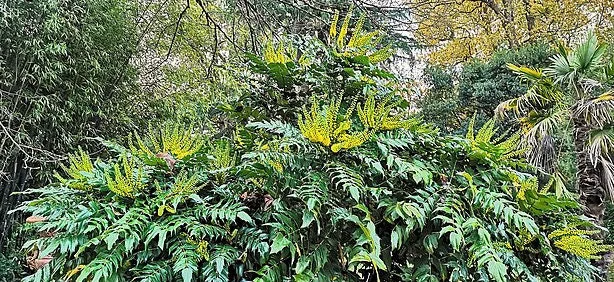
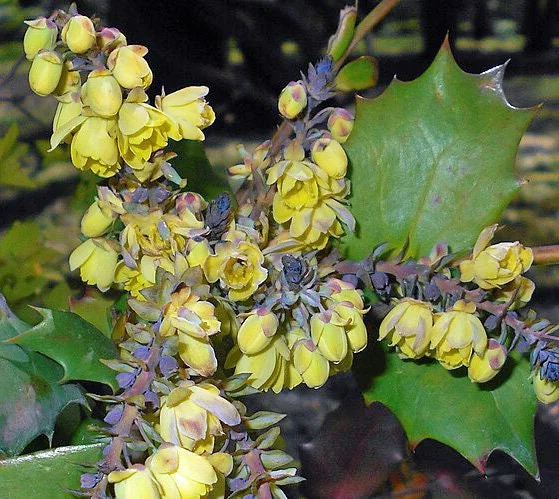
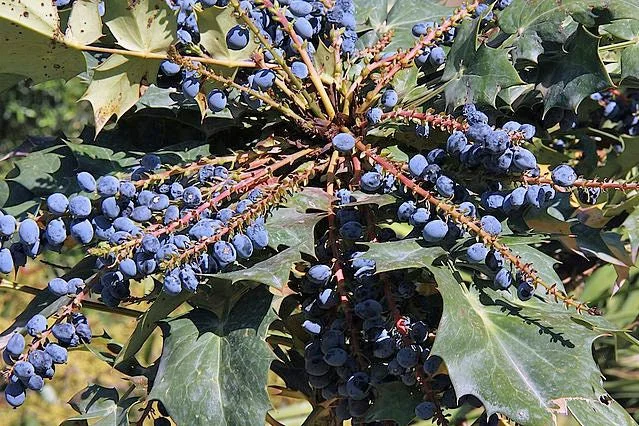
The Leatherleaf Mahonia seeds develop into a dense, multi-stemmed shrub typically reaching 3-7 feet in height. Its large, pinnate leaves are a standout feature, composed of 9-15 sharp-toothed, leathery leaflets with a dark green, glossy appearance that provides consistent color even in colder months. In late winter to early spring, the shrub produces striking clusters of small, wonderfully fragrant, bright yellow flowers, bringing a splash of color and a pleasant aroma to the dormant garden. These blossoms are later followed by bluish-black berries that ripen in late spring to early summer, serving as a valuable food source for birds and adding further decorative interest to your landscape.
Key Benefits
Growing Leatherleaf Mahonia seeds offers a multitude of benefits for both the gardener and the garden ecosystem. This resilient shrub is celebrated for its low-maintenance nature and significant aesthetic contributions throughout the year. It’s an excellent choice for adding structure and color to challenging shady spots in your garden.
- Year-Round Visual Appeal: The deep green, glossy, leathery leaves provide consistent color and texture, making the Berberis Bealei seeds a fantastic choice for evergreen interest even in winter. Its distinctive foliage adds architectural beauty to your landscape.
- Fragrant Winter Blooms: Enjoy clusters of bright yellow, highly fragrant flowers in late winter to early spring, bringing much-needed color and scent when most other plants are dormant. These blooms are a delightful precursor to spring.
- Wildlife Attraction: The bluish-black berries that follow the flowers provide a crucial food source for various bird species in late spring and early summer, enhancing biodiversity in your garden. Planting Mahonia plant seeds supports local wildlife.
- Shade Tolerance: Thrives in partial to full shade, making it an ideal plant for understory planting, north-facing walls, or shaded borders where many other flowering shrubs struggle. This makes it a versatile option for diverse garden conditions.
- Drought Resistance: Once established, this shrub exhibits good drought tolerance, reducing the need for frequent watering and making it a sustainable choice for your garden.
- Low Maintenance: Generally robust and disease-resistant, requiring minimal care once established. It’s a great option for gardeners seeking impactful plants without extensive upkeep.
- Erosion Control: Its dense growth habit and strong root system can help stabilize soil on slopes and prevent erosion, contributing to a healthier landscape.
Plant Care & Growing Tips
Successfully germinating and growing Berberis Bealei seeds requires attention to specific environmental conditions, particularly mimicking its natural dormancy-breaking process. The seeds benefit significantly from cold stratification before planting. To achieve this, mix the Berberis Bealei seeds with a moist medium such as peat moss or sand. Place this mixture in a sealed bag or container and store it in a refrigerator at approximately 39°F (4°C) for 2-3 months. This period of cold stratification is crucial for breaking seed dormancy and promoting successful germination. After stratification, you are ready to sow your Leatherleaf Mahonia seeds.
When ready to plant, sow the stratified Mahonia plant seeds in a well-draining soil mix, covering them lightly with about 1/4 inch of soil. Maintain consistent moisture levels, ensuring the soil remains moist but never waterlogged, which can lead to rot. Provide a warm environment for germination, ideally with temperatures between 65-75°F (18-24°C). Germination can be slow and may take several weeks to months, so patience is key. Once seedlings emerge, gradually acclimate them to outdoor conditions before transplanting them to their final location when they are robust enough to handle. For optimal growth, choose a site with partial to full shade and well-drained, acidic to neutral soils. These conditions will ensure your evergreen shrub seeds thrive and develop into healthy, mature plants.
Size & Details
This product includes 5 seeds of Berberis bealei, commonly known as Leatherleaf Mahonia or Beale’s Barberry. These seeds will grow into an attractive evergreen shrub that typically reaches a mature height of 3-7 feet (1-2 meters) and can spread to a similar width, forming a dense, multi-stemmed plant. The growth rate is moderate, allowing the plant to establish itself well within a few years. When mature, it produces large, pinnate leaves with 9-15 leathery, sharp-toothed leaflets. The striking bright yellow flowers appear in late winter to early spring, followed by bluish-black berries that ripen in late spring to early summer. These Berberis Bealei seeds are ideal for planting in USDA Hardiness Zones 7-9.
The seeds are provided in a ready-to-stratify state, requiring the gardener to undertake the cold stratification process before planting. This ensures the best possible germination rates for your Leatherleaf Mahonia seeds. With proper care and conditions, you can expect to see seedlings emerge within several weeks to months after stratification and planting. The established plants will provide long-lasting beauty and ecological benefits to your garden for many years to come.
Frequently Asked Questions
- Q: How big does a Leatherleaf Mahonia plant get? A: The Leatherleaf Mahonia seeds will grow into a shrub that typically reaches a height of 3-7 feet (1-2 meters) and can spread similarly. It forms a dense, multi-stemmed plant over time, providing substantial presence in the garden.
- Q: Is this an indoor or outdoor plant? A: Berberis Bealei seeds are intended for growing outdoor plants. This evergreen shrub thrives in garden settings, particularly in shaded areas, and is hardy in USDA Zones 7-9.
- Q: How much sunlight does it need? A: Leatherleaf Mahonia prefers partial to full shade. It performs best when protected from intense afternoon sun, which can scorch its leaves. This makes it an excellent choice for understory planting or north-facing exposures.
- Q: Is this plant easy to care for? Is it good for beginners? A: Once established, Leatherleaf Mahonia is relatively low-maintenance. The initial germination from Berberis Bealei seeds requires cold stratification, which might be a new process for beginners, but the mature plant is quite robust.
- Q: What condition will the seeds arrive in? A: You will receive 5 seeds of Berberis bealei, ready for you to begin the cold stratification process before planting. They are carefully packaged to ensure their viability upon arrival.
- Q: How long until it blooms? A: While germination from Berberis Bealei seeds can take several weeks to months, the plant typically starts producing its fragrant yellow flowers once it reaches a certain maturity, usually within 2-3 years after planting.
- Q: Will it survive winter in my zone? A: Yes, Leatherleaf Mahonia is hardy in USDA Zones 7-9, meaning it can tolerate winter conditions in these regions. Its evergreen foliage provides year-round interest, even in colder months.
- Q: What’s the best soil for growing Leatherleaf Mahonia? A: This plant prefers well-drained, acidic to neutral soils. Ensuring good drainage is crucial to prevent root rot, especially during the germination phase of your Leatherleaf Mahonia seeds.
- Q: Are the berries edible? A: While the bluish-black berries are a food source for birds, they are generally considered tart and not typically consumed by humans. They are primarily ornamental and beneficial for wildlife.
- Q: When is the best time to plant the seeds after stratification? A: After the required 2-3 months of cold stratification, the best time to sow the Berberis Bealei seeds is in late winter or early spring, mimicking natural conditions for optimal germination.
Be the first to review “Berberis Bealei Seeds – Leatherleaf Mahonia Seeds – 5 Count – Outdoor Shrub”
You must be logged in to post a review.
People also Viewed


Sold 50 products
Original price was: $109.95.$79.98Current price is: $79.98.

Sold 50 products
Original price was: $25.00.$17.50Current price is: $17.50.

Flower Seeds
Olympic Onion Seeds – Allium crenulatum Flower Seeds – 10 Seed Pack – Outdoor Native Plant
Sold 50 products
Original price was: $25.00.$17.50Current price is: $17.50.

Sold 50 products
Original price was: $25.00.$17.50Current price is: $17.50.

Flower Seeds
Fuchsia vulcanica Seeds – 20 Pack – Vibrant Orange Coral Flowers for Garden & Containers
Sold 50 products
Original price was: $25.00.$17.50Current price is: $17.50.

Sold 50 products
Original price was: $116.98.$95.68Current price is: $95.68.

Sold 50 products
Original price was: $21.00.$14.10Current price is: $14.10.

Aquatic Plant Seeds
White Lotus Seeds – Nelumbo Nucifera Aquatic Pond Plant – 5 Seeds for Water Garden
Sold 50 products
Original price was: $29.00.$20.90Current price is: $20.90.RELATED posts
Awapuhi Wild Ginger Plant: Zones, Care, and Propagation
Learn which USDA zones suit awapuhi wild ginger, plus sunlight, water, planting, propagation, pests, size, [...]
Awapuhi Shampoo Ginger – Care, Growing Zones, and Differences
Learn how to grow awapuhi (shampoo) ginger, its USDA zones, watering schedule, propagation tips, and [...]
Awapuhi Shampoo Plant Buying Guide – Choose the Right Zingiber zerumbet
META: Learn which awapuhi (shampoo ginger) plant or rhizome pack gives the best natural shampoo, [...]
Awapuhi Plant for Sale: Complete Buying Guide
Find the right awapuhi (shampoo ginger) plant, size, price, soil mix, and online source. Practical [...]
Shampoo Ginger Plant for Sale – Buying Guide & Tips
Find the right shampoo ginger plant, size, price, and care tips. Quick guide for U.S. [...]
Shampoo Ginger Plant (Awapuhi) Care Guide
Learn how to grow, care for, and use shampoo ginger (Zingiber zerumbet), the tropical awapuhi [...]

How to Grow Cuban Oregano Plants: A Complete Care Guide
If you’ve ever wanted a plant that combines the culinary punch of traditional oregano with [...]
Aug

How to Grow Habanero Pepper Plants: A Step-by-Step Guide
Habanero pepper plants are prized for their vibrant colors, intense heat, and exceptional flavor, making [...]
Aug
Reviews
There are no reviews yet.