
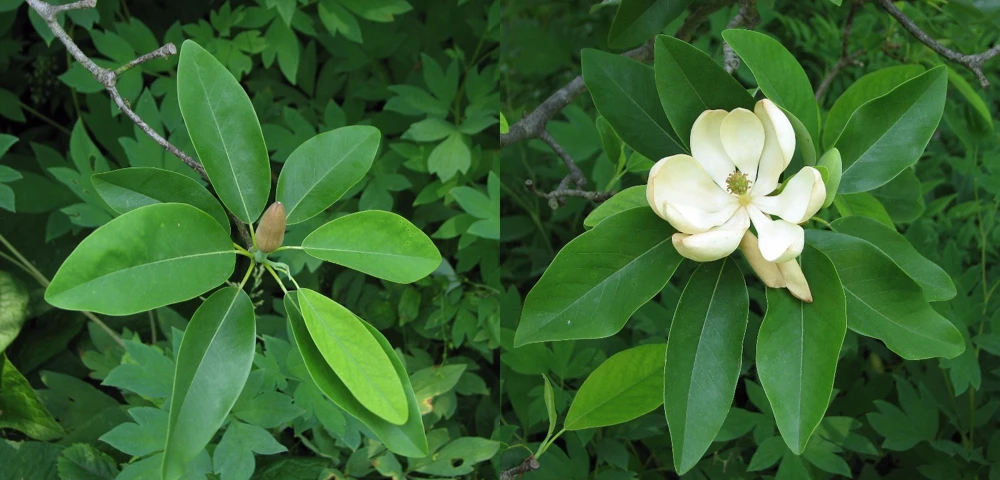
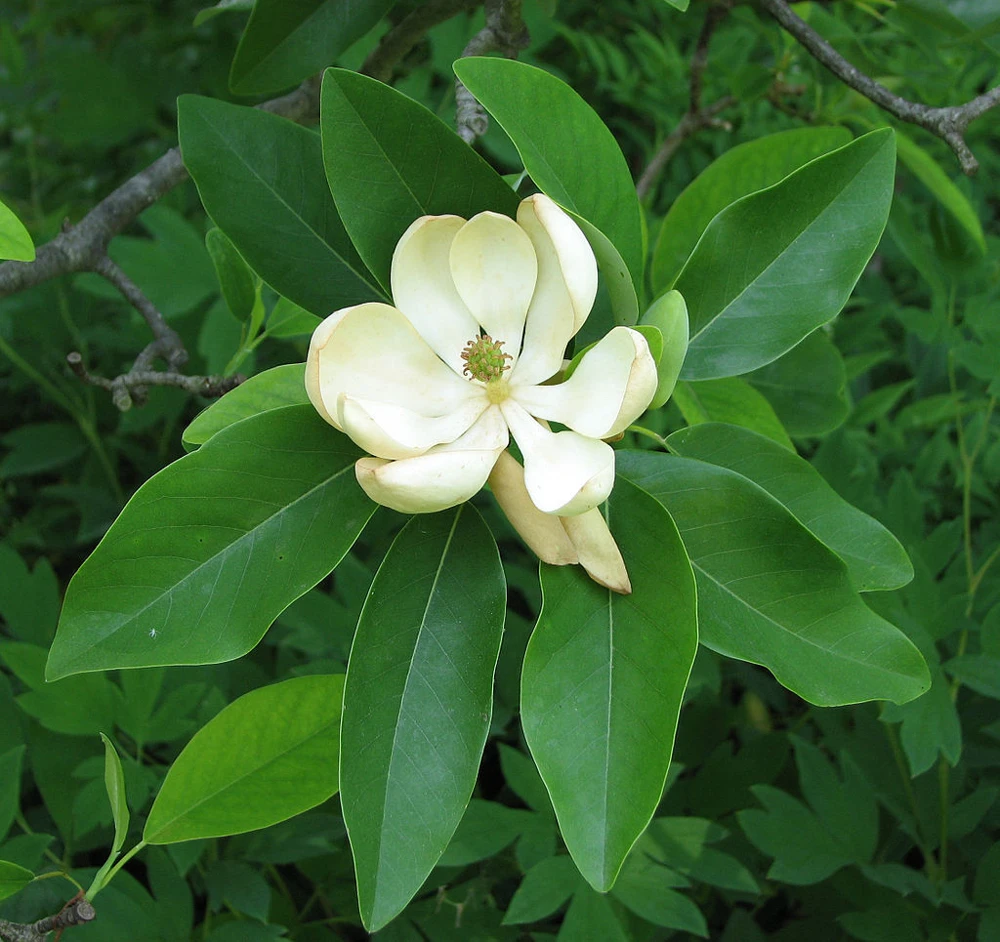
Sweetbay Magnolia Tree Live Plant, Laurel Swamp Magnolia, 1 Quart Pot, Outdoor
Original price was: $36.70.$20.70Current price is: $20.70.
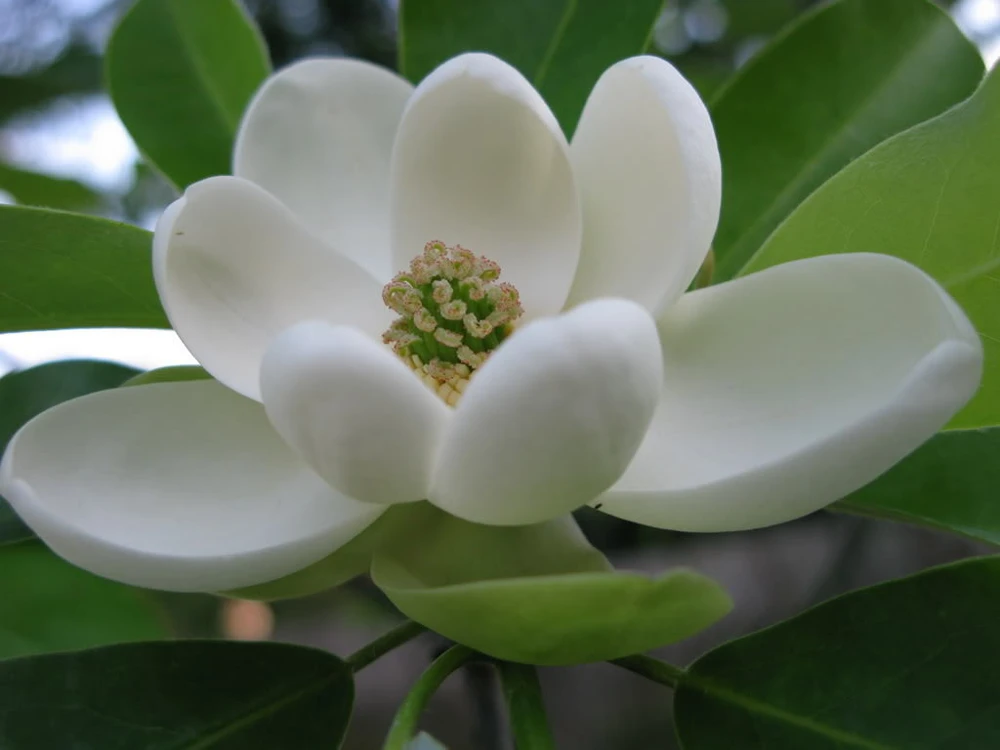
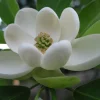
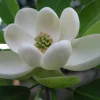
Bring the beauty of the South to your landscape with a sweetbay magnolia tree. This elegant laurel magnolia plant offers fragrant, creamy white flowers and attractive foliage, ideal for outdoor gardens.
Shipping and Return policies:
We stand behind our plants with our Alive & Thrive Guarantee. If you experience any issues within the first 30 days, please email us, and our team will be happy to help. When needed, we’ll send you a one-time replacement free of charge to make sure your garden keeps growing strong.

Reasonable Price
We offer reasonable price

Support 24/7
Contact us 24 hrs a day
100% Money Back
You’ve 30 days to Return
Payment Secure
100% secure payment
Overview
The sweetbay magnolia tree, also known as laurel magnolia plant or swamp magnolia care, is a captivating addition to any garden or landscape. This versatile tree is cherished for its exquisite creamy-white, lemon-scented flowers that bloom from late spring into summer, often sporadically throughout the warmer months. As a live plant, it offers a dynamic presence, maturing into a graceful specimen with lush, semi-evergreen or deciduous foliage depending on your climate. Its silvery-green leaves provide year-round interest, making it a standout choice for those seeking both beauty and resilience in their outdoor spaces. The sweetbay magnolia tree thrives in moist environments and is a native North American species, well-adapted to various soil conditions. Whether you’re looking to create a tranquil oasis or enhance your property with a fragrant, flowering tree, the sweetbay magnolia is an excellent selection.
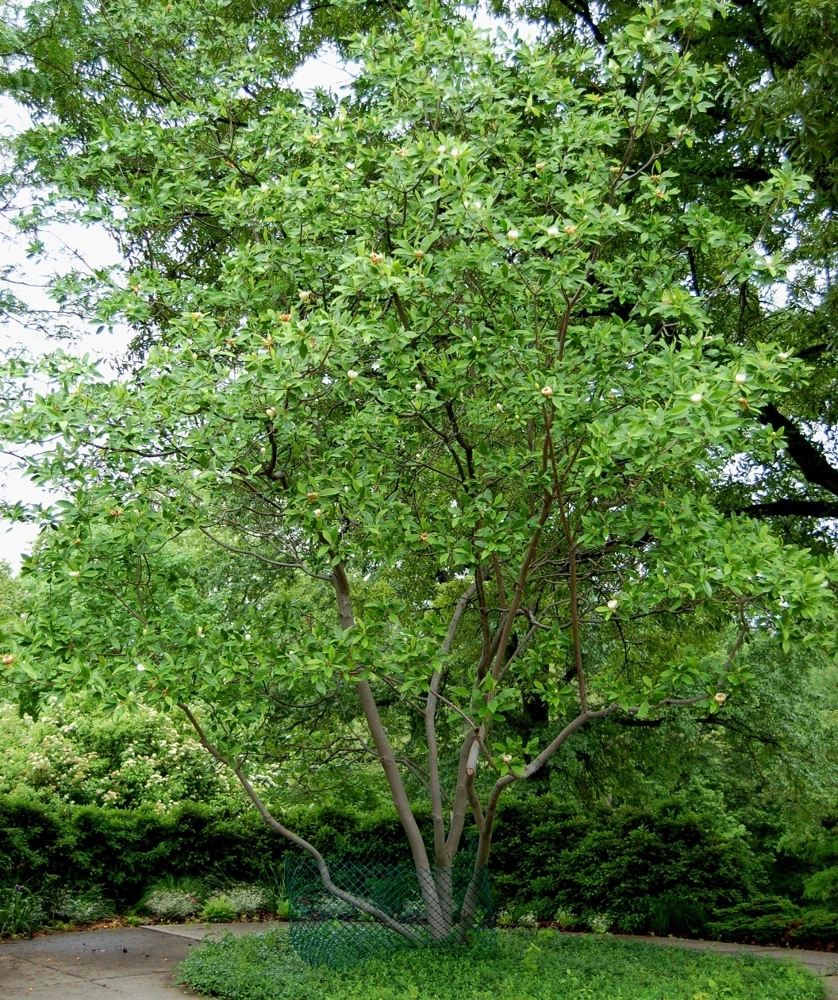
This particular offering is for a vibrant sweetbay magnolia tree, ready to be planted and established in your garden. Known for its adaptability, it can be grown as a multi-stemmed shrub or trained into a single-trunk tree, reaching moderate heights. Its elegant form and aromatic blooms make it a favorite among gardeners and landscapers alike. The delicate fragrance of its flowers is particularly noticeable in the evenings, adding an enchanting quality to your outdoor living areas. Consider adding this remarkable magnolia tree outdoor to your collection for a touch of Southern charm and enduring beauty.
Key Benefits
The sweetbay magnolia tree offers a multitude of benefits, making it a highly desirable plant for various garden styles and preferences. Its unique characteristics contribute significantly to both aesthetic appeal and ecological value.
- Aromatic Blooms: Enjoy the delightful, lemon-scented, creamy-white flowers that emerge from late spring through summer. These fragrant blossoms provide a sensory treat, especially during evening hours, enhancing your outdoor experience and attracting beneficial pollinators.
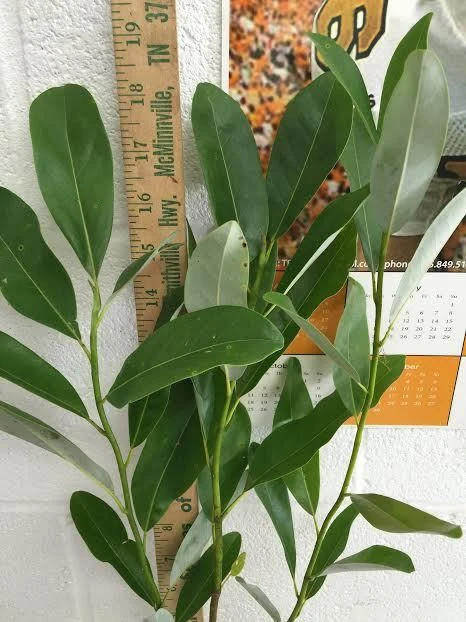
- Attractive Foliage: The leaves of the laurel magnolia plant are a beautiful silvery-green, offering visual interest throughout the growing season. In warmer climates, the foliage is semi-evergreen, providing year-round beauty; in cooler zones, it’s deciduous, signaling the change of seasons.
- Versatile Growth Habit: This adaptable tree can be cultivated as a multi-stemmed shrub for screening or a specimen tree, allowing you to shape it to fit your landscape design needs. Its moderate size makes it suitable for various garden sizes.
- Adaptable to Moist Soils: Unlike many trees, the sweetbay magnolia tree thrives in moist to wet soil conditions, making it an excellent choice for rain gardens, boggy areas, or near water features where other plants might struggle.
- Wildlife Attraction: The flowers attract butterflies and other pollinators, contributing to local biodiversity. The seeds, which develop in cone-like fruits, are also a food source for birds, adding life and activity to your garden.
- Low Maintenance: Once established, the swamp magnolia care requirements are relatively minimal. It’s a hardy plant that can tolerate a range of conditions and generally resists common pests and diseases, making it a rewarding choice for busy gardeners.
- Elegant Landscape Specimen: With its graceful form, attractive bark, and beautiful flowers, the fragrant magnolia plant serves as a stunning focal point in any garden. It adds a touch of sophistication and natural elegance to patios, borders, or open lawn areas.
Plant Care & Growing Tips
Proper swamp magnolia care is essential for a thriving and beautiful sweetbay magnolia tree. This plant is relatively forgiving but will perform best with attention to its specific needs. Start by selecting an appropriate planting site. The sweetbay magnolia tree prefers full sun to partial shade; ideally, it should receive at least 4-6 hours of direct sunlight per day. In hotter climates, some afternoon shade can help protect its foliage from scorching. It is well-suited to moist, acidic soils, making it an excellent choice for areas with poor drainage or near water sources. Ensure the soil is rich in organic matter and has a pH between 5.0 and 6.5.
Watering is crucial, especially during the establishment period. Keep the soil consistently moist, but not waterlogged. Once established, the sweetbay magnolia tree is quite tolerant of wet conditions but can also handle periods of drought, though consistent moisture will lead to better growth and flowering. Fertilize in early spring with a balanced, slow-release granular fertilizer formulated for acid-loving plants. Follow the product instructions for application rates to avoid over-fertilization. Pruning is generally minimal; remove any dead, damaged, or crossing branches to maintain a healthy structure. You can also prune to shape the tree or encourage a more shrub-like form. This magnolia tree outdoor is hardy in USDA zones 5-9, tolerating winter temperatures down to -20°F (-29°C) once mature.
Common problems are few for the resilient laurel magnolia plant. Occasionally, leaf spot or canker may appear, usually in overly stressed plants. Ensure good air circulation and proper watering to prevent fungal issues. Pests are rarely a significant concern, but keep an eye out for scale or aphids and treat with horticultural oil or insecticidal soap if necessary. Mulching around the base of the tree with 2-4 inches of organic material helps retain soil moisture, regulate soil temperature, and suppress weeds, all vital for healthy growth of your fragrant magnolia plant.
Size & Details
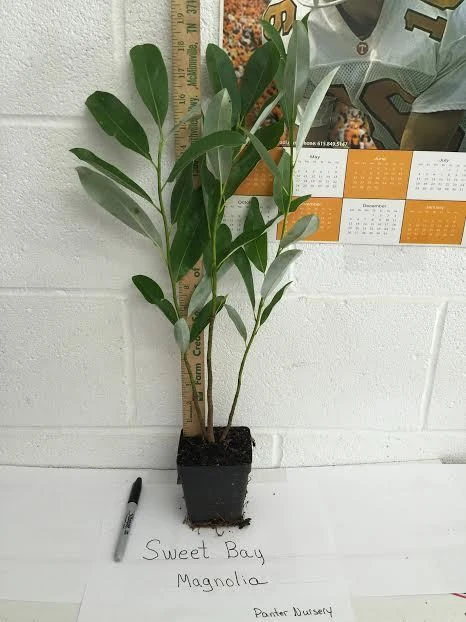
This offering is for a healthy sweetbay magnolia tree, provided in a 1 quart pot, ensuring it has a robust root system ready for transplanting. At the time of shipment, the plant typically stands approximately 8-12 inches tall, though exact dimensions may vary slightly depending on seasonal growth. This size is ideal for establishing quickly in your garden and allows for easy handling and planting. The laurel magnolia plant is known for its moderate growth rate, typically adding 1-2 feet of height per year under optimal conditions. It can eventually reach a mature height of 10-20 feet and a spread of 10-20 feet, depending on whether it is grown as a single-trunk tree or a multi-stemmed shrub.
The fragrant magnolia plant will arrive well-packaged to ensure its health during transit. It is a semi-evergreen to deciduous tree, meaning it may retain some leaves in milder climates or drop all its leaves in colder regions. Expect the first fragrant blooms to appear within a few years of planting, becoming more prolific as the tree matures. Planting in spring or fall is generally recommended for best establishment, though with proper care, it can be planted any time the ground is not frozen. This magnolia tree outdoor is a long-lived species, providing many years of beauty and enjoyment in your landscape.
Frequently Asked Questions
- Q: How big does this sweetbay magnolia tree get? A: The sweetbay magnolia tree typically reaches a mature height of 10-20 feet and a similar spread, depending on growing conditions and whether it’s pruned as a tree or a multi-stemmed shrub. It has a moderate growth rate, adding 1-2 feet per year.
- Q: Is this an indoor or outdoor plant? A: The sweetbay magnolia tree is an outdoor plant, ideally suited for garden landscapes. It is not recommended for indoor cultivation as it requires specific outdoor conditions for proper growth and flowering.
- Q: How much sunlight does the laurel magnolia plant need? A: This plant thrives in full sun to partial shade, meaning it prefers at least 4-6 hours of direct sunlight per day. In areas with intense summer heat, some afternoon shade can be beneficial to prevent leaf scorch.
- Q: Is this plant easy to care for, especially for beginners? A: Yes, the sweetbay magnolia tree is considered relatively easy to care for once established. Its adaptability to moist soils and general resistance to pests and diseases make it a good choice for both experienced and novice gardeners.
- Q: What condition will the magnolia tree outdoor arrive in? A: Your sweetbay magnolia tree will arrive as a live plant in a 1 quart pot, carefully packaged to ensure its health and integrity during shipment. It will be ready for immediate planting upon arrival.
- Q: When is the best time to plant a swamp magnolia care tree? A: The best times to plant a sweetbay magnolia are in the spring or fall when temperatures are moderate. This allows the plant to establish its root system before extreme heat or cold sets in.
- Q: Will the fragrant magnolia plant survive winter in my zone? A: The sweetbay magnolia is hardy in USDA Zones 5-9. If you are within these zones, it should successfully survive winter, although in Zone 5, it may be deciduous and benefit from winter protection in its first few years.
- Q: What kind of soil does the sweetbay magnolia tree prefer? A: It prefers moist, acidic, and well-draining soil that is rich in organic matter. It tolerates wet conditions better than many other trees, making it suitable for areas with consistent moisture.
- Q: How long until the laurel magnolia plant blooms? A: While young plants may produce a few flowers, significant blooming typically begins a few years after planting, becoming more abundant as the tree matures and establishes itself in your garden.
- Q: Does this magnolia tree outdoor attract wildlife? A: Yes, the fragrant flowers attract pollinators like bees and butterflies, and the red seeds produced in cone-like fruits are a food source for various bird species, adding ecological value to your landscape.
Be the first to review “Sweetbay Magnolia Tree Live Plant, Laurel Swamp Magnolia, 1 Quart Pot, Outdoor”
You must be logged in to post a review.
People also Viewed
Sold 50 products
$32.38
Sold 50 products
$27.38
Sold 50 products
$32.38
Sold 50 products
$19.88
Sold 50 products
$62.38
Sold 50 products
$24.88
Houseplants
Phalaenopsis pulcherrima ‘Mauna Kea Snow’ Orchid Live Plant – White Flowers, Potted 2.5 in
Sold 50 products
$49.88
Sold 50 products
$49.88RELATED posts
Awapuhi Wild Ginger Plant: Zones, Care, and Propagation
Learn which USDA zones suit awapuhi wild ginger, plus sunlight, water, planting, propagation, pests, size, [...]
Awapuhi Shampoo Ginger – Care, Growing Zones, and Differences
Learn how to grow awapuhi (shampoo) ginger, its USDA zones, watering schedule, propagation tips, and [...]
Awapuhi Shampoo Plant Buying Guide – Choose the Right Zingiber zerumbet
META: Learn which awapuhi (shampoo ginger) plant or rhizome pack gives the best natural shampoo, [...]
Awapuhi Plant for Sale: Complete Buying Guide
Find the right awapuhi (shampoo ginger) plant, size, price, soil mix, and online source. Practical [...]
Shampoo Ginger Plant for Sale – Buying Guide & Tips
Find the right shampoo ginger plant, size, price, and care tips. Quick guide for U.S. [...]
Shampoo Ginger Plant (Awapuhi) Care Guide
Learn how to grow, care for, and use shampoo ginger (Zingiber zerumbet), the tropical awapuhi [...]
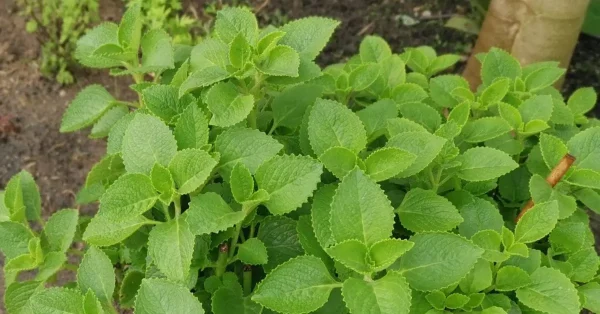
How to Grow Cuban Oregano Plants: A Complete Care Guide
If you’ve ever wanted a plant that combines the culinary punch of traditional oregano with [...]
Aug
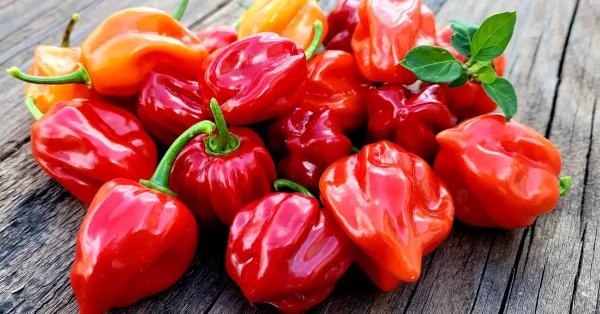
How to Grow Habanero Pepper Plants: A Step-by-Step Guide
Habanero pepper plants are prized for their vibrant colors, intense heat, and exceptional flavor, making [...]
Aug
Reviews
There are no reviews yet.