
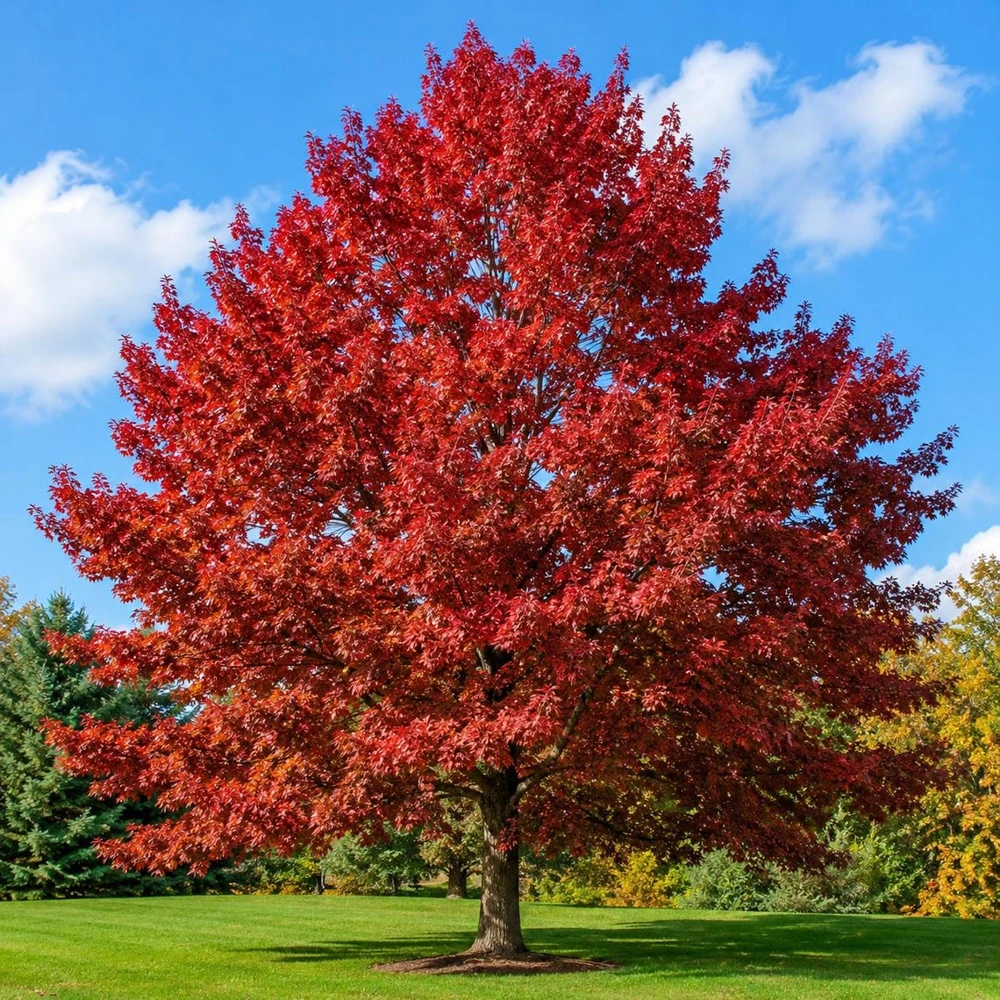
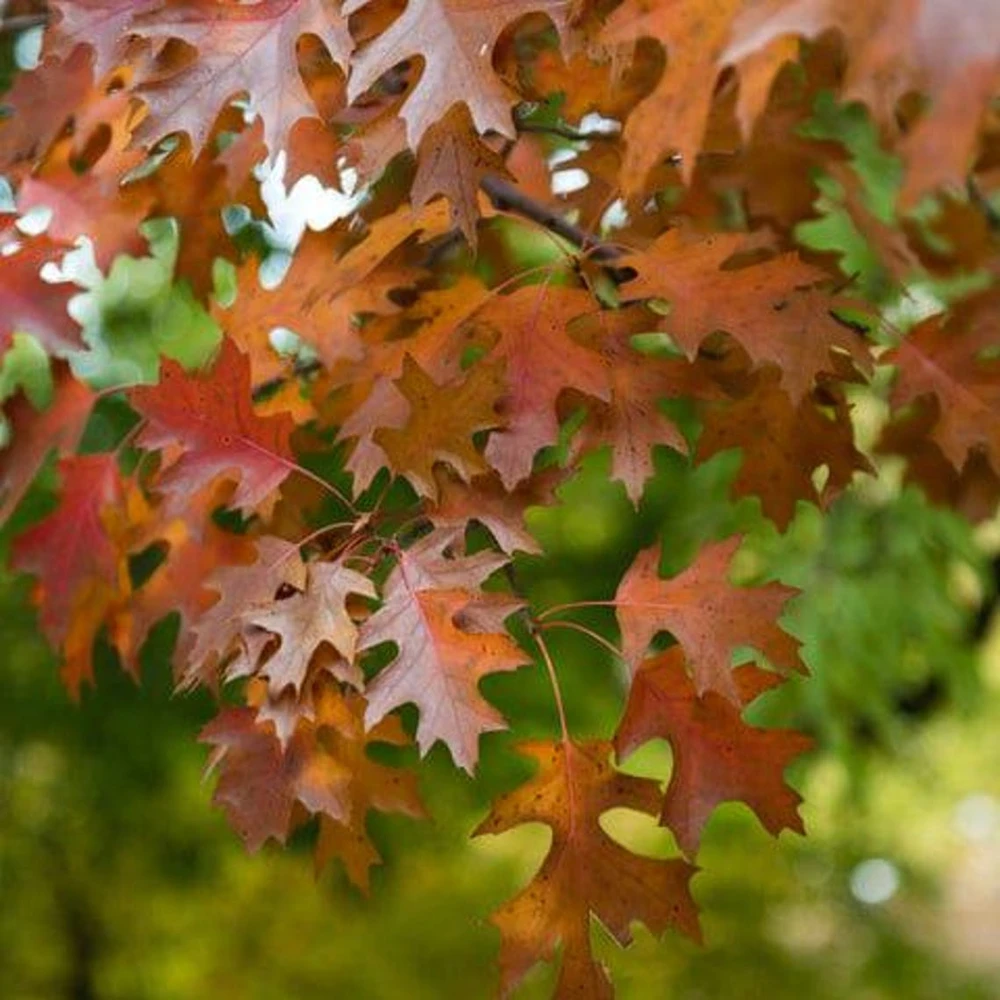
Red Oak Seedling Quart Pot – Live Tree Plant for Landscaping
Original price was: $41.30.$25.30Current price is: $25.30.
Cultivate a magnificent shade tree with this healthy Red Oak seedling in a quart pot. Ideal for landscaping, wildlife habitats, and adding natural beauty to your property. This Red Oak seedling is ready for planting and offers robust growth potential.
Shipping and Return policies:
We stand behind our plants with our Alive & Thrive Guarantee. If you experience any issues within the first 30 days, please email us, and our team will be happy to help. When needed, we’ll send you a one-time replacement free of charge to make sure your garden keeps growing strong.

Reasonable Price
We offer reasonable price

Support 24/7
Contact us 24 hrs a day
100% Money Back
You’ve 30 days to Return
Payment Secure
100% secure payment
Overview
Embark on a rewarding journey of growing a majestic American native with our premium Red Oak seedling. This healthy young tree, provided in a convenient quart pot, is ready to be planted and establish itself in your landscape. The Northern Red Oak, scientifically known as Quercus rubra, is renowned for its rapid growth, stunning fall foliage, and significant ecological value. It’s a cornerstone species in many North American forests, providing vital habitat and food for wildlife. Investing in a Red Oak seedling means planting a legacy for future generations, offering decades of shade, beauty, and environmental benefits.
Our Red Oak seedling comes nurtured and prepared for successful transplanting, ensuring a strong start in its new home. Whether you’re looking to enhance your garden, reforest an area, or simply enjoy the grandeur of a mature oak, this seedling provides an excellent foundation. Its adaptability to various soil types and climates makes it a popular choice for both novice and experienced gardeners seeking to grow Red Oak trees with ease.
Key Benefits
Choosing a Red Oak for your landscape offers a multitude of advantages, making it a highly desirable tree species. From ecological contributions to aesthetic appeal, this tree delivers significant value.
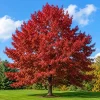
- Stunning Fall Color: Enjoy a spectacular display of vibrant red, orange, and russet hues every autumn, transforming your yard into a seasonal masterpiece. The brilliant fall foliage is one of the most celebrated characteristics of the Red Oak.
- Excellent Shade Provider: As it matures, the Red Oak seedling develops a broad, dense canopy, offering ample shade that can significantly cool your home and outdoor living spaces during hot summer months. This natural cooling can also contribute to energy savings.
- Wildlife Habitat & Food Source: The acorns produced by mature Red Oaks are a crucial food source for a wide array of wildlife, including deer, squirrels, turkeys, and various bird species, supporting local ecosystems. Planting a Red Oak seedling contributes directly to biodiversity.
- Rapid Growth Rate: Compared to many other oak species, the Red Oak exhibits a relatively fast growth rate, meaning you’ll enjoy its benefits sooner. This makes it an ideal choice for those looking to establish a mature landscape more quickly.
- Durable & Long-Lived: Red Oaks are known for their resilience and longevity, often living for hundreds of years. This ensures your investment will provide beauty and benefits for generations.
- Low Maintenance: Once established, the Red Oak seedling is remarkably hardy and requires minimal care, making it a perfect choice for gardeners who prefer a low-effort, high-reward tree.
- Ecological Impact: Beyond wildlife, Red Oaks play a significant role in carbon sequestration and improving air quality, making them an environmentally responsible choice for any property.
Plant Care & Growing Tips
To ensure your Red Oak seedling thrives and develops into a magnificent tree, understanding its specific care requirements is essential. Red Oaks are generally hardy, but proper initial care will set them up for long-term success. They prefer full sun exposure, meaning at least 6 hours of direct sunlight per day. While young, some partial shade is tolerable, but for optimal growth and fall color, full sun is best. When you grow Red Oak, ensure it has plenty of space to spread both its canopy and root system.
Regarding soil, Quercus rubra adapts to a wide range of soil types, but it prefers well-draining, acidic to neutral soils (pH 5.0-7.0). Avoid overly compact or consistently wet soils, as these can lead to root rot. Regular watering is crucial during the first year after planting, especially during dry spells. Aim to keep the soil consistently moist but not waterlogged. Once established, Red Oaks are quite drought-tolerant. A layer of mulch around the base of the tree will help retain soil moisture, suppress weeds, and regulate soil temperature. Fertilization is typically not necessary for healthy trees in good soil, but a balanced, slow-release fertilizer can be applied in spring if growth seems sluggish. Pruning should focus on removing dead, damaged, or crossing branches, ideally in late winter or early spring before new growth begins.
Protecting young trees from pests and diseases is also important. While generally resistant, keep an eye out for common issues like oak wilt or various insect pests. Good air circulation and proper watering practices can help prevent many problems. Understanding Red Oak tree care is straightforward, focusing on providing the right environment and minimal intervention as it matures.
Size & Details
This offering is for a healthy Red Oak seedling, typically measuring between 12 to 24 inches tall, supplied in a quart-sized nursery pot. The exact height may vary slightly depending on the season and growth stage, but each seedling is selected for its vigor and root development. Red Oaks are known for their relatively fast growth rate, often adding 1 to 2 feet in height per year under ideal conditions. A mature Red Oak tree for sale can reach heights of 60 to 75 feet with a similar spread, forming a stately, rounded crown.
The seedling will arrive carefully packaged, with its root ball intact within the quart pot, ensuring minimal transplant shock. It is ready for immediate planting upon arrival. Expect this tree to begin producing acorns typically between 20 to 50 years of age, though this can vary. The long-term benefits of planting a Red Oak seedling far outweigh the initial wait, as it will become a prominent and valuable feature of your landscape for centuries.
Frequently Asked Questions
- Q: How big does this Red Oak seedling get? A: This particular offering is for a seedling typically 12-24 inches tall in a quart pot. A mature Red Oak tree can reach impressive heights of 60-75 feet with a similar spread, creating a magnificent canopy.
- Q: What size pot does it come in? A: The Red Oak seedling is provided in a standard quart-sized nursery pot, which is approximately a 4-inch diameter pot, ensuring a healthy root system for transplanting.
- Q: Is this an indoor or outdoor plant? A: The Red Oak is a deciduous hardwood tree and is strictly an outdoor plant. It requires natural light cycles, seasonal changes, and ample space to grow into its full potential.
- Q: How much sunlight does it need? A: For optimal growth and health, the Red Oak seedling requires full sun exposure, meaning at least 6 hours of direct sunlight per day. Young trees can tolerate some partial shade but will thrive best in full sun.
- Q: Is this Red Oak tree easy to care for? A: Yes, once established, Red Oaks are considered relatively low-maintenance trees. The most critical care involves consistent watering during the first year after planting and protecting it from deer browsing if necessary. Knowing how to grow Red Oak is quite straightforward.
- Q: What condition will it arrive in? A: Your Red Oak seedling will arrive healthy and carefully packaged, with the root ball intact within the quart pot, ready for planting. We take great care to ensure safe transit.
- Q: When is the best time to plant a Red Oak seedling? A: The best times to plant a Red Oak seedling are in early spring after the last frost or in early fall before the ground freezes. This allows the roots to establish before extreme weather.
- Q: Will it survive winter in my zone? A: The Northern Red Oak (Quercus rubra) is very cold hardy, typically thriving in USDA Zones 3-8. If you are within these zones, your Red Oak seedling should survive winter without issue once established.
- Q: What is the typical growth rate for a Red Oak? A: Red Oaks are known for their relatively fast growth, often adding 1 to 2 feet in height per year under good growing conditions. This makes them a great choice if you want to establish a shade tree more quickly.
- Q: Does this tree attract wildlife? A: Absolutely! Mature Red Oaks produce acorns, which are a vital food source for a wide variety of wildlife, including squirrels, deer, turkeys, and many bird species, making it an excellent choice for supporting local ecosystems.
Be the first to review “Red Oak Seedling Quart Pot – Live Tree Plant for Landscaping”
You must be logged in to post a review.
People also Viewed
Sold 50 products
$32.38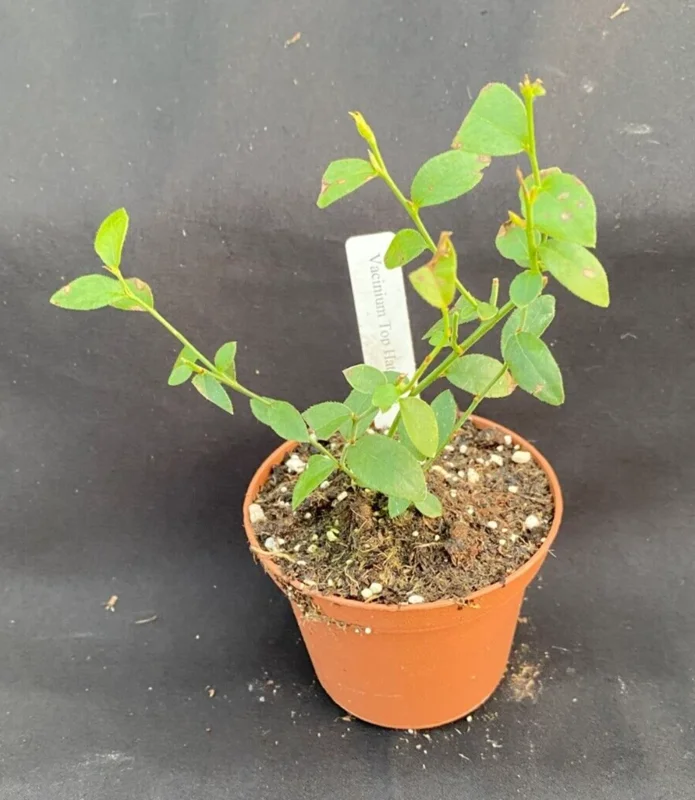
Sold 50 products
$27.38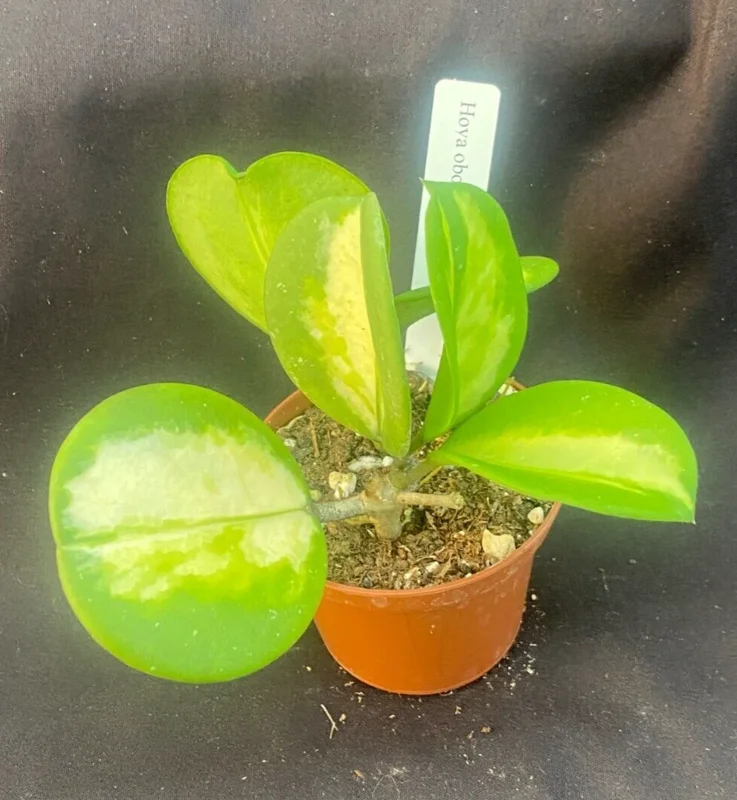
Sold 50 products
$32.38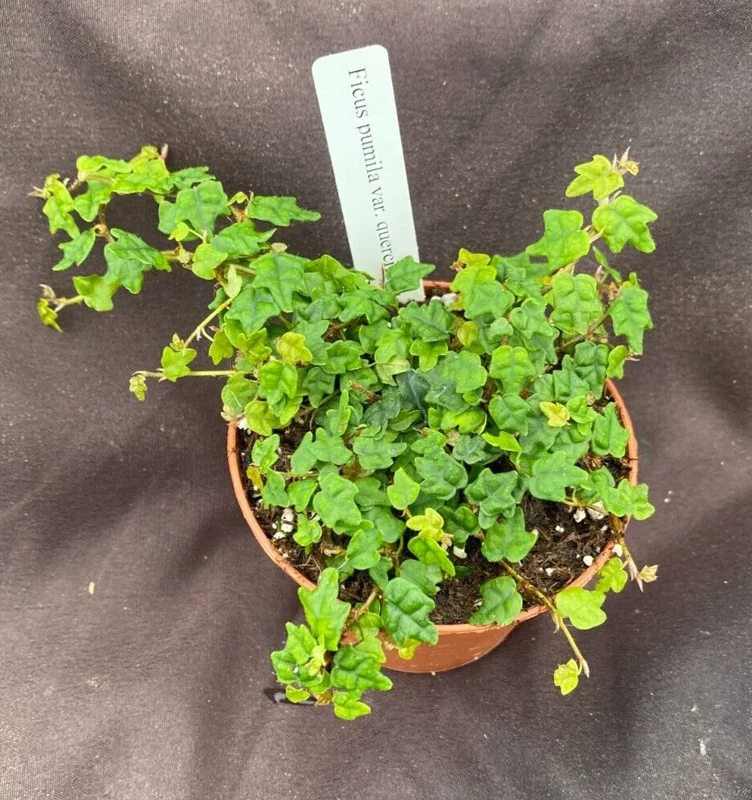
Sold 50 products
$19.88
Sold 50 products
$62.38
Sold 50 products
$24.88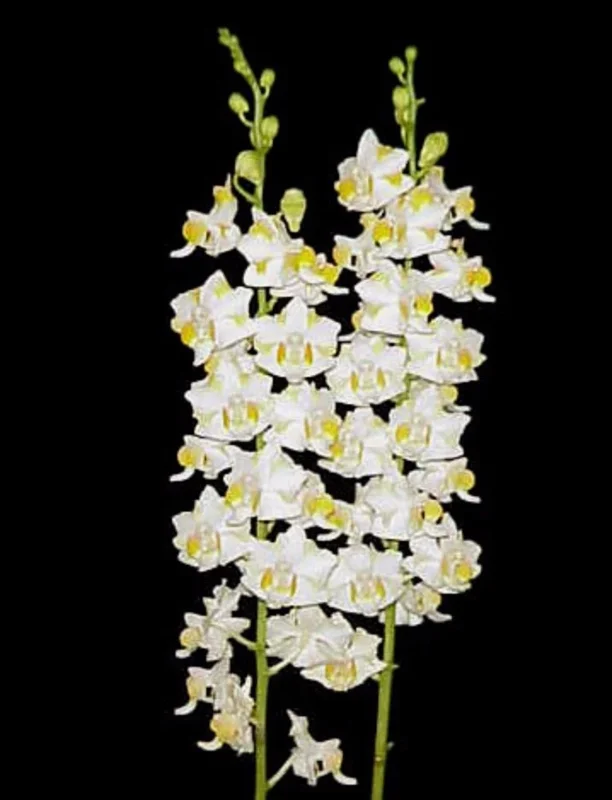
Houseplants
Phalaenopsis pulcherrima ‘Mauna Kea Snow’ Orchid Live Plant – White Flowers, Potted 2.5 in
Sold 50 products
$49.88
Sold 50 products
$49.88RELATED posts
Awapuhi Wild Ginger Plant: Zones, Care, and Propagation
Learn which USDA zones suit awapuhi wild ginger, plus sunlight, water, planting, propagation, pests, size, [...]
Awapuhi Shampoo Ginger – Care, Growing Zones, and Differences
Learn how to grow awapuhi (shampoo) ginger, its USDA zones, watering schedule, propagation tips, and [...]
Awapuhi Shampoo Plant Buying Guide – Choose the Right Zingiber zerumbet
META: Learn which awapuhi (shampoo ginger) plant or rhizome pack gives the best natural shampoo, [...]
Awapuhi Plant for Sale: Complete Buying Guide
Find the right awapuhi (shampoo ginger) plant, size, price, soil mix, and online source. Practical [...]
Shampoo Ginger Plant for Sale – Buying Guide & Tips
Find the right shampoo ginger plant, size, price, and care tips. Quick guide for U.S. [...]
Shampoo Ginger Plant (Awapuhi) Care Guide
Learn how to grow, care for, and use shampoo ginger (Zingiber zerumbet), the tropical awapuhi [...]
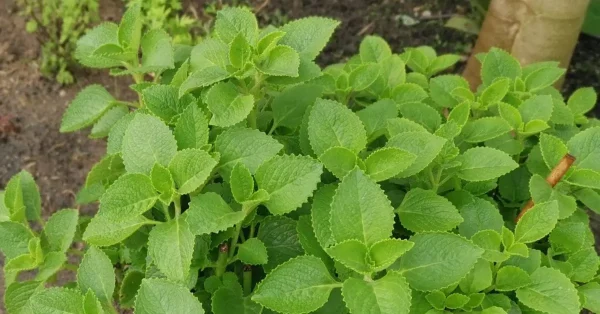
How to Grow Cuban Oregano Plants: A Complete Care Guide
If you’ve ever wanted a plant that combines the culinary punch of traditional oregano with [...]
Aug
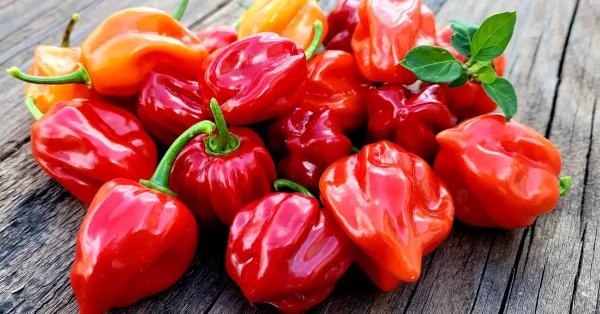
How to Grow Habanero Pepper Plants: A Step-by-Step Guide
Habanero pepper plants are prized for their vibrant colors, intense heat, and exceptional flavor, making [...]
Aug
Reviews
There are no reviews yet.