
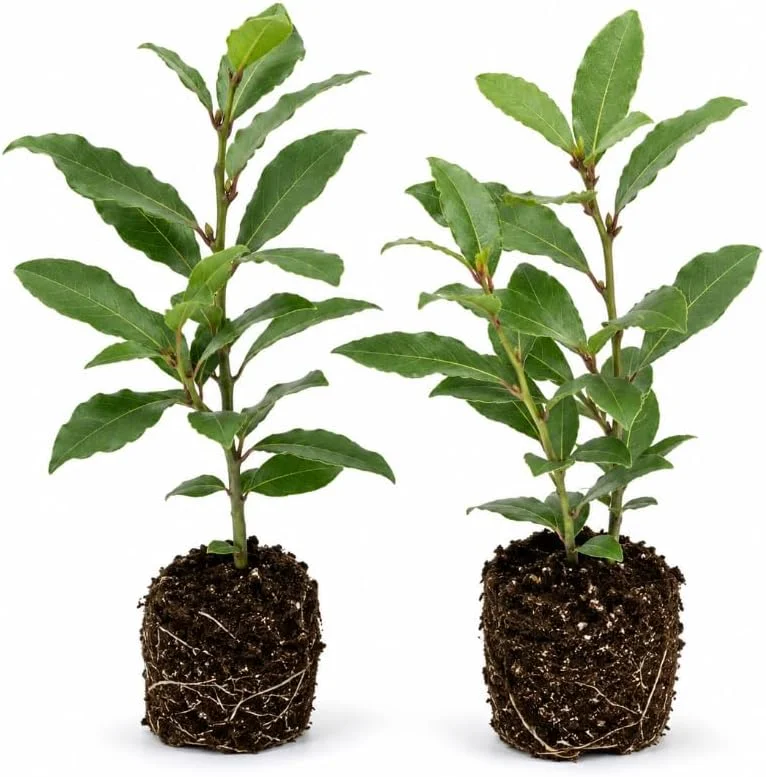
Set of 2 Bay Laurel Live Plants, 4-7 Inch Laurus Nobilis Herb Starters
$26.99
Cultivate your own fresh bay leaves with this set of 2 Bay Laurel live plants. Each 4-7 inch laurus nobilis herb starter is well-rooted and ready for planting in kitchen gardens or patio pots. Enjoy the aromatic leaves for culinary endeavors and decorative appeal.
Shipping and Return policies:
We stand behind our plants with our Alive & Thrive Guarantee. If you experience any issues within the first 30 days, please email us, and our team will be happy to help. When needed, we’ll send you a one-time replacement free of charge to make sure your garden keeps growing strong.

Reasonable Price
We offer reasonable price

Support 24/7
Contact us 24 hrs a day
100% Money Back
You’ve 30 days to Return
Payment Secure
100% secure payment
Overview
Bring the timeless elegance and aromatic flavor of the Mediterranean to your home with this exquisite set of 2 Bay Laurel live plants. These robust 4-7 inch Laurus Nobilis herb starters are approximately 8-9 months old, featuring well-developed root systems that ensure a strong beginning in your garden. Known scientifically as Laurus nobilis, the bay laurel is a versatile evergreen shrub or small tree, cherished for its glossy, dark green leaves that are a staple in gourmet cooking. Whether you’re an experienced gardener or just starting your journey into growing herbs, these young plants offer an accessible way to cultivate your own supply of fresh bay leaves. Perfect for enhancing stews, soups, and sauces, the distinct aroma and flavor of fresh bay are unparalleled.
Our set of 2 Bay Laurel live plants is carefully nurtured to arrive healthy and ready for transplanting. Each starter plant, measuring between 4 and 7 inches tall, is ideal for establishing in various settings, from dedicated kitchen gardens to decorative patio containers. The bay laurel’s resilience and adaptability make it a rewarding addition to almost any landscape. Its attractive foliage provides year-round interest, and with proper care, these plants will thrive, offering both culinary utility and ornamental beauty. Experience the satisfaction of harvesting your own bay leaves, knowing they come from a plant you’ve grown from a healthy starter.
Key Benefits
Embrace the many advantages of adding these bay laurel live plants to your home and garden:
- Culinary Excellence: Provides a fresh, continuous supply of aromatic bay leaves, essential for enhancing the flavor of countless dishes, far superior to dried varieties. Growing your own laurus nobilis herb ensures premium quality for all your cooking needs.
- Year-Round Beauty: As an evergreen, the bay laurel maintains its attractive, glossy green foliage throughout the year, offering consistent visual appeal in your garden or patio. It contributes to a vibrant landscape even in cooler months.
- Versatile Growth: These plants can be cultivated as compact shrubs in containers or pruned to grow into elegant small trees, adapting to various garden designs and space constraints. This flexibility makes it easy to grow bay laurel in many environments.
- Low Maintenance: Once established, bay laurel is relatively easy to care for, requiring minimal attention beyond basic watering and occasional pruning. It’s a forgiving plant, suitable for gardeners of all skill levels.
- Fragrant Foliage: The leaves release a pleasant, distinctive aroma when bruised or cooked, adding a sensory dimension to your garden and kitchen. The natural fragrance is a delightful bonus.
- Pest Resistant: Bay laurel plants are generally hardy and resistant to many common garden pests, reducing the need for chemical treatments and making them a healthier choice for your edible garden.
- Adaptable to Containers: Ideal for growing in pots and containers, making them perfect for patios, balconies, or even bringing indoors during colder periods in non-hardy zones. This allows for flexible placement and enjoyment.
Plant Care & Growing Tips
Ensuring the health and vitality of your set of 2 Bay Laurel live plants is straightforward with these essential care guidelines. These laurus nobilis herb starters thrive in conditions that mimic their native Mediterranean environment. For optimal growth, plant them in well-draining soil. A good quality potting mix enriched with organic matter works well for container planting, while garden beds should have amended soil to ensure good drainage and fertility. Bay laurels prefer a slightly acidic to neutral pH. Avoid heavy, waterlogged soils, as this can lead to root rot.
When it comes to sunlight, bay laurel is quite adaptable, performing best in full sun to partial shade. In hotter climates, some afternoon shade can protect the leaves from scorching, while in cooler regions, full sun encourages robust growth. USDA Zones 8-11 are ideal for outdoor planting, where the plant can remain evergreen year-round. If you are in a colder zone, consider growing your bay laurel in a container so it can be moved indoors during winter. Watering should be consistent, keeping the soil moist but not soggy. Allow the top inch or two of soil to dry out between waterings. Fertilize sparingly; a balanced, slow-release fertilizer in spring is usually sufficient. Pruning can be done to maintain shape and size, especially if you wish to keep it as a compact shrub or encourage a tree-like form. Regular harvesting of leaves also acts as a form of pruning, promoting bushier growth. Understanding bay leaf plant care is key to a thriving plant.
Common issues to watch for include yellowing leaves, which can indicate overwatering or nutrient deficiency. Ensure proper drainage and consider a light feeding if necessary. Pests are rarely a major problem, but occasionally scale insects or aphids might appear; these can usually be managed with insecticidal soap or by wiping them off. Protecting your bay laurel from harsh winter winds and extreme cold is crucial in borderline hardiness zones. With these tips, you’ll be able to successfully grow bay laurel and enjoy its bounty for many years.
Size & Details
This offering includes a set of 2 Bay Laurel live plants, each standing approximately 4-7 inches tall. These young laurus nobilis herb starters are shipped without a pot, allowing you to choose the perfect container or garden spot upon arrival. They are approximately 8-9 months old, featuring a strong, established root system ready for transplanting. While they arrive as compact starters, bay laurels have the potential for significant growth. When mature, they can reach an impressive height of 10-20 feet and spread 6-12 feet wide if planted in the ground and allowed to grow naturally. However, they respond exceptionally well to pruning, making them easily maintainable at a smaller size for patio pots or as a hedge. Expect a moderate growth rate, allowing you to shape them as desired over time. These plants are suitable for various applications, from a dedicated kitchen garden to an ornamental feature on your patio.
Frequently Asked Questions
- Q: How big do these Bay Laurel plants get? A: These starters are 4-7 inches tall upon arrival. If planted in the ground and left unpruned, a mature bay laurel live plant can reach 10-20 feet tall and 6-12 feet wide. They can also be kept smaller with regular pruning.
- Q: Is this an indoor or outdoor plant? A: Bay Laurel is primarily an outdoor plant suitable for USDA Zones 8-11. In colder zones, it can be grown outdoors in containers and brought indoors during the winter months.
- Q: How much sunlight does it need? A: Bay Laurel thrives in full sun to partial shade. Aim for at least 4-6 hours of direct sunlight daily for the best growth and leaf production.
- Q: Is this plant easy to care for? A: Yes, once established, bay leaf plant care is relatively easy. They are drought-tolerant and generally pest-resistant, making them a good choice for both novice and experienced gardeners.
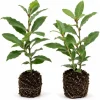
- Q: What condition will it arrive in? A: Your set of 2 Bay Laurel live plants will arrive as well-rooted starter plants, approximately 4-7 inches tall, without a pot, carefully packaged to ensure their health during transit.
- Q: Can I use the leaves for cooking right away? A: While the leaves are edible, it’s best to allow your laurus nobilis herb to establish itself for a few weeks after planting before harvesting leaves regularly. This helps the young plant develop a stronger root system.
- Q: What’s the best time to plant Bay Laurel? A: Spring or early summer is generally the best time to plant, allowing the plant to establish before extreme heat or cold. However, container-grown plants can be transplanted year-round in suitable climates.
- Q: Will it survive winter in my zone? A: Bay Laurel is hardy in USDA Zones 8-11. If you are in a colder zone, it is recommended to grow your bay laurel live plant in a container and move it indoors to a protected, brightly lit area during winter.
- Q: What type of soil is best for growing Bay Laurel? A: Bay Laurel prefers well-draining soil. A good quality potting mix for containers or amended garden soil with good drainage is ideal.
- Q: How often should I water my Bay Laurel? A: Water when the top 1-2 inches of soil feel dry to the touch. Avoid overwatering, as bay laurel does not like soggy roots. Reduce watering frequency in winter.
Be the first to review “Set of 2 Bay Laurel Live Plants, 4-7 Inch Laurus Nobilis Herb Starters”
You must be logged in to post a review.
People also Viewed
Sold 50 products
$32.38
Sold 50 products
$27.38
Sold 50 products
$32.38
Sold 50 products
$19.88
Sold 50 products
$62.38
Sold 50 products
$24.88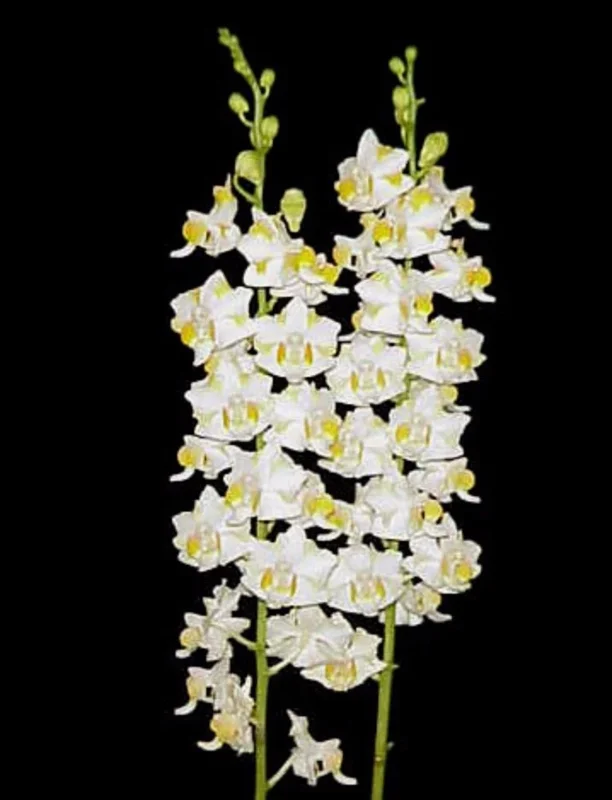
Houseplants
Phalaenopsis pulcherrima ‘Mauna Kea Snow’ Orchid Live Plant – White Flowers, Potted 2.5 in
Sold 50 products
$49.88
Sold 50 products
$49.88RELATED posts
Awapuhi Wild Ginger Plant: Zones, Care, and Propagation
Learn which USDA zones suit awapuhi wild ginger, plus sunlight, water, planting, propagation, pests, size, [...]
Awapuhi Shampoo Ginger – Care, Growing Zones, and Differences
Learn how to grow awapuhi (shampoo) ginger, its USDA zones, watering schedule, propagation tips, and [...]
Awapuhi Shampoo Plant Buying Guide – Choose the Right Zingiber zerumbet
META: Learn which awapuhi (shampoo ginger) plant or rhizome pack gives the best natural shampoo, [...]
Awapuhi Plant for Sale: Complete Buying Guide
Find the right awapuhi (shampoo ginger) plant, size, price, soil mix, and online source. Practical [...]
Shampoo Ginger Plant for Sale – Buying Guide & Tips
Find the right shampoo ginger plant, size, price, and care tips. Quick guide for U.S. [...]
Shampoo Ginger Plant (Awapuhi) Care Guide
Learn how to grow, care for, and use shampoo ginger (Zingiber zerumbet), the tropical awapuhi [...]
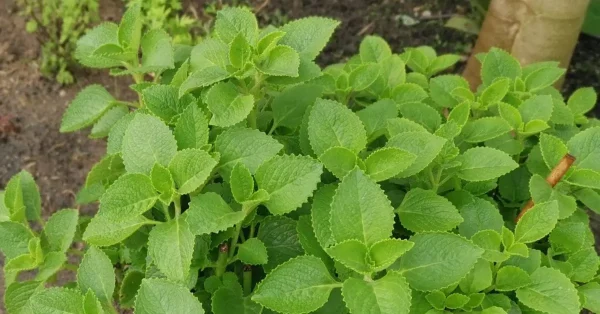
How to Grow Cuban Oregano Plants: A Complete Care Guide
If you’ve ever wanted a plant that combines the culinary punch of traditional oregano with [...]
Aug
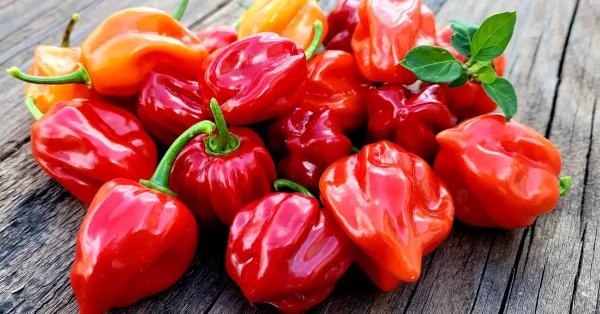
How to Grow Habanero Pepper Plants: A Step-by-Step Guide
Habanero pepper plants are prized for their vibrant colors, intense heat, and exceptional flavor, making [...]
Aug
Reviews
There are no reviews yet.