
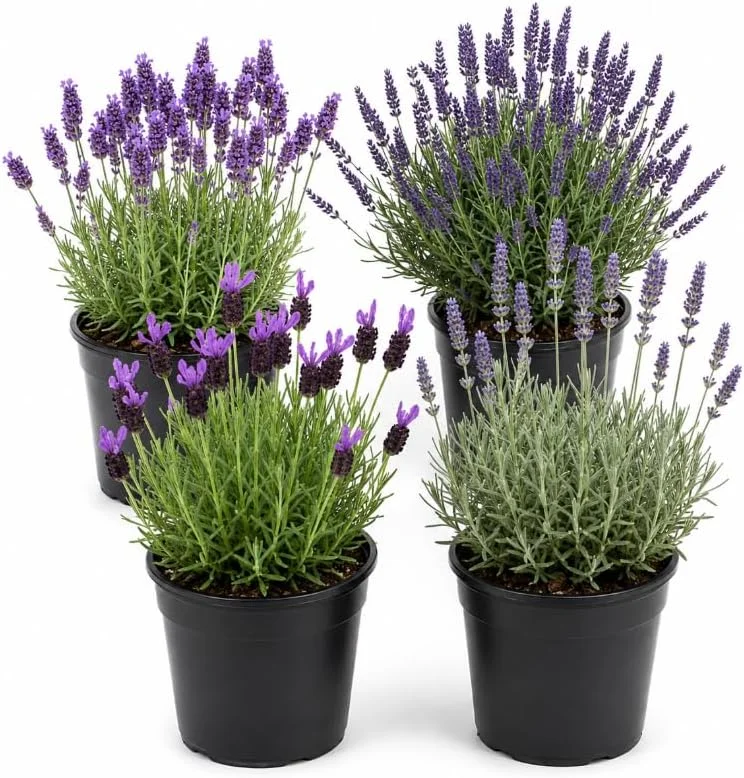
4 Mixed Lavender Live Plants, 4-8 Inches, Purple Flowering Herb, Outdoor Garden
$28.99
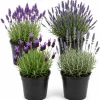
Introduce vibrant color and delightful fragrance to your garden with these mixed lavender live plants. Each pack contains 4 healthy plants, 4-8 inches tall, perfect for outdoor planting. Enjoy the beautiful purple flowers of this fragrant lavender herb, ideal for borders, patios, and full sun locations.
Shipping and Return policies:
We stand behind our plants with our Alive & Thrive Guarantee. If you experience any issues within the first 30 days, please email us, and our team will be happy to help. When needed, we’ll send you a one-time replacement free of charge to make sure your garden keeps growing strong.

Reasonable Price
We offer reasonable price

Support 24/7
Contact us 24 hrs a day
100% Money Back
You’ve 30 days to Return
Payment Secure
100% secure payment
Overview
Transform your garden into a fragrant oasis with these beautiful mixed lavender live plants. This offering includes 4 individual plants, each measuring between 4-8 inches tall, providing a fantastic starting point for any gardener looking to add the timeless charm of lavender. Known for their captivating purple flowers and soothing aroma, these Lavandula plants are a versatile choice for various landscape designs. Whether you’re creating a dedicated herb garden, enhancing a border, or simply adding a touch of natural elegance to your patio, these live lavender plants promise to deliver. They are robust, easy to establish, and will quickly become a cherished part of your outdoor space, attracting beneficial pollinators and delighting the senses with their distinctive scent and color.
Lavender, particularly these mixed varieties, offers a delightful sensory experience. The delicate purple blooms are not only visually appealing but also release a calming fragrance that has been cherished for centuries. These plants are shipped without pots, ready for you to plant directly into your garden beds or larger containers. Their moderate size upon arrival makes them easy to handle and integrate into existing garden layouts. Cultivating these mixed lavender live plants is a rewarding experience, providing both aesthetic beauty and the potential for harvesting fresh lavender for various uses, from culinary endeavors to homemade sachets.
Key Benefits
Adding fragrant lavender herb plants to your garden offers a multitude of advantages, enhancing both the beauty and utility of your outdoor living space. These plants are more than just pretty flowers; they provide a sensory experience and contribute positively to the garden ecosystem. Here are some of the key benefits:
- Aromatic Appeal: Lavender is renowned for its distinctive, calming fragrance. Planting these mixed lavender live plants will infuse your garden with a delightful scent that can help create a relaxing atmosphere, perfect for unwinding after a long day.
- Vibrant Purple Blooms: The beautiful purple flowers of lavender add a stunning visual element to any garden. They provide a splash of color that contrasts wonderfully with green foliage and other flowering plants, making your garden beds pop.
- Attracts Pollinators: Lavender flowers are a magnet for bees, butterflies, and other beneficial pollinators. By planting these outdoor lavender plants, you’ll be supporting local ecosystems and encouraging biodiversity in your garden, which is vital for fruit and vegetable production.
- Drought Tolerant: Once established, lavender plants are remarkably resilient and drought-tolerant. This makes them an excellent choice for xeriscaping or for gardeners in regions with less consistent rainfall, reducing the need for frequent watering.
- Low Maintenance: These perennial lavender plants are generally easy to care for, requiring minimal fuss once they’ve settled into their new home. They thrive on neglect, making them ideal for both seasoned gardeners and beginners seeking a beautiful, low-effort plant.
- Culinary and Medicinal Uses: Beyond their ornamental value, lavender flowers and leaves can be harvested for a variety of uses, including culinary applications (like lavender-infused desserts) and aromatherapy (for relaxation and stress relief).
- Deer and Rabbit Resistant: The strong scent of lavender, while pleasing to humans, often deters deer and rabbits, helping to protect your garden from common pests without the need for harsh chemicals.
Plant Care & Growing Tips
Caring for your mixed lavender live plants is relatively straightforward, as they are known for their hardiness and resilience. To ensure your plants thrive and produce abundant, fragrant blooms, understanding their basic needs is crucial. These plants prefer conditions that mimic their native Mediterranean environment. The most critical factor for healthy lavender is sunlight. They require plenty of direct sunlight, ideally a minimum of six to eight hours per day. Full sun exposure is key to promoting vigorous growth and prolific flowering. When selecting a planting location, choose the sunniest spot in your garden, away from the shade of larger trees or buildings. Good air circulation around the plants is also beneficial to prevent fungal issues.
Watering is another vital aspect of lavender care tips. While young plants need regular watering to establish their root systems, mature lavender is quite drought-tolerant. The biggest mistake gardeners make with lavender is overwatering, which can lead to root rot. Allow the soil to dry out completely between waterings. Sandy, well-draining soil is preferred, as lavender dislikes sitting in soggy conditions. If your garden soil is heavy clay, consider amending it with sand or gravel to improve drainage, or plant your lavender in raised beds or containers. These perennial lavender plants are suited for USDA Zones 5-9, meaning they can withstand a range of temperatures from cold winters to hot summers. Fertilization is rarely needed; lavender thrives in nutrient-poor soil. If your soil is very poor, a light application of a balanced, slow-release fertilizer in spring can be beneficial, but avoid high-nitrogen fertilizers which can promote foliage growth at the expense of flowers. Pruning is essential for maintaining the plant’s shape and encouraging new growth and more blooms. Lightly prune after the first flush of flowers and a more substantial prune in early spring to remove dead wood and shape the plant. Watch out for common issues like powdery mildew in humid conditions or root rot from overwatering. Proper spacing and good air circulation are excellent preventative measures.
Size & Details
This offering includes 4 individual mixed lavender live plants, each measuring approximately 4-8 inches in height. These plants are shipped without pots, carefully packaged to ensure they arrive in good condition, ready for immediate planting. This size is ideal for establishing new garden beds, filling out borders, or creating fragrant container arrangements. Lavender typically exhibits a moderate growth rate, and with proper care, these young plants will grow into mature, bushy forms. Depending on the specific variety of mixed lavender, mature plants can reach heights of 1 to 3 feet and spread similarly wide, creating a substantial and attractive presence in your garden. The exact growth rate and ultimate size will depend on your local climate, soil conditions, and care regimen. Expect these plants to establish well within their first growing season, with flowering beginning in late spring to early summer and continuing throughout the warmer months. These are outdoor lavender plants, perfect for adding long-lasting beauty to your landscape for many years to come.
Frequently Asked Questions
- Q: How big does this plant get? A: Each of these mixed lavender live plants will arrive 4-8 inches tall. With proper care, they can grow into mature plants ranging from 1 to 3 feet in height and spread, depending on the specific variety and growing conditions.
- Q: What size pot does it come in? A: These plants are shipped without pots (bare root or with minimal soil around the roots) to ensure safe and efficient transit. They are ready for you to plant directly into your garden or preferred containers upon arrival.
- Q: Is this an indoor or outdoor plant? A: These are primarily outdoor lavender plants. While some varieties can be grown indoors with very specific conditions, these mixed lavender plants are best suited for outdoor gardens, borders, and patios where they can receive ample sunlight.
- Q: How much sunlight does it need? A: Lavender thrives in full sun, requiring at least 6-8 hours of direct sunlight per day. Adequate sunlight is crucial for healthy growth and abundant flowering of your fragrant lavender herb.
- Q: Is this plant easy to care for? A: Yes, lavender is generally considered a low-maintenance plant once established. It prefers well-draining soil and plenty of sun, making it an excellent choice for both novice and experienced gardeners.
- Q: What condition will it arrive in? A: We take great care in packaging our plants. Your mixed lavender live plants will arrive healthy and ready for planting, though they may experience minor stress from transit.
- Q: When is the best time to plant these lavender plants? A: The best time to plant these perennial lavender plants is in the spring after the last frost, or in early fall. This allows them sufficient time to establish their root systems before extreme weather conditions.
- Q: Will it survive winter in my zone? A: These lavender plants are suited for USDA Zones 5-9. If you are within these zones, they should successfully overwinter and return each spring. In colder zones, some winter protection may be necessary.
- Q: What kind of soil does lavender prefer? A: Lavender prefers well-draining soil, ideally sandy or gravelly loam. It does not tolerate heavy clay soils or overly wet conditions, which can lead to root rot.
- Q: Can I use the lavender for culinary purposes? A: Many lavender varieties are suitable for culinary use. While these are mixed varieties, generally, the flowers and leaves of common lavender can be used in cooking, teas, and for aromatic purposes.
Be the first to review “4 Mixed Lavender Live Plants, 4-8 Inches, Purple Flowering Herb, Outdoor Garden”
You must be logged in to post a review.
People also Viewed
Sold 50 products
$32.38
Sold 50 products
$27.38
Sold 50 products
$32.38
Sold 50 products
$19.88
Sold 50 products
$62.38
Sold 50 products
$24.88
Houseplants
Phalaenopsis pulcherrima ‘Mauna Kea Snow’ Orchid Live Plant – White Flowers, Potted 2.5 in
Sold 50 products
$49.88
Sold 50 products
$49.88RELATED posts
Awapuhi Wild Ginger Plant: Zones, Care, and Propagation
Learn which USDA zones suit awapuhi wild ginger, plus sunlight, water, planting, propagation, pests, size, [...]
Awapuhi Shampoo Ginger – Care, Growing Zones, and Differences
Learn how to grow awapuhi (shampoo) ginger, its USDA zones, watering schedule, propagation tips, and [...]
Awapuhi Shampoo Plant Buying Guide – Choose the Right Zingiber zerumbet
META: Learn which awapuhi (shampoo ginger) plant or rhizome pack gives the best natural shampoo, [...]
Awapuhi Plant for Sale: Complete Buying Guide
Find the right awapuhi (shampoo ginger) plant, size, price, soil mix, and online source. Practical [...]
Shampoo Ginger Plant for Sale – Buying Guide & Tips
Find the right shampoo ginger plant, size, price, and care tips. Quick guide for U.S. [...]
Shampoo Ginger Plant (Awapuhi) Care Guide
Learn how to grow, care for, and use shampoo ginger (Zingiber zerumbet), the tropical awapuhi [...]
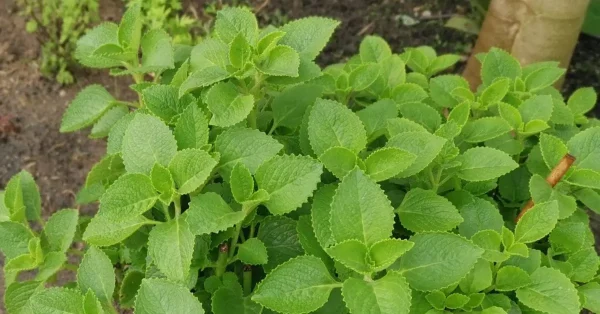
How to Grow Cuban Oregano Plants: A Complete Care Guide
If you’ve ever wanted a plant that combines the culinary punch of traditional oregano with [...]
Aug
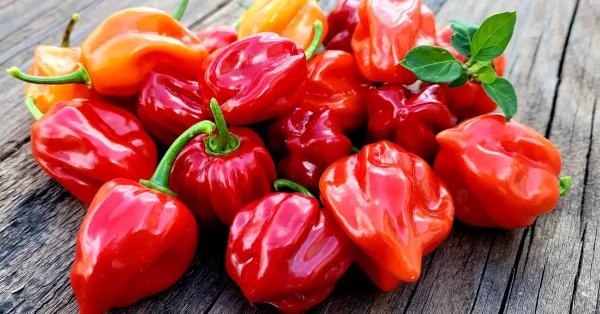
How to Grow Habanero Pepper Plants: A Step-by-Step Guide
Habanero pepper plants are prized for their vibrant colors, intense heat, and exceptional flavor, making [...]
Aug
Reviews
There are no reviews yet.