
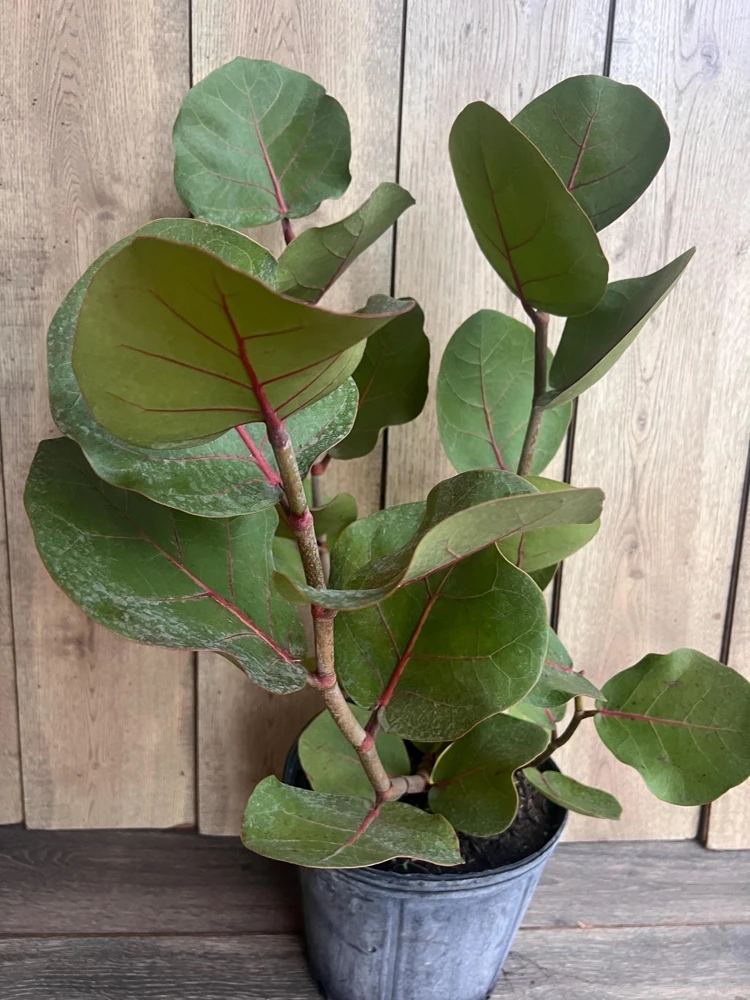
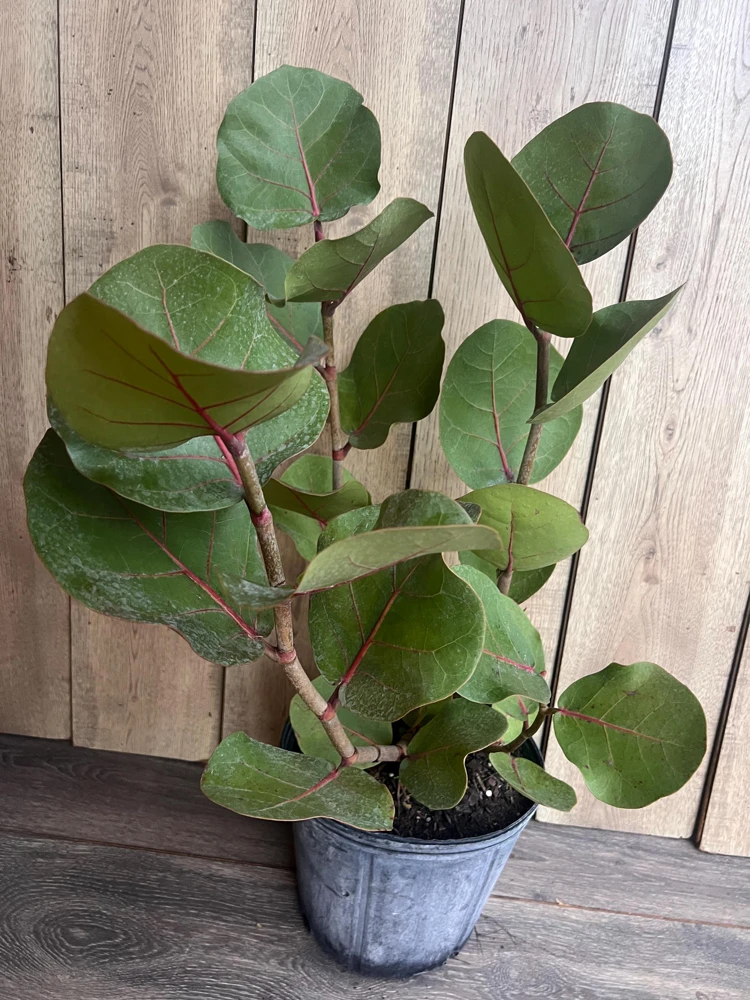
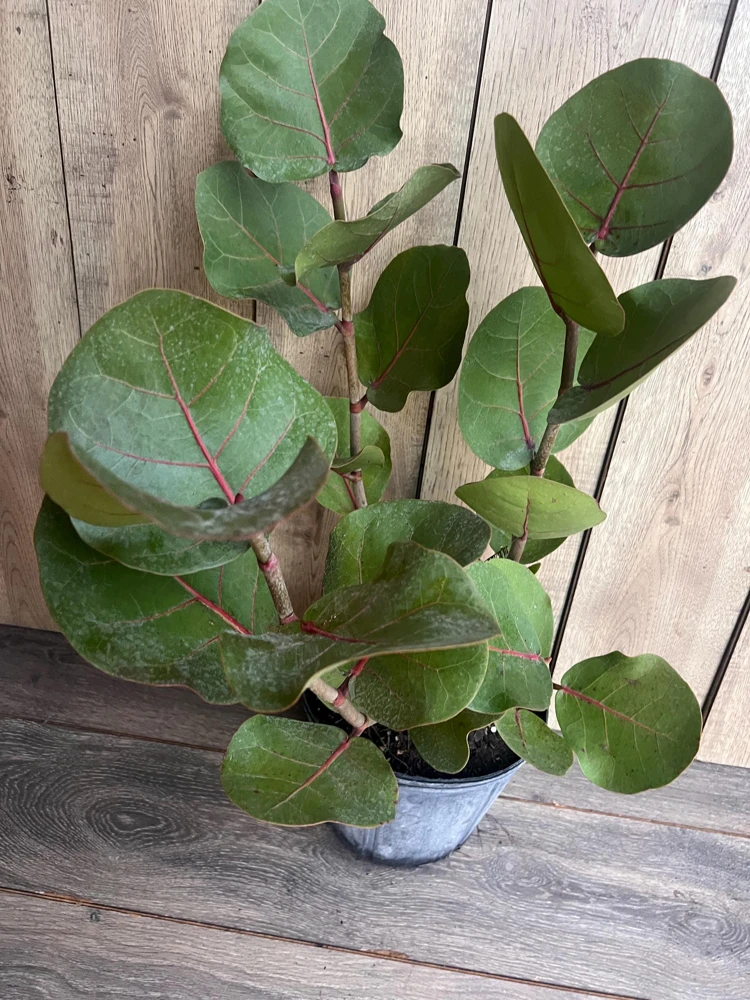
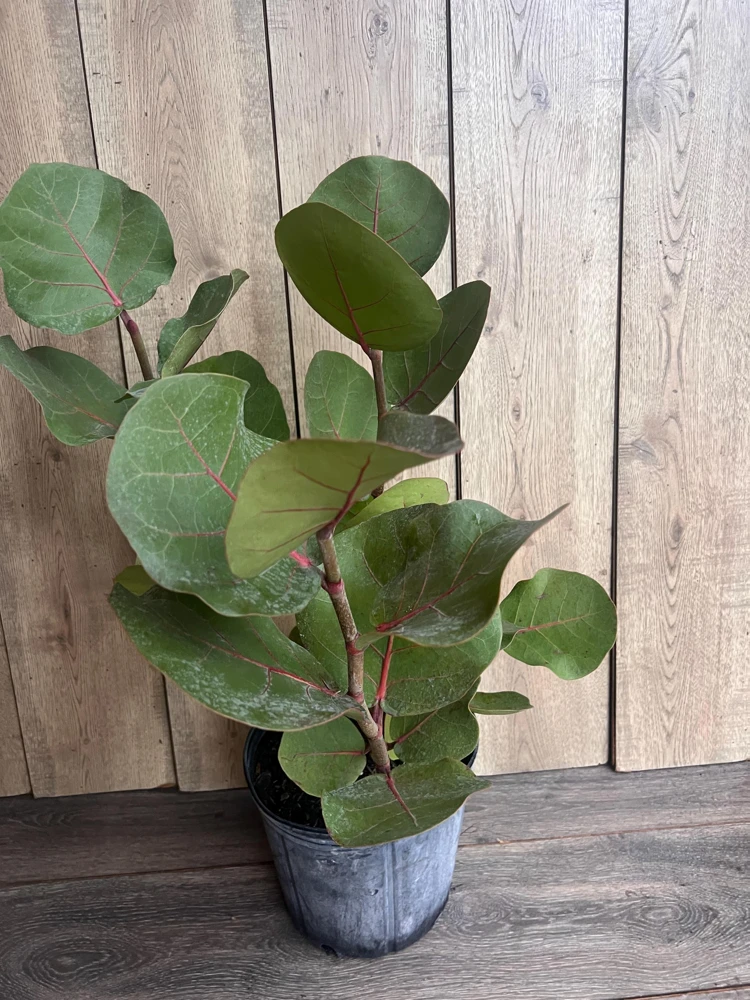
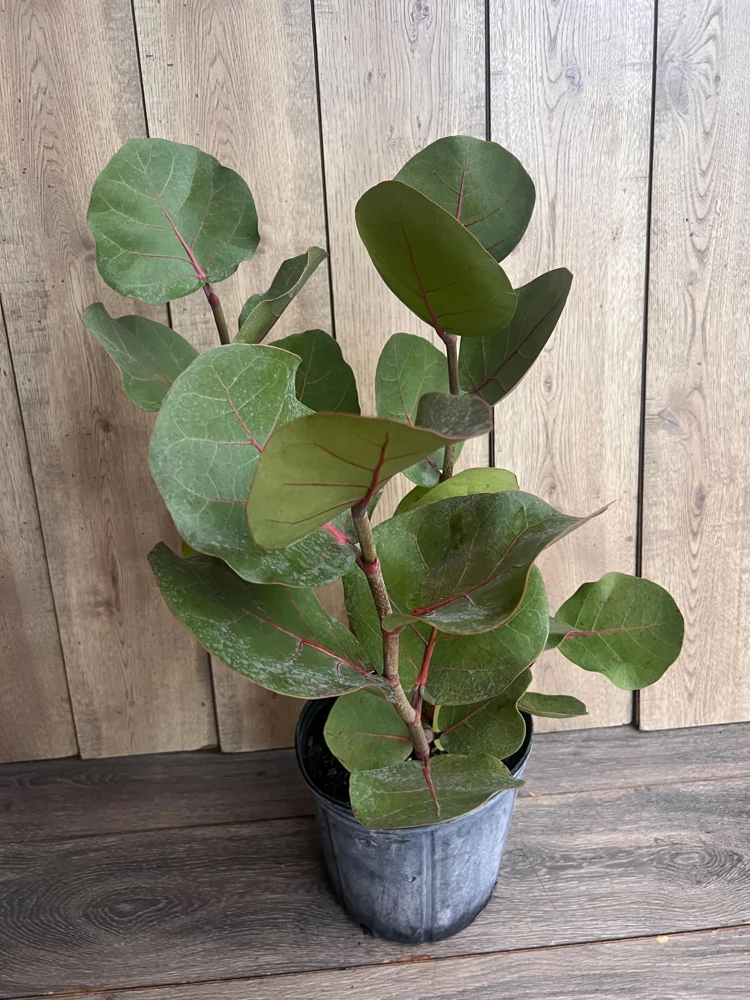
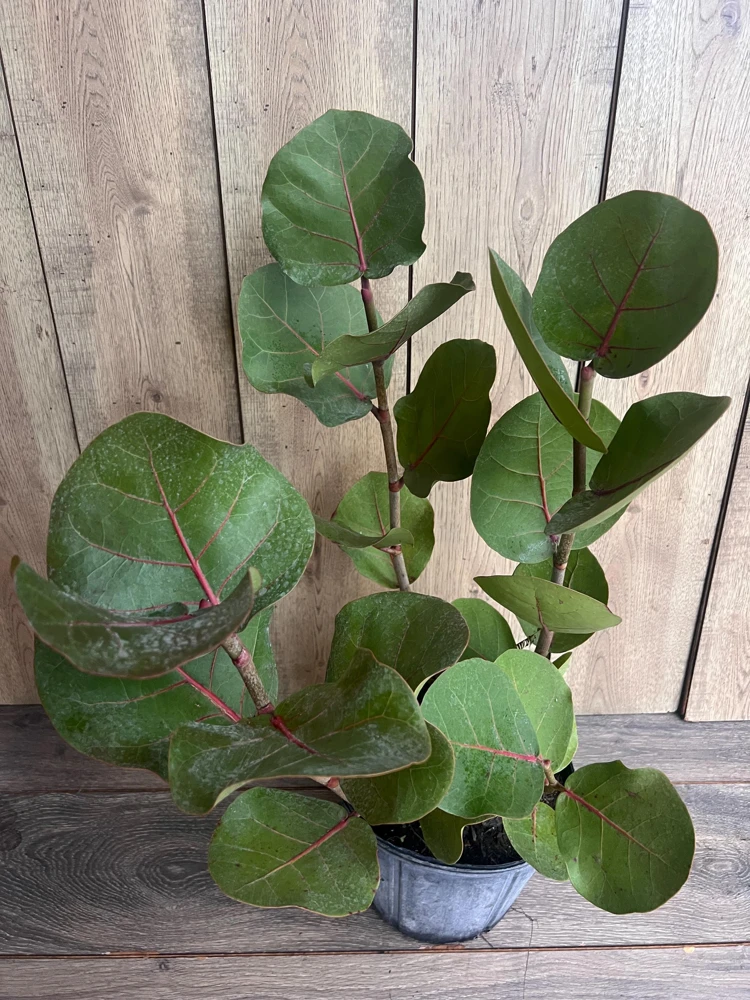
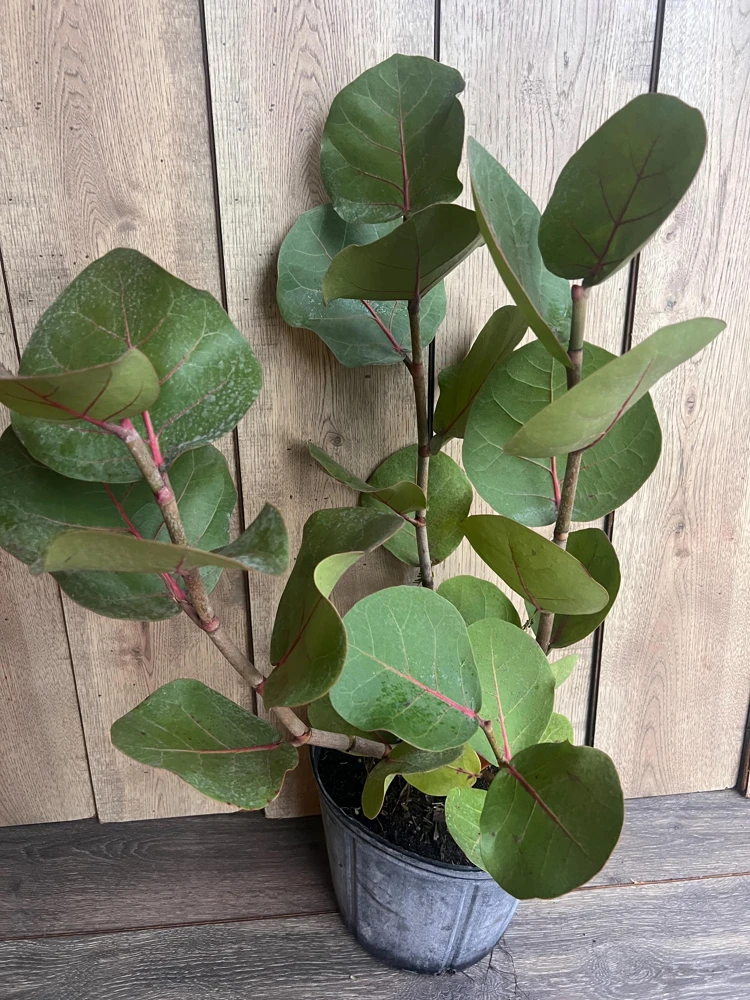
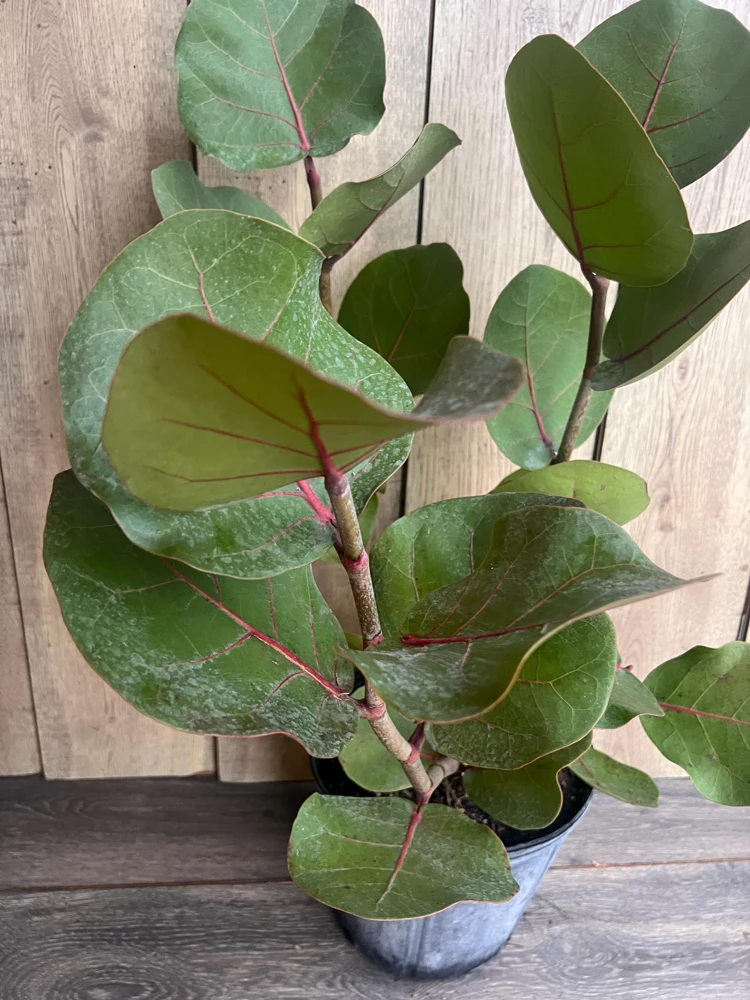
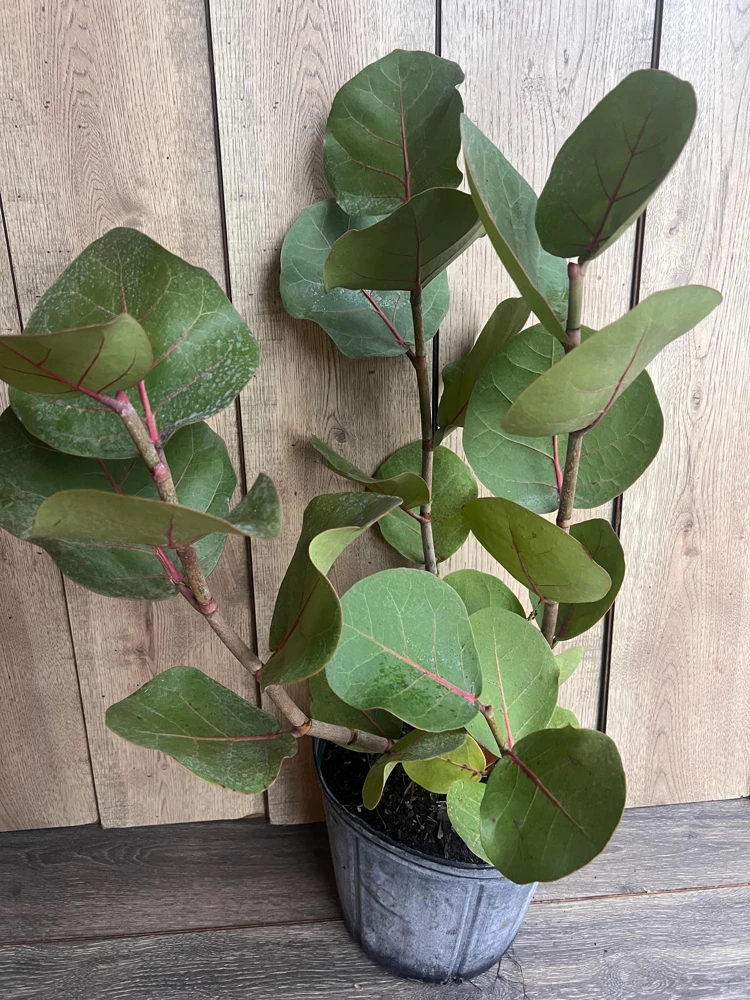
Sea Grape Live Plant – Coccoloba uvifera – Tropical Shrub – 10 Inch Pot – Outdoor – Cannot ship to CA
Original price was: $159.57.$105.21Current price is: $105.21.
Bring a touch of the tropics to your garden with this beautiful sea grape live plant (Coccoloba uvifera). Known for its iconic round leaves and exceptional salt tolerance, this tropical coastal plant is perfect for beachfront homes and low-maintenance landscapes. Thriving in full sun, it makes an excellent privacy hedge or ornamental shrub, offering unique architectural appeal and vibrant foliage.
Shipping and Return policies:
We stand behind our plants with our Alive & Thrive Guarantee. If you experience any issues within the first 30 days, please email us, and our team will be happy to help. When needed, we’ll send you a one-time replacement free of charge to make sure your garden keeps growing strong.

Reasonable Price
We offer reasonable price

Support 24/7
Contact us 24 hrs a day
100% Money Back
You’ve 30 days to Return
Payment Secure
100% secure payment
Overview
Transform your outdoor space with the captivating beauty of a sea grape live plant, botanically known as Coccoloba uvifera. This resilient and visually striking tropical shrub is renowned for its distinctive large, round, leathery leaves, often displaying attractive red veins, which create a bold and exotic statement in any landscape. Native to the sun-drenched coasts of Florida, the Caribbean, and other warm regions, the sea grape live plant is highly prized for its exceptional adaptability to challenging seaside conditions, including salt spray, wind, and sandy soils. Whether you envision it as a dramatic feature plant, a robust privacy screen, or a natural beachside hedge, this species effortlessly infuses a vibrant, tropical character into diverse outdoor environments. Its architectural form and lush foliage make it a favored choice for both residential and commercial designs seeking a durable and aesthetically pleasing plant solution.
The sea grape live plant is not just beautiful; it’s a workhorse in coastal landscapes. Its thick, resilient leaves are perfectly engineered to withstand intense sun, heat, strong winds, and significant salt exposure, making it an unparalleled option for properties situated near the ocean. As it matures, this versatile plant develops a unique, often twisting trunk, allowing it to be cultivated as a dense, multi-stemmed shrub or expertly pruned into a charming small ornamental tree. Its growth habit is steady and manageable, ensuring it integrates seamlessly into various landscape styles without becoming unruly. This plant’s natural hardiness and low-maintenance requirements contribute to its widespread appeal, especially for those seeking a vibrant tropical aesthetic with minimal ongoing effort.
Key Benefits
The sea grape live plant offers a multitude of advantages for gardeners and landscapers, combining aesthetic appeal with remarkable resilience. Its unique features contribute significantly to a vibrant and functional outdoor space.
- Exceptional Salt Tolerance: This plant is a premier choice for coastal environments, effortlessly withstanding salt spray and sandy soils. Its robust nature makes it ideal for beachfront properties where other plants struggle, ensuring your landscape remains lush and green.
- Striking Tropical Aesthetic: With its large, round, glossy leaves and often reddish new growth, the sea grape live plant provides an instant tropical feel. It adds architectural interest and a vibrant green backdrop, enhancing the beauty of any garden or patio.
- Effective Privacy & Screening: The dense foliage and overlapping leaves create a natural, effective screen for privacy. When grown as a hedge, it offers seclusion and reduces noise, making your outdoor living areas more enjoyable and intimate.
- Low Maintenance & Drought Tolerant: Once established, the sea grape live plant requires minimal watering and care. It’s highly drought-tolerant, reducing the need for frequent irrigation and making it a sustainable option for busy gardeners or those in arid regions.
- Wildlife Attraction: During warmer months, the plant produces grape-like clusters of fruit that ripen to shades of red and purple. These fruits are a favored food source for various birds and wildlife, adding ecological value and dynamic interest to your garden.
- Versatile Landscape Use: Whether you need a specimen plant, a windbreak, a hedge, or a dune stabilizer, the sea grape shrub adapts beautifully. Its ability to be pruned into different forms makes it suitable for diverse design needs, from informal to more structured landscapes.
- Wind Resistance: Its sturdy structure and tough leaves allow the sea grape live plant to withstand strong coastal winds, providing protection for more delicate plants and structures in your garden. This makes it an invaluable asset in exposed locations.
Plant Care & Growing Tips
Caring for your sea grape live plant is straightforward, especially given its inherent resilience and adaptability to challenging conditions. Understanding its basic needs will ensure vigorous growth and a stunning display in your landscape. This plant thrives in environments that mimic its natural coastal habitat, making it a relatively low-maintenance choice for the right setting. For optimal growth and health, paying attention to light, water, and soil conditions is key.
The most crucial factor for a healthy sea grape live plant is sunlight. It performs best in full sun, meaning it requires at least six hours of direct sunlight daily. In such conditions, the plant will develop its strongest structure, densest foliage, and most vibrant coloration. While it can tolerate light shade, prolonged periods in shaded areas may result in more open or leggy growth, reducing its characteristic lush appearance. Therefore, selecting a bright, sunny location is highly recommended. When it comes to watering, the coccoloba uvifera care routine is quite forgiving. This plant prefers well-draining soil and excels in sandy or coastal substrates. During the initial few months after planting, consistent watering is essential to help the root system establish itself. Once mature, the sea grape becomes remarkably drought-tolerant, requiring minimal supplemental watering except during extended dry spells. It’s important to avoid overwatering, as the plant prefers its soil to dry slightly between waterings to prevent root issues.
Regarding temperature and climate, the sea grape live plant flourishes in warm, tropical to subtropical environments. It is ideally suited for USDA zones 9 through 11, where it can easily handle high temperatures, salty winds, and intense sun. Its natural adaptation to coastal ecosystems makes it an excellent choice for beachfront gardens, sand dunes, and oceanfront homes. Pruning is an important aspect of sea grape shrub maintenance, allowing you to shape the plant to your desired form. It can be pruned to maintain a compact shrub, or selectively shaped into a small ornamental tree. Light trimming throughout the year helps encourage density, especially when used for hedging. The sea grape responds well to pruning and recovers quickly, offering versatility in landscape design. Fertilization is generally not heavily required for established plants, especially in nutrient-rich coastal soils. If growth appears slow or leaves are pale, a balanced slow-release fertilizer can be applied in spring, following product instructions to avoid over-fertilization.
Size & Details
The sea grape live plant you will receive is a thriving specimen, carefully cultivated in a 10 inch pot. At this stage, it is well-rooted and ready for transplanting into your garden or a larger container. These plants typically grow at a moderate to fast rate, depending on environmental conditions, establishing quickly once planted. As a young plant, its height will vary but generally ranges from 18 to 30 inches tall, with a proportional spread. With proper care and ideal growing conditions, a mature sea grape live plant can reach impressive sizes, often growing 15 to 25 feet tall and equally wide when left unpruned, developing a sculptural, multi-trunked form. However, it is highly adaptable and can be maintained as a smaller shrub or even a hedge through regular pruning, making it suitable for various landscape scales.
This particular offering is a live, rooted plant, shipped in its nursery pot to ensure minimal stress during transit and a smooth transition to its new home. The tropical coastal plant will arrive with healthy foliage, showcasing its characteristic round, leathery leaves. Expect it to begin producing its distinctive grape-like fruit clusters during the warmer months, adding seasonal interest and attracting local wildlife. The growth rate is steady and manageable, allowing you to shape it over time to fit your specific landscape design. Whether you’re aiming for a compact shrub or a small ornamental tree, this sea grape live plant provides the foundation for creating a stunning and resilient coastal feature.
Frequently Asked Questions
- Q: What size pot does this Sea Grape live plant come in? A: This sea grape live plant is provided in a robust 10 inch pot, ensuring it has an established root system and is ready for transplanting into your garden or a larger container upon arrival.
- Q: Is this an indoor or outdoor plant? A: The sea grape live plant is primarily an outdoor plant, ideally suited for warm, tropical to subtropical climates (USDA zones 9 through 11). It thrives in full sun and is specifically adapted to coastal conditions.
- Q: How much sunlight does the Sea Grape need? A: For optimal growth and vibrant foliage, the sea grape live plant requires full sun, meaning at least six hours of direct sunlight per day. It can tolerate light shade but may become leggy in too much shade.
- Q: Is this plant easy to care for? A: Yes, the sea grape live plant is considered low-maintenance, especially once established. It is highly drought-tolerant and resilient to salt, wind, and heat, making coccoloba uvifera care relatively simple for gardeners in appropriate climates.
- Q: What kind of soil does a tropical coastal plant prefer? A: This plant thrives in well-draining soil, particularly sandy or coastal substrates. It’s crucial to avoid heavy, waterlogged soils to prevent root issues.
- Q: How tall will the sea grape shrub grow? A: When mature and unpruned, a sea grape shrub can grow 15 to 25 feet tall and wide. However, it responds very well to pruning and can be maintained at a smaller size as a hedge or ornamental tree.
- Q: Will the Sea Grape produce fruit? A: Yes, during the warmer months, the sea grape live plant produces clusters of grape-like fruits that mature to shades of red and purple. These fruits add seasonal interest and attract local wildlife.
- Q: What is the best time to plant a sea grape? A: The best time to plant a sea grape live plant is typically in the spring or early summer, allowing it ample time to establish its root system before cooler weather.
- Q: Is the Sea Grape tolerant to salt? A: Absolutely. The sea grape live plant is exceptionally salt-tolerant, making it one of the best choices for beachfront properties and coastal landscapes where salt spray is a common factor.
- Q: Can the sea grape be used for privacy hedges? A: Yes, its dense foliage and ability to be pruned make it an excellent choice for creating natural privacy hedges and screens. The overlapping leaves provide effective visual barriers.
Be the first to review “Sea Grape Live Plant – Coccoloba uvifera – Tropical Shrub – 10 Inch Pot – Outdoor – Cannot ship to CA”
You must be logged in to post a review.
People also Viewed
Sold 50 products
$32.38
Sold 50 products
$27.38
Sold 50 products
$32.38
Sold 50 products
$19.88
Sold 50 products
$62.38
Sold 50 products
$24.88
Houseplants
Phalaenopsis pulcherrima ‘Mauna Kea Snow’ Orchid Live Plant – White Flowers, Potted 2.5 in
Sold 50 products
$49.88
Sold 50 products
$49.88RELATED posts
Awapuhi Wild Ginger Plant: Zones, Care, and Propagation
Learn which USDA zones suit awapuhi wild ginger, plus sunlight, water, planting, propagation, pests, size, [...]
Awapuhi Shampoo Ginger – Care, Growing Zones, and Differences
Learn how to grow awapuhi (shampoo) ginger, its USDA zones, watering schedule, propagation tips, and [...]
Awapuhi Shampoo Plant Buying Guide – Choose the Right Zingiber zerumbet
META: Learn which awapuhi (shampoo ginger) plant or rhizome pack gives the best natural shampoo, [...]
Awapuhi Plant for Sale: Complete Buying Guide
Find the right awapuhi (shampoo ginger) plant, size, price, soil mix, and online source. Practical [...]
Shampoo Ginger Plant for Sale – Buying Guide & Tips
Find the right shampoo ginger plant, size, price, and care tips. Quick guide for U.S. [...]
Shampoo Ginger Plant (Awapuhi) Care Guide
Learn how to grow, care for, and use shampoo ginger (Zingiber zerumbet), the tropical awapuhi [...]
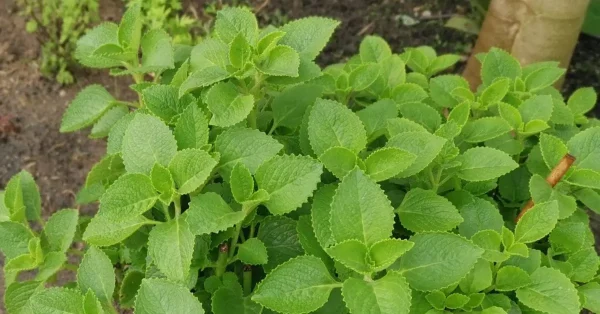
How to Grow Cuban Oregano Plants: A Complete Care Guide
If you’ve ever wanted a plant that combines the culinary punch of traditional oregano with [...]
Aug
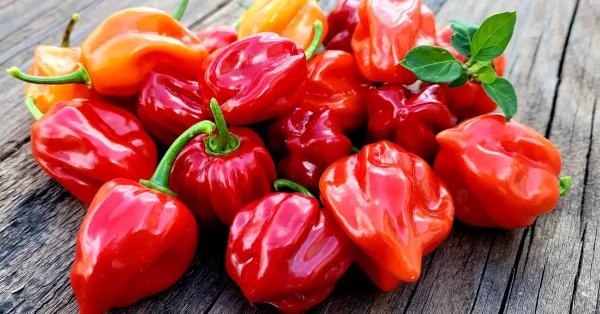
How to Grow Habanero Pepper Plants: A Step-by-Step Guide
Habanero pepper plants are prized for their vibrant colors, intense heat, and exceptional flavor, making [...]
Aug
Reviews
There are no reviews yet.