
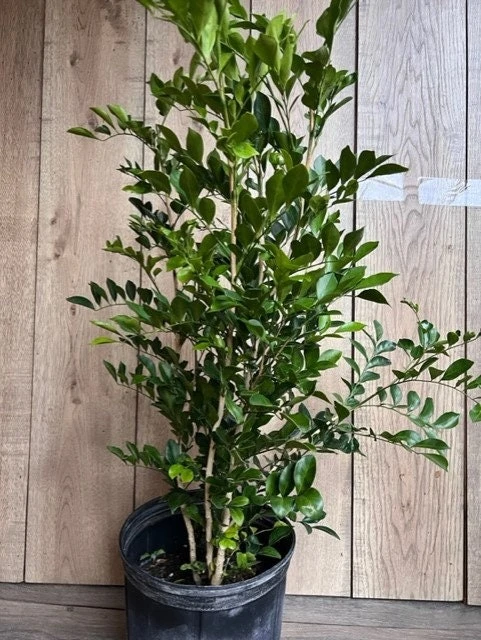
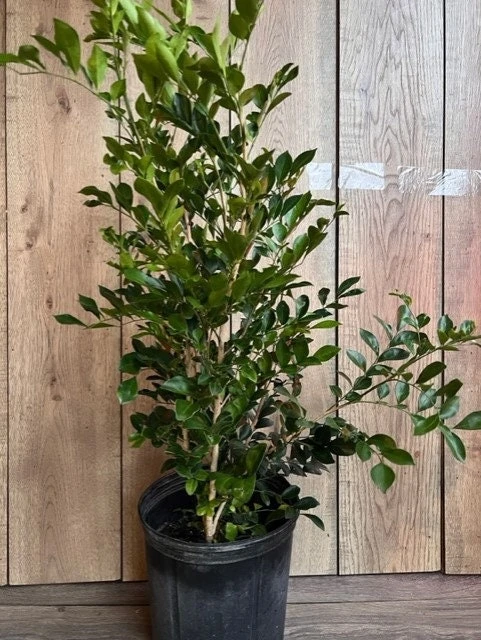
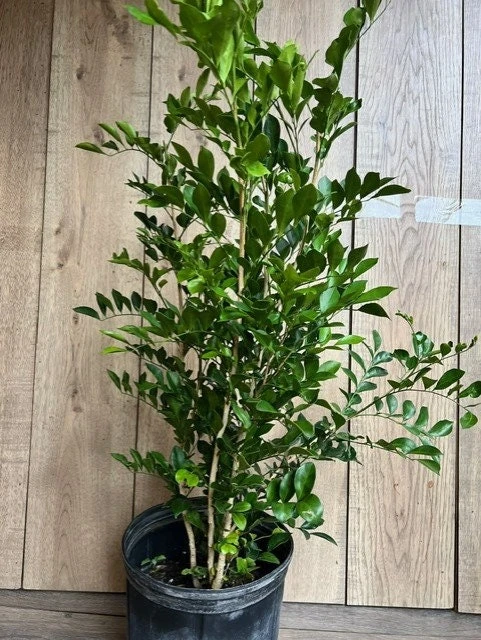
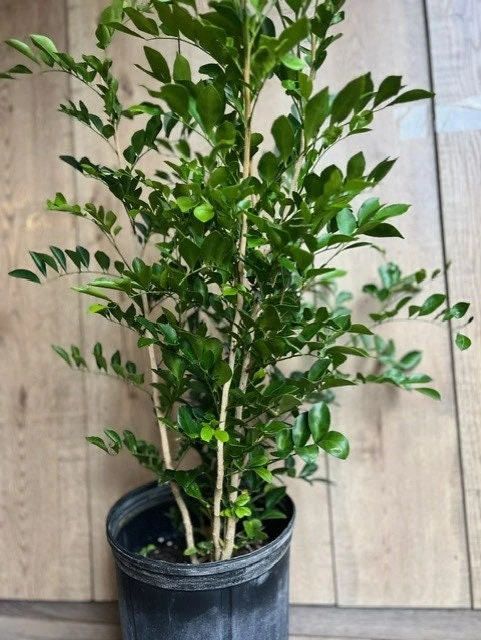
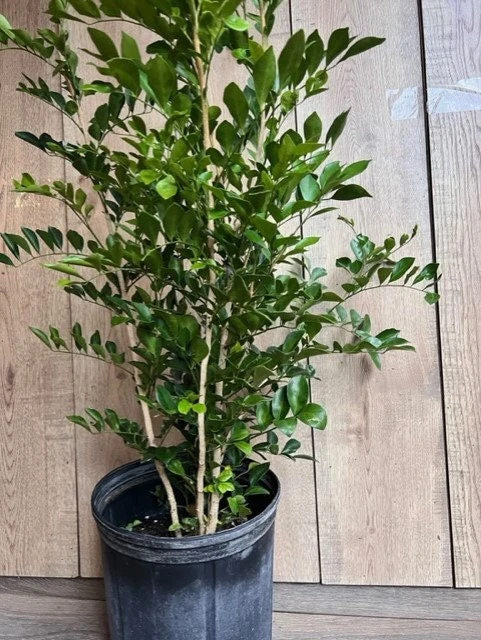
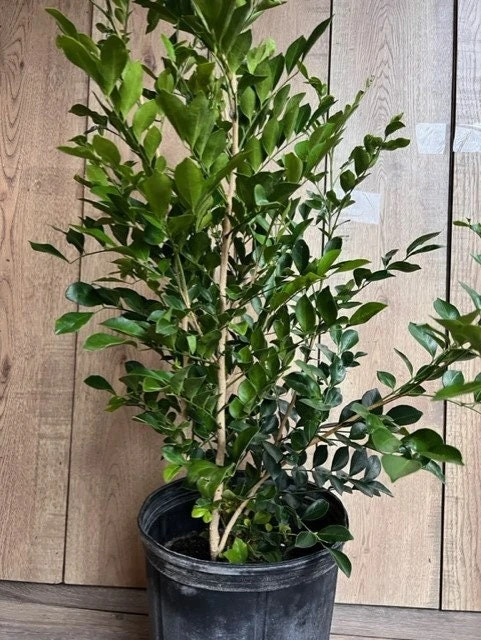
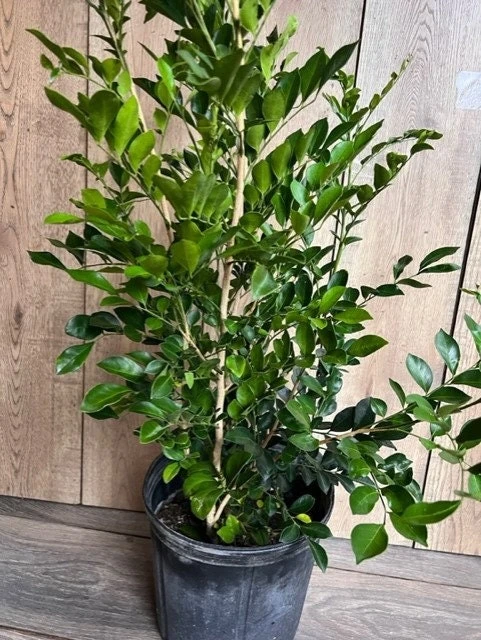
Orange Jasmine Live Plant – Murraya paniculata – 10 inch Pot – Fragrant Evergreen Shrub – Cannot ship to CA
Original price was: $267.81.$172.65Current price is: $172.65.
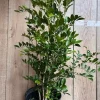
Bring home a beautiful orange jasmine live plant in a 10-inch pot. Known as Murraya paniculata care, this fragrant evergreen shrub produces abundant, sweet-smelling white flowers. Ideal for hedges or container growing, it thrives in warm climates and can be overwintered indoors in cooler zones.
Shipping and Return policies:
We stand behind our plants with our Alive & Thrive Guarantee. If you experience any issues within the first 30 days, please email us, and our team will be happy to help. When needed, we’ll send you a one-time replacement free of charge to make sure your garden keeps growing strong.

Reasonable Price
We offer reasonable price

Support 24/7
Contact us 24 hrs a day
100% Money Back
You’ve 30 days to Return
Payment Secure
100% secure payment
Overview
Introduce a touch of tropical elegance to your garden or patio with our exquisite orange jasmine live plant. Also known by its botanical name, Murraya paniculata, this lovely tropical evergreen is a popular choice for its beautiful foliage and intoxicatingly fragrant flowers. Often referred to as mock orange jasmine, orange jessamine, chalcas, or satinwood, this plant is a compact, upright, and rounded shrub belonging to the Rutaceae family. It’s a versatile plant that can be grown as an ornamental shrub, trained into a small tree, or used to create a fragrant hedge, making it a valuable addition to any plant enthusiast’s collection.
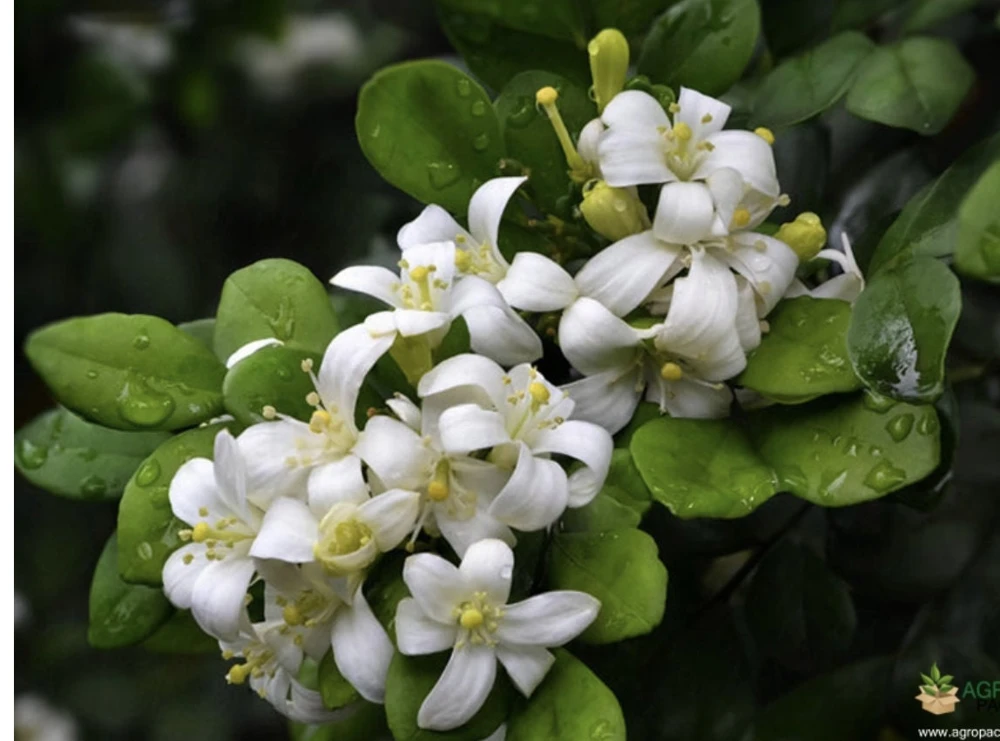
Our orange jasmine live plant arrives in a generous 10-inch pot, ready to be nurtured and enjoyed. Its glossy green leaves provide a lush backdrop for the clusters of small, cream-white flowers that bloom profusely throughout the year, especially in warmer climates. These flowers are not only visually appealing but also release a wonderfully sweet scent, reminiscent of orange blossoms, particularly strong in the evenings. Following the blooms, small fleshy red fruits appear, adding another layer of interest to this already captivating plant.
Key Benefits
The orange jasmine live plant offers a multitude of benefits, making it a highly desirable choice for both novice and experienced gardeners. Its aesthetic appeal combined with its delightful fragrance creates an inviting atmosphere in any setting.
- Aromatic Blooms: Enjoy the wonderfully fragrant, cream-white flowers that smell like orange blossoms. These blooms can appear year-round, ensuring a continuous source of natural perfume for your outdoor or indoor space.
- Versatile Growth Habit: This evergreen shrub can be trained as a small tree, maintained as a compact shrub, or used to create a dense, fragrant hedge, offering flexibility in landscape design.
- Attractive Foliage: The glossy, dark green leaves provide year-round visual interest and a lush, tropical feel to your garden or home.
- Easy to Train: With regular pruning, especially when young, the orange jasmine live plant can be easily shaped and maintained, making it suitable for various garden styles.
- Container Friendly: For those in cooler climates (below USDA zone 10), this plant thrives in containers, allowing you to move it indoors during colder months and enjoy its beauty on patios or balconies during warmer seasons.
- Low Maintenance: Once established in suitable conditions, the murraya paniculata care requirements are relatively straightforward, focusing on proper watering, feeding, and occasional pruning.
- Seasonal Fruit Display: After flowering, the plant produces small, fleshy red fruits, adding an extra decorative element and providing a food source for local wildlife.
Plant Care & Growing Tips
Proper murraya paniculata care is essential for a thriving and fragrant plant. This tropical evergreen requires specific conditions to flourish, but with a little attention, it will reward you with abundant blooms and lush foliage. The key elements to consider are light, soil, water, temperature, and fertilization.
For light, orange jasmine plants require protection from intense, direct afternoon sun. Ideally, locate your plant where it will receive morning sunlight and afternoon shade, or in a spot with filtered light throughout the day. While it can tolerate some sun, excessive heat can scorch its leaves. When it comes to soil, well-drained soil is crucial. This plant does not tolerate waterlogged conditions, which can lead to root rot. Improve drainage by incorporating organic materials such as compost, chopped bark, or leaf mulch into the soil. The shrub prefers a soil pH between 6.6 and 7.5, ranging from moderately acidic to moderately alkaline.
Water your orange jasmine live plant deeply whenever the top two inches of soil feel dry to the touch. A general rule of thumb is about one inch of water per week, but this may need to be adjusted based on your climate and whether the plant is in a container, which typically dries out faster. Never allow the plant to sit in muddy or standing water. As a tropical plant, it thrives in humidity above 50 percent and temperatures consistently above 40 degrees Fahrenheit, as it is not frost-tolerant. In USDA zones below 10, it’s best grown in a container so it can be moved indoors during winter. Fertilize your fragrant evergreen shrub every three to four weeks throughout the growing season (spring through fall) using a fertilizer specifically designed for evergreen plants. If in a container, a balanced, water-soluble fertilizer formulated for evergreen shrubs is ideal; always follow the product label for application rates. Pruning is also an important aspect of murraya paniculata care; regular trimming when the plant is young encourages a dense, compact shape and can help train it into a desired form like a hedge or small tree.
Size & Details
This orange jasmine live plant is provided in a 10-inch nursery pot, offering a robust and well-established specimen ready for your garden or patio. Typically, these plants grow to an average height of 6-10 feet tall and 4-6 feet wide when mature, though they can be kept smaller with regular pruning. Its rapid growth rate means you can quickly achieve your desired size and shape, whether you’re aiming for a compact shrub or a hedge. The plant will arrive healthy and actively growing, similar to the pictures provided, ensuring you receive a vibrant addition to your collection. The small, fleshy red fruits, measuring up to about half an inch (13mm) in size, follow the blooming period, adding seasonal interest. With proper orange jessamine care, you can expect continuous blooming throughout much of the year, particularly in warmer climates.
Frequently Asked Questions
- Q: How big does this orange jasmine live plant get? A: When mature, the orange jasmine typically reaches heights of 6-10 feet and spreads 4-6 feet. However, its size can be easily managed through regular pruning, allowing it to be kept smaller for containers or shaped into hedges.
- Q: What size pot does it come in? A: This orange jasmine live plant is shipped in a 10-inch nursery pot, providing ample space for its initial growth and establishment. You can choose to keep it in this pot or transplant it to a larger container or directly into the ground.
- Q: Is this an indoor or outdoor plant? A: The mock orange jasmine is a tropical plant best suited for outdoor growing in USDA Zones 10 and above. In cooler zones, it can be grown outdoors during warm months and brought indoors to overwinter, making it a versatile option for many climates.
- Q: How much sunlight does it need? A: This plant thrives in locations that receive morning sun and afternoon shade. It needs protection from harsh, direct afternoon sunlight to prevent leaf scorching. Filtered light throughout the day is also suitable.
- Q: Is this plant easy to care for? A: Yes, with consistent attention to its basic needs, the murraya paniculata care is considered relatively easy. It requires well-drained soil, regular watering, and occasional fertilization and pruning to maintain its shape and health.
- Q: What condition will it arrive in? A: Your fragrant evergreen shrub will arrive as a healthy, actively growing plant in its 10-inch pot, similar to the product images. We ensure careful packaging to protect it during transit.
- Q: How long until it blooms? A: Orange jasmine plants are known for their consistent blooming. With proper care and favorable conditions, your plant can produce its fragrant white flowers year-round, especially in warmer climates.
- Q: What’s the minimum temperature this plant can tolerate? A: As a tropical plant, the orange jessamine is not frost-tolerant and requires temperatures above 40 degrees Fahrenheit (approximately 4 degrees Celsius) to thrive. It should be protected from freezing temperatures.
- Q: Can I use this plant for a hedge? A: Absolutely! The orange jasmine live plant responds very well to pruning and can be trained into an attractive and fragrant hedge, providing both privacy and a delightful aroma.
- Q: Does this plant attract pollinators? A: Yes, the sweet fragrance and nectar of the orange jasmine flowers are very attractive to pollinators like bees and butterflies, contributing to the biodiversity of your garden.
Be the first to review “Orange Jasmine Live Plant – Murraya paniculata – 10 inch Pot – Fragrant Evergreen Shrub – Cannot ship to CA”
You must be logged in to post a review.
People also Viewed
Sold 50 products
$32.38
Sold 50 products
$27.38
Sold 50 products
$32.38
Sold 50 products
$19.88
Sold 50 products
$62.38
Sold 50 products
$24.88
Houseplants
Phalaenopsis pulcherrima ‘Mauna Kea Snow’ Orchid Live Plant – White Flowers, Potted 2.5 in
Sold 50 products
$49.88
Sold 50 products
$49.88RELATED posts
Awapuhi Wild Ginger Plant: Zones, Care, and Propagation
Learn which USDA zones suit awapuhi wild ginger, plus sunlight, water, planting, propagation, pests, size, [...]
Awapuhi Shampoo Ginger – Care, Growing Zones, and Differences
Learn how to grow awapuhi (shampoo) ginger, its USDA zones, watering schedule, propagation tips, and [...]
Awapuhi Shampoo Plant Buying Guide – Choose the Right Zingiber zerumbet
META: Learn which awapuhi (shampoo ginger) plant or rhizome pack gives the best natural shampoo, [...]
Awapuhi Plant for Sale: Complete Buying Guide
Find the right awapuhi (shampoo ginger) plant, size, price, soil mix, and online source. Practical [...]
Shampoo Ginger Plant for Sale – Buying Guide & Tips
Find the right shampoo ginger plant, size, price, and care tips. Quick guide for U.S. [...]
Shampoo Ginger Plant (Awapuhi) Care Guide
Learn how to grow, care for, and use shampoo ginger (Zingiber zerumbet), the tropical awapuhi [...]
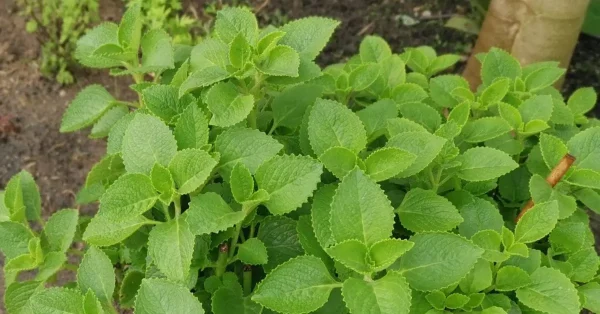
How to Grow Cuban Oregano Plants: A Complete Care Guide
If you’ve ever wanted a plant that combines the culinary punch of traditional oregano with [...]
Aug
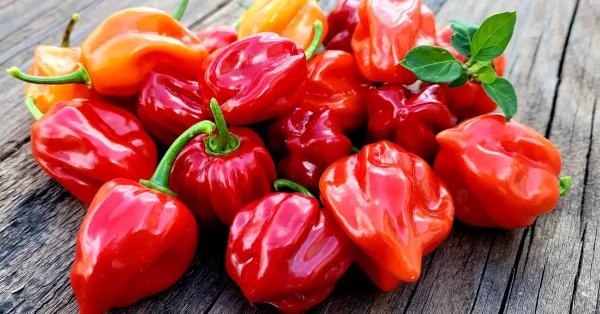
How to Grow Habanero Pepper Plants: A Step-by-Step Guide
Habanero pepper plants are prized for their vibrant colors, intense heat, and exceptional flavor, making [...]
Aug
Reviews
There are no reviews yet.