
Red Raspberry Live Plant – Rubus idaeus – 2″ Pot – Vigorous Berry Cane
$20.89
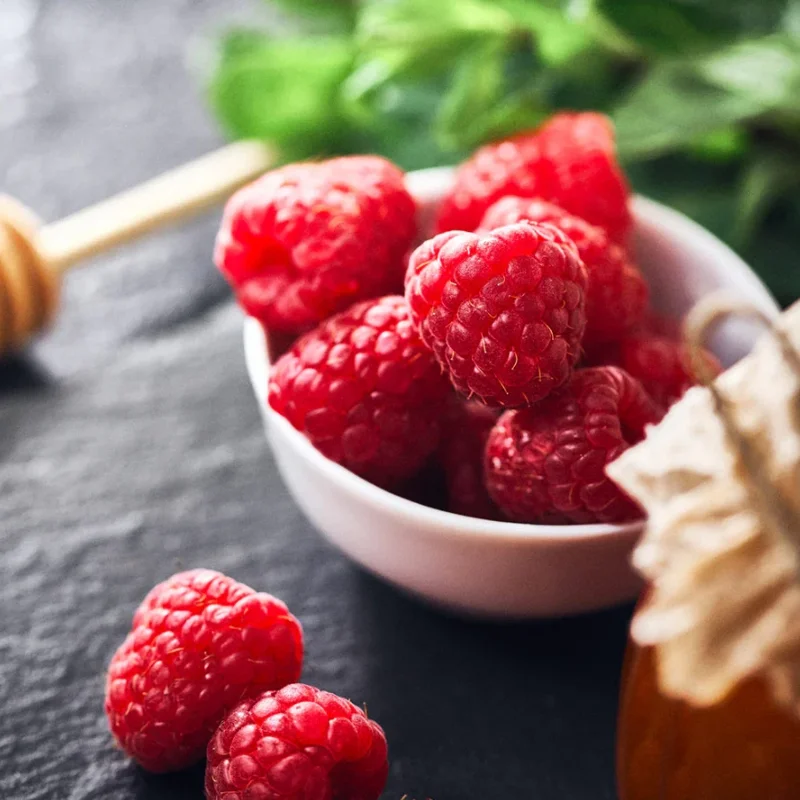
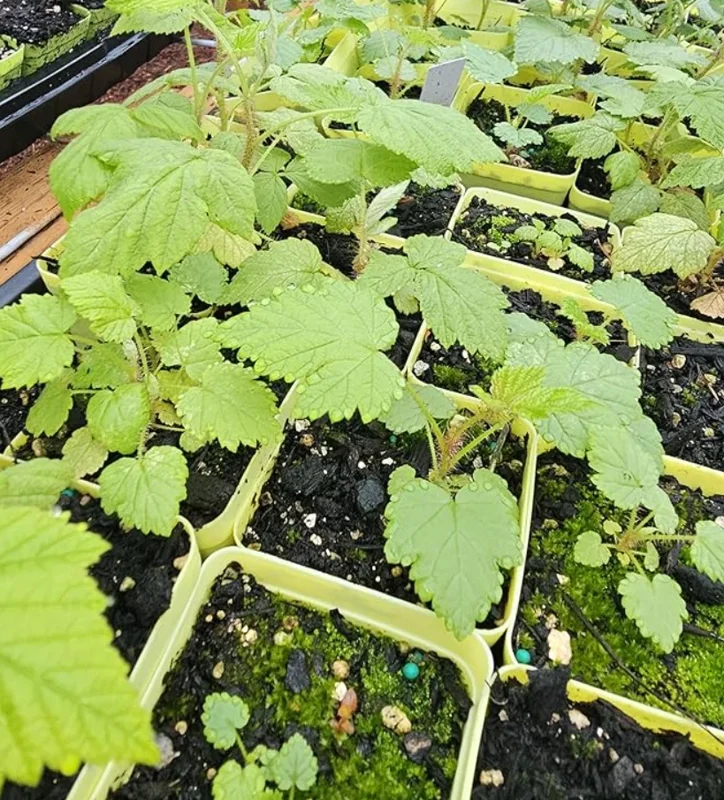
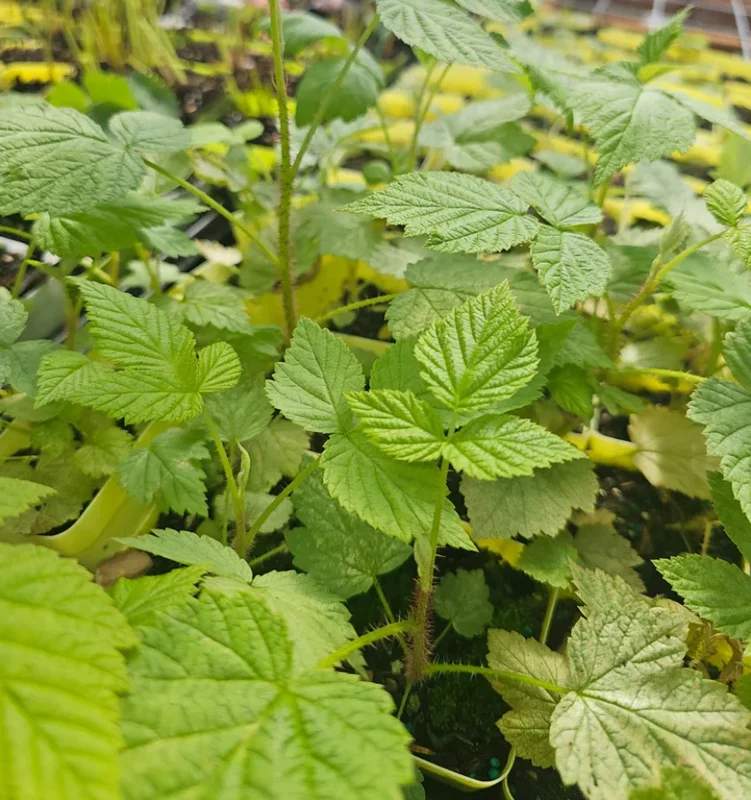
Cultivate your own sweet and juicy berries with this red raspberry live plant. This vigorous 2″ potted Rubus idaeus cane is ready for planting in your garden, providing bountiful harvests of fresh fruit. Enjoy homegrown goodness!
Shipping and Return policies:
We stand behind our plants with our Alive & Thrive Guarantee. If you experience any issues within the first 30 days, please email us, and our team will be happy to help. When needed, we’ll send you a one-time replacement free of charge to make sure your garden keeps growing strong.

Reasonable Price
We offer reasonable price

Support 24/7
Contact us 24 hrs a day
100% Money Back
You’ve 30 days to Return
Payment Secure
100% secure payment
Overview
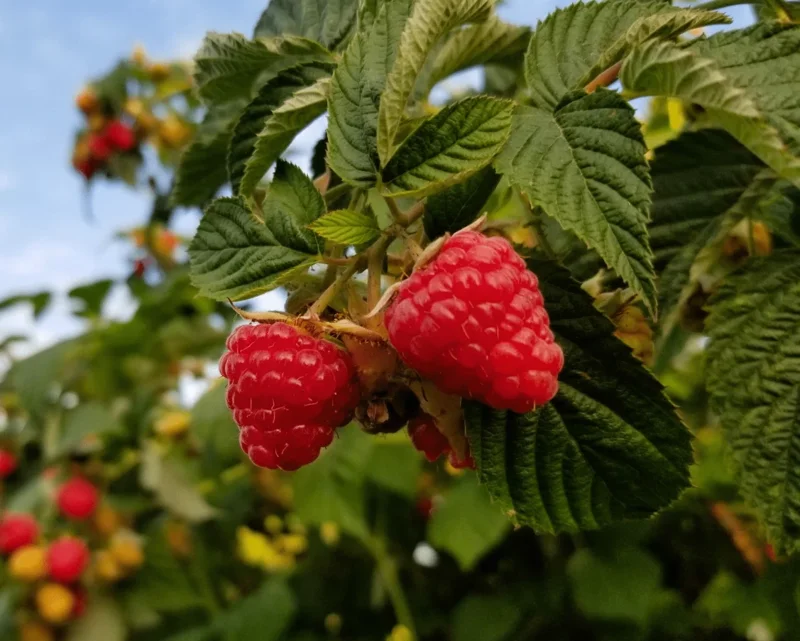
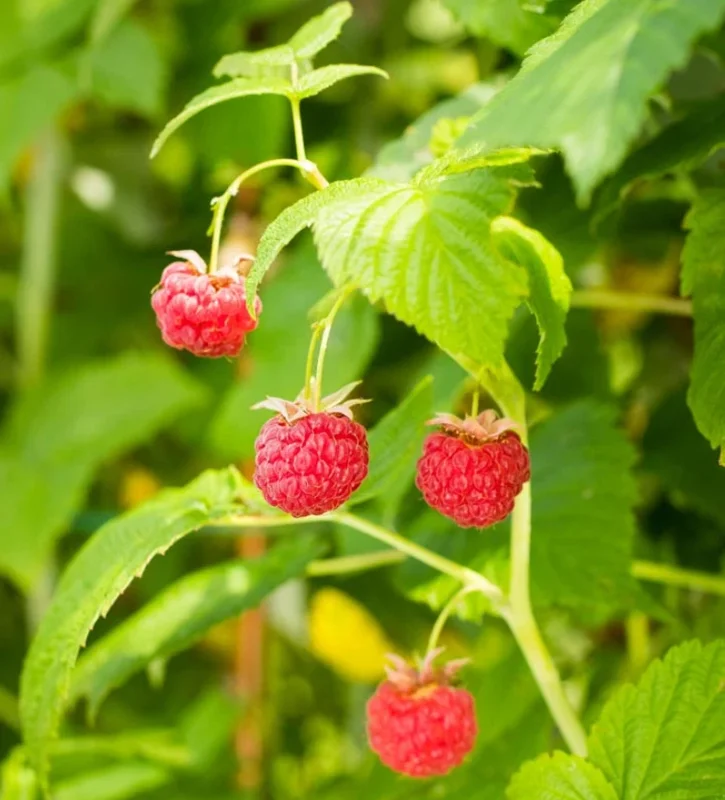
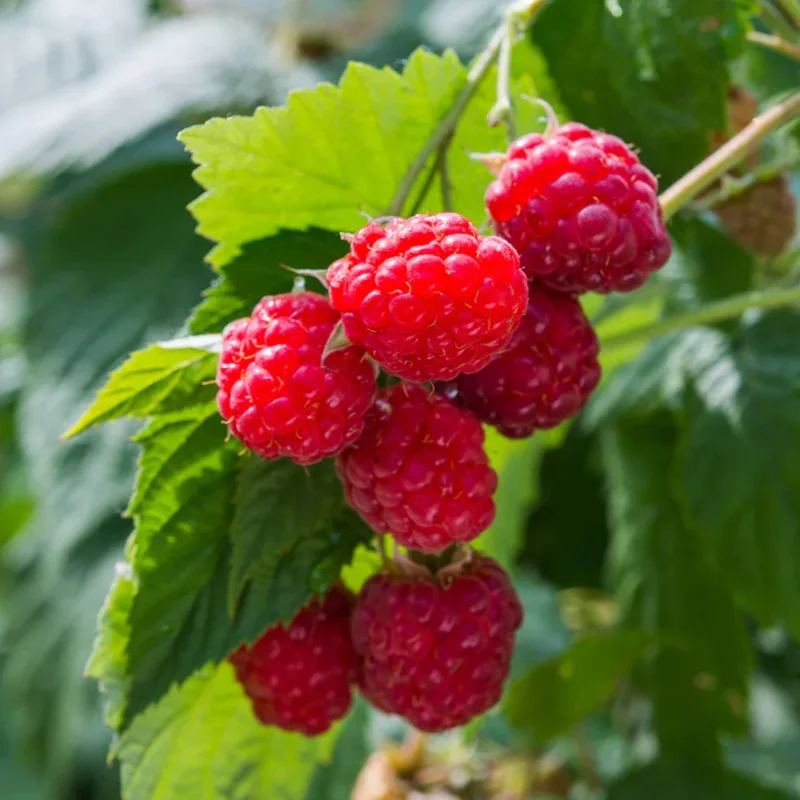
Bring the joy of fresh, homegrown fruit to your garden with this vibrant red raspberry live plant (Rubus idaeus). Known for its delicious, sweet-tart berries, this vigorous cane is an excellent addition for both novice and experienced gardeners. Our red raspberry live plant arrives in a convenient 2-inch pot, perfectly rooted and ready to be transplanted into your chosen garden spot. These plants are carefully cultivated to ensure strong growth and abundant fruiting, allowing you to enjoy a continuous supply of fresh raspberries throughout the growing season. Rubus idaeus, the botanical name for the common red raspberry, is celebrated for its ease of care and prolific nature, making it a rewarding plant for any edible landscape. Experience the unparalleled taste of berries picked straight from your own backyard.
This particular variety is chosen for its robust nature and high yield potential. Whether you’re looking to create a dedicated berry patch or integrate edible plants into your existing landscape, this red raspberry live plant offers an ideal solution. It’s a fantastic way to introduce children to gardening and healthy eating, as they can participate in harvesting their own delicious snacks. Enjoy the satisfaction of knowing exactly where your food comes from, free from pesticides and artificial additives, by cultivating your own fresh raspberries.
Key Benefits
Adding a red raspberry live plant to your garden offers numerous advantages, from fresh produce to aesthetic appeal. These benefits make it a must-have for any fruit enthusiast:
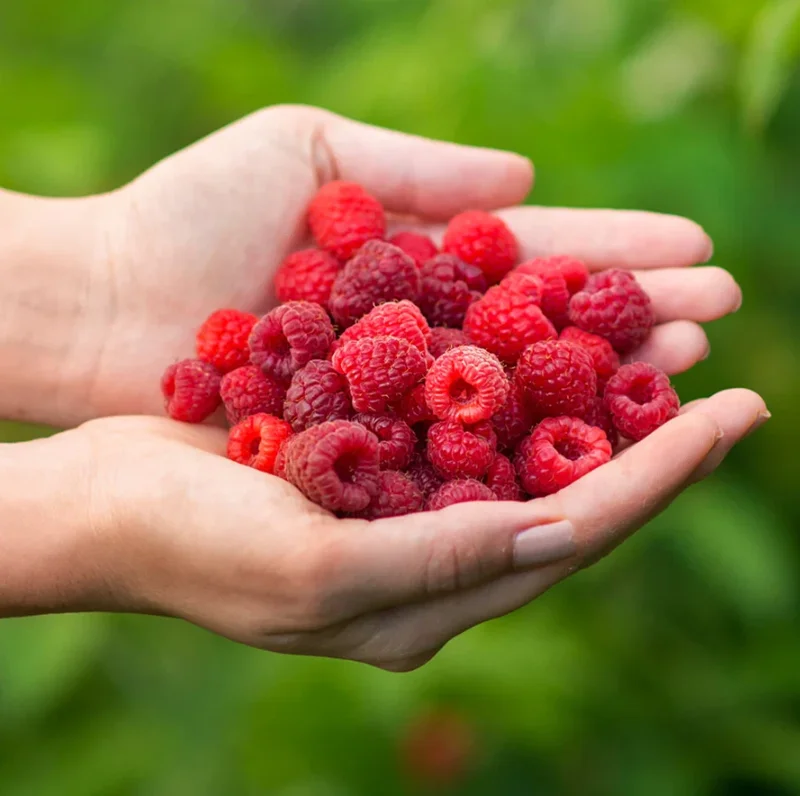
- Abundant Fresh Fruit: Enjoy a plentiful harvest of sweet, juicy red raspberries directly from your garden, perfect for snacking, desserts, jams, and more. There’s nothing quite like the taste of a freshly picked berry.
- Vigorous Growth: This variety is selected for its strong, healthy growth habits, ensuring a robust plant that can withstand various growing conditions and produce consistently. A healthy plant means more berries for you.
- Nutrient-Rich Berries: Red raspberries are packed with vitamins, antioxidants, and fiber, contributing to a healthy diet. Growing your own ensures you have access to the freshest, most nutritious fruit.
- Attracts Pollinators: The flowers of the raspberry plant attract beneficial pollinators like bees, enhancing the biodiversity of your garden and benefiting other fruiting plants.
- Easy to Grow: Red raspberry plants are relatively low-maintenance once established, making them suitable for gardeners of all skill levels. Follow a few simple guidelines for growing red raspberries successfully.
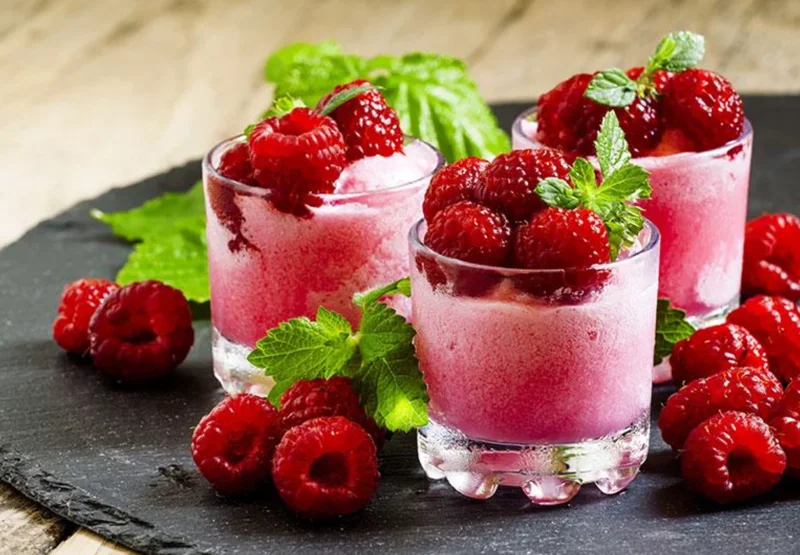
- Versatile Use: Beyond fresh eating, raspberries can be used in a myriad of culinary applications, from pies and tarts to sauces and smoothies. The possibilities are endless.
- Perennial Production: Once planted, raspberry canes will return year after year, providing a reliable source of fruit for many seasons to come. This makes them a valuable long-term investment for your garden.
Plant Care & Growing Tips
To ensure your red raspberry live plant thrives and produces a bountiful harvest, proper care is essential. Raspberries generally prefer a sunny location with well-drained soil. Choose a site that receives at least 6-8 hours of direct sunlight per day. Good air circulation is also important to prevent fungal diseases. Prepare your soil by amending it with organic matter like compost to improve drainage and fertility. Raspberries prefer a slightly acidic to neutral pH (6.0-6.8). Plant your 2-inch potted cane in a hole twice as wide as the root ball and just as deep, ensuring the crown of the plant is at soil level.
Watering is crucial, especially during dry spells and when the plant is fruiting. Aim for consistent moisture, but avoid waterlogging, which can lead to root rot. Deep watering once or twice a week is usually sufficient. Fertilize your raspberry plants in early spring with a balanced slow-release fertilizer or an organic option like compost tea. Pruning is key for maximizing fruit production and maintaining plant health. For primocane-fruiting (everbearing) varieties, cut all canes back to the ground after the fall harvest. For floricane-fruiting (summer-bearing) varieties, prune out the canes that have finished fruiting immediately after harvest, leaving the new canes to produce the following year. Support systems like trellises or wires can help manage the canes and keep the berries off the ground, making them easier to pick and reducing disease risk. Understanding how to care for your rubus idaeus plant will lead to years of delicious harvests.
Keep an eye out for common pests like aphids and Japanese beetles, and diseases such as anthracnose or powdery mildew. Early detection and treatment with organic pest control methods or appropriate fungicides can help protect your crop. Proper spacing between plants (about 2-3 feet apart) also promotes better air circulation and reduces disease pressure. With consistent care, your red raspberry live plant will reward you with an abundance of flavorful fruit.
Size & Details
This offering is for one red raspberry live plant, shipped in a 2-inch nursery pot. The plant will arrive as a vigorous young cane, carefully packaged to ensure its health during transit. At the time of shipment, the plant’s height will vary depending on its growth stage but will be well-rooted and ready for transplanting. Raspberry canes typically grow rapidly, reaching mature heights of 3-6 feet, often requiring a trellis or support system to manage their growth and maximize fruit production. Expect your plant to establish quickly in your garden, with some varieties potentially producing fruit in their first year, and a full harvest by the second year. This raspberry cane for garden use is selected for its hardiness and ability to thrive in a range of climates, making it a versatile choice for many home gardeners.
The plant’s spread can be significant over time as it produces new suckers from its root system, forming a productive patch. Regular maintenance and pruning will help contain its spread and focus the plant’s energy on fruit production. The exact timing of fruit production will depend on the specific variety (primocane-fruiting or floricane-fruiting) and your local climate, but generally, you can anticipate berries from early summer through fall. This buy raspberry plant online option provides a convenient way to start your own berry patch with a healthy, established plant.
Frequently Asked Questions
- Q: How big does this plant get? A: A: This red raspberry live plant typically grows 3-6 feet tall and can spread by sending out new suckers, forming a patch. Pruning and support systems can help manage its size and shape.
- Q: What size pot does it come in? A: The plant arrives in a 2-inch nursery pot, providing a healthy root system ready for transplanting into your garden or a larger container.
- Q: Is this an indoor or outdoor plant? A: Red raspberry plants are primarily outdoor plants, thriving in full sun in garden beds. They are not typically grown indoors for fruit production.
- Q: How much sunlight does it need? A: Your rubus idaeus plant requires at least 6-8 hours of direct sunlight per day to produce the best fruit yields.
- Q: Is this plant easy to care for? A: Yes, red raspberry plants are considered relatively easy to care for once established. They require consistent watering, annual pruning, and occasional fertilization.
- Q: What condition will it arrive in? A: Your plant will arrive healthy and well-rooted in its 2-inch pot, carefully packaged to minimize stress during shipping.
- Q: Is it shipped in soil? A: Yes, the plant is shipped in its nursery pot with soil, ensuring its roots remain moist and protected during transit.
- Q: Can I use the raspberries in cooking? A: Absolutely! Fresh red raspberries are excellent for eating fresh, baking into pies, making jams, sauces, smoothies, and much more.
- Q: When is the best time to plant this raspberry cane for garden use? A: The best time to plant is in early spring after the last frost, or in early fall before the ground freezes, allowing the roots to establish.
- Q: Will it survive winter in my zone? A: Most red raspberry varieties are quite hardy. Check your specific USDA hardiness zone; this plant is generally suitable for zones 4-8. Proper winter protection may be needed in colder zones.
- Q: How long until it produces fruit? A: Depending on the variety, your plant may produce some fruit in its first year, with a more substantial harvest expected in the second year and beyond.
Be the first to review “Red Raspberry Live Plant – Rubus idaeus – 2″ Pot – Vigorous Berry Cane”
You must be logged in to post a review.
People also Viewed
Sold 50 products
Original price was: $37.48.$23.98Current price is: $23.98.
Sold 50 products
$32.38
Sold 50 products
$27.38
Sold 50 products
$32.38
Sold 50 products
$19.88
Sold 50 products
$62.38
Sold 50 products
$24.88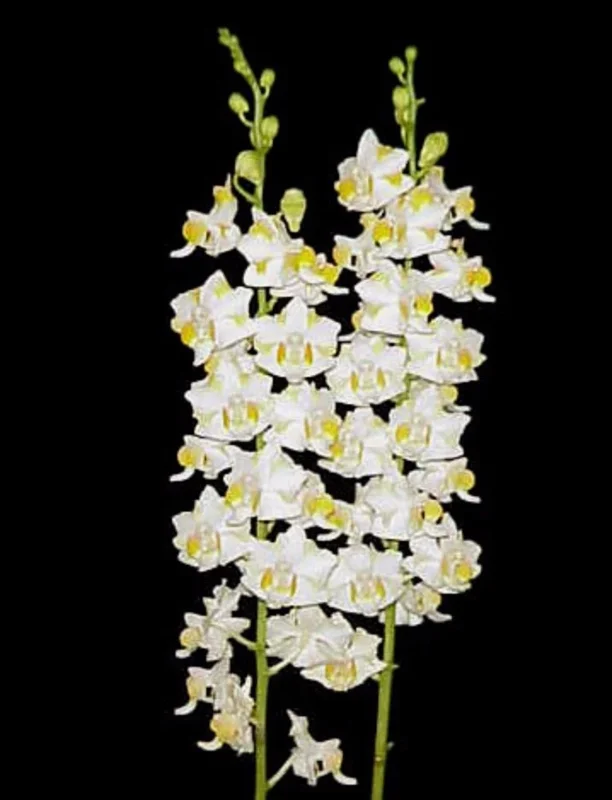
Houseplants
Phalaenopsis pulcherrima ‘Mauna Kea Snow’ Orchid Live Plant – White Flowers, Potted 2.5 in
Sold 50 products
$49.88RELATED posts
Awapuhi Wild Ginger Plant: Zones, Care, and Propagation
Learn which USDA zones suit awapuhi wild ginger, plus sunlight, water, planting, propagation, pests, size, [...]
Awapuhi Shampoo Ginger – Care, Growing Zones, and Differences
Learn how to grow awapuhi (shampoo) ginger, its USDA zones, watering schedule, propagation tips, and [...]
Awapuhi Shampoo Plant Buying Guide – Choose the Right Zingiber zerumbet
META: Learn which awapuhi (shampoo ginger) plant or rhizome pack gives the best natural shampoo, [...]
Awapuhi Plant for Sale: Complete Buying Guide
Find the right awapuhi (shampoo ginger) plant, size, price, soil mix, and online source. Practical [...]
Shampoo Ginger Plant for Sale – Buying Guide & Tips
Find the right shampoo ginger plant, size, price, and care tips. Quick guide for U.S. [...]
Shampoo Ginger Plant (Awapuhi) Care Guide
Learn how to grow, care for, and use shampoo ginger (Zingiber zerumbet), the tropical awapuhi [...]
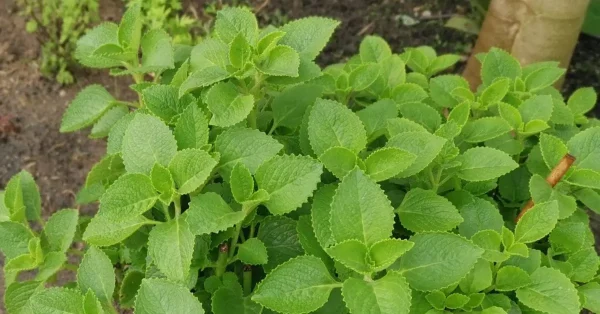
How to Grow Cuban Oregano Plants: A Complete Care Guide
If you’ve ever wanted a plant that combines the culinary punch of traditional oregano with [...]
Aug
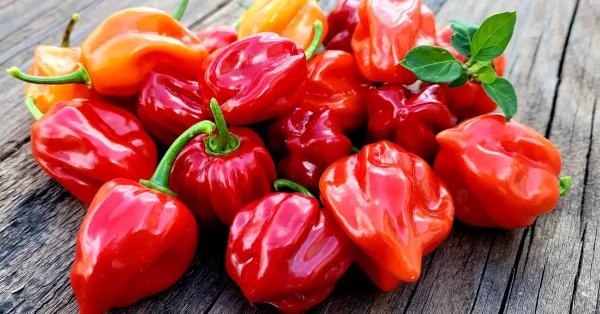
How to Grow Habanero Pepper Plants: A Step-by-Step Guide
Habanero pepper plants are prized for their vibrant colors, intense heat, and exceptional flavor, making [...]
Aug


Reviews
There are no reviews yet.