
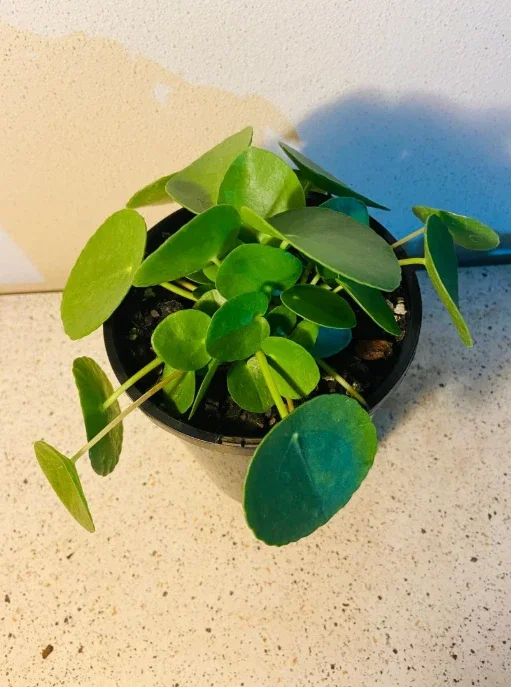
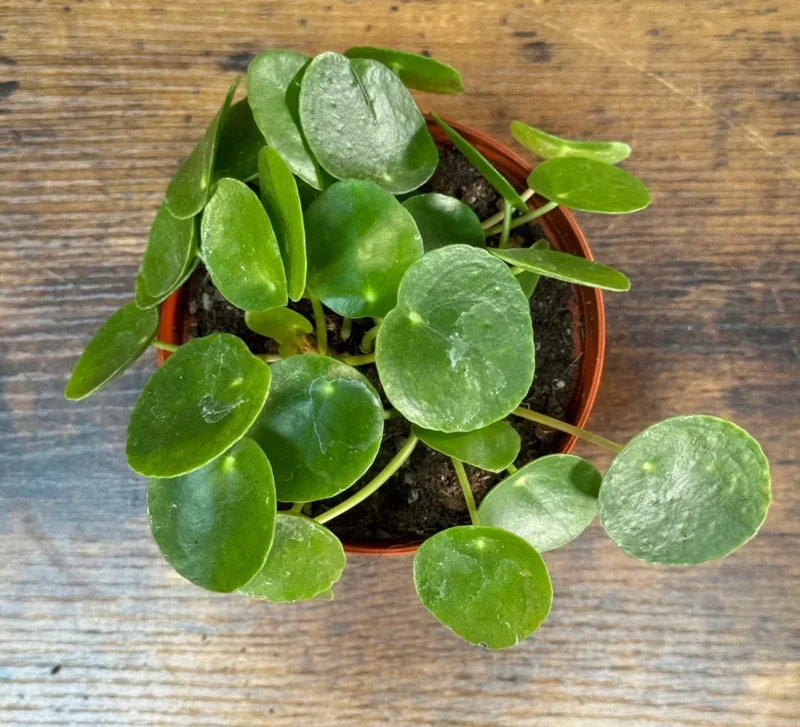
Pilea Peperomioides Live Plant – Chinese Money Plant – 4 inch Pot – Indoor
$32.99
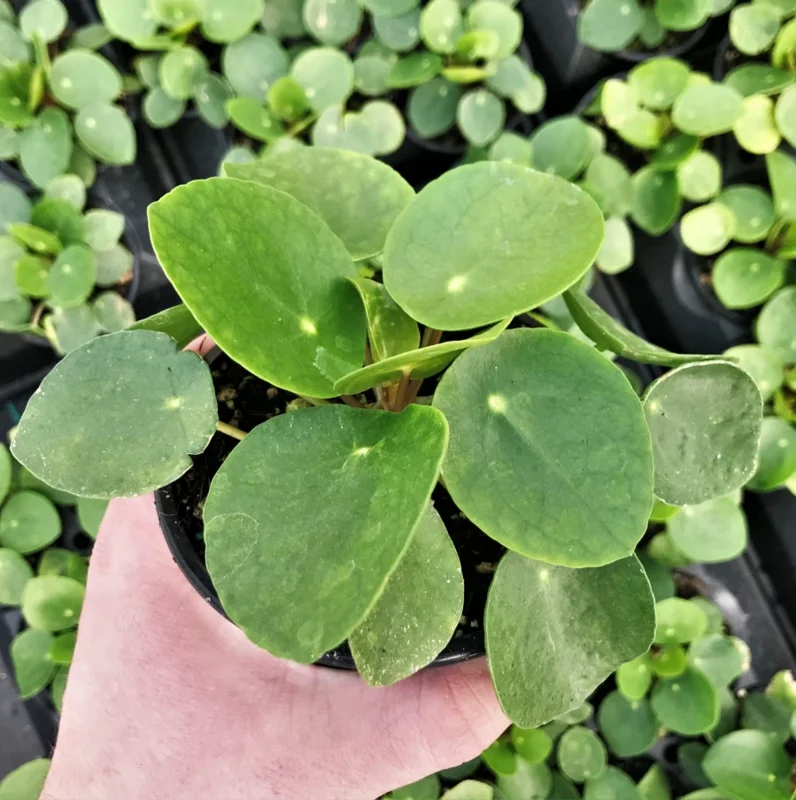
Add a touch of modern elegance to your home with a Pilea Peperomioides live plant. This popular houseplant, known as the Chinese Money Plant care, features unique coin-shaped leaves and is perfect for beginners. Arrives in a 4-inch nursery pot, ready to thrive indoors.
Shipping and Return policies:
We stand behind our plants with our Alive & Thrive Guarantee. If you experience any issues within the first 30 days, please email us, and our team will be happy to help. When needed, we’ll send you a one-time replacement free of charge to make sure your garden keeps growing strong.

Reasonable Price
We offer reasonable price

Support 24/7
Contact us 24 hrs a day
100% Money Back
You’ve 30 days to Return
Payment Secure
100% secure payment
Overview
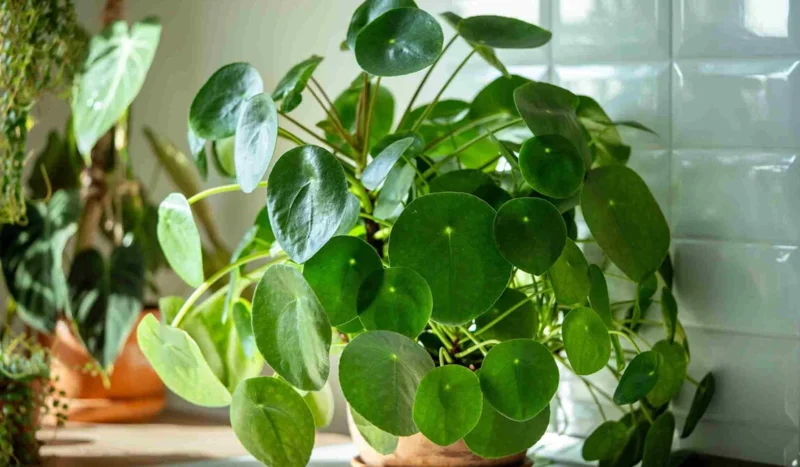
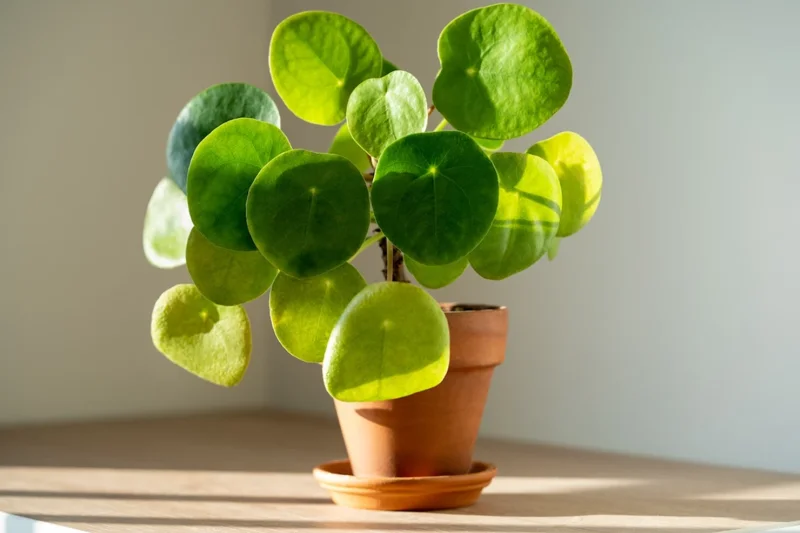
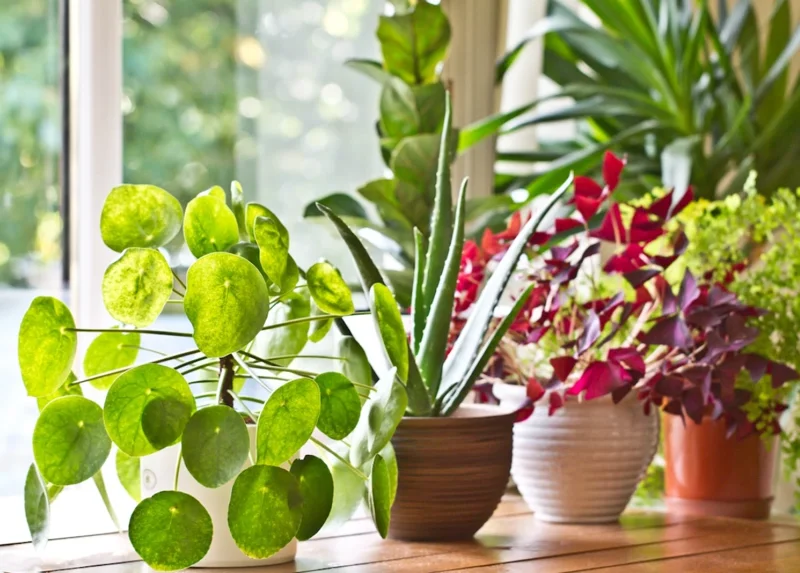
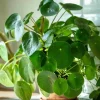
Introduce a symbol of good fortune and friendship into your living space with the exquisite Pilea Peperomioides live plant. Often referred to as the Chinese Money Plant, Pancake Plant, or UFO Plant, this botanical wonder is celebrated for its distinctive, perfectly round, coin-shaped leaves that grow on slender stems. Hailing from the Yunnan and Sichuan provinces of China, Pilea peperomioides has captivated plant enthusiasts worldwide with its charming appearance and relatively easy-care nature. This particular offering provides a healthy, vibrant specimen in a 4-inch pot, ideal for immediate display or for gifting. Its unique foliage creates a striking visual interest, making it a perfect centerpiece or an elegant accent in any room. The circular leaves are believed to bring good luck and prosperity, adding a layer of cultural significance to its undeniable aesthetic appeal. This live plant is a fantastic choice for both seasoned plant parents and those new to the world of indoor gardening, promising a rewarding and beautiful addition to your home.
The Pilea Peperomioides live plant is not just a decorative item; it’s a living piece of art that continuously grows and evolves. Its upright growth habit and compact size make it suitable for desks, shelves, or windowsills, fitting seamlessly into various interior design styles from minimalist to bohemian. The plant’s vigorous growth also means you’ll soon have small ‘pups’ emerging from the base, which can be easily propagated to share with friends and family, truly embodying its ‘friendship plant’ nickname. Embrace the joy of nurturing this delightful plant and watch it flourish, bringing a touch of nature’s tranquility and elegance into your everyday life.
Key Benefits
The Pilea Peperomioides live plant offers a multitude of benefits beyond its captivating appearance, making it a highly desirable choice for any indoor plant collection. Its charm and ease of care contribute to a happier, healthier home environment.
- Unique Aesthetic Appeal: The most striking feature of the Pilea is its perfectly round, glossy green leaves that resemble coins or pancakes. This distinct foliage adds a modern, architectural element to any decor, creating an instant focal point and conversation starter.
- Air Purification Qualities: Like many houseplants, the Pilea contributes to improved indoor air quality by absorbing common toxins and releasing fresh oxygen. This natural air-filtering ability helps create a healthier and more refreshing atmosphere in your home or office.
- Relatively Easy to Care For: The Pilea Peperomioides live plant is known for being quite forgiving, making it an excellent choice for beginners or those with busy lifestyles. With basic attention to light and watering, it thrives beautifully, offering a rewarding gardening experience without excessive effort.
- Symbol of Good Fortune & Friendship: Culturally, the Pilea is often called the Chinese Money Plant and is associated with prosperity and good luck. Its tendency to produce ‘pups’ that can be shared with others has also earned it the nickname ‘Friendship Plant,’ making it a meaningful gift.
- Compact & Versatile Size: Growing to a moderate size, typically 12-18 inches tall, the Pilea is perfect for smaller spaces such as desks, shelves, or side tables. Its upright growth habit ensures it doesn’t take up too much horizontal space, allowing for flexible placement.
- Engaging Growth Habit: Observing the Pilea as it grows new leaves and produces offsets is a delightful experience. Its dynamic growth cycle, including the development of new ‘pups’ at the base, provides a continuous source of fascination and allows for easy propagation.
- Low Maintenance Propagation: One of the most enjoyable aspects of Pilea ownership is its ease of propagation. The plant readily produces small plantlets (pups) that can be removed and rooted in water or soil, allowing you to expand your collection or share the joy with others, making Pilea propagation a simple process.
Plant Care & Growing Tips
Providing the right environment is key to ensuring your Pilea Peperomioides live plant thrives. This plant prefers bright, indirect light. Placing it near an east or west-facing window where it receives gentle morning or afternoon sun is ideal. Avoid direct, harsh sunlight, especially during the hottest parts of the day, as this can scorch its delicate leaves. If your Pilea starts to stretch or its leaves begin to cup downwards, it might be an indication that it’s not receiving enough light. Conversely, if the leaves look bleached or develop brown spots, it might be getting too much direct sun.
Watering should be done thoroughly but infrequently. Allow the top 1-2 inches of soil to dry out completely between waterings. You can check this by sticking your finger into the soil. When it’s time to water, drench the soil until water drains from the bottom of the pot, then discard any excess. Overwatering is a common issue that can lead to root rot, so it’s better to err on the side of underwatering rather than overwatering. The Pilea appreciates well-draining soil; a good quality potting mix designed for houseplants, often containing perlite or sand, will work well. For optimal growth, maintain room temperatures between 65-75°F (18-24°C) and average household humidity. While not strictly necessary, occasional misting or placing the pot on a pebble tray can provide beneficial humidity, especially in drier environments. Fertilize sparingly during the growing season (spring and summer) with a balanced liquid houseplant fertilizer diluted to half strength. Pay close attention to these tips for successful Chinese Money Plant care.
Understanding how to grow Pilea successfully also involves knowing its common issues. Yellowing leaves, especially lower ones, can indicate overwatering or nutrient deficiency. Drooping leaves often signify underwatering, while crispy leaves suggest low humidity or too much direct sun. Regularly rotating your plant will ensure even growth, as it tends to grow towards the light. Pruning isn’t usually necessary beyond removing old, spent leaves or any leggy stems to encourage bushier growth. Keep an eye out for common houseplant pests like spider mites or mealybugs, and address them promptly with an insecticidal soap if detected. With consistent care, your indoor Pilea plant will reward you with lush, vibrant foliage and the occasional ‘pup’ for propagation.
Size & Details
This offering is for a healthy Pilea Peperomioides live plant, carefully cultivated and shipped in a standard 4-inch nursery pot. At the time of shipment, the plant typically stands approximately 6-8 inches tall from the base of the pot, with a spread of about 4-6 inches. The exact height and leaf count may vary slightly depending on the individual plant’s growth stage, but each specimen is selected for its vigor and quality. Pilea peperomioides is a moderately fast grower under optimal conditions, and you can expect it to reach a mature height of 12-18 inches indoors, with a similar spread. Its upright growth habit makes it an ideal choice for smaller spaces.
The plant will arrive securely packaged to minimize stress during transit, ensuring it reaches you in excellent condition, ready to be placed in your home. It is already established in its nursery pot with appropriate potting mix, meaning it can remain in this container for some time before needing to be repotted. Repotting is generally recommended when the plant becomes root-bound, typically every 1-2 years, into a pot that is only 1-2 inches larger in diameter. With proper indoor Pilea plant care, you can expect to see new leaves unfurl regularly and potentially develop ‘pups’ at the base within a few months, allowing for easy Pilea propagation.
Frequently Asked Questions
- Q: How big does this Pilea Peperomioides live plant get? A: This Pilea Peperomioides live plant is shipped in a 4-inch pot and typically stands 6-8 inches tall. With proper care, it can grow to a mature height of 12-18 inches indoors, with a similar spread.
- Q: Is this an indoor or outdoor plant? A: The Pilea Peperomioides is primarily an indoor houseplant in most climates. It thrives in typical indoor temperatures and bright, indirect light. It can be moved outdoors in shaded areas during warm summer months in USDA zones 10-12, but should be brought inside before temperatures drop.
- Q: Is this plant easy to care for? Is it good for beginners? A: Yes, the Chinese Money Plant care is relatively easy, making it an excellent choice for beginners. It requires bright, indirect light and consistent, but not excessive, watering. It’s known for being quite forgiving of minor care mistakes.
- Q: What condition will it arrive in? Is it shipped in soil? A: Your Pilea Peperomioides live plant will arrive securely packaged in its 4-inch nursery pot with soil. We take great care to ensure the plant is protected during transit and reaches you in healthy condition, ready to thrive in its new home.
- Q: How much sunlight does it need? A: This indoor Pilea plant prefers bright, indirect light. An east or west-facing window is usually ideal. Avoid direct, harsh sunlight, which can scorch its leaves, and too little light, which can cause it to become leggy.
- Q: How often should I water my Chinese Money Plant? A: Water your Pilea when the top 1-2 inches of soil feel dry to the touch. It’s important to allow the soil to dry out between waterings to prevent root rot. This usually translates to watering every 7-10 days, but it can vary based on light and temperature.
- Q: Can I propagate this plant? How does Pilea propagation work? A: Absolutely! Pilea Peperomioides is known for being easy to propagate. It produces small ‘pups’ or offsets from the base of the plant or along the stem. These can be carefully detached when they are a few inches tall and rooted in water or directly in soil to create new plants.
- Q: Is the Pilea plant pet-safe? A: Pilea Peperomioides is generally considered non-toxic to cats and dogs according to the ASPCA, making it a safe choice for homes with pets. However, it’s always best to discourage pets from consuming any houseplant.
- Q: What kind of soil is best for this plant? A: A well-draining potting mix is crucial for your indoor Pilea plant. A standard houseplant potting mix amended with perlite or coarse sand for extra drainage is ideal. This helps prevent waterlogging and promotes healthy root growth.
- Q: Why are the leaves on my Pilea turning yellow? A: Yellowing leaves on a Pilea are often a sign of overwatering, especially if the lower leaves are affected. Ensure you allow the soil to dry out between waterings. It can also be a sign of nutrient deficiency, in which case a balanced liquid fertilizer during the growing season can help.
Be the first to review “Pilea Peperomioides Live Plant – Chinese Money Plant – 4 inch Pot – Indoor”
You must be logged in to post a review.
People also Viewed
Sold 50 products
$32.38
Sold 50 products
$27.38
Sold 50 products
$32.38
Sold 50 products
$19.88
Sold 50 products
$62.38
Sold 50 products
$24.88
Houseplants
Phalaenopsis pulcherrima ‘Mauna Kea Snow’ Orchid Live Plant – White Flowers, Potted 2.5 in
Sold 50 products
$49.88
Sold 50 products
$49.88RELATED posts
Awapuhi Wild Ginger Plant: Zones, Care, and Propagation
Learn which USDA zones suit awapuhi wild ginger, plus sunlight, water, planting, propagation, pests, size, [...]
Awapuhi Shampoo Ginger – Care, Growing Zones, and Differences
Learn how to grow awapuhi (shampoo) ginger, its USDA zones, watering schedule, propagation tips, and [...]
Awapuhi Shampoo Plant Buying Guide – Choose the Right Zingiber zerumbet
META: Learn which awapuhi (shampoo ginger) plant or rhizome pack gives the best natural shampoo, [...]
Awapuhi Plant for Sale: Complete Buying Guide
Find the right awapuhi (shampoo ginger) plant, size, price, soil mix, and online source. Practical [...]
Shampoo Ginger Plant for Sale – Buying Guide & Tips
Find the right shampoo ginger plant, size, price, and care tips. Quick guide for U.S. [...]
Shampoo Ginger Plant (Awapuhi) Care Guide
Learn how to grow, care for, and use shampoo ginger (Zingiber zerumbet), the tropical awapuhi [...]
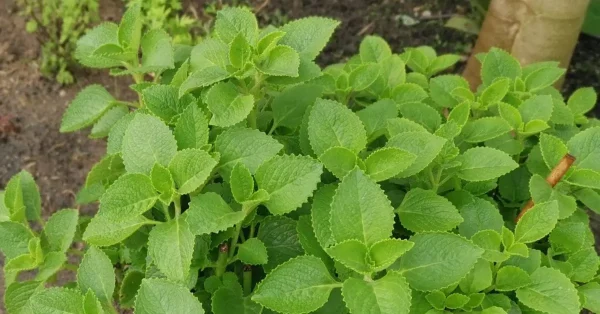
How to Grow Cuban Oregano Plants: A Complete Care Guide
If you’ve ever wanted a plant that combines the culinary punch of traditional oregano with [...]
Aug
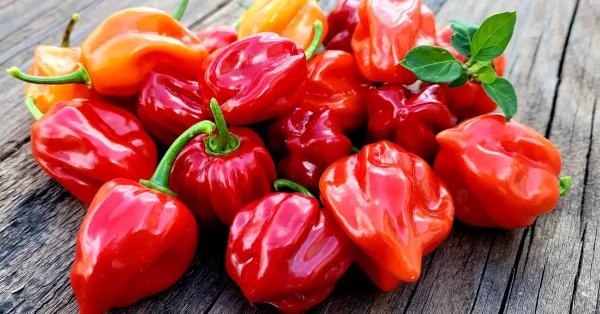
How to Grow Habanero Pepper Plants: A Step-by-Step Guide
Habanero pepper plants are prized for their vibrant colors, intense heat, and exceptional flavor, making [...]
Aug
Reviews
There are no reviews yet.