
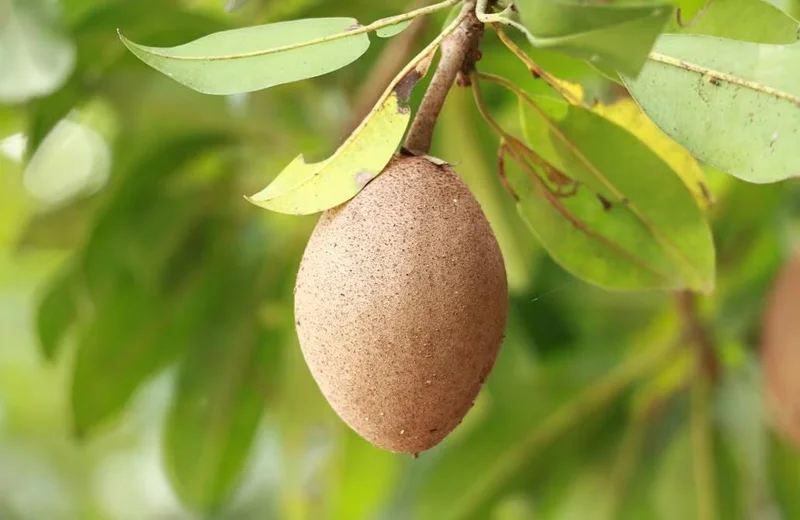
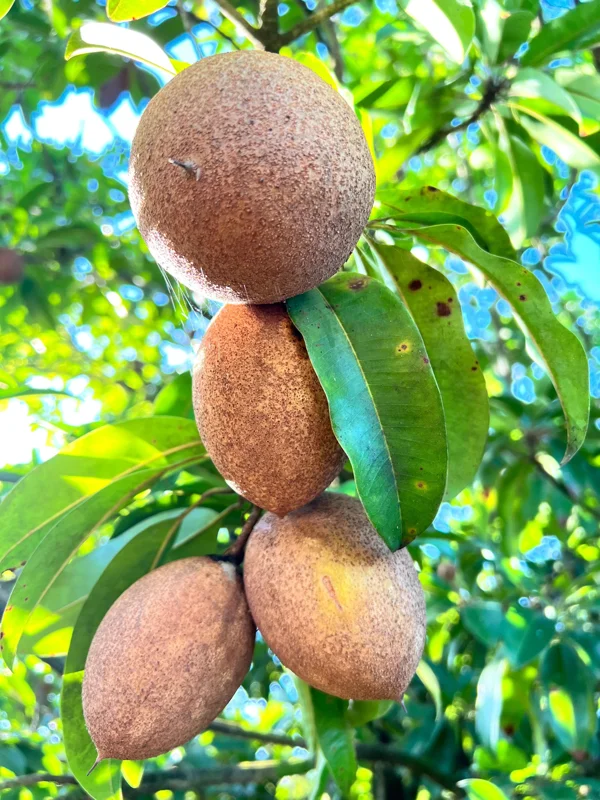
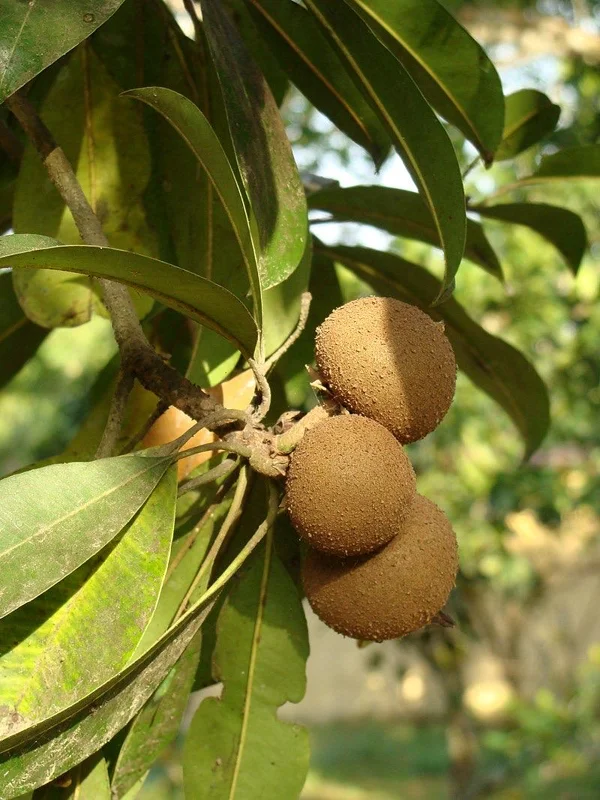
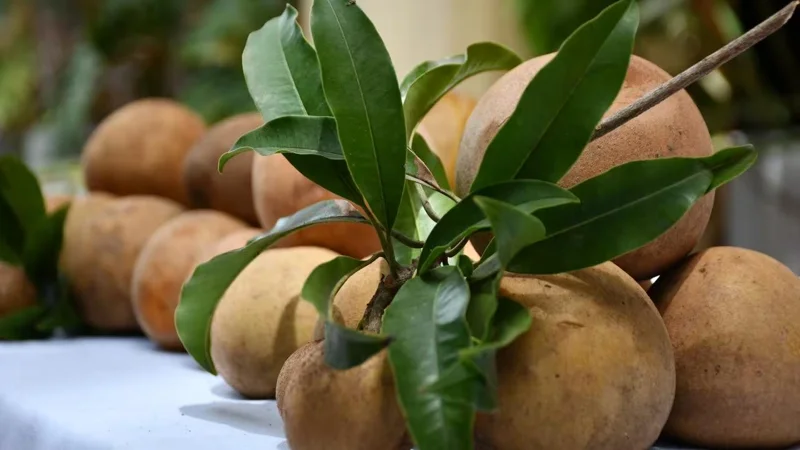
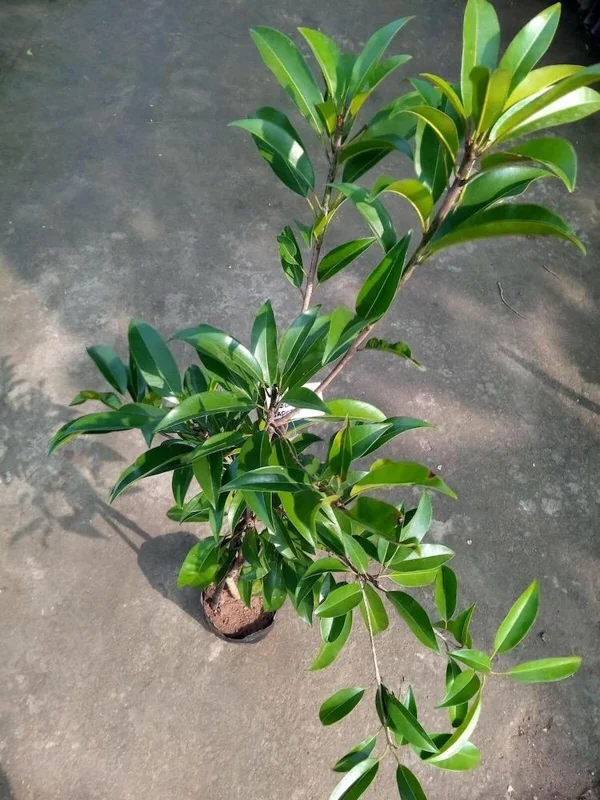
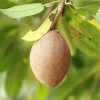
Nispero Manilkara Zapota Live Fruit Tree – 2ft Sapodilla Plant
$250.00
Cultivate your own exotic fruits with this Nispero Manilkara Zapota live fruit tree. This 2ft air-layered sapodilla plant is ready to thrive, producing sweet, drop-shaped fruits. Enjoy fresh, home-grown tropical produce.
Shipping and Return policies:
We stand behind our plants with our Alive & Thrive Guarantee. If you experience any issues within the first 30 days, please email us, and our team will be happy to help. When needed, we’ll send you a one-time replacement free of charge to make sure your garden keeps growing strong.

Reasonable Price
We offer reasonable price

Support 24/7
Contact us 24 hrs a day
100% Money Back
You’ve 30 days to Return
Payment Secure
100% secure payment
Overview
Experience the joy of growing your own delicious tropical fruits with this Nispero Manilkara Zapota live fruit tree. Also commonly known as Sapodilla, this air-layered plant stands at a healthy 2ft tall, making it an ideal choice for enthusiasts eager to cultivate exotic produce. The Manilkara zapota is a slow-growing, long-lived evergreen tree native to southern Mexico, Central America, and the Caribbean. Its attractive foliage and unique fruit make it a popular addition to any tropical or subtropical garden. This particular specimen is air-layered, which means it is a clone of a mature tree, ensuring it will bear fruit true to the parent and often much sooner than seed-grown plants. The sapodilla fruit is renowned for its exceptional sweetness and distinctive malty flavor, often compared to brown sugar and pear. Growing your own sapodilla plant care is a rewarding endeavor, offering fresh, nutritious fruit right from your backyard.
The Nispero, or sapodilla, tree is known for its resilience and ability to thrive in various conditions once established. Its dense canopy provides excellent shade, and the tree itself is quite ornamental. The fruits, often called “chicozapote” in some regions, are a culinary delight, perfect for eating fresh, blending into smoothies, or making desserts. This 2ft air-layered tree is a fantastic starting point for anyone looking to grow sapodilla tree and enjoy its bounty for years to come.
Key Benefits
Adding a Nispero Manilkara Zapota tree to your garden brings a multitude of benefits, from its delicious fruit to its aesthetic appeal and ease of maintenance. This Nispero Manilkara Zapota live fruit tree offers a unique opportunity to enhance your landscape and diet.
- Homegrown Tropical Fruit: Enjoy a continuous supply of fresh, sweet sapodilla fruit, rich in vitamins and antioxidants, directly from your garden. The unique malty flavor is a true tropical treat.
- Faster Fruiting: Being air-layered, this plant is a mature clone and typically begins producing fruit much sooner than trees grown from seed, giving you quicker gratification.
- Ornamental Value: The Nispero tree boasts attractive, dense evergreen foliage, providing excellent shade and a lush, tropical look to your landscape. It’s a beautiful addition even when not fruiting.
- Low Maintenance: Once established, the sapodilla plant care requirements are relatively low, making it suitable for both experienced and novice gardeners. It’s a hardy tree that tolerates various conditions.
- Unique Flavor Profile: The fruit offers a distinct taste, often described as a blend of pear, brown sugar, and caramel, making it a culinary delight for fresh eating, desserts, and beverages.
- Drought Tolerance: The sapodilla tree is remarkably drought-tolerant once mature, requiring less frequent watering compared to many other fruit trees in appropriate climates.
- Versatile Use: The fruit can be enjoyed fresh, in smoothies, ice creams, or as a natural sweetener. Learning to grow sapodilla tree opens up a world of culinary possibilities.
Plant Care & Growing Tips
Proper care is essential for a thriving Nispero Manilkara Zapota live fruit tree. This tropical tree flourishes in warm climates and requires specific conditions to produce abundant, delicious fruit. For optimal growth, plant your sapodilla tree in a location that receives full sun, ideally 6-8 hours of direct sunlight per day. While mature trees are quite tolerant of drought, young trees require consistent moisture to establish a strong root system. Water deeply and regularly, especially during dry periods, allowing the top few inches of soil to dry out between waterings to prevent root rot. Ensure good drainage; sapodillas do not like soggy feet.
The ideal soil for your sapodilla plant care is well-draining, fertile loam with a slightly acidic to neutral pH (6.0-7.0). Amend heavy clay soils with organic matter to improve drainage and aeration. Fertilize young trees every 2-3 months with a balanced, slow-release fertilizer, gradually reducing frequency to 2-3 times a year for mature trees. Look for fertilizers formulated for tropical fruit trees. Protect young trees from strong winds and frost, as they are sensitive to cold temperatures. While mature trees can tolerate brief dips below freezing, prolonged cold can cause damage. Pruning is generally minimal, focusing on removing dead or diseased branches and shaping the tree for structure and fruit production. Learning to grow sapodilla tree successfully involves understanding these key environmental and nutritional needs.
Size & Details
This offering is for one Nispero Manilkara Zapota live fruit tree, standing approximately 2ft (24 inches) tall from the base of the pot to the top of the foliage. It is an air-layered specimen, which means it has been propagated from a mature, fruiting tree and will typically begin bearing fruit sooner than a seed-grown plant. The tree is shipped in a nursery pot, ready for transplanting into a larger container or directly into your garden, depending on your climate. Sapodilla trees are known for their moderate growth rate, eventually reaching heights of 20-30 feet in optimal conditions, though they can be kept smaller with strategic pruning. The dense, evergreen canopy provides ample shade, and the tree develops a strong, sturdy trunk over time. Expect the tree to establish well within its first year, with potential for fruiting beginning in 2-4 years, depending on growing conditions and specific variety characteristics. This tropical fruit tree is a long-term investment that provides a continuous supply of delicious fruit.
Frequently Asked Questions
- Q: How big does this sapodilla plant get? A: This Nispero Manilkara Zapota live fruit tree is currently 2ft tall. In ideal conditions, mature trees can reach 20-30 feet in height, but they can be maintained at a smaller size with regular pruning, making them suitable for various garden spaces.
- Q: Is this an indoor or outdoor plant? A: The sapodilla tree is a tropical plant best suited for outdoor cultivation in USDA Zones 9-11. In colder climates, it can be grown in a large container and brought indoors during winter, requiring careful sapodilla plant care.
- Q: How much sunlight does it need? A: This tropical fruit tree thrives in full sun, requiring at least 6-8 hours of direct sunlight per day to produce the best fruit. Ensure it is placed in the sunniest spot available.
- Q: Is this plant easy to care for? A: Once established, sapodilla trees are relatively low maintenance. They are drought-tolerant and hardy. Young trees require consistent watering and protection from cold, but overall, they are considered easy for tropical fruit tree enthusiasts.
- Q: What condition will it arrive in? A: Your air-layered fruit tree will arrive carefully packaged in a nursery pot, with its root ball intact and foliage protected, ready for planting. We take great care to ensure its safe journey.
- Q: How long until it blooms and fruits? A: Being an air-layered specimen, this tree is clonally propagated from a mature tree and typically begins fruiting within 2-4 years of planting, much faster than seed-grown saplings.
- Q: What’s the minimum temperature this plant can tolerate? A: Mature sapodilla trees can tolerate brief drops to around 28-30°F (-2 to -1°C) but prefer temperatures above 40°F (4°C). Young trees are more sensitive and should be protected from frost.
- Q: What is the best way to grow sapodilla tree for optimal fruit production? A: To optimize fruit production, ensure your tree receives full sun, well-draining soil, consistent watering (especially when young), and regular fertilization with a balanced fruit tree formula. Pruning for shape and health also helps.
- Q: Can I grow this plant in a pot? A: Yes, this Nispero Manilkara Zapota live fruit tree can be grown in a large container, especially in regions with colder winters. Choose a pot at least 15-20 gallons to allow for adequate root development and easier mobility.
- Q: Is the fruit from this tree edible? A: Absolutely! The sapodilla fruit is highly prized for its sweet, malty flavor, often compared to brown sugar and pear. It’s delicious eaten fresh, in smoothies, or used in desserts.
Be the first to review “Nispero Manilkara Zapota Live Fruit Tree – 2ft Sapodilla Plant”
You must be logged in to post a review.
People also Viewed
Sold 50 products
$185.00
Sold 50 products
$157.50
Sold 50 products
$297.50
Sold 50 products
$120.00
Sold 50 products
$212.50
Sold 50 products
$122.50
Sold 50 products
$2,510.00
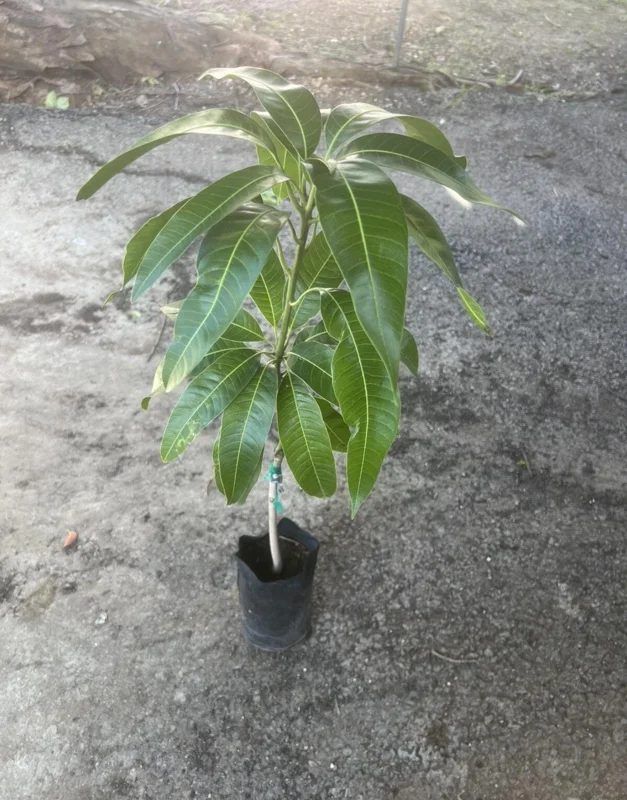
Sold 50 products
$400.00RELATED posts
Awapuhi Wild Ginger Plant: Zones, Care, and Propagation
Learn which USDA zones suit awapuhi wild ginger, plus sunlight, water, planting, propagation, pests, size, [...]
Awapuhi Shampoo Ginger – Care, Growing Zones, and Differences
Learn how to grow awapuhi (shampoo) ginger, its USDA zones, watering schedule, propagation tips, and [...]
Awapuhi Shampoo Plant Buying Guide – Choose the Right Zingiber zerumbet
META: Learn which awapuhi (shampoo ginger) plant or rhizome pack gives the best natural shampoo, [...]
Awapuhi Plant for Sale: Complete Buying Guide
Find the right awapuhi (shampoo ginger) plant, size, price, soil mix, and online source. Practical [...]
Shampoo Ginger Plant for Sale – Buying Guide & Tips
Find the right shampoo ginger plant, size, price, and care tips. Quick guide for U.S. [...]
Shampoo Ginger Plant (Awapuhi) Care Guide
Learn how to grow, care for, and use shampoo ginger (Zingiber zerumbet), the tropical awapuhi [...]
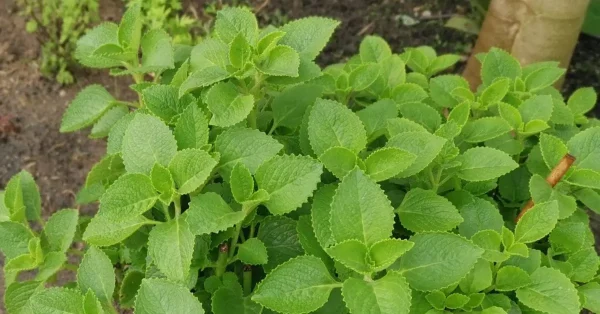
How to Grow Cuban Oregano Plants: A Complete Care Guide
If you’ve ever wanted a plant that combines the culinary punch of traditional oregano with [...]
Aug
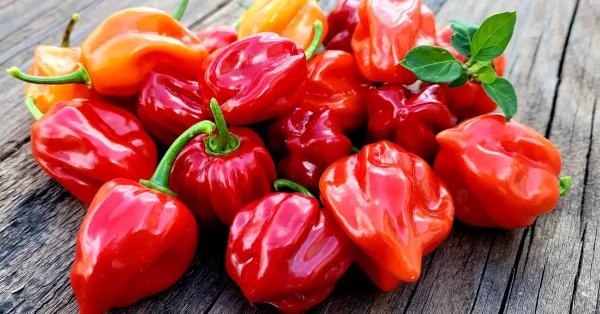
How to Grow Habanero Pepper Plants: A Step-by-Step Guide
Habanero pepper plants are prized for their vibrant colors, intense heat, and exceptional flavor, making [...]
Aug

Reviews
There are no reviews yet.