
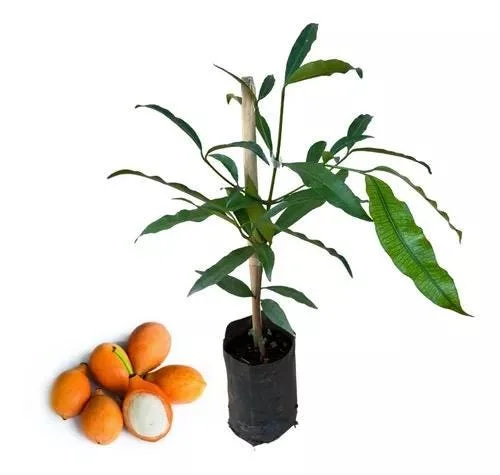
Achachairu Live Fruit Tree – 18-24 Inch Tall Exotic Plant, Outdoor
$120.00
Bring the tropics to your garden with this beautiful achachairu live fruit tree. Standing 18-24 inches tall, this exotic plant is ready to grow and produce its unique, golden-orange fruit. Ideal for warm climates, it’s a delightful addition for fruit enthusiasts and collectors.
Shipping and Return policies:
We stand behind our plants with our Alive & Thrive Guarantee. If you experience any issues within the first 30 days, please email us, and our team will be happy to help. When needed, we’ll send you a one-time replacement free of charge to make sure your garden keeps growing strong.

Reasonable Price
We offer reasonable price

Support 24/7
Contact us 24 hrs a day
100% Money Back
You’ve 30 days to Return
Payment Secure
100% secure payment
Overview
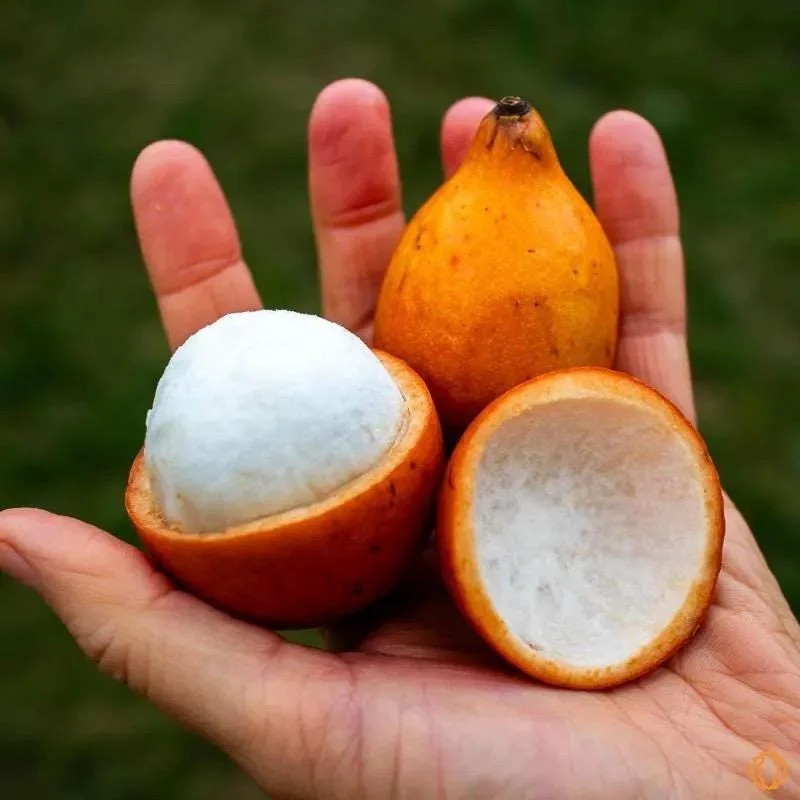
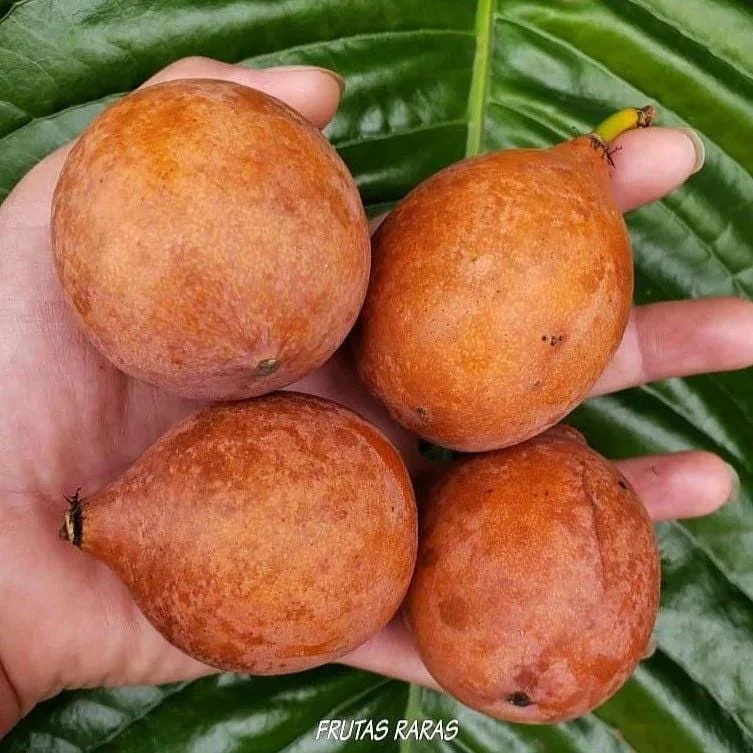
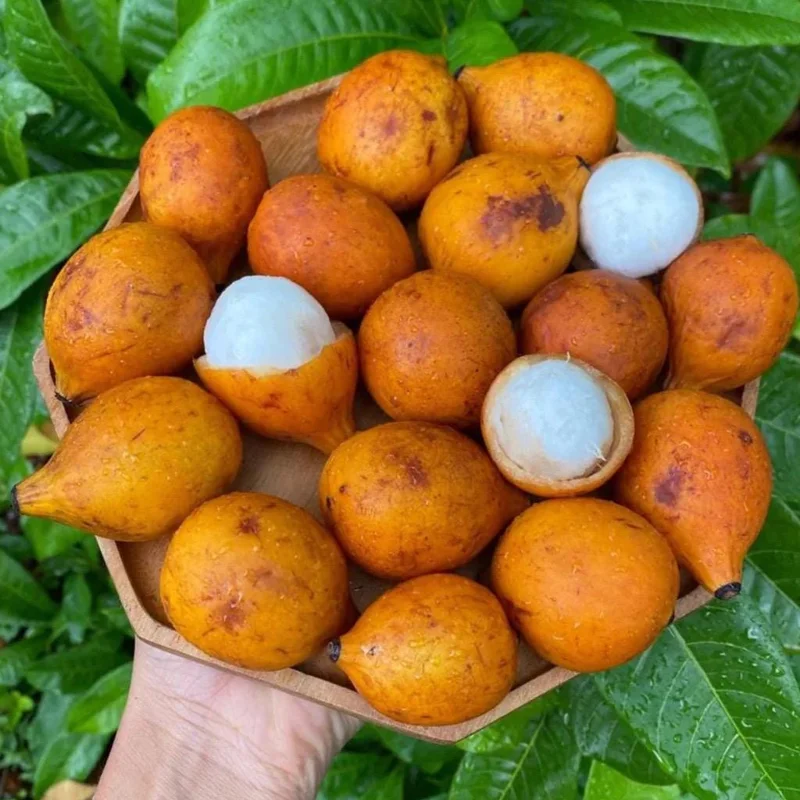
Discover the joy of cultivating your own exotic fruit with this vibrant achachairu live fruit tree. Originating from the Amazon basin, the Achachairu (botanically known as Garcinia humilis) is a highly sought-after tropical fruit acclaimed for its refreshing taste and attractive appearance. This 18-24 inch live plant arrives ready to thrive, bringing a piece of the tropics directly to your home or garden. Known for its intense golden color that deepens to a reddish-orange when ripe, the fruit is oval-shaped, typically reaching up to 6 cm long and 4 cm in diameter. Each fruit usually contains a single large brown seed, though larger specimens may yield two. Growing an achachairu live fruit tree offers a unique opportunity to enjoy fresh, rare fruit right from your backyard, making it a perfect choice for gardeners looking for something truly special.
The Achachairu, often referred to as the “honey kiss” fruit, is not only delicious but also a beautiful addition to any landscape. Its glossy green leaves provide a lush backdrop, while the developing fruit adds a splash of vibrant color. This particular specimen is sized perfectly to establish quickly, ensuring a rewarding growing experience for both novice and experienced gardeners. If you’re looking to expand your collection of tropical plants or simply want to try your hand at growing an exotic fruit, this achachairu live fruit tree is an excellent starting point.
Key Benefits
Cultivating an achachairu live fruit tree offers numerous advantages, from culinary delights to aesthetic appeal. This remarkable plant provides a unique opportunity to enjoy fresh, tropical flavors directly from your garden.
- Exotic Fruit Production: Enjoy the unique, refreshing taste of Achachairu fruit, known for its sweet-tangy flavor profile. Growing your own ensures the freshest, highest-quality fruit.
- Ornamental Value: Beyond its fruit, the Achachairu tree boasts attractive, glossy green foliage and vibrant golden-orange fruits, making it a beautiful addition to any tropical-themed garden or patio.
- Unique Culinary Ingredient: The fruit can be enjoyed fresh, used in desserts, beverages, or preserves, offering a versatile ingredient for adventurous cooks.
- Drought Tolerance: Once established, the garcinia humilis tree exhibits good drought tolerance, making it a relatively low-maintenance option for suitable climates.
- Conversation Starter: As a less common fruit tree, your achachairu live fruit tree is sure to spark interest and conversation among guests.
- Sustainable Gardening: Growing your own fruit reduces reliance on store-bought produce and supports sustainable, local food practices.
- Health Benefits: Like many fruits, Achachairu is a source of vitamins and antioxidants, contributing to a healthy diet.
Plant Care & Growing Tips
Caring for your achachairu live fruit tree is rewarding and relatively straightforward, especially when provided with the right conditions. Achachairu trees thrive in tropical and subtropical environments, preferring warm temperatures and consistent moisture. They are best suited for USDA hardiness zones 10-11, where they can be grown outdoors year-round. In cooler climates, they can be grown in large containers and brought indoors during colder months, or cultivated in a greenhouse.
For optimal growth, the garcinia humilis tree requires full sun to partial shade, ideally receiving at least 6-8 hours of direct sunlight daily. Well-draining soil is crucial to prevent root rot; a rich, loamy soil amended with organic matter is ideal. Keep the soil consistently moist, especially during dry periods and when the tree is young. However, avoid waterlogging. Fertilize regularly during the growing season with a balanced, slow-release fertilizer designed for fruit trees. Pruning is generally minimal, focusing on removing dead or diseased branches and shaping the tree for better air circulation and fruit production. Protecting young trees from strong winds can also be beneficial.
Monitoring for common pests and diseases is important, though Achachairu trees are generally robust. Ensure good air circulation and avoid overhead watering to minimize fungal issues. When considering how to grow achachairu fruit, remember that patience is key. While young trees may take a few years to bear fruit, the delicious reward is well worth the wait. Providing consistent care and attention will ensure a healthy, productive tree for many years to come.
Size & Details
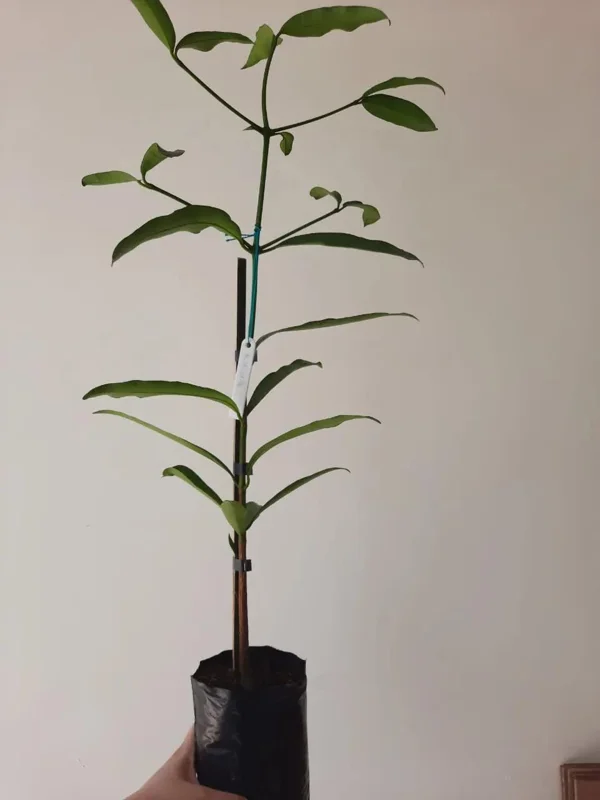
This achachairu live fruit tree stands at a robust 18-24 inches tall, offering a significant head start for your tropical garden. Shipped in a nursery pot, it is well-rooted and ready for transplanting into a larger container or directly into the ground in appropriate climates. Achachairu trees are medium-sized, typically growing to 15-25 feet tall in their native habitat, but can be maintained at a smaller size with regular pruning, especially when grown in containers. The growth rate is moderate, allowing for steady development.
The fruit, which develops from small, inconspicuous flowers, has an oval shape and reaches up to 6 cm long by 4 cm in diameter. It presents an intense golden color that transitions to a reddish-orange as it ripens. Each fruit typically contains one large, brown seed, though occasionally two seeds may be present in larger fruits. Expect fruit production to begin within 3-5 years under ideal growing conditions. This particular size is excellent for gardeners eager to see results sooner and who are looking to grow achachairu fruit successfully.
Frequently Asked Questions
- Q: How big does this Achachairu plant get? A: This achachairu live fruit tree is currently 18-24 inches tall. In ideal outdoor conditions, mature trees can reach 15-25 feet, but they can be kept smaller with pruning or when grown in containers.
- Q: Is this an indoor or outdoor plant? A: Achachairu trees are tropical plants best suited for outdoor growth in USDA zones 10-11. In cooler climates, they can be grown outdoors during warm months and brought indoors as a potted plant when temperatures drop.
- Q: How much sunlight does it need? A: Your garcinia humilis tree thrives in full sun to partial shade, ideally receiving at least 6-8 hours of direct sunlight per day for optimal fruit production.
- Q: What condition will it arrive in? A: The achachairu live fruit tree will arrive well-packaged in a nursery pot, with its root ball intact and foliage protected, ready for immediate planting or repotting.
- Q: Can I use Achachairu fruit in cooking? A: Absolutely! The refreshing, sweet-tart fruit is delicious eaten fresh, but can also be used in juices, smoothies, desserts, and even savory dishes to add a unique tropical flavor.
- Q: When is the best time to plant an Achachairu tree? A: The best time to plant is typically in spring or early summer, allowing the young tree ample time to establish itself before cooler weather. For indoor plants, planting can occur year-round.
- Q: What type of soil is best for an Achachairu plant? A: A rich, well-draining soil mix is essential. Amending heavy soils with organic matter like compost or perlite will improve drainage and provide nutrients for your exotic fruit tree for sale.
Be the first to review “Achachairu Live Fruit Tree – 18-24 Inch Tall Exotic Plant, Outdoor”
You must be logged in to post a review.
People also Viewed
Sold 50 products
$185.00
Sold 50 products
$157.50
Sold 50 products
$297.50
Sold 50 products
$120.00
Sold 50 products
$212.50
Sold 50 products
$122.50
Sold 50 products
$2,510.00
Sold 50 products
$400.00RELATED posts
Awapuhi Wild Ginger Plant: Zones, Care, and Propagation
Learn which USDA zones suit awapuhi wild ginger, plus sunlight, water, planting, propagation, pests, size, [...]
Awapuhi Shampoo Ginger – Care, Growing Zones, and Differences
Learn how to grow awapuhi (shampoo) ginger, its USDA zones, watering schedule, propagation tips, and [...]
Awapuhi Shampoo Plant Buying Guide – Choose the Right Zingiber zerumbet
META: Learn which awapuhi (shampoo ginger) plant or rhizome pack gives the best natural shampoo, [...]
Awapuhi Plant for Sale: Complete Buying Guide
Find the right awapuhi (shampoo ginger) plant, size, price, soil mix, and online source. Practical [...]
Shampoo Ginger Plant for Sale – Buying Guide & Tips
Find the right shampoo ginger plant, size, price, and care tips. Quick guide for U.S. [...]
Shampoo Ginger Plant (Awapuhi) Care Guide
Learn how to grow, care for, and use shampoo ginger (Zingiber zerumbet), the tropical awapuhi [...]
How to Grow Cuban Oregano Plants: A Complete Care Guide
If you’ve ever wanted a plant that combines the culinary punch of traditional oregano with [...]
Aug
How to Grow Habanero Pepper Plants: A Step-by-Step Guide
Habanero pepper plants are prized for their vibrant colors, intense heat, and exceptional flavor, making [...]
Aug
Reviews
There are no reviews yet.