
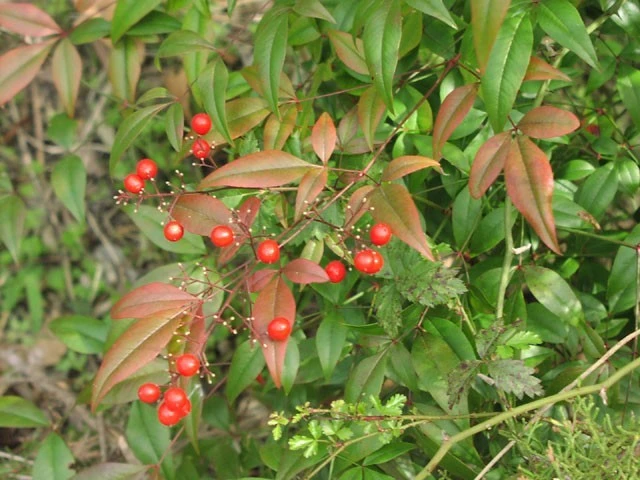
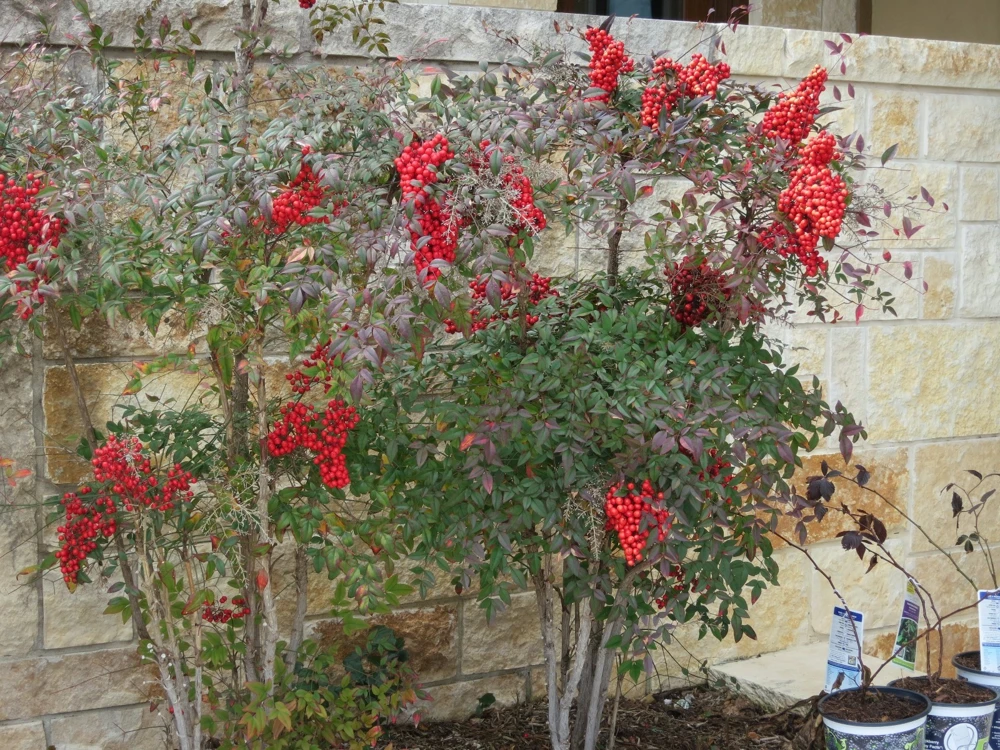
Nandina Heavenly Bamboo Live Plant – 2.5 inch Pot – Outdoor Shrub
Original price was: $108.00.$91.98Current price is: $91.98.
Bring year-round beauty to your landscape with this nandina heavenly bamboo live plant. Perfect for adding vibrant foliage and texture, this compact shrub arrives in a 2.5-inch pot, ready for planting. Enjoy its changing colors and low-maintenance appeal.
Shipping and Return policies:
We stand behind our plants with our Alive & Thrive Guarantee. If you experience any issues within the first 30 days, please email us, and our team will be happy to help. When needed, we’ll send you a one-time replacement free of charge to make sure your garden keeps growing strong.

Reasonable Price
We offer reasonable price

Support 24/7
Contact us 24 hrs a day
100% Money Back
You’ve 30 days to Return
Payment Secure
100% secure payment
Overview
Introduce a touch of elegance and consistent color to your garden with the nandina heavenly bamboo live plant. Despite its common name, Heavenly Bamboo (Nandina domestica) is not a true bamboo but a captivating evergreen or semi-evergreen shrub, renowned for its delicate, fern-like foliage and seasonal color changes. This particular offering provides a healthy, young specimen in a 2.5-inch pot, perfectly sized for establishing in your chosen garden spot or for growing in a container. Ideal for adding fine texture and a pop of color, this plant is a versatile choice for various landscaping needs, from border plantings to accent features.
The nandina heavenly bamboo is celebrated for its dynamic appearance throughout the year. Its leaves emerge with a reddish or bronze hue in spring, mature to a lush green in summer, and then transform into brilliant shades of red, orange, and purple during the cooler months. This ever-evolving palette ensures your garden remains visually interesting, even when other plants have faded. It’s a robust and adaptable shrub, making it an excellent option for both seasoned gardeners and those new to cultivating outdoor plants.
Key Benefits
The nandina heavenly bamboo offers a multitude of advantages for any garden, combining aesthetic appeal with practical resilience. Its unique characteristics make it a standout choice for various landscape designs.
- Year-Round Visual Interest: Enjoy a continuous display of color with foliage that changes from reddish-bronze in spring to green in summer, then to vibrant reds, oranges, and purples in fall and winter. This ensures your garden remains captivating throughout all seasons.
- Low Maintenance & Drought Tolerant: Once established, this shrub requires minimal care, making it perfect for busy gardeners. It tolerates dry conditions well, reducing the need for frequent watering. This resilience contributes to an easy heavenly bamboo plant care routine.
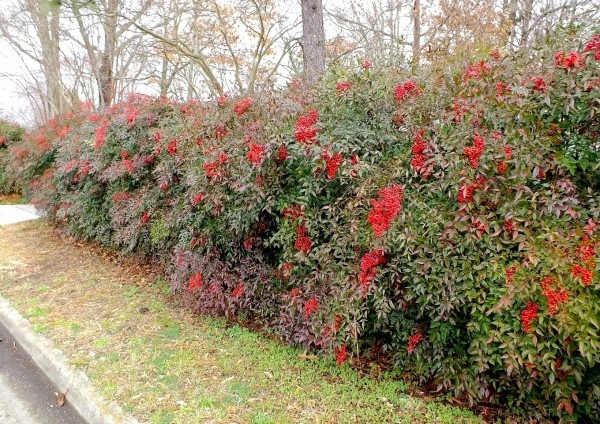
- Versatile Landscaping Use: Its compact size and attractive foliage make it suitable for a variety of applications, including borders, mass plantings, foundation plantings, rock gardens, and container gardening. It can also serve as an elegant accent plant.
- Deer Resistant: A significant advantage for gardeners in areas prone to deer, Nandina domestica is generally not favored by deer, helping to protect your landscape investment.
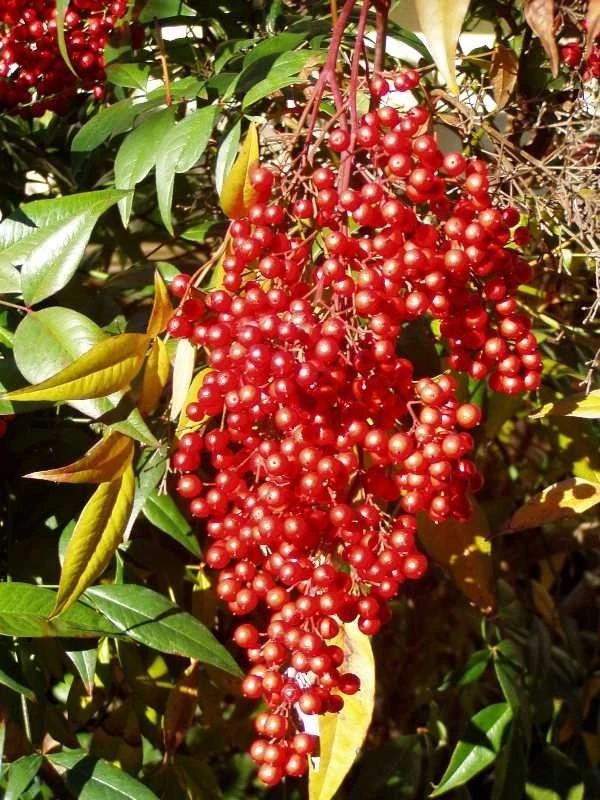
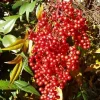
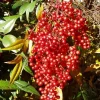
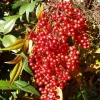
- Attractive Berries (on mature plants): While not guaranteed on young plants, mature Nandina often produces clusters of bright red berries in fall and winter, providing additional visual appeal and a food source for birds, further enhancing the charm of your nandina outdoor plant.
- Adaptable to Various Conditions: This hardy shrub can thrive in a range of light conditions, from full sun to partial shade, and is tolerant of different soil types, as long as they are well-draining.
- Compact Growth Habit: The ‘domestica’ variety typically maintains a manageable size, preventing it from overwhelming smaller garden spaces. This makes it an ideal dwarf heavenly bamboo option for many landscapes.
Plant Care & Growing Tips
Caring for your nandina heavenly bamboo is straightforward, ensuring a thriving and beautiful addition to your garden. Understanding its basic needs will help you cultivate a robust and colorful shrub. This plant is known for its adaptability, which simplifies the heavenly bamboo plant care process.
Sunlight Requirements: Nandina domestica performs best in full sun to partial shade. In full sun (6+ hours of direct sunlight), the foliage will develop its most vibrant red and orange hues, especially in cooler temperatures. In partial shade (3-6 hours of direct sunlight, preferably morning sun), the plant will still grow well, but the color intensity might be slightly subdued. Avoid deep shade, which can lead to leggy growth and less dense foliage. If you’re looking for a hardy nandina outdoor plant that can handle various light conditions, this is an excellent choice.
Watering Schedule & Soil Moisture: For newly planted specimens, water regularly to keep the soil consistently moist but not waterlogged, especially during its first growing season. Once established, the nandina heavenly bamboo is quite drought-tolerant and will only require occasional watering during prolonged dry spells. Overwatering can lead to root rot, so ensure good drainage. Check the soil moisture by feeling the top inch or two; if it feels dry, it’s time to water.
Soil Type and Drainage: This shrub is adaptable to a wide range of soil types, including clay, loam, and sandy soils, as long as they are well-draining. It prefers slightly acidic to neutral soil pH. If your soil is heavy clay, amend it with organic matter like compost to improve drainage and aeration. Good drainage is crucial for preventing root issues and promoting overall plant health. For a healthy nandina domestica shrub, ensure the soil doesn’t retain too much water.
Temperature Range & USDA Hardiness Zone: Nandina domestica is hardy in USDA Zones 6-10. It can tolerate a wide range of temperatures, from freezing winters to hot summers. In colder zones, it may be semi-evergreen or deciduous, shedding some or all of its leaves in winter. In warmer zones, it typically remains evergreen. Protect young plants from severe frost in their first year. This hardiness makes it a reliable choice for a nandina outdoor plant in many regions.
Fertilization: Fertilize in spring with a balanced, slow-release granular fertilizer formulated for trees and shrubs. Follow the product instructions for application rates. Established plants generally don’t require heavy feeding. Avoid over-fertilizing, which can lead to excessive leafy growth at the expense of colorful foliage and berries.
Pruning: Prune in late winter or early spring before new growth begins. Remove any dead, damaged, or crossing branches. You can also thin out older, less vigorous stems from the base to encourage new, colorful growth. Nandina can be pruned to maintain a desired size and shape, or to encourage a more open, airy habit. For a compact dwarf heavenly bamboo look, regular light pruning can be beneficial.
Common Problems: Nandina is generally pest and disease resistant. Occasionally, it may be affected by scale insects or mealybugs, which can be treated with horticultural oil or insecticidal soap. Root rot can occur in poorly drained soils, so ensure proper site selection and watering practices. Birds love the berries, but they can be mildly toxic to pets if ingested in large quantities, so place it thoughtfully if you have curious animals.
Size & Details
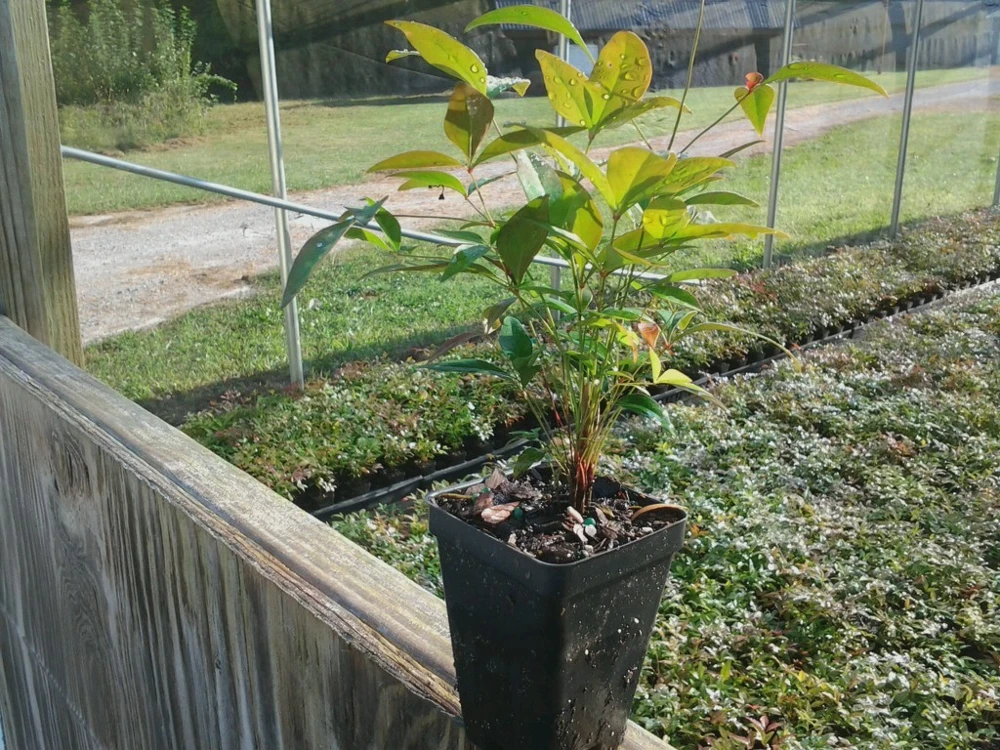
This offering is for one live nandina heavenly bamboo plant, presented in a 2.5-inch nursery pot. At this stage, the plant is young and vigorous, typically standing between 4 to 8 inches tall, depending on recent growth. It is perfectly sized for transplanting into your garden or a larger container, allowing it to establish quickly and begin its journey towards maturity. The plant is shipped in its nursery pot with soil, ensuring minimal shock upon arrival and facilitating a smooth transition to its new home. This compact size makes it an excellent starter plant for anyone interested in a dwarf heavenly bamboo.
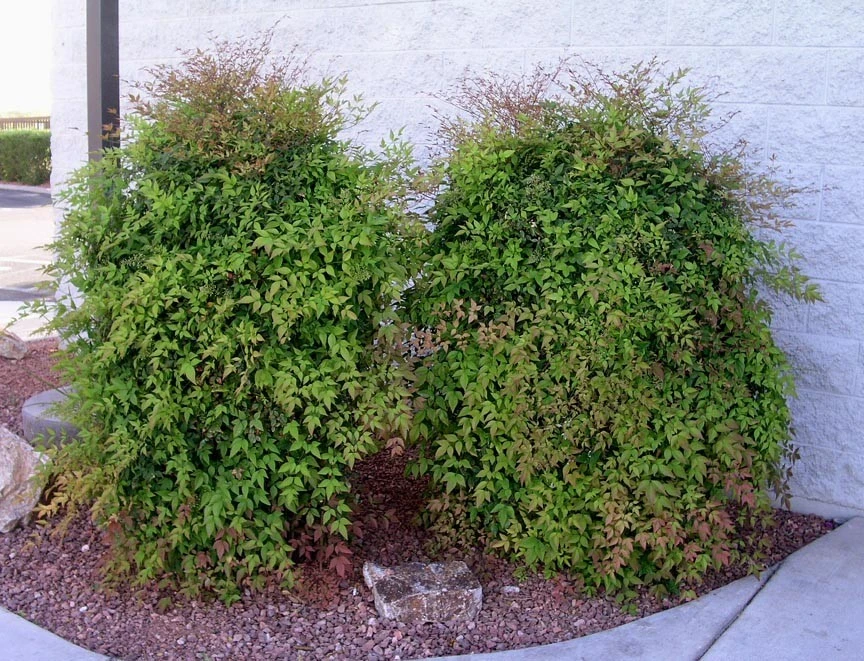
Once established in the landscape, the nandina domestica shrub can grow to an average height of 3 to 6 feet and spread 2 to 4 feet wide, though some varieties can be smaller or slightly larger. Its growth rate is moderate, allowing you to enjoy its development without it becoming unruly too quickly. Expect to see its characteristic foliage changes and, as it matures, the potential for attractive red berries. This plant is designed for outdoor placement, providing a hardy and visually appealing element to your garden for many years.
Frequently Asked Questions
- Q: How big does this plant get? A: This nandina heavenly bamboo plant is shipped in a 2.5-inch pot. When mature and planted in the ground, it typically reaches a height of 3 to 6 feet and a spread of 2 to 4 feet, depending on the variety and growing conditions.
- Q: Is this an indoor or outdoor plant? A: Nandina domestica is primarily an outdoor shrub. It thrives in garden beds, borders, and outdoor containers within its recommended USDA hardiness zones.
- Q: How much sunlight does it need? A: For optimal growth and the most vibrant foliage color, the nandina heavenly bamboo prefers full sun (6+ hours of direct sunlight) to partial shade (3-6 hours).
- Q: Is this plant easy to care for? A: Yes, Nandina is considered a low-maintenance shrub. Once established, it is drought-tolerant and generally pest and disease resistant, making heavenly bamboo plant care quite simple.
- Q: What condition will it arrive in? A: Your nandina domestica shrub will arrive as a healthy, live plant in its 2.5-inch nursery pot with soil, carefully packaged to ensure its safe transit and readiness for planting.
- Q: Can I grow this plant in a container? A: Absolutely! While typically an outdoor garden plant, the dwarf heavenly bamboo varieties or younger plants like this one can be successfully grown in containers, especially if you need to move it indoors in colder climates or want to control its size.
- Q: Will it survive winter in my zone? A: Nandina domestica is hardy in USDA Zones 6-10. In Zone 6, it may lose some or all of its leaves in winter but will typically return in spring. In warmer zones, it remains evergreen.
- Q: Does this plant produce berries? A: Mature nandina outdoor plant specimens often produce clusters of bright red berries in fall and winter. As this is a young plant, it may take a year or two to start producing berries.
- Q: What is the best time to plant? A: The best time to plant your nandina heavenly bamboo is in spring or fall, allowing it ample time to establish its root system before extreme summer heat or winter cold.
- Q: Is it pet-safe? A: While generally considered deer-resistant, Nandina berries can be mildly toxic to pets (especially cats and dogs) if ingested in large quantities. It’s advisable to place the plant where pets are unlikely to consume the berries.
Be the first to review “Nandina Heavenly Bamboo Live Plant – 2.5 inch Pot – Outdoor Shrub”
You must be logged in to post a review.
People also Viewed
Sold 50 products
$32.38
Sold 50 products
$27.38
Sold 50 products
$32.38
Sold 50 products
$19.88
Sold 50 products
$62.38
Sold 50 products
$24.88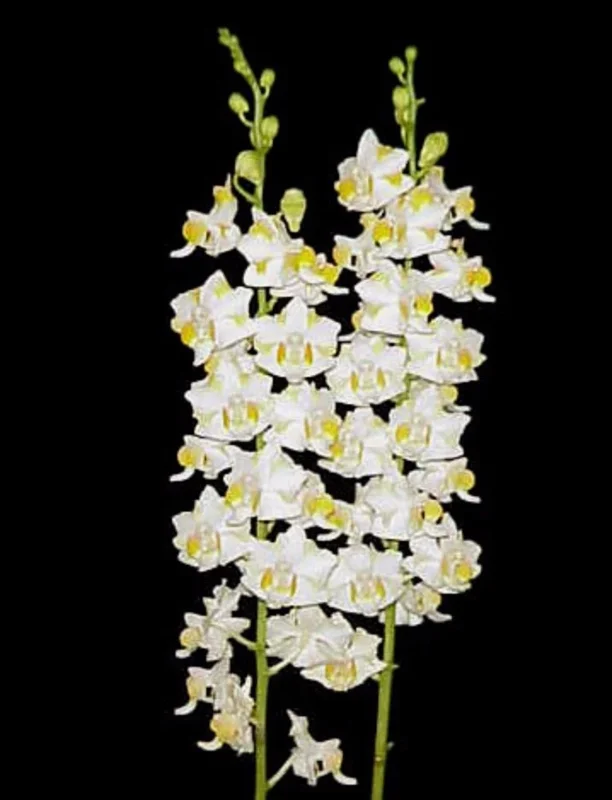
Houseplants
Phalaenopsis pulcherrima ‘Mauna Kea Snow’ Orchid Live Plant – White Flowers, Potted 2.5 in
Sold 50 products
$49.88
Sold 50 products
$49.88RELATED posts
Awapuhi Wild Ginger Plant: Zones, Care, and Propagation
Learn which USDA zones suit awapuhi wild ginger, plus sunlight, water, planting, propagation, pests, size, [...]
Awapuhi Shampoo Ginger – Care, Growing Zones, and Differences
Learn how to grow awapuhi (shampoo) ginger, its USDA zones, watering schedule, propagation tips, and [...]
Awapuhi Shampoo Plant Buying Guide – Choose the Right Zingiber zerumbet
META: Learn which awapuhi (shampoo ginger) plant or rhizome pack gives the best natural shampoo, [...]
Awapuhi Plant for Sale: Complete Buying Guide
Find the right awapuhi (shampoo ginger) plant, size, price, soil mix, and online source. Practical [...]
Shampoo Ginger Plant for Sale – Buying Guide & Tips
Find the right shampoo ginger plant, size, price, and care tips. Quick guide for U.S. [...]
Shampoo Ginger Plant (Awapuhi) Care Guide
Learn how to grow, care for, and use shampoo ginger (Zingiber zerumbet), the tropical awapuhi [...]
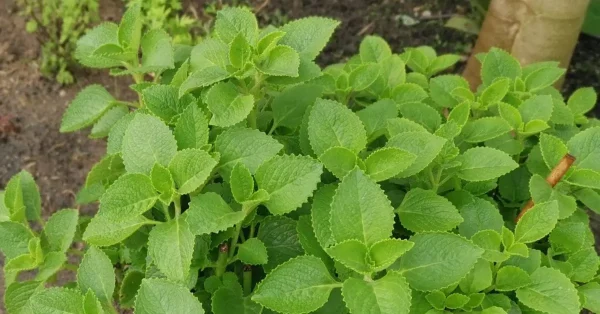
How to Grow Cuban Oregano Plants: A Complete Care Guide
If you’ve ever wanted a plant that combines the culinary punch of traditional oregano with [...]
Aug
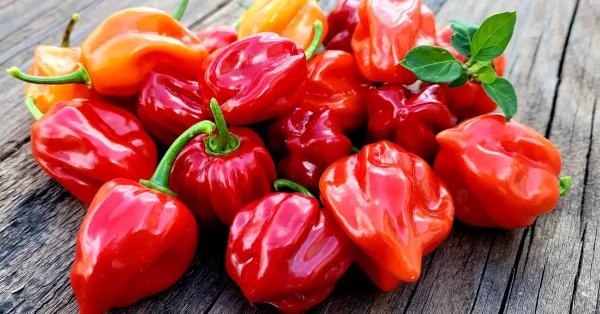
How to Grow Habanero Pepper Plants: A Step-by-Step Guide
Habanero pepper plants are prized for their vibrant colors, intense heat, and exceptional flavor, making [...]
Aug
Reviews
There are no reviews yet.