
Nandina Domestica Live Plant – Heavenly Bamboo Shrub for Outdoor Gardens
Original price was: $25.20.$10.98Current price is: $10.98.
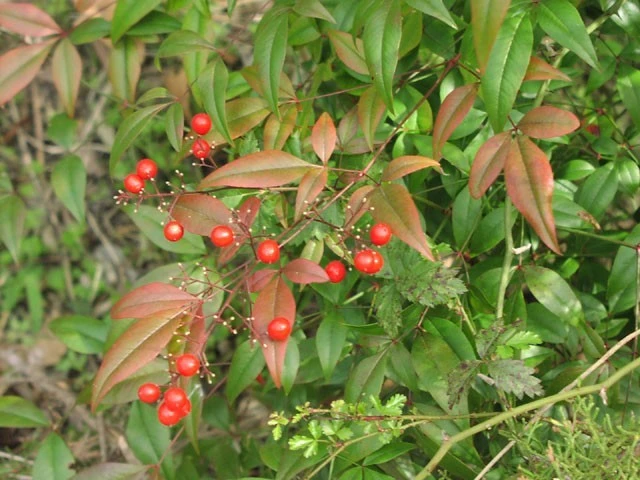
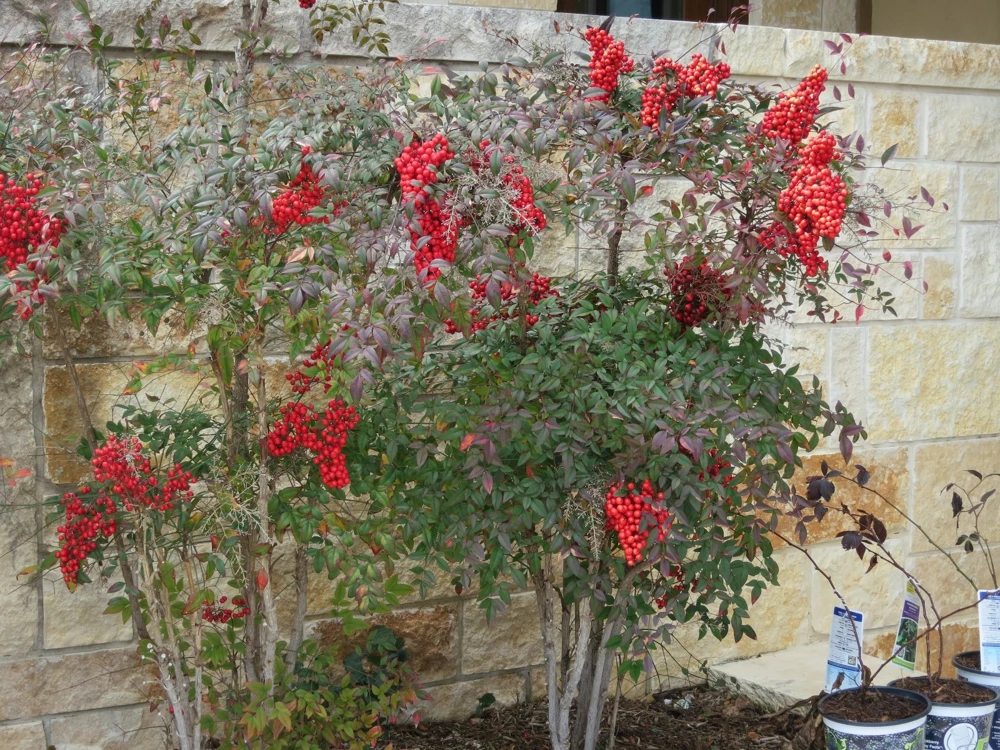
Discover the beauty of the Nandina Domestica live plant, a stunning shrub known for its vibrant foliage and easy care. Perfect for adding year-round interest to your garden or landscape, this Heavenly Bamboo shrub thrives outdoors with minimal effort, providing seasonal color changes from green to red.
Shipping and Return policies:
We stand behind our plants with our Alive & Thrive Guarantee. If you experience any issues within the first 30 days, please email us, and our team will be happy to help. When needed, we’ll send you a one-time replacement free of charge to make sure your garden keeps growing strong.

Reasonable Price
We offer reasonable price

Support 24/7
Contact us 24 hrs a day
100% Money Back
You’ve 30 days to Return
Payment Secure
100% secure payment
Overview
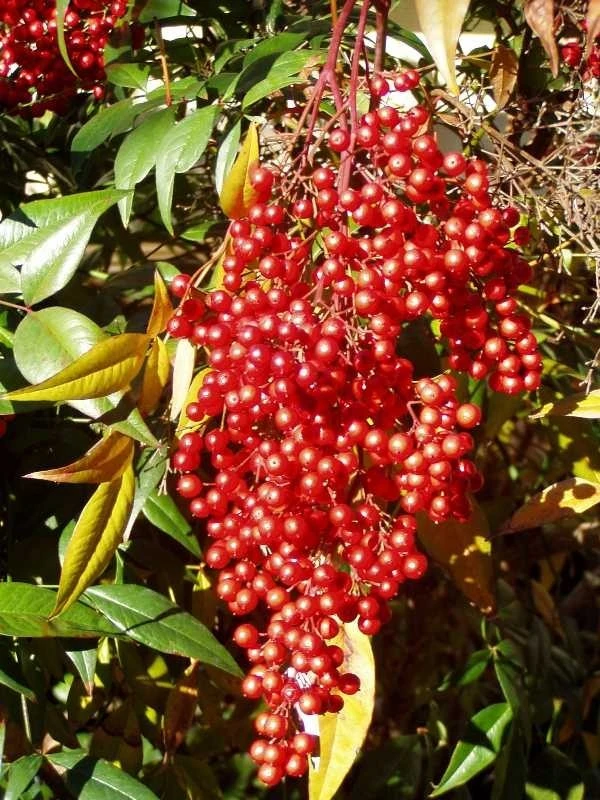
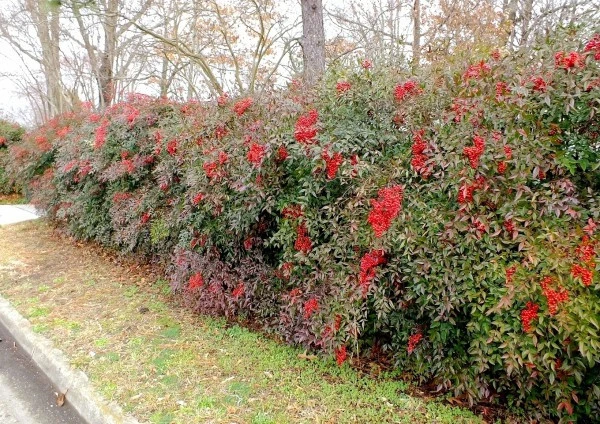
Introduce a touch of elegance and vibrant color to your outdoor space with the Nandina Domestica live plant. Often referred to as Heavenly Bamboo shrub due to its delicate, bamboo-like foliage, this exceptional plant is a staple in many landscapes across the United States. Despite its common name, Nandina Domestica is not a true bamboo but rather a member of the barberry family, offering a unique aesthetic without the aggressive spreading habits of bamboo. This versatile shrub provides year-round visual appeal, transitioning through shades of green, bronze, and brilliant red, especially in cooler temperatures. Its clusters of white flowers in spring give way to bright red berries in fall and winter, ensuring continuous interest. Whether you’re looking for a striking specimen plant, a colorful hedge, or an attractive foundation planting, the Nandina Domestica live plant is an excellent choice for its beauty and resilience.
Our Nandina Domestica live plant arrives ready to thrive in your garden. This hardy and adaptable shrub is beloved by gardeners for its low-maintenance nature and ability to flourish in a variety of conditions. Its upright growth habit and finely textured leaves create a graceful presence, making it suitable for both formal and informal garden designs. The ever-changing foliage color, from fresh spring green to rich autumn hues, ensures that your garden remains dynamic throughout the seasons. Plant this beautiful shrub and enjoy the enduring charm and effortless beauty it brings to your outdoor environment.
Key Benefits
The Nandina Domestica live plant offers a multitude of benefits, making it a highly desirable addition to any landscape. Its enduring appeal and ease of care contribute to its popularity:
-
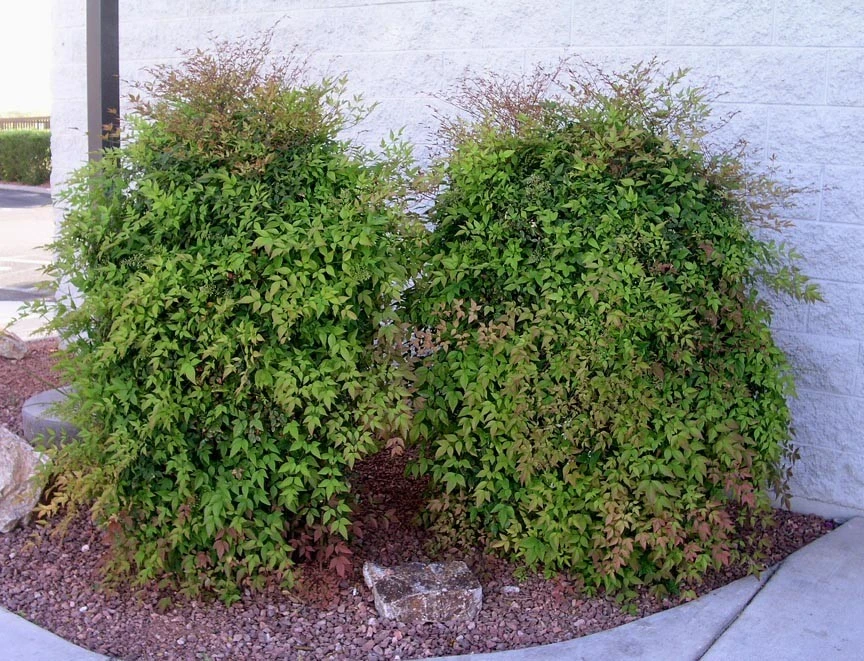
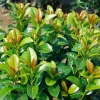
Year-Round Visual Interest: Enjoy a dynamic display of color throughout the seasons. The foliage of the Heavenly Bamboo shrub changes from green to bronze and brilliant red, especially vibrant in fall and winter, ensuring your garden always looks lively.
-
Low Maintenance: This is an incredibly easy-care plant, ideal for both novice and experienced gardeners. Once established, the Nandina plant care requirements are minimal, needing little more than occasional watering and pruning to maintain its shape and health.
-
Drought Tolerant: Once mature, Nandina Domestica is remarkably tolerant of dry conditions, making it a sustainable choice for water-wise landscapes. This resilience reduces the need for frequent irrigation.
-
Versatile Landscaping Use: Perfect for a variety of garden applications, including mass plantings, borders, foundation plantings, or as a vibrant accent shrub. Its upright form and graceful texture enhance any garden style.
-
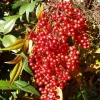
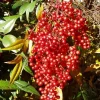
Attractive Berries: Produces clusters of bright red berries in fall and winter, which not only add to its ornamental value but also provide a food source for local bird species.
-
Deer Resistant: Generally, deer tend to avoid Nandina Domestica, making it a great option for gardens in areas where deer browsing is a concern.
-
Adaptable to Various Conditions: This Nandina outdoor plant can thrive in a range of light conditions, from full sun to partial shade, and adapts to different soil types, showcasing its robust nature.
Plant Care & Growing Tips
Caring for your Nandina Domestica live plant is straightforward, ensuring a healthy and vibrant shrub for years to come. For optimal growth, choose a location with well-draining soil. While Nandina can tolerate a variety of soil types, it prefers slightly acidic to neutral pH. Amend heavy clay soils with organic matter to improve drainage. When planting, dig a hole twice as wide as the root ball and just as deep. Place the plant so the top of the root ball is level with the soil surface, then backfill with soil, gently tamping down to remove air pockets. Water thoroughly after planting.
Sunlight is crucial for the best color development in your Heavenly Bamboo shrub. It performs best in full sun to partial shade. In full sun, the foliage will display the most intense red and bronze hues, especially in fall and winter. In shadier locations, the plant will remain greener, but will still grow well. Water regularly during the first growing season to establish a strong root system. Once established, Nandina Domestica is quite drought-tolerant, but occasional deep watering during prolonged dry spells will benefit its overall health. Fertilize in spring with a balanced, slow-release granular fertilizer formulated for shrubs. Pruning can be done in late winter or early spring to remove dead or damaged branches, or to shape the plant. Thinning out some of the older canes from the base can also encourage new, vigorous growth and enhance its overall appearance. This evergreen Nandina is relatively pest and disease resistant, making its care even simpler.
Ensure your Nandina Domestica live plant is protected in extreme cold if you are at the colder end of its hardiness zone. A layer of mulch around the base can help insulate the roots during winter. While the plant is generally hardy, persistent cold can cause some foliage burn. Proper Nandina plant care includes monitoring for any signs of stress and addressing them promptly. With these simple tips, your Nandina will be a stunning and reliable feature in your garden.
Size & Details
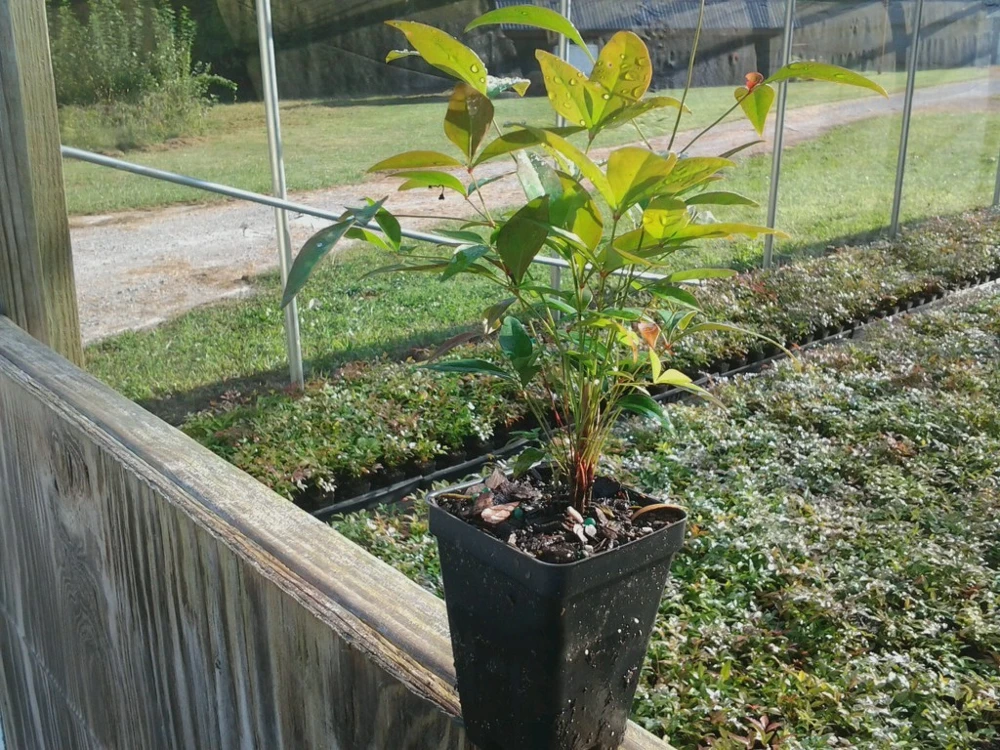
Our Nandina Domestica live plant is shipped as a healthy, actively growing specimen, ready for planting in your garden. The exact size will vary depending on the specific offering, but typically, these shrubs are shipped in nursery pots, ensuring a well-established root system for successful transplanting. Nandina Domestica is a moderate grower, typically reaching a mature height of 4 to 8 feet and a spread of 2 to 4 feet, though dwarf varieties exist. Its upright, clumping habit forms an elegant silhouette in the landscape. Expect to see significant growth and vibrant color changes as the plant establishes itself in your garden over the first year.
When you receive your Heavenly Bamboo shrub, it will be carefully packaged to protect it during transit. Upon arrival, unpack the plant immediately and water if the soil feels dry. It can be temporarily kept in its nursery pot in a protected location with adequate light until you are ready to plant it in its permanent spot. With proper care, your Nandina Domestica live plant will quickly settle in and begin to flourish, providing beauty and interest for many years.
Frequently Asked Questions
-
Q: How big does this Nandina Domestica live plant get? A: A mature Nandina Domestica live plant typically reaches a height of 4 to 8 feet and a spread of 2 to 4 feet. Its ultimate size can depend on the specific cultivar, growing conditions, and pruning practices.
-
Q: Is this an indoor or outdoor plant? A: The Nandina Domestica live plant is primarily an outdoor shrub. It thrives in garden beds, borders, and as a landscape accent, adapting well to various outdoor conditions. It is not typically grown as an indoor houseplant.
-
Q: How much sunlight does the Heavenly Bamboo shrub need? A: For the best foliage color and overall health, your Heavenly Bamboo shrub prefers full sun to partial shade. More sun exposure generally leads to more vibrant red and bronze hues in the foliage.
-
Q: Is this plant easy to care for? A: Yes, the Nandina Domestica live plant is considered a very easy-care plant. It’s known for its resilience, drought tolerance once established, and minimal maintenance requirements, making it suitable for beginners.
-
Q: What condition will it arrive in? A: Your Nandina Domestica live plant will arrive in a healthy, actively growing state, typically in a nursery pot with its root system intact. It will be carefully packaged to ensure safe transit.
-
Q: When is the best time to plant a Nandina outdoor plant? A: The best times to plant a Nandina outdoor plant are in spring or fall. This allows the plant to establish its root system before the stress of extreme summer heat or winter cold.
-
Q: Will this evergreen Nandina survive winter in my zone? A: Nandina Domestica live plant is generally hardy in USDA Zones 6-10. In colder parts of its range, it may experience some leaf burn in harsh winters, but it typically recovers in spring. It’s considered an evergreen Nandina in warmer climates.
-
Q: What kind of soil does it prefer? A: This plant prefers well-draining soil, but is adaptable to a range of soil types, including sandy, loamy, or clay soils, as long as they are not waterlogged. It thrives in slightly acidic to neutral pH levels.
-
Q: Does the Nandina Domestica live plant produce flowers or berries? A: Yes, the Nandina Domestica live plant produces small white flowers in spring, followed by clusters of bright red berries that persist through fall and winter, adding significant ornamental value.
-
Q: Is this plant considered invasive? A: While Nandina Domestica can reseed in some areas, especially in the southeastern US, many newer cultivars are less prone to spreading. Always check local regulations regarding planting if this is a concern in your region. Proper Nandina plant care can include removing berries before they drop to prevent self-seeding.
Be the first to review “Nandina Domestica Live Plant – Heavenly Bamboo Shrub for Outdoor Gardens”
You must be logged in to post a review.
People also Viewed
Sold 50 products
$32.38
Sold 50 products
$27.38
Sold 50 products
$32.38
Sold 50 products
$19.88
Sold 50 products
$62.38
Sold 50 products
$24.88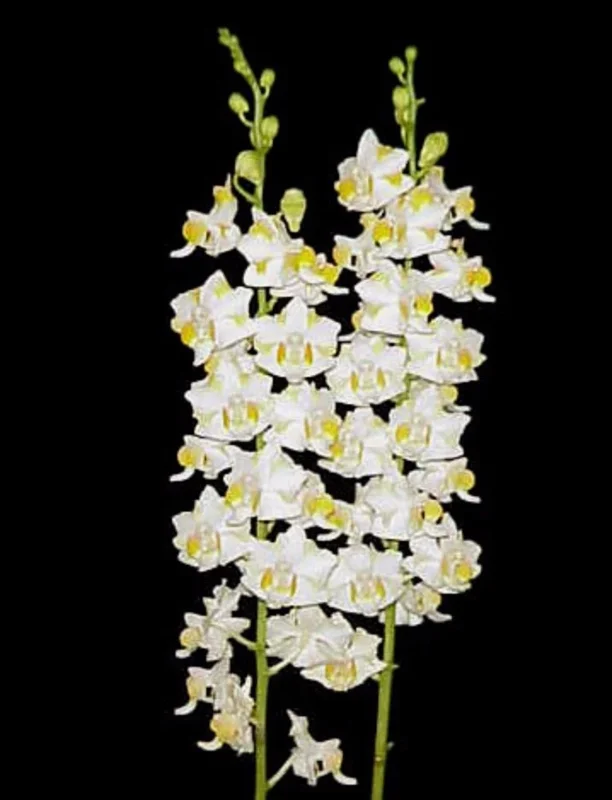
Houseplants
Phalaenopsis pulcherrima ‘Mauna Kea Snow’ Orchid Live Plant – White Flowers, Potted 2.5 in
Sold 50 products
$49.88
Sold 50 products
$49.88RELATED posts
Awapuhi Wild Ginger Plant: Zones, Care, and Propagation
Learn which USDA zones suit awapuhi wild ginger, plus sunlight, water, planting, propagation, pests, size, [...]
Awapuhi Shampoo Ginger – Care, Growing Zones, and Differences
Learn how to grow awapuhi (shampoo) ginger, its USDA zones, watering schedule, propagation tips, and [...]
Awapuhi Shampoo Plant Buying Guide – Choose the Right Zingiber zerumbet
META: Learn which awapuhi (shampoo ginger) plant or rhizome pack gives the best natural shampoo, [...]
Awapuhi Plant for Sale: Complete Buying Guide
Find the right awapuhi (shampoo ginger) plant, size, price, soil mix, and online source. Practical [...]
Shampoo Ginger Plant for Sale – Buying Guide & Tips
Find the right shampoo ginger plant, size, price, and care tips. Quick guide for U.S. [...]
Shampoo Ginger Plant (Awapuhi) Care Guide
Learn how to grow, care for, and use shampoo ginger (Zingiber zerumbet), the tropical awapuhi [...]
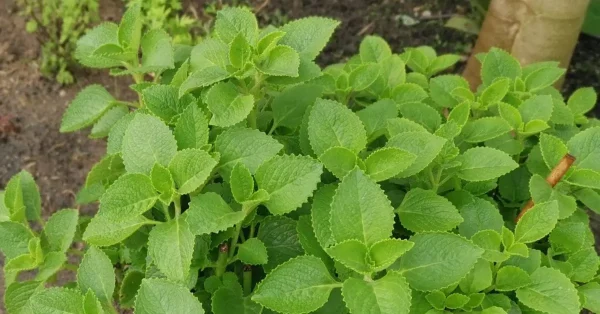
How to Grow Cuban Oregano Plants: A Complete Care Guide
If you’ve ever wanted a plant that combines the culinary punch of traditional oregano with [...]
Aug
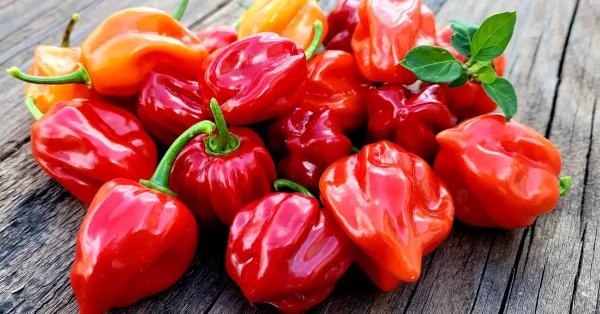
How to Grow Habanero Pepper Plants: A Step-by-Step Guide
Habanero pepper plants are prized for their vibrant colors, intense heat, and exceptional flavor, making [...]
Aug
Reviews
There are no reviews yet.