
Maypop Passionflower Seeds – Passiflora Incarnata – Hardy Native Vine – 5 Seeds
Original price was: $25.00.$17.50Current price is: $17.50.
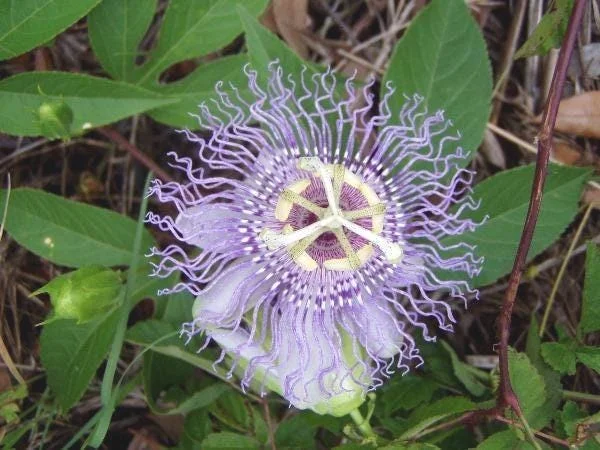
Cultivate stunning maypop passionflower seeds (Passiflora incarnata), a hardy perennial vine celebrated for its intricate white to pale lavender blooms and edible maypop fruits. Ideal for attracting butterflies and pollinators to your garden, these hardy passion vine seeds thrive in full sun and are perfect for trellises or arbors in USDA Zones 6-10.
Shipping and Return policies:
We stand behind our plants with our Alive & Thrive Guarantee. If you experience any issues within the first 30 days, please email us, and our team will be happy to help. When needed, we’ll send you a one-time replacement free of charge to make sure your garden keeps growing strong.

Reasonable Price
We offer reasonable price

Support 24/7
Contact us 24 hrs a day
100% Money Back
You’ve 30 days to Return
Payment Secure
100% secure payment
Overview
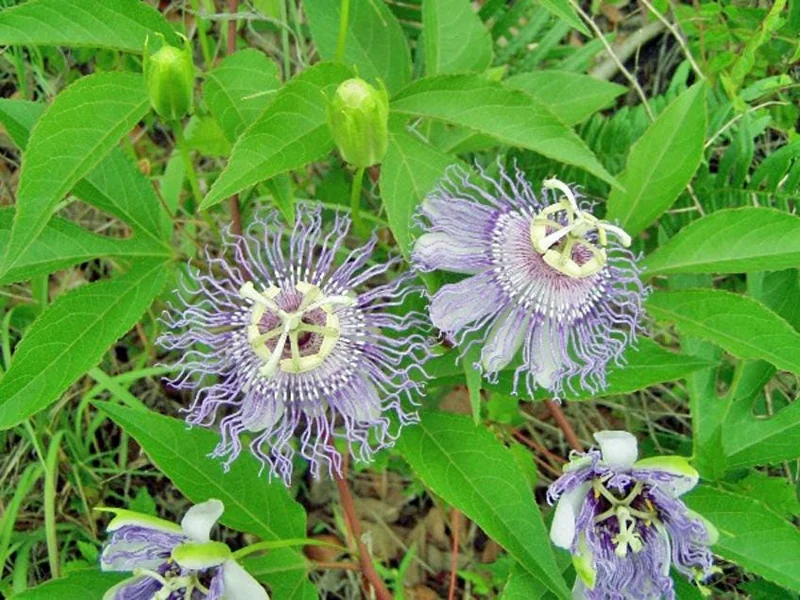
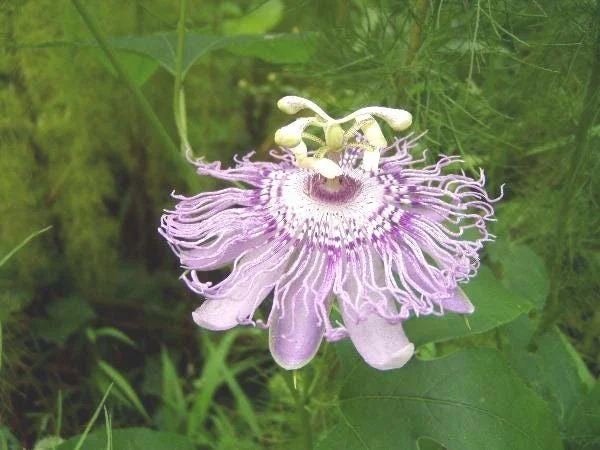
Embark on a delightful gardening journey with our premium maypop passionflower seeds. Known scientifically as Passiflora incarnata, this remarkable plant is commonly referred to as maypop or purple passionflower. It is a vigorous, hardy perennial vine native to the southeastern United States, cherished for its unique and intricate flowers. These blooms feature captivating white to pale lavender petals complemented by a striking, multi-layered corona with colorful filaments, creating an exotic display in any garden. Cultivating Passiflora incarnata seeds allows you to grow a plant that not only enhances aesthetic appeal but also offers ecological benefits, serving as a vital host plant for the Gulf Fritillary butterfly. This makes it an excellent choice for butterfly enthusiasts and those looking to support local ecosystems.
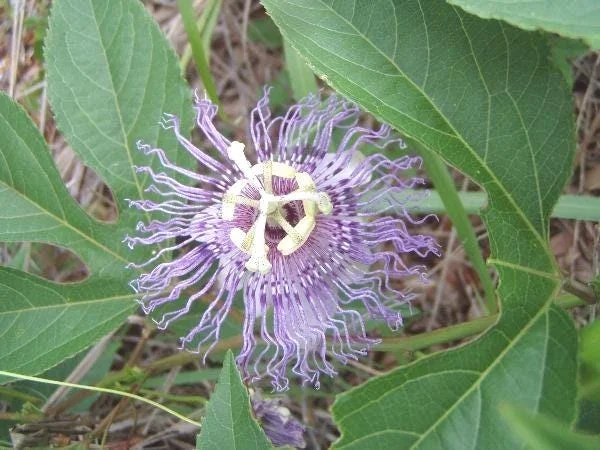
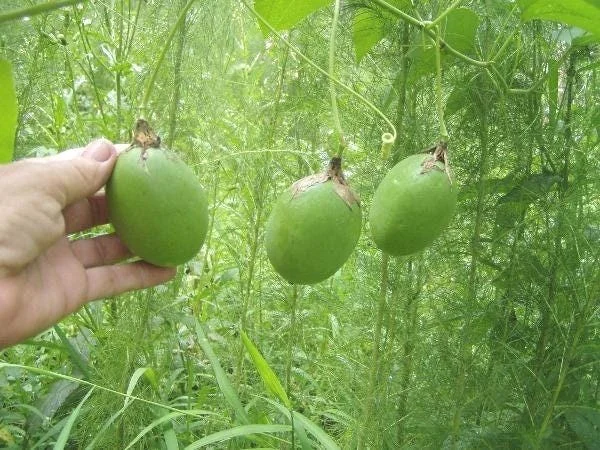
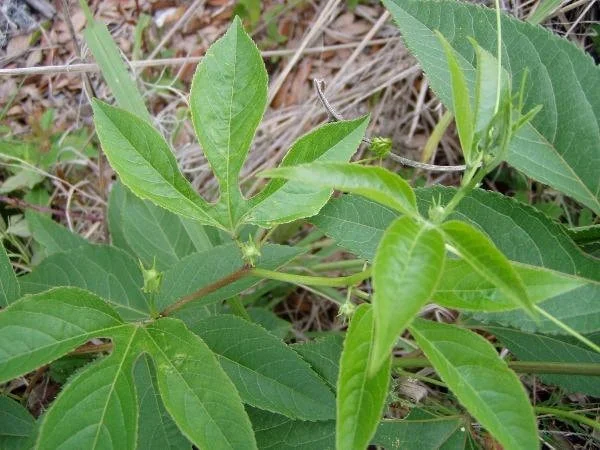
The maypop passionflower seeds promise a vine that develops distinctive three-lobed leaves and strong tendrils, enabling it to climb and gracefully cover various garden structures such as trellises, arbors, and fences. Beyond its ornamental value, Passiflora incarnata produces small, round, edible fruits known as maypops. While perhaps not as widely consumed as other passion fruits, these fruits offer a sweet, tangy taste when fully ripe, adding another layer of interest to this versatile plant. Its resilience and adaptability make it a cherished choice for both native and ornamental gardens, bringing an elegant and vibrant touch while attracting beneficial pollinators with its captivating and unique blooms. Learning how to grow maypop from seed is a rewarding experience that transforms your outdoor space.
Key Benefits
Growing maypop passionflower seeds offers a multitude of benefits, enriching your garden with beauty, wildlife, and even a unique edible treat. This hardy vine is a fantastic addition for gardeners seeking both ornamental appeal and ecological value.
- Stunning Ornamental Display: The intricate, exotic flowers with their unique structure and beautiful white to pale lavender hues provide a captivating visual focal point, enhancing any garden or landscape.
- Attracts Pollinators: The vibrant blooms are a magnet for bees, butterflies, and other beneficial pollinators, contributing to a healthy garden ecosystem. It’s especially known as a host plant for the Gulf Fritillary butterfly, making it ideal for a butterfly garden.
- Edible Fruits: Beyond its beauty, the maypop passionflower seeds yield plants that produce small, delicious fruits called maypops. These fruits have a sweet and tangy flavor when ripe, perfect for fresh eating or culinary uses.
- Hardy and Resilient: As a native perennial, Passiflora incarnata is remarkably hardy and adaptable, thriving in a range of conditions and returning year after year in suitable climates (USDA Zones 6-10). This makes it a low-maintenance choice for many gardeners.
- Versatile Climber: With its strong tendrils, this hardy passion vine seeds can be trained to climb trellises, arbors, fences, or pergolas, providing beautiful vertical interest and shade.
- Native Plant Benefits: Incorporating native plants like purple passionflower seeds supports local biodiversity and requires less water and care once established compared to non-native alternatives.
- Unique Garden Addition: Its distinctive appearance and dual benefits (ornamental and edible) make it a conversation starter and a truly unique addition to any garden.
Plant Care & Growing Tips
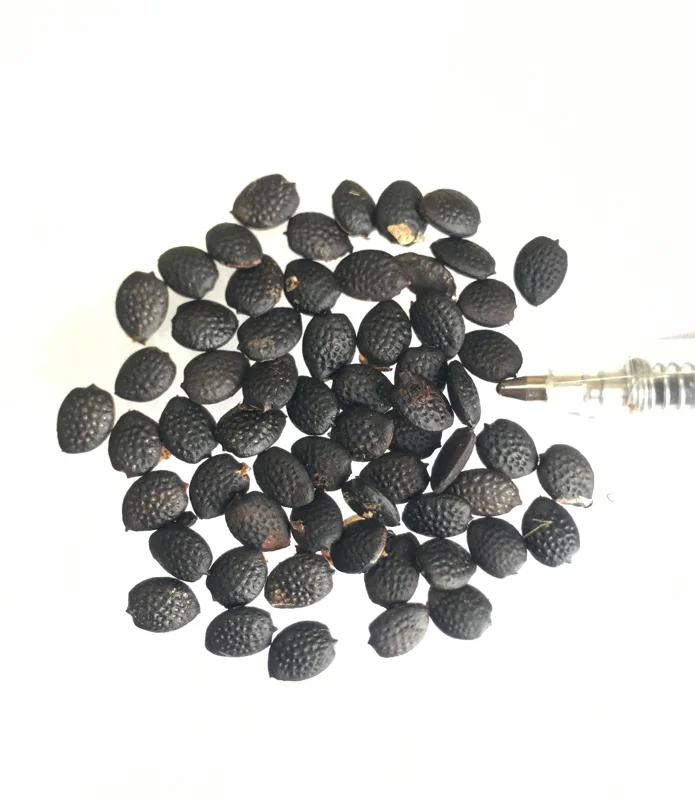
Successfully growing Passiflora incarnata seeds requires a bit of patience and attention to specific care instructions, particularly during germination and establishment. To germinate maypop passionflower seeds, begin by scarifying the hard seed coat. This can be done gently with a small file or sandpaper to create a slight nick, which aids in water absorption and breaks dormancy. Following scarification, soak the seeds in warm water for 24 hours to further soften the coat. Prepare a well-draining potting mix, ideally a combination of peat moss and perlite or a specialized seed-starting mix. Sow the seeds on the surface of the soil, lightly pressing them down without covering, as these seeds require light for optimal germination. Maintain consistently moist conditions by misting the soil regularly, ensuring it does not dry out.
Place the seed tray or pots in a warm location with temperatures consistently around 20-30 degrees Celsius (68-86 degrees Fahrenheit). Germination can be variable, taking anywhere from two weeks to several months, so patience is key when you grow maypop from seed. Once seedlings have developed several true leaves, they are ready for transplanting into larger pots or directly into a sunny garden spot. Hardy passion vine seeds thrive in full sun, requiring at least 6-8 hours of direct sunlight per day, and can adapt to a range of well-draining soil types. Regular watering, especially during dry periods, is crucial for young plants. Provide a sturdy support structure like a trellis or arbor for the climbing vines to ensure successful growth and abundant flowering. Fertilize sparingly with a balanced liquid feed during the growing season. In colder zones, ensure adequate winter protection for the roots, or consider growing as an annual if outside its hardiness range.
Size & Details
This offering includes 5 seeds of Passiflora incarnata, commonly known as maypop passionflower seeds. When grown to maturity, the Maypop vine is a vigorous climber, typically reaching lengths of 15 to 25 feet (4.5 to 7.6 meters) in a single growing season. Its spread can be equally impressive, making it an excellent choice for covering arbors, fences, or large trellises. The plant produces distinctive flowers that are approximately 2-3 inches (5-7.5 cm) in diameter, showcasing white to pale lavender petals with a vibrant, multi-layered corona.
The edible fruits, known as maypops, are small and round, usually 1-2 inches (2.5-5 cm) in diameter. These purple passionflower seeds will develop into plants that typically begin flowering in late spring to early summer, with fruit production following in mid to late summer. The seeds are shipped in a protective packet to ensure viability. With proper care, you can expect these hardy passion vine seeds to germinate and establish, providing a beautiful and productive addition to your garden for years to come. The plant is perennial in USDA Zones 6-10.
Frequently Asked Questions
- Q: How big does this plant get? A: The maypop passionflower is a vigorous vine that can grow 15-25 feet long in a single season. It’s best to provide it with a sturdy trellis or support structure to climb.
- Q: Is this an indoor or outdoor plant? A: Passiflora incarnata is primarily an outdoor plant, thriving in full sun in garden settings. While it can be grown in containers, it generally performs best outdoors in USDA Zones 6-10.
- Q: How much sunlight does it need? A: These maypop passionflower seeds grow best into plants that require full sun, meaning at least 6-8 hours of direct sunlight per day, to ensure abundant flowering and fruit production.
- Q: Is this plant easy to care for? A: Once established, the hardy passion vine is relatively low-maintenance. The initial germination and seedling stages require more attention, but mature plants are quite resilient.
- Q: What condition will the seeds arrive in? A: Your Passiflora incarnata seeds will arrive in a sealed packet, ensuring their freshness and viability for planting.
- Q: Can I eat the fruits? A: Yes, the fruits of the Maypop, known as maypops, are edible when fully ripe. They have a sweet and tangy flavor, often used in jams, jellies, or eaten fresh.
- Q: How long until it blooms? A: From maypop passionflower seeds, plants typically begin to flower in their second year, though some vigorous plants may produce blooms in their first year under ideal conditions.
- Q: When is the best time to plant these seeds? A: The best time to start purple passionflower seeds indoors is in late winter or early spring. Once temperatures are consistently warm and all danger of frost has passed, seedlings can be transplanted outdoors.
- Q: Will it survive winter in my zone? A: Maypop passionflower is hardy in USDA Zones 6-10. In colder parts of this range, the plant may die back to the ground but will typically regrow from the roots in spring.
- Q: Is this plant good for beginners? A: While germinating maypop passionflower seeds requires specific steps like scarification, the mature plant is quite forgiving, making it a rewarding choice for adventurous beginners.
Be the first to review “Maypop Passionflower Seeds – Passiflora Incarnata – Hardy Native Vine – 5 Seeds”
You must be logged in to post a review.
People also Viewed
Sold 50 products
Original price was: $109.95.$79.98Current price is: $79.98.
Sold 50 products
Original price was: $25.00.$17.50Current price is: $17.50.
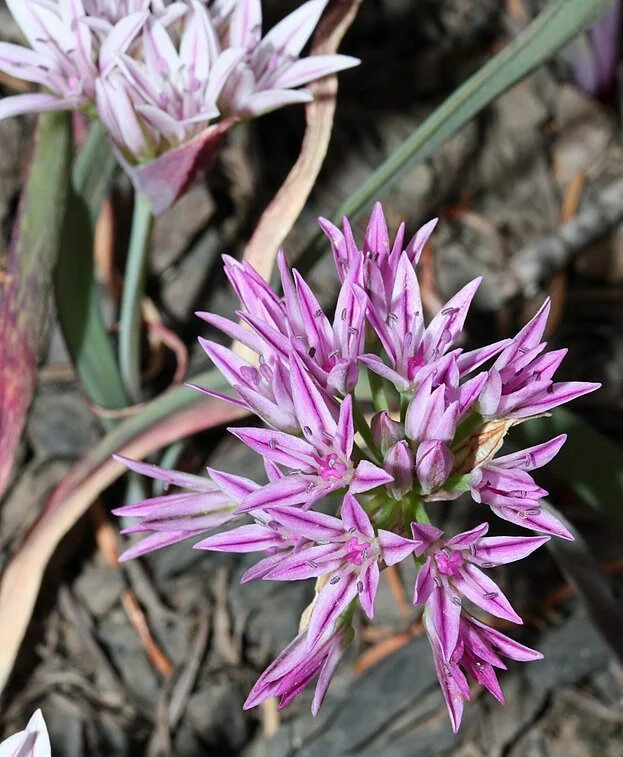
Flower Seeds
Olympic Onion Seeds – Allium crenulatum Flower Seeds – 10 Seed Pack – Outdoor Native Plant
Sold 50 products
Original price was: $25.00.$17.50Current price is: $17.50.
Sold 50 products
Original price was: $25.00.$17.50Current price is: $17.50.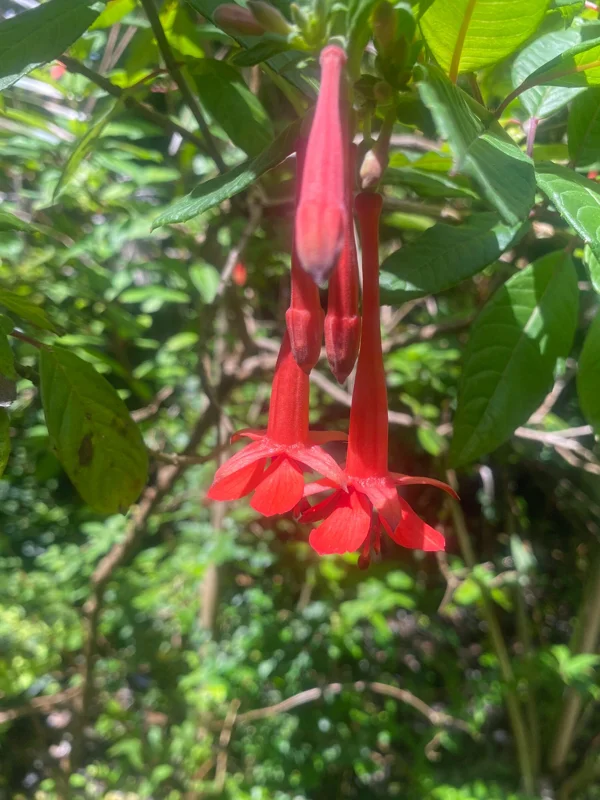
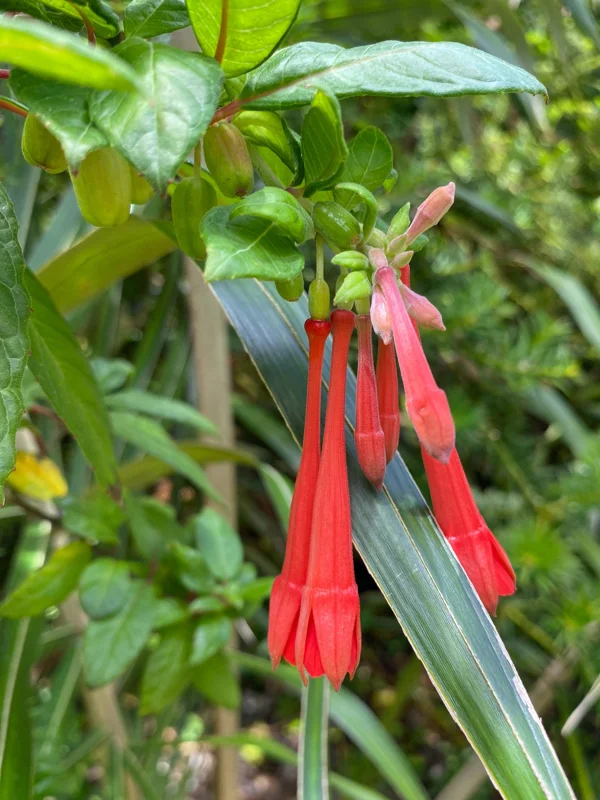
Flower Seeds
Fuchsia vulcanica Seeds – 20 Pack – Vibrant Orange Coral Flowers for Garden & Containers
Sold 50 products
Original price was: $25.00.$17.50Current price is: $17.50.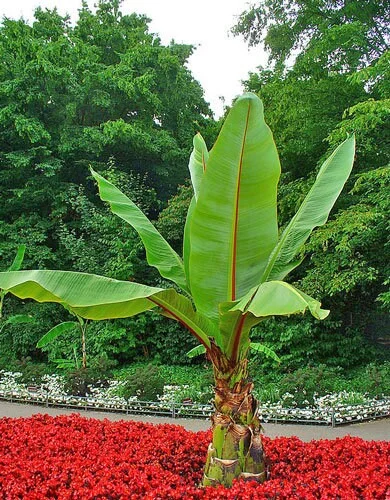
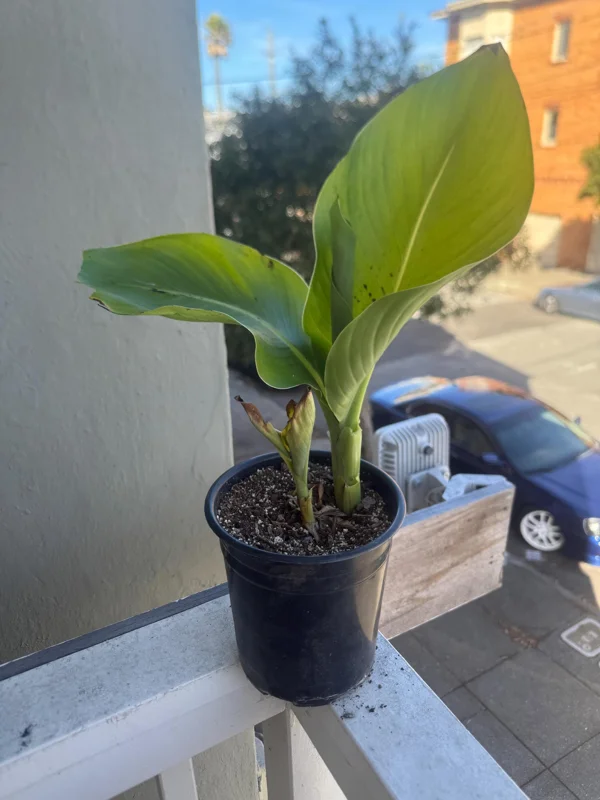
Sold 50 products
Original price was: $116.98.$95.68Current price is: $95.68.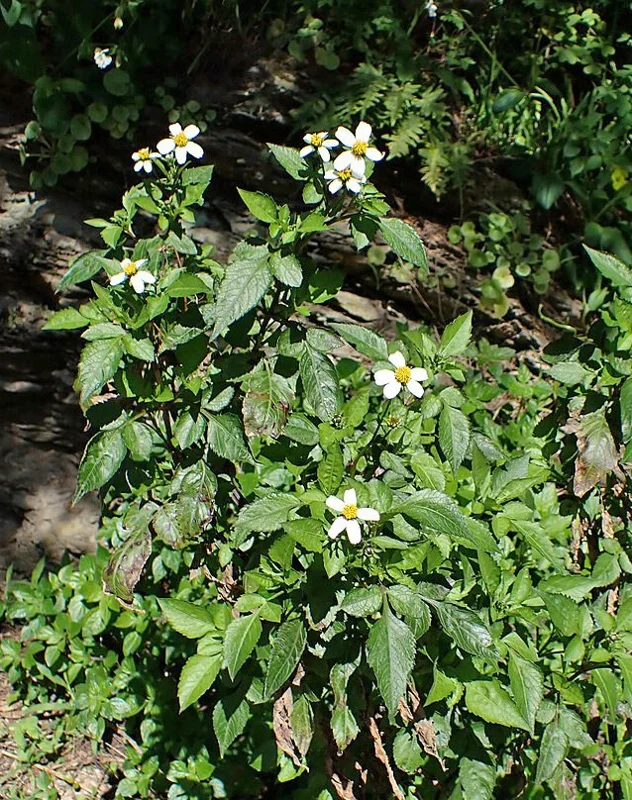
Sold 50 products
Original price was: $21.00.$14.10Current price is: $14.10.
Aquatic Plant Seeds
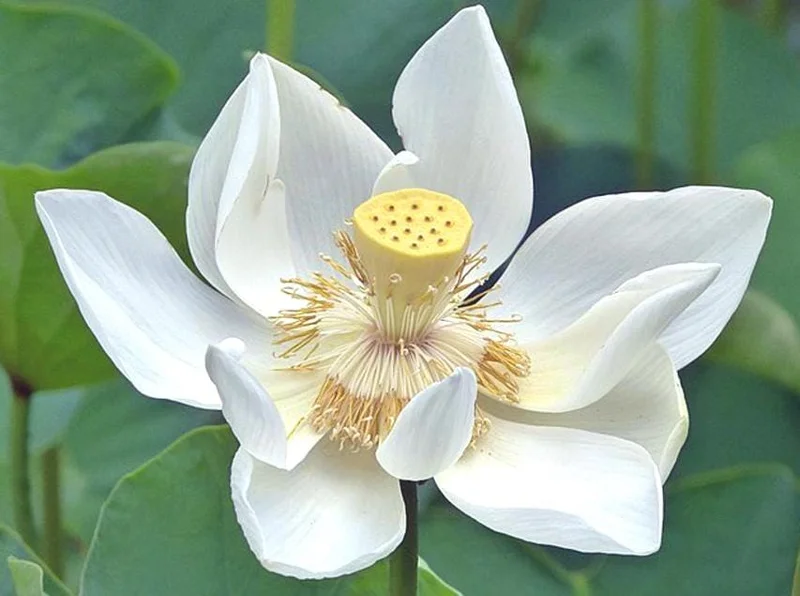
White Lotus Seeds – Nelumbo Nucifera Aquatic Pond Plant – 5 Seeds for Water Garden
Sold 50 products
Original price was: $29.00.$20.90Current price is: $20.90.RELATED posts
Awapuhi Wild Ginger Plant: Zones, Care, and Propagation
Learn which USDA zones suit awapuhi wild ginger, plus sunlight, water, planting, propagation, pests, size, [...]
Awapuhi Shampoo Ginger – Care, Growing Zones, and Differences
Learn how to grow awapuhi (shampoo) ginger, its USDA zones, watering schedule, propagation tips, and [...]
Awapuhi Shampoo Plant Buying Guide – Choose the Right Zingiber zerumbet
META: Learn which awapuhi (shampoo ginger) plant or rhizome pack gives the best natural shampoo, [...]
Awapuhi Plant for Sale: Complete Buying Guide
Find the right awapuhi (shampoo ginger) plant, size, price, soil mix, and online source. Practical [...]
Shampoo Ginger Plant for Sale – Buying Guide & Tips
Find the right shampoo ginger plant, size, price, and care tips. Quick guide for U.S. [...]
Shampoo Ginger Plant (Awapuhi) Care Guide
Learn how to grow, care for, and use shampoo ginger (Zingiber zerumbet), the tropical awapuhi [...]
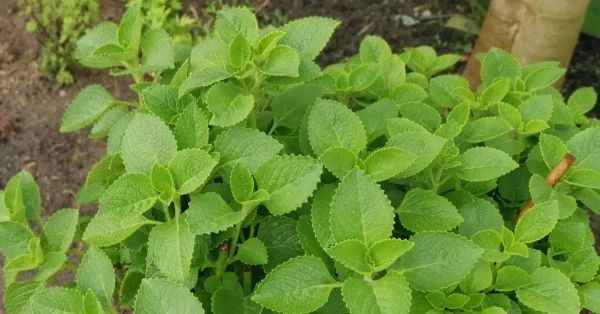
How to Grow Cuban Oregano Plants: A Complete Care Guide
If you’ve ever wanted a plant that combines the culinary punch of traditional oregano with [...]
Aug
How to Grow Habanero Pepper Plants: A Step-by-Step Guide
Habanero pepper plants are prized for their vibrant colors, intense heat, and exceptional flavor, making [...]
Aug

Reviews
There are no reviews yet.