
Clasping Twistedstalk Seeds – Streptopus amplexifolius – 10 Seed Packet – Native Woodland Plant
Original price was: $25.00.$17.50Current price is: $17.50.
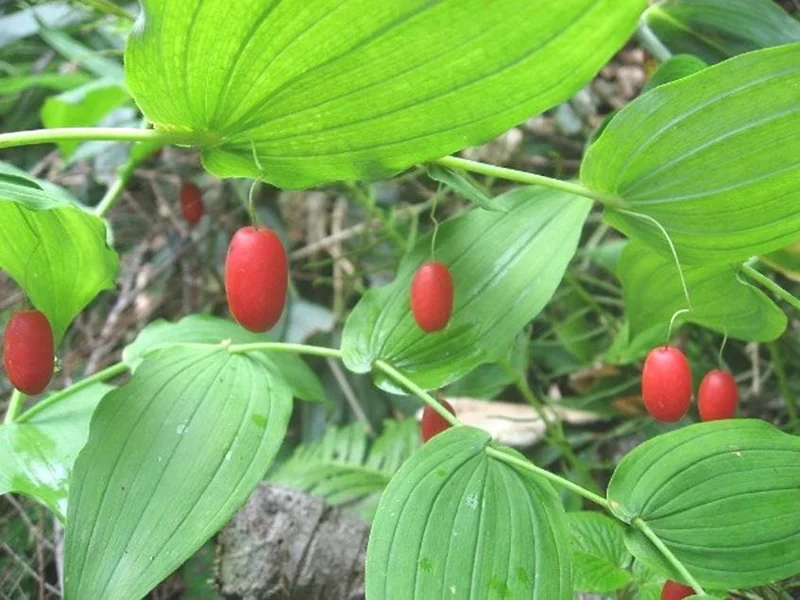
Cultivate the enchanting Clasping Twistedstalk seeds, also known as Streptopus amplexifolius seeds or white mandarin. This perennial wildflower brings delicate beauty to shaded woodland gardens with its unique growth habit, bell-shaped flowers, and vibrant red berries. Ideal for native plant enthusiasts and ecological landscapes.
Shipping and Return policies:
We stand behind our plants with our Alive & Thrive Guarantee. If you experience any issues within the first 30 days, please email us, and our team will be happy to help. When needed, we’ll send you a one-time replacement free of charge to make sure your garden keeps growing strong.

Reasonable Price
We offer reasonable price

Support 24/7
Contact us 24 hrs a day
100% Money Back
You’ve 30 days to Return
Payment Secure
100% secure payment
Overview
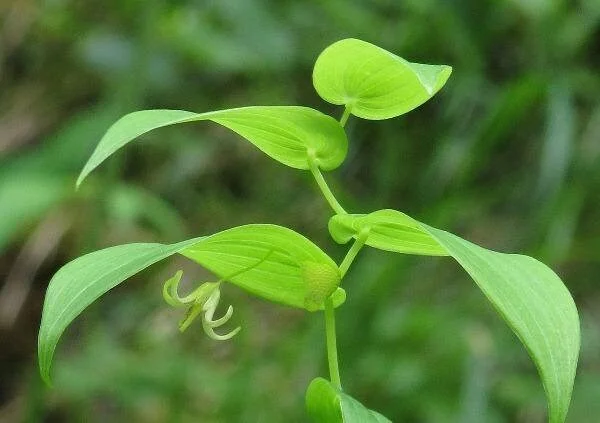
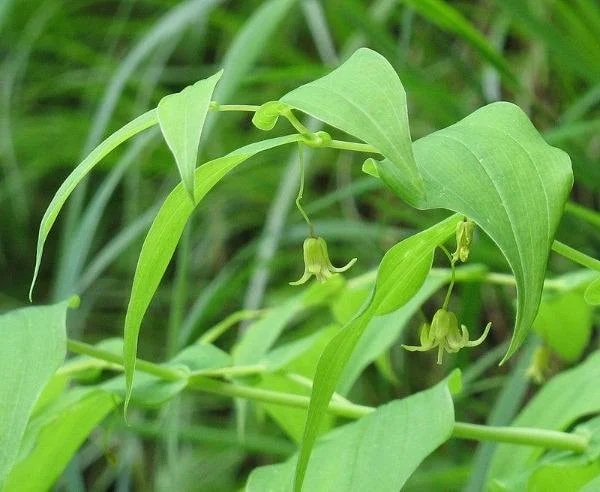
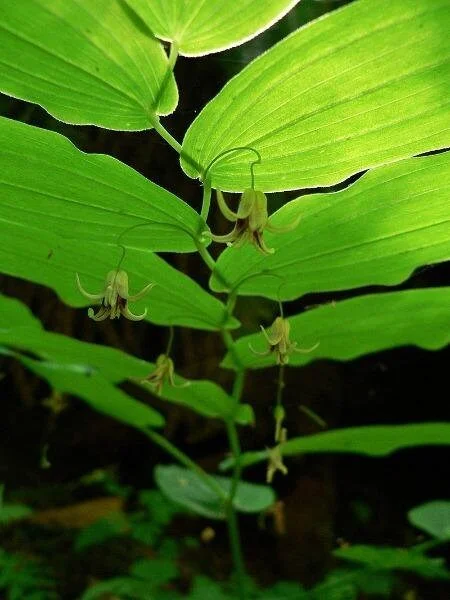
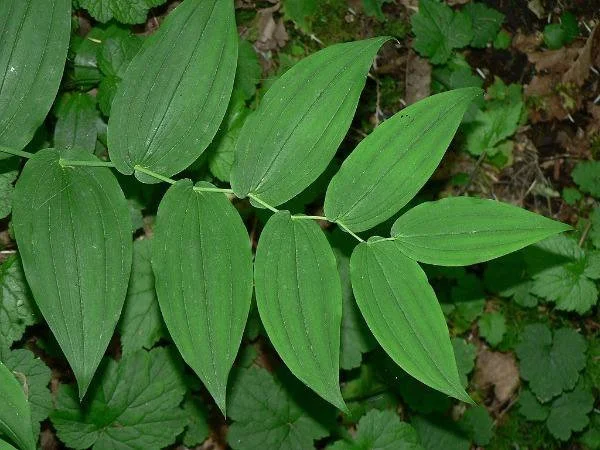
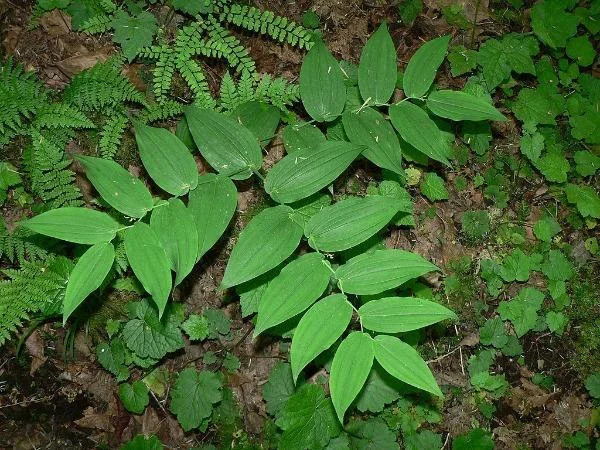
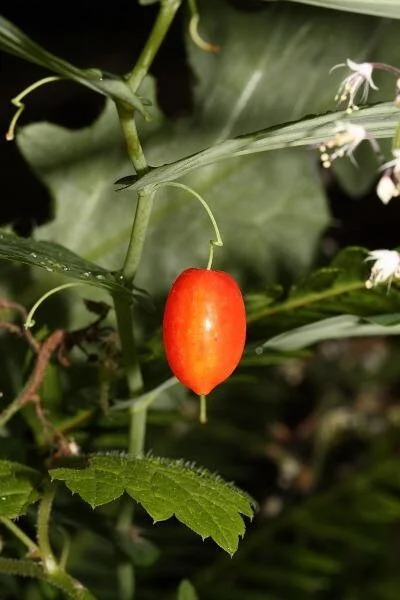
Discover the charm of Clasping Twistedstalk seeds, offering you the opportunity to grow this distinctive North American native plant. Scientifically known as Streptopus amplexifolius, this delicate perennial wildflower is also commonly referred to as white mandarin. It’s an ideal choice for those looking to enhance their native plant gardens or woodland landscapes with a touch of unique, natural beauty. Growing from these Streptopus amplexifolius seeds allows you to cultivate a plant that features graceful, arching stems, thin elliptical leaves that clasp the stem, and pendulous greenish-white flowers that transform into translucent, bright red berries. These berries not only add visual interest but are also enjoyed by local wildlife, making this a valuable addition for ecological gardeners.
The Clasping Twistedstalk seeds will develop into a plant that thrives in moist, shaded environments, replicating its natural habitat found along streams and in cool, forested areas. Its delicate appearance and distinctive growth habit make it a captivating focal point in a shade garden. By planting native woodland plant seeds like these, you contribute to local biodiversity and create a resilient, low-maintenance landscape that supports indigenous flora and fauna. Embrace the opportunity to grow this enchanting wildflower from seed and experience the subtle elegance it brings to your outdoor space.
Key Benefits
Growing Clasping Twistedstalk seeds offers a multitude of benefits for both your garden and the local ecosystem, making it a rewarding choice for any gardener. This unique native plant provides aesthetic appeal, ecological value, and contributes to a biodiverse environment.
- Unique Ornamental Appeal: The plant’s graceful, arching stems, clasping leaves, and delicate, bell-shaped greenish-white flowers create a distinctive and enchanting visual display, particularly in shaded garden areas.
- Vibrant Edible Berries: In late summer, the flowers give way to translucent, bright red berries that are not only beautiful but also edible for birds and some foragers, adding a splash of color and a food source for wildlife.
- Ecological Value: As a native woodland plant seeds option, it supports local ecosystems by providing food for birds and contributing to the natural biodiversity of your region.
- Shade Garden Enhancer: Perfectly suited for moist, shaded woodland environments, it excels in areas where many other plants struggle, making it an excellent choice for difficult garden spots.
- Low Maintenance Perennial: Once established, Streptopus amplexifolius requires minimal care, returning year after year to grace your garden with its unique charm.
- Distinctive Growth Habit: Its characteristic clasping leaves and pendulous flowers offer an unusual and captivating form that stands out among other woodland flora.
- Supports Pollinators: While subtle, the flowers attract pollinators, contributing to the health of your garden and surrounding environment.
Plant Care & Growing Tips
Successfully growing Clasping Twistedstalk seeds requires mimicking its natural woodland habitat. Begin by planting the Streptopus amplexifolius seeds in a well-draining, humus-rich seed-starting mix. Barely cover the seeds with a thin layer of soil, as they often require light for germination. Maintaining consistent moisture is crucial; the soil should never be allowed to dry out completely. For optimal germination, a period of cold stratification is essential. Place the seeds in a plastic bag with moist vermiculite or sand and refrigerate them for approximately 4-6 weeks to simulate winter conditions. This cold period is vital for breaking dormancy in these native woodland plant seeds.
After stratification, move the seeds to a warmer location with temperatures ranging from 20-25°C (68-77°F). Germination can be slow and sporadic, typically occurring within a few weeks to several months. Once seedlings are robust enough to handle, transplant them into your garden. They thrive in partial to full shade, needing protection from harsh afternoon sun. The ideal soil for Clasping Twistedstalk seeds is consistently moist, rich in organic matter, and well-draining. Avoid waterlogged conditions, but ensure the soil retains moisture. USDA hardiness zones 3-8 are suitable for outdoor growth. Fertilization is generally not heavily required in rich, organic soil; however, a light application of a balanced, slow-release organic fertilizer in spring can promote vigorous growth. Watch for slugs and snails, which may be attracted to the delicate foliage.
The white mandarin seeds require careful attention during their initial growth phase. Ensure the planting site mimics the cool, moist conditions of its natural environment, often found along streams or in deep, damp woods. Proper mulching can help retain soil moisture and regulate temperature, which is beneficial for the development of shade garden seeds. Overwatering can lead to root rot, while underwatering will cause wilting. The key is consistent, even moisture. With proper care and patience, your Streptopus amplexifolius seeds will grow into a beautiful and ecologically valuable addition to your landscape.
Size & Details
This offering includes 10 Clasping Twistedstalk seeds, providing a generous quantity to start your native woodland garden. Once established, the Streptopus amplexifolius plant typically reaches heights of 15 to 60 centimeters (approximately 6 to 24 inches), forming a graceful, arching habit. It is a slow to moderate grower, with plants reaching mature size and flowering within 2-3 years under ideal conditions. The seeds are shipped in a protective packet, ready for stratification and planting.
The plant’s delicate appearance belies its hardiness, thriving in USDA zones 3-8. It will develop thin, elliptical leaves that distinctly clasp around the stem, a characteristic feature. The pendulous, bell-shaped, greenish-white flowers emerge in spring, followed by translucent, bright red berries in late summer. These berries are a significant feature, offering both visual appeal and ecological benefit. Planting these Streptopus amplexifolius seeds will introduce a unique and valuable perennial to your garden, enriching your landscape with its natural charm.
Frequently Asked Questions
- Q: How many seeds are included in this packet? A: This packet contains 10 Clasping Twistedstalk seeds, providing a good quantity to begin your cultivation efforts and establish several plants.
- Q: Is this an indoor or outdoor plant? A: Clasping Twistedstalk is primarily an outdoor plant, best suited for shaded woodland gardens, native plant landscapes, and moist, cool environments. It thrives in its natural habitat.
- Q: How much sunlight does Clasping Twistedstalk need? A: This plant prefers partial to full shade. It should be protected from direct, harsh afternoon sun, which can scorch its delicate foliage.
- Q: Is this plant easy to care for? A: While germinating Clasping Twistedstalk seeds requires stratification, the mature plant is relatively low maintenance once established, especially when planted in its preferred moist, shaded conditions.
- Q: What condition will the seeds arrive in? A: The Streptopus amplexifolius seeds will arrive in a well-protected packet, ready for you to begin the stratification and planting process.
- Q: How long until Clasping Twistedstalk blooms? A: Typically, plants grown from Clasping Twistedstalk seeds will begin to bloom in their second or third year after establishment, producing flowers in spring.
- Q: Will it survive winter in my zone? A: Yes, Clasping Twistedstalk is hardy in USDA zones 3-8, meaning it can tolerate cold winter temperatures within this range and will return each spring.
- Q: What is the best soil type for these seeds? A: The ideal soil for Streptopus amplexifolius seeds is rich in organic matter, consistently moist, and well-draining. Humus-rich woodland soil is perfect.
- Q: Are the red berries edible? A: The translucent red berries of Clasping Twistedstalk are considered edible for birds and some foragers, but they are not commonly consumed by humans.
- Q: Do these native woodland plant seeds require cold stratification? A: Yes, cold stratification for 4-6 weeks is crucial for successful germination of Clasping Twistedstalk seeds, mimicking natural winter conditions.
Be the first to review “Clasping Twistedstalk Seeds – Streptopus amplexifolius – 10 Seed Packet – Native Woodland Plant”
You must be logged in to post a review.
People also Viewed
Sold 50 products
Original price was: $109.95.$79.98Current price is: $79.98.
Sold 50 products
Original price was: $25.00.$17.50Current price is: $17.50.
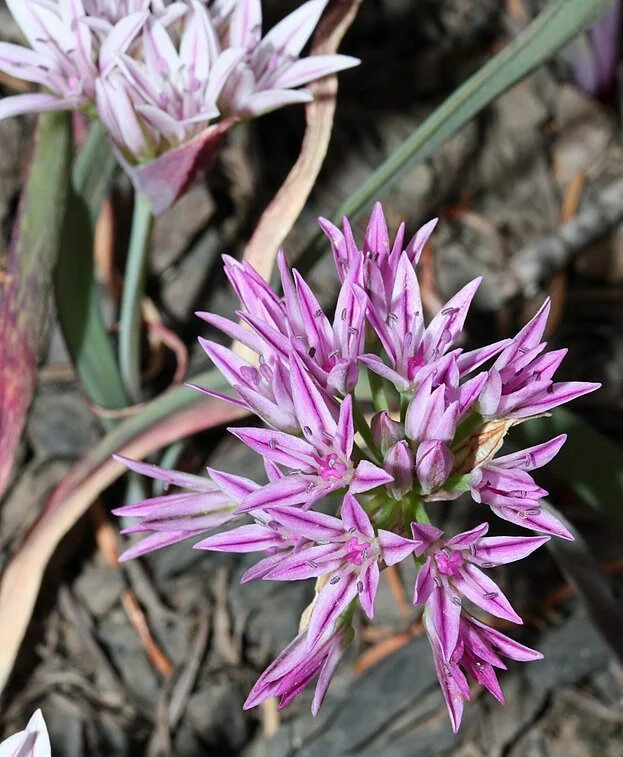
Flower Seeds
Olympic Onion Seeds – Allium crenulatum Flower Seeds – 10 Seed Pack – Outdoor Native Plant
Sold 50 products
Original price was: $25.00.$17.50Current price is: $17.50.
Sold 50 products
Original price was: $25.00.$17.50Current price is: $17.50.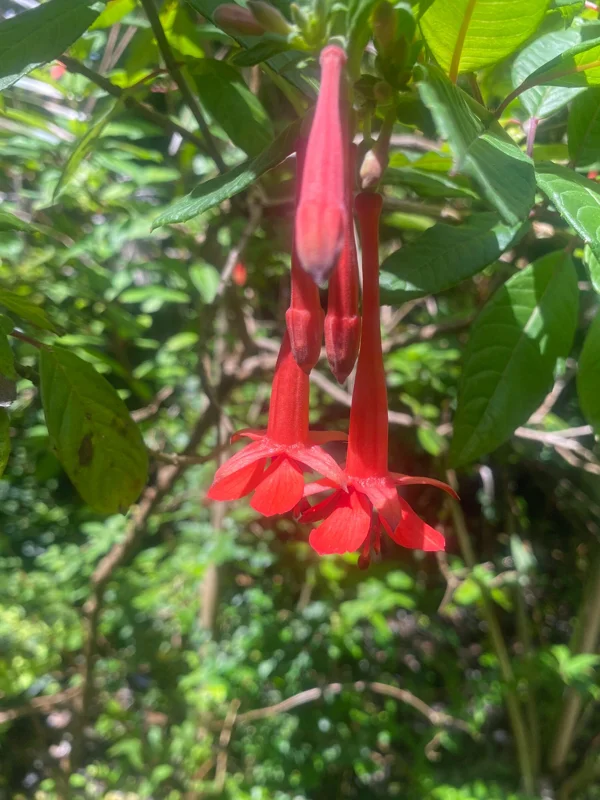
Flower Seeds
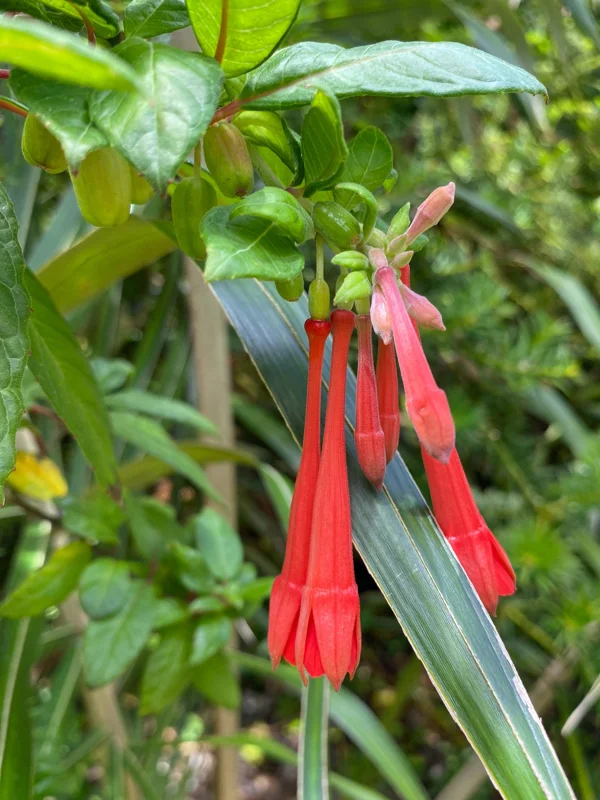
Fuchsia vulcanica Seeds – 20 Pack – Vibrant Orange Coral Flowers for Garden & Containers
Sold 50 products
Original price was: $25.00.$17.50Current price is: $17.50.
Sold 50 products
Original price was: $116.98.$95.68Current price is: $95.68.
Sold 50 products
Original price was: $21.00.$14.10Current price is: $14.10.
Aquatic Plant Seeds
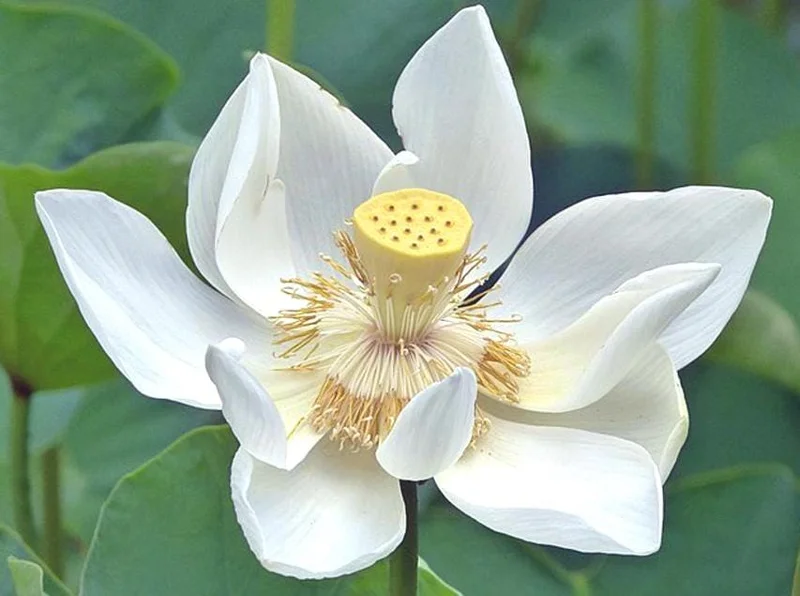
White Lotus Seeds – Nelumbo Nucifera Aquatic Pond Plant – 5 Seeds for Water Garden
Sold 50 products
Original price was: $29.00.$20.90Current price is: $20.90.RELATED posts
Awapuhi Wild Ginger Plant: Zones, Care, and Propagation
Learn which USDA zones suit awapuhi wild ginger, plus sunlight, water, planting, propagation, pests, size, [...]
Awapuhi Shampoo Ginger – Care, Growing Zones, and Differences
Learn how to grow awapuhi (shampoo) ginger, its USDA zones, watering schedule, propagation tips, and [...]
Awapuhi Shampoo Plant Buying Guide – Choose the Right Zingiber zerumbet
META: Learn which awapuhi (shampoo ginger) plant or rhizome pack gives the best natural shampoo, [...]
Awapuhi Plant for Sale: Complete Buying Guide
Find the right awapuhi (shampoo ginger) plant, size, price, soil mix, and online source. Practical [...]
Shampoo Ginger Plant for Sale – Buying Guide & Tips
Find the right shampoo ginger plant, size, price, and care tips. Quick guide for U.S. [...]
Shampoo Ginger Plant (Awapuhi) Care Guide
Learn how to grow, care for, and use shampoo ginger (Zingiber zerumbet), the tropical awapuhi [...]
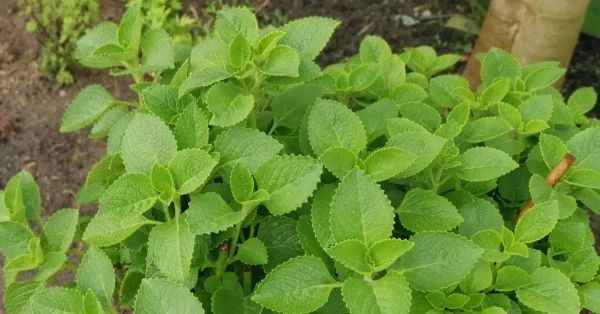
How to Grow Cuban Oregano Plants: A Complete Care Guide
If you’ve ever wanted a plant that combines the culinary punch of traditional oregano with [...]
Aug
How to Grow Habanero Pepper Plants: A Step-by-Step Guide
Habanero pepper plants are prized for their vibrant colors, intense heat, and exceptional flavor, making [...]
Aug
Reviews
There are no reviews yet.