
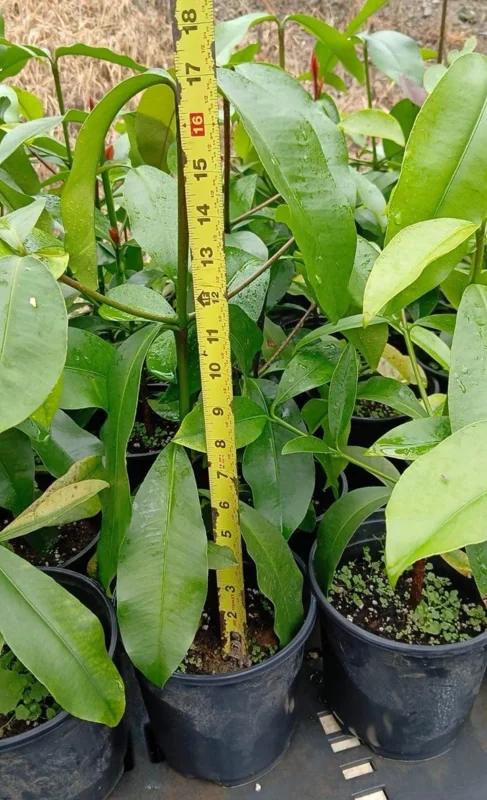
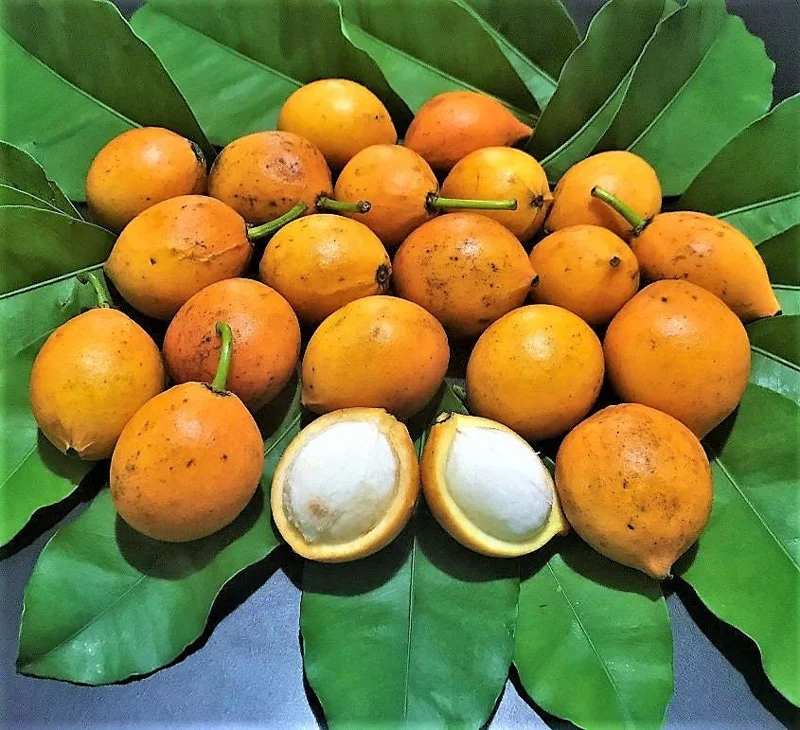
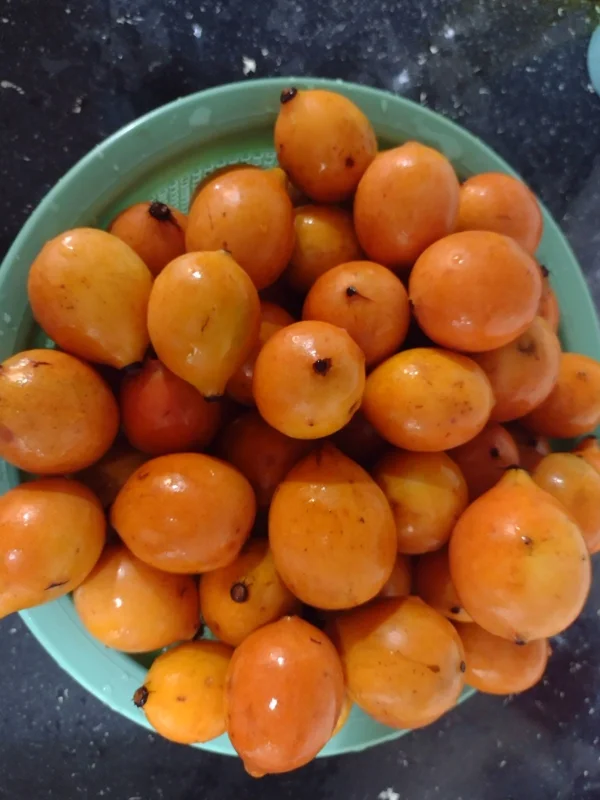
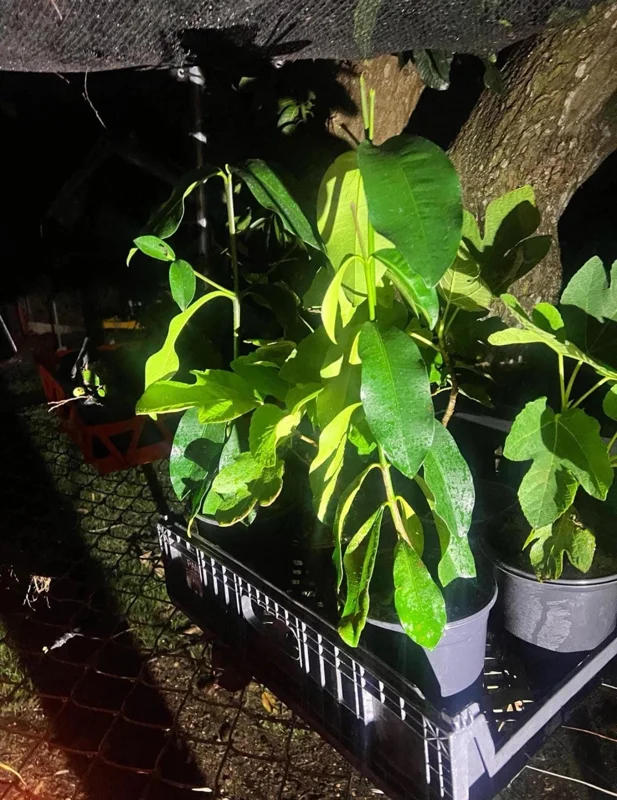
Lemon Drop Mangosteen Live Fruit Tree – Garcinia Brasiliensis – 10-24in Tall
$119.88
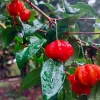
Cultivate your own exotic fruit with this lemon drop mangosteen live plant. Also known as Garcinia Brasiliensis tree or bacupari fruit tree, it produces unique, tangy yellow fruits. Ideal for tropical climates, this 10-24 inch tall plant brings a taste of Brazil to your garden.
Shipping and Return policies:
We stand behind our plants with our Alive & Thrive Guarantee. If you experience any issues within the first 30 days, please email us, and our team will be happy to help. When needed, we’ll send you a one-time replacement free of charge to make sure your garden keeps growing strong.

Reasonable Price
We offer reasonable price

Support 24/7
Contact us 24 hrs a day
100% Money Back
You’ve 30 days to Return
Payment Secure
100% secure payment
Overview
Bring the allure of the tropics to your home with the exquisite lemon drop mangosteen live plant. Scientifically known as Garcinia Brasiliensis, this captivating fruit tree is a true gem for any gardening enthusiast or fruit lover. Originating from the lush landscapes of Brazil, the garcinia brasiliensis tree, often called Bacupari, offers a unique and delightful fruit experience. While its initial growth may be somewhat slow, typically taking 4-5 years to establish, it then accelerates its vegetative development, eventually entering production around 7 years of age. This patience is richly rewarded with an abundance of small, vibrant yellow fruits that boast a distinctive tangy flavor, reminiscent of lemon and mangosteen. Growing your own bacupari fruit tree allows you to enjoy fresh, exotic produce right from your backyard or patio, making it a fantastic addition to any tropical-themed garden or edible landscape.
Key Benefits
The lemon drop mangosteen live plant offers a multitude of benefits, making it a highly desirable addition to your collection of exotic plants. From its delicious fruit to its ornamental appeal, this tropical tree is a fantastic investment for both seasoned gardeners and those new to growing exotic varieties.
- Exotic Fruit Production: Enjoy the unique and tangy flavor of fresh Lemon Drop Mangosteen fruit, a rarity not commonly found in local markets. This tropical fruit plant provides a gourmet experience.
- Ornamental Value: With its attractive foliage and the eventual display of bright yellow fruits, the garcinia brasiliensis tree serves as a beautiful focal point in any garden or landscape.
- Unique Culinary Ingredient: The fruit can be enjoyed fresh, or used in various culinary applications, adding a zesty kick to desserts, drinks, or savory dishes. It’s a versatile exotic fruit tree.
- Long-Term Investment: Although it takes a few years to mature, a healthy lemon drop mangosteen live plant will provide fruit for many years, becoming a valuable and rewarding part of your garden.
- Educational Experience: Growing an exotic plant like the bacupari fruit tree offers a fascinating learning experience about tropical horticulture and sustainable food production.
- Health Benefits: Like many fruits, Lemon Drop Mangosteen is likely rich in vitamins and antioxidants, contributing to a healthy diet.
- Conversation Starter: Its unusual fruit and tropical origins make it an intriguing topic for discussion among guests and fellow plant enthusiasts.
Plant Care & Growing Tips
Caring for your lemon drop mangosteen live plant requires attention to its specific tropical needs, but with the right conditions, it will thrive. This garcinia brasiliensis tree prefers a warm, humid environment, mimicking its native Brazilian climate.
Sunlight Requirements: Provide your bacupari fruit tree with full to partial sun exposure. In very hot climates, some afternoon shade can prevent leaf scorch. If growing indoors, ensure it receives at least 6-8 hours of bright, indirect light daily, ideally near a south-facing window or supplemented with grow lights.
Watering Schedule & Soil Moisture: Keep the soil consistently moist but never waterlogged. Water deeply when the top inch of soil feels dry to the touch. Reduce watering slightly during cooler months. Good drainage is crucial to prevent root rot. This tropical fruit plant does not tolerate drought well, especially when young.
Soil Type & Drainage: The exotic fruit tree thrives in rich, well-draining soil with a slightly acidic to neutral pH (6.0-7.0). A mix of potting soil, compost, and perlite or sand works well for potted plants. For in-ground planting, amend heavy clay soils with organic matter to improve drainage.
Temperature Range & USDA Hardiness Zone: Being a tropical plant, the Lemon Drop Mangosteen is sensitive to cold. It thrives in temperatures between 65-90°F (18-32°C). It is generally suitable for USDA Hardiness Zones 10-11, where temperatures rarely drop below freezing. If you live in a cooler zone, it can be grown in a container and brought indoors during winter.
Fertilization: Fertilize your lemon drop mangosteen live plant with a balanced, slow-release fertilizer designed for fruit trees or tropical plants, following the manufacturer’s instructions. Apply during the growing season (spring and summer) every 2-3 months. Reduce or cease fertilization during fall and winter.
Common Problems: Watch out for common pests like aphids, mealybugs, or scale insects. Treat with neem oil or insecticidal soap if infestations occur. Ensure good air circulation to prevent fungal issues. Yellowing leaves can indicate overwatering or nutrient deficiencies.
Size & Details
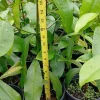
This offering is for a lemon drop mangosteen live plant, typically ranging from 10 to 24 inches in height upon arrival. Each garcinia brasiliensis tree is carefully nurtured to ensure a healthy start in your garden. It ships as a potted plant, ready for transplanting into a larger container or directly into the ground in appropriate climates. While the initial growth phase of this bacupari fruit tree is known to be slow for the first 4 to 5 years, it will then experience a significant acceleration in vegetative growth. You can anticipate your tropical fruit plant to begin bearing its delicious, tangy fruit around 7 years of age, making it a rewarding long-term addition to your collection of exotic fruit tree specimens. The mature size of the tree can vary, but it typically reaches heights of 15-25 feet in its native habitat, though it can be maintained smaller with pruning in cultivation.
Frequently Asked Questions
- Q: How big does this plant get? A: A mature lemon drop mangosteen live plant can reach heights of 15-25 feet in its natural habitat. However, when grown in containers or with regular pruning, its size can be managed to fit smaller spaces or indoor environments.
- Q: Is this an indoor or outdoor plant? A: The garcinia brasiliensis tree is a tropical plant best suited for outdoor cultivation in USDA Zones 10-11. In cooler climates, it can be grown as a container plant and brought indoors during the colder months, making it a versatile tropical fruit plant.
- Q: How much sunlight does it need? A: This bacupari fruit tree thrives in full sun to partial shade, requiring at least 6-8 hours of bright light daily. If grown indoors, a south-facing window or supplemental grow lights are recommended.
- Q: Is this plant easy to care for? A: While it has specific tropical requirements, the lemon drop mangosteen live plant is considered moderately easy to care for once established. Consistent watering, appropriate sunlight, and well-draining soil are key to its success.
- Q: What condition will it arrive in? A: Your exotic fruit tree will arrive as a healthy, live potted plant, carefully packaged to ensure its safe journey. It will be ready for you to transplant into its permanent home.
- Q: How long until it produces fruit? A: The garcinia brasiliensis tree typically begins to produce fruit around 7 years of age, following an initial slow growth phase for the first 4-5 years. Patience is a virtue with this rewarding plant.
- Q: What’s the best way to eat the fruit? A: The fruit of the lemon drop mangosteen live plant is best eaten fresh. You can cut the peel with a knife or your teeth to avoid the latex, then enjoy the tangy, flavorful pulp.
- Q: Can I grow this plant in a pot indefinitely? A: Yes, the bacupari fruit tree can be successfully grown in a large container indefinitely, provided it receives adequate light, water, and nutrients, and is protected from cold temperatures.
- Q: What kind of soil does it prefer? A: This tropical fruit plant prefers rich, well-draining soil with a slightly acidic to neutral pH. A good quality potting mix amended with compost and perlite is ideal for container growing.
- Q: Is it tolerant of drought? A: No, the lemon drop mangosteen live plant prefers consistently moist soil and is not drought-tolerant, especially when young. Regular watering is essential for healthy growth and fruit production.
Be the first to review “Lemon Drop Mangosteen Live Fruit Tree – Garcinia Brasiliensis – 10-24in Tall”
You must be logged in to post a review.
People also Viewed
Sold 50 products
Original price was: $37.48.$23.98Current price is: $23.98.
Sold 50 products
$32.38
Sold 50 products
$27.38
Sold 50 products
$32.38
Sold 50 products
$19.88
Sold 50 products
$62.38
Sold 50 products
$24.88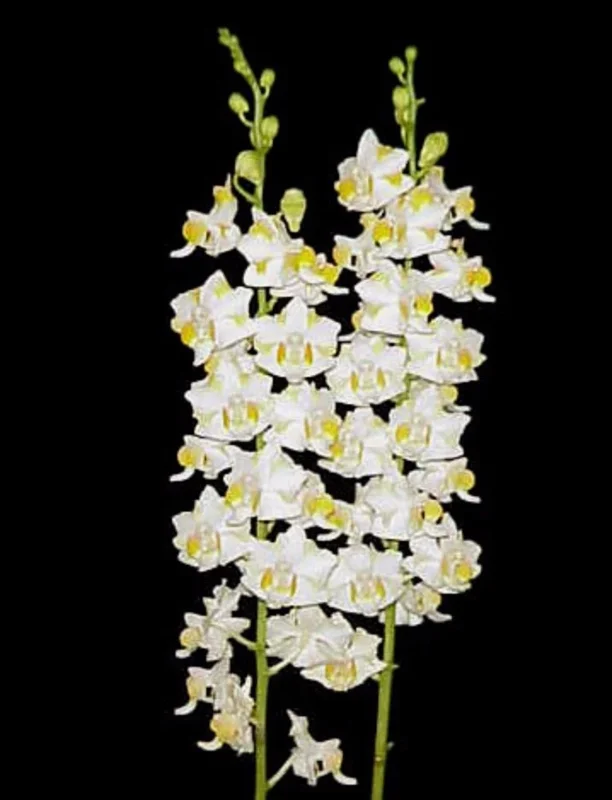
Houseplants
Phalaenopsis pulcherrima ‘Mauna Kea Snow’ Orchid Live Plant – White Flowers, Potted 2.5 in
Sold 50 products
$49.88RELATED posts
Awapuhi Wild Ginger Plant: Zones, Care, and Propagation
Learn which USDA zones suit awapuhi wild ginger, plus sunlight, water, planting, propagation, pests, size, [...]
Awapuhi Shampoo Ginger – Care, Growing Zones, and Differences
Learn how to grow awapuhi (shampoo) ginger, its USDA zones, watering schedule, propagation tips, and [...]
Awapuhi Shampoo Plant Buying Guide – Choose the Right Zingiber zerumbet
META: Learn which awapuhi (shampoo ginger) plant or rhizome pack gives the best natural shampoo, [...]
Awapuhi Plant for Sale: Complete Buying Guide
Find the right awapuhi (shampoo ginger) plant, size, price, soil mix, and online source. Practical [...]
Shampoo Ginger Plant for Sale – Buying Guide & Tips
Find the right shampoo ginger plant, size, price, and care tips. Quick guide for U.S. [...]
Shampoo Ginger Plant (Awapuhi) Care Guide
Learn how to grow, care for, and use shampoo ginger (Zingiber zerumbet), the tropical awapuhi [...]
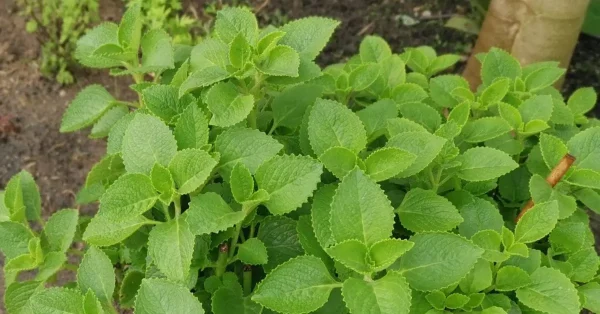
How to Grow Cuban Oregano Plants: A Complete Care Guide
If you’ve ever wanted a plant that combines the culinary punch of traditional oregano with [...]
Aug
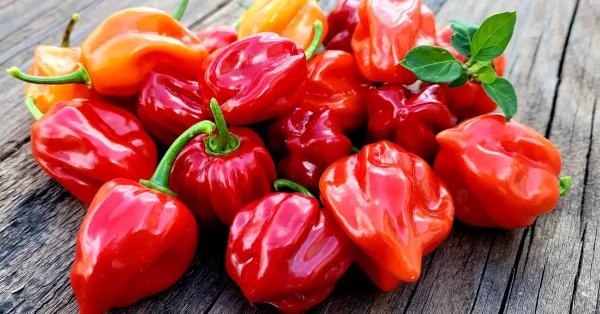
How to Grow Habanero Pepper Plants: A Step-by-Step Guide
Habanero pepper plants are prized for their vibrant colors, intense heat, and exceptional flavor, making [...]
Aug
Reviews
There are no reviews yet.