
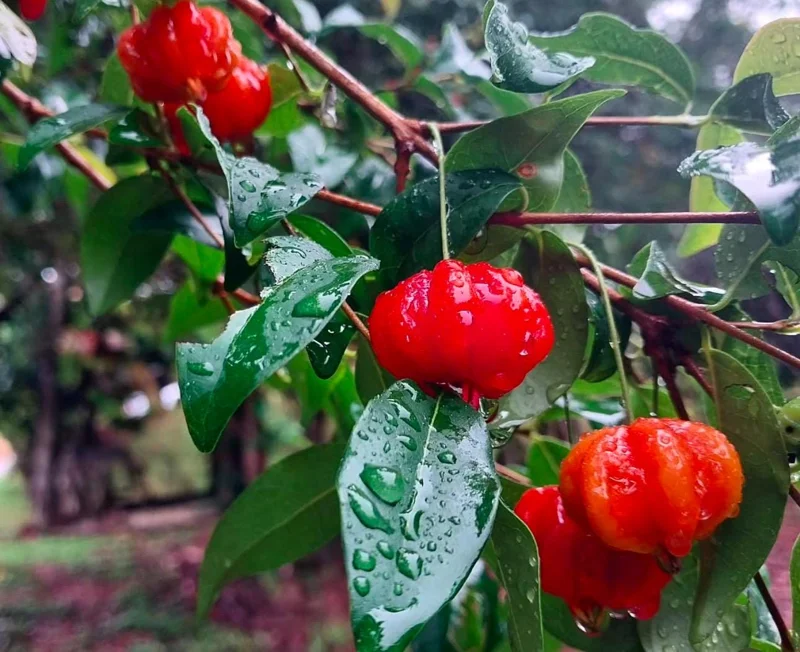
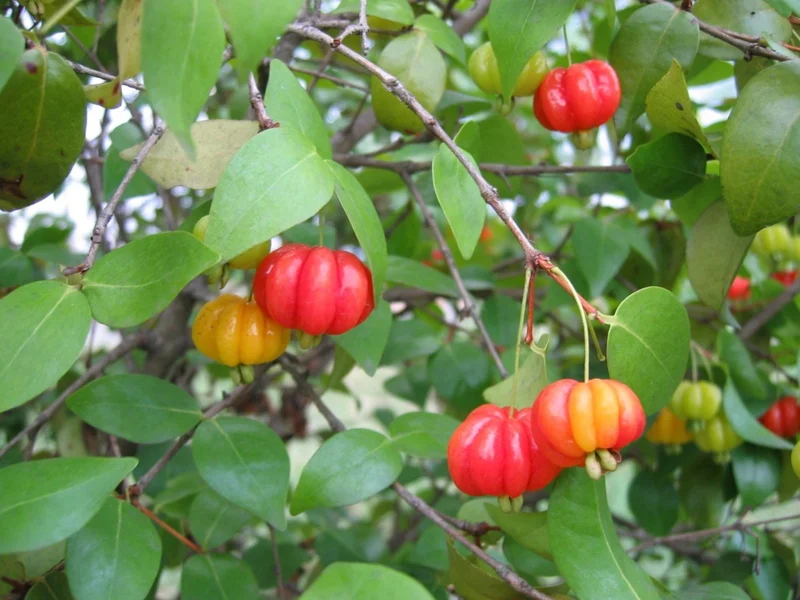
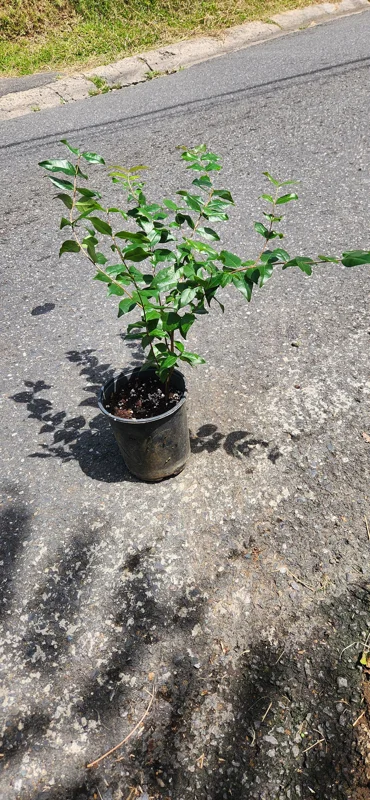
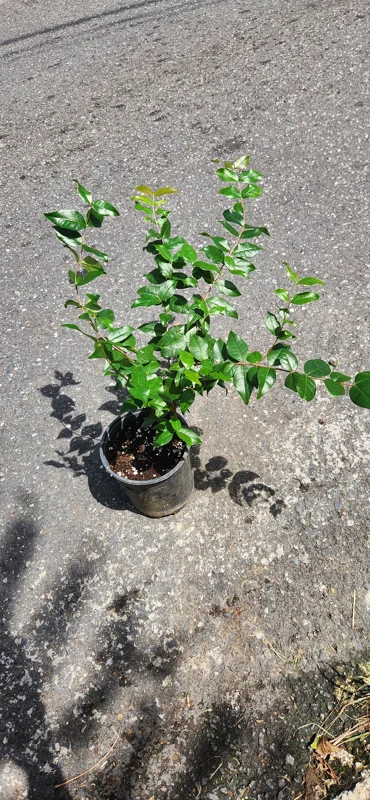
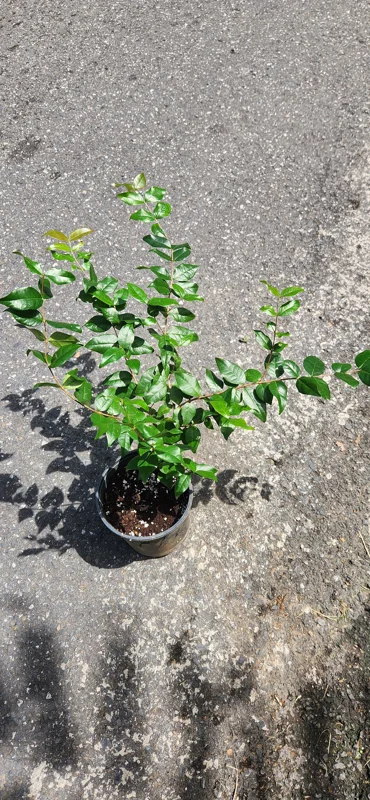
Big Pitanga Live Fruit Tree – Surinam Cherry Plant – 2-3ft Tall – Outdoor
$125.00
Cultivate your own exotic fruit with this big pitanga live fruit tree, also known as the Surinam Cherry plant. Standing 2-3ft tall, this ornamental shrub produces edible, deep red, aromatic fruits and features beautiful copper-colored young leaves. Ideal for hedges, gardens, or as a striking patio plant in suitable climates.
Shipping and Return policies:
We stand behind our plants with our Alive & Thrive Guarantee. If you experience any issues within the first 30 days, please email us, and our team will be happy to help. When needed, we’ll send you a one-time replacement free of charge to make sure your garden keeps growing strong.

Reasonable Price
We offer reasonable price

Support 24/7
Contact us 24 hrs a day
100% Money Back
You’ve 30 days to Return
Payment Secure
100% secure payment
Overview
Introduce an exotic touch to your garden with the big pitanga live fruit tree, a vibrant and rewarding plant also widely known as the Surinam Cherry. This particular specimen is a healthy, established plant, typically measuring 2-3 feet in height, ready to thrive in its new environment. Scientifically named Eugenia uniflora, this subtropical and tropical species is native to Brazil and is celebrated for its dual appeal: highly ornamental foliage and delicious, unique fruits. The Pitanga plant is a versatile shrub that can be grown in various warm climate regions, offering both aesthetic beauty and a source of fresh, aromatic fruit. Its continuous flowering and fruiting during summer and autumn make it a dynamic addition to any landscape, providing visual interest and culinary delight over several months. Whether you’re looking to add a unique fruit producer or a beautiful hedge, the big pitanga live fruit tree is an excellent choice for an edible landscape.
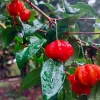
The surinam cherry plant care is relatively straightforward, making it suitable for a range of gardeners. Its adaptability to various soil types and its resistance to light frosts contribute to its popularity. This plant is known for its dense foliage, small fragrant white flowers, and distinctive deep red, ribbed fruits. The unique taste of the Pitanga fruit, slightly sour yet aromatic, makes it perfect for fresh consumption, juices, pastries, and ice cream. Beyond its edible offerings, the eugenia uniflora for sale adds significant ornamental value to any property, with its contrasting white flowers, bright red fruits, and green leaves, complemented by the copper hue of its young foliage.
Key Benefits
The big pitanga live fruit tree offers a multitude of benefits, making it a highly desirable addition to your garden or landscape:
- Delicious Edible Fruit: Enjoy a continuous harvest of unique, aromatic, and juicy deep red fruits throughout the summer and autumn. These versatile fruits are perfect for fresh eating, juices, desserts, and more.
- Stunning Ornamental Appeal: With its vibrant green foliage, attractive white flowers, and striking red fruits, this shrub creates a beautiful visual contrast in any setting. The young leaves add an extra touch of copper color.
- Versatile Landscaping Plant: Ideal for creating beautiful hedges, privacy fences, or as a standalone specimen in gardens and patios. Its dense growth habit makes it excellent for shaping and pruning.
- Adaptable to Various Climates: As a subtropical and tropical species, it thrives in Mediterranean climates and shows good resistance to light frosts, expanding its growing range.
- Relatively Low Maintenance: The surinam cherry plant care requirements are moderate, as it is a rustic and undemanding plant that adapts to a wide range of well-draining soils.
- Supports Local Ecosystem: Its flowers attract pollinators, contributing to biodiversity in your garden, while the fruits provide a food source.
- Unique Flavor Profile: The slightly sour and aromatic taste of Pitanga fruit offers a distinct culinary experience not found in common fruits, perfect for adventurous palates.
Plant Care & Growing Tips
Proper surinam cherry plant care ensures a healthy and productive tree. This resilient shrub prefers a sunny location, requiring at least 6-8 hours of direct sunlight daily to produce abundant flowers and fruits. While it can tolerate some partial shade, full sun promotes the best growth and fruiting. As a subtropical species, it thrives in warm, humid conditions, though it does exhibit some resistance to light frosts. For optimal growth, protect it from prolonged freezing temperatures, especially when young. If you’re wondering how to grow pitanga successfully, consistent warmth is key.
When it comes to watering, Pitanga plants prefer spaced irrigations, allowing the soil to dry out slightly between waterings. They are sensitive to waterlogged conditions and root asphyxiation, which can lead to yellowish leaves. Ensure your plant is in well-draining soil; a good quality potting mix enriched with organic matter is ideal. Avoid limestone and very saline soils. Fertilization is recommended during spring and summer, using a balanced slow-release fertilizer or a liquid feed every 2-4 weeks to support its continuous flowering and fruiting cycle. Pruning can be done to maintain shape or density for hedges, but be aware that intense pruning may reduce fruit production as flowers appear on new wood. This big pitanga live fruit tree is a robust choice for those interested in edible landscape plants.
The eugenia uniflora for sale is a generally undemanding plant, but vigilance against common pests and diseases is always a good practice. Ensure good air circulation around the plant to prevent fungal issues. If leaves start to yellow, it’s often a sign of overwatering or poor drainage. Adjust your watering schedule and check the soil. With these care tips, your big pitanga live fruit tree will flourish, providing you with both beauty and bountiful harvests for years to come. Remember, a sunny spot and well-draining soil are the foundations for a happy Pitanga.
Size & Details
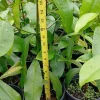
This big pitanga live fruit tree typically arrives as a healthy, actively growing plant, standing approximately 2-3 feet tall from the base of the pot to the top of its foliage. It is shipped in a nursery pot, ensuring its roots are well-established and ready for transplanting. Pitanga shrubs can eventually reach a mature height of 10-13 feet (3-4 meters) in ideal conditions, though they are easily maintained at smaller sizes through regular pruning, especially when grown as hedges or in containers. The plant will establish quickly and begin to flower and fruit continuously during the summer and autumn months once mature enough. The fruits are typically 0.8-1 inch (2-2.5 cm) in diameter, featuring a distinctive ribbed shape. The growth rate is moderate, allowing for noticeable development within a single growing season. This makes it an ideal choice for those looking to add substantial edible landscape plants to their garden.
Frequently Asked Questions
- Q: How big does this Big Pitanga live fruit tree get? A: This particular plant is 2-3 feet tall upon arrival. In optimal conditions, a mature Pitanga shrub can reach between 10-13 feet (3-4 meters) in height, but it can be kept smaller with regular pruning.
- Q: Is this an indoor or outdoor plant? A: The big pitanga live fruit tree is primarily an outdoor plant, thriving in subtropical and tropical climates. It can be grown in all Mediterranean climate regions. In colder zones, it can be grown in a container and brought indoors during winter or treated as an annual.
- Q: How much sunlight does the Surinam Cherry plant need? A: This plant requires a sunny location, ideally receiving at least 6-8 hours of direct sunlight per day. Full sun encourages the best fruit production and overall plant health.
- Q: Is this plant easy to care for? A: Yes, the Pitanga is considered a rustic and undemanding plant, making surinam cherry plant care relatively easy. It adapts to a wide range of soils and is quite tolerant once established, provided it has good drainage and adequate sunlight.
- Q: What condition will the Eugenia uniflora for sale arrive in? A: Your eugenia uniflora for sale will arrive as a live, healthy plant, typically 2-3ft tall, carefully packaged in a nursery pot with its roots securely in soil, ready for planting.
- Q: When is the best time to plant a Pitanga tree? A: The best time to plant a Pitanga tree is in spring or early summer, after the last risk of frost has passed. This allows the plant ample time to establish its root system before cooler temperatures.
- Q: Can I use the fruits from this Big Pitanga live fruit tree for cooking? A: Absolutely! The fruits of the big pitanga live fruit tree are highly versatile. They can be consumed fresh, or used in juices, pastries, jams, and ice cream, offering a unique, slightly tart, and aromatic flavor.
- Q: Will this plant survive winter in my zone? A: The Pitanga has some resistance to light frosts. It is best suited for USDA zones 9-11 outdoors. In zones with colder winters, it should be protected or grown in a container that can be moved indoors.
- Q: What type of soil does the Surinam Cherry prefer? A: The Surinam Cherry plant adapts to a wide range of soils but absolutely requires well-draining soil. It does not tolerate waterlogged, limestone, or very saline soils. A rich, loamy, well-draining mix is ideal.
- Q: How long until this plant produces fruit? A: A 2-3ft plant is typically already mature enough to begin flowering and fruiting. You can expect continuous flowering and fruiting during the summer and autumn months once it establishes in its new location.
Be the first to review “Big Pitanga Live Fruit Tree – Surinam Cherry Plant – 2-3ft Tall – Outdoor”
You must be logged in to post a review.
People also Viewed
Sold 50 products
Original price was: $37.48.$23.98Current price is: $23.98.
Sold 50 products
$32.38
Sold 50 products
$27.38
Sold 50 products
$32.38
Sold 50 products
$19.88
Sold 50 products
$62.38
Sold 50 products
$24.88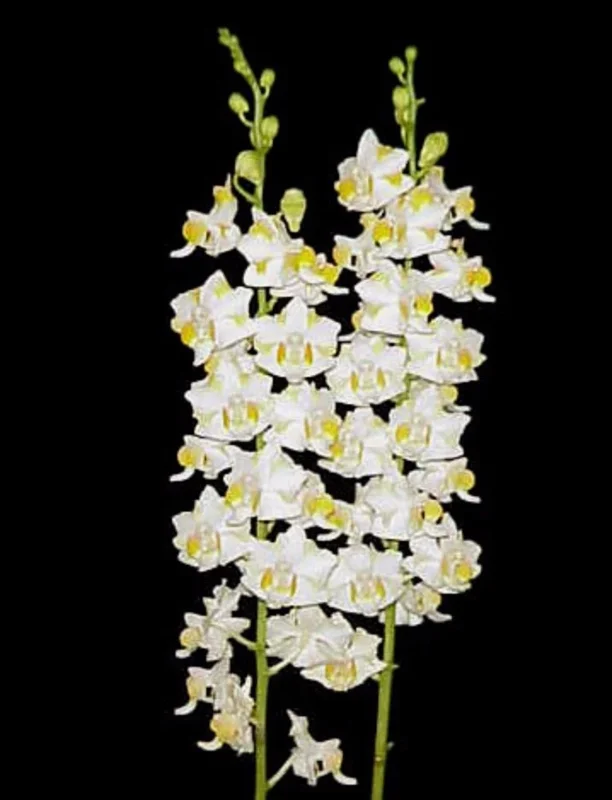
Houseplants
Phalaenopsis pulcherrima ‘Mauna Kea Snow’ Orchid Live Plant – White Flowers, Potted 2.5 in
Sold 50 products
$49.88RELATED posts
Awapuhi Wild Ginger Plant: Zones, Care, and Propagation
Learn which USDA zones suit awapuhi wild ginger, plus sunlight, water, planting, propagation, pests, size, [...]
Awapuhi Shampoo Ginger – Care, Growing Zones, and Differences
Learn how to grow awapuhi (shampoo) ginger, its USDA zones, watering schedule, propagation tips, and [...]
Awapuhi Shampoo Plant Buying Guide – Choose the Right Zingiber zerumbet
META: Learn which awapuhi (shampoo ginger) plant or rhizome pack gives the best natural shampoo, [...]
Awapuhi Plant for Sale: Complete Buying Guide
Find the right awapuhi (shampoo ginger) plant, size, price, soil mix, and online source. Practical [...]
Shampoo Ginger Plant for Sale – Buying Guide & Tips
Find the right shampoo ginger plant, size, price, and care tips. Quick guide for U.S. [...]
Shampoo Ginger Plant (Awapuhi) Care Guide
Learn how to grow, care for, and use shampoo ginger (Zingiber zerumbet), the tropical awapuhi [...]
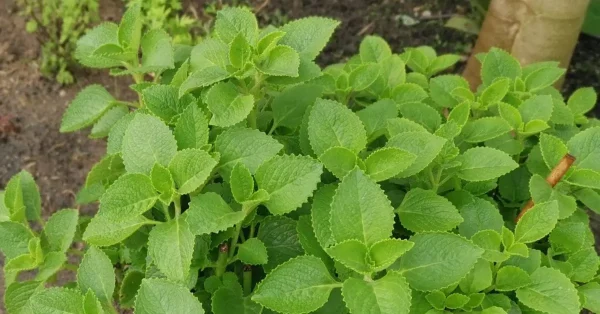
How to Grow Cuban Oregano Plants: A Complete Care Guide
If you’ve ever wanted a plant that combines the culinary punch of traditional oregano with [...]
Aug
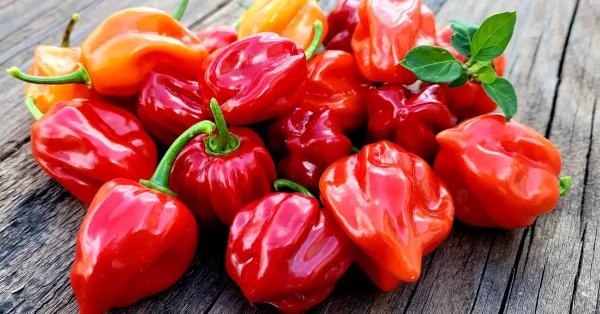
How to Grow Habanero Pepper Plants: A Step-by-Step Guide
Habanero pepper plants are prized for their vibrant colors, intense heat, and exceptional flavor, making [...]
Aug
Reviews
There are no reviews yet.