
Joshua Tree Seeds – Yucca brevifolia Desert Plant (5 Seeds) – Drought Tolerant Outdoor
Original price was: $25.00.$17.50Current price is: $17.50.
Cultivate the iconic Joshua Tree in your own garden with this pack of 5 Yucca brevifolia seeds. Known for its unique silhouette and resilience, this desert plant seeds offer a chance to grow a piece of the American Southwest. Ideal for arid climates and zones 6-10.
Shipping and Return policies:
We stand behind our plants with our Alive & Thrive Guarantee. If you experience any issues within the first 30 days, please email us, and our team will be happy to help. When needed, we’ll send you a one-time replacement free of charge to make sure your garden keeps growing strong.

Reasonable Price
We offer reasonable price

Support 24/7
Contact us 24 hrs a day
100% Money Back
You’ve 30 days to Return
Payment Secure
100% secure payment
Overview
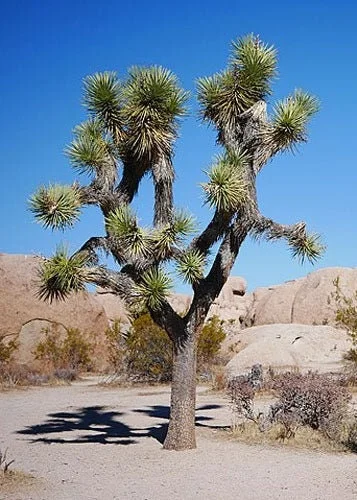
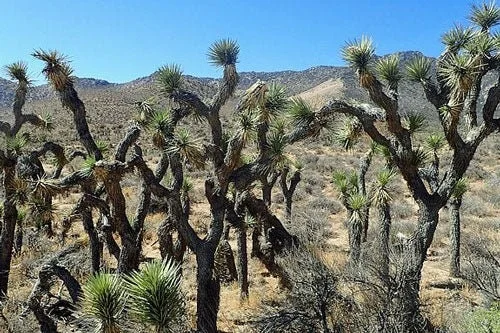
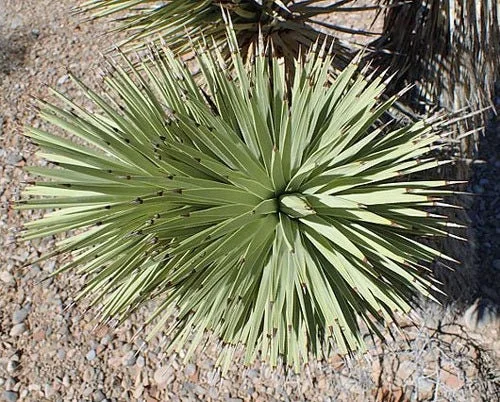
Embark on a rewarding gardening journey by growing the magnificent Joshua Tree seeds from scratch. This pack contains 5 premium Yucca brevifolia seeds, allowing you to cultivate one of the most iconic and distinct plants native to the southwestern United States. The Joshua Tree, or Yucca brevifolia, is celebrated for its striking, sculptural form and its incredible ability to thrive in the harsh, arid conditions of the Mojave Desert. It’s not just a plant; it’s a symbol of resilience and the rugged beauty of desert ecosystems.
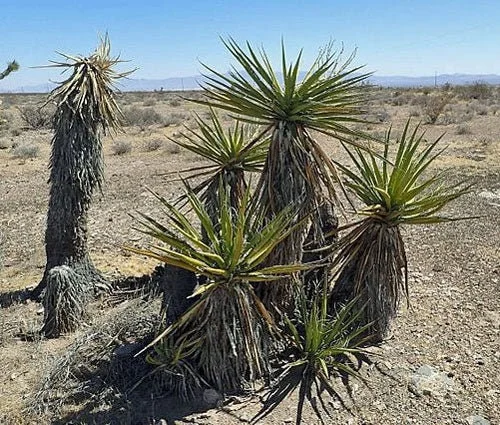
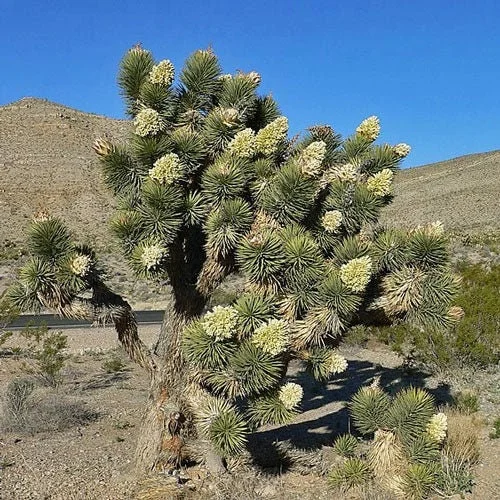
These slow-growing succulents can eventually reach impressive heights of up to 40 feet, developing dense clusters of spiky, sword-like leaves that create a spherical canopy. Imagine adding such a significant and visually captivating specimen to your landscape! Growing a Joshua Tree from seed is a patient endeavor, but the result is a truly unique and long-lasting addition to your garden, connecting you directly to the spirit of the desert.
Whether you’re an experienced desert gardener or a curious enthusiast looking for a unique challenge, these Yucca brevifolia seeds provide the perfect opportunity to nurture a living legend. Prepare to witness the slow but steady development of this culturally and ecologically important plant, adding unparalleled character to your outdoor space.
Key Benefits
Growing Joshua Tree seeds offers a multitude of benefits, from enhancing your landscape to connecting with nature’s resilience. These seeds provide a unique opportunity to cultivate a truly special and enduring plant.
- Iconic Landscape Feature: Create a dramatic and unique focal point in your garden with the unmistakable silhouette of a mature Joshua Tree, a true symbol of the American Southwest.
- Drought Tolerance: Once established, these plants are exceptionally drought-tolerant, requiring minimal water and making them ideal for xeriscaping and water-wise gardens.
- Ecological Importance: Contribute to local ecosystems by growing a plant that provides habitat and food for various desert wildlife, including the yucca moth, its primary pollinator.
- Low Maintenance (Mature): While germination requires patience, mature Yucca brevifolia plants are remarkably low-maintenance, thriving in challenging conditions with little intervention.
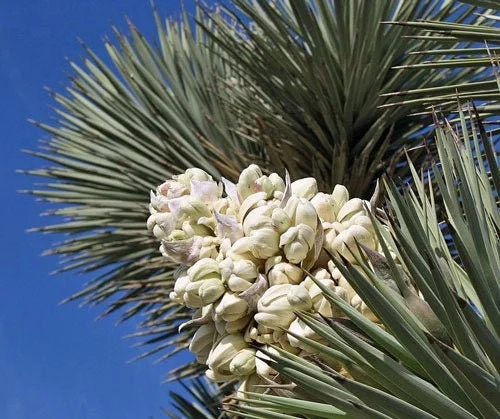
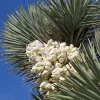
- Unique Foliage and Flowers: Enjoy the distinctive spiky, sword-like leaves and, in spring, clusters of creamy, bell-shaped flowers that add a subtle beauty to the desert landscape.
- Long-Lived Specimen: Joshua Trees are known for their longevity, meaning your efforts in growing these Yucca brevifolia seeds will result in a plant that can be enjoyed for generations.
- Educational Experience: The process of germinating and growing these desert plant seeds offers a fascinating and educational experience, teaching patience and appreciation for desert flora.
Plant Care & Growing Tips
Germinating Yucca brevifolia seeds and nurturing young Joshua Tree seedlings requires a specific approach to mimic their natural desert environment. Patience is key, as germination can be slow and variable. Begin by scarifying the tough seed coat: place the Joshua Tree seeds in a container and pour boiling water over them, allowing them to soak for 24 hours. This crucial step helps to soften the outer layer, facilitating water absorption and encouraging germination.
After scarification, plant the seeds in a well-draining, sandy soil mix, burying them just beneath the surface. A mix formulated for succulents or cacti is ideal. Maintain consistent moisture in the soil, ensuring it is damp but never waterlogged, as excessive moisture can lead to rot. Position your container in a warm, sunny location, aiming for a temperature range of 70-90°F (21-32°C). This warmth is vital for successful Joshua Tree germination. Consider using a heat mat if your environment is too cool. Full sun exposure is beneficial for established plants, but young seedlings may appreciate some afternoon shade in extremely hot climates.
Fertilization is generally not heavily required for these desert plant seeds. Once seedlings are established, a very diluted, low-nitrogen fertilizer can be applied sparingly during the growing season. Protect young plants from frost, especially if you live in a colder part of their hardiness range. Common problems include overwatering, which causes root rot, and insufficient warmth for germination. Ensure excellent drainage and appropriate temperatures to give your Yucca brevifolia seeds the best chance to flourish into magnificent Joshua Trees. Transplant seedlings carefully once they are robust enough to handle, eventually moving them to their permanent outdoor location in well-draining soil.
Size & Details
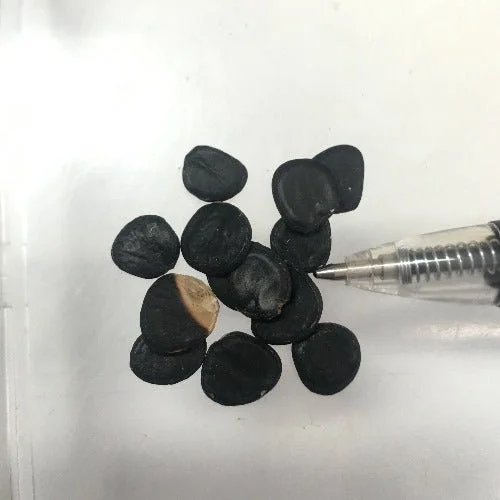
This product includes 5 viable Joshua Tree seeds (Yucca brevifolia), carefully selected for quality. These seeds will arrive in a protective packet, ready for germination. While germination time can vary, typically taking several weeks to several months, the effort is well worth the wait. Once established, the Joshua Tree is a slow-growing succulent that can eventually reach an impressive height of up to 40 feet with a spread of 15-25 feet, though this can take many decades. Its growth rate is approximately 2-4 inches per year in optimal conditions.
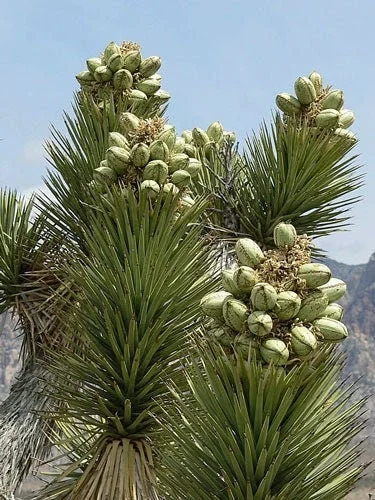
The mature plant develops a distinctive trunk and an irregular branching habit, topped with dense clusters of spiky, sword-like leaves, each typically 8-14 inches long. These plants are best suited for outdoor cultivation in USDA Hardiness Zones 6-10, where they can thrive in full sun and well-draining soil. The flowers, which appear in spring, are creamy white and bell-shaped, attracting pollinators. Growing these Yucca brevifolia seeds offers the unique opportunity to cultivate a truly long-lived and iconic desert specimen, contributing to the unique character of your landscape for many years to come.
Frequently Asked Questions
- Q: How big does a Joshua Tree get? A: A mature Joshua Tree can eventually reach heights of up to 40 feet, with a spread of 15-25 feet. However, they are very slow-growing, often taking many decades to reach their full size.
- Q: Is this an indoor or outdoor plant? A: The Joshua Tree is primarily an outdoor plant, especially once established. Young seedlings can be started indoors in controlled conditions, but they will eventually need to be transplanted outdoors to thrive in full sun and arid conditions.
- Q: How much sunlight do Joshua Tree seeds need for germination? A: For Joshua Tree germination, the seeds themselves don’t require direct sunlight, but the soil needs to be kept warm, ideally between 70-90°F (21-32°C). Once seedlings emerge, they will require bright, sunny conditions.
- Q: Is this plant easy to care for? A: Germinating Yucca brevifolia seeds requires patience and specific care steps. Once established, mature Joshua Trees are very low-maintenance and highly drought-tolerant, making them easy to care for in appropriate climates.
- Q: What condition will the seeds arrive in? A: Your Joshua Tree seeds will arrive as dry, viable seeds in a protective packet, ready for you to begin the germination process. They are not pre-sprouted or in soil.
- Q: How long until it blooms? A: Joshua Trees can take many years, often decades, to reach maturity and begin flowering. The blooming period is typically in the spring, producing creamy, bell-shaped flowers.
- Q: Will it survive winter in my zone? A: Joshua Trees are hardy in USDA Zones 6-10. If you are in these zones, an established plant should survive winter. Young seedlings may need protection from severe frost in the lower end of this range.
- Q: What type of soil is best for Joshua Tree seeds? A: A well-draining, sandy soil mix is crucial for successful Joshua Tree germination and growth. Avoid heavy, clay-rich soils that retain too much moisture.
- Q: How many seeds are included in this pack? A: This pack contains 5 high-quality Yucca brevifolia seeds, providing you with multiple opportunities to grow these magnificent desert plants.
- Q: What is the best time to plant Joshua Tree seeds? A: The best time to plant Joshua Tree seeds is typically in late winter or early spring, mimicking their natural germination cycle after winter rains, but with controlled indoor conditions, they can be started year-round.
Be the first to review “Joshua Tree Seeds – Yucca brevifolia Desert Plant (5 Seeds) – Drought Tolerant Outdoor”
You must be logged in to post a review.
People also Viewed
Sold 50 products
Original price was: $109.95.$79.98Current price is: $79.98.
Sold 50 products
Original price was: $25.00.$17.50Current price is: $17.50.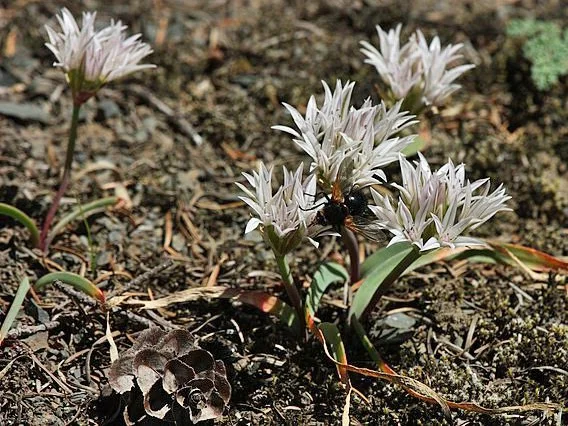
Flower Seeds
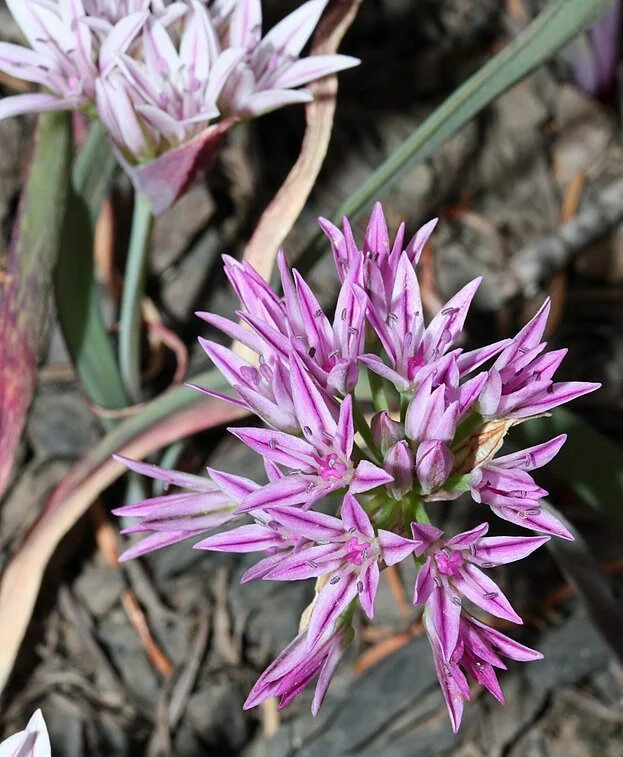
Olympic Onion Seeds – Allium crenulatum Flower Seeds – 10 Seed Pack – Outdoor Native Plant
Sold 50 products
Original price was: $25.00.$17.50Current price is: $17.50.
Sold 50 products
Original price was: $25.00.$17.50Current price is: $17.50.
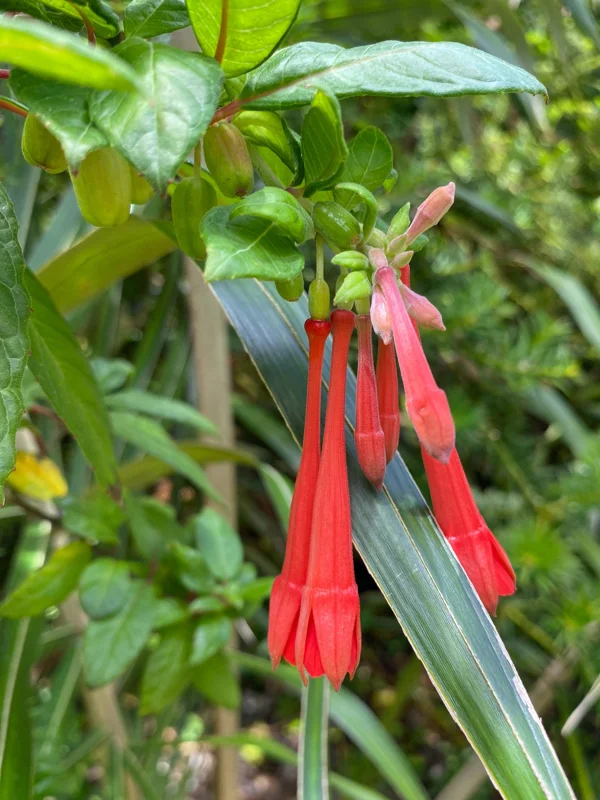
Flower Seeds
Fuchsia vulcanica Seeds – 20 Pack – Vibrant Orange Coral Flowers for Garden & Containers
Sold 50 products
Original price was: $25.00.$17.50Current price is: $17.50.
Sold 50 products
Original price was: $116.98.$95.68Current price is: $95.68.
Sold 50 products
Original price was: $21.00.$14.10Current price is: $14.10.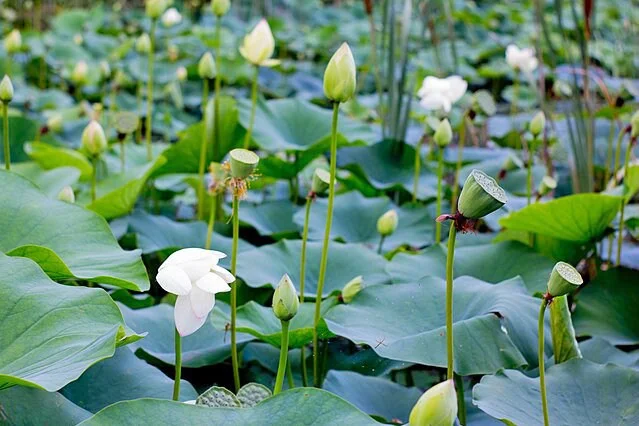
Aquatic Plant Seeds
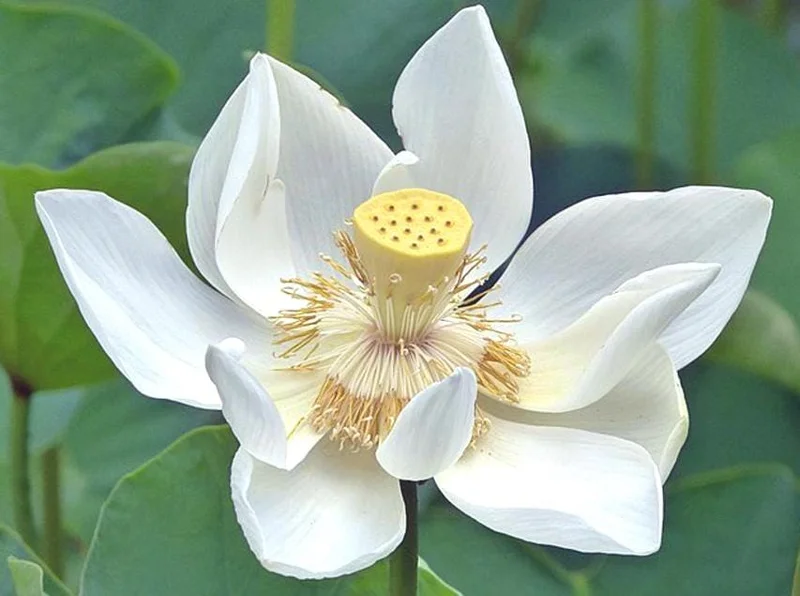
White Lotus Seeds – Nelumbo Nucifera Aquatic Pond Plant – 5 Seeds for Water Garden
Sold 50 products
Original price was: $29.00.$20.90Current price is: $20.90.RELATED posts
Awapuhi Wild Ginger Plant: Zones, Care, and Propagation
Learn which USDA zones suit awapuhi wild ginger, plus sunlight, water, planting, propagation, pests, size, [...]
Awapuhi Shampoo Ginger – Care, Growing Zones, and Differences
Learn how to grow awapuhi (shampoo) ginger, its USDA zones, watering schedule, propagation tips, and [...]
Awapuhi Shampoo Plant Buying Guide – Choose the Right Zingiber zerumbet
META: Learn which awapuhi (shampoo ginger) plant or rhizome pack gives the best natural shampoo, [...]
Awapuhi Plant for Sale: Complete Buying Guide
Find the right awapuhi (shampoo ginger) plant, size, price, soil mix, and online source. Practical [...]
Shampoo Ginger Plant for Sale – Buying Guide & Tips
Find the right shampoo ginger plant, size, price, and care tips. Quick guide for U.S. [...]
Shampoo Ginger Plant (Awapuhi) Care Guide
Learn how to grow, care for, and use shampoo ginger (Zingiber zerumbet), the tropical awapuhi [...]
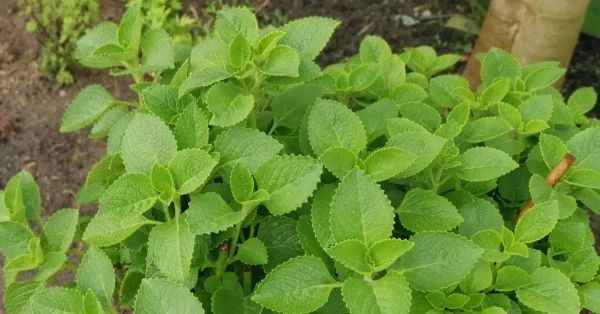
How to Grow Cuban Oregano Plants: A Complete Care Guide
If you’ve ever wanted a plant that combines the culinary punch of traditional oregano with [...]
Aug
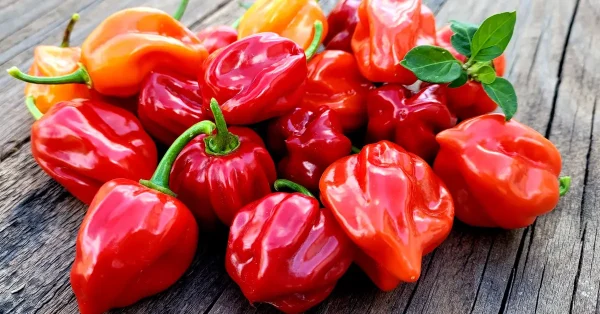
How to Grow Habanero Pepper Plants: A Step-by-Step Guide
Habanero pepper plants are prized for their vibrant colors, intense heat, and exceptional flavor, making [...]
Aug
Reviews
There are no reviews yet.