
Desert Willow Seeds – Chilopsis linearis subsp. arcuata – 25 Seeds for Drought Tolerant Landscapes
Original price was: $25.00.$17.50Current price is: $17.50.
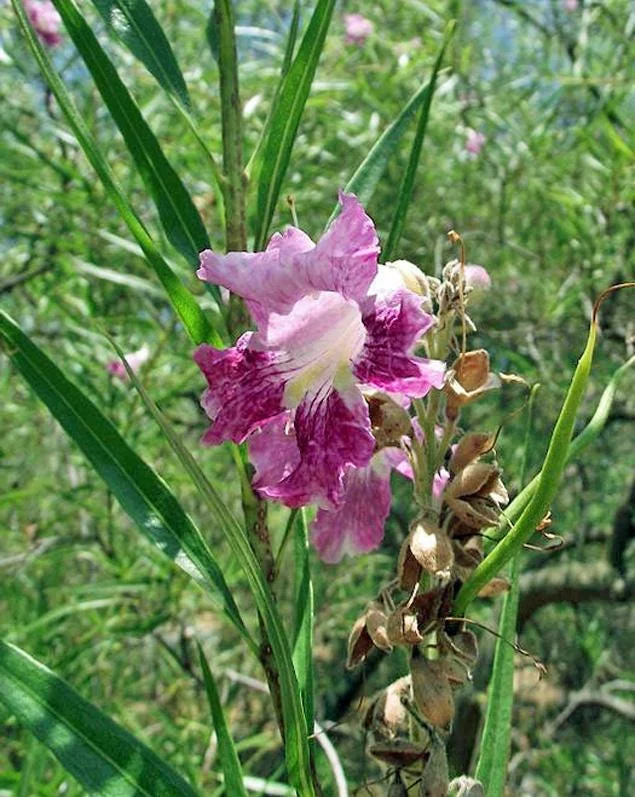
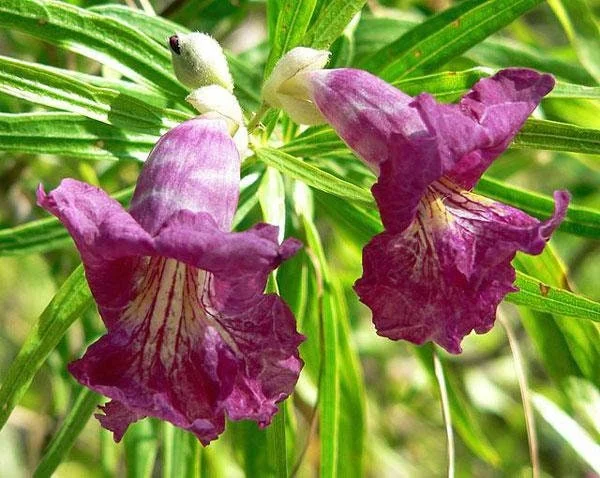
Cultivate stunning Desert Willow seeds (Chilopsis linearis subsp. arcuata) and bring a touch of elegance to your garden. These drought tolerant seeds produce a graceful tree with vibrant, trumpet-shaped flowers, perfect for attracting pollinators and thriving in arid conditions.
Shipping and Return policies:
We stand behind our plants with our Alive & Thrive Guarantee. If you experience any issues within the first 30 days, please email us, and our team will be happy to help. When needed, we’ll send you a one-time replacement free of charge to make sure your garden keeps growing strong.

Reasonable Price
We offer reasonable price

Support 24/7
Contact us 24 hrs a day
100% Money Back
You’ve 30 days to Return
Payment Secure
100% secure payment
Overview
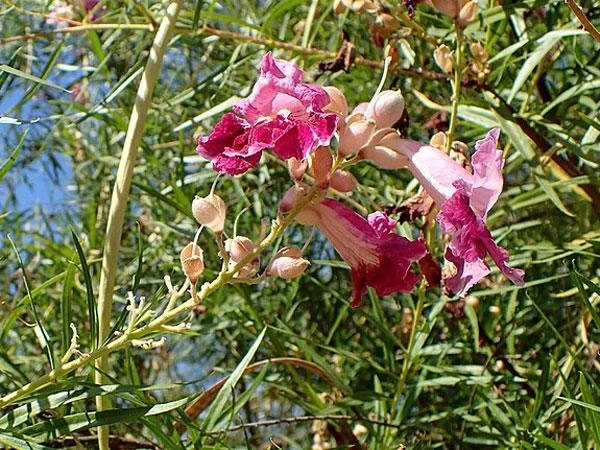
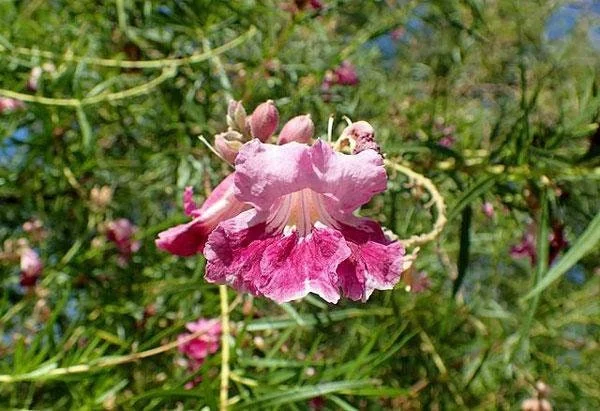
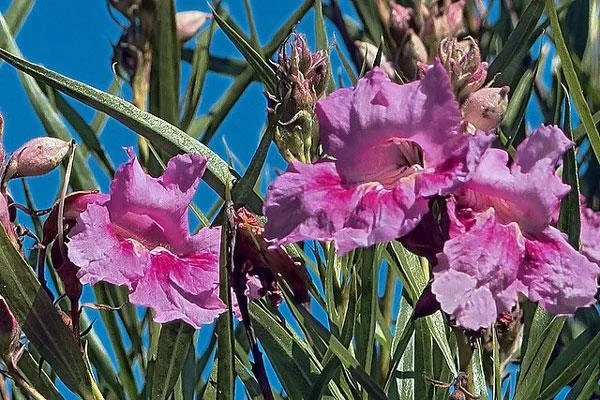
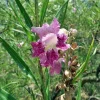
Embark on a rewarding gardening journey with our premium desert willow seeds (Chilopsis linearis subsp. arcuata). Commonly known as desert willow, this remarkable plant is a small deciduous tree or large shrub native to the arid regions of southwestern North America. Ideal for those seeking a resilient yet beautiful addition to their landscape, these seeds will grow into a striking specimen known for its narrow, willow-like leaves and an abundance of showy, trumpet-shaped flowers. The blooms, which can range from pale pink to lavender, are not only a visual delight but also a magnet for beneficial pollinators like bees and hummingbirds. Our chilopsis linearis subsp arcuata seeds offer the opportunity to cultivate a plant celebrated for its drought tolerance and ability to thrive in challenging, water-wise environments, making it an excellent choice for sustainable gardening.
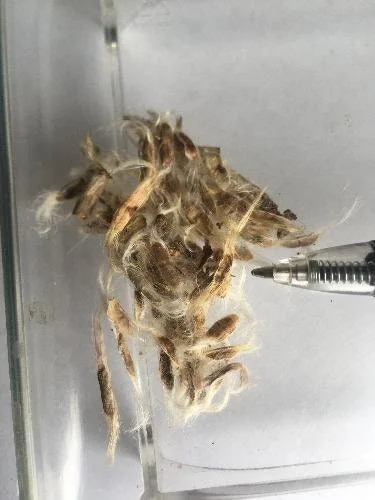
Each packet contains 25 Desert Willow seeds, providing a generous start for your planting endeavors. The Desert Willow’s graceful form and delicate beauty contribute significantly to its popularity in gardens, offering a touch of vibrant color and elegance to dry environments. Whether you’re an experienced gardener or just starting, growing a desert willow tree from seed is a fulfilling experience, resulting in a landscape feature that combines aesthetic appeal with ecological benefits. Prepare to transform your outdoor space with this resilient and captivating species.
Key Benefits
Growing desert willow seeds offers a multitude of advantages for your garden and local ecosystem. This plant is a true gem for sustainable landscaping, providing beauty with minimal resource input.
- Exceptional Drought Tolerance: The desert willow tree is naturally adapted to arid conditions, requiring very little water once established. This makes it an ideal choice for xeriscaping and water-wise gardens, helping you conserve water and reduce irrigation needs.
- Vibrant Pollinator Attraction: Its showy, trumpet-shaped flowers, blooming in shades of pink and lavender, are highly attractive to beneficial pollinators such as bees and hummingbirds. This supports local biodiversity and helps improve the health of your garden ecosystem.
- Graceful Ornamental Value: With its elegant, willow-like foliage and profusion of colorful blooms, the Desert Willow adds significant aesthetic appeal to any landscape. It provides a unique visual texture and a long blooming period, enhancing curb appeal.
- Adaptable to Various Soils: While preferring well-draining soil, the chilopsis linearis subsp arcuata is quite adaptable and can tolerate a range of soil types, making it a versatile option for different garden settings.
- Low Maintenance: Once established, this tree requires minimal care, thriving with little intervention. Its natural resilience means less pruning, fertilizing, and pest management compared to many other ornamental trees.
- Erosion Control: Its strong root system can help stabilize soil on slopes and in areas prone to erosion, making it a practical choice for challenging terrains.
- Unique Southwestern Charm: Bring the distinctive beauty of the American Southwest to your garden. The desert willow embodies the resilience and charm of desert flora, creating a unique and inviting atmosphere.
Plant Care & Growing Tips
Successfully growing a desert willow tree from desert willow seeds requires attention to specific conditions, especially during germination and early growth. For optimal germination of chilopsis linearis subsp arcuata seeds, scarification is highly recommended. Gently rub the seeds with sandpaper or nick the seed coat with a knife to break dormancy. Following scarification, soak the seeds in room temperature water for 24 hours to further soften the coat and encourage germination. Prepare a well-draining seed starting mix, ideally one formulated for succulents or cacti, to prevent waterlogging. Sow the seeds at a shallow depth of about 1/4 inch in individual containers or seed trays.
Maintain consistent moisture in the soil, ensuring it is damp but never soggy, as excessive moisture can lead to rot. Place the containers in a warm location, ideally with temperatures between 70-80°F (21-27°C), to stimulate germination. This process typically takes 2-4 weeks. Once seedlings emerge, provide them with bright, indirect light to encourage strong, healthy growth. As they mature, gradually acclimate them to outdoor conditions over a period of 1-2 weeks before transplanting them to their permanent location in the garden. The desert willow thrives in full sun, requiring at least 6-8 hours of direct sunlight daily for best flowering. It is hardy in USDA Zones 6-9, but young plants may need winter protection in the colder parts of its range. Fertilization is generally not heavily needed once established, especially in good soil, but a balanced, slow-release fertilizer can be applied sparingly in spring if growth appears sluggish. Minimal pruning is required, mainly for shaping or removing dead branches after flowering.
Size & Details
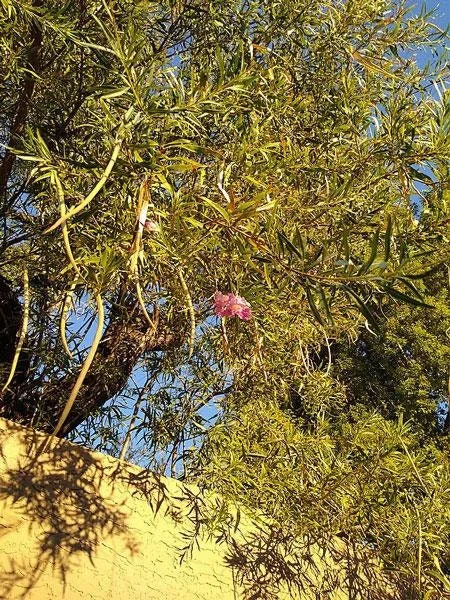
Our offering includes 25 desert willow seeds, providing a robust quantity for starting your own collection of this beautiful and resilient plant. The desert willow tree (Chilopsis linearis subsp. arcuata) is a fast-growing species that typically reaches a mature height of 15-30 feet with a similar spread, forming a graceful, multi-stemmed shrub or small tree. Its growth rate is considered moderate to fast, allowing you to enjoy its beauty relatively quickly. The seeds will arrive in a protective packet, ready for planting.
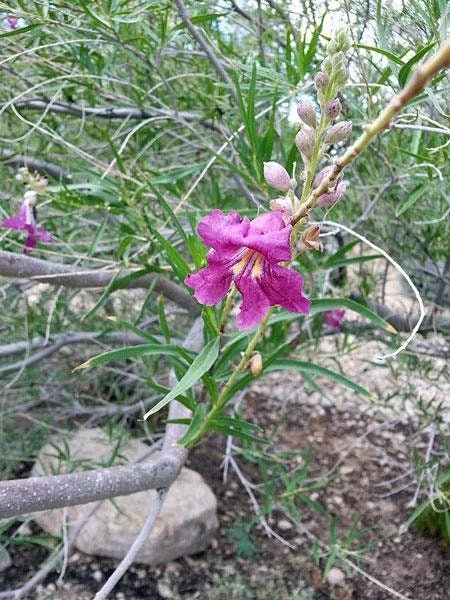
Once established, this plant develops an open, airy canopy with narrow, light green leaves. The showy, trumpet-shaped flowers, which are the main attraction, typically appear from late spring through fall, providing an extended period of color. The plant is shipped as seeds, offering you the satisfaction of nurturing it from its earliest stage to a magnificent mature specimen. Expect to see initial blooms within 2-3 years after planting from seed, with more prolific flowering as the tree matures.
Frequently Asked Questions
- Q: How big does this plant get? A: The desert willow tree typically grows to a height of 15-30 feet with a similar spread, forming a graceful small tree or large shrub. Its size can vary based on growing conditions and pruning.
- Q: Is this an indoor or outdoor plant? A: The desert willow is primarily an outdoor plant, best suited for warm, arid climates. It thrives in full sun and is not typically grown as an indoor houseplant.
- Q: How much sunlight does it need? A: This plant requires full sun, meaning at least 6-8 hours of direct sunlight per day, to achieve its best growth and most abundant flowering.
- Q: Is this plant easy to care for? A: Once established, the desert willow tree is considered very easy to care for due to its drought tolerance and low maintenance needs. Germinating the desert willow seeds requires specific steps like scarification.
- Q: What condition will the seeds arrive in? A: Your desert willow seeds will arrive in a protective packet, ensuring they are fresh and viable for planting. They are ready for you to begin the germination process.
- Q: How long until it blooms? A: When grown from seed, the desert willow typically begins to bloom within 2-3 years, with flowering becoming more prolific as the plant matures.
- Q: When is the best time to plant these seeds? A: The best time to start desert willow seeds indoors is in late winter or early spring. Once seedlings are established and the risk of frost has passed, they can be transplanted outdoors.
- Q: Will it survive winter in my zone? A: The desert willow is hardy in USDA Zones 6-9. In colder parts of this range, young plants may benefit from winter protection during their first few years.
- Q: What type of soil does the Desert Willow prefer? A: It prefers well-draining soil, thriving in sandy or gravelly loams. Good drainage is crucial to prevent root rot, especially during establishment.
- Q: Is the Desert Willow beneficial for wildlife? A: Yes, the vibrant flowers of the desert willow tree are a significant attractant for pollinators like bees and hummingbirds, making it a valuable addition to a wildlife-friendly garden.
Be the first to review “Desert Willow Seeds – Chilopsis linearis subsp. arcuata – 25 Seeds for Drought Tolerant Landscapes”
You must be logged in to post a review.
People also Viewed
Sold 50 products
Original price was: $109.95.$79.98Current price is: $79.98.
Sold 50 products
Original price was: $25.00.$17.50Current price is: $17.50.
Flower Seeds
Olympic Onion Seeds – Allium crenulatum Flower Seeds – 10 Seed Pack – Outdoor Native Plant
Sold 50 products
Original price was: $25.00.$17.50Current price is: $17.50.
Sold 50 products
Original price was: $25.00.$17.50Current price is: $17.50.
Flower Seeds
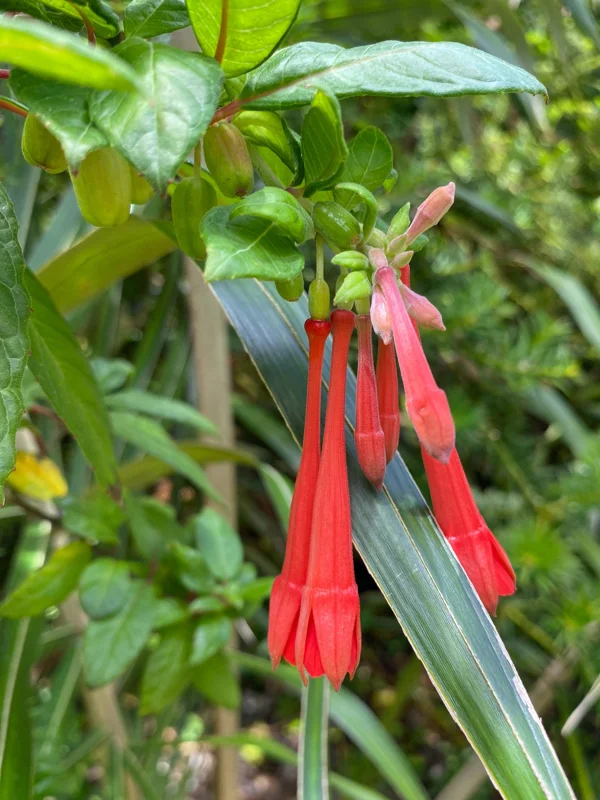
Fuchsia vulcanica Seeds – 20 Pack – Vibrant Orange Coral Flowers for Garden & Containers
Sold 50 products
Original price was: $25.00.$17.50Current price is: $17.50.
Sold 50 products
Original price was: $116.98.$95.68Current price is: $95.68.
Sold 50 products
Original price was: $21.00.$14.10Current price is: $14.10.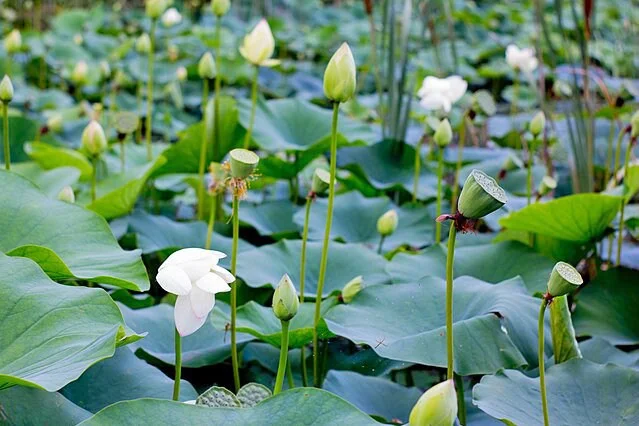
Aquatic Plant Seeds
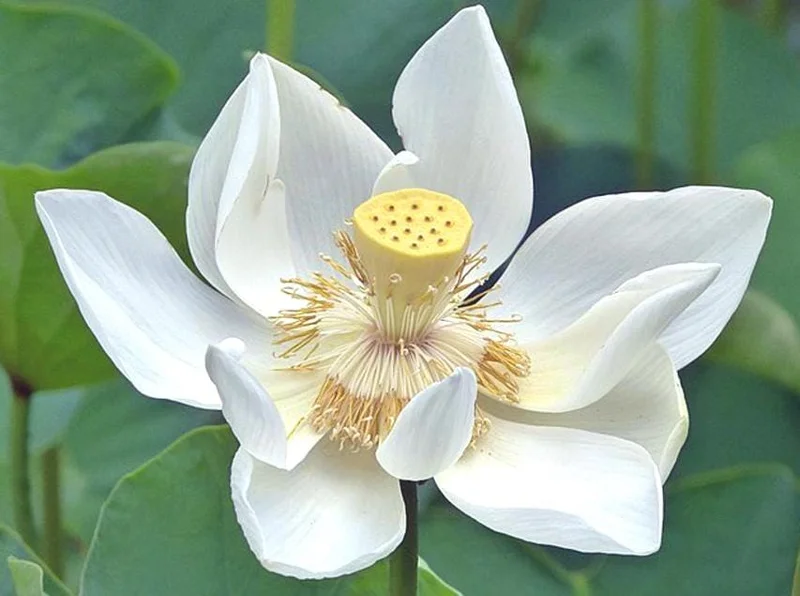
White Lotus Seeds – Nelumbo Nucifera Aquatic Pond Plant – 5 Seeds for Water Garden
Sold 50 products
Original price was: $29.00.$20.90Current price is: $20.90.RELATED posts
Awapuhi Wild Ginger Plant: Zones, Care, and Propagation
Learn which USDA zones suit awapuhi wild ginger, plus sunlight, water, planting, propagation, pests, size, [...]
Awapuhi Shampoo Ginger – Care, Growing Zones, and Differences
Learn how to grow awapuhi (shampoo) ginger, its USDA zones, watering schedule, propagation tips, and [...]
Awapuhi Shampoo Plant Buying Guide – Choose the Right Zingiber zerumbet
META: Learn which awapuhi (shampoo ginger) plant or rhizome pack gives the best natural shampoo, [...]
Awapuhi Plant for Sale: Complete Buying Guide
Find the right awapuhi (shampoo ginger) plant, size, price, soil mix, and online source. Practical [...]
Shampoo Ginger Plant for Sale – Buying Guide & Tips
Find the right shampoo ginger plant, size, price, and care tips. Quick guide for U.S. [...]
Shampoo Ginger Plant (Awapuhi) Care Guide
Learn how to grow, care for, and use shampoo ginger (Zingiber zerumbet), the tropical awapuhi [...]
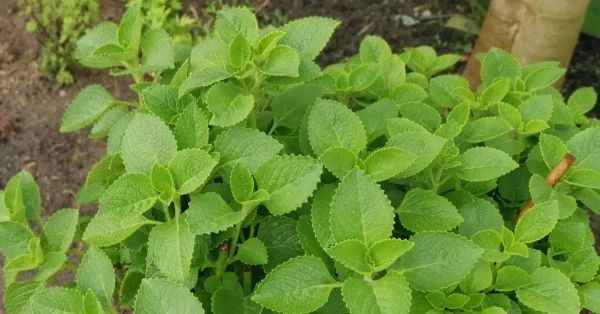
How to Grow Cuban Oregano Plants: A Complete Care Guide
If you’ve ever wanted a plant that combines the culinary punch of traditional oregano with [...]
Aug
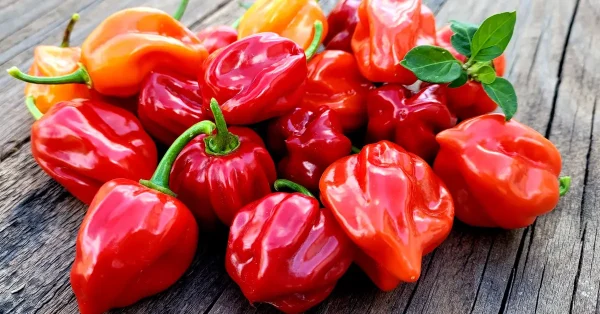
How to Grow Habanero Pepper Plants: A Step-by-Step Guide
Habanero pepper plants are prized for their vibrant colors, intense heat, and exceptional flavor, making [...]
Aug
Reviews
There are no reviews yet.