
Himalayan Honeysuckle Seeds – Leycesteria formosa – 500 Seeds – Attracts Birds & Bees
Original price was: $23.00.$15.80Current price is: $15.80.
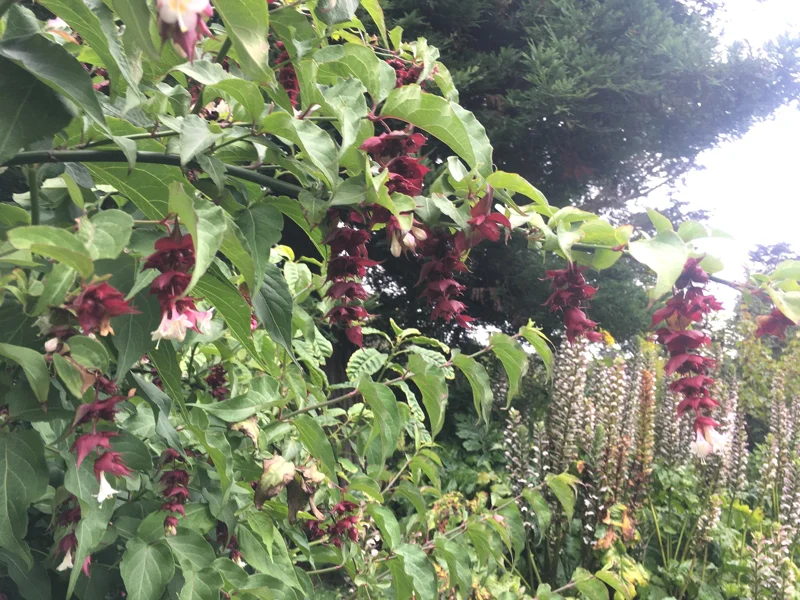
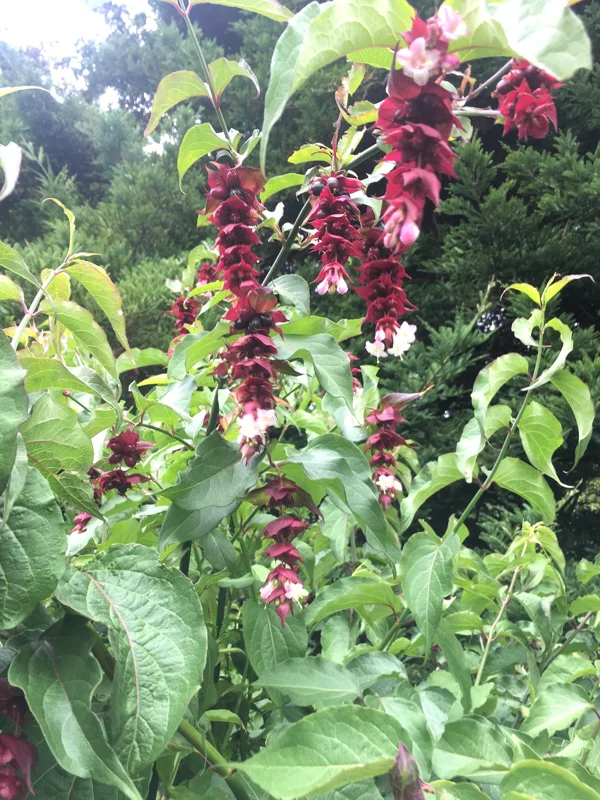
Cultivate stunning Himalayan Honeysuckle seeds (Leycesteria formosa) in your garden. This deciduous shrub offers fragrant, showy flowers, edible berries, and attracts birds, bees, and hummingbirds. Each pack contains 500 Leycesteria formosa seeds, perfect for creating a vibrant, deer-resistant landscape. Enjoy its unique beauty and sweet-tasting fruit.
Shipping and Return policies:
We stand behind our plants with our Alive & Thrive Guarantee. If you experience any issues within the first 30 days, please email us, and our team will be happy to help. When needed, we’ll send you a one-time replacement free of charge to make sure your garden keeps growing strong.

Reasonable Price
We offer reasonable price

Support 24/7
Contact us 24 hrs a day
100% Money Back
You’ve 30 days to Return
Payment Secure
100% secure payment
Overview
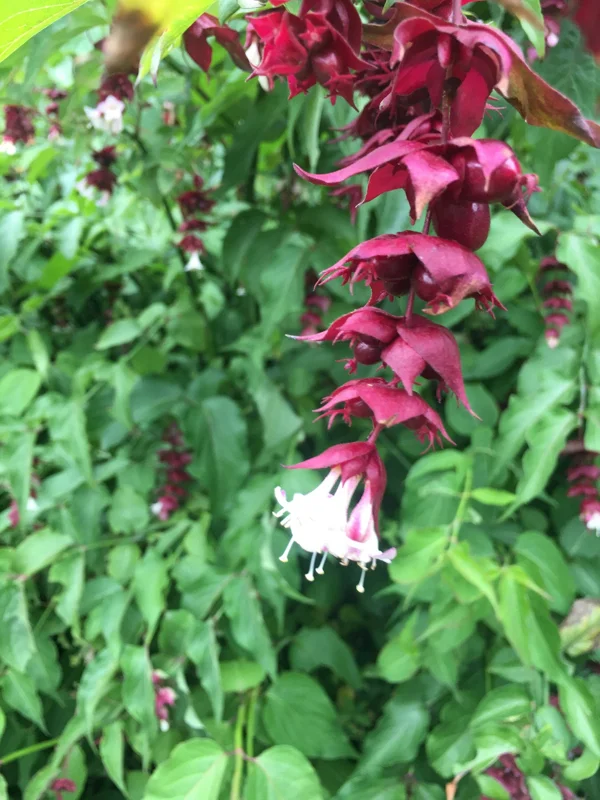
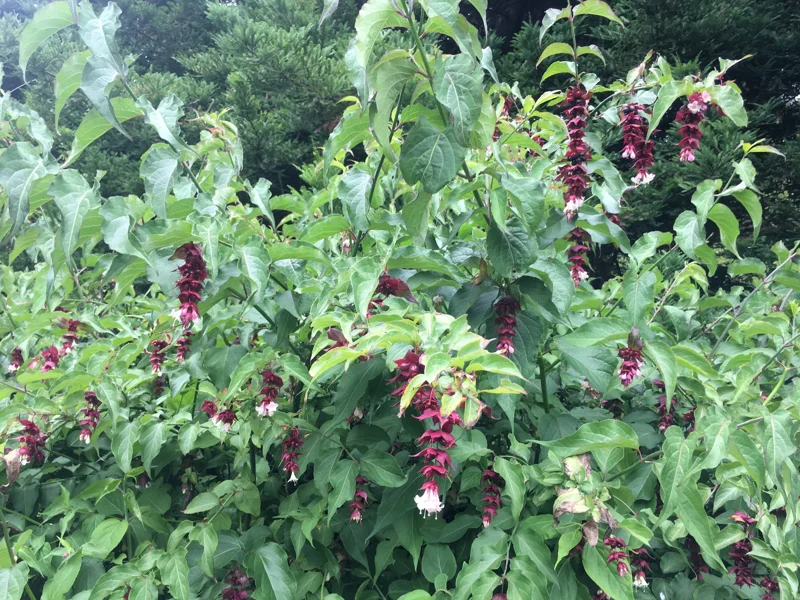
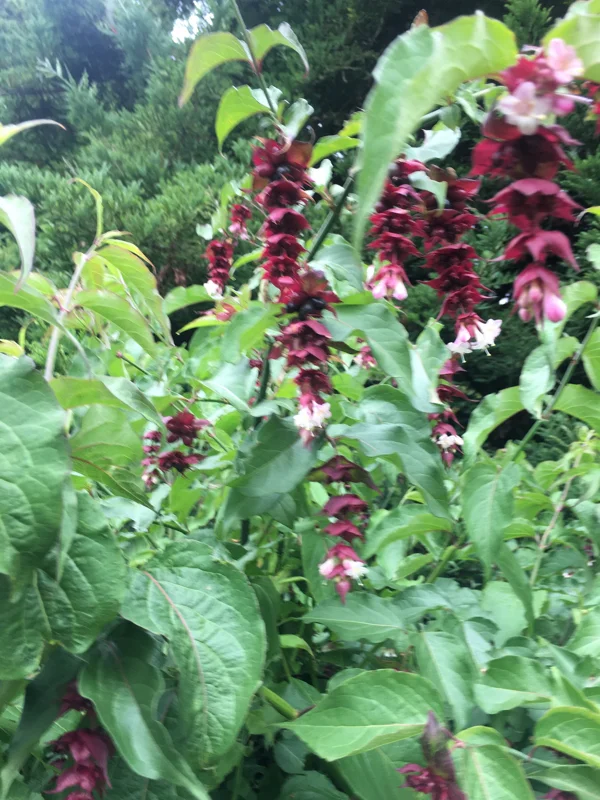
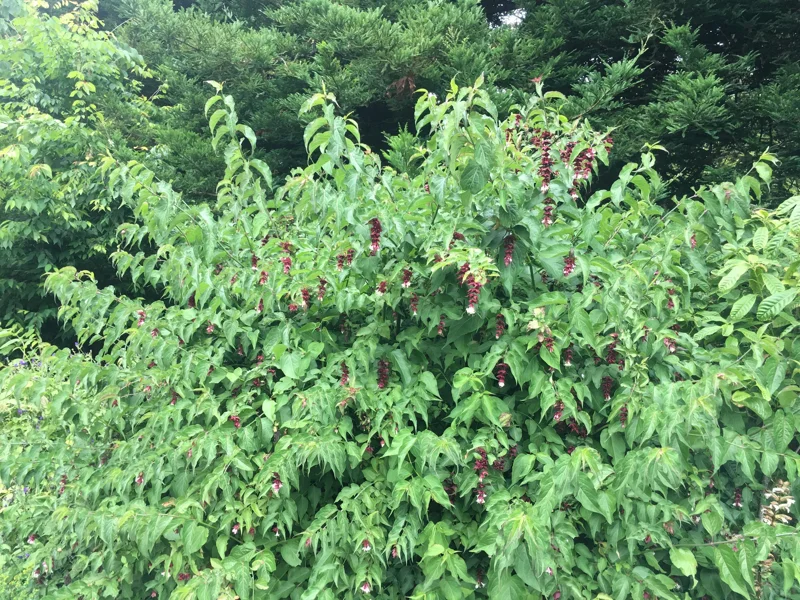
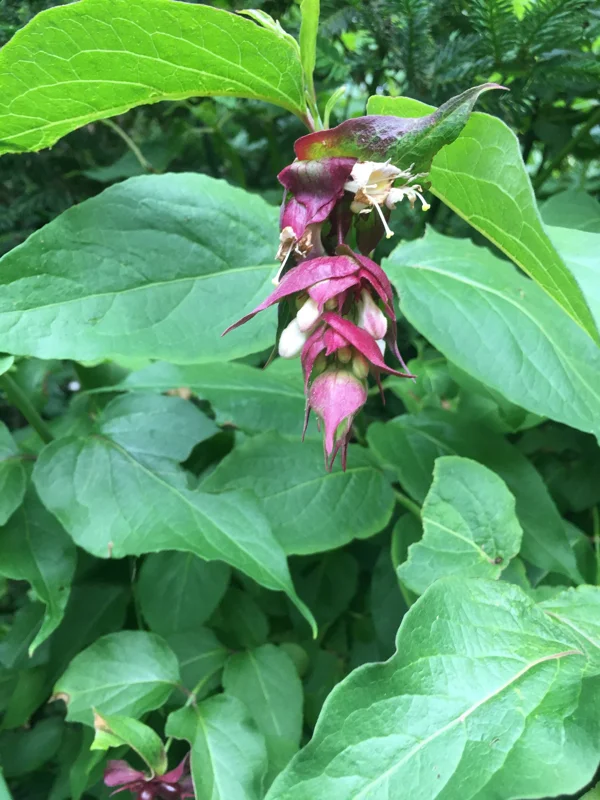
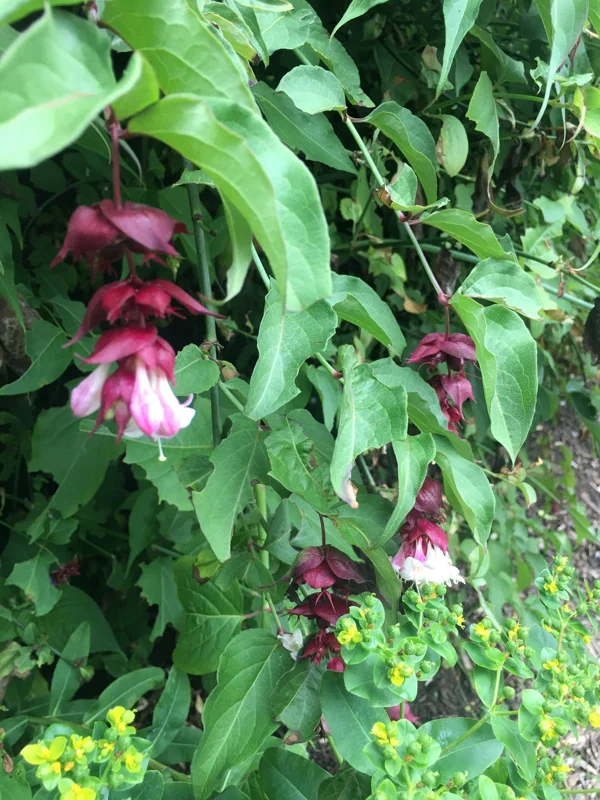
Embark on a rewarding gardening journey with Himalayan Honeysuckle seeds, also known by its botanical name, Leycesteria formosa. This offering provides 500 Leycesteria formosa seeds, allowing you to cultivate a unique and attractive deciduous shrub in your home garden. Native to Southwest China and the Himalayas, this plant is celebrated for its distinctive appearance and ecological benefits. Common names for Leycesteria formosa include flowering nutmeg, Himalaya nutmeg, granny’s curls, and pheasant berry. Its upright green stems reach heights of 3-6 feet, forming an expansive and visually appealing shrub. The true stars are its sweetly scented flowers, which hang gracefully in clusters up to 10 inches long, blooming from June through September. These striking blooms transform into green berries that ripen to black, providing a food source for birds and offering a delightful toffee or caramel-like flavor when eaten by humans. Growing Himalayan Honeysuckle seeds is a fantastic way to introduce a low-maintenance, wildlife-friendly plant to your outdoor space.
While known for its beauty, it’s worth noting that Leycesteria formosa is considered a noxious weed in some regions like New Zealand, Australia, and parts of Micronesia due to its vigorous growth and seed dispersal. However, for gardeners in appropriate climates (USDA Zones 7-9), it remains a cherished addition. This robust shrub thrives in full sun to part shade, making it adaptable to various garden settings. Its ability to attract birds, bees, and hummingbirds, coupled with its resistance to deer, makes it an ideal choice for enhancing biodiversity and enjoyment in your landscape. Prepare to be enchanted by the vibrant life and unique characteristics that flourish from these Himalayan Honeysuckle seeds.
Key Benefits
Growing Himalayan Honeysuckle seeds offers a multitude of advantages for your garden and local ecosystem. This versatile shrub provides aesthetic appeal, attracts beneficial wildlife, and is relatively easy to care for, making it a favorite among gardeners seeking both beauty and biodiversity.
- Stunning Floral Display: The plant produces long, pendulous clusters of sweetly scented flowers, often reaching 10 inches in length, creating a dramatic visual impact from early summer to fall. These unique blooms are a true garden highlight.
- Attracts Pollinators and Birds: The vibrant flowers are a magnet for bees and hummingbirds, while the ripe berries provide a crucial food source for various bird species, enhancing your garden’s ecological value.
- Edible & Flavorful Berries: The berries, which turn from green to black, are edible for humans and are said to have a delightful toffee or caramel-like taste, offering a unique culinary treat directly from your garden.
- Deer Resistant: A significant advantage for many gardeners, Leycesteria formosa seeds grow into plants that are known for their resistance to deer, helping to protect your landscape from browsing damage.
- Low Maintenance Shrub: Once established, Himalayan Honeysuckle is a relatively low-maintenance plant, requiring minimal care to thrive, making it suitable for both experienced and novice gardeners.
- Extended Bloom Time: Enjoy a prolonged period of bloom from June through September, ensuring your garden remains colorful and lively for much of the growing season.
- Unique Garden Addition: With its distinctive flowers and berries, growing pheasant berry seeds adds an exotic and interesting element to any garden design, setting it apart from more common shrub varieties.
Plant Care & Growing Tips
Cultivating Himalayan Honeysuckle seeds successfully requires understanding its basic needs, though it is generally considered a low-maintenance plant. Proper care ensures vigorous growth and abundant blooms and berries. This deciduous shrub, Leycesteria formosa, thrives in specific conditions that mimic its native Himalayan environment. When you want to grow Himalayan Honeysuckle, start by providing the right light. It prefers full sun to part shade, meaning it should receive at least 4-6 hours of direct sunlight daily. In hotter climates, some afternoon shade can protect it from scorching. Ensure your chosen location allows for its mature size, as it can grow 3-6 feet tall and equally wide, or even more expansive.
For watering, keep the soil consistently moist, especially during dry spells and in its establishment phase. Once mature, it can tolerate some drought but performs best with regular moisture. The ideal soil type is a well-drained, sandy compost. When sowing your flowering nutmeg seeds, ensure the soil doesn’t become waterlogged, as this can lead to root rot. Good drainage is crucial. Fertilization is not strictly necessary for this hardy shrub, but a balanced, slow-release granular fertilizer applied in early spring can promote healthier growth and more prolific flowering. Leycesteria formosa is hardy in USDA Zones 7-9, meaning it can withstand winter temperatures down to around 0°F to 10°F. In colder zones, it may die back to the ground but often regrows from the roots in spring. Protect young plants from severe frost.
Germination of Himalayan Honeysuckle seeds requires a period of cold stratification. Mix the seeds with some moist soil or sand in a ziplock bag and place it in your refrigerator for 60 days. After stratification, sow the seeds lightly covered with sand or grit in a well-drained, sandy compost. Place the seed tray in filtered bright light and keep the soil moist until germination occurs. Common problems are few, but watch for powdery mildew in humid conditions. Ensure good air circulation around the plant to prevent fungal issues. Pruning can be done in late winter or early spring to shape the plant, remove dead or damaged wood, and encourage new growth. Remember, if you want to grow Himalayan Honeysuckle, providing these basic conditions will lead to a thriving and attractive shrub.
Size & Details
This product includes 500 Leycesteria formosa seeds, providing an ample quantity to start numerous plants for your garden or to share with fellow enthusiasts. The Leycesteria formosa, commonly known as Himalayan Honeysuckle or pheasant berry, is a deciduous shrub that typically grows to a mature height of 3-6 feet tall and can spread to an equal or greater width, forming an attractive, bushy presence in the landscape. Its growth rate is moderate, establishing itself well within a few growing seasons. Expect the first blooms to appear in the second or third year after planting, with the main bloom time extending from June through September, followed by the development of its distinctive berries.
The seeds are shipped as a dry packet, ready for stratification and planting. Once grown, the plant’s upright green stems provide a consistent structure, leading to a full and lush appearance. The sweetly scented flowers can be quite long, often reaching 10 inches, adding a unique vertical element to the plant’s profile. The berries mature from green to black over time. These Himalayan Honeysuckle seeds offer the opportunity to cultivate a plant that brings both visual interest and ecological benefits to your outdoor space, providing a habitat and food source for local wildlife while resisting deer. For those looking to grow Himalayan Honeysuckle from scratch, this seed pack is an excellent starting point.
Frequently Asked Questions
- Q: How big does the Himalayan Honeysuckle plant get? A: The Himalayan Honeysuckle seeds will grow into a deciduous shrub that typically reaches a height of 3-6 feet tall and can spread to an equal or greater width. Its mature size makes it suitable for various garden placements.
- Q: Is this an indoor or outdoor plant? A: Leycesteria formosa is primarily an outdoor shrub. It thrives in garden settings where it can receive adequate sunlight and space to grow. It is hardy in USDA Zones 7-9.
- Q: How much sunlight does it need? A: This plant prefers full sun to part shade. For optimal growth and flowering, ensure it receives at least 4-6 hours of direct sunlight daily. In very hot climates, partial afternoon shade is beneficial.
- Q: Is this plant easy to care for? A: Yes, Himalayan Honeysuckle is considered a low-maintenance shrub once established. It’s relatively hardy and doesn’t require extensive care, making it a good choice for various gardeners.
- Q: What condition will the seeds arrive in? A: The product contains 500 Leycesteria formosa seeds, which will arrive in a dry packet, ready for you to begin the stratification and planting process.
- Q: How long until it blooms? A: You can typically expect the Himalayan Honeysuckle to begin flowering in its second or third year after planting, with blooms appearing from June through September.
- Q: When is the best time to plant Himalayan Honeysuckle seeds? A: After a 60-day cold stratification period in your refrigerator, the seeds can be sown in late winter or early spring for germination, preparing them for outdoor planting when the risk of frost has passed.
- Q: Will it survive winter in my zone? A: Leycesteria formosa is hardy in USDA Zones 7-9. In these zones, it will typically survive winter outdoors. In colder zones, it may die back but can often regrow from the roots in spring.
- Q: What’s the minimum temperature it can tolerate? A: The plant can generally tolerate winter temperatures down to around 0°F to 10°F, corresponding to USDA Zone 7. Protection may be needed in the colder parts of its range.
- Q: Are the berries edible? A: Yes, the berries of the pheasant berry seeds are edible and are often described as having a sweet taste, similar to toffee or caramel. They are also a favorite food source for birds.
Be the first to review “Himalayan Honeysuckle Seeds – Leycesteria formosa – 500 Seeds – Attracts Birds & Bees”
You must be logged in to post a review.
People also Viewed


Sold 50 products
Original price was: $109.95.$79.98Current price is: $79.98.

Sold 50 products
Original price was: $25.00.$17.50Current price is: $17.50.

Flower Seeds
Olympic Onion Seeds – Allium crenulatum Flower Seeds – 10 Seed Pack – Outdoor Native Plant
Sold 50 products
Original price was: $25.00.$17.50Current price is: $17.50.

Sold 50 products
Original price was: $25.00.$17.50Current price is: $17.50.

Flower Seeds
Fuchsia vulcanica Seeds – 20 Pack – Vibrant Orange Coral Flowers for Garden & Containers
Sold 50 products
Original price was: $25.00.$17.50Current price is: $17.50.

Sold 50 products
Original price was: $116.98.$95.68Current price is: $95.68.

Sold 50 products
Original price was: $21.00.$14.10Current price is: $14.10.

Aquatic Plant Seeds
White Lotus Seeds – Nelumbo Nucifera Aquatic Pond Plant – 5 Seeds for Water Garden
Sold 50 products
Original price was: $29.00.$20.90Current price is: $20.90.RELATED posts
Awapuhi Wild Ginger Plant: Zones, Care, and Propagation
Learn which USDA zones suit awapuhi wild ginger, plus sunlight, water, planting, propagation, pests, size, [...]
Awapuhi Shampoo Ginger – Care, Growing Zones, and Differences
Learn how to grow awapuhi (shampoo) ginger, its USDA zones, watering schedule, propagation tips, and [...]
Awapuhi Shampoo Plant Buying Guide – Choose the Right Zingiber zerumbet
META: Learn which awapuhi (shampoo ginger) plant or rhizome pack gives the best natural shampoo, [...]
Awapuhi Plant for Sale: Complete Buying Guide
Find the right awapuhi (shampoo ginger) plant, size, price, soil mix, and online source. Practical [...]
Shampoo Ginger Plant for Sale – Buying Guide & Tips
Find the right shampoo ginger plant, size, price, and care tips. Quick guide for U.S. [...]
Shampoo Ginger Plant (Awapuhi) Care Guide
Learn how to grow, care for, and use shampoo ginger (Zingiber zerumbet), the tropical awapuhi [...]

How to Grow Cuban Oregano Plants: A Complete Care Guide
If you’ve ever wanted a plant that combines the culinary punch of traditional oregano with [...]
Aug

How to Grow Habanero Pepper Plants: A Step-by-Step Guide
Habanero pepper plants are prized for their vibrant colors, intense heat, and exceptional flavor, making [...]
Aug
Reviews
There are no reviews yet.